.webp)
.webp)
Tuvalu National Cultural Festival 2026: Full guide to the first-ever 5-day celebration (May).
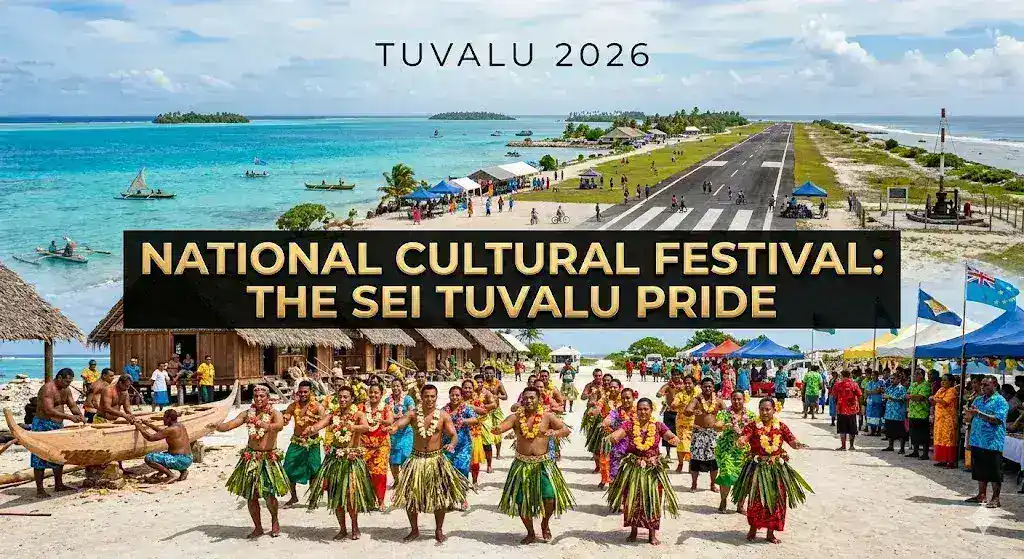
Tuvalu National Cultural Festival 2026: Your Complete Guide to the Historic First 5-Day Celebration
History is being made in the Pacific. In May 2026, the tiny island nation of Tuvalu will host its very first National Cultural Festival—a groundbreaking 5-day celebration that promises to showcase the rich heritage, traditions, and vibrant culture of one of the world's smallest and most remote countries. For travelers seeking authentic cultural experiences off the beaten path, this inaugural festival represents a once-in-a-lifetime opportunity to witness Tuvaluan culture in all its glory.
Tuvalu, a Polynesian island country consisting of nine coral atolls in the Pacific Ocean, has long been known for its stunning natural beauty, traditional way of life, and the existential threat it faces from climate change and rising sea levels. Yet despite its small size (home to just over 11,000 people) and remote location, Tuvalu possesses a cultural wealth that rivals any nation in the Pacific.
This comprehensive guide will walk you through everything you need to know about the Tuvalu National Cultural Festival 2026: festival dates and locations, cultural performances and activities, how to get there, accommodation options, what to expect, practical travel tips, and how to be a respectful visitor to this special event. Whether you're a cultural enthusiast, a Pacific history buff, or an adventurous traveler seeking something truly unique, this guide will help you plan your journey to the heart of Polynesian culture.
Why This Festival Matters: A Historic First

The Tuvalu National Cultural Festival represents more than just a celebration—it's a statement of cultural pride, preservation, and resilience. Here's why this event is so significant:
Cultural Preservation in the Face of Climate Change
Tuvalu faces an uncertain future as rising sea levels threaten to submerge its low-lying atolls within decades. This festival serves as a powerful declaration that Tuvaluan culture will endure, even if the physical islands face an uncertain future. It's an opportunity to document, celebrate, and share traditions that have been passed down for generations.
Unifying the Nation
While Tuvalu's nine atolls each have their own distinct characteristics and local traditions, this festival brings together communities from across the nation to celebrate their shared heritage. Expect to see representatives from Funafuti, Vaitupu, Nukufetau, Nukulaelae, Nanumanga, Nanumea, Niutao, Niulakita, and Motufoua all participating in the celebrations.
Sharing Tuvalu with the World
For a country that receives only about 2,000 tourists annually, this festival represents a chance to introduce Tuvaluan culture to a broader audience. It's an invitation to the world to experience authentic Polynesian traditions in an intimate, uncrowded setting.
Festival Dates and Locations

When: May 2026 (Exact Dates TBA)
The festival is scheduled for five consecutive days in May 2026. While exact dates have not been officially announced as of this writing, May is an ideal time to visit Tuvalu:
- Weather: May falls within Tuvalu's drier season, with less rainfall and more comfortable temperatures (average 28-30°C / 82-86°F)
- Trade Winds: Gentle easterly trade winds provide natural cooling
- Ocean Conditions: Calm seas make inter-island travel and water activities more enjoyable
- Avoids Cyclone Season: November-April is cyclone season; May is safely outside this window
- 👉 Hidden Gems Savo Island Volcanic Steam Cooking and Megapodes
- 👉 10-Day Palau Itinerary: Diving, Kayaking & WWII History
- 👉 Tonga Cultural Etiquette Sunday Laws and Appropriate Dress Codes
Where: Funafuti Atoll (Primary Location)
The main festival activities will take place on Funafuti, Tuvalu's capital atoll, specifically:
- Vaiaku Village: The main village and administrative center
- Funafuti Lagoon: Water-based activities and demonstrations
- Community Grounds: Traditional sports, craft demonstrations, and food stalls
- Manu Folau Grounds: Large outdoor venue for performances and gatherings
- 👉 Hidden Gems Savo Island Volcanic Steam Cooking and Megapodes
- 👉 10-Day Palau Itinerary: Diving, Kayaking & WWII History
- 👉 Tonga Cultural Etiquette Sunday Laws and Appropriate Dress Codes
Secondary Events on Outer Islands
Some atolls may host satellite celebrations or pre-festival events. Check with tour operators closer to the event date for inter-island festival opportunities.
Festival Program: What to Expect Each Day
While the complete schedule will be announced closer to the event, here's what you can anticipate based on traditional Tuvaluan cultural celebrations and similar Pacific festivals:
Day 1: Opening Ceremony & Welcome
- Morning: Traditional welcome ceremony (fono) with chiefs and community leaders
- Afternoon: Parade of the nine atolls, featuring traditional costumes and symbols from each island
- Evening: Grand opening fatele performance featuring hundreds of dancers
- Night: Community feast (fatele fiafia) with traditional foods
- 👉 Hidden Gems Savo Island Volcanic Steam Cooking and Megapodes
- 👉 10-Day Palau Itinerary: Diving, Kayaking & WWII History
- 👉 Tonga Cultural Etiquette Sunday Laws and Appropriate Dress Codes
Day 2: Traditional Music & Dance
- Morning: Fatele dance workshops for visitors (learn basic steps and movements)
- Afternoon: Inter-island fatele competition—each atoll showcases their unique style
- Late Afternoon: Traditional music performances featuring log drums (pate), ukulele, and vocal harmonies
- Evening: Sunset beach performance with fire dancing and contemporary Tuvaluan music
- 👉 Hidden Gems Savo Island Volcanic Steam Cooking and Megapodes
- 👉 10-Day Palau Itinerary: Diving, Kayaking & WWII History
- 👉 Tonga Cultural Etiquette Sunday Laws and Appropriate Dress Codes
Day 3: Traditional Crafts & Skills
- Morning: Weaving demonstrations—pandanus mat weaving, basket making, and fan crafting
- Afternoon: Traditional fishing techniques, net making, and canoe building demonstrations
- Late Afternoon: Shell craft, tattoo art demonstrations, and traditional body ornament creation
- Evening: Craft market featuring handmade items from all nine atolls
- 👉 Hidden Gems Savo Island Volcanic Steam Cooking and Megapodes
- 👉 10-Day Palau Itinerary: Diving, Kayaking & WWII History
- 👉 Tonga Cultural Etiquette Sunday Laws and Appropriate Dress Codes
Day 4: Traditional Sports & Games
- Morning: Traditional Tuvaluan sports competitions:
- Te Ano: Traditional ball game requiring agility and teamwork
- Coconut husking competitions
- Canoe racing in the lagoon
- Climbing competitions (niu tree climbing)
- 👉 Hidden Gems Savo Island Volcanic Steam Cooking and Megapodes
- 👉 10-Day Palau Itinerary: Diving, Kayaking & WWII History
- 👉 Tonga Cultural Etiquette Sunday Laws and Appropriate Dress Codes
- Afternoon: Swimming and freediving demonstrations
- Late Afternoon: Modern sports exhibitions (rugby, volleyball—huge in Tuvalu)
- Evening: Awards ceremony and sports celebration feast
- 👉 Hidden Gems Savo Island Volcanic Steam Cooking and Megapodes
- 👉 10-Day Palau Itinerary: Diving, Kayaking & WWII History
- 👉 Tonga Cultural Etiquette Sunday Laws and Appropriate Dress Codes
Day 5: Cultural Heritage & Closing
- Morning: Storytelling sessions—elders share creation myths, navigation legends, and island history
- Late Morning: Traditional navigation demonstrations and wayfinding knowledge sharing
- Afternoon: Final grand fatele performance featuring all participants
- Late Afternoon: Closing ceremony with speeches and cultural presentations
- Evening: Farewell feast and fireworks over the lagoon
- 👉 Hidden Gems Savo Island Volcanic Steam Cooking and Megapodes
- 👉 10-Day Palau Itinerary: Diving, Kayaking & WWII History
- 👉 Tonga Cultural Etiquette Sunday Laws and Appropriate Dress Codes
Cultural Highlights You Can't Miss
Fatele: The Heart of Tuvaluan Culture
Fatele is the traditional dance form of Tuvalu, performed at celebrations and ceremonies. It's characterized by:
- Seated dancers: Performers sit in rows, moving their upper bodies and arms in synchronized patterns
- Progressive tempo: Songs start slowly and gradually increase in speed and intensity
- Vocal harmonies: Complex polyphonic singing accompanied by rhythmic clapping
- Colorful costumes: Dancers wear traditional skirts made from pandanus leaves, shells, and flowers
- Community participation: Entire villages participate, with dancers ranging from children to elders
- 👉 Hidden Gems Savo Island Volcanic Steam Cooking and Megapodes
- 👉 10-Day Palau Itinerary: Diving, Kayaking & WWII History
- 👉 Tonga Cultural Etiquette Sunday Laws and Appropriate Dress Codes
At the festival, you'll see fatele performances that tell stories of Tuvaluan history, mythology, and daily life. Each atoll has its own variations, making the inter-island competition particularly exciting.
Traditional Music
Tuvaluan music blends Polynesian traditions with influences from missionaries and neighboring Pacific cultures:
- Log drums (pate): Carved from hollowed tree trunks, these provide the rhythmic foundation
- Ukulele and guitar: Introduced in the 20th century, now integral to Tuvaluan music
- Vocal harmonies: Tuvaluans are renowned for their beautiful choral singing
- Contemporary fusion: Modern Tuvaluan bands blend traditional elements with pop and reggae
- 👉 Hidden Gems Savo Island Volcanic Steam Cooking and Megapodes
- 👉 10-Day Palau Itinerary: Diving, Kayaking & WWII History
- 👉 Tonga Cultural Etiquette Sunday Laws and Appropriate Dress Codes
Traditional Crafts
Tuvaluan craftsmanship is both beautiful and functional:
- Pandanus weaving: Mats, baskets, fans, and hats woven from dried pandanus leaves
- Shell work: Jewelry and ornaments made from local shells
- Canoe building: Traditional outrigger canoes crafted using ancient techniques
- Fishing net making: Intricate hand-woven nets for lagoon fishing
- 👉 Hidden Gems Savo Island Volcanic Steam Cooking and Megapodes
- 👉 10-Day Palau Itinerary: Diving, Kayaking & WWII History
- 👉 Tonga Cultural Etiquette Sunday Laws and Appropriate Dress Codes
Traditional Food
Tuvaluan cuisine reflects the islands' reliance on the ocean and limited land resources:
- Pulaka: Swamp taro, a staple root vegetable
- Coconut: Used in almost every dish—milk, cream, and flesh
- Fresh fish: Tuna, reef fish, and shellfish prepared raw, grilled, or in coconut cream
- Palusami: Taro leaves baked with coconut cream (often with fish or meat)
- Fa'alifu: Breadfruit or taro cooked in coconut cream
- Tuvaluan pizza: Flatbread topped with coconut cream and fish
- Fresh tropical fruits: Bananas, papaya, pandanus fruit
- 👉 Hidden Gems Savo Island Volcanic Steam Cooking and Megapodes
- 👉 10-Day Palau Itinerary: Diving, Kayaking & WWII History
- 👉 Tonga Cultural Etiquette Sunday Laws and Appropriate Dress Codes
At the festival, expect communal feasts where you can sample authentic Tuvaluan dishes prepared using traditional earth oven (umu) methods.
How to Get to Tuvalu for the Festival
Reaching Tuvalu requires planning, as it's one of the world's most remote countries. Here's your step-by-step guide:
Step 1: International Flight to Fiji
Almost all travelers reach Tuvalu via Nadi International Airport (NAN) in Fiji. Major airlines serving Nadi include:
- Fiji Airways (connections from Los Angeles, Sydney, Auckland, Tokyo, Hong Kong)
- Qantas (from Sydney, Brisbane)
- Air New Zealand (from Auckland)
- United Airlines (from San Francisco via codeshare)
- 👉 Hidden Gems Savo Island Volcanic Steam Cooking and Megapodes
- 👉 10-Day Palau Itinerary: Diving, Kayaking & WWII History
- 👉 Tonga Cultural Etiquette Sunday Laws and Appropriate Dress Codes
Step 2: Fiji to Tuvalu
By Air (Recommended):
- Airline: Fiji Airways operates flights between Nadi (NAN) and Funafuti (FUN)
- Frequency: Typically 2-3 flights per week
- Flight Time: Approximately 2 hours
- Aircraft: ATR 72 turboprop (30-50 passengers)
- Cost: $800-1,500 USD round-trip (book early for festival dates)
- 👉 Hidden Gems Savo Island Volcanic Steam Cooking and Megapodes
- 👉 10-Day Palau Itinerary: Diving, Kayaking & WWII History
- 👉 Tonga Cultural Etiquette Sunday Laws and Appropriate Dress Codes
Important: Flights to Tuvalu fill up quickly, especially for special events. Book at least 4-6 months in advance for the May 2026 festival.
Step 3: Sea Travel (Alternative)
Occasionally, cargo/passenger ships operate between Fiji and Tuvalu, but schedules are irregular and journeys can take 3-5 days. This option is only recommended for adventurous travelers with flexible schedules.
Visa Requirements
- Most nationalities: Receive a 30-day visitor permit on arrival (free)
- Passport validity: Must be valid for at least 6 months beyond intended stay
- Proof of onward travel: Required (return or onward ticket)
- Proof of accommodation: Hotel booking or invitation letter
- Sufficient funds: Evidence you can support yourself during your stay
- 👉 Hidden Gems Savo Island Volcanic Steam Cooking and Megapodes
- 👉 10-Day Palau Itinerary: Diving, Kayaking & WWII History
- 👉 Tonga Cultural Etiquette Sunday Laws and Appropriate Dress Codes
Accommodation Options in Tuvalu
Tuvalu has limited accommodation, so booking early is essential for the festival period.
Vaiaku Lagi Hotel (Funafuti)
The only full-service hotel in Tuvalu
- Rooms: 18 rooms with air conditioning, private bathrooms, and lagoon views
- Location: Vaiaku Village, walking distance to festival venues
- Amenities: Restaurant, bar, limited Wi-Fi, tour desk
- Price: $150-250 USD per night
- Booking: Essential to reserve 6+ months in advance for festival
- 👉 Hidden Gems Savo Island Volcanic Steam Cooking and Megapodes
- 👉 10-Day Palau Itinerary: Diving, Kayaking & WWII History
- 👉 Tonga Cultural Etiquette Sunday Laws and Appropriate Dress Codes
Guesthouses and Homestays
More authentic, budget-friendly options:
- Funafuti Lagoon Hotel: Budget accommodation with basic rooms
- Family homestays: Arrange through Tuvalu Tourism or local contacts
- Community guesthouses: Simple rooms, shared facilities, cultural immersion
- Price: $40-100 USD per night
- 👉 Hidden Gems Savo Island Volcanic Steam Cooking and Megapodes
- 👉 10-Day Palau Itinerary: Diving, Kayaking & WWII History
- 👉 Tonga Cultural Etiquette Sunday Laws and Appropriate Dress Codes
Camping (Limited)
Some visitors arrange camping on uninhabited islets, but this requires special permits and local guides. Not recommended for first-time visitors during the busy festival period.
Important Note:
Tuvalu has very limited accommodation capacity. If you cannot secure lodging on Funafuti, consider:
- Staying on outer atolls (Vaitupu has some guesthouses) and traveling to Funafuti for festival events
- Booking a liveaboard boat (if available) that can anchor in the lagoon
- Coordinating with tour operators who may charter accommodation
- 👉 Hidden Gems Savo Island Volcanic Steam Cooking and Megapodes
- 👉 10-Day Palau Itinerary: Diving, Kayaking & WWII History
- 👉 Tonga Cultural Etiquette Sunday Laws and Appropriate Dress Codes
Getting Around Tuvalu
On Funafuti Atoll
- Walking: Funafuti's main islet (Fongafale) is only about 12 km long and 100-400 meters wide. Walking is easy and pleasant.
- Bicycle rental: Available for $10-15 USD per day—the ideal way to explore
- Taxis: Limited number of taxis; arrange through your accommodation
- Local buses: Informal minibus service runs along the main road
- 👉 Hidden Gems Savo Island Volcanic Steam Cooking and Megapodes
- 👉 10-Day Palau Itinerary: Diving, Kayaking & WWII History
- 👉 Tonga Cultural Etiquette Sunday Laws and Appropriate Dress Codes
Between Atolls
- Domestic flights: Air Tuvalu operates small aircraft between atolls (irregular schedule)
- Boat charters: Private boats can be hired for inter-island travel (expensive)
- Government ships: Occasionally transport passengers but schedules are unpredictable
- 👉 Hidden Gems Savo Island Volcanic Steam Cooking and Megapodes
- 👉 10-Day Palau Itinerary: Diving, Kayaking & WWII History
- 👉 Tonga Cultural Etiquette Sunday Laws and Appropriate Dress Codes
Practical Travel Tips for the Festival
Money and Banking
- Currency: Tuvaluan dollar (pegged 1:1 with Australian Dollar). AUD is widely accepted.
- Credit cards: Limited acceptance. Vaiaku Lagi Hotel accepts Visa/Mastercard, but most places are cash-only.
- ATMs: One ATM in Vaiaku Village (often unreliable). Bring sufficient cash from Fiji.
- Budget: Plan for $100-200 USD per day for meals, activities, and souvenirs.
- 👉 Hidden Gems Savo Island Volcanic Steam Cooking and Megapodes
- 👉 10-Day Palau Itinerary: Diving, Kayaking & WWII History
- 👉 Tonga Cultural Etiquette Sunday Laws and Appropriate Dress Codes
Connectivity
- Internet: Available at Vaiaku Lagi Hotel and some cafes, but slow and expensive
- Mobile coverage: Tuvalu Telecom provides coverage on Funafuti
- SIM cards: Available at the airport or telecom office ($30-50 USD)
- Reality check: Embrace the digital detox. Tuvalu is a place to disconnect and be present.
- 👉 Hidden Gems Savo Island Volcanic Steam Cooking and Megapodes
- 👉 10-Day Palau Itinerary: Diving, Kayaking & WWII History
- 👉 Tonga Cultural Etiquette Sunday Laws and Appropriate Dress Codes
Health and Safety
- Vaccinations: Routine vaccines recommended. No mandatory vaccines for entry.
- Medical facilities: Princess Margaret Hospital in Funafuti provides basic care. Serious cases require medical evacuation to Fiji.
- Travel insurance: ESSENTIAL—must cover medical evacuation (can cost $50,000+ USD)
- Medications: Bring all prescription medications in original packaging with doctor's note
- Water: Tap water is desalinated and safe to drink, but bottled water is recommended for visitors
- Sun protection: Equatorial sun is intense. Bring high-SPF sunscreen, hat, and sunglasses
- 👉 Hidden Gems Savo Island Volcanic Steam Cooking and Megapodes
- 👉 10-Day Palau Itinerary: Diving, Kayaking & WWII History
- 👉 Tonga Cultural Etiquette Sunday Laws and Appropriate Dress Codes
Packing Essentials
- Lightweight, breathable clothing (cotton or linen)
- Modest attire for village visits (covered shoulders and knees)
- Swimwear and reef-safe sunscreen
- Water shoes (coral can be sharp)
- Insect repellent (mosquitoes present, especially at dusk)
- Rain jacket (even in dry season, brief showers occur)
- Cash (Australian dollars in small denominations)
- Power adapter (Type I, same as Australia)
- Camera with extra batteries and memory cards
- Basic first aid kit and personal medications
- Small gifts from your home country (optional, but appreciated if staying with families)
- 👉 Hidden Gems Savo Island Volcanic Steam Cooking and Megapodes
- 👉 10-Day Palau Itinerary: Diving, Kayaking & WWII History
- 👉 Tonga Cultural Etiquette Sunday Laws and Appropriate Dress Codes
Cultural Etiquette and Respect
Tuvaluans are warm, welcoming people who value respect and community. Follow these guidelines to be a respectful visitor:
Dress Code
- In villages and public areas, dress modestly (no revealing clothing)
- Women should cover shoulders and wear skirts or shorts below the knee
- Men should wear shirts and avoid walking shirtless outside the beach
- Remove hats and sunglasses when entering homes or churches
- 👉 Hidden Gems Savo Island Volcanic Steam Cooking and Megapodes
- 👉 10-Day Palau Itinerary: Diving, Kayaking & WWII History
- 👉 Tonga Cultural Etiquette Sunday Laws and Appropriate Dress Codes
Photography
- Always ask permission before photographing people
- Some cultural ceremonies may have photography restrictions—respect these
- Avoid photographing government buildings or military installations
- Offer to share photos with people you photograph (a nice gesture)
- 👉 Hidden Gems Savo Island Volcanic Steam Cooking and Megapodes
- 👉 10-Day Palau Itinerary: Diving, Kayaking & WWII History
- 👉 Tonga Cultural Etiquette Sunday Laws and Appropriate Dress Codes
Social Customs
- Greetings: A simple "Hallo" (hello) or "Talofa" (greetings) goes a long way
- Respect for elders: Show deference to community leaders and older people
- Church: Sunday is sacred. Attend church services if invited, or keep noise to a minimum
- Gift-giving: If invited to a home, bring a small gift (food, kava, or something from your country)
- Patience: "Tuvalu time" is real. Things move slowly. Embrace it.
- 👉 Hidden Gems Savo Island Volcanic Steam Cooking and Megapodes
- 👉 10-Day Palau Itinerary: Diving, Kayaking & WWII History
- 👉 Tonga Cultural Etiquette Sunday Laws and Appropriate Dress Codes
Environmental Responsibility
- Tuvalu is on the front lines of climate change. Be mindful of your environmental impact.
- Use reef-safe sunscreen to protect coral reefs
- Don't touch or stand on coral
- Minimize plastic use—bring a reusable water bottle
- Respect marine life—don't chase or touch sea turtles, rays, or fish
- Take all trash with you when visiting uninhabited islets
- 👉 Hidden Gems Savo Island Volcanic Steam Cooking and Megapodes
- 👉 10-Day Palau Itinerary: Diving, Kayaking & WWII History
- 👉 Tonga Cultural Etiquette Sunday Laws and Appropriate Dress Codes
Festival Costs and Budgeting
Estimated Total Cost for 7 Days (Including Festival)
- International flights (to/from Fiji): $1,200-2,500 USD (varies by origin)
- Fiji-Tuvalu round-trip: $800-1,500 USD
- Accommodation (6 nights): $400-1,500 USD (depending on choice)
- Meals: $300-600 USD
- Festival activities: $50-150 USD (some events may have small fees)
- Local transport: $50-100 USD
- Souvenirs and extras: $100-300 USD
- Travel insurance: $150-300 USD
- 👉 Hidden Gems Savo Island Volcanic Steam Cooking and Megapodes
- 👉 10-Day Palau Itinerary: Diving, Kayaking & WWII History
- 👉 Tonga Cultural Etiquette Sunday Laws and Appropriate Dress Codes
Total estimated cost: $3,050-6,950 USD per person
Ways to Reduce Costs
- Book flights 6+ months in advance
- Choose guesthouses or homestays over hotels
- Eat at local cafes and food stalls instead of hotel restaurants
- Travel with a group to share costs
- Extend your stay in Fiji (cheaper flights and accommodation)
- 👉 Hidden Gems Savo Island Volcanic Steam Cooking and Megapodes
- 👉 10-Day Palau Itinerary: Diving, Kayaking & WWII History
- 👉 Tonga Cultural Etiquette Sunday Laws and Appropriate Dress Codes
Extending Your Trip: Exploring Beyond the Festival
If you're traveling all the way to Tuvalu, consider extending your trip to make the most of your journey:
Explore Outer Atolls
- Vaitupu: The second-largest atoll with beautiful lagoons and traditional villages
- Nukufetau: Known for pristine beaches and excellent snorkeling
- Nanumanga: Famous for underwater caves with historical significance
- 👉 Hidden Gems Savo Island Volcanic Steam Cooking and Megapodes
- 👉 10-Day Palau Itinerary: Diving, Kayaking & WWII History
- 👉 Tonga Cultural Etiquette Sunday Laws and Appropriate Dress Codes
Combine with Fiji
Spend a few days in Fiji before or after Tuvalu:
- Explore the Mamanuca or Yasawa Islands
- Visit Suva, Fiji's capital, for cultural experiences
- Relax at beach resorts
- 👉 Hidden Gems Savo Island Volcanic Steam Cooking and Megapodes
- 👉 10-Day Palau Itinerary: Diving, Kayaking & WWII History
- 👉 Tonga Cultural Etiquette Sunday Laws and Appropriate Dress Codes
Regional Island Hopping
Consider visiting other Pacific nations:
- Samoa (2-hour flight from Fiji)
- Tonga (3-hour flight from Fiji)
- Kiribati (nearby island nation)
- 👉 Hidden Gems Savo Island Volcanic Steam Cooking and Megapodes
- 👉 10-Day Palau Itinerary: Diving, Kayaking & WWII History
- 👉 Tonga Cultural Etiquette Sunday Laws and Appropriate Dress Codes
Frequently Asked Questions
Q: Is the Tuvalu National Cultural Festival open to tourists?
A: Yes! The festival welcomes international visitors. However, due to limited infrastructure, advance planning is essential.
Q: Do I need to speak Tuvaluan to attend?
A: No. English is widely spoken in Tuvalu, especially in Funafuti. Learning a few Tuvaluan phrases (like "fakafetai" for thank you) is appreciated but not required.
Q: What if I can't get accommodation in Tuvalu?
A: Book as early as possible. If hotels are full, contact Tuvalu Tourism about homestay options or consider staying on an outer atoll with guesthouses.
Q: Is Tuvalu safe for solo travelers?
A: Yes, Tuvalu is very safe with low crime rates. Solo travelers, including women, generally feel secure. However, the remote location means you should have comprehensive travel insurance.
Q: Can I use my phone in Tuvalu?
A: Yes, but coverage is limited to Funafuti and some outer atolls. Internet is slow and expensive. Consider it an opportunity to disconnect.
Q: What's the best time to visit Tuvalu besides the festival?
A: May-October offers the best weather (drier season). Avoid November-April due to cyclone risk and higher humidity.
Q: Are there vegetarian/vegan options at the festival?
A: Traditional Tuvaluan cuisine is heavy on fish and coconut, but pulaka (taro), breadfruit, and tropical fruits are plant-based. Inform organizers of dietary needs in advance.
Q: Can I bring drones for photography?
A: Drone use requires permission from Tuvalu authorities. Contact the Civil Aviation Department before traveling with a drone.
How to Prepare: Your Festival Planning Timeline
12 Months Before (May 2025)
- Research and set budget
- Check passport validity (must be valid 6+ months beyond travel dates)
- Start monitoring flight prices
- 👉 Hidden Gems Savo Island Volcanic Steam Cooking and Megapodes
- 👉 10-Day Palau Itinerary: Diving, Kayaking & WWII History
- 👉 Tonga Cultural Etiquette Sunday Laws and Appropriate Dress Codes
9 Months Before (August 2025)
- Book international flights to Fiji
- Book Fiji-Tuvalu flights (critical—these fill up fast)
- Reserve accommodation in Tuvalu
- Purchase comprehensive travel insurance
- 👉 Hidden Gems Savo Island Volcanic Steam Cooking and Megapodes
- 👉 10-Day Palau Itinerary: Diving, Kayaking & WWII History
- 👉 Tonga Cultural Etiquette Sunday Laws and Appropriate Dress Codes
6 Months Before (November 2025)
- Confirm festival dates and register if required
- Book any pre- or post-festival extensions
- Start gathering packing items
- 👉 Hidden Gems Savo Island Volcanic Steam Cooking and Megapodes
- 👉 10-Day Palau Itinerary: Diving, Kayaking & WWII History
- 👉 Tonga Cultural Etiquette Sunday Laws and Appropriate Dress Codes
3 Months Before (February 2026)
- Visit travel clinic for health advice and vaccinations
- Confirm all bookings
- Purchase Australian dollars for spending money
- Buy reef-safe sunscreen and travel essentials
- 👉 Hidden Gems Savo Island Volcanic Steam Cooking and Megapodes
- 👉 10-Day Palau Itinerary: Diving, Kayaking & WWII History
- 👉 Tonga Cultural Etiquette Sunday Laws and Appropriate Dress Codes
1 Month Before (April 2026)
- Confirm festival schedule
- Download offline maps and translation apps
- Inform your bank of travel plans
- Make copies of important documents (passport, insurance, tickets)
- 👉 Hidden Gems Savo Island Volcanic Steam Cooking and Megapodes
- 👉 10-Day Palau Itinerary: Diving, Kayaking & WWII History
- 👉 Tonga Cultural Etiquette Sunday Laws and Appropriate Dress Codes
1 Week Before
- Check weather forecast
- Confirm airport transfers
- Pack and weigh luggage
- Download entertainment for long flights
- 👉 Hidden Gems Savo Island Volcanic Steam Cooking and Megapodes
- 👉 10-Day Palau Itinerary: Diving, Kayaking & WWII History
- 👉 Tonga Cultural Etiquette Sunday Laws and Appropriate Dress Codes
The Bigger Picture: Why Your Visit Matters
Attending the Tuvalu National Cultural Festival 2026 is more than just a vacation—it's an act of cultural support and global awareness.
Supporting Cultural Preservation
Tourism revenue helps fund cultural programs, traditional arts education, and heritage preservation efforts. Your visit directly contributes to keeping Tuvaluan traditions alive for future generations.
Climate Change Awareness
Tuvalu is ground zero for climate change impacts. By visiting, you witness firsthand the beauty that's at risk and become an ambassador for climate action when you return home.
Sustainable Tourism
Tuvalu is exploring sustainable tourism as an economic alternative. Responsible visitors help demonstrate that tourism can benefit local communities without overwhelming fragile ecosystems.
Cultural Exchange
Your presence shows Tuvaluans that their culture is valued on the world stage. The connections you make and stories you share help build bridges between cultures.
Conclusion: A Journey Like No Other
The Tuvalu National Cultural Festival 2026 represents a historic opportunity to witness the vibrant culture of one of the world's most remote and endangered nations. This first-ever 5-day celebration promises authentic performances, traditional crafts, community feasts, and the chance to connect with Tuvaluan people whose warmth and resilience are as remarkable as their islands are beautiful.
Yes, getting to Tuvalu requires effort and planning. Yes, amenities are limited compared to mainstream tourist destinations. But that's precisely the point. In an era of overtourism and cookie-cutter travel experiences, Tuvalu offers something increasingly rare: genuine cultural immersion in a place where visitors are still a novelty, where traditions remain living practices rather than performances, and where every interaction feels meaningful.
As you plan your journey, remember that you're not just attending a festival—you're participating in a moment of cultural pride and preservation. You're bearing witness to a people determined to celebrate their heritage in the face of existential threats. And you're joining a small but growing community of travelers who understand that the world's smallest nations often have the biggest hearts.
So mark your calendars for May 2026. Book your flights. Pack your sense of adventure and respect. And prepare to experience a festival that, while small in scale, is enormous in significance. The people of Tuvalu are ready to share their culture with you. All you have to do is say "talofa" and let the islands work their magic.
Note: Festival details, dates, and logistics are subject to change. Always verify current information with Tuvalu Tourism (tourism@tuvalu.tv) or official government channels before finalizing travel plans. This guide is based on available information as of early 2026 and the traditions of similar Pacific cultural festivals.
0 Comments