.webp)
.webp)
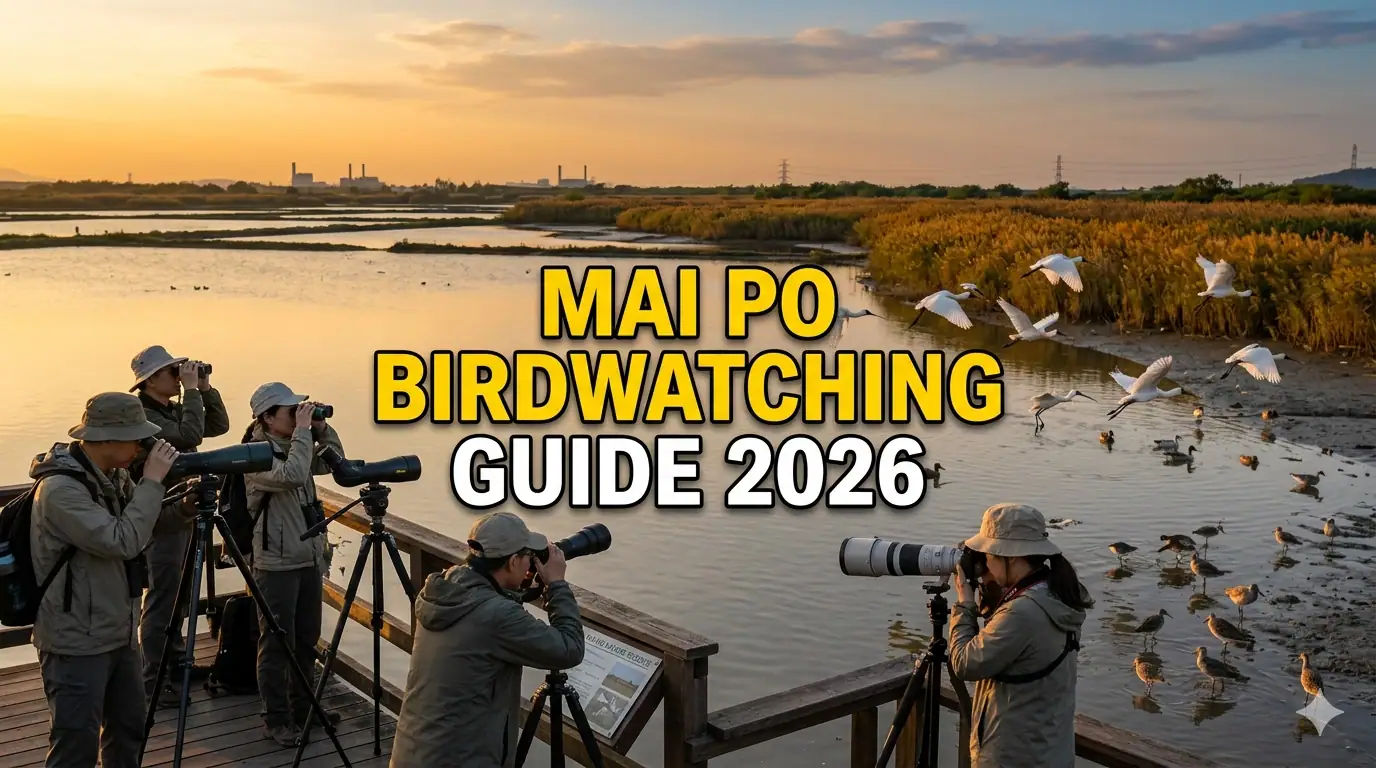
Overview of Mai Po Nature Reserve Birdwatching
Mai Po Nature Reserve stands as one of Asia's most important wetland habitats for migratory birds, hosting over 400 recorded bird species throughout the year.
Located in the northwestern New Territories of Hong Kong, this 380-hectare Ramsar Site serves as a critical stopover on the East Asian-Australasian Flyway.
The reserve's unique gei wai (shrimp pond) system, reed beds, and mangrove forests create diverse habitats attracting rare and endangered species.
Managed by WWF Hong Kong since 1984, Mai Po offers world-class birdwatching opportunities from November through March during peak migration.
This comprehensive 2026 guide reveals the best spots, seasonal highlights, and essential information for an unforgettable birdwatching experience.
Why Mai Po is a Birdwatching Paradise
Strategic location on major migratory route brings over 60,000 waterbirds annually during peak season.
Diverse habitats including intertidal mudflats, gei wai ponds, mangroves, and reed beds support varied species.
Internationally important for black-faced spoonbills with up to 10 percent of global population wintering here.
Over 400 bird species recorded including 30 globally threatened species.
Well-maintained hides and boardwalks provide excellent viewing opportunities with minimal disturbance.
Reserve Management and Conservation
WWF Hong Kong manages the reserve in partnership with Hong Kong Agriculture, Fisheries and Conservation Department.
Gei wai ponds operated using traditional shrimp farming methods that benefit bird populations.
Water level management in different gei wai creates optimal feeding conditions for various species.
Reed bed restoration projects maintain critical habitat for reed warblers and bitterns.
Visitor numbers controlled through permit system to minimize disturbance to sensitive species.
Best Birdwatching Locations Within Mai Po

Mai Po Nature Reserve features strategically placed hides and viewing areas designed for optimal bird observation.
Each location offers unique advantages depending on season, tide, and target species.
Understanding the layout helps maximize your birdwatching success during visits.
Main Hide (Hide No. 1)
Primary viewing location overlooking Gei Wai 1 and 2 with capacity for 20-30 birdwatchers.
Best for: Black-faced spoonbills, egrets, herons, and wintering waterfowl.
Features: Elevated platform with multiple viewing slots and telescope mounting points.
Peak season: November to March when water levels attract maximum bird numbers.
Accessibility: Wheelchair accessible via boardwalk from visitor center.
Best viewing: Early morning 7-10 AM and late afternoon 3-5 PM.
Gei Wai Viewing Platform
Ground-level platform providing different perspective on shrimp pond habitats.
Best for: Shorebirds, sandpipers, plovers, and feeding waders.
Features: Close-up views of birds feeding in shallow water.
Peak season: Low tide periods from October to April.
Accessibility: Moderate walking required on uneven surfaces.
Best viewing: 2 hours before to 2 hours after low tide.
Reed Boardwalk
Elevated wooden walkway through 20 hectares of reed bed habitat.
Best for: Reed warblers, bitterns, yellow bittern, and reed parrotbill.
Features: 800-meter boardwalk with multiple observation points.
Peak season: April to June for breeding birds, September to November for migrants.
Accessibility: Moderate difficulty, some stairs along route.
Best viewing: Dawn and dusk when birds most active.
Mangrove Viewing Area
Tidal zone observation point overlooking mangrove forest and mudflats.
Best for: Kingfishers, mangrove specialists, and tidal waders.
Features: Views of intertidal ecosystem and mangrove-dependent species.
Peak season: Year-round with seasonal species variations.
Accessibility: Easy walking on established paths.
Best viewing: High tide when birds concentrate in mangroves.
Private Hides (Requires Special Permit)
Exclusive hides available for serious photographers and researchers.
Best for: Close-up photography of shy species without disturbance.
Features: Individual or small group hides with camouflage and viewing slots.
Availability: Limited permits issued through application process.
Best for: Dedicated bird photographers and research projects.
Seasonal Birdwatching Calendar 2026

Mai Po's bird population changes dramatically throughout the year with distinct seasonal patterns.
Understanding these patterns helps plan visits for target species and optimal viewing conditions.
Winter Season November to March Peak Migration
Peak birdwatching season with maximum species diversity and numbers.
November: Arrival of winter migrants including black-faced spoonbills, Saunders's gulls.
December-January: Peak numbers with 30,000+ waterbirds, best spoonbill viewing.
February-March: Continued good numbers plus early spring migrants arriving.
Key species: Black-faced spoonbill, Eurasian spoonbill, Saunders's gull, broad-billed sandpiper.
Weather: Cool and dry 15-20°C, excellent visibility.
Crowds: Highest visitor numbers, advance booking essential.
Spring Season April to June Breeding and Passage
Transition period with breeding residents and northbound migrants.
April: Last winter departures, first summer arrivals, reed warbler breeding begins.
May: Peak breeding activity, reed bed species most active.
June: Summer residents established, fewer waterbirds but good passerines.
Key species: Yellow bittern, black bittern, reed parrotbill, oriental reed warbler.
Weather: Warm and humid 25-30°C, occasional rain.
Crowds: Moderate visitor numbers, easier booking.
Summer Season July to September Resident Birds
Quiet season focused on resident species and early migrants.
July-August: Hot and humid, mainly resident species, kingfishers active.
September: First autumn migrants appear, shorebirds return.
Key species: Collared kingfisher, white-throated kingfisher, little green heron.
Weather: Hot and humid 28-33°C, typhoon season.
Crowds: Lowest visitor numbers, easy booking.
Autumn Season October to November Migration Peak
Second peak season with southbound migrants and returning winter visitors.
October: Strong passage migration, shorebird numbers build.
November: Winter residents arrive, spoonbills return, peak diversity.
Key species: Broad-billed sandpiper, great knot, black-tailed godwit, black-faced spoonbill.
Weather: Pleasant 20-25°C, decreasing humidity.
Crowds: High visitor numbers increase through November.
Rare and Endangered Species Guide

Mai Po hosts numerous globally threatened species making it internationally significant for conservation.
Knowing where and when to find these rarities enhances the birdwatching experience.
Black-faced Spoonbill Platalea minor
Endangered species with global population around 5,000 individuals.
Mai Po hosts 300-500 individuals (up to 10% of global population) in winter.
Best viewing: November to March at Main Hide and Gei Wai 1-2.
Behavior: Feed by sweeping bills side-to-side in shallow water.
Peak numbers: December to February with roosting flocks of 100+.
Photography: Best in morning light when birds actively feeding.
Saunders's Gull Saundersilarus saundersi
Vulnerable species with declining population worldwide.
Mai Po supports 50-100 individuals during winter months.
Best viewing: November to March on mudflats and shallow gei wai.
Behavior: Small gull feeding on invertebrates in shallow water.
Identification: Black hood, white body, red bill and legs.
Best locations: Gei Wai viewing platform and mudflat areas.
Nordmann's Greenshank Tringa guttifer
Endangered species with fewer than 1,000 individuals globally.
Mai Po records 5-20 individuals during migration periods.
Best viewing: April-May and September-October during passage.
Behavior: Large sandpiper feeding on mudflats and shallow pools.
Identification: Very large greenshank with long slightly upturned bill.
Best locations: Tidal mudflats and managed gei wai.
Yellow Bittern Ixobrychus sinensis
Uncommon resident and summer visitor to reed beds.
Best viewing: May to August in reed bed habitat.
Behavior: Secretive heron, active at dawn and dusk.
Identification: Small yellowish-brown bittern, males have black cap.
Best locations: Reed boardwalk and reed bed edges.
Photography: Challenging species requiring patience and stealth.
Permit System and Booking Procedures

Access to Mai Po Nature Reserve requires permits to protect sensitive habitats and manage visitor impact.
Understanding the permit system ensures smooth planning and legal access.
Types of Permits Available
Day Visitor Permit: For general birdwatching, includes access to main hides and boardwalks.
Cost: HKD 50 for Hong Kong residents, HKD 100 for non-residents.
Validity: Single day access, must be used on date specified.
Group size: Maximum 30 people per time slot.
Photography Permit: Additional permit for professional photography.
Cost: HKD 200 per day for commercial photography.
Research Permit: For scientific studies, application required.
How to Book Permits
Online booking through WWF Hong Kong website recommended.
Booking opens 30 days in advance for general permits.
Peak season (November-March) books up quickly, reserve early.
Phone booking available at +852 2526 1011 for those without internet.
Walk-in permits occasionally available but not guaranteed.
Group bookings (10+ people) require 14 days advance notice.
Permit Restrictions and Rules
Maximum stay: 4 hours per permit to allow multiple groups daily.
Time slots: Morning 9 AM-1 PM, Afternoon 1 PM-5 PM.
Photography: Tripods allowed but no hides without special permit.
Noise: Maintain quiet to avoid disturbing birds.
Food and drink: Only in designated areas, no feeding wildlife.
Waste: Carry out all trash, leave no trace.
Guided Tours vs Independent Visits
Guided tours include permit, transport, and expert guide.
Cost: HKD 300-500 per person for half-day tour.
Advantages: Expert knowledge, optimal timing, guaranteed sightings.
Independent visits: More flexibility, lower cost, self-paced.
Best for beginners: Guided tours provide orientation and expertise.
Best for experienced: Independent visits allow customized schedule.
Photography Tips and Best Practices

Mai Po offers exceptional bird photography opportunities with proper preparation and technique.
Following best practices ensures great images while protecting wildlife.
Recommended Equipment
Telephoto lens: 400mm minimum, 600mm+ ideal for distant birds.
Teleconverter: 1.4x or 2x extender for extra reach.
Tripod: Essential for stability, especially with long lenses.
Bean bag: Useful for hide photography on viewing slots.
Camera body: Fast autofocus and good high ISO performance.
Memory cards: Bring spares, high capacity for burst shooting.
Best Photography Locations
Main Hide: Best for spoonbills and large waterbirds, multiple viewing slots.
Gei Wai Platform: Good for shorebirds at eye level.
Reed Boardwalk: Challenging but rewarding for small reed bed species.
Private hides: Best for close-up portraits (special permit required).
Tidal areas: Dynamic lighting and bird activity with tides.
Lighting and Timing
Golden hour: First 2 hours after sunrise and last 2 hours before sunset.
Morning light: Best for Main Hide facing east.
Afternoon light: Better for gei wai and western areas.
Overcast days: Soft light ideal for bird portraits, no harsh shadows.
Midday: Harsh light, use fill flash or seek shade.
Ethical Photography Practices
Maintain safe distances, use telephoto lenses rather than approaching.
No playback of bird calls to attract birds for photos.
Respect other birdwatchers, don't block viewing slots.
No drones permitted in nature reserve.
Follow hide rules, no flash photography in enclosed spaces.
Priority to bird welfare over photograph.
Getting to Mai Po Nature Reserve

Reaching Mai Po requires planning as public transport options are limited.
Multiple access methods suit different budgets and preferences.
Public Transportation
MTR to Lok Ma Chau Station, then taxi to Mai Po (10 minutes).
Taxi cost: Approximately HKD 50-70 from Lok Ma Chau.
Bus 76K from Sheung Shui to Mai Po stop, then 15-minute walk.
Bus frequency: Every 20-30 minutes on weekdays.
Total travel time: 60-90 minutes from central Hong Kong.
Cost: HKD 20-30 per person by public transport.
Private Vehicle
Drive via Yuen Long Highway to Mai Po Road.
Limited parking available at visitor center (10 spaces).
Parking fee: HKD 20 per day.
Advance booking required for parking during peak season.
Access road: Narrow country road, drive carefully.
GPS coordinates: 22.4933°N, 114.0400°E.
Organized Tours with Transport
WWF Hong Kong offers guided tours with transport from Kowloon.
Departure: 7:30 AM from Tsim Sha Tsui.
Cost: HKD 450-600 including permit, guide, and transport.
Duration: Full day 7:30 AM to 5 PM.
Booking: Essential, especially for winter season.
Advantage: Hassle-free, expert guidance included.
Taxi and Ride-Hailing
Direct taxi from Kowloon: HKD 300-400 one way.
Uber/ride-hailing available but limited return options.
Arrange return pickup in advance with driver.
Best for: Groups of 3-4 sharing cost.
Travel time: 45-60 minutes from Kowloon.
Visitor Facilities and Amenities

Mai Po provides basic facilities to support birdwatching visits.
Understanding available amenities helps with trip planning.
Visitor Center
Exhibition hall with information about reserve and species.
Opening hours: 9 AM to 5 PM daily.
Facilities: Toilets, drinking water, small shop.
Shop items: Bird guides, souvenirs, refreshments.
Staff: WWF personnel for information and assistance.
Permit collection point for pre-booked visitors.
Food and Refreshments
Limited facilities within reserve, bring your own supplies.
Small shop at visitor center sells drinks and snacks.
No restaurants within reserve boundaries.
Nearest restaurants: Mai Po village or Yuen Long (15 minutes drive).
Picnic area: Designated area near visitor center.
Recommendation: Bring lunch and water for full day visit.
Accessibility Features
Main hide and visitor center wheelchair accessible.
Boardwalks have gentle gradients suitable for wheelchairs.
Accessible toilets at visitor center.
Some reed boardwalk sections not wheelchair accessible.
Assistance available for visitors with mobility needs.
Advance notice appreciated for special arrangements.
Conservation and Responsible Birdwatching

Mai Po's ecological importance requires responsible visitor behavior.
Following guidelines helps protect this vital wetland habitat.
Code of Conduct
Stay on designated paths and boardwalks to protect habitat.
Keep noise levels low, avoid startling birds.
No feeding of wildlife under any circumstances.
Carry out all trash, leave no trace.
Respect other visitors and share viewing spaces.
Follow all instructions from WWF staff and guides.
Habitat Protection
Gei wai system maintains traditional shrimp farming benefiting birds.
Water level management creates optimal feeding conditions.
Reed bed management maintains habitat for specialist species.
Mangrove conservation protects coastal ecosystem.
Visitor numbers controlled to minimize disturbance.
Your permit fees support ongoing conservation work.
Threats and Challenges
Urban development pressure from expanding Shenzhen.
Water pollution from upstream sources.
Climate change affecting migration patterns and sea levels.
Invasive species threatening native habitats.
Illegal hunting still occurs despite protection.
Support conservation through responsible tourism and donations.
Planning Your Visit: Practical Tips

Proper preparation ensures successful and enjoyable birdwatching at Mai Po.
These practical tips help maximize your experience.
What to Bring
Binoculars: 8x42 or 10x42 recommended for general birdwatching.
Spotting scope: Useful for distant waterbirds on mudflats.
Field guide: Hong Kong bird field guide or app.
Notebook and pen: For recording species and observations.
Camera: With telephoto lens if photographing.
Weather protection: Sun hat, rain jacket, layers.
Food and water: Sufficient for your visit duration.
Insect repellent: Essential in summer months.
Best Times to Visit
Time of day: Early morning 7-10 AM most active bird period.
Secondary peak: Late afternoon 3-5 PM before roosting.
Tide times: Check tide tables, low tide best for mudflat species.
Season: November-March for waterbirds, April-June for reed bed species.
Weekdays: Less crowded than weekends and holidays.
Weather: Overcast days often better for bird activity.
Combining with Other Sites
Deep Bay area: Additional wetland habitats nearby.
Lau Fau Shan: Fishing village with mudflat birdwatching.
Sham Chun River: Border wetland with good waterbirds.
Yuen Long: Town with restaurants and amenities.
Full day itinerary: Mai Po morning, other sites afternoon.
Multi-day trip: Combine with other Hong Kong birding sites.
Species Checklist and Highlights
Mai Po's diverse habitats support remarkable bird diversity throughout the year.
Here are key species to target during your visit.
Winter Highlights November to March
Black-faced Spoonbill: 300-500 individuals, endangered.
Saunders's Gull: 50-100 individuals, vulnerable.
Eurasian Spoonbill: Common winter visitor, hundreds present.
Great Knot: Passage migrant, flocks on mudflats.
Black-tailed Godwit: Common winter visitor, thousands present.
Nordmann's Greenshank: Rare passage migrant, 5-20 individuals.
Relict Gull: Rare winter visitor, 1-10 individuals.
Summer Residents April to September
Yellow Bittern: Uncommon resident, reed beds.
Black Bittern: Rare resident, dense mangroves.
Reed Parrotbill: Common resident, reed beds.
Oriental Reed Warbler: Common summer breeder.
Collared Kingfisher: Common resident, mangroves.
White-throated Kingfisher: Common resident, open areas.
Little Green Heron: Uncommon resident, mangroves.
Year-Round Residents
Egrets: Little, intermediate, and great egrets common.
Herons: Grey heron, purple heron present year-round.
Terns: Whiskered, white-winged black terns in season.
Kingfishers: Multiple species resident or seasonal.
Passerines: Various warblers, buntings, and finches.
0 Comments