.webp)
.webp)
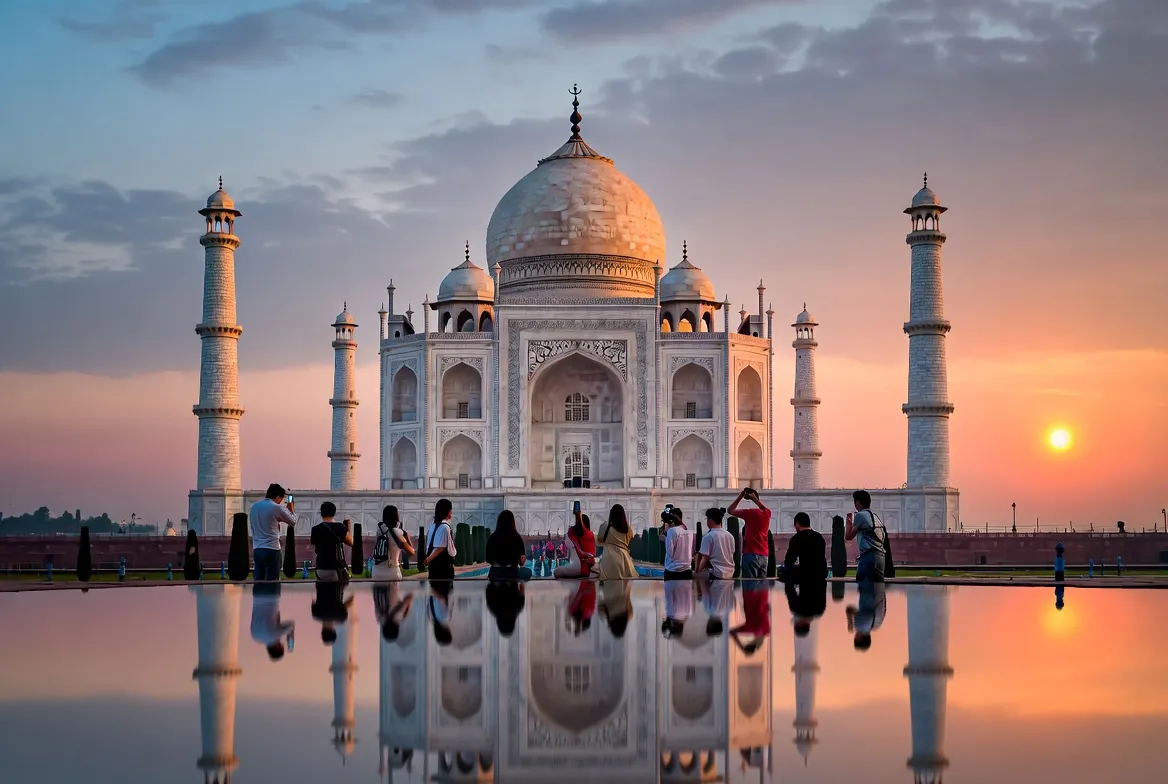
The Ultimate India Travel Guide 2026: Everything You Need to Know
India, a land of extraordinary diversity, ancient traditions, and breathtaking landscapes, stands as one of the world's most captivating travel destinations. As we step into 2026, this magnificent subcontinent continues to evolve, offering travelers an unparalleled blend of heritage and modernity. Whether you're planning your first visit or returning to explore more of its wonders, this comprehensive guide will equip you with everything needed for an unforgettable Indian journey.
From the snow-capped Himalayas in the north to the tropical beaches of the south, from bustling metropolitan cities to serene spiritual retreats, India presents a tapestry of experiences that can overwhelm even the most seasoned traveler. This guide breaks down the complexities of traveling in India, providing practical advice, insider tips, and detailed information to help you navigate this incredible country with confidence and ease.
Why Visit India in 2026?
The year 2026 marks an exciting time to explore India. The country has made significant strides in tourism infrastructure, digital connectivity, and traveler facilities. New high-speed rail connections, improved airport facilities, and enhanced digital payment systems have made traveling across India more convenient than ever before. Additionally, the government's continued focus on sustainable tourism and heritage conservation ensures that visitors can experience India's treasures responsibly.
India's tourism sector has rebounded strongly, with new experiences, restored monuments, and emerging destinations opening up for exploration. The country's commitment to showcasing its cultural diversity while preserving its natural beauty makes 2026 an ideal year to discover its many wonders. From newly opened trekking routes in the Himalayas to revitalized heritage walks in ancient cities, India offers fresh perspectives alongside timeless attractions.
Understanding India's Diversity
India is not just a country; it's a continent disguised as a nation. With 28 states and 8 union territories, each region boasts its own language, cuisine, culture, and traditions. The country is home to over 1.4 billion people, hundreds of ethnic groups, and every major religion known to humanity. This incredible diversity is India's greatest strength and what makes traveling here such a rich, rewarding experience.
Geographically, India encompasses everything from the world's highest mountain ranges to pristine beaches, from arid deserts to lush rainforests, and from bustling urban centers to tranquil rural villages. This variety means that your travel experience can be tailored to your interests, whether you seek adventure, spirituality, culinary delights, historical exploration, or natural beauty.
Best Time to Visit India in 2026

Timing your visit to India is crucial for maximizing your experience. The country's vast size means weather patterns vary dramatically across regions, making the "best" time to visit dependent on your destinations and interests.
Winter Season (October to March)
Winter is generally considered the best time to visit most parts of India. During these months, the weather is pleasant and comfortable across the majority of the country. Northern India, including Delhi, Agra, Rajasthan, and the Himalayan regions, experiences cool, crisp days perfect for sightseeing and outdoor activities. Temperatures typically range from 10°C to 25°C (50°F to 77°F).
South India also enjoys favorable conditions during winter, with warm days and cool evenings. This is an ideal time to explore Kerala's backwaters, visit Tamil Nadu's magnificent temples, or relax on Goa's beaches. The winter months also coincide with many of India's most vibrant festivals, including Diwali (usually in October or November), Christmas, New Year, and the spectacular Republic Day celebrations on January 26th.
However, this is also peak tourist season, meaning popular destinations will be crowded and prices for accommodation and flights will be at their highest. Booking several months in advance is essential, especially for December and January travel.
Summer Season (April to June)
Summer in India can be intensely hot, particularly in the northern plains and central regions, where temperatures often exceed 40°C (104°F). However, this season offers unique opportunities for travelers willing to brave the heat. Hill stations in the Himalayas, such as Shimla, Manali, Darjeeling, and Mussoorie, provide cool refuges and are particularly popular during this time.
Summer is also an excellent time to visit Ladakh and Spiti Valley, as the high mountain passes open up, allowing access to these remote, breathtaking regions. Wildlife enthusiasts will find summer ideal for national park safaris, as animals congregate around water sources, making them easier to spot.
The advantage of traveling during summer is fewer crowds and lower prices. However, the extreme heat can be challenging, and outdoor activities need to be planned carefully, typically for early morning or late evening hours.
Monsoon Season (July to September)
The monsoon season transforms India's landscape, turning it lush and green. While heavy rains can disrupt travel plans, particularly in coastal and mountainous regions, the monsoon also offers unique experiences. The countryside is at its most beautiful, waterfalls are in full flow, and the air is fresh and clean.
Kerala and Goa are particularly enchanting during the monsoon, with dramatic skies and verdant landscapes. This is also an excellent time for Ayurvedic treatments, as the humid weather is believed to enhance the effectiveness of traditional therapies. The monsoon season sees the fewest tourists, resulting in significantly lower prices and a more authentic experience.
However, travelers must be prepared for potential disruptions, including flight delays, road closures, and limited access to certain areas. Proper planning and flexibility are essential when traveling during the monsoon.
Essential Travel Requirements for India 2026

Proper preparation is key to a smooth India travel experience. Understanding and fulfilling all requirements before your trip will save you time, money, and stress.
Visa Requirements
Most foreign nationals require a visa to enter India. The good news is that India has streamlined its visa process significantly, offering e-Visa facilities for citizens of over 160 countries. The e-Visa system is convenient, allowing you to apply online without visiting an embassy or consulate.
As of 2026, India offers several types of e-Visas:
- e-Tourist Visa: Available for 30 days, 1 year, or 5 years with multiple entries. The 30-day visa allows double entry, while the 1-year and 5-year visas permit multiple entries with a maximum stay of 90 days per visit for most nationalities.
- e-Business Visa: For those traveling for business purposes, valid for 1 year with multiple entries.
- e-Medical Visa: For medical treatment, valid for 60 days with triple entry.
- 👉 Is the Maldives Really Sinking? The Truth About Visiting in 2026
- 👉 Why "Tirthan Valley" is the best alternative to crowded Manali in 2026.
- 👉 Philippines Digital Nomad Visa 2026: Application Guide
Apply for your e-Visa at least 4-7 days before your intended travel date, though applications can be submitted up to 120 days in advance. The processing fee varies by nationality and visa type. Ensure your passport has at least six months of validity from your date of arrival and at least two blank pages for stamping.
For those requiring traditional visas or planning extended stays, contacting the Indian embassy or consulate in your country is recommended. Some nationalities may have specific requirements or restrictions, so always verify the latest information before applying.
Travel Insurance
While not mandatory for entry, comprehensive travel insurance is highly recommended for all visitors to India. Medical facilities vary widely across the country, and while major cities have excellent hospitals, rural areas may have limited healthcare infrastructure. Your insurance should cover medical emergencies, hospitalization, evacuation, trip cancellation, and lost luggage.
Given India's diverse activities, from trekking in the Himalayas to water sports in Goa, ensure your policy covers adventure activities if you plan to participate. Some insurers offer India-specific policies that account for common travel scenarios in the country.
Vaccinations and Health Precautions
Certain vaccinations are recommended or required for entry into India. Consult a travel health clinic 4-6 weeks before your trip. Commonly recommended vaccines include Hepatitis A and B, Typhoid, Tetanus, and Japanese Encephalitis for those visiting rural areas. Yellow Fever vaccination is required if you're arriving from a country with risk of Yellow Fever transmission.
Malaria prophylaxis may be advisable depending on your destinations and the season. India has made significant progress in malaria control, but the disease remains present in some regions. Consult your healthcare provider for personalized advice.
Carry a basic medical kit including medications for common travel ailments such as diarrhea, allergies, and minor infections. Prescription medications should be in their original packaging with a copy of your prescription.
Planning Your India Itinerary

India's vastness means you cannot see everything in one trip. A well-planned itinerary focusing on specific regions will provide a more enjoyable and immersive experience than attempting to cover too much ground.
First-Time Visitor's Classic Route (2-3 Weeks)
For those visiting India for the first time, the Golden Triangle combined with Kerala offers an excellent introduction to the country's diversity:
- Delhi (3-4 days): Explore the capital's rich history, from Mughal monuments like the Red Fort and Humayun's Tomb to colonial architecture and bustling markets. Don't miss the spiritual experience at Lotus Temple and Akshardham.
- Agra (2 days): Home to the iconic Taj Mahal, one of the Seven Wonders of the World, as well as Agra Fort and Fatehpur Sikri.
- Jaipur (3 days): The Pink City offers magnificent palaces, forts, and vibrant bazaars. Visit Amber Fort, City Palace, Hawa Mahal, and Jantar Mantar.
- Kerala (5-7 days): Experience the tranquil backwaters of Alleppey, the hill stations of Munnar, and the beaches of Kovalam. Kerala provides a stark, refreshing contrast to the intensity of northern India.
- 👉 Is the Maldives Really Sinking? The Truth About Visiting in 2026
- 👉 Why "Tirthan Valley" is the best alternative to crowded Manali in 2026.
- 👉 Philippines Digital Nomad Visa 2026: Application Guide
Adventure and Nature Focus (2-3 Weeks)
For nature lovers and adventure seekers:
- Ladakh (7-10 days): High-altitude desert landscapes, Buddhist monasteries, and thrilling mountain passes.
- Himachal Pradesh (5-7 days): Trekking in Manali, exploring Shimla's colonial charm, and visiting Dharamshala.
- Rishikesh and Uttarakhand (3-5 days): Yoga capital of the world, white-water rafting, and gateway to Himalayan treks.
- 👉 Is the Maldives Really Sinking? The Truth About Visiting in 2026
- 👉 Why "Tirthan Valley" is the best alternative to crowded Manali in 2026.
- 👉 Philippines Digital Nomad Visa 2026: Application Guide
Cultural and Spiritual Journey (2-3 Weeks)
For those interested in India's spiritual heritage:
- Varanasi (3-4 days): One of the world's oldest continuously inhabited cities, sacred to Hindus.
- Bodh Gaya and Bihar (3-4 days): Where Buddha attained enlightenment.
- Amritsar (2-3 days): Home to the Golden Temple, Sikhism's holiest shrine.
- Tamil Nadu Temple Trail (7-10 days): Explore magnificent Dravidian temples in Chennai, Madurai, Thanjavur, and Mahabalipuram.
- 👉 Is the Maldives Really Sinking? The Truth About Visiting in 2026
- 👉 Why "Tirthan Valley" is the best alternative to crowded Manali in 2026.
- 👉 Philippines Digital Nomad Visa 2026: Application Guide
Getting Around India

India's transportation network is extensive and varied, offering options for every budget and comfort level.
Domestic Flights
For covering long distances quickly, domestic flights are the best option. India has a robust network of airlines connecting major cities and many smaller destinations. Carriers like IndiGo, Air India, Vistara, and SpiceJet offer competitive prices, especially when booked in advance. Flight times are significantly shorter than train or road travel, making them ideal for maximizing your time.
Book domestic flights 2-4 weeks in advance for the best prices. Budget airlines offer basic fares, while full-service carriers provide more comfort and included amenities. Always verify baggage allowances, as budget carriers often charge extra for checked luggage.
Train Travel
Indian Railways is one of the world's largest rail networks, offering an authentic and economical way to travel. Trains connect virtually every corner of the country and provide a unique window into Indian life.
Classes of travel include:
- AC First Class (1AC): Most expensive but offers privacy and comfort with lockable cabins.
- AC 2-Tier (2AC): Comfortable air-conditioned berths with curtains for privacy.
- AC 3-Tier (3AC): Most popular choice for tourists, offering good comfort at reasonable prices.
- Sleeper Class: Non-AC, budget-friendly option for shorter journeys.
- 👉 Is the Maldives Really Sinking? The Truth About Visiting in 2026
- 👉 Why "Tirthan Valley" is the best alternative to crowded Manali in 2026.
- 👉 Philippines Digital Nomad Visa 2026: Application Guide
Book train tickets well in advance, especially for popular routes and during peak season. Use the IRCTC website or authorized agents. Tourist quota seats are available on certain trains for foreign travelers. For a luxury experience, consider heritage trains like the Palace on Wheels or Maharajas' Express.
Road Travel
Buses and private vehicles offer flexibility for exploring regions not well-connected by rail or air. State-run and private buses operate on most routes, with varying levels of comfort. Volvo and other AC sleeper buses provide comfortable overnight travel options.
Ride-sharing apps like Ola and Uber operate in major cities, offering convenient and affordable urban transportation. For intercity travel, apps like MakeMyTrip and Goibibo allow you to book taxis and cabs.
Self-driving is generally not recommended for foreign tourists due to challenging road conditions, aggressive driving styles, and complex traffic rules. Hiring a car with a driver is a popular and relatively affordable option, providing flexibility and local knowledge.
Metro and Local Transport
Major cities like Delhi, Mumbai, Bangalore, Chennai, and Kolkata have modern metro systems that are clean, efficient, and affordable. They're excellent for avoiding traffic congestion. Auto-rickshaws and cycle-rickshaws are ubiquitous for short distances, but always agree on fares beforehand or insist on using the meter.
Accommodation Options in India

India offers accommodation options for every budget and preference, from budget hostels to luxury heritage hotels.
Budget Accommodation
Hostels and guesthouses are abundant in tourist areas, offering dormitory beds or private rooms at affordable prices. Chains like Zostel, GoStops, and Backpacker Panda provide clean, social accommodations popular with young travelers. Prices range from $5-15 per night for dorms and $15-30 for private rooms.
Budget hotels and lodges are available throughout the country. While facilities may be basic, many offer good value. Always inspect the room before booking and check reviews online.
Mid-Range Hotels
India has an excellent selection of 3-4 star hotels offering comfortable rooms, air conditioning, attached bathrooms, and often restaurants and other amenities. Prices typically range from $40-100 per night. International chains like Marriott, Hilton, and Accor, as well as reputable Indian chains like Taj, Oberoi, and ITC, maintain consistent quality standards.
Boutique hotels and heritage properties converted from palaces, havelis, and colonial buildings offer unique experiences at mid-range prices in many destinations.
Luxury Accommodation
India is renowned for its luxury hospitality, from palace hotels in Rajasthan to beach resorts in Goa and wildlife lodges in national parks. Properties like the Taj Mahal Palace in Mumbai, Umaid Bhawan Palace in Jodhpur, and Oberoi Udaivilas in Udaipur offer world-class service and unforgettable experiences. Expect to pay $200-1000+ per night.
Luxury tented camps in destinations like Ranthambore and Corbett provide unique wildlife experiences with high-end comforts.
Homestays and Alternative Accommodation
Homestays have grown in popularity, offering authentic cultural experiences and supporting local communities. Platforms like Airbnb operate in major cities, while specialized platforms connect travelers with homestays in rural and mountainous areas. This is particularly rewarding in regions like Himachal Pradesh, Sikkim, and Kerala.
Indian Cuisine: A Culinary Journey

Indian food is as diverse as the country itself, with each region boasting distinct flavors, ingredients, and cooking styles. Embracing Indian cuisine is essential to understanding and enjoying your travels.
Regional Specialties
North India: Known for rich, creamy curries, tandoori dishes, and various breads like naan, roti, and paratha. Delhi, Punjab, and Uttar Pradesh specialize in dishes like butter chicken, chole bhature, and kebabs.
South India: Features rice-based dishes, coconut, and tamarind. Tamil Nadu, Kerala, Karnataka, and Andhra Pradesh offer dosas, idlis, sambar, and spicy curries. Seafood is prominent in coastal areas.
West India: Gujarat offers vegetarian thalis with sweet and savory flavors. Maharashtra is famous for vada pav and pav bhaji. Goa's Portuguese influence is evident in its seafood curries and vindaloo.
East India: Bengal is renowned for fish dishes and sweets like rasgulla. Bihar and Odisha have their own unique preparations.
Northeast India: Offers distinct flavors influenced by Southeast Asian cuisine, with bamboo shoot, fermented foods, and simpler preparations.
Street Food Safety
Indian street food is delicious and an integral part of the culinary experience, but caution is necessary. Follow these guidelines:
- Eat at busy stalls with high turnover, ensuring fresh food.
- Watch food being prepared and cooked in front of you.
- Avoid raw salads, cut fruits, and uncooked garnishes.
- Stick to bottled or purified water.
- Start with small portions to test your stomach's tolerance.
- Popular safe options include dosas, idlis, vada pav, and grilled items.
- 👉 Is the Maldives Really Sinking? The Truth About Visiting in 2026
- 👉 Why "Tirthan Valley" is the best alternative to crowded Manali in 2026.
- 👉 Philippines Digital Nomad Visa 2026: Application Guide
Dietary Considerations
India has the world's largest vegetarian population, and vegetarian food is widely available and diverse. Most restaurants clearly mark vegetarian (green dot) and non-vegetarian (red dot) items. Vegan travelers should specify "no dairy" as many vegetarian dishes use ghee, paneer, or yogurt. Jain food, which excludes root vegetables, is available in many areas.
If you have food allergies, learn to communicate them in Hindi or the local language, as English understanding varies. Carry translation cards if necessary.
Cultural Etiquette and Customs

Understanding and respecting Indian culture enhances your travel experience and helps you connect with locals.
Dress Code
India is generally conservative, especially in rural areas and religious sites. Dress modestly to show respect and avoid unwanted attention. Cover shoulders and knees, particularly when visiting temples, mosques, and other religious sites. Remove shoes before entering religious buildings and some homes. In metropolitan areas and tourist destinations, dress codes are more relaxed, but modest attire is still appreciated.
Greetings and Interactions
The traditional greeting is "Namaste" (pressing palms together with a slight bow). Handshakes are common in urban and business settings, but wait for women to extend their hand first. Public displays of affection are frowned upon, especially in smaller towns and rural areas. Always ask permission before photographing people, particularly women and religious ceremonies.
Religious Sensitivity
India is home to multiple religions, and respect for all faiths is essential. Remove shoes and cover your head when required at religious sites. Follow posted guidelines and observe local customs. During religious festivals, be respectful of ceremonies and processions. Avoid discussing sensitive religious or political topics unless you know the person well.
Tipping and Bargaining
Tipping is appreciated but not mandatory. In restaurants, 10% is standard if service charge is not included. Tip hotel staff, drivers, and guides based on service quality. For bargaining, it's expected in markets and with street vendors but not in fixed-price shops or malls. Start at 50-60% of the quoted price and negotiate politely with a smile. Bargaining is part of the culture, but be fair and respectful.
Money Matters and Budgeting

Managing finances effectively ensures a smooth travel experience in India.
Currency and Exchange
India's currency is the Indian Rupee (INR). As of 2026, exchange rates are approximately 83-85 INR to 1 USD. Exchange money at authorized banks, exchange counters, or ATMs. Avoid street money changers. Major credit cards are accepted in hotels, restaurants, and shops in urban areas, but cash is king in smaller towns and markets.
Digital Payments
India has embraced digital payments enthusiastically. UPI (Unified Payments Interface) apps like Google Pay, PhonePe, and Paytm are ubiquitous. While these require Indian bank accounts, some services now allow foreign cards. Carry some cash as backup, especially for rural travel.
Daily Budget Estimates
Budget travelers: $25-40 per day (hostels, street food, public transport)
Mid-range travelers: $60-100 per day (3-star hotels, restaurant meals, mix of transport)
Luxury travelers: $200+ per day (5-star hotels, fine dining, private transport)
These estimates exclude international flights and major activities. India offers excellent value for money, and your budget can stretch significantly with smart choices.
Safety and Health Tips

India is generally safe for tourists, but awareness and precautions enhance your security.
Personal Safety
Common-sense precautions apply: keep valuables secure, avoid displaying expensive items, use hotel safes, and be aware of your surroundings. Petty theft and scams can occur in tourist areas. Use registered taxis or ride-sharing apps. Avoid isolated areas at night. Women travelers should dress conservatively and may prefer women-only train compartments or accommodations.
Scams to Avoid
Be wary of overly friendly strangers offering unsolicited guidance, "closed" monument claims redirecting you elsewhere, gem or carpet purchase schemes promising profits, and fake tour operators. Book through reputable agencies and verify credentials.
Health Precautions
Food and water safety: Drink only bottled or purified water, avoid ice in drinks, eat freshly cooked hot food, peel fruits yourself, and carry oral rehydration salts and anti-diarrheal medication. "Delhi belly" is common but usually mild and temporary.
Air quality: Major cities, especially Delhi, can have poor air quality, particularly in winter. Those with respiratory issues should take precautions, carry necessary medications, and consider air purifiers in accommodations.
Heat management: Stay hydrated, wear light clothing, use sunscreen, and avoid outdoor activities during peak afternoon heat in summer.
Sustainable and Responsible Tourism

As a visitor to India, you can contribute positively to local communities and the environment.
Environmental Responsibility
India faces significant environmental challenges. Minimize your impact by refusing single-use plastics, carrying a reusable water bottle with filter, disposing of waste properly, conserving water and electricity, and choosing eco-friendly accommodations and tour operators. Many destinations, especially in mountains and coastal areas, are implementing plastic bans.
Supporting Local Communities
Choose locally-owned accommodations, eat at local restaurants, hire local guides, and purchase handicrafts directly from artisans. This ensures your tourism spending benefits the community. Respect local customs and traditions, and be mindful that you're a guest in people's homes and sacred spaces.
Wildlife and Nature
Never participate in activities that exploit animals, such as elephant rides or tiger petting. Choose ethical wildlife sanctuaries and national parks that prioritize animal welfare. Maintain safe distances from wildlife and follow park regulations strictly.
Connectivity and Communication

Staying connected in India is easy and affordable.
SIM Cards and Internet
Purchasing a local SIM card is the most economical option. Major providers include Airtel, Jio, and Vi (Vodafone-Idea). You'll need your passport, a photograph, and visa details. Registration takes 24-48 hours. Jio and Airtel offer good coverage in most areas. Expect to pay $5-15 for a SIM with generous data. Free Wi-Fi is available in many hotels, cafes, and restaurants, though quality varies.
Useful Apps
Download these apps before or upon arrival: Google Maps (navigation), Uber/Ola (ride-hailing), IRCTC (train tickets), MakeMyTrip or Goibibo (flights and hotels), Zomato or Swiggy (food delivery), Google Translate (language assistance), and XE Currency (exchange rates).
Conclusion: Your Indian Adventure Awaits

India in 2026 offers an extraordinary tapestry of experiences for every type of traveler. From the majestic Himalayas to tropical beaches, from ancient temples to modern metropolises, from spiritual retreats to vibrant festivals, this incredible country promises memories that will last a lifetime.
While India can be intense and challenging, it's also deeply rewarding. The warmth of its people, the richness of its culture, the diversity of its landscapes, and the depth of its history create an unparalleled travel experience. With proper planning, an open mind, and respect for local customs, your journey through India will be transformative.
Embrace the chaos, savor the flavors, marvel at the monuments, connect with the people, and allow India to reveal its many layers. Whether you're witnessing sunrise over the Taj Mahal, cruising Kerala's backwaters, trekking in the Himalayas, or simply sharing chai with locals, India will touch your heart in ways you never expected.
Welcome to India. Your adventure begins now.
Bangladesh Travel Guide.. February 10, 2026 12:00 AM
Armenia Travel Guide 202.. February 10, 2026 12:00 AM

0 Comments