.webp)
.webp)
Leptis Magna 2026: The Ultimate Visitor Guide to the Mediterranean's Best-Preserved Roman City
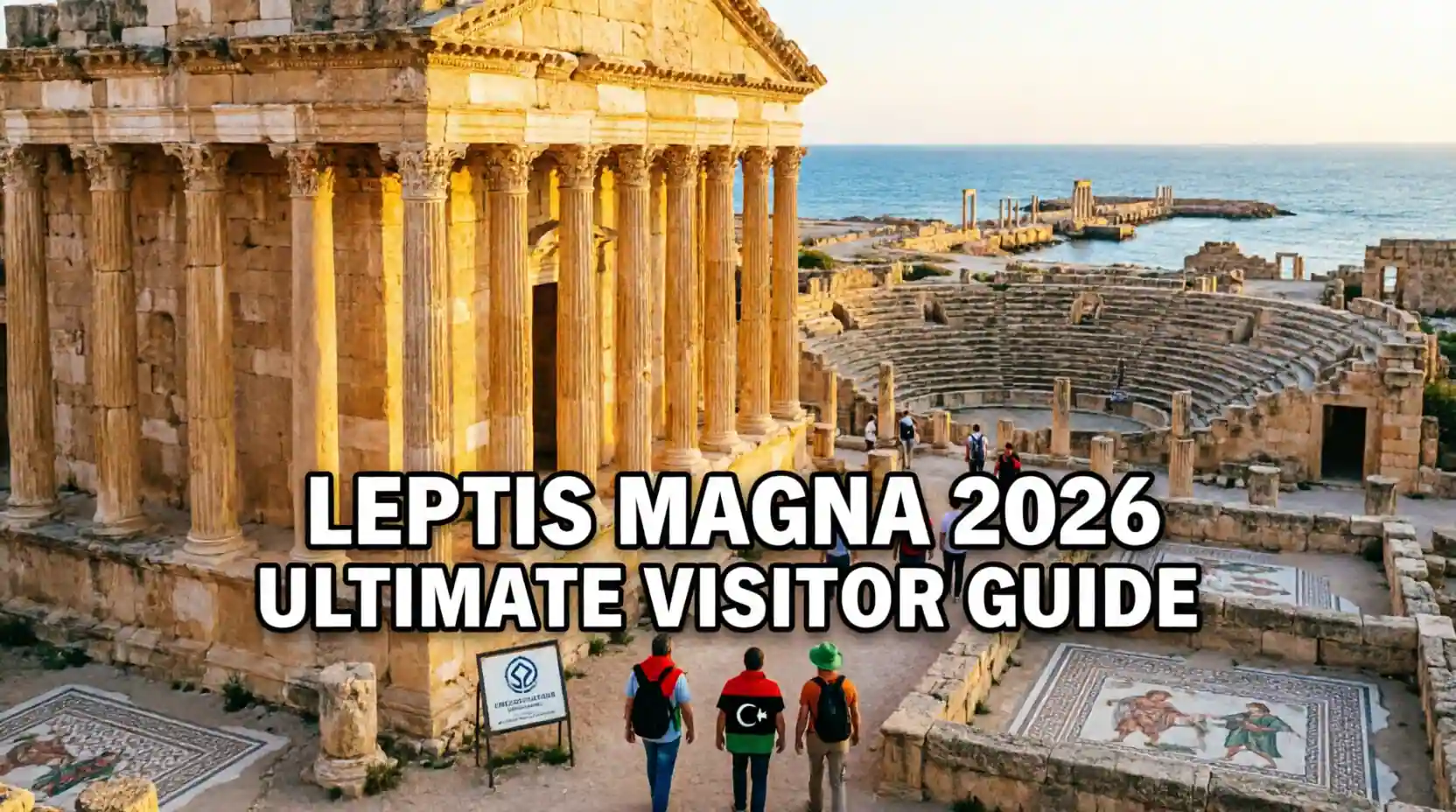
Leptis Magna 2026: The Ultimate Visitor Guide to the Mediterranean's Best-Preserved Roman City
Along Libya's stunning Mediterranean coastline, where golden sands meet azure waters and the scent of olive groves fills the air, lies one of archaeology's most extraordinary treasures: Leptis Magna. This magnificent Roman city—founded by Phoenicians, elevated to imperial splendor under Emperor Septimius Severus, and remarkably preserved by the desert sands that both buried and protected it—stands today as the Mediterranean's best-preserved Roman urban complex. For travelers, history enthusiasts, and anyone captivated by the grandeur of classical antiquity, Leptis Magna offers an unparalleled opportunity to walk through a living museum of Roman architecture, art, and urban planning, where towering columns still reach toward the sky, intricate mosaics still tell ancient stories, and the whisper of history echoes through every stone.
Designated a UNESCO World Heritage Site in 1982, Leptis Magna represents far more than an archaeological site—it is a testament to human achievement, a window into the sophisticated urban life of the Roman Empire, and a powerful symbol of Libya's rich, multi-layered cultural heritage. After years of limited access due to regional instability, 2026 marks a pivotal moment for visitors: improved security conditions, enhanced visitor facilities, and renewed international attention are making this extraordinary destination more accessible than it has been in decades. For those willing to venture beyond the well-trodden paths of European Roman sites, Leptis Magna offers something truly special: the chance to experience Roman grandeur in a setting of breathtaking natural beauty, with far fewer crowds and a profound sense of discovery.
This comprehensive guide provides everything you need to know about visiting Leptis Magna in 2026: understanding the site's extraordinary historical significance and architectural highlights, practical information for planning your journey from Tripoli or beyond, tips for navigating the archaeological complex and appreciating its key monuments, photography guidance for capturing this extraordinary landscape, cultural context for respectful and meaningful engagement, safety considerations for traveling in Libya, and expert insights for maximizing your experience of this unparalleled archaeological treasure. Whether you're a classical history enthusiast, an architecture lover, a photographer seeking extraordinary subjects, or simply a curious traveler drawn to the romance of ancient ruins, this guide ensures you're prepared for an unforgettable journey to the Mediterranean's best-preserved Roman city.
Historical Significance: From Phoenician Trading Post to Imperial Metropolis

Founding and Early Development
Leptis Magna's story begins long before Rome:
- Phoenician origins (c. 1100 BCE): Founded by Phoenician traders from Tyre as a commercial outpost; the name "Leptis" likely derives from the Phoenician word for "city"
- Carthaginian period: Flourished as part of Carthage's North African network; developed as a center for trade in olive oil, ivory, and exotic goods
- Roman incorporation (146 BCE): After Rome's defeat of Carthage, Leptis became part of the Roman province of Africa; began gradual Romanization
- Imperial elevation: The city's fortunes transformed dramatically with the birth of Septimius Severus in Leptis Magna in 145 CE
- 👉 Cairo: The Bustling "City of a Thousand Minarets"
- 👉 Burundi eVisa 2026: A complete step-by-step guide to the new digital visa application process.
- 👉 Tour F Skyscraper 2026: Full guide to visiting Africa’s new tallest building in Abidjan.
The Severan Golden Age (193-211 CE)
Under its most famous son, Leptis Magna reached unprecedented splendor:
- Imperial patronage: Emperor Septimius Severus (r. 193-211 CE) invested enormous resources in his birthplace, transforming it into one of the Roman Empire's most magnificent cities
- Architectural program: Massive building campaign including the Forum, Severan Basilica, Colonnaded Street, Harbor, and monumental arches
- Urban planning: Grid layout with cardo and decumanus; sophisticated water management, sewage systems, and public amenities
- Economic prosperity: Thriving trade in olive oil, grain, and luxury goods; Leptis became one of Africa's wealthiest cities
- Cultural synthesis: Blend of Roman, Punic, and indigenous North African influences in art, architecture, and daily life
- 👉 Cairo: The Bustling "City of a Thousand Minarets"
- 👉 Burundi eVisa 2026: A complete step-by-step guide to the new digital visa application process.
- 👉 Tour F Skyscraper 2026: Full guide to visiting Africa’s new tallest building in Abidjan.
Decline, Burial, and Rediscovery
- Post-Severan challenges: Economic pressures, political instability, and Vandal conquest (439 CE) began the city's gradual decline
- Byzantine period: Partial revival under Justinian, but never regained Severan splendor
- Arab conquest (7th century): Further decline as political and economic centers shifted
- Natural preservation: Shifting sands gradually buried much of the city, inadvertently protecting it from weathering and human destruction
- Modern rediscovery: Systematic excavations began in early 20th century under Italian administration; major discoveries continue to this day
- UNESCO recognition (1982): Designated World Heritage Site for outstanding universal value
- 👉 Cairo: The Bustling "City of a Thousand Minarets"
- 👉 Burundi eVisa 2026: A complete step-by-step guide to the new digital visa application process.
- 👉 Tour F Skyscraper 2026: Full guide to visiting Africa’s new tallest building in Abidjan.
The Archaeological Complex: Key Monuments and Highlights

The Forum and Civic Center
Heart of Roman public life:
- Layout: Large rectangular plaza surrounded by colonnades, temples, and public buildings
- Severan Basilica: The site's most iconic structure—massive basilica with towering Corinthian columns (up to 15 meters high), intricate marble decorations, and apse where magistrates administered justice
- Temple of Liber Pater: Dedicated to the city's patron deity; impressive remains of podium and columns
- Curia: Meeting place for city council; well-preserved example of Roman civic architecture
- Photography tip: Early morning light illuminates the Basilica's columns dramatically; visit before crowds arrive
- 👉 Cairo: The Bustling "City of a Thousand Minarets"
- 👉 Burundi eVisa 2026: A complete step-by-step guide to the new digital visa application process.
- 👉 Tour F Skyscraper 2026: Full guide to visiting Africa’s new tallest building in Abidjan.
The Colonnaded Street and Commercial District
Main thoroughfare of ancient Leptis:
- Colonnaded Street: 400-meter long street lined with columns on both sides; once the city's commercial and social spine
- Shops and workshops: Remains of tabernae (shops) where merchants sold goods from across the empire
- Nymphaeum: Ornate fountain structure with niches for statues; sophisticated hydraulic engineering
- Market area: Evidence of bustling commercial activity; imagine the sounds and smells of ancient trade
- Walking experience: Stroll the ancient street as Romans did; notice the wear patterns on stone paving from centuries of foot traffic
- 👉 Cairo: The Bustling "City of a Thousand Minarets"
- 👉 Burundi eVisa 2026: A complete step-by-step guide to the new digital visa application process.
- 👉 Tour F Skyscraper 2026: Full guide to visiting Africa’s new tallest building in Abidjan.
The Harbor and Maritime Infrastructure
Leptis Magna's connection to the Mediterranean:
- Artificial harbor: Remarkable engineering feat—rock-cut basin with quays, warehouses, and lighthouse
- Harbor temple: Small temple dedicated to Neptune or other sea deities; dramatic seaside location
- Quay structures: Stone quays where ships loaded olive oil, grain, and other exports
- Coastal views: Spectacular views of Mediterranean from harbor area; perfect for sunset photography
- Historical significance: Harbor was vital to Leptis' prosperity; facilitated trade with Rome and across the empire
- 👉 Cairo: The Bustling "City of a Thousand Minarets"
- 👉 Burundi eVisa 2026: A complete step-by-step guide to the new digital visa application process.
- 👉 Tour F Skyscraper 2026: Full guide to visiting Africa’s new tallest building in Abidjan.
The Theater and Entertainment District
Roman leisure and culture:
- Theater: Beautifully preserved Roman theater with seating for 4,000-5,000 spectators; excellent acoustics
- Stage building: Impressive scaenae frons with columns and niches for statues
- Orchestra: Semi-circular performance area; imagine plays, musical performances, and public gatherings
- Views: Theater overlooks the sea; one of the most photogenic spots at Leptis Magna
- Acoustic experience: Stand on stage and speak softly—sound carries remarkably well, demonstrating Roman engineering
- 👉 Cairo: The Bustling "City of a Thousand Minarets"
- 👉 Burundi eVisa 2026: A complete step-by-step guide to the new digital visa application process.
- 👉 Tour F Skyscraper 2026: Full guide to visiting Africa’s new tallest building in Abidjan.
Baths and Public Amenities
Roman engineering and social life:
- Hadrianic Baths: Large public bath complex with frigidarium (cold room), tepidarium (warm room), and caldarium (hot room)
- Hypocaust system: Underfloor heating system visible in some areas; sophisticated Roman technology
- Mosaics: Remnants of decorative floor mosaics depicting marine life, geometric patterns, and mythological scenes
- Social function: Baths were centers of social life, business, and relaxation—not just hygiene
- Preservation: Bath complex remarkably intact; walk through spaces where Romans bathed 2,000 years ago
- 👉 Cairo: The Bustling "City of a Thousand Minarets"
- 👉 Burundi eVisa 2026: A complete step-by-step guide to the new digital visa application process.
- 👉 Tour F Skyscraper 2026: Full guide to visiting Africa’s new tallest building in Abidjan.
The Arch of Septimius Severus
Imperial propaganda in stone:
- Location: At intersection of cardo and decumanus; prominent position in city plan
- Design: Tetrapylon (four-sided arch) with elaborate reliefs depicting imperial victories and divine favor
- Iconography: Reliefs show Septimius Severus, his family, military campaigns, and divine associations
- Symbolism: Arch celebrated Severus' rise to power and benefactions to his birthplace
- Photography: Dramatic monument; best photographed in side light to highlight relief details
- 👉 Cairo: The Bustling "City of a Thousand Minarets"
- 👉 Burundi eVisa 2026: A complete step-by-step guide to the new digital visa application process.
- 👉 Tour F Skyscraper 2026: Full guide to visiting Africa’s new tallest building in Abidjan.
Planning Your Visit: Practical Information for 2026

Getting to Leptis Magna
Access from major Libyan cities:
- From Tripoli:
- Distance: Approximately 130 kilometers (80 miles) east along coastal highway
- Travel time: 1.5-2 hours by car depending on road conditions
- Transportation: Private car, taxi, or organized tour; public transport limited
- Route: Coastal highway (improved in recent years); scenic Mediterranean views
- 👉 Cairo: The Bustling "City of a Thousand Minarets"
- 👉 Burundi eVisa 2026: A complete step-by-step guide to the new digital visa application process.
- 👉 Tour F Skyscraper 2026: Full guide to visiting Africa’s new tallest building in Abidjan.
- From Khoms:
- Distance: Approximately 10 kilometers (6 miles) west of Leptis Magna
- Travel time: 15-20 minutes by car
- Advantage: Khoms offers accommodation options and services for visitors
- 👉 Cairo: The Bustling "City of a Thousand Minarets"
- 👉 Burundi eVisa 2026: A complete step-by-step guide to the new digital visa application process.
- 👉 Tour F Skyscraper 2026: Full guide to visiting Africa’s new tallest building in Abidjan.
- From Benghazi:
- Distance: Approximately 500 kilometers (310 miles) west
- Travel time: 5-6 hours by car; consider breaking journey with overnight stop
- Alternative: Domestic flight to Tripoli then drive to Leptis Magna
- 👉 Cairo: The Bustling "City of a Thousand Minarets"
- 👉 Burundi eVisa 2026: A complete step-by-step guide to the new digital visa application process.
- 👉 Tour F Skyscraper 2026: Full guide to visiting Africa’s new tallest building in Abidjan.
- 👉 Cairo: The Bustling "City of a Thousand Minarets"
- 👉 Burundi eVisa 2026: A complete step-by-step guide to the new digital visa application process.
- 👉 Tour F Skyscraper 2026: Full guide to visiting Africa’s new tallest building in Abidjan.
Best Time to Visit
Seasonal considerations for optimal experience:
Spring (March-May):
- Weather: Pleasant temperatures (18-25°C / 64-77°F); wildflowers bloom in surrounding landscape
- Advantages: Ideal conditions for walking; fewer crowds than peak summer; excellent photography light
- Considerations: Occasional rain; book accommodation in advance for spring holidays
- 👉 Cairo: The Bustling "City of a Thousand Minarets"
- 👉 Burundi eVisa 2026: A complete step-by-step guide to the new digital visa application process.
- 👉 Tour F Skyscraper 2026: Full guide to visiting Africa’s new tallest building in Abidjan.
Autumn (September-November):
- Weather: Warm but not hot (20-28°C / 68-82°F); sea still warm for swimming
- Advantages: Comfortable for exploration; beautiful golden light for photography; harvest season in surrounding countryside
- Considerations: Popular season; book guides and accommodation early
- 👉 Cairo: The Bustling "City of a Thousand Minarets"
- 👉 Burundi eVisa 2026: A complete step-by-step guide to the new digital visa application process.
- 👉 Tour F Skyscraper 2026: Full guide to visiting Africa’s new tallest building in Abidjan.
Winter (December-February):
- Weather: Mild days (12-18°C / 54-64°F); cooler evenings; occasional rain
- Advantages: Fewest visitors; dramatic skies; unique atmosphere
- Considerations: Shorter daylight hours; some facilities may have reduced hours
- 👉 Cairo: The Bustling "City of a Thousand Minarets"
- 👉 Burundi eVisa 2026: A complete step-by-step guide to the new digital visa application process.
- 👉 Tour F Skyscraper 2026: Full guide to visiting Africa’s new tallest building in Abidjan.
Summer (June-August):
- Weather: Hot (30-38°C / 86-100°F); strong Mediterranean sun
- Advantages: Long daylight hours; opportunity to combine with coastal swimming
- Considerations: Heat can be intense; visit early morning or late afternoon; carry ample water and sun protection
- 👉 Cairo: The Bustling "City of a Thousand Minarets"
- 👉 Burundi eVisa 2026: A complete step-by-step guide to the new digital visa application process.
- 👉 Tour F Skyscraper 2026: Full guide to visiting Africa’s new tallest building in Abidjan.
Entrance Fees and Opening Hours
- Opening hours: Typically Saturday-Thursday, 8:00 AM - 6:00 PM (summer); 8:00 AM - 5:00 PM (winter); closed Fridays
- Admission fees:
- International visitors: Approximately 20-30 Libyan Dinars (LYD) (verify current rates)
- Libyan citizens: Reduced or free admission
- Students: Discount with valid student ID
- 👉 Cairo: The Bustling "City of a Thousand Minarets"
- 👉 Burundi eVisa 2026: A complete step-by-step guide to the new digital visa application process.
- 👉 Tour F Skyscraper 2026: Full guide to visiting Africa’s new tallest building in Abidjan.
- Guided tours: Available at entrance; highly recommended for historical context and navigation
- Audio guides: May be available in multiple languages; verify availability in advance
- Photography: Generally permitted for personal use; no flash in sensitive areas; commercial photography requires permission
- 👉 Cairo: The Bustling "City of a Thousand Minarets"
- 👉 Burundi eVisa 2026: A complete step-by-step guide to the new digital visa application process.
- 👉 Tour F Skyscraper 2026: Full guide to visiting Africa’s new tallest building in Abidjan.
Essential Items to Bring
- Footwear: Sturdy, comfortable walking shoes with good grip (ancient stones can be uneven and slippery)
- Sun protection: Wide-brimmed hat, sunglasses, high-SPF sunscreen (Libyan sun is intense)
- Water: Ample water supply; site is large with limited shade in summer
- Camera: With extra batteries and memory cards; Leptis Magna is extraordinarily photogenic
- Guidebook or app: For historical context and site navigation
- Cash: Libyan Dinars for entrance fees, guides, and small purchases (credit cards rarely accepted)
- Light layers: For temperature changes; mornings can be cool even in summer
- 👉 Cairo: The Bustling "City of a Thousand Minarets"
- 👉 Burundi eVisa 2026: A complete step-by-step guide to the new digital visa application process.
- 👉 Tour F Skyscraper 2026: Full guide to visiting Africa’s new tallest building in Abidjan.
Navigating the Site: A Suggested Walking Route

Recommended Itinerary (3-4 Hours)
Optimal route for first-time visitors:
- Entrance and Visitor Center (15 minutes):
- Collect site map and any available guides
- Review safety guidelines and photography policies
- Use restrooms and purchase water if needed
- 👉 Cairo: The Bustling "City of a Thousand Minarets"
- 👉 Burundi eVisa 2026: A complete step-by-step guide to the new digital visa application process.
- 👉 Tour F Skyscraper 2026: Full guide to visiting Africa’s new tallest building in Abidjan.
- Theater and Coastal Area (45 minutes):
- Begin at the theater for dramatic sea views and excellent morning light
- Explore stage building and seating areas; test acoustics
- Walk to harbor area for maritime perspective on ancient Leptis
- Photography opportunity: Theater with Mediterranean backdrop
- 👉 Cairo: The Bustling "City of a Thousand Minarets"
- 👉 Burundi eVisa 2026: A complete step-by-step guide to the new digital visa application process.
- 👉 Tour F Skyscraper 2026: Full guide to visiting Africa’s new tallest building in Abidjan.
- Hadrianic Baths and Commercial District (45 minutes):
- Explore bath complex; note hypocaust system and mosaic remnants
- Walk Colonnaded Street; imagine ancient commercial activity
- Visit Nymphaeum fountain structure
- Look for wear patterns on paving stones from ancient foot traffic
- 👉 Cairo: The Bustling "City of a Thousand Minarets"
- 👉 Burundi eVisa 2026: A complete step-by-step guide to the new digital visa application process.
- 👉 Tour F Skyscraper 2026: Full guide to visiting Africa’s new tallest building in Abidjan.
- Forum and Severan Basilica (60 minutes):
- Enter Forum through Arch of Septimius Severus
- Explore Temple of Liber Pater and Curia
- Focus on Severan Basilica: walk among towering columns, examine marble decorations
- Photography tip: Side lighting highlights column details and architectural grandeur
- 👉 Cairo: The Bustling "City of a Thousand Minarets"
- 👉 Burundi eVisa 2026: A complete step-by-step guide to the new digital visa application process.
- 👉 Tour F Skyscraper 2026: Full guide to visiting Africa’s new tallest building in Abidjan.
- Residential Areas and Final Exploration (30 minutes):
- Explore residential quarters to understand daily life in ancient Leptis
- Look for mosaic floors and household artifacts
- Final walk through site for any missed highlights
- Visit gift shop for books, postcards, and locally-made crafts
- 👉 Cairo: The Bustling "City of a Thousand Minarets"
- 👉 Burundi eVisa 2026: A complete step-by-step guide to the new digital visa application process.
- 👉 Tour F Skyscraper 2026: Full guide to visiting Africa’s new tallest building in Abidjan.
Alternative Routes for Specific Interests
Architecture Focus:
- Prioritize Severan Basilica, Forum, and Colonnaded Street
- Study column orders, capital details, and construction techniques
- Compare Roman architectural elements with Punic influences
- Allow extra time for detailed examination and photography
- 👉 Cairo: The Bustling "City of a Thousand Minarets"
- 👉 Burundi eVisa 2026: A complete step-by-step guide to the new digital visa application process.
- 👉 Tour F Skyscraper 2026: Full guide to visiting Africa’s new tallest building in Abidjan.
Photography Focus:
- Visit at golden hour (early morning or late afternoon) for optimal light
- Focus on dramatic compositions: columns against sky, theater with sea backdrop
- Include human scale: visitors walking among ruins for perspective
- Detail shots: mosaic fragments, column capitals, inscription details
- 👉 Cairo: The Bustling "City of a Thousand Minarets"
- 👉 Burundi eVisa 2026: A complete step-by-step guide to the new digital visa application process.
- 👉 Tour F Skyscraper 2026: Full guide to visiting Africa’s new tallest building in Abidjan.
History Focus:
- Engage knowledgeable guide for in-depth historical context
- Focus on inscriptions, reliefs, and artifacts that tell Leptis' story
- Connect architectural features to historical events and figures
- Allow time for reflection on Leptis' significance in Roman history
- 👉 Cairo: The Bustling "City of a Thousand Minarets"
- 👉 Burundi eVisa 2026: A complete step-by-step guide to the new digital visa application process.
- 👉 Tour F Skyscraper 2026: Full guide to visiting Africa’s new tallest building in Abidjan.
Photography at Leptis Magna: Capturing Ancient Grandeur

Best Photography Opportunities
- Severan Basilica columns: Towering Corinthian columns create dramatic vertical compositions; side lighting highlights fluting and capitals
- Theater with sea backdrop: Classic composition combining architecture and landscape; golden hour enhances colors
- Colonnaded Street perspective: Long shots down colonnade create powerful leading lines
- Arch of Septimius Severus: Detailed reliefs tell imperial stories; macro photography reveals intricate carving
- Mosaic details: Close-ups of surviving mosaic fragments showcase Roman artistic skill
- Human scale: Visitors walking among ruins provide perspective on monumental architecture
- Sunset harbor views: Harbor area at sunset combines ancient stonework with Mediterranean colors
- 👉 Cairo: The Bustling "City of a Thousand Minarets"
- 👉 Burundi eVisa 2026: A complete step-by-step guide to the new digital visa application process.
- 👉 Tour F Skyscraper 2026: Full guide to visiting Africa’s new tallest building in Abidjan.
Technical Tips for Ruin Photography
- Lens selection: Wide-angle (16-35mm) for architectural grandeur; standard zoom (24-70mm) for details; telephoto (70-200mm) for compressing perspectives
- Lighting: Golden hour (early morning/late afternoon) provides warm, directional light; avoid harsh midday sun
- Exposure: High contrast scenes may require exposure bracketing or HDR techniques
- Tripod use: Permitted for personal photography; useful for low-light conditions and long exposures
- Composition: Include foreground elements (wildflowers, stones) for depth; use architectural lines to guide viewer's eye
- Respect restrictions: No flash in sensitive areas; avoid climbing on fragile structures for photos
- 👉 Cairo: The Bustling "City of a Thousand Minarets"
- 👉 Burundi eVisa 2026: A complete step-by-step guide to the new digital visa application process.
- 👉 Tour F Skyscraper 2026: Full guide to visiting Africa’s new tallest building in Abidjan.
Ethical Photography Practices
- Preservation first: Never touch or lean on fragile mosaics, inscriptions, or structures for better photos
- Respect other visitors: Be mindful of others when composing shots; avoid blocking pathways
- Cultural sensitivity: Ask permission before photographing local guides or staff
- Context matters: When sharing images, provide historical context about Leptis Magna's significance
- Commercial use: Professional/commercial photography requires advance permission from site authorities
- 👉 Cairo: The Bustling "City of a Thousand Minarets"
- 👉 Burundi eVisa 2026: A complete step-by-step guide to the new digital visa application process.
- 👉 Tour F Skyscraper 2026: Full guide to visiting Africa’s new tallest building in Abidjan.
Cultural Context and Responsible Tourism

Understanding Leptis Magna's Significance
- UNESCO World Heritage: Recognized for outstanding universal value as exceptional example of Roman urban planning and architecture
- Libyan heritage: Leptis Magna is source of immense national pride; represents Libya's contribution to world civilization
- Multi-layered history: Site reflects Phoenician, Punic, Roman, Byzantine, and Arab influences—testament to North Africa's complex history
- Conservation story: Preservation efforts demonstrate Libya's commitment to protecting cultural heritage for future generations
- 👉 Cairo: The Bustling "City of a Thousand Minarets"
- 👉 Burundi eVisa 2026: A complete step-by-step guide to the new digital visa application process.
- 👉 Tour F Skyscraper 2026: Full guide to visiting Africa’s new tallest building in Abidjan.
Respectful Visitor Practices
- Stay on designated paths: Protect archaeological remains by walking only on marked routes
- No touching artifacts: Oils from skin can damage ancient stone, mosaics, and inscriptions
- No removing souvenirs: Taking stones, pottery fragments, or other materials is illegal and damages heritage
- Dispose of waste properly: Use designated bins; pack out what you pack in
- Respect quiet areas: Some areas may be designated for reflection; maintain appropriate noise levels
- Support local economy: Purchase guides, crafts, and services from local providers
- 👉 Cairo: The Bustling "City of a Thousand Minarets"
- 👉 Burundi eVisa 2026: A complete step-by-step guide to the new digital visa application process.
- 👉 Tour F Skyscraper 2026: Full guide to visiting Africa’s new tallest building in Abidjan.
Engaging with Local Culture
- Learn basic Arabic phrases: Simple greetings ("As-salamu alaykum" = hello, "Shukran" = thank you) show respect
- Ask questions respectfully: Libyan guides are knowledgeable and often happy to share stories; approach with curiosity and humility
- Understand local customs: Dress modestly (shoulders and knees covered); be mindful of prayer times
- Support conservation: Consider donating to site preservation efforts if opportunities exist
- Share responsibly: When sharing your experience, emphasize Leptis Magna's cultural significance and Libya's hospitality
- 👉 Cairo: The Bustling "City of a Thousand Minarets"
- 👉 Burundi eVisa 2026: A complete step-by-step guide to the new digital visa application process.
- 👉 Tour F Skyscraper 2026: Full guide to visiting Africa’s new tallest building in Abidjan.
Safety and Practical Considerations for Libya Travel

Current Security Context (2026)
Important considerations for travelers:
- Consult travel advisories: Check your government's current travel advisory for Libya before planning; conditions can change
- Regional variations: Security situation varies by region; coastal areas including Leptis Magna generally more stable than interior
- Local guidance: Travel with reputable local guides or tour operators who understand current conditions
- Registration: Some nationalities may need to register with authorities; verify requirements in advance
- Communication: Share itinerary with contacts; maintain regular check-ins; have emergency contacts accessible
- 👉 Cairo: The Bustling "City of a Thousand Minarets"
- 👉 Burundi eVisa 2026: A complete step-by-step guide to the new digital visa application process.
- 👉 Tour F Skyscraper 2026: Full guide to visiting Africa’s new tallest building in Abidjan.
Health and Practical Preparations
- Travel insurance: Essential; ensure coverage includes medical evacuation and Libya travel
- Vaccinations: Routine vaccines up to date; hepatitis A/B, typhoid recommended; consult travel clinic
- Medications: Bring adequate supply of prescription medications; pharmacy access may be limited
- Water and food: Drink bottled water; eat at reputable establishments; ensure food is well-cooked
- Sun and heat: Libyan sun is intense; use high-SPF sunscreen, hat, sunglasses; stay hydrated
- Emergency contacts: Save local emergency numbers and your embassy contact information
- 👉 Cairo: The Bustling "City of a Thousand Minarets"
- 👉 Burundi eVisa 2026: A complete step-by-step guide to the new digital visa application process.
- 👉 Tour F Skyscraper 2026: Full guide to visiting Africa’s new tallest building in Abidjan.
Transportation and Logistics
- Vehicle rental: Possible but requires international driving permit; road conditions vary; consider hiring driver
- Taxis: Available in Tripoli and Khoms; negotiate fare in advance or use meter if available
- Guided tours: Highly recommended for first-time visitors; provides navigation, historical context, and local knowledge
- Accommodation: Options in Tripoli (wider selection) or Khoms (closer to Leptis Magna); book in advance
- Currency: Libyan Dinar (LYD); carry sufficient cash as credit card acceptance is limited
- 👉 Cairo: The Bustling "City of a Thousand Minarets"
- 👉 Burundi eVisa 2026: A complete step-by-step guide to the new digital visa application process.
- 👉 Tour F Skyscraper 2026: Full guide to visiting Africa’s new tallest building in Abidjan.
Combining Leptis Magna with Other Libyan Destinations

Nearby Archaeological Sites
Create a rich archaeological itinerary:
- Sabratha: Another spectacular Roman city approximately 80 km west of Tripoli; famous for theater and mosaics; combine with Leptis Magna for comprehensive Roman Libya experience
- Cyrene: Ancient Greek city in eastern Libya (near Shahhat); UNESCO site with Greek and Roman ruins; requires separate trip but worth considering for extended itineraries
- Ghadames: "Pearl of the Desert"—UNESCO-listed oasis town with unique architecture; combines archaeological interest with cultural immersion
- 👉 Cairo: The Bustling "City of a Thousand Minarets"
- 👉 Burundi eVisa 2026: A complete step-by-step guide to the new digital visa application process.
- 👉 Tour F Skyscraper 2026: Full guide to visiting Africa’s new tallest building in Abidjan.
Cultural and Natural Experiences
- Tripoli Old City: UNESCO-listed Medina with Ottoman architecture, souks, and Red Castle Museum; excellent base for exploring Leptis Magna
- Mediterranean coastline: Beautiful beaches near Leptis Magna; opportunity to combine archaeology with coastal relaxation
- Local cuisine: Sample Libyan dishes: couscous, bazin, shakshuka, fresh seafood; culinary experiences enrich cultural understanding
- Desert excursions: For adventurous travelers, Sahara Desert experiences (Fezzan region) offer dramatic landscapes and Tuareg culture
- 👉 Cairo: The Bustling "City of a Thousand Minarets"
- 👉 Burundi eVisa 2026: A complete step-by-step guide to the new digital visa application process.
- 👉 Tour F Skyscraper 2026: Full guide to visiting Africa’s new tallest building in Abidjan.
Sample Itineraries
3-Day Leptis Magna Focus:
- Day 1: Arrive Tripoli; explore Old City; overnight in Tripoli
- Day 2: Day trip to Leptis Magna (early start); full day exploring site; return to Tripoli or stay in Khoms
- Day 3: Visit Red Castle Museum; depart or extend to Sabratha
- 👉 Cairo: The Bustling "City of a Thousand Minarets"
- 👉 Burundi eVisa 2026: A complete step-by-step guide to the new digital visa application process.
- 👉 Tour F Skyscraper 2026: Full guide to visiting Africa’s new tallest building in Abidjan.
7-Day Roman Libya Circuit:
- Days 1-2: Tripoli: Old City, museums, cultural immersion
- Day 3: Leptis Magna full-day exploration
- Day 4: Sabratha archaeological site
- Days 5-6: Coastal relaxation or cultural experiences
- Day 7: Departure or extension to other regions
- 👉 Cairo: The Bustling "City of a Thousand Minarets"
- 👉 Burundi eVisa 2026: A complete step-by-step guide to the new digital visa application process.
- 👉 Tour F Skyscraper 2026: Full guide to visiting Africa’s new tallest building in Abidjan.
Conservation and Preservation: Protecting a Global Treasure

Ongoing Conservation Challenges
Leptis Magna faces unique preservation challenges:
- Environmental factors: Salt air, wind erosion, and temperature fluctuations affect ancient stone
- Vegetation management: Plants growing in ruins can cause damage; careful management required
- Visitor impact: Foot traffic, photography, and human presence require careful management
- Resource limitations: Conservation requires specialized expertise, materials, and funding
- Climate change: Rising sea levels, increased storms, and changing weather patterns pose long-term risks
- 👉 Cairo: The Bustling "City of a Thousand Minarets"
- 👉 Burundi eVisa 2026: A complete step-by-step guide to the new digital visa application process.
- 👉 Tour F Skyscraper 2026: Full guide to visiting Africa’s new tallest building in Abidjan.
Preservation Efforts and International Cooperation
- Libyan authorities: Department of Antiquities leads conservation efforts with local expertise
- UNESCO support: Technical assistance, training, and funding for preservation projects
- International partnerships: Collaboration with Italian, French, and other European archaeological missions
- Community engagement: Involving local communities in conservation builds support and ensures cultural relevance
- Sustainable tourism: Developing visitor management strategies that protect site while enabling access
- 👉 Cairo: The Bustling "City of a Thousand Minarets"
- 👉 Burundi eVisa 2026: A complete step-by-step guide to the new digital visa application process.
- 👉 Tour F Skyscraper 2026: Full guide to visiting Africa’s new tallest building in Abidjan.
How Visitors Can Support Conservation
- Follow guidelines: Respect all site rules regarding behavior, photography, and movement
- Support local guides: Hire knowledgeable local guides who understand conservation importance
- Contribute financially: If donation opportunities exist, consider supporting preservation efforts
- Share knowledge: When discussing your visit, emphasize importance of heritage preservation
- Advocate respectfully: Support policies and practices that protect cultural heritage globally
- 👉 Cairo: The Bustling "City of a Thousand Minarets"
- 👉 Burundi eVisa 2026: A complete step-by-step guide to the new digital visa application process.
- 👉 Tour F Skyscraper 2026: Full guide to visiting Africa’s new tallest building in Abidjan.
Frequently Asked Questions
Is Leptis Magna safe to visit in 2026?
Security conditions in Libya require careful consideration. Many travelers visit Leptis Magna safely by: traveling with reputable local guides or tour operators, staying informed about current conditions through official channels, visiting during daylight hours, following security protocols, and maintaining situational awareness. Always consult your government's travel advisory and consider traveling with organized support rather than independently. The site itself is generally welcoming to respectful visitors interested in history and culture.
Do I need a guide to visit Leptis Magna?
While not strictly required, a knowledgeable guide greatly enhances the experience. Guides provide historical context, help navigate the extensive site, share stories that bring ruins to life, and facilitate respectful engagement with local culture. For first-time visitors or those seeking deeper understanding, guided tours are highly recommended. Ensure guides are reputable and respectful of all cultural traditions.
How much time should I allocate for visiting Leptis Magna?
For a meaningful visit, allocate 3-4 hours minimum. This allows time to appreciate key monuments, read informational panels, and absorb the historical atmosphere. Photography enthusiasts or those taking guided tours may want 5-6 hours. Combine with nearby Sabratha for a full-day Roman archaeology experience.
Can I photograph at Leptis Magna?
Photography is generally permitted for personal use. However, always follow posted guidelines: avoid flash in sensitive areas, do not climb on structures for photos, and ask permission before photographing people. Commercial photography requires advance permission. When sharing images, provide context about the site's significance and conservation efforts.
What is the best way to reach Leptis Magna from Tripoli?
The most convenient option is hiring a private car with driver or joining an organized tour. The coastal highway is generally in good condition; journey takes 1.5-2 hours. Public transport is limited and less reliable for tourists. If driving yourself, ensure you have international driving permit, understand local driving customs, and carry emergency supplies.
Are there facilities at Leptis Magna?
Basic facilities include entrance ticket office, restrooms, and small gift shop. Limited shade and seating; bring water and sun protection. Food options are limited at site; plan to bring snacks or eat in Khoms before/after visit. Accessibility may be challenging for visitors with mobility issues due to uneven ancient surfaces.
Conclusion: Walking Through Living History
Leptis Magna is more than an archaeological site—it is a portal to another time, a testament to human achievement, and a reminder of the enduring power of culture to transcend centuries. To walk among its towering columns, to stand in its ancient theater, to trace the contours of its harbor is to connect with the ambitions, artistry, and daily lives of people who walked these same stones two millennia ago. In an age of rapid change and digital distraction, Leptis Magna offers something increasingly rare: the opportunity to slow down, to contemplate, and to feel the weight and wonder of human history.
For travelers in 2026, visiting Leptis Magna represents more than tourism—it is an act of cultural engagement, a contribution to preservation through responsible visitation, and a personal journey of discovery. The site's remarkable preservation, dramatic Mediterranean setting, and relative lack of crowds create an experience that feels both intimate and epic. Here, you are not just observing ruins; you are participating in the ongoing story of human civilization.
As you plan your journey to Leptis Magna, approach it with curiosity and respect. Learn about its history before you go. Engage with local guides and communities. Take time to appreciate not just the grand monuments but the small details—the wear on a step, the fragment of a mosaic, the view from the harbor. And remember that your visit, when conducted thoughtfully, supports the preservation of this extraordinary heritage for future generations.
Leptis Magna awaits—not as a backdrop for your vacation, but as a teacher, a challenge, and a gift. May your journey to this extraordinary place deepen your appreciation for human creativity, strengthen your commitment to preserving our shared heritage, and inspire you to carry the lessons of Leptis Magna—about ambition, artistry, and the enduring power of culture—into your own life and community.
Welcome to Leptis Magna. Welcome to the Mediterranean's best-preserved Roman city. Welcome to a journey through time.
0 Comments