.webp)
.webp)
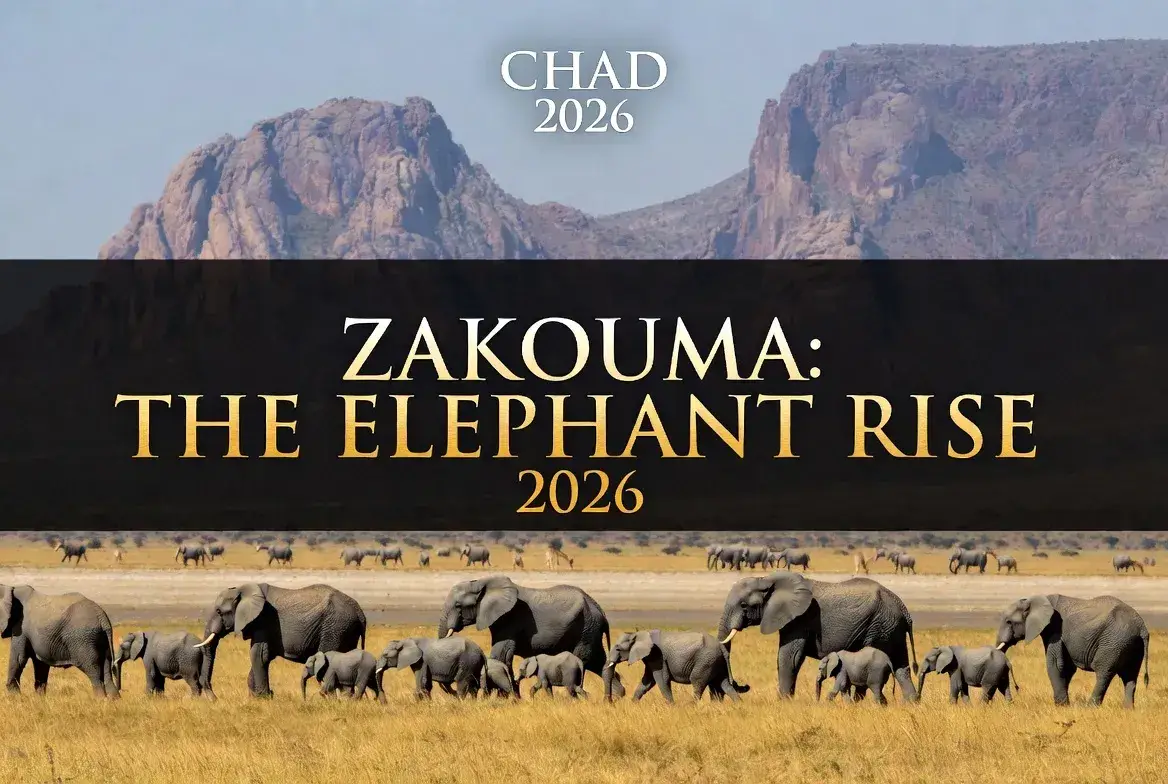
Zakouma Elephant Rise 2026: How the Population Hit a Record High for 2026 Safaris
In one of Africa's most remarkable conservation success stories, Zakouma National Park in Chad has achieved a historic milestone in 2026: the African elephant population has reached a record high, marking an extraordinary recovery from the brink of extinction. This achievement represents decades of intensive conservation efforts, innovative anti-poaching strategies, and unwavering commitment from the Chadian government, African Parks, and international partners.
From a devastating low of just 450 elephants in 2005 after years of brutal poaching, Zakouma's elephant population has rebounded to over 1,000 elephants in 2026—more than doubling in two decades. This remarkable recovery has transformed Zakouma into one of Central Africa's premier wildlife destinations and a beacon of hope for elephant conservation across the continent.
This comprehensive guide explores the incredible journey of Zakouma's elephants, the conservation strategies that made this recovery possible, what this means for safari-goers in 2026, and why Zakouma National Park has become one of Africa's most important and rewarding wildlife destinations.
The Zakouma Elephant Recovery: A Conservation Miracle
The Crisis Years (1960s-2000s)
Zakouma National Park, established in 1963, was once home to over 4,000 elephants. However, decades of civil unrest, weak governance, and rampant poaching devastated the population:
- 1960s-1980s: Relatively stable elephant population with some poaching
- 1990s-2000s: Intensified poaching crisis driven by ivory demand
- 2005: Population crashes to just 450 elephants
- Poaching methods: Organized criminal networks using helicopters and automatic weapons
- Impact: Over 90% population decline in four decades
- 👉 Burundi Inland Beach Tourism 2026: Lake Tanganyika Guide
- 👉 Entry Requirements Global Travelers New 2026 Digital Health and E-Visa Portals
- 👉 Temple Tree Hospitality Project Tanji: A deep dive into Adama Barrow's $200M tourism vision.
The Turning Point: African Parks Takes Over (2010)
In 2010, the Chadian government entered into a landmark partnership with African Parks, a non-profit conservation organization, to manage Zakouma National Park. This marked a turning point in the park's history:
- Long-term management agreement: 25-year renewable contract
- Comprehensive approach: Security, community engagement, tourism development
- Significant investment: Millions of dollars in conservation infrastructure
- International support: Backing from governments, NGOs, and donors
- 👉 Burundi Inland Beach Tourism 2026: Lake Tanganyika Guide
- 👉 Entry Requirements Global Travelers New 2026 Digital Health and E-Visa Portals
- 👉 Temple Tree Hospitality Project Tanji: A deep dive into Adama Barrow's $200M tourism vision.
Population Recovery Milestones
The elephant population recovery has been steady and impressive:
- 2005: 450 elephants (crisis point)
- 2010: Approximately 500 elephants (when African Parks took over)
- 2015: 650+ elephants (first signs of recovery)
- 2020: 800+ elephants (population stabilizing)
- 2024: 950+ elephants (approaching 1,000)
- 2026: 1,000+ elephants (RECORD HIGH)
- 👉 Burundi Inland Beach Tourism 2026: Lake Tanganyika Guide
- 👉 Entry Requirements Global Travelers New 2026 Digital Health and E-Visa Portals
- 👉 Temple Tree Hospitality Project Tanji: A deep dive into Adama Barrow's $200M tourism vision.
Key Success Factors:
- Zero poaching years: Multiple consecutive years with no elephant poaching
- Increased birth rate: More calves surviving to adulthood
- Expanded range: Elephants utilizing more of the park
- Improved herd structure: Balanced age and sex ratios returning
- Regional connectivity: Potential for elephant movement to neighboring areas
- 👉 Burundi Inland Beach Tourism 2026: Lake Tanganyika Guide
- 👉 Entry Requirements Global Travelers New 2026 Digital Health and E-Visa Portals
- 👉 Temple Tree Hospitality Project Tanji: A deep dive into Adama Barrow's $200M tourism vision.
Revolutionary Anti-Poaching Strategies
The recovery of Zakouma's elephants is directly attributable to innovative and effective anti-poaching strategies that have become a model for conservation across Africa.
1. Advanced Security and Surveillance
Aerial Surveillance:
- Fixed-wing aircraft: Daily patrols covering the entire park
- Helicopters: Rapid response capability for poaching incidents
- Drone technology: Unmanned aerial vehicles for surveillance
- Real-time monitoring: GPS tracking of all patrol aircraft
- 👉 Burundi Inland Beach Tourism 2026: Lake Tanganyika Guide
- 👉 Entry Requirements Global Travelers New 2026 Digital Health and E-Visa Portals
- 👉 Temple Tree Hospitality Project Tanji: A deep dive into Adama Barrow's $200M tourism vision.
Ground Patrols:
- Ranger teams: Over 300 full-time rangers on constant patrol
- Mobile camps: Remote outposts throughout the park
- Rapid response units: Specialized teams for emergency situations
- Intelligence network: Informants and community reporting systems
- 👉 Burundi Inland Beach Tourism 2026: Lake Tanganyika Guide
- 👉 Entry Requirements Global Travelers New 2026 Digital Health and E-Visa Portals
- 👉 Temple Tree Hospitality Project Tanji: A deep dive into Adama Barrow's $200M tourism vision.
Technology Integration:
- SMART software: Spatial Monitoring and Reporting Tool for patrol data
- Camera traps: Hundreds of cameras monitoring wildlife and human activity
- Radio communication: Comprehensive network connecting all rangers
- Elephant tracking: GPS collars on key elephants for monitoring
- 👉 Burundi Inland Beach Tourism 2026: Lake Tanganyika Guide
- 👉 Entry Requirements Global Travelers New 2026 Digital Health and E-Visa Portals
- 👉 Temple Tree Hospitality Project Tanji: A deep dive into Adama Barrow's $200M tourism vision.
2. Community Engagement and Development
African Parks recognized that long-term conservation success requires local community support:
Employment Opportunities:
- Local hiring: Over 95% of park staff recruited from local communities
- Ranger recruitment: Priority given to former poachers and local youth
- Skills training: Professional development in conservation and tourism
- Stable income: Regular salaries and benefits for employees
- 👉 Burundi Inland Beach Tourism 2026: Lake Tanganyika Guide
- 👉 Entry Requirements Global Travelers New 2026 Digital Health and E-Visa Portals
- 👉 Temple Tree Hospitality Project Tanji: A deep dive into Adama Barrow's $200M tourism vision.
Community Development Programs:
- Education: Schools and scholarships for local children
- Healthcare: Medical clinics and veterinary services
- Infrastructure: Roads, water points, and communication systems
- Alternative livelihoods: Beekeeping, fishing cooperatives, crafts
- 👉 Burundi Inland Beach Tourism 2026: Lake Tanganyika Guide
- 👉 Entry Requirements Global Travelers New 2026 Digital Health and E-Visa Portals
- 👉 Temple Tree Hospitality Project Tanji: A deep dive into Adama Barrow's $200M tourism vision.
Human-Wildlife Conflict Mitigation:
- Compensation schemes: Compensation for crop damage and livestock loss
- Early warning systems: Alerts when elephants approach villages
- Physical barriers: Fencing and deterrents to protect crops
- Community rangers: Local teams managing human-wildlife conflict
- 👉 Burundi Inland Beach Tourism 2026: Lake Tanganyika Guide
- 👉 Entry Requirements Global Travelers New 2026 Digital Health and E-Visa Portals
- 👉 Temple Tree Hospitality Project Tanji: A deep dive into Adama Barrow's $200M tourism vision.
3. Law Enforcement and Justice
Arrest and Prosecution:
- Poacher arrests: Hundreds of poachers apprehended since 2010
- Weapon seizures: Thousands of firearms confiscated
- Ivory seizures: Tons of ivory removed from circulation
- Prosecution support: Working with judicial system to ensure convictions
- 👉 Burundi Inland Beach Tourism 2026: Lake Tanganyika Guide
- 👉 Entry Requirements Global Travelers New 2026 Digital Health and E-Visa Portals
- 👉 Temple Tree Hospitality Project Tanji: A deep dive into Adama Barrow's $200M tourism vision.
Regional Cooperation:
- Cross-border patrols: Coordination with neighboring countries
- Intelligence sharing: Regional network tracking poaching syndicates
- Joint operations: Collaborative anti-poaching missions
- 👉 Burundi Inland Beach Tourism 2026: Lake Tanganyika Guide
- 👉 Entry Requirements Global Travelers New 2026 Digital Health and E-Visa Portals
- 👉 Temple Tree Hospitality Project Tanji: A deep dive into Adama Barrow's $200M tourism vision.
Elephant Behavior and Ecology in Zakouma
The recovery of Zakouma's elephant population has provided unique insights into elephant behavior and ecology in Central African savanna ecosystems.
Elephant Population Structure
Herd Composition:
- Matriarchal herds: Family groups led by older females
- Bull groups: Bachelor herds of young and adult males
- Solitary bulls: Older males living independently
- Calf survival: Increasing numbers of young elephants
- 👉 Burundi Inland Beach Tourism 2026: Lake Tanganyika Guide
- 👉 Entry Requirements Global Travelers New 2026 Digital Health and E-Visa Portals
- 👉 Temple Tree Hospitality Project Tanji: A deep dive into Adama Barrow's $200M tourism vision.
Population Dynamics:
- Birth rate: Approximately 5-7% annual increase
- Calf survival: Over 90% survival rate with protection
- Age structure: Recovering from poaching skew (loss of older elephants)
- Sex ratio: Gradually balancing after poaching targeted large-tusked bulls
- 👉 Burundi Inland Beach Tourism 2026: Lake Tanganyika Guide
- 👉 Entry Requirements Global Travelers New 2026 Digital Health and E-Visa Portals
- 👉 Temple Tree Hospitality Project Tanji: A deep dive into Adama Barrow's $200M tourism vision.
Seasonal Movements and Habitat Use
Wet Season (May-October):
- Dispersal: Elephants spread throughout the park
- Water availability: Abundant seasonal water sources
- Floodplain grazing: Utilization of seasonally flooded areas
- Reduced concentrations: Lower densities around permanent water
- 👉 Burundi Inland Beach Tourism 2026: Lake Tanganyika Guide
- 👉 Entry Requirements Global Travelers New 2026 Digital Health and E-Visa Portals
- 👉 Temple Tree Hospitality Project Tanji: A deep dive into Adama Barrow's $200M tourism vision.
Dry Season (November-April):
- Concentration: Elephants congregate around permanent water
- High densities: Thousands of elephants at key water points
- Spectacular sightings: Unparalleled wildlife viewing opportunities
- Intense competition: Interactions between herds and species
- 👉 Burundi Inland Beach Tourism 2026: Lake Tanganyika Guide
- 👉 Entry Requirements Global Travelers New 2026 Digital Health and E-Visa Portals
- 👉 Temple Tree Hospitality Project Tanji: A deep dive into Adama Barrow's $200M tourism vision.
Habitat Preferences:
- Floodplains: Preferred grazing areas during wet season
- Woodland: Browse and shade during hot periods
- Water sources: Critical dry season habitat
- Migration corridors: Potential routes to neighboring areas
- 👉 Burundi Inland Beach Tourism 2026: Lake Tanganyika Guide
- 👉 Entry Requirements Global Travelers New 2026 Digital Health and E-Visa Portals
- 👉 Temple Tree Hospitality Project Tanji: A deep dive into Adama Barrow's $200M tourism vision.
Zakouma Safari Experience in 2026
The elephant recovery has transformed Zakouma into one of Africa's premier safari destinations, offering unique and unforgettable wildlife experiences.
Best Time to Visit for Elephant Viewing
Peak Season (February-May):
- Elephant concentrations: Thousands gather at remaining water sources
- Optimal viewing: Highest density of elephants in one area
- Photography: Spectacular opportunities with large herds
- Wildlife diversity: Other species also concentrated at water
- Weather: Hot and dry, excellent game viewing conditions
- 👉 Burundi Inland Beach Tourism 2026: Lake Tanganyika Guide
- 👉 Entry Requirements Global Travelers New 2026 Digital Health and E-Visa Portals
- 👉 Temple Tree Hospitality Project Tanji: A deep dive into Adama Barrow's $200M tourism vision.
Green Season (June-October):
- Dispersed elephants: Herds spread throughout the park
- Lush landscapes: Beautiful green scenery and birdlife
- Fewer tourists: More exclusive experience
- Lower rates: Reduced safari costs
- Calving season: Opportunity to see young elephants
- 👉 Burundi Inland Beach Tourism 2026: Lake Tanganyika Guide
- 👉 Entry Requirements Global Travelers New 2026 Digital Health and E-Visa Portals
- 👉 Temple Tree Hospitality Project Tanji: A deep dive into Adama Barrow's $200M tourism vision.
Safari Activities
Game Drives:
- Morning drives: 6:00 AM - 10:00 AM (best for elephant activity)
- Afternoon drives: 3:00 PM - 6:30 PM (great for photography)
- Full-day drives: Extended excursions with picnic lunches
- Specialist guides: Expert trackers and naturalists
- 👉 Burundi Inland Beach Tourism 2026: Lake Tanganyika Guide
- 👉 Entry Requirements Global Travelers New 2026 Digital Health and E-Visa Portals
- 👉 Temple Tree Hospitality Project Tanji: A deep dive into Adama Barrow's $200M tourism vision.
Walking Safaris:
- Guided walks: On-foot exploration with armed rangers
- Tracking: Learn to read elephant signs and tracks
- Bush skills: Conservation and ecology education
- Intimate experience: Close connection with the environment
- 👉 Burundi Inland Beach Tourism 2026: Lake Tanganyika Guide
- 👉 Entry Requirements Global Travelers New 2026 Digital Health and E-Visa Portals
- 👉 Temple Tree Hospitality Project Tanji: A deep dive into Adama Barrow's $200M tourism vision.
Photographic Hides:
- Waterhole hides: Concealed viewing at elephant gathering points
- Ground-level perspective: Unique eye-level photography
- Patience rewarded: Intimate elephant behavior observations
- Professional guidance: Photography tips and techniques
- 👉 Burundi Inland Beach Tourism 2026: Lake Tanganyika Guide
- 👉 Entry Requirements Global Travelers New 2026 Digital Health and E-Visa Portals
- 👉 Temple Tree Hospitality Project Tanji: A deep dive into Adama Barrow's $200M tourism vision.
Aerial Safaris:
- Scenic flights: Bird's-eye view of elephant herds
- Photography flights: Specialized aerial photography opportunities
- Park overview: Understanding elephant landscape use
- Unique perspective: See the scale of elephant recovery
- 👉 Burundi Inland Beach Tourism 2026: Lake Tanganyika Guide
- 👉 Entry Requirements Global Travelers New 2026 Digital Health and E-Visa Portals
- 👉 Temple Tree Hospitality Project Tanji: A deep dive into Adama Barrow's $200M tourism vision.
Where to Stay: Safari Accommodations
Zakouma offers a range of accommodation options to suit different preferences and budgets.
Luxury Safari Camps
Camp Nomade (Seasonal):
- Location: Mobile camp that moves with wildlife
- Capacity: Intimate, small groups only
- Style: Classic safari elegance
- Experience: Exclusive, personalized service
- Rate: $800-1,200 per person per night
- 👉 Burundi Inland Beach Tourism 2026: Lake Tanganyika Guide
- 👉 Entry Requirements Global Travelers New 2026 Digital Health and E-Visa Portals
- 👉 Temple Tree Hospitality Project Tanji: A deep dive into Adama Barrow's $200M tourism vision.
Zakouma Camp (Permanent):
- Location: Permanent camp near park headquarters
- Capacity: 12-16 guests
- Style: Comfortable safari tents with en-suite facilities
- Amenities: Restaurant, bar, lounge area
- Rate: $600-900 per person per night
- 👉 Burundi Inland Beach Tourism 2026: Lake Tanganyika Guide
- 👉 Entry Requirements Global Travelers New 2026 Digital Health and E-Visa Portals
- 👉 Temple Tree Hospitality Project Tanji: A deep dive into Adama Barrow's $200M tourism vision.
Budget and Mid-Range Options
Camping:
- Designated campsites: Basic facilities within the park
- Self-catering: Bring your own equipment and supplies
- Guided camping: Organized camping safaris available
- Rate: $100-200 per person per night (with guide)
- 👉 Burundi Inland Beach Tourism 2026: Lake Tanganyika Guide
- 👉 Entry Requirements Global Travelers New 2026 Digital Health and E-Visa Portals
- 👉 Temple Tree Hospitality Project Tanji: A deep dive into Adama Barrow's $200M tourism vision.
Goz Beida Town:
- Basic hotels: Simple accommodation outside the park
- Day trips: Enter park for game drives, return to town
- Budget option: More affordable but less immersive
- Rate: $50-150 per night
- 👉 Burundi Inland Beach Tourism 2026: Lake Tanganyika Guide
- 👉 Entry Requirements Global Travelers New 2026 Digital Health and E-Visa Portals
- 👉 Temple Tree Hospitality Project Tanji: A deep dive into Adama Barrow's $200M tourism vision.
Conservation Impact and Community Benefits
The elephant recovery in Zakouma has had far-reaching impacts beyond wildlife conservation.
Economic Benefits
Tourism Revenue:
- Direct employment: Over 300 full-time park staff
- Indirect employment: Thousands supported through tourism value chain
- Government revenue: Park fees and tourism taxes
- Local businesses: Suppliers, transport, crafts, and services
- 👉 Burundi Inland Beach Tourism 2026: Lake Tanganyika Guide
- 👉 Entry Requirements Global Travelers New 2026 Digital Health and E-Visa Portals
- 👉 Temple Tree Hospitality Project Tanji: A deep dive into Adama Barrow's $200M tourism vision.
Infrastructure Development:
- Roads: Improved access to remote areas
- Communications: Radio and mobile networks
- Water: Boreholes and water points for communities
- Healthcare: Medical facilities and veterinary services
- 👉 Burundi Inland Beach Tourism 2026: Lake Tanganyika Guide
- 👉 Entry Requirements Global Travelers New 2026 Digital Health and E-Visa Portals
- 👉 Temple Tree Hospitality Project Tanji: A deep dive into Adama Barrow's $200M tourism vision.
Social Benefits
Education:
- Schools: Support for local education facilities
- Scholarships: Opportunities for local youth
- Environmental education: Conservation awareness programs
- Training: Skills development in tourism and conservation
- 👉 Burundi Inland Beach Tourism 2026: Lake Tanganyika Guide
- 👉 Entry Requirements Global Travelers New 2026 Digital Health and E-Visa Portals
- 👉 Temple Tree Hospitality Project Tanji: A deep dive into Adama Barrow's $200M tourism vision.
Security and Stability:
- Reduced conflict: Decreased poaching and armed groups
- Rule of law: Stronger governance and enforcement
- Community pride: Local ownership of conservation success
- Regional stability: Positive impact on security situation
- 👉 Burundi Inland Beach Tourism 2026: Lake Tanganyika Guide
- 👉 Entry Requirements Global Travelers New 2026 Digital Health and E-Visa Portals
- 👉 Temple Tree Hospitality Project Tanji: A deep dive into Adama Barrow's $200M tourism vision.
Challenges and Future Outlook
Despite the remarkable success, Zakouma faces ongoing challenges that require continued attention and resources.
Ongoing Threats
Poaching Pressure:
- Regional poaching: Threat from neighboring countries remains
- Ivory demand: International market still drives poaching
- Armed groups: Potential for poaching by criminal networks
- Vigilance required: Cannot become complacent
- 👉 Burundi Inland Beach Tourism 2026: Lake Tanganyika Guide
- 👉 Entry Requirements Global Travelers New 2026 Digital Health and E-Visa Portals
- 👉 Temple Tree Hospitality Project Tanji: A deep dive into Adama Barrow's $200M tourism vision.
Climate Change:
- Rainfall variability: Unpredictable precipitation patterns
- Water scarcity: Drought affecting water availability
- Habitat change: Shifting vegetation and ecosystems
- Extreme weather: More frequent droughts and floods
- 👉 Burundi Inland Beach Tourism 2026: Lake Tanganyika Guide
- 👉 Entry Requirements Global Travelers New 2026 Digital Health and E-Visa Portals
- 👉 Temple Tree Hospitality Project Tanji: A deep dive into Adama Barrow's $200M tourism vision.
Human-Wildlife Conflict:
- Elephant crop raiding: Damage to agricultural lands
- Competition: Livestock and wildlife competing for resources
- Safety concerns: Potential danger to local communities
- Compensation: Financial burden of conflict mitigation
- 👉 Burundi Inland Beach Tourism 2026: Lake Tanganyika Guide
- 👉 Entry Requirements Global Travelers New 2026 Digital Health and E-Visa Portals
- 👉 Temple Tree Hospitality Project Tanji: A deep dive into Adama Barrow's $200M tourism vision.
Future Conservation Priorities
Population Expansion:
- Carrying capacity: Current population approaching park limits
- Dispersal corridors: Need for elephant movement beyond park boundaries
- Regional connectivity: Potential links to other protected areas
- Landscape conservation: Protecting elephant range beyond park
- 👉 Burundi Inland Beach Tourism 2026: Lake Tanganyika Guide
- 👉 Entry Requirements Global Travelers New 2026 Digital Health and E-Visa Portals
- 👉 Temple Tree Hospitality Project Tanji: A deep dive into Adama Barrow's $200M tourism vision.
Sustainable Tourism:
- Visitor management: Balancing tourism growth with conservation
- Infrastructure: Developing appropriate facilities
- Community benefits: Ensuring local people benefit from tourism
- Marketing: Promoting Zakouma as premier safari destination
- 👉 Burundi Inland Beach Tourism 2026: Lake Tanganyika Guide
- 👉 Entry Requirements Global Travelers New 2026 Digital Health and E-Visa Portals
- 👉 Temple Tree Hospitality Project Tanji: A deep dive into Adama Barrow's $200M tourism vision.
Long-term Funding:
- Sustainable financing: Diversifying revenue sources
- Donor support: Continued international funding
- Tourism revenue: Increasing income from visitors
- Carbon credits: Potential for climate finance
- 👉 Burundi Inland Beach Tourism 2026: Lake Tanganyika Guide
- 👉 Entry Requirements Global Travelers New 2026 Digital Health and E-Visa Portals
- 👉 Temple Tree Hospitality Project Tanji: A deep dive into Adama Barrow's $200M tourism vision.
How to Plan Your Zakouma Safari in 2026
Best Time to Book
- Peak season: Book 6-12 months in advance (February-May)
- Green season: Book 3-6 months in advance (June-October)
- Festive period: Book 12+ months in advance (December-January)
- 👉 Burundi Inland Beach Tourism 2026: Lake Tanganyika Guide
- 👉 Entry Requirements Global Travelers New 2026 Digital Health and E-Visa Portals
- 👉 Temple Tree Hospitality Project Tanji: A deep dive into Adama Barrow's $200M tourism vision.
Visa and Entry Requirements
For Chad:
- Visa: Required for most nationalities (obtain in advance)
- Passport: Valid for at least 6 months
- Yellow fever: Vaccination certificate required
- Malaria prophylaxis: Essential (consult doctor)
- 👉 Burundi Inland Beach Tourism 2026: Lake Tanganyika Guide
- 👉 Entry Requirements Global Travelers New 2026 Digital Health and E-Visa Portals
- 👉 Temple Tree Hospitality Project Tanji: A deep dive into Adama Barrow's $200M tourism vision.
Getting to Zakouma
International Flights:
- Gateway: N'Djamena, Chad (NDJ)
- Airlines: Ethiopian Airlines, Turkish Airlines, Air France
- Connections: Via Addis Ababa, Istanbul, or Paris
- 👉 Burundi Inland Beach Tourism 2026: Lake Tanganyika Guide
- 👉 Entry Requirements Global Travelers New 2026 Digital Health and E-Visa Portals
- 👉 Temple Tree Hospitality Project Tanji: A deep dive into Adama Barrow's $200M tourism vision.
Domestic Travel:
- Charter flights: From N'Djamena to Zakouma airstrip (2 hours)
- Road transfer: From N'Djamena to Goz Beida (8-10 hours)
- Park transfer: From Goz Beida to park (1 hour)
- 👉 Burundi Inland Beach Tourism 2026: Lake Tanganyika Guide
- 👉 Entry Requirements Global Travelers New 2026 Digital Health and E-Visa Portals
- 👉 Temple Tree Hospitality Project Tanji: A deep dive into Adama Barrow's $200M tourism vision.
Packing Essentials
- Clothing: Neutral colors (khaki, beige, green)
- Footwear: Comfortable walking shoes and boots
- Sun protection: Hat, sunglasses, high SPF sunscreen
- Insect repellent: DEET-based repellent essential
- Binoculars: Essential for wildlife viewing
- Camera: With telephoto lens (200-400mm recommended)
- Medications: Personal medications and first aid kit
- Documents: Passport, visa, insurance, vaccination certificates
- 👉 Burundi Inland Beach Tourism 2026: Lake Tanganyika Guide
- 👉 Entry Requirements Global Travelers New 2026 Digital Health and E-Visa Portals
- 👉 Temple Tree Hospitality Project Tanji: A deep dive into Adama Barrow's $200M tourism vision.
The Global Significance of Zakouma's Success
Zakouma's elephant recovery has implications far beyond Chad's borders.
Conservation Model
Proof of Concept:
- Recovery possible: Demonstrates elephants can recover from near-extinction
- Effective management: Shows what works in elephant conservation
- Community involvement: Proves local support is essential
- Sustainable financing: Demonstrates long-term viability
- 👉 Burundi Inland Beach Tourism 2026: Lake Tanganyika Guide
- 👉 Entry Requirements Global Travelers New 2026 Digital Health and E-Visa Portals
- 👉 Temple Tree Hospitality Project Tanji: A deep dive into Adama Barrow's $200M tourism vision.
Replication Potential:
- Other parks: Model being applied across Africa
- African Parks: Managing 22 parks across 16 countries
- Best practices: Lessons learned shared globally
- Policy influence: Informing conservation policy worldwide
- 👉 Burundi Inland Beach Tourism 2026: Lake Tanganyika Guide
- 👉 Entry Requirements Global Travelers New 2026 Digital Health and E-Visa Portals
- 👉 Temple Tree Hospitality Project Tanji: A deep dive into Adama Barrow's $200M tourism vision.
Hope for African Elephants
Continental Context:
- African elephant decline: Population declined 60% in 50 years
- Poaching crisis: 20,000+ elephants killed annually for ivory
- Habitat loss: Increasing pressure from human expansion
- Climate change: Additional threat to elephant survival
- 👉 Burundi Inland Beach Tourism 2026: Lake Tanganyika Guide
- 👉 Entry Requirements Global Travelers New 2026 Digital Health and E-Visa Portals
- 👉 Temple Tree Hospitality Project Tanji: A deep dive into Adama Barrow's $200M tourism vision.
Zakouma's Message:
- Recovery possible: With commitment and resources, elephants can recover
- Protection works: Effective anti-poaching saves lives
- Communities matter: Local support is critical
- Tourism helps: Sustainable tourism funds conservation
- 👉 Burundi Inland Beach Tourism 2026: Lake Tanganyika Guide
- 👉 Entry Requirements Global Travelers New 2026 Digital Health and E-Visa Portals
- 👉 Temple Tree Hospitality Project Tanji: A deep dive into Adama Barrow's $200M tourism vision.
Conclusion: A Beacon of Hope for Elephant Conservation
The record-high elephant population in Zakouma National Park in 2026 represents far more than a conservation statistic—it is a testament to what can be achieved when political will, adequate resources, community engagement, and innovative conservation strategies come together. From the brink of extinction with just 450 elephants in 2005 to over 1,000 elephants in 2026, Zakouma's elephants have staged one of the most remarkable wildlife recoveries in African conservation history.
For safari-goers, Zakouma offers an unparalleled opportunity to witness this conservation success story firsthand. The chance to see thousands of elephants concentrated around waterholes in the dry season, to observe complex elephant social behavior, and to know that your visit directly supports ongoing conservation efforts makes Zakouma one of Africa's most meaningful and rewarding safari destinations.
But Zakouma's story is not just about elephants. It is about communities empowered through employment and development, about landscapes restored through effective protection, and about hope restored for the future of African wildlife. It demonstrates that even in the face of seemingly insurmountable challenges—poaching, poverty, conflict, and climate change—positive change is possible.
As you plan your 2026 safari to witness Zakouma's magnificent elephants, remember that you are not just a tourist—you are a partner in conservation. Your visit supports the rangers who protect these elephants, the communities who live alongside them, and the ongoing efforts to ensure that future generations will also have the privilege of experiencing the wonder of wild elephants in their natural habitat.
Zakouma National Park stands as proof that when we commit to protecting wildlife, nature responds with resilience and recovery. The elephants of Zakouma are not just surviving—they are thriving. And in their success lies hope for elephants across Africa and around the world.
Disclaimer: Information provided is based on available data as of early 2026. Elephant population figures, park regulations, and safari operations may change. Always verify current information through African Parks, official Chad tourism authorities, and licensed safari operators before planning your visit. Safari costs, availability, and requirements are subject to change. Travel to Chad requires careful planning and awareness of current security conditions; consult your government's travel advisories.
0 Comments