.webp)
.webp)
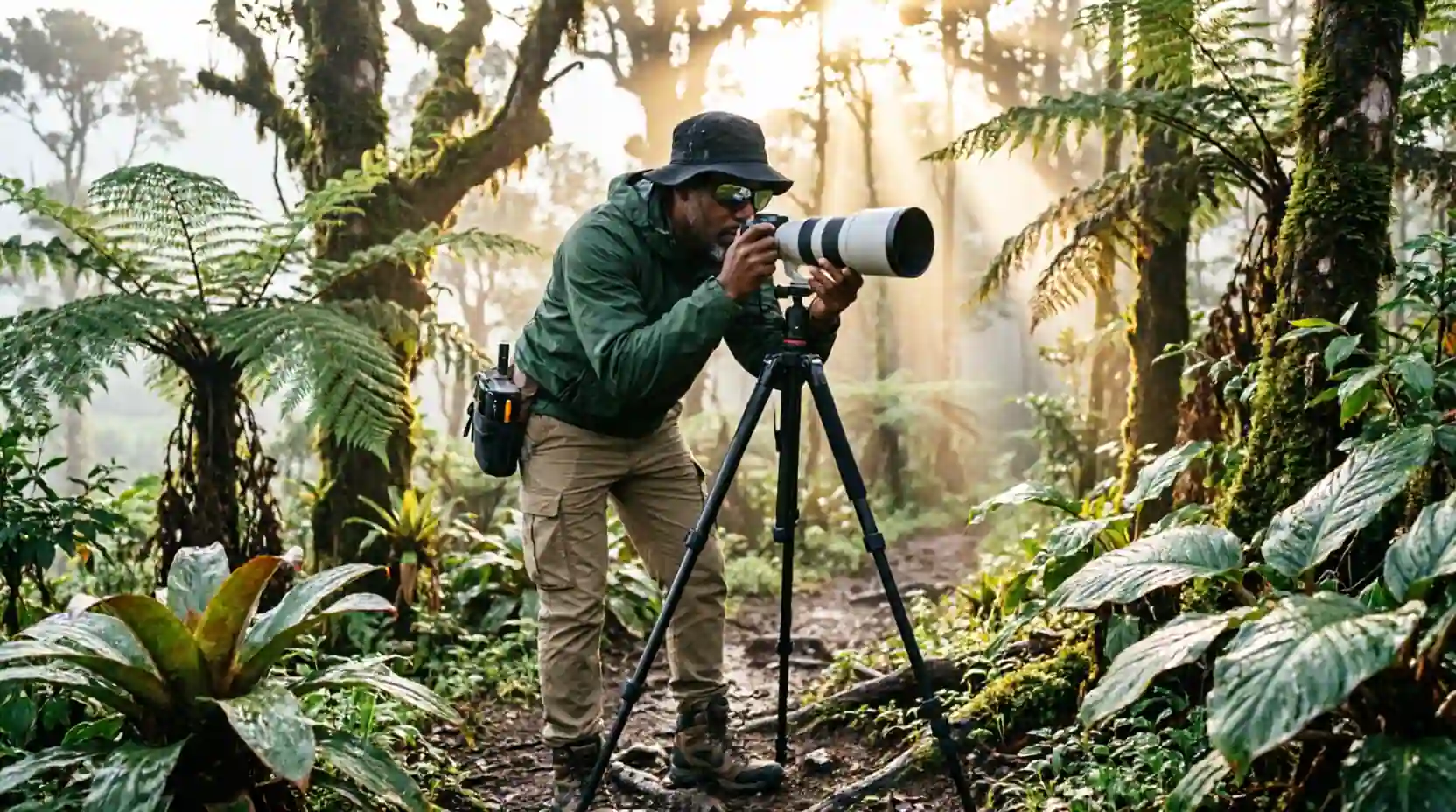
Discovering Rwandas Photographic Paradise in Gishwati-Mukura
Gishwati-Mukura Forest represents one of Rwandas most remarkable conservation success stories and a hidden treasure for nature photographers. This restored montane rainforest in Rwandas Western Province offers extraordinary biodiversity compact accessibility and photographic opportunities that rival more famous destinations.
Once severely degraded this forest has undergone dramatic restoration transforming it into a thriving ecosystem home to chimpanzees golden monkeys over sixty mammal species and countless bird species including several endemics. For photographers this means diverse subjects within a relatively small area.
Unlike Rwandas more crowded parks Gishwati-Mukura remains relatively undiscovered by mass tourism. This exclusivity means photographers can capture intimate wildlife moments pristine landscapes and unique behaviors without crowds competing for the perfect shot.
The forests dramatic elevation changes from approximately two thousand to nearly three thousand meters create distinct ecological zones each offering unique photographic opportunities. From misty montane forests to bamboo groves and scenic viewpoints the visual diversity proves extraordinary.
This guide reveals seven specific hidden gems within Gishwati-Mukura Forest that every nature photographer should prioritize in 2026 from chimpanzee tracking locations to secret waterfalls and endemic bird hotspots.
Hidden Gem One Chimpanzee Tracking Trails

The chimpanzee tracking trails represent Gishwati-Mukuras premier photographic attraction offering rare opportunities to document our closest living relatives in their natural habitat.
Unlike the more famous chimpanzee destinations in Uganda or Tanzania Gishwati-Mukuras chimp communities prove more accessible with smaller groups and less tourist pressure. This intimate setting allows photographers to capture natural behaviors without the stress of large tourist groups.
The forest trails wind through dense montane vegetation where habituated chimpanzee families forage nest and socialize. Photographers can document tool use grooming behaviors vocal communications and the complex social dynamics that make chimpanzees so fascinating.
Early morning tracking starting around seven in the morning provides optimal lighting conditions as golden rays filter through the canopy. The soft diffused light proves ideal for capturing the textures of fur facial expressions and forest environments.
Photography permits cost approximately one hundred dollars significantly less than gorilla permits while offering equally rewarding experiences. Guides assist in positioning for optimal shots while ensuring chimpanzee welfare remains the priority.
Telephoto lenses ranging from two hundred to four hundred millimeters prove essential for capturing detailed portraits while maintaining respectful distances. Wide-angle lenses document the forest context and environmental storytelling.
Hidden Gem Two The Canopy Viewpoint Platform

The canopy viewpoint platform offers photographers a rare birds-eye perspective of the forest rarely accessible in African rainforests. This elevated vantage point provides unique compositional opportunities impossible from ground level.
Constructed as part of conservation and eco-tourism initiatives the platform sits approximately twenty meters above the forest floor offering panoramic views across the restored forest landscape. This height allows photographers to capture the forest canopy as a textured sea of green.
During morning hours mist rolls through the valleys below creating ethereal atmospheric conditions perfect for landscape photography. The interplay of light shadow and fog creates dramatic scenes that change minute by minute.
Bird photographers benefit enormously from this elevation as many canopy-dwelling species prove difficult to photograph from below. Turacos hornbills and various sunbird species frequent the canopy level providing excellent photographic subjects.
Sunrise photography from the platform captures the forest awakening with golden light illuminating mist-shrouded peaks in the distance. The surrounding Virunga Mountains create stunning backdrops for landscape compositions.
The platform also serves as an excellent location for time-lapse photography documenting the forests daily rhythm from dawn chorus through midday activity to evening quiet. Multiple visits reveal different atmospheric conditions and lighting scenarios.
Hidden Gem Three The Bamboo Forest Corridor

The bamboo forest corridor represents one of Gishwati-Mukuras most visually striking zones offering photographers dramatic vertical lines natural tunnels and unique lighting conditions.
Dense stands of giant bamboo create natural cathedrals with towering stems reaching thirty meters high. The vertical patterns create compelling compositional elements while the filtered light produces ethereal atmospheres perfect for artistic photography.
This habitat proves critical for golden monkeys Rwandas second most famous primate after mountain gorillas. These endangered primates with distinctive golden-orange fur contrast beautifully against the green bamboo creating stunning color compositions.
Photographing golden monkeys requires patience as they move quickly through the bamboo. Fast shutter speeds of at least one thousandth second freeze their acrobatic movements while continuous autofocus tracks their unpredictable paths.
The bamboo forests acoustic environment adds another dimension to photography visits. Recording the sounds of rustling bamboo primate vocalizations and bird calls creates multimedia storytelling opportunities beyond still images.
During rainy season the bamboo forest transforms with water droplets creating natural macro photography opportunities. Dew-covered leaves morning mist and rain-soaked bamboo provide intimate subjects for detail-oriented photographers.
Hidden Gem Four Endemic Bird Hotspots

Gishwati-Mukura Forest harbors remarkable avian diversity including several Albertine Rift endemics making it a paradise for bird photographers seeking rare and specialized subjects.
The Rwenzori turaco with its vibrant red crest and blue-green plumage ranks among the forests most photogenic residents. These noisy birds often perch conspicuously allowing photographers time for careful composition and exposure settings.
Red-collared mountain babblers endemic to the Albertine Rift prove more challenging subjects as they skulk through dense undergrowth. Patience and knowledge of their calls prove essential for successful photography of these elusive birds.
Archer's ground robin another Albertine Rift endemic frequents the forest floor where dappled light creates challenging exposure conditions. Understanding fill-flash techniques helps illuminate these dark-plumaged birds without losing background detail.
Early morning from six to nine AM proves optimal for bird photography as species prove most active and vocal. The soft morning light also proves more flattering than harsh midday sun.
Over sixty bird species call Gishwati-Mukura home including African green broadbills great blue turacos and various sunbird species. Each presents unique photographic challenges and opportunities requiring different techniques and equipment.
Hidden Gem Five The Restoration Success Story Sites

For photographers interested in conservation storytelling Gishwati-Mukura offers powerful before-and-after documentation opportunities showcasing one of Africas most successful forest restoration projects.
Designated areas display the dramatic transformation from degraded pastureland to thriving forest. These sites tell compelling visual stories of ecological recovery featuring young trees planted by conservation teams now reaching maturity.
Photographing these restoration zones requires sensitivity to the complex narratives of conservation community needs and environmental recovery. Images should balance hope with honesty showing both progress and ongoing challenges.
Time-lapse photography over multiple visits documents seasonal changes and forest growth. Returning to identical viewpoints reveals the forests gradual recovery creating powerful sequences for conservation communication.
Local community members involved in restoration efforts provide human elements to conservation photography. Portraits of rangers tree planters and community conservationists add emotional depth to environmental storytelling.
Macro photography of pioneer species mycorrhizal fungi and soil recovery reveals the microscopic processes driving forest regeneration. These intimate images complement broader landscape documentation.
Hidden Gem Six Scenic Ridge Viewpoints

The forests ridge system offers multiple scenic viewpoints providing photographers panoramic vistas of Rwandas Western Province including views toward Lake Kivu and the Congo-Nile Divide.
These elevated positions prove particularly spectacular during clear weather when visibility extends across multiple districts. The layered mountain ranges create depth and scale in landscape compositions.
Sunset photography from ridge viewpoints captures dramatic skies as clouds catch golden and pink light. The silhouettes of forest against colorful skies create striking minimalist compositions.
During the dry season June through September atmospheric clarity proves optimal for long-distance landscape photography. Haze and mist prove minimal allowing sharp images of distant peaks and valleys.
Wide-angle lenses from fourteen to twenty-four millimeters capture sweeping vistas while telephoto lenses compress distant mountain ranges creating abstract patterns. Multiple focal lengths maximize creative options from single viewpoints.
These ridges also serve as migration corridors for birds and butterflies creating opportunities for wildlife photography within landscape contexts. Patience reveals unexpected subjects against scenic backdrops.
Hidden Gem Seven Secret Waterfall Locations

Gishwati-Mukura harbors several small waterfalls and cascades that remain off most tourist itineraries providing photographers intimate subjects and tranquil settings.
These water features vary from gentle cascades over moss-covered rocks to more dramatic drops creating mist and spray. Each presents different photographic challenges requiring varied techniques from long exposures to fast shutter speeds.
Long exposure photography using neutral density filters transforms flowing water into silky smooth textures contrasting with sharp surrounding vegetation. Shutter speeds of one to several seconds create this effect requiring sturdy tripods.
The forests high rainfall ensures waterfalls flow year-round though volume varies seasonally. Rainy season March through May and September through November produces maximum flow while dry season offers clearer access and easier hiking.
Macro photography opportunities abound around waterfalls with water droplets moss textures and moisture-loving plants providing intimate subjects. These details complement broader waterfall compositions.
Finding these waterfalls requires local guides who know the terrain. Their knowledge proves invaluable not just for location but also for safety in the sometimes-challenging forest terrain.
Best Seasons for Nature Photography

Understanding Gishwati-Mukuras seasonal patterns enables photographers to plan visits matching their specific photographic goals and subject preferences.
Dry seasons June through September and December through February offer easier hiking clearer trails and more predictable weather. These conditions suit landscape photography and general wildlife documentation.
Rainy seasons bring lush vegetation active wildlife and dramatic atmospheric conditions. Photographers seeking moody misty images and maximum greenery should visit during these periods though must prepare for challenging conditions.
Bird activity peaks during breeding seasons when males display vibrant plumage and engage in territorial behaviors. These periods vary by species but generally align with rainy seasons when food proves abundant.
Primate behavior also shifts seasonally with fruit availability influencing movement patterns. Local guides provide current information about chimpanzee and golden monkey locations based on seasonal food sources.
Photographers should consider their priorities when choosing visit times. Landscape photographers may prefer dry season clarity while those seeking intimate forest atmospheres might choose rainy season drama.
Essential Photography Equipment

Gishwati-Mukuras diverse photographic opportunities require versatile equipment capable of handling everything from telephoto wildlife work to wide-angle landscapes.
Telephoto lenses prove essential for primate and bird photography. A two hundred to four hundred millimeter zoom provides flexibility for varying subject distances while maintaining image quality.
Wide-angle lenses from fourteen to twenty-four millimeters capture forest landscapes canopy views and environmental portraits. Fast wide-angles with apertures of f/2.8 prove valuable in low forest light.
Tripods prove crucial for long exposures at waterfalls low-light forest photography and time-lapse sequences. Carbon fiber models balance stability with portability for forest hiking.
Weather protection for cameras and lenses proves essential in Gishwati-Mukuras humid environment. Rain covers silica gel packets and waterproof bags protect equipment from moisture damage.
Extra batteries and memory cards prove necessary as charging opportunities prove limited during forest excursions. Cold mornings reduce battery life requiring additional power reserves.
Photography Permits and Regulations

Understanding permit requirements and photography regulations ensures legal compliance and supports the forests conservation mission.
General park entry permits cost approximately seventy-five dollars per day for foreign non-residents. This fee supports ongoing conservation and restoration efforts.
Chimpanzee tracking permits cost one hundred dollars while golden monkey permits cost similar amounts. These specialized permits include guide services and contribute directly to primate conservation.
Commercial photography may require additional permits and fees. Photographers planning to sell images or use them for commercial purposes should contact park authorities in advance.
Drone photography remains restricted in Rwandas protected areas requiring special authorization. Photographers interested in aerial perspectives should inquire well in advance about permit possibilities.
Respect for wildlife always supersedes photographic opportunities. Maintaining appropriate distances avoiding flash photography with primates and following guide instructions proves mandatory.
Working with Local Guides

Local guides prove invaluable for nature photography in Gishwati-Mukura offering knowledge about animal behavior optimal locations and cultural context.
Guides know the forest intimately including chimpanzee nesting sites bird hotspots and scenic viewpoints that independent visitors would struggle to find. Their expertise maximizes photographic opportunities.
Many guides speak excellent English and understand photographers needs including patience for composition willingness to revisit locations and knowledge of optimal lighting conditions.
Guide fees typically range from thirty to fifty dollars daily depending on specialization and group size. This investment proves worthwhile for accessing photographic opportunities and supporting local employment.
Building relationships with guides creates opportunities for return visits and insider knowledge about seasonal changes new animal sightings and emerging photographic locations.
Conservation Photography Opportunities

Gishwati-Mukura offers unique opportunities for conservation photography documenting both challenges and successes in one of Africas most ambitious restoration projects.
Photographers can document the forests recovery from severe degradation showing reforestation efforts wildlife return and community engagement in conservation. These stories prove important for global conservation communication.
Before-and-after photography comparing historical images with current conditions reveals the dramatic transformation. Working with conservation organizations to access archival images creates powerful visual narratives.
Community conservation photography highlights the human dimension of forest protection. Portraits of rangers community members and conservation staff add emotional resonance to environmental stories.
Sharing conservation photography through exhibitions publications and social media amplifies Gishwati-Mukuras story inspiring support for similar restoration efforts across Africa.
Safety and Practical Considerations
Photographing in Gishwati-Mukura requires attention to safety and practical logistics to ensure productive and secure experiences.
Forest trails can prove muddy and slippery especially during rainy seasons. Sturdy hiking boots with good traction prove essential for safe movement while carrying camera equipment.
Altitude ranges from two thousand to nearly three thousand meters requiring acclimatization for some visitors. Taking time to adjust prevents altitude-related issues that could limit photography.
Weather changes rapidly in montane forests requiring preparation for rain cool temperatures and sudden fog. Layered clothing and waterproof gear prove essential.
Communicating photography plans with lodge staff or guides ensures someone knows your location. While the forest proves relatively safe basic precautions prevent problems.
Respect for local communities living near the forest proves essential. Seeking permission before photographing people and purchasing local goods supports positive relationships.
Conclusion Rwandas Photographic Secret
Gishwati-Mukura Forest represents Rwandas best-kept photographic secret offering nature photographers extraordinary diversity accessibility and authenticity without the crowds of more famous destinations.
From chimpanzees in misty forests to endemic birds in bamboo groves from restoration success stories to dramatic ridge viewpoints these seven hidden gems provide endless photographic inspiration.
The forests conservation story adds meaningful context to photographic pursuits allowing visitors to contribute through their presence while documenting one of Africas most hopeful environmental narratives.
For nature photographers seeking authentic intimate and impactful experiences Gishwati-Mukura Forest delivers in 2026 and beyond. These hidden gems await those willing to venture beyond Rwandas more famous attractions.
Your photographic journey through Gishwati-Mukura creates not just beautiful images but contributes to conservation awareness and sustainable tourism supporting the forests continued recovery for future generations of photographers and wildlife alike.
0 Comments