.webp)
.webp)
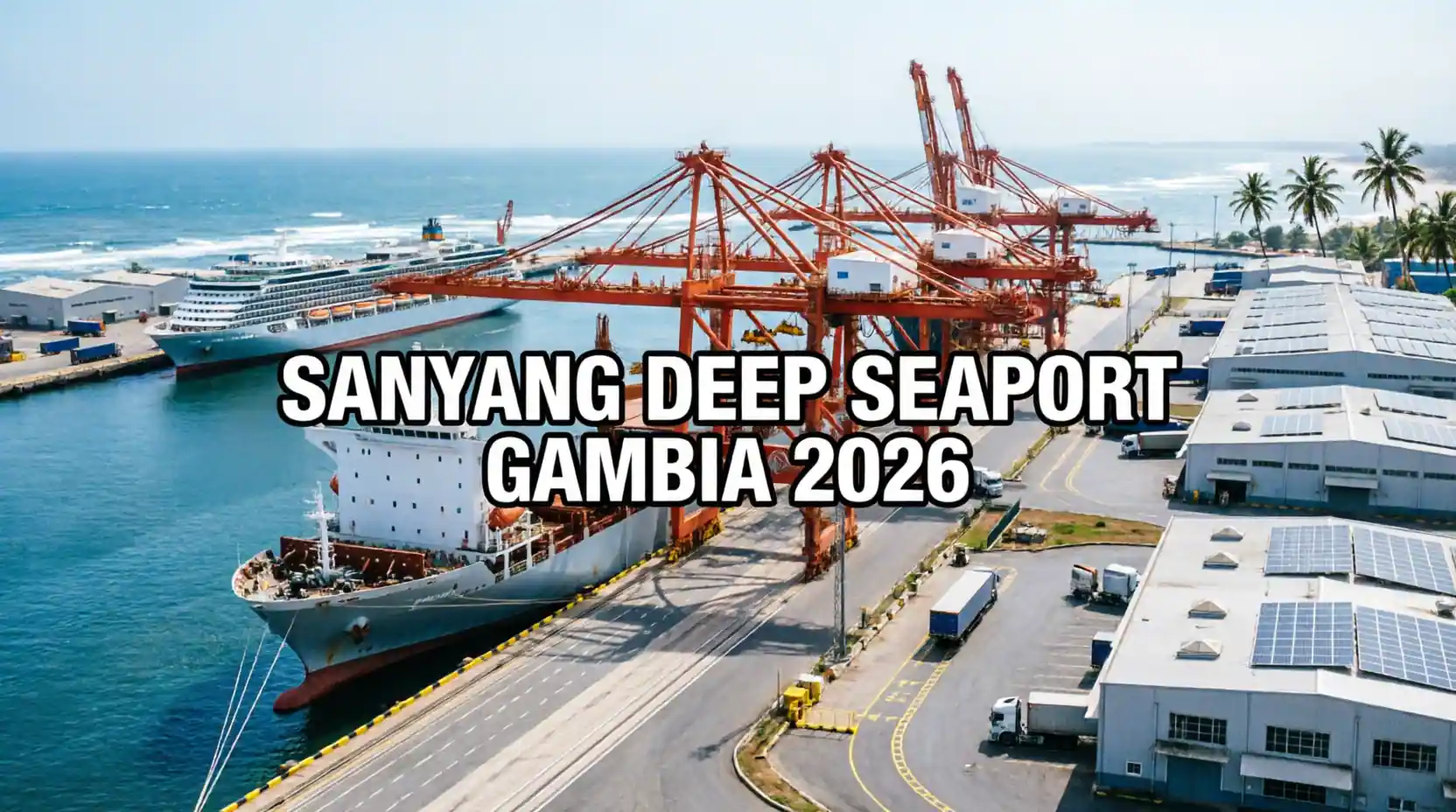
Sanyang Deep Seaport 2026: How the New Maritime Hub Is Boosting Gambia's Tourism Logistics
The Gambia is experiencing a transformative shift in its maritime infrastructure with the development of the Sanyang Deep Seaport, a game-changing project that is revolutionizing the country's tourism logistics and positioning The Gambia as a competitive player in West African maritime trade and cruise tourism. As this state-of-the-art facility moves toward full operational capacity in 2026, it promises to address long-standing challenges related to port capacity, cruise ship accessibility, and cargo handling efficiency that have previously limited The Gambia's tourism growth potential.
Located along The Gambia's pristine Atlantic coastline near the coastal town of Sanyang, this deep-water port represents more than just infrastructure development—it is a strategic investment in The Gambia's future as a tourism and trade hub. With its ability to accommodate larger vessels including modern cruise ships and cargo carriers that previously could not dock in Gambian waters, the Sanyang Deep Seaport is opening new doors for international tourism, facilitating smoother logistics for the hospitality sector, and creating a ripple effect of economic opportunities throughout the country.
This comprehensive guide explores the Sanyang Deep Seaport project: its strategic location and facilities, how it is transforming tourism logistics, the impact on cruise tourism and cargo operations, connectivity improvements, economic benefits for the tourism sector, and what this means for travelers, tour operators, and investors in 2026 and beyond. Whether you are planning a cruise vacation, operating a tourism business, or simply interested in The Gambia's development, this guide provides essential insights into this transformative maritime project.
Understanding the Sanyang Deep Seaport Project

Strategic Location and Geography
The Sanyang Deep Seaport is strategically positioned along The Gambia's Atlantic coast in the Sanyang area, approximately 30-40 kilometers south of Banjul, the capital city. This location offers several critical advantages:
- Deep-Water Access: The natural depth of the waters at Sanyang allows for the accommodation of deep-draft vessels, including large cruise ships and cargo carriers that require deeper berths than the old Banjul port could provide.
- Proximity to Tourism Centers: The location is relatively close to the main tourism corridor along the coast (Kotu, Kololi, Fajara), making it convenient for cruise passengers to access hotels, attractions, and cultural sites.
- Coastal Protection: The site offers natural protection from ocean swells while maintaining accessibility for maritime traffic.
- Expansion Potential: The area provides ample space for future expansion of port facilities, warehousing, and logistics infrastructure.
- 👉 Ivory Coast eVisa 2026: Step-by-Step Digital Entry Guide
- 👉 2026: Slow Luxury in Madagascar's Highland Circuit
- 👉 Erongo Mountains: Hidden Granite Domes & Ancient Rock Art
Project Scope and Infrastructure
The Sanyang Deep Seaport is a comprehensive maritime infrastructure project featuring:
- Deep-Water Berths: Multiple berths capable of handling vessels with drafts of 12-15 meters or more, including modern cruise ships, container vessels, and bulk carriers.
- Cruise Terminal: A dedicated passenger terminal designed to handle cruise ship arrivals and departures, with facilities for immigration, customs, baggage handling, and passenger services.
- Cargo Handling Facilities: Modern container terminals, warehousing, and cargo handling equipment to support both import and export operations.
- Supporting Infrastructure: Road connections to the port, utilities, security systems, and administrative buildings.
- Dredging Operations: Extensive dredging to create and maintain the required depth for deep-sea vessels.
- 👉 Ivory Coast eVisa 2026: Step-by-Step Digital Entry Guide
- 👉 2026: Slow Luxury in Madagascar's Highland Circuit
- 👉 Erongo Mountains: Hidden Granite Domes & Ancient Rock Art
Development Timeline and Investment
The Sanyang Deep Seaport represents a significant financial and technical investment in The Gambia's future:
- Construction Phases: The project has been developed in phases, with initial infrastructure completed and full operational capacity targeted for 2026.
- International Partnership: The project involves collaboration with international partners, contractors, and maritime experts to ensure world-class standards.
- Financing: A combination of government investment, international development financing, and potential private sector participation.
- Technology Transfer: The project includes training and capacity building for Gambian maritime professionals.
- 👉 Ivory Coast eVisa 2026: Step-by-Step Digital Entry Guide
- 👉 2026: Slow Luxury in Madagascar's Highland Circuit
- 👉 Erongo Mountains: Hidden Granite Domes & Ancient Rock Art
Transforming Tourism Logistics: The Direct Impact
Cruise Tourism Revolution
Perhaps the most visible impact of the Sanyang Deep Seaport on tourism is the ability to accommodate modern cruise ships:
- Direct Cruise Access: Previously, large cruise ships could not dock directly in The Gambia due to shallow waters at the old Banjul port. They had to anchor offshore and use tenders (small boats) to ferry passengers—a time-consuming and weather-dependent process. The deep seaport eliminates this barrier.
- Increased Cruise Calls: With proper deep-water berths, The Gambia can now be included in West African cruise itineraries, attracting major cruise lines and bringing thousands of visitors directly to the country.
- Enhanced Passenger Experience: Cruise passengers can now disembark directly at the terminal, saving time and providing a more comfortable experience, especially for elderly passengers or those with mobility challenges.
- Economic Impact: Each cruise ship call brings hundreds or thousands of passengers who spend money on tours, shopping, dining, and excursions, providing a significant boost to the local economy.
- 👉 Ivory Coast eVisa 2026: Step-by-Step Digital Entry Guide
- 👉 2026: Slow Luxury in Madagascar's Highland Circuit
- 👉 Erongo Mountains: Hidden Granite Domes & Ancient Rock Art
Improved Cargo and Supply Chain
Beyond cruise tourism, the deep seaport significantly improves logistics for the entire tourism sector:
- Faster Import of Goods: Hotels, restaurants, and tourism businesses rely on imported goods—from food and beverages to linens and equipment. The modern port facilities enable faster, more efficient handling of these imports.
- Larger Vessels: The ability to accommodate larger cargo ships means economies of scale, potentially reducing the cost of imported goods and making tourism operations more cost-effective.
- Reliability: Modern port infrastructure reduces delays and disruptions in the supply chain, ensuring that hotels and restaurants have consistent access to necessary supplies.
- Cold Chain Facilities: Modern ports typically include cold storage facilities, crucial for maintaining the quality of imported perishable goods like meat, dairy, and fresh produce used in the hospitality sector.
- 👉 Ivory Coast eVisa 2026: Step-by-Step Digital Entry Guide
- 👉 2026: Slow Luxury in Madagascar's Highland Circuit
- 👉 Erongo Mountains: Hidden Granite Domes & Ancient Rock Art
Yacht and Marina Development
The deep seaport also opens opportunities for luxury tourism:
- Yacht Tourism: The facilities can accommodate private yachts and luxury vessels, attracting high-net-worth travelers who prefer to explore The Gambia by sea.
- Marina Services: Potential for developing marina facilities offering refueling, maintenance, and hospitality services for visiting vessels.
- Sailing Tourism: Enhanced facilities support the growth of sailing and maritime tourism segments.
- 👉 Ivory Coast eVisa 2026: Step-by-Step Digital Entry Guide
- 👉 2026: Slow Luxury in Madagascar's Highland Circuit
- 👉 Erongo Mountains: Hidden Granite Domes & Ancient Rock Art
Infrastructure and Connectivity Improvements
Road Network Enhancements
The development of the Sanyang Deep Seaport has catalyzed improvements in road infrastructure:
- Port Access Roads: New or upgraded roads connecting the port to major highways, ensuring smooth transportation of goods and passengers.
- Tourism Corridor Connectivity: Improved road links between the port and the main tourism areas (Kotu, Kololi, Fajara, Banjul), reducing travel time for cruise passengers and tour operators.
- Regional Connectivity: Better connections to other parts of The Gambia and neighboring countries, facilitating regional tourism circuits.
- 👉 Ivory Coast eVisa 2026: Step-by-Step Digital Entry Guide
- 👉 2026: Slow Luxury in Madagascar's Highland Circuit
- 👉 Erongo Mountains: Hidden Granite Domes & Ancient Rock Art
Supporting Infrastructure
The port development has spurred investment in complementary infrastructure:
- Utilities: Enhanced water, electricity, and telecommunications infrastructure to support port operations and surrounding areas.
- Security: Improved security systems and protocols at the port, benefiting overall tourism safety.
- Customs and Immigration: Modernized facilities for efficient processing of passengers and cargo, reducing wait times.
- 👉 Ivory Coast eVisa 2026: Step-by-Step Digital Entry Guide
- 👉 2026: Slow Luxury in Madagascar's Highland Circuit
- 👉 Erongo Mountains: Hidden Granite Domes & Ancient Rock Art
Economic Impact on the Tourism Sector
Job Creation and Skills Development
The Sanyang Deep Seaport is creating employment opportunities across the tourism value chain:
- Direct Employment: Jobs at the port itself, including dock workers, administrative staff, security personnel, and technical specialists.
- Tourism Services: Increased demand for tour guides, drivers, hospitality staff, and excursion operators to serve cruise passengers and maritime tourists.
- Skills Transfer: Training programs associated with the port development are building local capacity in maritime operations, logistics, and tourism services.
- Entrepreneurship: Opportunities for local entrepreneurs to provide services to the port and visiting vessels, from catering to transportation.
- 👉 Ivory Coast eVisa 2026: Step-by-Step Digital Entry Guide
- 👉 2026: Slow Luxury in Madagascar's Highland Circuit
- 👉 Erongo Mountains: Hidden Granite Domes & Ancient Rock Art
Revenue Generation
The port is generating multiple revenue streams that benefit the tourism sector:
- Port Fees: Revenue from vessel docking fees, passenger fees, and cargo handling charges contributes to government revenue that can be reinvested in tourism infrastructure.
- Tourism Spending: Cruise passengers and maritime tourists spend money on tours, souvenirs, dining, and accommodation, directly benefiting local businesses.
- Increased Hotel Occupancy: Cruise ship crews and passengers may require hotel accommodation before or after their voyages, boosting hotel occupancy rates.
- Extended Stays: Some cruise passengers may choose to extend their stay in The Gambia, converting from day visitors to overnight tourists.
- 👉 Ivory Coast eVisa 2026: Step-by-Step Digital Entry Guide
- 👉 2026: Slow Luxury in Madagascar's Highland Circuit
- 👉 Erongo Mountains: Hidden Granite Domes & Ancient Rock Art
Destination Competitiveness
The deep seaport enhances The Gambia's competitiveness as a tourism destination:
- West African Circuit: The Gambia can now be included in multi-destination West African cruise itineraries, increasing visibility and visitor numbers.
- Year-Round Tourism: Cruise ship calls can help smooth out seasonal fluctuations in tourism, bringing visitors during traditional low seasons.
- Brand Enhancement: Modern port infrastructure signals that The Gambia is serious about tourism development and capable of hosting international visitors at a high standard.
- Diversification: The port enables diversification of tourism products beyond traditional beach and cultural tourism to include maritime and cruise tourism.
- 👉 Ivory Coast eVisa 2026: Step-by-Step Digital Entry Guide
- 👉 2026: Slow Luxury in Madagascar's Highland Circuit
- 👉 Erongo Mountains: Hidden Granite Domes & Ancient Rock Art
Services and Facilities for Tourism
Cruise Passenger Terminal
The dedicated cruise terminal at Sanyang Deep Seaport is designed with passenger comfort and efficiency in mind:
- Immigration and Customs: Streamlined processing facilities to minimize wait times for passengers disembarking and embarking.
- Baggage Handling: Modern systems for efficient handling of passenger luggage.
- Passenger Amenities: Waiting areas, restrooms, information desks, and basic services for passengers.
- Tour Operator Facilities: Dedicated areas for tour operators to meet passengers and organize excursions.
- Transportation Hub: Coordinated taxi, bus, and tour vehicle services to transport passengers to destinations throughout The Gambia.
- 👉 Ivory Coast eVisa 2026: Step-by-Step Digital Entry Guide
- 👉 2026: Slow Luxury in Madagascar's Highland Circuit
- 👉 Erongo Mountains: Hidden Granite Domes & Ancient Rock Art
Excursion and Tour Services
The port development has catalyzed the growth of tour and excursion services:
- Shore Excursions: A variety of shore excursion packages designed specifically for cruise passengers, ranging from half-day to full-day tours.
- Cultural Experiences: Tours showcasing Gambian culture, including village visits, traditional music and dance performances, and craft markets.
- Nature and Wildlife: Excursions to national parks, bird watching sites, and the Gambia River.
- Historical Sites: Visits to UNESCO World Heritage Sites like Kunta Kinteh Island and other historical landmarks.
- Beach and Resort Tours: Packages that introduce cruise passengers to The Gambia's beach resorts and hospitality offerings.
- 👉 Ivory Coast eVisa 2026: Step-by-Step Digital Entry Guide
- 👉 2026: Slow Luxury in Madagascar's Highland Circuit
- 👉 Erongo Mountains: Hidden Granite Domes & Ancient Rock Art
Shopping and Dining
The port area and surrounding regions are developing tourism-oriented retail and dining options:
- Duty-Free Shopping: Potential for duty-free shopping facilities at the cruise terminal.
- Local Crafts and Souvenirs: Markets and shops offering traditional Gambian crafts, textiles, and souvenirs for cruise passengers.
- Restaurants and Cafes: Dining options near the port serving both international and local Gambian cuisine.
- Cultural Centers: Facilities showcasing Gambian art, music, and culture for visitors to experience before or after shore excursions.
- 👉 Ivory Coast eVisa 2026: Step-by-Step Digital Entry Guide
- 👉 2026: Slow Luxury in Madagascar's Highland Circuit
- 👉 Erongo Mountains: Hidden Granite Domes & Ancient Rock Art
Challenges and Solutions
Managing Cruise Tourism Growth
While the deep seaport brings opportunities, it also presents challenges that need careful management:
- Infrastructure Strain: Large numbers of cruise passengers arriving simultaneously can strain local infrastructure. Solution: Phased development of tourism facilities and coordination with tour operators to stagger arrivals.
- Environmental Impact: Increased maritime traffic and tourist numbers can impact coastal ecosystems. Solution: Implementation of environmental management plans, waste management systems, and sustainable tourism practices.
- Quality Control: Ensuring consistent quality of tours and services for cruise passengers. Solution: Training programs for tour guides and service providers, certification programs, and quality standards.
- Community Benefits: Ensuring that local communities benefit from cruise tourism. Solution: Policies that prioritize local employment, local sourcing of goods and services, and community development initiatives.
- 👉 Ivory Coast eVisa 2026: Step-by-Step Digital Entry Guide
- 👉 2026: Slow Luxury in Madagascar's Highland Circuit
- 👉 Erongo Mountains: Hidden Granite Domes & Ancient Rock Art
Logistics and Coordination
Effective coordination is essential for maximizing the benefits of the deep seaport:
- Stakeholder Collaboration: Coordination between port authorities, tourism operators, government agencies, and local communities. Solution: Establishment of tourism-port coordination committees and regular stakeholder meetings.
- Information Systems: Efficient information sharing about ship schedules, passenger numbers, and special requirements. Solution: Implementation of digital platforms for real-time information sharing.
- Transportation Management: Coordinating transportation for large groups of passengers. Solution: Designated transportation zones, licensed tour operators, and traffic management plans.
- 👉 Ivory Coast eVisa 2026: Step-by-Step Digital Entry Guide
- 👉 2026: Slow Luxury in Madagascar's Highland Circuit
- 👉 Erongo Mountains: Hidden Granite Domes & Ancient Rock Art
Future Developments and Opportunities
Expansion Plans
The Sanyang Deep Seaport is designed with future growth in mind:
- Additional Berths: Potential for adding more berths to accommodate increased cruise and cargo traffic.
- Enhanced Passenger Facilities: Expansion of terminal facilities to improve passenger experience and handling capacity.
- Marina Development: Potential for developing dedicated marina facilities for yachts and luxury vessels.
- Logistics Hub: Development of the port area as a regional logistics and distribution hub, benefiting tourism supply chains.
- 👉 Ivory Coast eVisa 2026: Step-by-Step Digital Entry Guide
- 👉 2026: Slow Luxury in Madagascar's Highland Circuit
- 👉 Erongo Mountains: Hidden Granite Domes & Ancient Rock Art
Regional Integration
The deep seaport positions The Gambia for greater regional integration:
- West African Cruise Circuit: Collaboration with neighboring countries to develop multi-destination cruise itineraries.
- Trade Facilitation: Improved cargo handling supports regional trade, benefiting the broader economy and tourism sector.
- Knowledge Sharing: Opportunities for learning from other successful port-tourism integration models in Africa and globally.
- 👉 Ivory Coast eVisa 2026: Step-by-Step Digital Entry Guide
- 👉 2026: Slow Luxury in Madagascar's Highland Circuit
- 👉 Erongo Mountains: Hidden Granite Domes & Ancient Rock Art
Practical Information for Travelers and Operators
For Cruise Passengers
If you're planning to visit The Gambia via cruise ship in 2026:
- Shore Excursions: Book excursions in advance through your cruise line or reputable local tour operators to ensure availability.
- Time Management: Be mindful of the ship's departure time and allow sufficient time to return to the port.
- Currency: Have some Gambian Dalasi or US dollars for shopping and tips, though many vendors accept major currencies.
- Cultural Sensitivity: Dress modestly when visiting villages or religious sites, and always ask permission before photographing people.
- Stay Hydrated: The Gambia can be hot, especially during peak tourist season. Carry water and wear sun protection.
- 👉 Ivory Coast eVisa 2026: Step-by-Step Digital Entry Guide
- 👉 2026: Slow Luxury in Madagascar's Highland Circuit
- 👉 Erongo Mountains: Hidden Granite Domes & Ancient Rock Art
For Tour Operators
If you operate tours in The Gambia:
- Licensing: Ensure you are properly licensed and registered to operate shore excursions.
- Coordination: Establish relationships with cruise lines and the port authority to coordinate arrivals and departures.
- Quality Standards: Maintain high standards of service to ensure positive reviews and repeat business.
- Sustainability: Implement sustainable tourism practices to protect the environment and cultural heritage.
- Training: Invest in training guides and staff to provide excellent customer service and accurate information.
- 👉 Ivory Coast eVisa 2026: Step-by-Step Digital Entry Guide
- 👉 2026: Slow Luxury in Madagascar's Highland Circuit
- 👉 Erongo Mountains: Hidden Granite Domes & Ancient Rock Art
Conclusion: A New Era for Gambian Tourism
The Sanyang Deep Seaport represents a transformative moment in The Gambia's tourism development. By addressing the critical infrastructure gap that previously limited the country's ability to accommodate modern cruise ships and efficiently handle maritime logistics, this project is unlocking new opportunities for tourism growth, economic development, and regional competitiveness.
For travelers, the deep seaport means easier access to The Gambia's beautiful beaches, rich culture, and warm hospitality. For tour operators and tourism businesses, it means a steady stream of visitors and opportunities for growth. For The Gambia as a nation, it means enhanced visibility on the global tourism map and a stronger foundation for sustainable economic development.
As the Sanyang Deep Seaport reaches full operational capacity in 2026 and beyond, it will serve as a catalyst for broader tourism development, inspiring improvements in infrastructure, services, and visitor experiences throughout the country. The port is not just a maritime facility—it is a gateway to The Gambia's future, connecting the "Smiling Coast of Africa" to the world in ways never before possible.
For those planning to visit The Gambia in 2026, whether by cruise ship or other means, the Sanyang Deep Seaport promises a more seamless, enjoyable, and memorable experience. It is a testament to The Gambia's commitment to tourism excellence and its ambition to become a premier destination in West Africa.
Welcome to The Gambia—where the river meets the sea, and where new opportunities are setting sail.
0 Comments