.webp)
.webp)
Digital Nomad Life Finding High Speed Internet in San Cristobal District
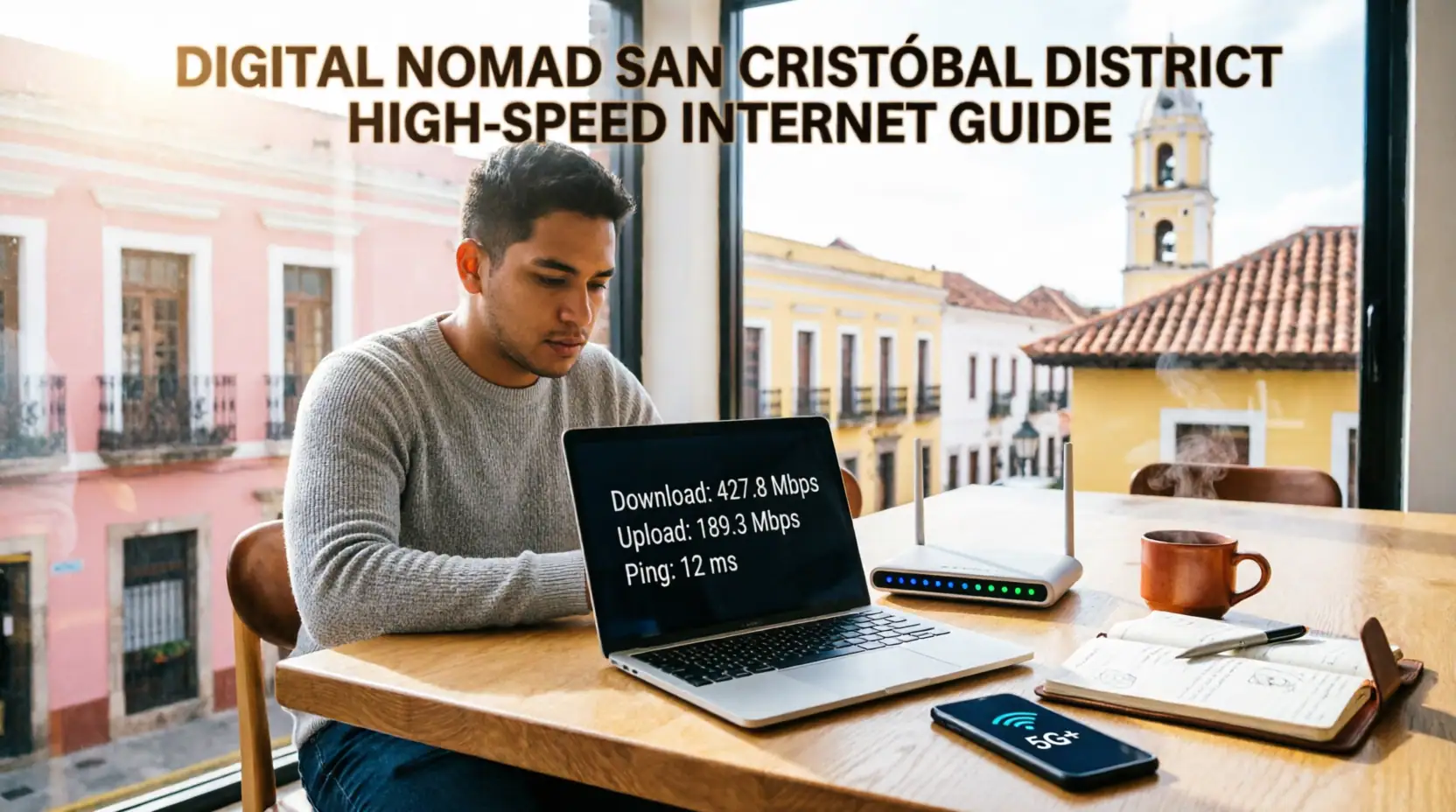
Understanding San Cristóbals Digital Infrastructure
The San Cristóbal District has emerged as an increasingly attractive destination for digital nomads seeking reliable connectivity in Peru. Understanding the telecommunications landscape proves essential for remote work success.
Internet infrastructure in San Cristóbal has improved significantly in recent years with fiber optic expansion and increased competition among providers. This development supports the growing remote work community.
The district benefits from proximity to Lima's central telecommunications networks while maintaining more affordable living costs than upscale neighborhoods. This balance attracts budget-conscious digital nomads.
Multiple internet service providers operate in San Cristóbal offering various speed tiers and pricing structures. Competition drives quality improvements and reasonable pricing for residents.
This comprehensive guide reveals everything digital nomads need to know about securing high-speed internet in San Cristóbal including provider options coworking spaces and practical connectivity strategies.
Internet Service Providers in San Cristóbal

Several major internet service providers serve the San Cristóbal District each offering different packages speeds and pricing structures for residential and business customers.
Movistar provides extensive coverage throughout San Cristóbal with fiber optic and ADSL options. Speeds range from ten megabits per second to three hundred megabits per second depending on plan selection.
Claro offers competitive fiber optic packages with speeds up to two hundred megabits per second. Their network infrastructure has expanded significantly in recent years improving reliability.
Entel provides fiber optic services with emphasis on symmetrical upload and download speeds beneficial for video conferencing and cloud work. Plans typically range from fifty to two hundred megabits per second.
Win Mobile and other smaller providers offer alternative options sometimes at lower prices though coverage may be more limited. Comparing availability at specific addresses proves essential.
Installation typically requires one to two weeks advance scheduling with technician visits for fiber optic connections. Temporary mobile internet solutions bridge the gap during setup periods.
Fiber Optic Versus Alternative Connections

Understanding connection types helps digital nomads make informed decisions about internet service in San Cristóbal based on work requirements and budget constraints.
Fiber optic connections provide fastest speeds and most reliable performance ideal for video calls large file transfers and cloud-based work. This technology represents the gold standard for remote work.
ADSL connections though slower and less reliable remain available and more affordable. Speeds typically range from five to twenty megabits per second sufficient for basic remote work tasks.
Cable internet offers middle ground between fiber and ADSL with speeds from twenty to one hundred megabits per second. This option balances cost and performance for many users.
Mobile internet through 4G LTE and emerging 5G networks provides backup connectivity and flexibility. Speeds vary by location and network congestion but often reach twenty to fifty megabits per second.
Fiber optic installation requires building infrastructure compatibility which not all properties possess. Verifying fiber availability before signing leases prevents connectivity disappointments.
Coworking Spaces and Shared Work Environments

Coworking spaces in and near San Cristóbal provide reliable internet professional environments and networking opportunities for digital nomads seeking alternatives to home offices.
WeWork locations in Lima's business districts offer premium coworking with guaranteed high-speed internet though requiring commutes from San Cristóbal. Day passes range from twenty to thirty dollars.
Local coworking spaces in surrounding neighborhoods provide more affordable options from ten to twenty dollars daily with reliable wifi and basic amenities. These spaces foster local entrepreneur communities.
Cafe coworking hybrids combine coffee shop atmospheres with work-friendly environments offering wifi power outlets and comfortable seating. These venues suit flexible work styles and casual meetings.
Membership plans at coworking spaces typically cost one hundred to three hundred dollars monthly for dedicated desks or hot desk access. These investments provide consistent work environments and networking.
Booking systems for coworking spaces increasingly common post-pandemic require advance reservations particularly for popular locations. Planning ahead ensures workspace availability.
Cafes and Restaurants with Reliable Wifi

San Cristóbal and surrounding areas feature numerous cafes and restaurants offering wifi suitable for remote work though speeds and reliability vary significantly between establishments.
Starbucks locations provide consistent though not exceptional wifi speeds typically five to fifteen megabits per second. These chains offer reliable backup options with comfortable seating and power outlets.
Local cafes often provide faster wifi than chains with speeds reaching twenty to forty megabits per second. Building relationships with cafe owners can secure preferred seating and reliable access.
Restaurants with work-friendly policies allow laptop use during off-peak hours providing wifi and power access. Purchasing food or drinks regularly maintains good standing with establishments.
Coworking cafes specifically designed for remote workers combine cafe amenities with coworking reliability offering faster internet ergonomic seating and professional atmospheres. These hybrid spaces prove increasingly popular.
Wifi password sharing culture in Peru means asking staff politely typically grants access even at establishments without posted credentials. Courteous requests and purchases facilitate access.
Mobile Internet and Cellular Data Options

Mobile internet serves as essential backup and sometimes primary connectivity for digital nomads in San Cristóbal requiring understanding of local cellular providers and data plans.
Movistar Claro and Entel dominate Peru's mobile market each offering various data plans prepaid and postpaid options suitable for different usage patterns and budget levels.
Prepaid SIM cards cost approximately five to ten dollars with data packages ranging from ten to thirty dollars monthly for five to twenty gigabytes. This flexibility suits temporary residents and travelers.
Postpaid plans provide better value for heavy data users with unlimited or high-capacity plans from twenty to fifty dollars monthly. These require local identification and sometimes proof of address.
4G LTE coverage in San Cristóbal remains generally good with speeds from ten to forty megabits per second depending on location and network congestion. Speed tests at specific addresses verify actual performance.
5G rollout continues in Lima though coverage remains limited to central business districts. San Cristóbal 5G availability expected to expand over coming years improving mobile connectivity options.
Internet Speed Expectations and Testing

Understanding realistic internet speeds in San Cristóbal helps digital nomads set appropriate expectations and verify service quality through regular speed testing.
Advertised speeds often differ from actual performance due to network congestion infrastructure limitations and peak usage times. Testing at various hours reveals true connectivity quality.
Speedtest.net and similar tools provide accurate measurements of download upload speeds and latency. Regular testing documents performance issues for provider discussions.
Download speeds of ten to twenty megabits per second suffice for email web browsing and standard definition video calls. Remote work requiring video conferencing benefits from twenty-five plus megabits per second.
Upload speeds prove critical for video calls cloud backups and file sharing often overlooked in provider marketing. Symmetrical fiber connections provide best upload performance.
Latency below one hundred milliseconds ensures smooth video conferencing and responsive cloud applications. Higher latency causes delays and frustration during real-time collaboration.
Accommodation Internet Considerations

Choosing accommodation with reliable internet requires careful verification beyond listing claims ensuring connectivity meets remote work demands in San Cristóbal.
Airbnb and rental listings often advertise wifi without specifying speeds or reliability. Requesting speed test screenshots from current or previous tenants provides realistic expectations.
Apartments with fiber optic connections command premium rents but deliver superior reliability and speeds. This investment often proves worthwhile for full-time remote workers.
Building internet infrastructure varies significantly with newer constructions more likely to have fiber optic capabilities. Researching building age and amenities indicates connectivity potential.
Backup internet options including mobile hotspots and nearby coworking spaces provide contingency plans for primary connection failures. Redundancy prevents work disruptions.
Landlord permissions for installing dedicated internet lines may be necessary in some buildings. Clarifying installation rights before signing leases prevents connectivity limitations.
Cost Breakdown for Internet Services

Understanding internet costs in San Cristóbal enables accurate budget planning for digital nomads balancing connectivity needs with overall living expenses.
Fiber optic home internet typically costs twenty to forty dollars monthly for speeds from fifty to two hundred megabits per second. This represents excellent value compared to North American and European pricing.
ADSL connections cost fifteen to twenty-five dollars monthly for speeds from five to twenty megabits per second. Budget-conscious nomads may find this adequate for basic remote work.
Mobile data plans range from ten to thirty dollars monthly for prepaid options and twenty to fifty dollars for postpaid unlimited plans. These provide essential backup connectivity.
Coworking space memberships cost one hundred to three hundred dollars monthly for regular access or ten to thirty dollars for day passes. These expenses provide professional environments and reliable internet.
Cafe work sessions require purchasing food or drinks typically costing three to ten dollars per visit. Regular patronage builds relationships securing consistent workspace access.
Troubleshooting Common Connectivity Issues

Digital nomads in San Cristóbal occasionally encounter internet problems requiring troubleshooting skills and knowledge of local support resources.
Slow speeds during peak evening hours from seven to ten pm result from network congestion. Scheduling important calls outside these windows or upgrading to fiber reduces this issue.
Intermittent disconnections may indicate wiring problems router issues or provider outages. Restarting equipment and contacting provider support resolves many common problems.
Wifi signal weakness in certain apartment areas requires router repositioning range extenders or mesh systems. Optimizing home network setup improves connectivity throughout living spaces.
Provider customer service quality varies with some offering responsive support while others prove frustrating. Maintaining mobile backup internet ensures work continuity during service issues.
Power outages though infrequent can disrupt internet service. Uninterruptible power supplies for routers and modems maintain connectivity during brief outages.
Security Considerations for Remote Work

Protecting data and maintaining security while working remotely in San Cristóbal requires attention to network security practices and safe connectivity habits.
Home wifi networks require strong passwords and WPA3 encryption when available. Default router passwords create security vulnerabilities easily exploited by malicious actors.
Public wifi in cafes and coworking spaces necessitates VPN usage to encrypt data transmissions. Free or paid VPN services protect sensitive information on shared networks.
Two-factor authentication adds security layers for important accounts preventing unauthorized access even if passwords become compromised. This practice proves essential for remote workers.
Regular software updates and antivirus protection guard against malware and security threats. Maintaining updated systems prevents vulnerabilities that could compromise work data.
Secure cloud storage with encryption protects important files from loss or theft. Services like Dropbox Google Drive and OneDrive provide backup and synchronization across devices.
Time Zone and Communication Considerations

San Cristóbal operates on Peru Time PET UTC minus five year-round without daylight saving time adjustments. Understanding time zone implications facilitates remote work coordination.
Working with North American clients proves convenient with Peru Time aligning closely with US Eastern and Central time zones. This overlap enables real-time collaboration during business hours.
European clients require early morning or late evening calls due to five to eight hour time differences. Scheduling flexibility accommodates international client needs.
Async communication through email project management tools and recorded videos reduces time zone challenges. These methods enable productive collaboration across time zones.
Communicating availability clearly to clients and colleagues prevents misunderstandings about response times. Setting expectations about working hours maintains professional relationships.
Building a Digital Nomad Community

Connecting with other digital nomads in San Cristóbal and Lima provides networking support and shared knowledge about connectivity and remote work resources.
Facebook groups and online forums for digital nomads in Peru share information about internet providers coworking spaces and connectivity tips. These communities prove invaluable for newcomers.
Coworking space events and meetups facilitate in-person networking with fellow remote workers. Building relationships creates support systems and potential collaborations.
Language exchange meetups combine Spanish practice with networking opportunities. These events expand social circles while improving language skills beneficial for daily life.
Sharing experiences about internet providers and work spaces helps community members make informed decisions. Collective knowledge improves everyone's remote work experiences.
Legal and Visa Considerations for Remote Workers

Understanding legal requirements for working remotely from Peru ensures compliance and smooth extended stays in San Cristóbal.
Tourist visas typically allow ninety-day stays extendable to one hundred eighty days for many nationalities. Digital nomads must monitor stay durations to maintain legal status.
Peru introduced digital nomad visa discussions though formal programs remain under development. Current regulations require tourist or business visas for remote workers.
Tax implications of earning income while residing in Peru require consultation with tax professionals. Understanding obligations prevents legal complications.
Work permits generally not required for remote work serving clients or employers outside Peru. However local employment requires proper work authorization.
Immigration consultations clarify individual situations ensuring compliance with Peruvian regulations. Professional advice prevents visa and legal issues.
Equipment and Technology Recommendations

Optimizing remote work setup in San Cristóbal requires appropriate equipment ensuring productivity and connectivity reliability.
Quality laptops with long battery life support mobile work styles and power outage resilience. Investing in reliable hardware prevents work disruptions.
External monitors improve productivity for extended work sessions though requiring additional desk space. Portable monitors offer flexibility for cafe and coworking work.
Noise-canceling headphones enhance focus in noisy environments and improve call quality. These prove essential for productive remote work in varied settings.
Mobile hotspots and backup internet devices provide connectivity redundancy. Having multiple internet options prevents work stoppages during primary connection failures.
Surge protectors and voltage regulators protect equipment from electrical fluctuations. Peru's electrical system benefits from protective devices extending equipment lifespan.
Cultural Adaptation for Remote Workers

Adapting to Peruvian culture and work rhythms enhances digital nomad experiences in San Cristóbal beyond technical connectivity considerations.
Peruvian business culture values relationships and personal connections. Building rapport with local service providers improves internet installation and support experiences.
Flexible attitudes toward time and schedules characterize Peruvian culture. Patience with service appointments and provider response times reduces frustration.
Learning basic Spanish facilitates communication with internet providers landlords and local businesses. Language skills improve problem-solving and daily life navigation.
Understanding local holidays and business hours prevents connectivity surprises. Planning around Peruvian observances ensures work continuity.
Embracing Peruvian lifestyle including siesta culture and evening-focused social life creates balanced remote work experiences. Adapting rhythms to local patterns enhances wellbeing.
Conclusion Thriving as a Digital Nomad in San Cristóbal

San Cristóbal District offers digital nomads viable connectivity options growing infrastructure and affordable living costs making it attractive for remote work in Peru. Success requires research preparation and flexibility.
Fiber optic internet coworking spaces and mobile backup options provide multiple pathways to reliable connectivity. Understanding provider options and testing speeds ensures work requirements are met.
Building relationships with local communities fellow nomads and service providers enhances remote work experiences beyond technical connectivity. Social support proves as important as internet speeds.
San Cristóbals combination of improving infrastructure reasonable costs and Lima proximity creates favorable conditions for digital nomads. Strategic planning transforms connectivity challenges into manageable aspects of remote work life.
Your digital nomad journey in San Cristóbal benefits from preparation realistic expectations and adaptive strategies. Embracing both opportunities and challenges creates rewarding remote work experiences in this evolving Peruvian district.
0 Comments