.webp)
.webp)
How to Organize School or Educational Group Expedition to Llanos
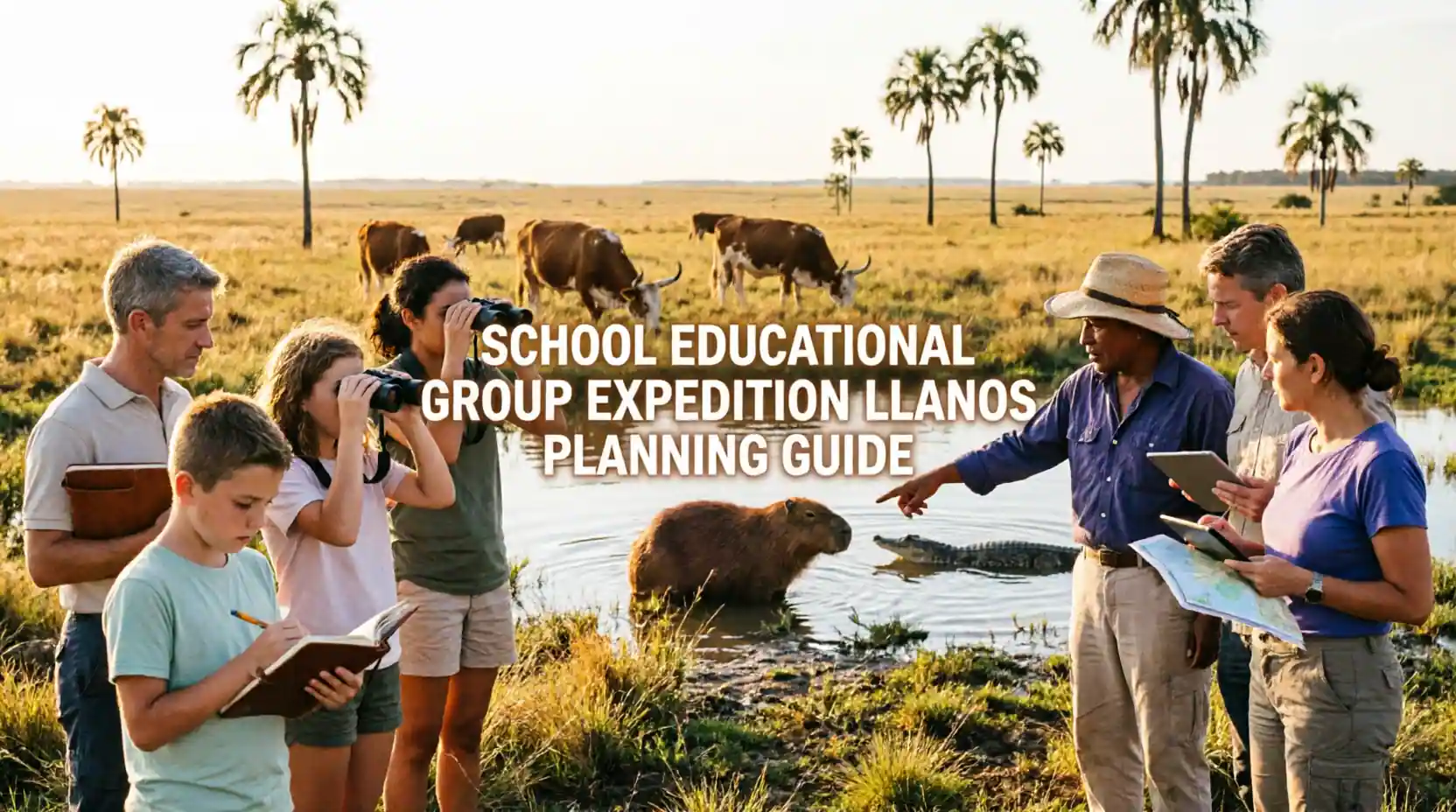
Planning Educational Expeditions to Venezuelas and Colombias Llanos
Organizing a school or educational group expedition to the Llanos represents an extraordinary opportunity for students to experience one of South Americas most biodiverse ecosystems firsthand. This vast tropical grassland plain spanning Venezuela and Colombia offers unparalleled wildlife observation ecology lessons and cultural immersion.
The Llanos region with its dramatic wet and dry seasons capybaras caimans anacondas and spectacular birdlife provides living laboratories for biology ecology geography and environmental science education. Students gain perspectives impossible to replicate in classroom settings.
Successful educational expeditions require meticulous planning regarding safety logistics curriculum integration chaperone ratios and budget management. This comprehensive guide walks educators through every aspect of organizing transformative Llanos expeditions.
Educational travel to the Llanos fosters environmental stewardship cross-cultural understanding and scientific curiosity while creating memories that inspire lifelong learning. Proper preparation ensures these experiences prove both safe and educationally impactful.
This guide addresses permits transportation accommodation risk assessment curriculum connections and practical considerations enabling educators to confidently plan meaningful Llanos expeditions for students of various ages and academic levels.
Understanding the Llanos Ecosystem and Educational Value

The Llanos encompasses over five hundred thousand square kilometers of tropical grasslands wetlands and gallery forests creating one of the worlds most significant freshwater ecosystems.
Seasonal flooding during the rainy season from May through November transforms the landscape into vast wetlands supporting incredible biodiversity. The dry season from December through April concentrates wildlife around remaining water sources facilitating observation.
Educational themes naturally emerge from Llanos ecology including adaptation migration predator-prey relationships wetland conservation and climate patterns. These concepts align with biology geography and environmental science curricula.
Cultural education opportunities include learning about llanero cattle ranching traditions indigenous communities and the regions historical significance. This cultural context enriches scientific study with human dimensions.
Conservation education proves particularly relevant as the Llanos faces pressures from agriculture development and climate change. Students witness both pristine ecosystems and conservation challenges firsthand.
Age-appropriate learning objectives vary with elementary students focusing on observation and basic ecology while secondary students engage in field research methods data collection and conservation analysis.
Educational Objectives and Curriculum Integration

Clear educational objectives guide expedition planning ensuring the experience aligns with academic standards and maximizes learning outcomes for participating students.
Biology curriculum connections include ecosystem dynamics species adaptation food webs biodiversity measurement and field research techniques. The Llanos provides concrete examples of abstract ecological concepts.
Geography lessons encompass physical geography climate patterns hydrological cycles and human-environment interactions. Students observe how seasonal flooding shapes landscape and life.
Environmental science objectives address conservation challenges sustainable land use climate change impacts and ecosystem services. Real-world conservation issues engage students in critical thinking.
Cross-curricular connections include Spanish language practice mathematics through data analysis history through cultural study and art through nature journaling. Multi-disciplinary approaches maximize educational value.
Pre-trip classroom preparation establishes foundational knowledge while post-trip reflection and projects consolidate learning. The expedition becomes part of a comprehensive educational unit rather than isolated experience.
Assessment strategies include field journals research presentations species identification tests and conservation project proposals. Varied assessments accommodate different learning styles and skills.
Age Appropriateness and Group Composition

Determining appropriate age groups for Llanos expeditions ensures safety engagement and educational effectiveness while matching physical demands to student capabilities.
Middle school students ages twelve to fourteen benefit from shorter expeditions five to seven days with structured activities and high supervision ratios. Focus remains on observation and basic concepts.
High school students ages fifteen to eighteen can handle longer expeditions seven to fourteen days with more rigorous activities and independent research components. Advanced students engage in meaningful field research.
College and university groups pursue specialized research projects extended field studies and professional development. These expeditions often integrate with thesis research or career preparation.
Group size typically ranges from twelve to twenty-four students depending on chaperone availability and logistical constraints. Smaller groups enable more personalized experiences though larger groups improve cost efficiency.
Chaperone-to-student ratios should maintain one adult per six to eight students for high school groups and one per four to six for younger students. Additional chaperones provide backup and specialized support.
Mixed-ability groups require differentiated activities ensuring all students participate meaningfully regardless of physical fitness or prior knowledge. Flexible programming accommodates diverse learners.
Timing and Seasonal Considerations

Selecting optimal timing for Llanos expeditions significantly affects wildlife viewing opportunities weather conditions and educational experiences.
Dry season expeditions December through April offer easier wildlife observation as animals concentrate around permanent water sources. Roads remain passable and mosquito populations decrease.
Wet season expeditions May through November showcase the Llanos dramatic transformation into wetlands with different species active and unique ecological processes visible. However travel proves more challenging.
Shoulder seasons November and May provide transitional conditions with moderate wildlife viewing and manageable weather. These periods sometimes offer best balance of conditions and fewer tourists.
School calendar constraints often dictate timing requiring coordination between optimal ecological conditions and academic schedules. Spring break or end-of-year expeditions prove common.
Temperature considerations include hot daytime conditions year-round requiring heat management strategies. Morning and evening activities maximize comfort while midday rests prevent heat stress.
Special natural events like bird migrations or specific breeding seasons may influence timing for groups with particular research interests. Consulting local experts identifies these opportunities.
Partnering with Educational Tour Operators

Experienced educational tour operators specializing in Llanos expeditions provide invaluable expertise logistics support and risk management enabling schools to focus on educational outcomes.
Operator qualifications should include proven safety records educational programming expertise local partnerships and commitment to sustainable tourism practices. Verify credentials through references and certifications.
Custom itinerary development allows alignment with specific curriculum objectives rather than generic tourist experiences. Operators should collaborate on educational goals and assessment strategies.
Local guides employed by reputable operators possess intimate ecological knowledge cultural understanding and emergency response training. Their expertise proves essential for both education and safety.
Cost structures vary with comprehensive packages including transportation accommodation meals guides and activities typically ranging from one hundred fifty to three hundred dollars per student daily.
Insurance coverage through operators should include liability medical evacuation and trip cancellation. Schools must verify adequate coverage and understand what additional insurance proves necessary.
Operator relationships with local communities and conservation organizations enhance educational value while ensuring tourism benefits local people. Sustainable partnerships create positive impacts beyond the classroom.
Permits Permissions and Legal Requirements
Navigating permit requirements and legal considerations proves essential for international educational expeditions to the Llanos regions of Venezuela or Colombia.
Entry requirements vary by nationality with most students requiring valid passports and possibly visas. Verify requirements twelve months in advance allowing time for processing.
Parental consent forms must include medical information emergency contacts liability waivers and code of conduct agreements. Legal review ensures adequate protection for schools and students.
International travel insurance covering medical emergencies evacuation and trip interruption proves mandatory. Policies should specifically cover adventure activities and pre-existing conditions.
School board or institutional approval often required for international expeditions necessitates detailed proposals including educational objectives budgets risk assessments and emergency plans.
Protected area permits may be necessary for visiting national parks or reserves within the Llanos. Operators typically handle these though schools should verify compliance.
Photography permissions and data collection permits apply if students conduct research or document wildlife. Understanding regulations prevents legal complications.
Budget Planning and Fundraising Strategies
Comprehensive budget planning ensures financial feasibility while fundraising strategies make expeditions accessible to students regardless of economic background.
Total costs typically range from two thousand to five thousand dollars per student for week-long expeditions depending on group size destination and inclusions. Early planning enables realistic financial preparation.
Budget categories include international flights domestic transportation accommodation meals guide services equipment insurance permits and contingency funds. Detailed line items prevent unexpected expenses.
Fundraising strategies include student-led initiatives like car washes bake sales and service projects. These activities build team cohesion while reducing individual financial burdens.
Grant opportunities from educational foundations environmental organizations and community groups can subsidize costs particularly for underrepresented students. Research applications twelve to eighteen months ahead.
Payment plans spreading costs over six to twelve months improve accessibility. Clear deadlines and consequences for non-payment protect group planning.
Scholarship funds supported by donations or fundraising enable economically disadvantaged students to participate. Equity considerations ensure expeditions do not exclude based on finances.
Transparent communication about costs and fundraising expectations from initial recruitment prevents misunderstandings and dropouts later in planning process.
Safety Protocols and Risk Management
Comprehensive safety planning addresses the unique risks of Llanos expeditions including wildlife encounters tropical diseases extreme weather and remote locations.
Risk assessment documents should identify potential hazards evaluate likelihood and severity and specify mitigation strategies. Regular review updates plans based on new information.
Medical preparations include pre-trip health screenings vaccination requirements medication management and emergency medical plans. Travel medicine consultation proves essential.
Wildlife safety protocols address appropriate distances from animals caiman and anaconda awareness snake bite prevention and emergency response procedures. Guide expertise proves critical.
Water safety during boat excursions requires life jackets certified operators and clear protocols. Swimming restrictions prevent accidental drownings in waters with caimans and anacondas.
Heat management strategies include hydration schedules rest periods shade seeking and heat illness recognition. Tropical conditions require proactive management.
Emergency communication plans specify satellite phone or radio access evacuation routes nearest medical facilities and contact trees. Remote locations necessitate robust communication systems.
Health Preparations and Medical Considerations
Health preparations for Llanos expeditions require advance planning medical consultations and ongoing management throughout the trip.
Vaccination requirements typically include yellow fever hepatitis A and B typhoid and routine immunizations. Some vaccines require multiple doses over months necessitating early planning.
Malaria prophylaxis proves essential for Llanos travel with medication selection based on individual health factors and resistance patterns. Travel medicine specialists provide current recommendations.
Prescription medications must be carried in original containers with copies of prescriptions and doctors letters. Adequate supplies plus extras prevent shortages.
First aid kits should include supplies for treating cuts insect bites gastrointestinal issues allergic reactions and heat-related illnesses. Guides typically carry comprehensive kits though groups should have backup supplies.
Medical information forms for each student include allergies chronic conditions medications emergency contacts and insurance information. Confidentiality must be maintained while ensuring appropriate adults have necessary information.
On-trip health monitoring includes daily wellness checks hydration assessment and symptom recognition. Early intervention prevents minor issues becoming serious problems.
Accommodation and Logistics
Appropriate accommodation in the Llanos balances educational access comfort safety and authenticity while meeting group needs and budgets.
Eco-lodges designed for educational groups provide comfortable beds private or shared bathrooms mosquito protection and common areas for instruction and reflection. These facilities minimize environmental impact while maximizing learning opportunities.
Camping expeditions offer deeper wilderness immersion though require more equipment and preparation. Established campgrounds with facilities prove safer and more practical than wilderness camping for school groups.
Location considerations include proximity to wildlife viewing areas accessibility during different seasons safety from flooding and availability of emergency services. Remote locations offer authentic experiences though complicate emergency response.
Meal planning addresses dietary restrictions nutritional needs food safety and cultural experiences. Local cuisine provides educational value though familiar options ensure adequate nutrition.
Transportation within the Llanos typically involves four-wheel drive vehicles boats and walking. Vehicle safety seat belts and qualified drivers prove essential.
Equipment needs include binoculars field guides notebooks cameras and weather-appropriate clothing. Group equipment can be rented or purchased while personal items remain student responsibility.
Chaperone Recruitment and Training
Qualified chaperones prove essential for student safety group management and educational support requiring careful selection and comprehensive training.
Chaperone qualifications include background checks first aid certification experience with youth and commitment to educational objectives. Parent chaperones often participate though professional educators provide consistency.
Training sessions before departure cover itinerary details safety protocols emergency procedures cultural sensitivity and educational goals. Clear expectations prevent misunderstandings during the expedition.
Role assignments specify responsibilities for head counts meal supervision nighttime monitoring and activity leadership. Defined roles prevent gaps in supervision.
Chaperone-to-student ratios should maintain adequate supervision while enabling meaningful interactions. One adult per six students represents minimum though more supervision proves beneficial.
Communication protocols establish how chaperones coordinate with each other guides and school administration. Regular check-ins ensure everyone remains informed.
Crisis management training prepares chaperones for medical emergencies behavioral issues and unexpected situations. Scenario-based practice builds confidence and competence.
Educational Activities and Field Research
Structured educational activities maximize learning while field research projects engage students in authentic scientific inquiry appropriate to their academic levels.
Wildlife observation sessions with expert guides teach species identification behavior interpretation and ecological relationships. Morning and evening outings capitalize on peak animal activity.
Water quality testing in Llanos rivers and wetlands provides hands-on environmental science experience. Simple test kits measure pH dissolved oxygen and turbidity.
Biodiversity surveys document species in specific areas teaching sampling methods data collection and statistical analysis. Long-term monitoring projects enable comparison across years.
Cultural interviews with llanero cowboys and indigenous community members provide perspectives on human-environment relationships. Respectful engagement builds cross-cultural understanding.
Nature journaling encourages observation reflection and artistic expression. Daily entries document learning while developing scientific communication skills.
Conservation projects like habitat restoration or environmental education with local schools enable students to contribute meaningfully to Llanos preservation.
Pre-Expedition Preparation and Orientation
Thorough pre-expedition preparation ensures students arrive ready to learn safely and respectfully requiring classroom instruction and practical preparation.
Curriculum integration before departure establishes foundational knowledge about Llanos ecology geography and culture. Background information enables deeper engagement during the expedition.
Physical preparation includes conditioning hikes equipment familiarization and heat acclimatization. Fitness reduces injury risk and increases enjoyment.
Cultural orientation addresses respectful behavior appropriate dress language basics and cultural sensitivity. Understanding local customs prevents offense and enhances experiences.
Safety briefings cover wildlife encounters water safety heat management and emergency procedures. Repeated reinforcement ensures retention.
Packing lists specify required and optional items with explanations of why each proves necessary. Clear guidelines prevent overpacking or underpreparation.
Team-building activities before departure build group cohesion trust and communication. Strong groups handle challenges more effectively.
Post-Expedition Reflection and Assessment
Post-expedition activities consolidate learning assess outcomes and extend impact beyond the travel experience itself.
Reflection sessions immediately upon return capture fresh impressions emotions and insights. Guided discussions help students process experiences.
Research presentations allow students to share findings from field projects with peers families and community members. Public presentations reinforce learning and communication skills.
Photo essays videos and exhibits document the expedition while educating others about the Llanos. Creative projects accommodate different learning styles.
Assessment of learning objectives measures whether educational goals were achieved through tests projects portfolios or presentations. Evaluation informs future expeditions.
Conservation action projects inspired by the expedition enable students to apply learning locally. Service projects extend impact beyond the classroom.
Alumni networks maintain connections among participants creating communities of practice around environmental education and conservation. Long-term relationships amplify expedition impact.
Sustainability and Ethical Considerations
Educational expeditions must model and teach sustainability ensuring positive impacts on local communities ecosystems and conservation efforts.
Environmental practices include waste reduction water conservation energy efficiency and minimal ecosystem disturbance. Students learn by example.
Cultural respect requires genuine engagement rather than tourism voyeurism. Relationships with local communities should prove reciprocal rather than extractive.
Economic benefits should flow to local people through employment local purchasing and fair wages. Tourism must support rather than exploit communities.
Conservation contributions through fees donations or volunteer work demonstrate commitment to protecting the Llanos. Educational groups should give back.
Carbon offset programs mitigate climate impacts of international travel. While imperfect offsets demonstrate environmental responsibility.
Long-term partnerships with communities and conservation organizations create sustained positive impacts rather than one-time visits. Commitment beyond single expeditions proves essential.
Conclusion Creating Transformative Educational Experiences
Organizing school expeditions to the Llanos requires significant planning resources and commitment though the educational rewards prove immeasurable. Students gain ecological knowledge cultural understanding and conservation commitment impossible to achieve through classroom instruction alone.
Successful expeditions balance safety with adventure education with experience and structure with flexibility. Thoughtful planning enables transformative learning while managing risks.
The Llanos with its spectacular wildlife unique ecosystems and rich culture provides ideal setting for environmental education that inspires future conservation leaders. These experiences often prove pivotal in students academic and personal development.
By following comprehensive planning protocols partnering with experienced operators prioritizing safety and maintaining focus on educational objectives schools create expeditions that transform students while supporting Llanos conservation and communities.
Your educational expedition to the Llanos will create memories knowledge and passion for conservation that lasts lifetimes. The investment in planning proves worthwhile when students discover their capacity to understand protect and advocate for one of South Americas most remarkable ecosystems.
0 Comments