.webp)
.webp)
Ultimate Guide to Venezuela Artisan Village and Sustainable Crafts
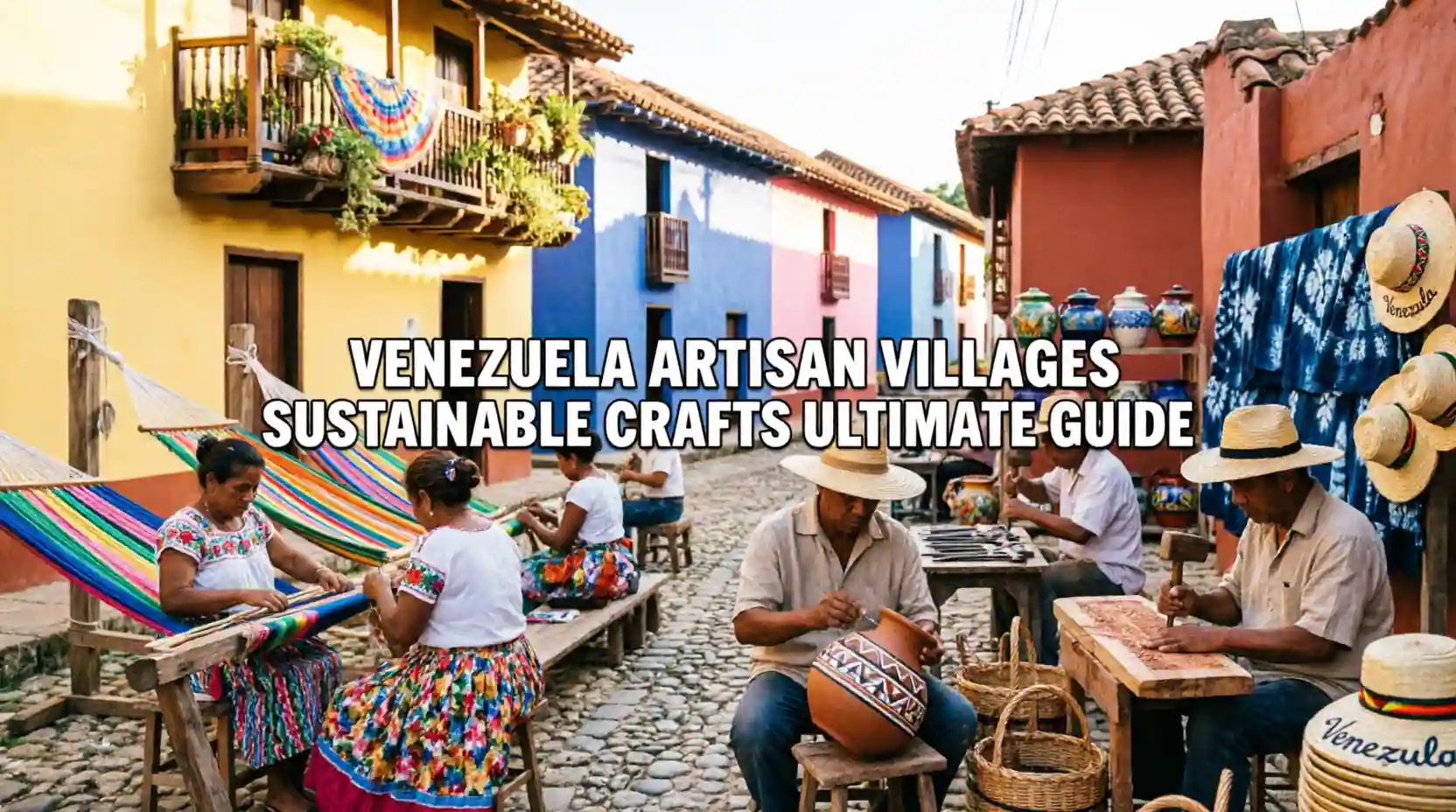
Discovering Venezuelas Rich Artisan Heritage
Venezuela boasts a vibrant tradition of artisan crafts deeply rooted in indigenous African and European cultural influences. These handmade creations represent centuries of knowledge passed through generations.
Artisan villages across Venezuela preserve traditional techniques while adapting to modern sustainable practices. From pottery to weaving woodwork to basketry these communities keep cultural heritage alive.
Sustainable craft production supports local economies while protecting environmental resources. Artisans use natural materials traditional methods and eco-friendly processes creating unique authentic products.
Visiting artisan villages offers travelers meaningful cultural experiences while directly supporting craftspeople and their families. This form of ethical tourism preserves traditions and provides economic opportunities.
This comprehensive guide explores Venezuelas most significant artisan villages craft techniques and sustainable practices enabling responsible cultural tourism that benefits local communities.
Traditional Craft Regions and Villages

Venezuelas artisan production concentrates in specific regions each developing distinctive styles and techniques based on local materials cultural influences and historical traditions.
Coro in Falcon State represents one of Venezuelas most important artisan centers featuring pottery weaving and leatherwork. The colonial architecture complements traditional craft production creating authentic cultural atmospheres.
Los Roques archipelago communities specialize in shell crafts woven items and maritime-inspired art. Island artisans incorporate ocean materials into their work reflecting coastal heritage.
Andean regions including Merida and Tachira states feature wool textiles pottery and wood carving. Mountain communities maintain pre-Columbian techniques alongside Spanish colonial influences.
Llanos plains communities excel in leatherwork hammock weaving and palm fiber crafts. These practical items reflect the regions cattle ranching and rural lifestyle traditions.
Indigenous territories in Amazonas and Bolivar states preserve ancient craft techniques using rainforest materials. These communities create baskets textiles and ceremonial objects with deep cultural significance.
Pottery and Ceramic Traditions

Venezuelan pottery represents some of the countrys oldest continuous craft traditions with techniques dating back to pre-Columbian indigenous civilizations.
Coro pottery features distinctive red clay vessels decorated with geometric patterns and natural pigments. Artisans use traditional coiling and hand-building methods passed through generations.
Functional pottery includes water jars cooking vessels and storage containers demonstrating practical applications alongside artistic expression. These items serve daily needs while preserving cultural aesthetics.
Ceramic figurines depict animals people and spiritual symbols reflecting Venezuelan folklore and beliefs. These decorative pieces showcase artisans sculptural skills and cultural knowledge.
Sustainable pottery production uses local clay sources natural firing techniques and non-toxic glazes. Artisans minimize environmental impact while maintaining authentic traditional methods.
Contemporary ceramic artists blend traditional techniques with modern designs creating innovative pieces that appeal to diverse markets while honoring heritage.
Textile Weaving and Fiber Arts

Venezuelan textile traditions encompass diverse techniques from hammock weaving to intricate basketry using various natural fibers and traditional methods.
Hammock weaving represents one of Venezuelas most iconic crafts with communities throughout the country producing these functional art pieces. Artisans use cotton fibers creating durable comfortable designs.
Chinu baskets from indigenous communities demonstrate sophisticated weaving techniques using palm fibers and natural dyes. These containers serve practical purposes while displaying artistic patterns.
Wool textiles from Andean regions feature traditional patterns and natural wool colors. Weavers use backstrap looms and foot looms creating blankets clothing and decorative items.
Sustainable fiber harvesting ensures plant populations remain healthy while providing materials for crafts. Artisans practice rotational collection and cultivation maintaining ecological balance.
Natural dyeing techniques use plants minerals and insects creating vibrant colors without synthetic chemicals. This traditional knowledge produces unique hues while protecting environmental health.
Woodworking and Carving Traditions

Venezuelan woodcraft encompasses furniture making decorative carving and functional item production using locally sourced sustainable timber.
Hamaca de madera or wooden hammock frames showcase skilled woodworking combining functionality with artistic design. These pieces support traditional hammocks while demonstrating carpentry expertise.
Religious figurines and ceremonial objects reflect Venezuelas spiritual heritage carved from native woods. Artisans create santos angels and biblical scenes with intricate details.
Sustainable forestry practices ensure wood harvesting does not deplete forest resources. Artisans select fallen trees managed forests and fast-growing species minimizing environmental impact.
Traditional tools and hand-carving techniques preserve craftsmanship skills requiring patience and precision. Modern artisans balance efficiency with quality maintaining handmade authenticity.
Decorative boxes bowls and household items demonstrate woodworkers versatility creating both utilitarian and artistic pieces from local timber.
Leatherwork and Saddle Making

Llanos region artisans excel in leathercraft producing saddles bags belts and decorative items reflecting the areas cattle ranching heritage.
Traditional saddle making requires extensive skill combining leather cutting stitching and tooling techniques. These functional pieces represent generations of equestrian culture.
Leather bags wallets and accessories incorporate traditional tooling patterns creating unique Venezuelan designs. Artisans blend practicality with artistic expression.
Sustainable leather sourcing prioritizes local tanneries using vegetable tanning methods over chemical processes. This approach reduces environmental impact while supporting local industry.
Decorative leatherwork features braiding embossing and painting techniques creating ornamental pieces alongside functional items. These crafts showcase artistic creativity.
Apprenticeship programs ensure leatherworking skills transfer to younger generations preserving this important cultural tradition for future continuity.
Basket Weaving and Palm Fiber Crafts

Basket weaving using palm fibers reeds and grasses represents widespread Venezuelan craft tradition with regional variations in techniques and designs.
Chinu baskets from Falcon and Lara states demonstrate exceptional weaving skill creating tight durable patterns. These containers serve storage carrying and decorative purposes.
Palm fiber mats bags and hats provide practical items for daily use while showcasing traditional craftsmanship. Artisans create various sizes and styles for different applications.
Sustainable harvesting of palm fibers involves selective cutting allowing plants to regenerate. This practice ensures material availability while protecting plant populations.
Natural fiber dyeing creates colorful baskets and crafts using plant-based colors. Traditional knowledge of dye plants produces vibrant long-lasting hues.
Contemporary basket weavers experiment with new designs and applications expanding market opportunities while maintaining traditional techniques and cultural authenticity.
Indigenous Craft Traditions

Venezuelas indigenous communities preserve ancient craft techniques with deep cultural and spiritual significance connecting present generations to ancestral knowledge.
Warao communities in the Orinoco Delta create intricate baskets mats and bags using moriche palm fibers. These crafts represent thousands of years of continuous tradition.
Pemon artisans in Gran Sabana produce woven baskets and textiles featuring geometric patterns reflecting their cosmology and relationship with nature.
Yanomami communities create ceremonial objects baskets and body ornaments using rainforest materials. These items serve cultural and spiritual functions within their societies.
Fair trade partnerships enable indigenous artisans to access markets while maintaining control over their crafts and receiving fair compensation. These relationships support community development.
Cultural preservation initiatives document traditional techniques and support intergenerational knowledge transfer ensuring crafts survive for future generations.
Sustainable Materials and Eco-Friendly Practices

Venezuelan artisan communities increasingly emphasize sustainable material sourcing and eco-friendly production methods protecting environmental resources.
Natural fiber cultivation including cotton palm and grasses uses organic methods without synthetic pesticides or fertilizers. This approach protects soil health and biodiversity.
Recycled and upcycled materials appear in contemporary Venezuelan crafts with artisans transforming discarded items into beautiful functional pieces. This practice reduces waste while creating unique products.
Low-impact dyeing techniques use natural plant-based colors minimizing water pollution and chemical exposure. Traditional dye knowledge provides sustainable alternatives to synthetic options.
Energy-efficient production methods including solar drying natural air curing and manual tools reduce carbon footprints. Artisans balance productivity with environmental responsibility.
Waste reduction strategies utilize all parts of harvested materials ensuring nothing goes to waste. Scraps become smaller items or compost returning nutrients to soil.
Artisan Cooperatives and Community Organizations

Artisan cooperatives enable craftspeople to pool resources share knowledge and access markets collectively strengthening economic sustainability and community resilience.
Cooperative structures provide members with fair pricing shared marketing costs and collective bargaining power. These organizations democratize economic benefits within communities.
Training programs within cooperatives teach business skills quality control and product development alongside craft techniques. This holistic approach enhances artisan success.
Women-led cooperatives empower female artisans providing economic independence and leadership opportunities. These organizations address gender equity while preserving cultural traditions.
Cooperative networks facilitate knowledge exchange between regions enabling artisans to learn from each other and innovate while maintaining cultural authenticity.
Community decision-making ensures craft production aligns with local values environmental sustainability and cultural preservation priorities.
Visiting Artisan Villages Responsible Tourism

Responsible tourism in Venezuelan artisan villages requires cultural sensitivity environmental awareness and commitment to supporting local communities ethically.
Visiting artisan workshops provides direct income to craftspeople while offering authentic cultural experiences. Purchasing directly from makers ensures fair compensation.
Respectful photography practices require asking permission before photographing artisans or their work. Some communities have specific protocols regarding image documentation.
Cultural exchange should be reciprocal with visitors showing genuine interest in learning about traditions rather than treating communities as attractions. Meaningful engagement benefits both parties.
Environmental responsibility includes minimizing waste respecting natural areas and following local guidelines. Sustainable tourism protects the resources artisan communities depend upon.
Extended stays in artisan villages enable deeper cultural understanding and more significant economic impact than brief visits. Slow tourism supports community wellbeing.
Buying Authentic Venezuelan Crafts

Purchasing authentic Venezuelan crafts requires knowledge of traditional techniques fair pricing and verification of artisan origins to ensure ethical transactions.
Direct purchases from artisans or cooperatives guarantee authenticity and fair compensation. Middlemen often capture value that should go to craftspeople.
Understanding production time and material costs helps buyers appreciate fair pricing. Handmade crafts require significant labor justifying higher prices than mass-produced items.
Certification programs and fair trade labels help identify ethically sourced crafts though these remain limited in Venezuela. Building relationships with trusted sellers proves valuable.
Quality indicators include consistent craftsmanship natural materials and traditional techniques. Mass-produced imitations lack the character and cultural significance of authentic handmade items.
Asking about materials techniques and cultural significance demonstrates respect and interest while educating buyers about the crafts they purchase.
Preserving Traditional Craft Knowledge

Preserving Venezuelan craft traditions requires active efforts to document techniques support intergenerational learning and maintain cultural relevance in changing times.
Elder artisans hold irreplaceable knowledge about traditional techniques materials and cultural meanings. Recording their expertise through documentation projects preserves this wisdom.
Youth engagement programs introduce younger generations to craft traditions making these skills economically viable and culturally valued. Apprenticeships connect elders with youth.
School curricula incorporating traditional crafts help children appreciate cultural heritage while learning practical skills. Educational integration ensures traditions continue.
Digital archives and online platforms share craft knowledge globally while protecting intellectual property rights of indigenous and local communities. Technology aids preservation when used appropriately.
Cultural festivals and craft fairs celebrate traditional skills providing platforms for artisans to demonstrate techniques and educate the public about their heritage.
Challenges Facing Venezuelan Artisan Communities

Venezuelan artisan communities face multiple challenges including economic pressures material access market competition and cultural changes threatening traditional crafts.
Economic instability affects artisans ability to purchase materials invest in tools and sustain their livelihoods. Inflation and currency fluctuations create significant obstacles.
Access to quality natural materials becomes increasingly difficult as environmental degradation and land use changes affect resource availability. Sustainable harvesting requires protection of natural areas.
Competition from cheap mass-produced imports undermines markets for handmade crafts. Consumers often choose lower prices over quality and cultural value without understanding true costs.
Young people migrating to cities for education and employment reduces the pool of potential craft apprentices. Maintaining intergenerational knowledge transfer requires making crafts economically attractive.
International market access remains limited by infrastructure challenges export regulations and lack of marketing resources. Artisans struggle to reach buyers willing to pay fair prices.
Supporting Sustainable Artisan Tourism

Sustainable artisan tourism creates economic opportunities while preserving cultural heritage and protecting environmental resources when implemented responsibly.
Community-based tourism initiatives enable artisan villages to host visitors on their own terms controlling the type and scale of tourism. Local decision-making ensures benefits remain within communities.
Craft workshops and demonstrations provide educational experiences while generating income. Visitors learn about techniques and cultural significance while supporting artisans directly.
Homestays in artisan communities offer immersive cultural experiences and additional income streams. These arrangements facilitate meaningful cross-cultural exchange.
Tourism revenue should support community development projects including education healthcare and infrastructure. Collective benefits strengthen entire communities beyond individual artisans.
Limiting visitor numbers prevents overtourism that could damage cultural integrity and environmental resources. Sustainable tourism prioritizes quality over quantity.
Online Markets and Digital Opportunities

Digital platforms offer Venezuelan artisans new opportunities to reach global markets though challenges remain regarding internet access digital literacy and payment systems.
Social media enables artisans to showcase their work tell their stories and connect directly with customers worldwide. Visual platforms like Instagram prove particularly effective for crafts.
E-commerce platforms specializing in handmade and fair trade products provide structured marketplaces though fees and requirements may prove challenging for small-scale artisans.
Digital storytelling about craft techniques cultural significance and artisan lives adds value to products helping customers appreciate true worth beyond price.
Online cooperatives pool digital marketing resources enabling individual artisans to benefit from collective promotion while maintaining independence. Shared platforms reduce individual burdens.
Payment infrastructure remains a challenge with international transactions requiring creative solutions. Cryptocurrency mobile money and intermediary organizations facilitate some transactions.
Craft Techniques and Production Processes

Understanding Venezuelan craft techniques reveals the skill time and knowledge required to create authentic handmade items deepening appreciation for artisan work.
Natural fiber preparation involves harvesting drying cleaning and spinning materials before weaving or basketry begins. This labor-intensive process requires specific knowledge of plant properties.
Pottery production includes clay collection purification shaping drying and firing each step requiring expertise developed over years of practice. Traditional methods use open fires or simple kilns.
Weaving techniques vary by region and material with backstrap looms foot looms and free-form methods creating different textures and patterns. Mastery requires years of dedicated practice.
Natural dyeing involves identifying plants harvesting at correct times preparing dye baths and achieving colorfast results. This knowledge represents generations of experimentation and observation.
Finishing techniques including smoothing polishing sealing and decorating complete craft items adding final touches that enhance beauty and durability. These details distinguish quality work.
Cultural Significance of Venezuelan Crafts

Venezuelan crafts carry deep cultural significance beyond their functional or aesthetic value embodying community identity spiritual beliefs and historical continuity.
Ceremonial objects and ritual items serve specific cultural and spiritual functions within communities. These pieces maintain connections to ancestral practices and belief systems.
Symbolic patterns and designs communicate cultural knowledge cosmology and values. Geometric motifs often represent natural elements spiritual concepts or historical events.
Craft production reinforces social bonds with communal work sessions strengthening relationships and transmitting knowledge. The process proves as important as the product.
Gender roles in craft production vary by tradition with some techniques associated with women others with men and some shared. These patterns reflect cultural organization and knowledge systems.
Crafts serve as cultural ambassadors representing Venezuelan heritage to the world. Each piece tells stories about the people who created it and the culture from which it emerges.
Practical Travel Information for Artisan Village Visits
Visiting Venezuelan artisan villages requires planning regarding transportation accommodation timing and cultural protocols to ensure positive experiences for both visitors and hosts.
Transportation to rural artisan communities often requires private vehicles or organized tours as public transit may be limited. Road conditions vary requiring appropriate vehicles.
Accommodation options range from homestays in artisan communities to nearby towns with hotels. Staying within communities provides deeper cultural immersion and direct economic benefits.
Best visiting times consider weather seasons craft production cycles and community events. Some villages host craft festivals offering enhanced experiences though requiring advance planning.
Cash remains essential in rural areas with limited access to ATMs or card payment systems. Bringing appropriate currency in small denominations facilitates purchases and tipping.
Language preparation including basic Spanish phrases facilitates communication though some indigenous communities speak primarily their native languages. Translators or bilingual guides may be necessary.
Conclusion Supporting Venezuelas Artisan Future
Venezuelas artisan villages preserve invaluable cultural heritage while creating sustainable livelihoods through traditional crafts. These communities deserve support through responsible tourism and ethical purchasing.
Visiting artisan villages buying authentic crafts and engaging respectfully with craftspeople contributes to cultural preservation and community development. Each purchase supports families and traditions.
Sustainable craft production protects environmental resources while maintaining cultural authenticity. Supporting eco-friendly practices ensures crafts continue for future generations.
Venezuelas artisan heritage represents human creativity cultural diversity and sustainable living practices worth celebrating and protecting. Your engagement with these communities helps ensure their survival.
The ultimate guide to Venezuelas artisan villages reveals rich traditions waiting to be discovered respectfully. By supporting sustainable crafts you contribute to cultural preservation economic justice and environmental stewardship.
0 Comments