.webp)
.webp)
First Time Travelers Guide to Port of Montevideo and Sea Entry Regulations
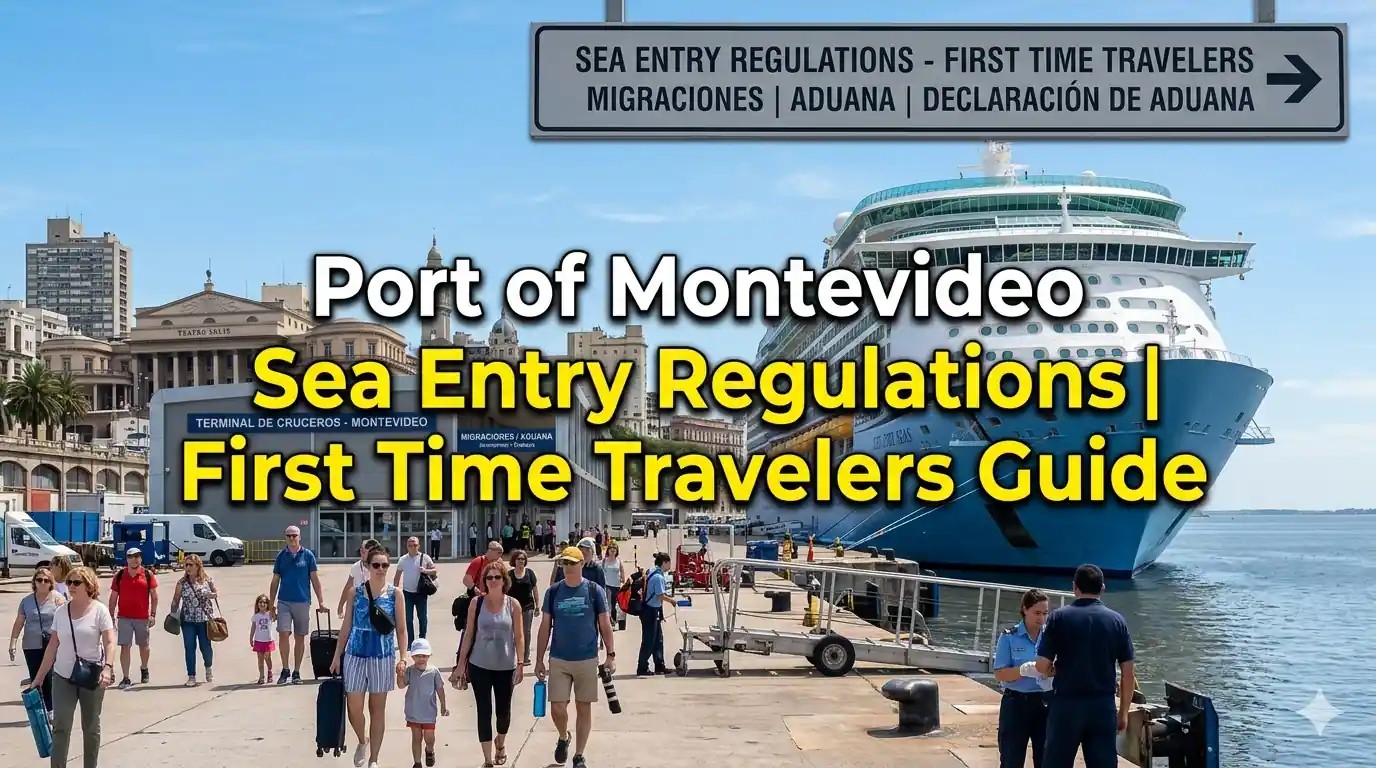
Understanding Montevideos Maritime Gateway
The Port of Montevideo serves as Uruguays primary maritime entry point welcoming cruise ships ferries and cargo vessels to the Rio de la Plata. This historic port combines modern facilities with strategic importance for South American maritime traffic.
First-time travelers entering Uruguay by sea encounter streamlined procedures designed to facilitate smooth arrivals while maintaining security standards. Understanding these processes before arrival prevents delays and ensures compliance with Uruguayan regulations.
The port handles diverse vessel types from luxury cruise liners to high-speed ferries connecting Buenos Aires and Montevideo. Each arrival type follows specific entry protocols though core requirements remain consistent.
Montevideos location on the northern bank of the Rio de la Plata provides natural harbor protection while offering easy access to the city center. The ports proximity to Ciudad Vieja enables passengers to quickly explore Uruguays capital.
This comprehensive guide details everything first-time travelers need to know about entering Uruguay through the Port of Montevideo including documentation requirements customs procedures and practical arrival tips.
Port Facilities and Terminal Infrastructure

The Port of Montevideo features modern passenger terminals equipped to handle international arrivals efficiently. Facilities include immigration counters customs inspection areas baggage claim zones and transportation hubs.
Cruise Terminal One accommodates large ocean-going vessels with capacity for thousands of passengers simultaneously. The terminal provides climate-controlled waiting areas restrooms information desks and duty-free shopping.
Ferry Terminal serves high-speed catamarans and conventional ferries primarily connecting Montevideo with Buenos Aires Argentina. This terminal processes passengers more quickly due to smaller vessel capacities and frequent departures.
Security screening areas employ X-ray machines metal detectors and trained personnel ensuring safety while maintaining reasonable processing times. Expect procedures similar to airport security though typically less intensive.
Accessibility features including wheelchair ramps elevators and assistance services accommodate travelers with mobility challenges. Requesting advance notice enables port staff to prepare appropriate support.
Information desks staffed with multilingual personnel provide arrival assistance directional guidance and general tourism information. These resources prove invaluable for first-time visitors navigating the port.
Documentation Requirements for Sea Entry

Entering Uruguay by sea requires specific documentation varying by nationality purpose of visit and duration of stay. Proper preparation prevents entry denials and processing delays.
Valid passports must remain current for at least six months beyond intended departure date from Uruguay. This requirement applies universally regardless of nationality or visa status.
Visa requirements depend on citizenship with many countries including the United States Canada and European Union nations exempt for tourist stays up to ninety days. Verify current requirements through Uruguayan consulates before travel.
Return or onward tickets demonstrate intent to depart Uruguay within authorized periods. Immigration officers may request proof of departure plans though enforcement varies by officer discretion.
Proof of sufficient funds though rarely requested should be available if questioned. Credit cards bank statements or cash equivalents demonstrate financial capacity for your stay.
Yellow fever vaccination certificates are required only if arriving from countries with yellow fever transmission risk. Travelers transiting through affected regions should carry vaccination documentation.
Cruise Ship Arrival Procedures

Cruise ship arrivals follow coordinated processes managed by ship staff and port authorities to efficiently process hundreds or thousands of passengers simultaneously.
Pre-arrival documentation collection occurs onboard with cruise lines gathering passport information and customs declarations before docking. This advance preparation accelerates terminal processing.
Disembarkation typically proceeds by deck or group assignments with announced times preventing terminal overcrowding. Following assigned schedules avoids delays and frustration.
Immigration inspection involves presenting passports and completed declaration forms to Uruguayan authorities. Officers verify documentation stamp passports and may ask brief questions about visit purpose and duration.
Customs declarations require listing items exceeding duty-free allowances including alcohol tobacco and valuable goods. Honesty prevents penalties though random inspections determine compliance.
Shore excursion passengers often receive simplified processing with group clearance through designated lanes. Independent explorers follow standard individual processing procedures.
Re-boarding procedures require showing ship identification cards and sometimes passports. Security screening prevents unauthorized port access while ensuring passenger safety.
Ferry Terminal Entry Processes

Ferry arrivals from Buenos Aires and other Rio de la Plata ports follow distinct procedures optimized for frequent high-volume passenger traffic between Uruguay and Argentina.
Buquebus and Colonia Express dominate ferry services offering multiple daily departures. These companies handle documentation collection during ticket purchase streamlining arrival procedures.
Pre-check-in options allow online submission of passport information reducing terminal wait times. Utilizing these services proves particularly valuable during peak travel periods.
Immigration processing for ferry passengers typically completes faster than cruise arrivals due to smaller passenger volumes per vessel. Expect fifteen to forty-five minutes for complete processing under normal conditions.
Customs procedures for ferry travelers mirror cruise ship requirements though inspection frequency may differ. Declaring items accurately prevents complications regardless of transport mode.
Same-day return tickets receive scrutiny to ensure visitors understand entry requirements and duration limitations. Immigration officers may question travelers planning very brief stays.
Luggage handling for ferry passengers involves carrying bags through terminals rather than ship-to-shore transfers. Packing light facilitates smoother navigation through immigration and customs areas.
Customs Regulations and Duty-Free Allowances

Uruguayan customs regulations govern what travelers may bring into the country duty-free and what requires declaration and potential taxation.
Personal effects including clothing toiletries and electronics for personal use enter duty-free without restriction. Items appearing commercial in quantity may trigger questions about intent.
Alcohol allowances permit two liters of wine or one liter of spirits per adult over eighteen years of age. Exceeding these limits requires declaration and duty payment.
Tobacco products allow two hundred cigarettes or fifty cigars or two hundred fifty grams of tobacco per adult. Additional quantities face duties and possible confiscation.
Currency declarations become mandatory when carrying ten thousand dollars or equivalent in other currencies. This requirement applies to combined cash travelers checks and negotiable instruments.
Prohibited items include firearms ammunition narcotics certain agricultural products and counterfeit goods. Attempting to import restricted items results in confiscation and potential legal consequences.
Food products particularly meat dairy and fresh produce face restrictions to prevent disease transmission. Declaring food items enables inspection determining admissibility.
Immigration Interview and Questioning

Immigration officers at the Port of Montevideo may conduct brief interviews verifying travel intentions and ensuring compliance with entry requirements.
Common questions include purpose of visit intended duration accommodation details and departure plans. Answering honestly and concisely facilitates smooth processing.
Officers may request to see hotel reservations invitation letters or contact information in Uruguay. Having these documents readily available demonstrates preparation and legitimate travel intentions.
Business travelers should carry invitation letters from Uruguayan companies conference registrations or meeting schedules. These documents clarify visit purpose and facilitate appropriate visa classification.
Language barriers rarely prove problematic as immigration staff typically speak Spanish and English. Basic Spanish phrases demonstrate respect though not required.
Remaining calm and cooperative during questioning prevents escalation. Immigration officers perform routine verification not personal interrogation.
Health and Safety Requirements

Health requirements for sea entry to Uruguay remain minimal though specific situations trigger additional screening or documentation needs.
Yellow fever vaccination certificates are mandatory only for travelers arriving from countries with yellow fever transmission risk including parts of Africa and South America. Transit through affected areas may trigger requirements.
Routine vaccinations including hepatitis A and B typhoid and influenza though not required for entry prove advisable for general health protection during travel.
Prescription medications should remain in original packaging with copies of prescriptions available if requested. Controlled substances require additional documentation and advance authorization.
Medical insurance though not mandatory for entry proves highly advisable. Uruguayan healthcare quality ranks well regionally though costs for uninsured travelers can prove substantial.
COVID-19 requirements have largely relaxed though checking current status before travel remains prudent as situations can change. Vaccination or testing requirements may reactivate during outbreaks.
Transportation From Port to City Center

The Port of Montevideos proximity to downtown enables quick transfers to hotels attractions and business districts through various transportation options.
Taxis provide door-to-door service with fares to Ciudad Vieja ranging from fifteen to twenty-five dollars depending on exact destination and traffic conditions. Official taxis display identification and meters.
Ride-sharing services including Uber operate in Montevideo offering alternatives to traditional taxis often at competitive prices. Designated pickup zones at the port facilitate app-based transportation.
Public buses connect the port area to various city neighborhoods at budget-friendly prices around one to two dollars. Route information available at port information desks helps navigate the system.
Private transfers arranged through hotels or tour companies provide premium service with meet-and-greet options. This convenience suits travelers with heavy luggage or tight schedules.
Walking proves viable for destinations in Ciudad Vieja with the historic center approximately fifteen to twenty minutes from the port. Weather and luggage considerations affect this options practicality.
Currency Exchange and Payment Options

Accessing Uruguayan pesos and managing finances upon arrival requires understanding available services and optimal strategies at the Port of Montevideo.
Currency exchange offices operate within port terminals though rates typically prove less favorable than banks or ATMs in the city. Exchanging minimal amounts at the port suffices for initial transportation.
ATMs located in port terminals dispense Uruguayan pesos using international debit and credit cards. Fees apply including foreign transaction charges and ATM operator fees.
Credit cards including Visa Mastercard and American Express are widely accepted in Montevideo though carrying some cash proves useful for small purchases and tips.
US dollars are sometimes accepted particularly in tourist areas though exchange rates offered by merchants rarely match official rates. Paying in pesos generally provides better value.
Notifying banks of travel plans before departure prevents card blocks triggered by foreign transactions. This simple step avoids inconvenient payment disruptions.
Connectivity and Communication Services

Staying connected upon arrival enables navigation communication and access to travel information enhancing the overall port experience.
Free WiFi available in port terminals though speeds and reliability vary. This service suffices for basic communication and map access while arranging transportation.
Local SIM cards from providers like ANTEL Claro and Movistar offer affordable data and calling options. Purchasing SIM cards at the airport or in the city provides better selection than port vendors.
International roaming plans from home carriers provide convenience though often at premium prices. Comparing costs before travel determines optimal connectivity strategy.
Port information desks provide free assistance with directions transportation options and general tourism questions. Staff typically speak Spanish and English facilitating communication.
Downloading offline maps and translation apps before arrival ensures functionality regardless of connectivity. Preparation prevents frustration when network access proves limited.
Security Considerations and Personal Safety

The Port of Montevideo maintains security measures protecting travelers though personal vigilance remains essential for safe arrivals.
Official port security personnel patrol terminals and surrounding areas deterring criminal activity and assisting travelers. Identifying uniformed officers enables quick access to help if needed.
Pickpocketing and bag snatching though uncommon in port areas occur in crowded spaces. Maintaining awareness of belongings and avoiding displaying valuables reduces risk.
Only use authorized taxis or verified ride-sharing services avoiding unmarked vehicles offering transportation. Legitimate services display proper identification and use meters or agreed fares.
Scam awareness including fake officials demanding document inspection or money prevents victimization. Real immigration and customs officers process travelers inside terminals not in public areas.
Emergency numbers including 911 for police medical and fire emergencies work throughout Uruguay. Port security can also assist with urgent situations and coordinate appropriate responses.
Special Considerations for Minors and Families

Families traveling with children encounter specific requirements and considerations when entering Uruguay through the Port of Montevideo.
Minors traveling with both parents require only standard documentation though carrying birth certificates proves advisable for verifying relationships if questioned.
Children traveling with one parent require notarized authorization from the non-traveling parent. This requirement prevents international child abduction and applies strictly.
Unaccompanied minors need comprehensive documentation including parental authorization contact information and details about receiving parties in Uruguay. Airlines and immigration authorities scrutinize these cases carefully.
Family lanes at immigration sometimes expedite processing for parents with young children. Utilizing these options when available reduces stress and wait times.
Stroller and car seat considerations affect transportation choices from port to accommodations. Planning appropriate vehicle types ensures safe comfortable transfers.
Accessibility Services for Travelers With Disabilities

The Port of Montevideo provides accessibility services ensuring travelers with disabilities can navigate entry procedures comfortably and efficiently.
Wheelchair accessibility throughout terminals includes ramps elevators and accessible restrooms. Requesting assistance in advance enables staff preparation for specific needs.
Priority processing lanes accommodate travelers with mobility challenges medical conditions or disabilities requiring expedited service. Informing staff of needs facilitates appropriate accommodations.
Visual and hearing impairment assistance includes sign language interpreters available with advance notice and braille signage in key areas. Communication needs should be specified when possible.
Service animals accompanying travelers with disabilities are permitted though documentation proving training and health status may be requested. Checking requirements before travel prevents complications.
Accessible transportation options from port include wheelchair-accessible taxis and vans though advance booking proves advisable. Hotels can arrange appropriate vehicles if notified of requirements.
Time Considerations and Processing Duration

Understanding typical processing times at the Port of Montevideo enables realistic planning and reduces arrival stress for first-time travelers.
Cruise ship disembarkation typically requires thirty to ninety minutes from announced time to terminal exit depending on vessel size and passenger volume. Following assigned times prevents unnecessary waiting.
Ferry arrivals generally process faster with fifteen to forty-five minutes typical for complete immigration and customs procedures. Peak periods including holidays and weekends may extend these times.
Peak season December through February sees increased passenger volumes potentially lengthening processing times. Allowing buffer time prevents anxiety about missing connections or appointments.
Off-peak periods March through November typically feature shorter waits and more attentive service. Travelers with schedule flexibility benefit from avoiding peak periods.
Multiple vessel arrivals simultaneously create temporary congestion though port staff manage these situations efficiently. Patience during busy periods proves necessary.
Common Mistakes and How to Avoid Them

First-time travelers entering Uruguay by sea sometimes make avoidable errors that delay processing or create complications. Awareness prevents these issues.
Incomplete or inaccurate customs declarations trigger inspections and potential penalties. Taking time to complete forms carefully and honestly prevents problems.
Passport validity issues including expiration within six months of travel dates cause entry denials. Checking expiration dates well before travel allows time for renewal if needed.
Insufficient documentation for minors including missing parental authorization letters creates serious delays or entry refusals. Verifying all requirements for children prevents family separation issues.
Attempting to bring prohibited items including certain foods plants or animal products results in confiscation and possible fines. Reviewing customs regulations before packing avoids these situations.
Unfamiliarity with currency requirements including declaration thresholds for amounts over ten thousand dollars creates compliance issues. Understanding financial reporting obligations prevents legal complications.
Connecting to Broader Uruguay Travel
Arriving through the Port of Montevideo opens access to Uruguays diverse destinations from historic neighborhoods to coastal resorts and wine country.
Ciudad Vieja Montevideos old town lies within walking distance of the port featuring colonial architecture museums markets and restaurants. Starting exploration here maximizes time efficiency.
Punta del Este Uruguays premier beach resort sits approximately two hours from Montevideo accessible by bus car or private transfer. Coastal destinations appeal to travelers seeking beaches and nightlife.
Colonia del Sacramento a UNESCO World Heritage Site offers charming colonial streets just ninety minutes by ferry from Buenos Aires or two hours by bus from Montevideo. This destination suits day trips or overnight stays.
Wine country in Canelones and southern regions provides tasting experiences showcasing Uruguays Tannat production. Wine tours combine cultural education with culinary enjoyment.
Interior destinations including Tacuarembo and Paysandu reveal gaucho culture rural landscapes and traditional Uruguay. These areas appeal to travelers seeking authentic experiences beyond urban centers.
Conclusion Navigating Montevideos Maritime Gateway
The Port of Montevideo provides efficient welcoming entry to Uruguay combining modern facilities with straightforward procedures. First-time travelers who prepare documentation understand requirements and allow adequate time experience smooth arrivals.
Sea entry regulations balance security with hospitality ensuring legitimate travelers enter quickly while protecting Uruguayan borders. Following guidelines respecting procedures and maintaining patience creates positive first impressions of Uruguay.
From cruise ships to ferries the port accommodates diverse maritime arrivals with professional service and reasonable efficiency. Understanding the processes transforms potential stress into confident navigation.
Your arrival through the Port of Montevideo begins Uruguayan adventures with proper preparation enabling focus on exploration rather than paperwork. This historic gateway welcomes travelers to a country valuing both tradition and progress.
Whether arriving for brief visits or extended stays the Port of Montevideo sets the stage for memorable Uruguayan experiences. Embrace the journey from maritime arrival to inland exploration with confidence and curiosity.
0 Comments