.webp)
.webp)
Complete Guide to Exploring Paghman Valley Gardens
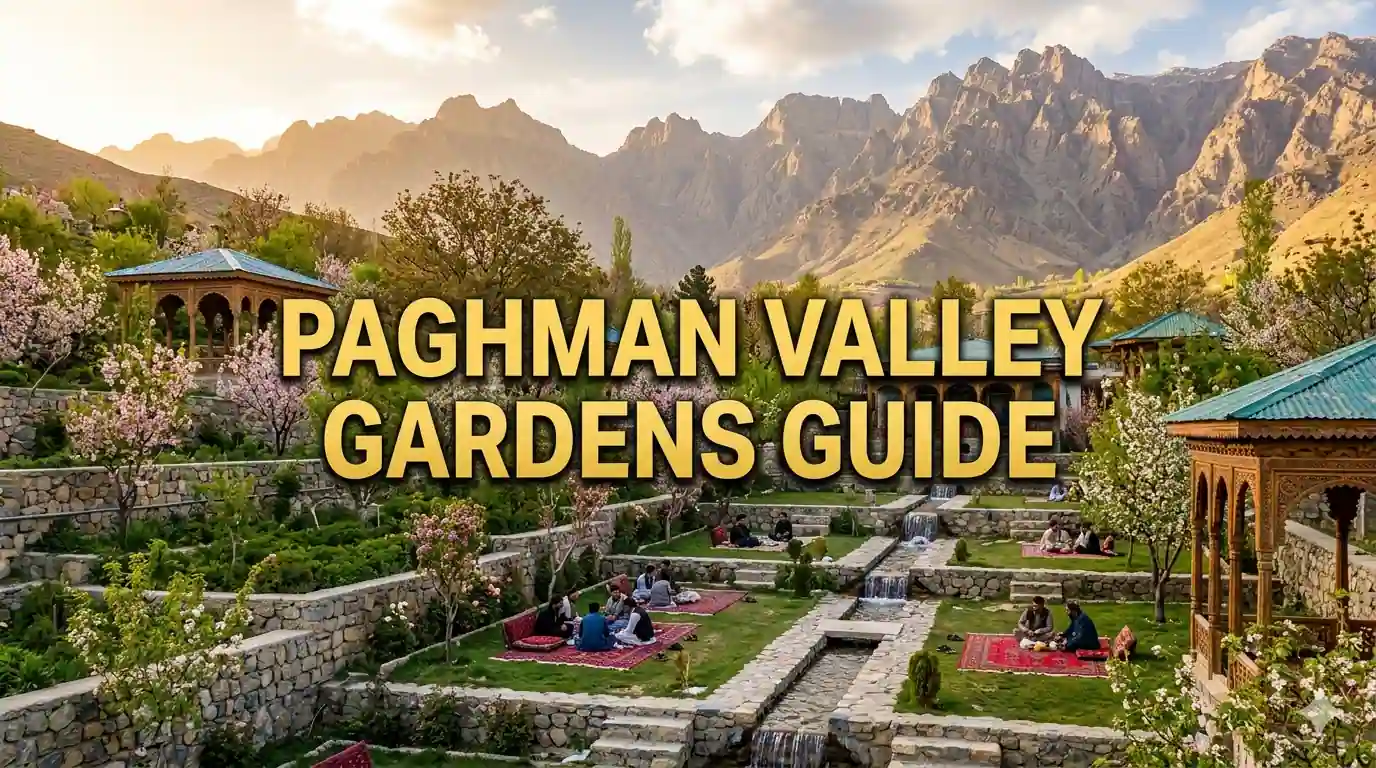
Introduction to Paghman Valley Gardens
Paghman Valley Gardens represent one of Afghanistan's most beautiful and historically significant landscape treasures.
Located just northwest of Kabul, these terraced gardens offer stunning mountain views and peaceful retreats.
Built during the reign of King Amanullah Khan in the 1920s, the gardens blend Persian and European design influences.
Visitors can explore historic pavilions, flowing water channels, and flowering orchards set against the Hindu Kush.
This complete guide provides essential information for understanding and appreciating this remarkable Afghan heritage site.
Where Is Paghman Valley Located

Paghman Valley sits approximately 30 kilometers northwest of Kabul in the foothills of the Hindu Kush mountains.
The gardens occupy a elevated plateau offering panoramic views of the surrounding mountain ranges and Kabul Valley.
Cooler temperatures and abundant water sources made this location ideal for royal garden development.
The valley's natural springs feed traditional irrigation channels that sustain lush vegetation year-round.
Modern visitors reach Paghman via the Paghman Road from Kabul through scenic mountain terrain.
How to Reach Paghman from Kabul
Private vehicles or hired taxis provide the most convenient transportation from Kabul to Paghman Valley.
The journey takes approximately 45 minutes to one hour depending on traffic and road conditions.
Shared taxis and minibuses depart from various Kabul locations at affordable prices for budget travelers.
Road conditions vary seasonally with spring and autumn offering the most reliable travel conditions.
Always confirm current security advisories and travel permissions before planning your visit to the region.
What Is the Best Route to Paghman Gardens
The main Paghman Road winds through picturesque villages and agricultural landscapes northwest of Kabul.
Scenic viewpoints along the route offer photo opportunities of terraced farms and mountain scenery.
Local drivers know the route well and can share historical context during the journey.
Travel during daylight hours for optimal safety and visibility of the beautiful surroundings.
Consider hiring a knowledgeable local guide who can enhance your understanding of the region's history.
History of Paghman Valley Gardens

King Amanullah Khan commissioned the Paghman Gardens in the early 1920s as a royal summer retreat.
The design incorporated Persian chahar bagh principles with European landscape architecture influences.
Elaborate pavilions, fountains, and water channels created a paradise garden reflecting Islamic aesthetic traditions.
The gardens served as a symbol of Afghanistan's modernization efforts during the early twentieth century.
Decades of conflict have damaged many original structures though restoration efforts continue to preserve this heritage.
Who Built the Paghman Gardens
King Amanullah Khan envisioned Paghman as a showcase of Afghan culture and progressive governance.
Skilled Afghan craftsmen, gardeners, and architects executed the detailed construction and landscaping.
European consultants contributed design expertise while respecting traditional Afghan building methods.
Local communities provided labor and materials supporting the ambitious royal development project.
The gardens represented a fusion of international influences with authentic Afghan artistic expression.
Historical Significance of Paghman
Paghman hosted important diplomatic receptions and cultural events during Afghanistan's period of modernization.
The gardens symbolized hope for peaceful development and international engagement in the region.
Historical photographs document the gardens' original splendor and architectural grandeur.
Preservation efforts aim to restore Paghman as a cultural landmark and educational resource.
Understanding this history enriches visitor appreciation for the site's enduring cultural value.
Best Time to Visit Paghman Valley Gardens

Spring from April to June offers ideal conditions with blooming flowers and mild mountain temperatures.
Autumn between September and October provides comfortable weather and stunning fall foliage colors.
Summer months bring warmer temperatures though the valley's elevation offers relief from Kabul heat.
Winter visits can be cold with possible snow creating atmospheric but challenging conditions.
Weekday mornings typically see fewer visitors allowing more peaceful garden exploration.
What Is the Weather Like in Paghman
Spring temperatures range from 15 to 25 degrees Celsius with occasional rain showers.
Summer days reach 25 to 30 degrees Celsius though evenings remain comfortably cool.
Autumn brings crisp air and clear skies perfect for photography and outdoor activities.
Winter temperatures can drop below freezing with snow enhancing the mountain landscape beauty.
Mountain weather changes quickly so bring layers regardless of the season you visit.
Seasonal Highlights in the Gardens
April and May feature cherry blossoms, apricot flowers, and colorful tulip displays throughout the gardens.
Summer brings lush greenery, flowing fountains, and shade from mature fruit and ornamental trees.
September and October showcase golden poplars, red maples, and harvest fruits in the orchards.
Winter snow creates serene white landscapes contrasting with evergreen trees and stone architecture.
Each season offers unique photographic opportunities and distinct experiences for garden visitors.
What to See in Paghman Valley Gardens

Paghman's terraced design creates distinct garden areas each with unique features and attractions.
Historic pavilions and kiosks provide resting spots with panoramic views of the valley and mountains.
Traditional water channels called jubs flow through the gardens following ancient irrigation principles.
Flowering fruit trees including apricot, cherry, and apple create seasonal color displays.
Stone pathways and staircases connect garden levels inviting leisurely exploration and discovery.
The Historic Pavilions and Structures
Original pavilions feature intricate woodwork, carved stonework, and traditional Afghan architectural details.
Some structures have been restored while others remain as evocative ruins telling stories of the past.
Pavilion interiors once hosted royal gatherings and now offer shaded rest areas for visitors.
Photography enthusiasts will find excellent opportunities capturing architectural details against mountain backdrops.
Respect any restricted areas and follow guidance from site custodians regarding accessible structures.
Water Features and Fountains
Traditional fountains and cascading water channels create soothing sounds throughout the gardens.
Water flows through stone channels following gravity-fed designs developed centuries ago.
Reflection pools mirror surrounding trees and pavilions creating picturesque photographic compositions.
Spring snowmelt increases water flow creating more dramatic fountain displays during early season visits.
These water features demonstrate sophisticated Afghan hydraulic engineering and aesthetic sensibilities.
Orchards and Flower Gardens
Seasonal fruit orchards produce apricots, cherries, apples, and pears using traditional cultivation methods.
Flower beds feature roses, tulips, marigolds, and native Afghan wildflowers in vibrant arrangements.
Herb gardens include mint, basil, and medicinal plants used in Afghan culinary and healing traditions.
Orchard paths invite visitors to stroll beneath fruit-laden branches during harvest seasons.
Local gardeners maintain these plantings preserving agricultural knowledge and botanical diversity.
Activities and Experiences in Paghman

Paghman Valley offers diverse activities beyond garden exploration for visitors of all interests.
Picnicking on traditional carpets beneath fruit trees provides authentic Afghan leisure experiences.
Photography walks capture garden details, mountain vistas, and cultural moments throughout the valley.
Guided historical tours reveal stories of the gardens' creation and Afghanistan's modernization era.
Nature observation opportunities include bird watching and appreciation of mountain flora and fauna.
Picnicking in the Gardens
Bring a traditional Afghan carpet or blanket to create a comfortable picnic spot on garden lawns.
Local markets offer fresh bread, fruits, nuts, and teas perfect for garden picnic meals.
Family groups often gather for weekend picnics creating lively but respectful social atmospheres.
Carry out all trash and leave picnic areas clean for the next visitors to enjoy.
Respect designated picnic zones and avoid damaging plants or garden features during your meal.
Photography and Nature Walks
Early morning light creates soft illumination ideal for capturing garden details and mountain scenery.
Golden hour before sunset produces warm tones and dramatic shadows across the landscape.
Macro photography opportunities abound with flowers, water droplets, and architectural details.
Wide-angle lenses capture the grand scale of terraced gardens against the Hindu Kush backdrop.
Respect privacy when photographing local visitors and ask permission before close-up portraits.
Practical Information for Visitors

Proper preparation ensures a comfortable and meaningful visit to Paghman Valley Gardens.
Entrance fees are typically modest though amounts may vary based on current management arrangements.
Facilities are basic so bring water, snacks, sun protection, and any personal necessities.
Wear comfortable walking shoes with good traction for navigating garden paths and stone steps.
Allow at least two to three hours to fully appreciate the gardens and surrounding valley views.
Entrance Fees and Opening Hours
Entrance fees generally range from 100 to 300 Afghan afghanis for adult visitors.
Student and child discounts may be available with valid identification documentation.
Gardens typically open from sunrise to sunset though specific hours can vary seasonally.
Friday prayer times may affect access to certain areas so plan accordingly.
Verify current fees and hours through local tourism contacts before your visit.
Facilities and Amenities
Basic restroom facilities are available though supplies may be limited so come prepared.
Small vendors near the entrance sometimes offer cold drinks, snacks, and simple meals.
Shaded seating areas and pavilions provide rest spots throughout the garden complex.
Parking areas accommodate vehicles though spaces may fill during popular weekend visiting times.
Carry cash in Afghan afghanis as electronic payment options are rarely available on site.
Safety and Travel Considerations

Current security conditions in Afghanistan require careful planning and awareness for all travelers.
Consult your government's travel advisories and obtain necessary permissions before visiting the region.
Travel with reputable local guides or organizations familiar with current conditions and protocols.
Maintain situational awareness and follow guidance from local authorities throughout your visit.
Register your travel plans with appropriate contacts and maintain communication capabilities.
Current Security Situation
Security conditions in Afghanistan remain dynamic requiring up-to-date information before travel.
Coordinate with trusted local contacts who can provide real-time guidance on safe travel practices.
Avoid traveling alone and maintain group cohesion when visiting sites outside major urban centers.
Respect local customs and dress modestly to minimize unwanted attention in public spaces.
Keep emergency contact information readily accessible including local authorities and embassy resources.
Health and Preparation Tips
Carry sufficient water and stay hydrated especially during warmer months and physical activity.
Bring sun protection including hat, sunglasses, and sunscreen for extended outdoor exposure.
Basic first aid supplies and personal medications should be part of your travel preparation.
Travel insurance covering medical evacuation is strongly recommended for international visitors.
Acclimatize to elevation gradually as Paghman sits higher than Kabul which may affect some visitors.
Cultural Etiquette in Paghman

Understanding Afghan cultural norms enhances your experience and demonstrates respect for local communities.
Dress modestly with shoulders and knees covered especially when visiting gardens frequented by families.
Greet people warmly with appropriate Arabic or Dari greetings showing cultural appreciation.
Ask permission before photographing individuals particularly women and children in public spaces.
Respect prayer times and religious observances that may affect site access and local activities.
Interacting with Local Communities
Local residents often welcome respectful visitors interested in learning about Afghan culture and history.
Simple Dari phrases like "Salam" for hello and "Mersi" for thank you facilitate positive interactions.
Accept offers of tea or refreshments as hospitality is deeply valued in Afghan culture.
Support local vendors by purchasing crafts or snacks when appropriate and fairly priced.
Listen to local stories and perspectives to deepen your understanding of the region's heritage.
Respecting the Garden Site
Stay on designated paths to protect garden plantings and prevent soil erosion on terraced slopes.
Do not pick flowers, damage trees, or remove any materials from the historical site.
Carry out all trash and leave the gardens cleaner than you found them for future visitors.
Speak quietly in pavilion areas and respect the peaceful atmosphere of this heritage landscape.
Follow all posted guidelines and instructions from site custodians and local management.
Nearby Attractions and Extensions

Paghman Valley serves as an excellent base for exploring greater Kabul region attractions.
The valley's mountain setting offers hiking opportunities with panoramic views of the Hindu Kush.
Traditional villages near Paghman provide authentic cultural experiences and local hospitality.
Combine your garden visit with Kabul city sights for a comprehensive Afghan cultural experience.
Allow multiple days if possible to appreciate the region's natural beauty and historical depth.
Other Sites Near Paghman
Traditional mountain villages offer opportunities to observe rural Afghan life and craftsmanship.
Local markets feature handcrafted items, textiles, and regional foods worth exploring.
Mountain trails provide hiking options for visitors seeking outdoor adventure and scenic views.
Historical ruins and archaeological sites in the greater region reward interested history enthusiasts.
Local guides can recommend lesser-known viewpoints and cultural experiences beyond main tourist routes.
Day Trip Options from Kabul
Combine Paghman Gardens with Kabul city tours for efficient use of limited travel time.
Museums, markets, and historical sites in Kabul complement the garden experience with urban cultural context.
Organized tours can handle logistics and security considerations for worry-free regional exploration.
Flexible itineraries allow adjustment based on current conditions and visitor interests.
Multi-day trips enable deeper exploration of Afghanistan's diverse landscapes and cultural heritage.
Photography Tips for Paghman Gardens

Paghman's combination of gardens, architecture, and mountain scenery creates exceptional photographic opportunities.
Early morning light provides soft illumination ideal for capturing garden details and landscape vistas.
Golden hour before sunset produces warm tones and dramatic shadows across terraced garden levels.
Overcast days actually benefit photography by reducing glare and creating even lighting conditions.
Respect any photography restrictions and always ask permission before photographing people.
Best Spots for Garden Photography
Upper terraces offer panoramic compositions framing gardens against the Hindu Kush mountain backdrop.
Water channels and fountains provide reflective surfaces and dynamic elements for creative shots.
Pavilion interiors create framed views of garden scenes with architectural foreground interest.
Orchard paths during bloom season offer intimate floral compositions with soft natural lighting.
Stone staircases and pathways lead the eye through garden levels creating strong compositional lines.
Equipment Recommendations
Wide-angle lenses capture the grand scale of terraced gardens and mountain landscape context.
Macro lenses reveal intricate details of flowers, water features, and architectural ornamentation.
Polarizing filters help manage bright mountain light and enhance color saturation in garden scenes.
Tripods provide stability for low-light conditions though check site policies regarding their use.
Extra batteries and memory cards ensure you do not miss photographic opportunities during your visit.
Sustainable and Responsible Tourism

Visiting Paghman Valley Gardens carries responsibility to preserve this fragile heritage for future generations.
Support local communities by purchasing from Afghan artisans and using local guide services.
Minimize environmental impact by carrying out trash and respecting garden plantings and wildlife.
Learn about Afghan history and culture to engage meaningfully with the sites you visit.
Share your experiences respectfully to promote understanding and appreciation of Afghan heritage.
Supporting Local Communities
Engage local guides and drivers who provide employment and share authentic cultural knowledge.
Purchase handcrafted souvenirs directly from Afghan artisans to support traditional skills and livelihoods.
Choose locally owned accommodations and restaurants to ensure tourism benefits reach Afghan families.
Learn basic Dari phrases to facilitate respectful communication with local residents and service providers.
Listen to local perspectives and stories to deepen your understanding of Afghanistan's rich cultural heritage.
Preserving Cultural Heritage
Respect historical structures by not climbing on fragile walls or removing any materials from the site.
Follow all posted guidelines and instructions from site custodians regarding accessible areas and activities.
Report any damage or concerns to appropriate authorities to help protect this important heritage site.
Share photographs and stories that highlight the beauty and significance of Afghan cultural landmarks.
Advocate for continued preservation efforts and international support for Afghanistan's historical treasures.
Conclusion and Final Recommendations

Paghman Valley Gardens represent a precious piece of Afghanistan's cultural and natural heritage.
These historic terraced gardens offer peaceful beauty, mountain views, and insights into Afghan history.
Plan your visit carefully considering current conditions and travel requirements for the region.
Respect local customs and the site's significance while appreciating its enduring beauty and meaning.
With thoughtful preparation and cultural sensitivity, Paghman can provide a memorable and meaningful experience.
0 Comments