.webp)
.webp)
Introduction to Algerian Souvenirs
Algeria offers travelers an exceptional array of authentic handicrafts and culinary treasures.
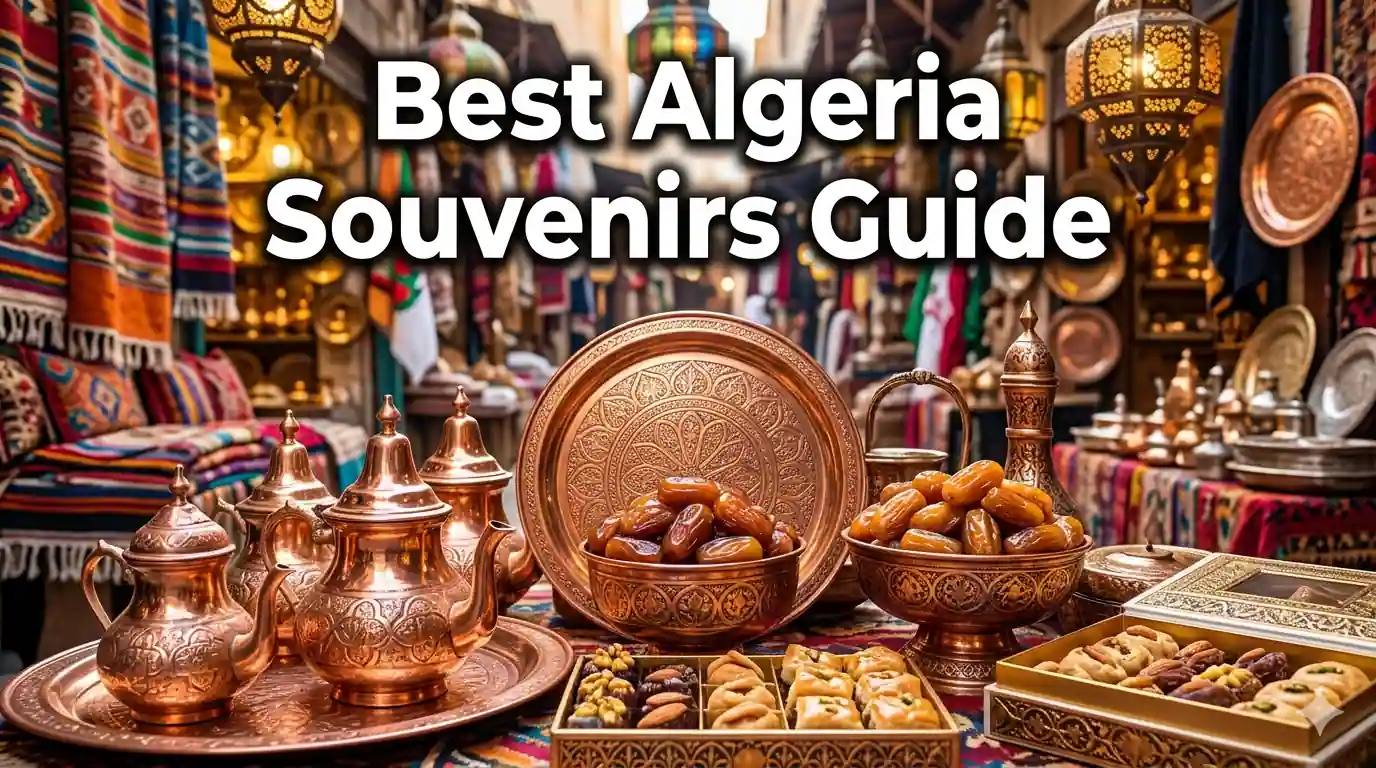
From handcrafted copperware in Constantine to exquisite date sweets, these souvenirs capture Algerian heritage.
This guide explores the best items to bring home from your North African adventure.
Each purchase supports local artisans and preserves centuries-old crafting traditions.
Discover where to find genuine quality and fair prices for memorable Algerian mementos.
Why Choose Algerian Souvenirs

Algerian handicrafts reflect thousands of years of cultural fusion and artisanal excellence.
Berber, Arab, Ottoman, and French influences create unique artistic expressions found nowhere else.
Traditional crafting methods passed through generations ensure authenticity and quality.
Purchasing directly from artisans supports local economies and sustainable tourism practices.
These souvenirs tell stories of Algeria's rich history and vibrant contemporary culture.
What Makes Algerian Handicrafts Special
Artisans use locally sourced materials including copper, leather, wool, and natural ingredients.
Each piece features intricate hand-worked details impossible to replicate through mass production.
Regional variations showcase distinct styles from different areas of this vast country.
Traditional symbols and patterns carry cultural meanings and protective significance.
Functional art pieces serve practical purposes while displaying aesthetic beauty.
Copperware from Constantine: A Timeless Treasure

Constantine stands as Algeria's premier destination for handcrafted copper items.
The city's medina hosts skilled artisans who shape copper using techniques dating back centuries.
Ottoman influence particularly shaped Constantine's distinctive copperworking traditions.
Master craftsmen hammer, engrave, and polish each piece by hand with meticulous attention.
Copperware from Constantine represents both functional utility and artistic expression.
Types of Constantine Copperware to Buy
Traditional copper teapots feature elegant curves and intricate engraved patterns.
Decorative trays display geometric designs and floral motifs perfect for serving or wall display.
Copper bowls range from small jewelry containers to large decorative centerpieces.
Coffee pots and cezves showcase fine craftsmanship with detailed handle work.
Wall hangings and plaques feature Islamic calligraphy and traditional Algerian symbols.
Where to Buy Copperware in Constantine
The Souk el Attarine in Constantine's medina concentrates copper artisans in one historic location.
Workshop visits allow you to observe craftsmen at work and commission custom pieces.
Prices range from 3000 dinars for small items to 20000 dinars for elaborate pieces.
Negotiate respectfully as haggling is expected but maintain fair compensation for skilled labor.
Request authenticity certificates for valuable pieces and verify artisan signatures when available.
How to Identify Quality Copperware
Genuine hand-hammered copper shows slight irregularities and tool marks indicating manual work.
Engravings should be crisp and deep rather than shallow machine-stamped impressions.
Weight indicates quality as thicker copper lasts longer and develops better patina over time.
Seams and joints should be tight and smooth without visible soldering defects.
Ask about lining as food-contact items should have tin or stainless steel interiors.
Caring for Algerian Copper Items
Clean copperware with lemon juice and salt to maintain bright metallic luster.
Allow natural patina to develop for antique appearance or polish regularly for shine.
Hand wash only and avoid abrasive cleaners that damage engraved surfaces.
Dry immediately after washing to prevent water spots and mineral deposits.
Apply protective wax coating periodically to preserve finish and prevent tarnishing.
Date Sweets: Algeria's Edible Gold

Algeria produces some of the world's finest dates particularly from the Biskra region.
Date sweets combine these natural treasures with nuts, honey, and traditional recipes.
These confections make perfect gifts offering taste of Algerian hospitality and sweetness.
Varieties range from simple stuffed dates to elaborate pastries requiring skilled preparation.
Proper packaging ensures these delicacies survive international travel intact.
Popular Algerian Date Confections
Makroudh features date paste filled semolina pastries fried and soaked in honey syrup.
Stuffed Medjool dates filled with almonds or walnuts offer simple elegance and natural sweetness.
Date rolls wrapped in delicate pastry and sprinkled with sesame seeds delight the palate.
Msemen pancakes layered with date jam provide breakfast or snack options.
Traditional date breads incorporate spices like cinnamon and anise for complex flavors.
Best Places to Buy Date Sweets
Biskra markets offer freshest dates and sweets at source with competitive pricing.
Algiers specialty shops like Palais des Dattes provide premium packaging for gifts.
Constantine medina confectioners prepare sweets daily using family recipes.
Prices range from 800 dinars per kilogram for basic dates to 3000 dinars for premium confections.
Request vacuum sealing or airtight containers to preserve freshness during travel.
Understanding Date Varieties
Deglet Nour represents Algeria's premium variety known as the queen of dates with translucent amber color.
Ghars offers darker softer dates ideal for cooking and sweet preparation.
Medjool commands higher prices for large size and caramel-like flavor profile.
Fresh dates available September through December provide optimal taste and texture.
Dried dates maintain quality year-round and travel better for international transport.
How to Pack Date Sweets for Travel
Choose shops offering gift boxes with protective dividers preventing crushing.
Vacuum-sealed packages extend shelf life and prevent sticky messes in luggage.
Carry-on luggage protects delicate sweets from temperature extremes in cargo holds.
Declare food items at customs as regulations vary by destination country.
Consume within three months for optimal flavor though properly stored dates last longer.
Other Must Buy Algerian Souvenirs

Beyond copperware and dates Algeria offers diverse handicrafts worth bringing home.
Traditional textiles, pottery, jewelry, and leather goods showcase regional specialties.
Each item carries cultural significance and represents hours of skilled artisan labor.
Quality varies significantly so knowledge helps distinguish authentic from tourist trinkets.
Budget accordingly as genuine handcrafted items command fair prices reflecting true value.
Traditional Algerian Textiles and Rugs
Berber carpets from the Atlas Mountains feature geometric patterns in natural wool dyes.
Kilim flatweaves offer lighter weight alternatives with vibrant colors and symbolic designs.
Haik traditional woven cloths serve as wraps or decorative wall hangings.
Prices range from 5000 dinars for small pieces to 50000 dinars for large authentic carpets.
Verify hand-woven construction by examining irregularities and natural fiber content.
Algerian Pottery and Ceramics
Constantine pottery displays distinctive blue and white patterns inspired by Mediterranean aesthetics.
Tagine cooking vessels combine functionality with decorative painted exteriors.
Decorative plates feature Islamic geometric patterns and floral arabesques.
Artisan workshops in Tlemcen and Ghardaia offer unique regional ceramic styles.
Hand-painted pieces command premium prices but offer superior artistry and durability.
Traditional Jewelry and Silverwork
Berber silver jewelry incorporates coral, amber, and semi-precious stones.
Fibula brooches serve as traditional dress fasteners and decorative accessories.
Necklaces and bracelets feature coins and symbols offering protection and prosperity.
Tuareg cross pendants from the Sahara represent distinctive nomadic craftsmanship.
Verify silver content and request certificates for valuable pieces with gemstones.
Leather Goods and Babouches
Traditional babouche slippers in leather or embroidered fabric make practical souvenirs.
Leather bags and pouches feature traditional tooling and natural vegetable dyes.
Belts with ornate buckles showcase metalwork combined with quality leather craftsmanship.
Markets in Algiers Casbah and Constantine medina offer extensive leather selections.
Genuine leather develops character over time while maintaining durability and beauty.
Shopping Locations and Markets

Algeria's traditional souks and modern shops each offer distinct shopping experiences.
Medina markets provide authentic atmosphere and direct artisan access.
Fixed-price stores eliminate haggling but may charge premium rates.
Understanding where to shop helps balance authenticity, price, and convenience.
Plan shopping time into your itinerary as quality selection requires patience.
Best Markets in Algiers
Casbah of Algiers features narrow alleyways with shops selling copper, textiles, and jewelry.
Souk el Djema offers traditional crafts though tourist-oriented pricing requires negotiation.
Modern boutiques in Hydra and El Biar provide fixed prices and export-quality goods.
Artisan centers supported by government ensure authenticity and fair artisan compensation.
Visit early morning for best selection and cooler temperatures for comfortable browsing.
Constantine Shopping Districts
Souk el Attarine specializes in copperware, spices, and traditional metalwork.
Rue Larbi Ben Mhidi hosts shops offering diverse souvenirs at competitive prices.
Artisan cooperatives outside the medina provide workshop tours and direct purchasing.
Friday markets bring rural artisans selling directly to urban customers and visitors.
Allow full day for exploring Constantine's extensive craft offerings thoroughly.
Biskra Date Markets
Biskra's central market offers freshest dates directly from palm grove producers.
Wholesale sections provide bulk pricing for those wanting to share with many people.
Packaging shops create custom gift boxes with traditional Algerian decorative elements.
October through December harvest season provides optimal variety and quality selection.
Taste samples before purchasing to ensure sweetness and texture meet your preferences.
Pricing and Negotiation Strategies

Understanding fair pricing prevents overpayment while ensuring artisans receive proper compensation.
Haggling remains customary in traditional markets though requires cultural sensitivity.
Fixed-price establishments eliminate negotiation but may charge twenty to thirty percent premiums.
Research approximate prices before shopping to establish reasonable expectations.
Quality commands higher prices but provides lasting value and authentic craftsmanship.
How to Negotiate in Algerian Markets
Begin with friendly conversation showing genuine interest in the craft and artisan skill.
Ask price first then counter with approximately sixty percent of initial asking price.
Remain polite and patient as negotiation represents social interaction not confrontation.
Be prepared to walk away if price exceeds fair value though often triggers better offers.
Meet in the middle at seventy to eighty percent of original price for fair transactions.
What Constitutes Fair Pricing
Small copper items like jewelry boxes should cost 3000 to 8000 Algerian dinars.
Medium copperware including teapots and trays range from 8000 to 20000 dinars.
Large decorative pieces and elaborate engravings command 20000 to 50000 dinars.
Quality dates cost 800 to 1500 dinars per kilogram while premium varieties reach 3000 dinars.
Hand-woven textiles reflect hours of labor justifying prices from 10000 to 100000 dinars.
Payment Methods and Currency
Algerian dinar remains the primary currency though some tourist shops accept euros.
Cash dominates transactions especially in traditional markets and smaller establishments.
Credit cards work in larger hotels and modern boutiques but carry high merchant fees.
Exchange currency at official banks or exchange offices avoiding street money changers.
Carry small denominations for easier transactions and appropriate tipping.
Shipping and Customs Considerations

Large or fragile souvenirs may require shipping rather than transporting in luggage.
Customs regulations vary by destination country affecting what you can bring home.
Proper documentation facilitates smooth passage through international borders.
Insurance protects valuable items during transit whether carried or shipped.
Plan shipping logistics before purchase to avoid unexpected complications and costs.
Shipping Souvenirs from Algeria
Poste Algérie offers international shipping services though delivery times vary significantly.
Private couriers like DHL and FedEx provide faster reliable service at higher costs.
Shops often arrange shipping for customers though verify insurance coverage and tracking.
Export permits required for antiques over one hundred years old and certain cultural items.
Obtain detailed receipts describing items and values for customs declaration purposes.
Customs Regulations for Food Items
Most countries allow commercially packaged dates and sweets with proper declaration.
Fresh dates face stricter regulations than dried or processed date products.
United States permits dates but requires declaration at agricultural inspection points.
European Union allows date products from Algeria with proper phytosanitary certificates.
Always declare food items to avoid fines and potential confiscation at borders.
Packing Fragile Items Safely
Wrap copperware individually in clothing or bubble wrap preventing scratches and dents.
Place heavy items at bottom of luggage with lighter fragile pieces on top.
Use hard-sided suitcases for maximum protection of delicate copper and ceramic items.
Carry valuable or irreplaceable pieces in carry-on luggage when possible.
Request shops provide sturdy boxes with adequate padding for transport protection.
Cultural Significance of Algerian Crafts

Algerian handicrafts carry deep cultural meanings beyond aesthetic and functional value.
Patterns and symbols communicate identity, heritage, and spiritual beliefs.
Understanding significance enhances appreciation and respectful acquisition of these treasures.
Artisans preserve traditions facing pressure from globalization and mass production.
Your purchases contribute to cultural preservation and intergenerational knowledge transmission.
Symbolism in Copperwork Designs
Geometric patterns reflect Islamic artistic principles avoiding representational imagery.
Floral motifs symbolize paradise gardens and natural beauty in Islamic tradition.
Calligraphic inscriptions often feature Quranic verses or protective prayers.
Hand of Fatima symbols provide protection against evil eye and negative forces.
Repeating patterns represent infinity and divine perfection in spiritual philosophy.
Meaning Behind Berber Carpet Patterns
Diamond shapes represent eyes providing protection and spiritual awareness.
Zigzag patterns symbolize water sources essential for desert and mountain life.
Cross motifs indicate cardinal directions aiding navigation in vast landscapes.
Colors carry meaning with red for protection, blue for spirituality, and yellow for prosperity.
Tribal variations identify specific Berber communities and their unique cultural heritage.
Sustainable and Ethical Shopping

Responsible souvenir purchasing supports artisan livelihoods and environmental sustainability.
Direct purchases from craftspeople ensure fair compensation without intermediary exploitation.
Traditional techniques use natural materials and processes with minimal environmental impact.
Avoid mass-produced imports disguised as authentic Algerian handicrafts.
Ask about materials and production methods to verify genuine artisan creation.
Supporting Women Artisans
Women dominate textile weaving, pottery painting, and date sweet preparation in Algeria.
Cooperatives empower female artisans providing fair wages and community development.
Purchasing from women-led workshops contributes to gender equality and economic independence.
Many cooperatives offer workshops where visitors observe and learn traditional techniques.
Look for fair trade certifications or cooperative affiliations when available.
Environmental Considerations
Natural dyes from plants and minerals replace toxic synthetic alternatives in quality textiles.
Copper recycling traditions minimize waste and resource extraction in metalworking.
Date palm cultivation supports oasis ecosystems and prevents desertification.
Choose items with minimal packaging or biodegradable materials when possible.
Offset carbon footprint of shipping by selecting fewer higher-quality meaningful pieces.
Practical Travel Tips for Souvenir Shopping
Successful souvenir hunting requires planning, patience, and cultural awareness.
Allocate sufficient time in your itinerary for unhurried exploration and selection.
Research desired items before travel to recognize quality and fair pricing.
Leave room in luggage for purchases or plan shipping logistics in advance.
Photograph items and prices for comparison shopping across different vendors.
Best Time for Souvenir Shopping
Spring and fall offer pleasant weather for extensive market exploration and browsing.
Ramadan and Eid seasons feature special items though shops may have reduced hours.
Morning shopping provides best selection while vendors remain fresh and patient.
Avoid Friday afternoons when many shops close for prayer and family time.
End of month may bring better prices as vendors seek to meet sales targets.
Questions to Ask Artisans
Inquire about techniques and time required to create pieces appreciating the craftsmanship.
Ask about materials sourcing and whether items use traditional or modern components.
Request care instructions to maintain quality and appearance over time.
Learn about cultural significance and symbolism deepening your connection to the piece.
Discuss customization options for creating unique personalized souvenirs.
Red Flags to Avoid
Extremely low prices often indicate machine-made imports rather than authentic handicrafts.
Pushy vendors discouraging comparison shopping may sell inferior or overpriced goods.
Items appearing too perfect and uniform suggest factory production not handcrafting.
Vendors unable to explain creation process or cultural significance likely resell imported goods.
Avoid purchasing antiques or archaeological items which may be illegal to export.
Conclusion and Final Recommendations
Algeria offers exceptional souvenirs from Constantine copperware to exquisite date sweets.
Authentic handicrafts provide tangible connections to Algerian culture and artisan traditions.
Shop thoughtfully supporting local craftspeople while acquiring meaningful lasting treasures.
Bargain respectfully recognizing the skill and time invested in handcrafted items.
These souvenirs will serve as beautiful reminders of your Algerian adventure for years to come.
0 Comments