.webp)
.webp)
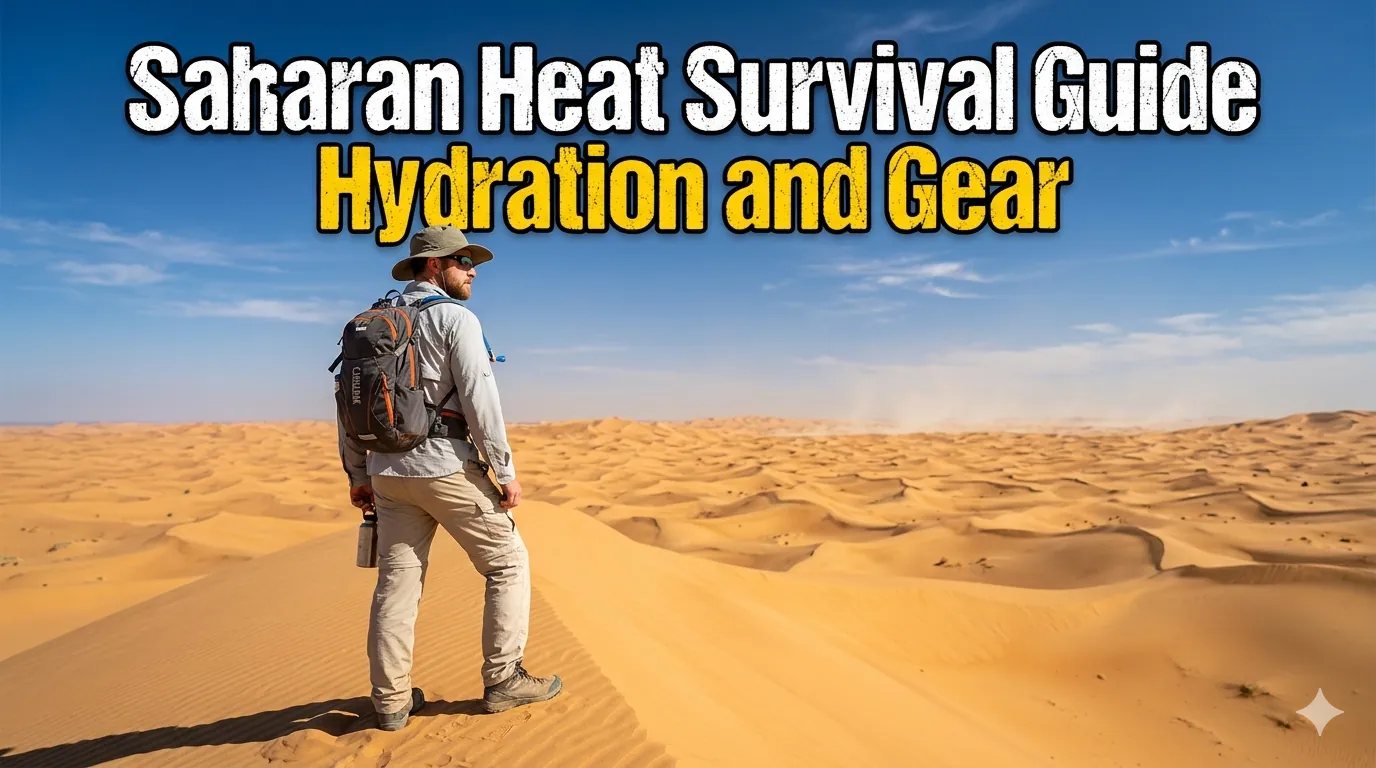
Understanding Saharan Heat Challenges
The Sahara Desert presents some of the most extreme heat conditions on Earth. Daytime temperatures regularly exceed 45 degrees Celsius with peaks reaching 58 degrees Celsius.
Understanding these environmental challenges is the first step toward safe desert travel. Proper preparation prevents life-threatening heat-related illnesses.
Low humidity levels accelerate dehydration through rapid sweat evaporation. This deceptive condition makes travelers underestimate fluid loss significantly.
Intense solar radiation increases heat stress beyond ambient temperature readings. The combination of direct sun and hot sand creates dangerous thermal conditions.
Nighttime temperatures can drop dramatically requiring versatile gear strategies. Successful desert travelers prepare for both extreme heat and unexpected cold.
Hydration Fundamentals for Desert Survival

Proper hydration represents the single most critical factor for Saharan heat survival. Water requirements increase dramatically in extreme desert conditions.
Adults need minimum 4 to 6 liters of water daily in Sahara conditions. Physical activity and high temperatures can increase requirements to 8 liters or more.
Drinking small amounts frequently proves more effective than consuming large volumes occasionally. This strategy maintains consistent hydration without overwhelming the digestive system.
Pre-hydration before desert exposure builds crucial fluid reserves. Begin increasing water intake 24 to 48 hours before entering extreme heat environments.
Monitor urine color as a practical hydration indicator. Pale yellow suggests adequate hydration while dark yellow signals immediate fluid needs.
Electrolyte balance requires attention alongside water consumption. Sodium potassium and magnesium losses through sweat must be replaced to prevent cramping and fatigue.
Advanced Hydration Strategies and Techniques

Electrolyte supplementation prevents dangerous imbalances during extended desert travel. Oral rehydration salts provide optimal mineral replacement ratios.
Commercial electrolyte tablets offer convenient dosing for desert conditions. These dissolve easily in water bottles requiring minimal preparation effort.
Homemade electrolyte solutions work effectively when commercial options are unavailable. Mix one liter water with half teaspoon salt and six teaspoons sugar.
Timing fluid consumption around activity levels maximizes hydration efficiency. Increase intake before and during exertion rather than waiting for thirst signals.
Avoid caffeine and alcohol which accelerate dehydration through diuretic effects. These substances increase fluid loss precisely when conservation matters most.
Cool water absorbs more quickly than cold or warm alternatives. Store water in insulated containers to maintain optimal drinking temperature.
Water Storage and Transport Solutions

Reliable water storage systems prevent catastrophic dehydration in remote desert areas. Redundancy in water carrying capacity provides essential safety margins.
Durable plastic bottles resist cracking under extreme temperature fluctuations. Avoid glass containers which pose breakage risks in sandy environments.
Hydration bladders with insulated tubes keep water accessible during movement. Hands-free drinking encourages consistent fluid consumption while traveling.
Collapsible water containers save space when empty while providing backup capacity. These prove valuable for camp storage and emergency reserves.
Water purification methods ensure safety when refilling from uncertain sources. Portable filters chemical tablets and UV purifiers offer complementary protection.
Distribute water weight evenly across packs and person to reduce fatigue. Balanced loads improve mobility and reduce energy expenditure in challenging conditions.
Essential Clothing for Extreme Heat Management

Appropriate clothing creates critical microclimates protecting the body from extreme heat. Fabric choice and design significantly impact thermal comfort.
Light-colored loose-fitting garments reflect solar radiation and promote air circulation. Dark tight clothing absorbs heat and traps warm air against skin.
Natural fibers like cotton and linen breathe better than many synthetics. However modern moisture-wicking fabrics offer advantages for active desert travel.
Long sleeves and pants provide superior sun protection compared to exposed skin. Lightweight coverage prevents burns while allowing sweat evaporation.
Wide-brimmed hats shield face neck and shoulders from direct sunlight. Quality desert hats include chin straps preventing loss in windy conditions.
UV-protective sunglasses with side shields prevent eye damage from intense radiation. Polarized lenses reduce glare from sand and rock surfaces.
Footwear Selection for Desert Terrain

Proper footwear prevents debilitating foot problems during desert travel. Sand heat and rough terrain demand specific shoe characteristics.
Light-colored boots reflect heat while providing ankle support on uneven ground. Dark footwear absorbs solar radiation increasing foot temperature significantly.
Breathable materials prevent moisture buildup that leads to blisters. Mesh panels and moisture-wicking linings enhance comfort during extended wear.
Gaiters protect against sand intrusion which causes painful abrasions. Fine desert sand penetrates ordinary footwear creating significant discomfort.
Break in footwear before desert travel to identify pressure points. New shoes cause blisters that become serious problems in remote environments.
Carry spare socks and foot care supplies for preventive maintenance. Dry feet resist blister formation better than moisture-saturated skin.
Sun Protection Beyond Clothing

Comprehensive sun protection prevents burns and long-term skin damage. Desert solar intensity exceeds most travelers expectations significantly.
Broad-spectrum sunscreen with SPF 50 or higher provides essential protection. Reapply every two hours and immediately after heavy sweating.
Lip balm with SPF prevents painful chapping and cracking. Sunburned lips complicate eating drinking and communication during desert travel.
Neck gaiters or scarves provide versatile protection for vulnerable areas. These accessories shield skin while allowing adjustment for ventilation needs.
Seek shade during peak sun hours between 10 AM and 4 PM. Strategic scheduling reduces heat exposure without sacrificing travel objectives.
Reflective emergency blankets create instant shade when natural cover is unavailable. These lightweight items serve multiple survival functions.
Heat Illness Recognition and Prevention

Understanding heat illness symptoms enables early intervention before conditions become life-threatening. Recognition saves lives in remote desert settings.
Heat exhaustion presents with heavy sweating weakness dizziness and nausea. Immediate rest cooling and rehydration typically resolve these symptoms.
Heat stroke represents a medical emergency requiring urgent intervention. Symptoms include confusion loss of consciousness and body temperature exceeding 40 degrees Celsius.
Prevention strategies include gradual acclimatization to desert conditions. Allow several days for physiological adaptation before undertaking strenuous activities.
Rest during hottest hours conserves energy and reduces heat stress. Plan demanding activities for early morning or late afternoon when temperatures moderate.
Travel companions should monitor each other for early warning signs. Heat illness can impair judgment making self-assessment unreliable.
Cooling Techniques for Extreme Conditions

Active cooling methods supplement passive protection strategies in extreme heat. These techniques provide critical relief during dangerous conditions.
Evaporative cooling using damp cloths on pulse points reduces core temperature. Wrists neck and temples offer efficient heat exchange locations.
Misting spray bottles provide instant relief through evaporative cooling. Fine water droplets maximize surface area for efficient heat transfer.
Ventilated clothing designs promote air circulation against skin. Mesh panels and strategic openings enhance natural cooling mechanisms.
Resting on insulated ground pads prevents heat transfer from hot sand. Direct contact with heated surfaces increases body temperature significantly.
Psychological cooling through mental techniques reduces perceived heat stress. Focusing on cool imagery and controlled breathing provides measurable benefits.
Nutrition Strategies for Desert Travel

Proper nutrition supports hydration and energy needs in extreme conditions. Food choices significantly impact heat tolerance and endurance.
Light frequent meals reduce metabolic heat production compared to large meals. Digestion generates internal heat that compounds environmental stress.
Water-rich foods like fruits and vegetables supplement fluid intake. Cucumbers melons and citrus provide hydration alongside essential nutrients.
Avoid high-fat high-protein meals during peak heat hours. These foods require more metabolic energy for digestion increasing internal heat production.
Salty snacks help replace sodium lost through heavy sweating. Balanced electrolyte intake prevents cramping and maintains nerve function.
Energy-dense foods provide sustained fuel for desert activities. Nuts dried fruits and whole grain products offer portable nutrition with minimal preparation.
Shelter and Rest Strategies in Extreme Heat

Effective shelter strategies create safe havens from extreme desert conditions. Proper rest locations enable recovery and heat avoidance.
Natural shade from rock formations provides immediate heat relief. Learn to identify and utilize geological features for thermal protection.
Lightweight tarps create portable shade when natural cover is unavailable. Reflective surfaces maximize heat deflection while minimizing weight.
Elevated sleeping platforms reduce heat exposure from warm ground. Air circulation beneath sleeping areas enhances comfort during rest periods.
Ventilated tent designs promote air flow while providing sun protection. Mesh panels and strategic vent placement optimize thermal management.
Timing rest periods to avoid peak heat maximizes recovery efficiency. Strategic scheduling conserves energy for essential travel activities.
Navigation and Communication in Desert Environments

Reliable navigation prevents dangerous disorientation in featureless desert landscapes. Multiple redundant systems ensure route-finding capability.
GPS devices with spare batteries provide primary navigation support. Download offline maps before travel as cellular coverage is typically unavailable.
Traditional compass and map skills serve as essential backup systems. Electronic devices fail requiring analog navigation capabilities.
Satellite communicators enable emergency contact from remote locations. These devices function where cellular networks cannot reach.
Share detailed itineraries with reliable contacts before desert travel. Regular check-in schedules provide safety monitoring during expeditions.
Visual landmarks and route marking prevent circular wandering. Document distinctive features to maintain orientation in monotonous terrain.
Emergency Preparedness and First Aid

Comprehensive emergency preparation addresses the unique risks of desert travel. Remote locations require self-sufficiency for medical situations.
Desert-specific first aid kits include treatments for heat illness and dehydration. Standard kits require augmentation for extreme environment challenges.
Emergency water reserves provide critical backup when primary supplies deplete. Store minimum one liter per person beyond planned daily needs.
Signal devices including mirrors whistles and flares facilitate rescue operations. Visual and auditory signals work effectively in open desert terrain.
Emergency shelter materials provide protection during unexpected overnight situations. Lightweight space blankets serve multiple survival functions.
Know evacuation routes and nearest medical facilities before entering remote areas. Pre-planning enables rapid response if emergencies occur.
Acclimatization and Physical Preparation

Gradual acclimatization significantly improves heat tolerance and performance. Physiological adaptation requires systematic exposure to challenging conditions.
Begin with short exposures to heat increasing duration over several days. This approach allows the body to adjust sweating and cooling mechanisms.
Cardiovascular fitness enhances heat tolerance and recovery capacity. Regular exercise before desert travel improves overall resilience.
Practice desert skills in controlled environments before remote travel. Test equipment and techniques in accessible conditions first.
Mental preparation builds confidence for managing extreme conditions. Stress management techniques improve decision-making under pressure.
Travel with experienced guides when attempting first desert expeditions. Professional expertise provides invaluable safety margins for novice travelers.
Cost Considerations for Desert Travel Preparation

Proper desert travel preparation requires investment in quality equipment and planning. Budget considerations ensure adequate resources for safety.
Essential gear including hydration systems and sun protection costs 300 to 800 dollars. Quality items provide reliability that budget alternatives cannot match.
Professional guide services range from 100 to 300 dollars daily depending on expertise. Experienced leadership significantly enhances safety and experience quality.
Travel insurance covering desert emergencies costs 50 to 200 dollars for typical trips. Medical evacuation coverage proves essential for remote travel.
Water and food supplies for extended desert travel add 20 to 50 dollars daily. Quality provisions support health and performance in challenging conditions.
Vehicle rental and fuel for desert expeditions represent significant expenses. Four-wheel-drive capability and spare parts justify higher costs for safety.
Environmental Responsibility in Fragile Desert Ecosystems

Desert environments require special consideration to minimize human impact. Fragile ecosystems recover slowly from disturbance and damage.
Practice leave-no-trace principles including packing out all waste. Desert decomposition rates are extremely slow requiring complete removal of trash.
Avoid disturbing archaeological sites and cultural heritage locations. Respect for historical resources preserves them for future generations.
Stay on established routes when possible to minimize vegetation damage. Desert plants grow slowly and recover with difficulty from trampling.
Use biodegradable soaps and cleaning products when water sources are available. Chemical contamination persists in arid environments with limited dilution.
Support local conservation initiatives through responsible tourism choices. Economic benefits from sustainable travel incentivize environmental protection.
Cultural Considerations for Sahara Region Travel

Understanding local cultures enhances safety and enriches desert travel experiences. The Sahara spans multiple countries with diverse traditions.
Learn basic greetings in local languages to facilitate positive interactions. Simple efforts at communication demonstrate respect for host communities.
Respect religious practices and customs particularly in conservative regions. Modest dress and behavior align with local expectations in many areas.
Seek permission before photographing people or sensitive cultural sites. Many communities appreciate being asked and may expect small compensation.
Support local economies through fair purchases of crafts and services. Your tourism dollars benefit communities who maintain desert knowledge and traditions.
Follow guidance from local hosts regarding appropriate behavior and locations. Their expertise ensures respectful and safe cultural interactions.
Seasonal Timing for Sahara Desert Travel

Choosing optimal travel seasons significantly impacts safety and comfort in the Sahara. Temperature extremes vary dramatically throughout the year.
November through February offers the most moderate desert conditions. Daytime temperatures range from 20 to 30 degrees Celsius during these months.
March through May brings increasing heat with occasional sandstorms. Early season travel remains viable though preparation for extreme conditions becomes essential.
June through September represents the most challenging period for desert travel. Extreme heat exceeding 45 degrees Celsius creates significant risks.
October marks the transition back to favorable conditions. Landscapes may show slight changes from seasonal variations creating interesting photographic opportunities.
Consider wind patterns and sandstorm seasons when planning itineraries. Regional variations affect optimal timing for specific Sahara locations.
Conclusion Mastering Saharan Heat Survival

Surviving Saharan heat requires comprehensive preparation focused on hydration and appropriate gear. Understanding environmental challenges enables safe desert travel.
Proper hydration strategies prevent life-threatening dehydration and heat illness. Electrolyte balance and consistent fluid intake prove essential for desert success.
Quality clothing and equipment create protective microclimates against extreme conditions. Strategic gear selection significantly impacts comfort and safety outcomes.
Recognition of heat illness symptoms enables early intervention before emergencies develop. Prevention through acclimatization and smart scheduling reduces risks substantially.
The Sahara Desert offers extraordinary experiences for prepared travelers willing to respect its challenges. With proper knowledge and equipment this remarkable landscape becomes accessible for safe exploration.
Your commitment to thorough preparation ensures memorable desert adventures while minimizing risks. The ultimate guide to Saharan heat survival empowers confident exploration of one of Earth's most extreme environments.
0 Comments