.webp)
.webp)
Bangladesh Travel Guide 2026: The Land of Rivers, Tigers, and Untouched Magic
Introduction: Discovering Bangladesh – A Hidden Gem of South Asia
Bangladesh, a country often overlooked by mainstream tourism, is rapidly emerging as one of South Asia's most captivating and authentic travel destinations. Known as the "Land of Rivers," this nation of 170 million people boasts over 700 rivers weaving through its lush delta landscape, creating a tapestry of natural beauty, cultural richness, and untamed wilderness that rivals any destination on Earth.
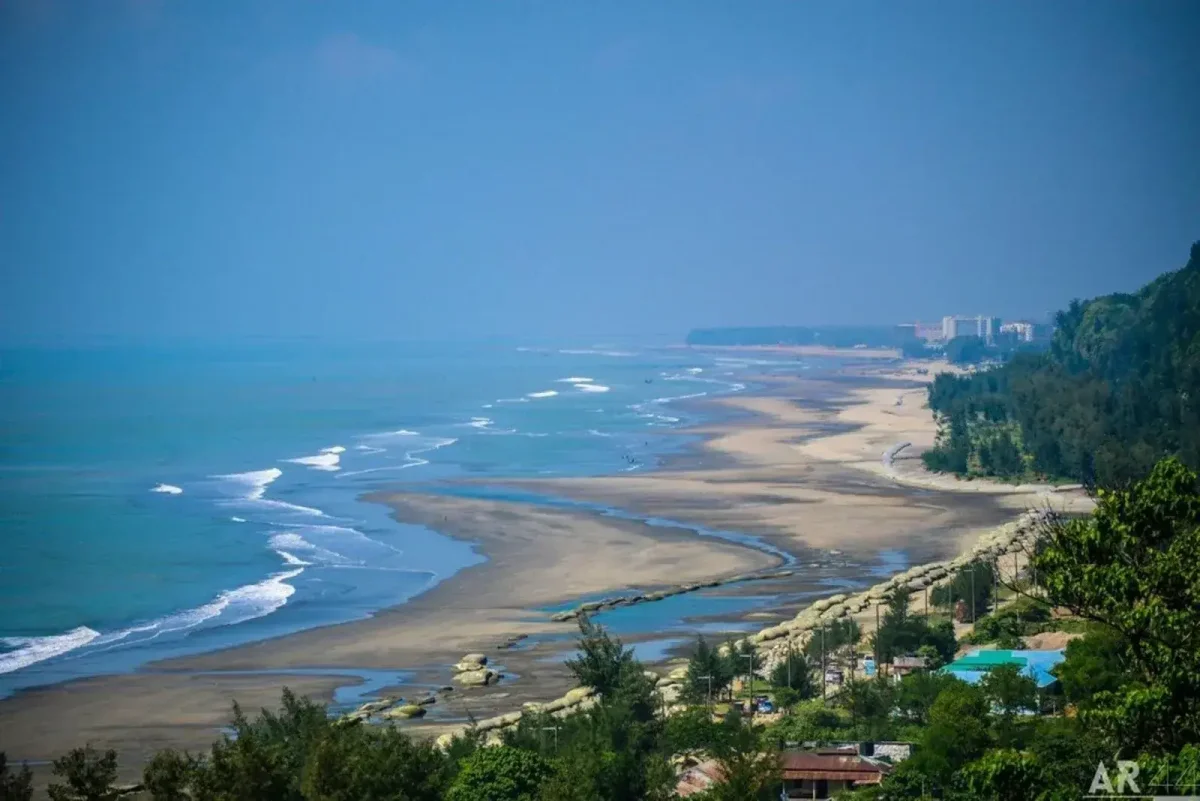
From the world's largest mangrove forest, the Sundarbans, home to the majestic Royal Bengal Tiger, to Cox's Bazar's uninterrupted 120-kilometer natural sea beach, Bangladesh offers experiences that are both extraordinary and unspoiled by mass tourism. This is a country where ancient Buddhist viharas stand as testaments to a glorious past, where tea gardens stretch endlessly across rolling hills, where the warmth of Bengali hospitality knows no bounds, and where every river tells a story.
In 2026, Bangladesh stands at an exciting juncture. The country has made remarkable strides in infrastructure development, poverty reduction, and sustainable tourism while maintaining its authentic character and cultural integrity. The opening of new hotels, improved transportation networks, and growing recognition of Bangladesh's tourism potential make this the perfect time to explore this remarkable nation before it becomes widely discovered.
This comprehensive travel guide will take you on a journey through Bangladesh's diverse landscapes, from the bustling streets of Dhaka to the serene tea estates of Srimangal, from the archaeological wonders of Paharpur to the pristine beaches of Kuakata. Whether you're seeking adventure, cultural immersion, natural beauty, or spiritual enrichment, Bangladesh offers an unparalleled travel experience that will challenge your perceptions and capture your heart.
Why Visit Bangladesh in 2026?

Bangladesh remains one of the world's last great travel frontiers, offering authentic experiences that have become increasingly rare in our globalized world. Unlike neighboring countries that have been transformed by mass tourism, Bangladesh retains its genuine character, allowing visitors to experience Bengali culture, traditions, and daily life in their most authentic form.
The country's natural beauty is staggering. Bangladesh is home to the world's largest river delta, the longest natural sea beach, the largest mangrove forest, and some of the most biodiverse ecosystems on the planet. The Sundarbans alone hosts an incredible array of wildlife, including the iconic Royal Bengal Tiger, spotted deer, saltwater crocodiles, and over 260 bird species. This is a paradise for nature lovers, wildlife photographers, and eco-tourists.
Culturally, Bangladesh offers a rich tapestry woven from millennia of history. The country boasts six UNESCO World Heritage Sites, including the ancient Buddhist monastery of Paharpur, the historic mosque city of Bagerhat, and the Sundarbans. From Mughal architecture to colonial heritage, from indigenous tribal cultures to Bengali literary traditions, Bangladesh presents a fascinating cultural mosaic.
The people of Bangladesh are renowned for their hospitality, warmth, and generosity. Visitors consistently report being welcomed with open arms, invited into homes for meals, and treated with genuine kindness. This human connection, combined with the country's affordability, makes Bangladesh an incredibly rewarding destination.
In 2026, Bangladesh's tourism infrastructure has improved significantly while remaining accessible and affordable. New hotels, better roads, expanded flight connections, and growing English proficiency among service providers make travel easier than ever. Yet the country hasn't lost its charm or become commercialized. You'll experience Bangladesh as it truly is, not as a tourist product.
Best Time to Visit Bangladesh

Understanding Bangladesh's climate is essential for planning your journey. The country experiences a tropical monsoon climate with three distinct seasons, each offering unique advantages and experiences.
Winter (November to February): This is unequivocally the best time to visit Bangladesh. Temperatures range from 10°C to 25°C (50°F to 77°F) across most of the country, with low humidity and clear skies. This is peak tourist season, and for good reason: the weather is perfect for exploring, wildlife viewing in the Sundarbans is excellent, and cultural festivals abound. The winter months coincide with the harvest season, offering beautiful views of golden rice fields and vibrant rural life.
December and January are particularly popular, as the country celebrates various cultural events and the weather is at its most pleasant. However, this is also when accommodation prices are highest and popular destinations most crowded. Book well in advance if visiting during this period.
Spring (March to May): As winter transitions to summer, temperatures gradually rise to 30-35°C (86-95°F). Humidity increases, but this season offers fewer crowds and lower prices. The highlight of spring is Pohela Boishakh, the Bengali New Year, celebrated on April 14th with colorful processions, music, and traditional festivities. This is an excellent time to experience Bengali culture at its most vibrant.
The landscape remains lush and green from winter rains, and the heat, while noticeable, is generally manageable, especially in the early part of the season. Hill tract areas like Rangamati and Bandarban remain pleasant even as lowland areas warm up.
Monsoon (June to October): The monsoon season brings heavy rainfall, high humidity, and temperatures around 28-32°C (82-90°F). While this can be challenging for travel, the monsoon transforms Bangladesh into a verdant paradise. Rivers swell, waterfalls cascade, rice paddies shimmer with water, and the countryside reaches peak beauty.
The monsoon offers unique experiences: boat journeys through flooded landscapes, witnessing the power of nature, and seeing Bangladesh as locals experience it. Prices are at their lowest, and you'll have destinations almost to yourself. However, be prepared for occasional flooding, travel disruptions, and the need for waterproof gear.
For first-time visitors, November to February is ideal. Adventurous travelers and photographers may find the monsoon season uniquely rewarding. Spring offers a good compromise with decent weather and cultural highlights.
Getting to Bangladesh
By Air: Hazrat Shahjalal International Airport in Dhaka is Bangladesh's primary international gateway, with growing connections to destinations across Asia, the Middle East, and Europe. Major airlines serving Dhaka include Biman Bangladesh Airlines, Emirates, Qatar Airways, Singapore Airlines, Turkish Airlines, Thai Airways, and various regional carriers.
Chittagong's Shah Amanat International Airport and Sylhet's Osmani International Airport also receive international flights, primarily from Middle Eastern carriers serving the Bangladeshi diaspora. In 2026, direct flights from additional European and Asian cities are expected, improving accessibility.
Upon arrival, ensure you have appropriate visa documentation (see visa section below). The airport has currency exchange facilities, ATMs, and SIM card vendors. Pre-booked airport transfers are recommended for first-time visitors.
By Land: Bangladesh shares borders with India and Myanmar. Several land border crossings operate with India, including Benapole-Petrapole (the busiest), Akhaura-Agartala, and Tamabil-Dawki. These crossings are popular with overland travelers and those coming from Kolkata or Northeast India.
Bus services operate between Kolkata and Dhaka, taking approximately 12-15 hours including border formalities. The journey offers scenic views of rural Bengal and is an adventure in itself. Ensure you have appropriate visas for both countries if planning overland travel.
The border with Myanmar at Teknaf is currently restricted for tourists due to security concerns in Rakhine State. Check current conditions before planning travel in this region.
By Sea: While not common for international tourists, cargo ships occasionally take passengers, and there are discussions about developing cruise tourism. Most visitors arrive by air or land.
Visa Requirements and Entry Procedures
Bangladesh offers visa on arrival for citizens of many countries, though requirements vary. As of 2026, nationals of most Western countries, including the United States, United Kingdom, Canada, Australia, and European Union members, can obtain a 30-day visa on arrival at Dhaka and Chittagong airports.
Visa on arrival requirements typically include:
- A passport valid for at least six months
- Return or onward ticket
- Proof of accommodation
- Passport-sized photographs
- Visa fee (approximately $51 USD for 30 days)
- 👉 Can Americans Visit North Korea in 2026? The Latest Travel Rules
- 👉 Dubai Marina: Walking Through the World’s Largest Man-Made Marina
- 👉 Malaysia Named Affordable Luxury Capital 2026 by Bloomberg
However, obtaining an e-visa or visa from a Bangladeshi embassy before travel is strongly recommended. The e-visa system is efficient, costs the same, and eliminates potential delays or complications at the airport. Apply at least two weeks before travel through the official Bangladesh e-visa portal.
For longer stays or multiple entries, apply for an appropriate visa category at a Bangladeshi embassy. Extensions are possible through the Department of Immigration and Passports in Dhaka, though the process can be bureaucratic.
Certain nationalities require visas in advance and cannot obtain visa on arrival. Check current requirements based on your nationality before travel. Indian citizens enjoy special arrangements and can obtain visa on arrival more easily.
Getting Around Bangladesh
Navigating Bangladesh is an adventure that ranges from comfortable to challenging, depending on your mode of transport and destination. The country's transportation network has improved significantly, though it still reflects the realities of a developing nation.
Domestic Flights: For long distances, domestic flights are the most efficient option. Biman Bangladesh Airlines, US-Bangla Airlines, and Novoair operate regular flights between Dhaka, Chittagong, Sylhet, Cox's Bazar, Jessore, Barisal, and Saidpur. Flight times are short (30-60 minutes), and prices are reasonable ($50-150 USD one way). Book in advance for better rates.
Trains: Bangladesh Railway operates an extensive network connecting major cities. Trains are affordable, relatively comfortable, and offer scenic views of rural Bangladesh. Options range from basic seated carriages to air-conditioned sleeper berths. The Dhaka-Chittagong and Dhaka-Sylhet routes are popular with tourists. Book tickets in advance, especially for sleeper class, through the railway website or at stations.
Buses: Long-distance buses connect virtually every town and city in Bangladesh. Options range from basic local buses to luxury AC coaches with reclining seats. Companies like Green Line, Shohag, and Hanif offer comfortable, safe services with online booking. Bus travel is affordable ($5-20 USD for most routes) and provides an authentic experience of Bangladeshi life. Expect journeys to take longer than distances suggest due to traffic and road conditions.
Rickshaws and CNGs: For urban and short-distance travel, cycle rickshaws and CNG auto-rickshaws are ubiquitous. Rickshaws are perfect for short trips in cities and towns, offering an intimate way to experience local life. CNGs are faster and can cover longer distances. Always negotiate fares in advance or insist on metered rates where available.
Boats and Ferries: Given Bangladesh's extensive river network, boats are essential for reaching many destinations. Launch services operate on major rivers, connecting Dhaka with Barisal, Khulna, and other riverine cities. Overnight launches offer basic cabins and are a unique travel experience. For the Sundarbans and remote areas, hire local boats with experienced guides.
Rental Cars and Drivers: For flexibility and comfort, hire a car with a driver for multi-day tours. This is particularly useful for exploring the hill tracts, visiting multiple destinations, or traveling with family. Costs range from $50-100 USD per day including driver, fuel, and vehicle. Reputable tour operators can arrange this service.
Traffic Reality: Bangladesh's roads, particularly around Dhaka and Chittagong, experience severe congestion. Plan extra time for all journeys. Traffic can turn a 50-kilometer trip into a 3-hour ordeal. Domestic flights or trains are often more efficient for long distances.
Top Destinations: Must-Visit Places in Bangladesh
Dhaka: The Vibrant Capital
Dhaka, one of the world's megacities with over 22 million inhabitants, is a sensory overload that captures the essence of Bangladesh. This ancient city, with over 400 years of history, seamlessly blends Mughal heritage, colonial architecture, and modern development.
Old Dhaka, the historic heart of the city, is a labyrinth of narrow alleyways, bustling markets, and Mughal-era monuments. Explore Lalbagh Fort, a 17th-century Mughal complex with beautiful gardens and underground passages. Visit Ahsan Manzil, the Pink Palace of the Dhaka Nawabs, now a museum showcasing the city's aristocratic past. Wander through the chaotic beauty of Sadarghat, one of the world's busiest river ports, where hundreds of boats load and unload against a backdrop of colorful buildings.
New Dhaka, centered around Gulshan, Banani, and Dhanmondi, offers modern amenities, international restaurants, shopping malls, and a glimpse of Bangladesh's economic transformation. Visit the National Parliament House, Louis Kahn's architectural masterpiece and one of the 20th century's most significant buildings. Explore the Liberation War Museum to understand Bangladesh's struggle for independence.
Don't miss the Star Mosque with its intricate tile work, Dhakeshwari Temple, the national Hindu temple, and the vibrant food scene ranging from street food to fine dining. Dhaka can be overwhelming, but it rewards patient explorers with unforgettable experiences.
The Sundarbans: Kingdom of the Royal Bengal Tiger
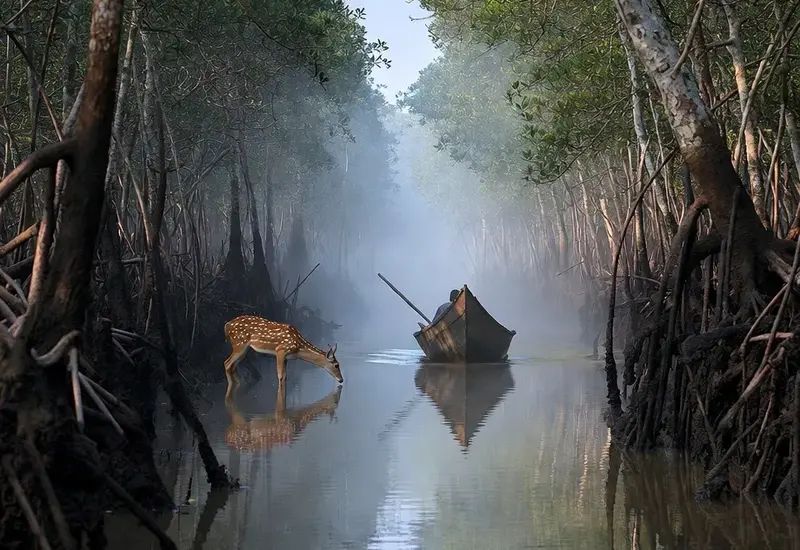
The Sundarbans, a UNESCO World Heritage Site spanning 10,000 square kilometers across Bangladesh and India, is the world's largest mangrove forest and home to the iconic Royal Bengal Tiger. This unique ecosystem, where freshwater from the Ganges meets the saltwater of the Bay of Bengal, supports incredible biodiversity.
Visiting the Sundarbans is a highlight of any Bangladesh itinerary. Multi-day boat tours depart from Khulna or Mongla, taking you deep into the forest's winding waterways. Spot Royal Bengal Tigers (though sightings are rare and require luck), spotted deer, saltwater crocodiles, macaques, and over 260 bird species including the endangered masked finfoot.
The forest's beauty is mesmerizing: dense mangrove vegetation, golden beaches, tranquil rivers, and an atmosphere of pristine wilderness. Visit observation towers, walk on forest trails with guides, and experience village life in buffer zone communities. The best time for wildlife viewing is November to March.
Tours range from budget to luxury, with options for 2-4 days. Always travel with licensed operators and experienced guides. The Sundarbans is a place of raw natural beauty that reminds visitors of nature's power and fragility.
Cox's Bazar: The World's Longest Natural Sea Beach
Cox's Bazar boasts the world's longest uninterrupted natural sea beach, stretching 120 kilometers along the Bay of Bengal. This coastal town has transformed from a quiet fishing village into Bangladesh's premier beach destination while retaining its charm.
The main beach, with its wide sandy expanse and gentle waves, is perfect for walking, swimming, and watching spectacular sunsets. The beach is divided into sections: Laboni Point, closest to town, is the most developed; Kolatoli Beach offers a quieter experience; and Inani Beach, further south, features coral rocks and clearer water.
Beyond the beach, explore Himchari National Park with its waterfalls and hiking trails, visit Buddhist temples and monasteries reflecting the region's diverse culture, and take boat trips to nearby St. Martin's Island, Bangladesh's only coral island, offering pristine beaches and excellent snorkeling.
Cox's Bazar's seafood is exceptional, with fresh catches prepared in traditional Bengali styles. The town offers accommodation ranging from budget guesthouses to luxury resorts. While development has accelerated, Cox's Bazar maintains a relaxed atmosphere that makes it perfect for unwinding after exploring Bangladesh's more intense destinations.
Sylhet and Srimangal: Tea Country and Natural Beauty
Northeastern Bangladesh, centered around Sylhet and Srimangal, is a region of breathtaking natural beauty, tea gardens, and cultural diversity. This area, with its rolling hills, cascading waterfalls, and endless tea estates, offers a stark contrast to the lowland delta.
Sylhet, known as the spiritual capital of Bangladesh, is surrounded by lush tea gardens and is the birthplace of many of Bangladesh's most famous saints. Visit the shrine of Hazrat Shah Jalal, the city's patron saint, explore tea estates like Malnicherra, and take day trips to nearby natural attractions.
Srimangal, the tea capital of Bangladesh, sits in the heart of tea country. The town is surrounded by over 150 tea gardens producing some of the world's finest tea. Visit tea estates to learn about tea production, tour the Tea Research Institute, and taste different varieties of Bangladesh tea.
Nearby attractions include Lawachara National Park, a rainforest sanctuary with hiking trails and wildlife including gibbons and deer; Madhabkunda, one of Bangladesh's highest waterfalls; and Jaflong, where stone collectors work against a backdrop of stunning hills and rivers.
The region's indigenous communities, including the Khasi and Manipuri people, maintain distinct cultures and traditions. Visit their villages to learn about their way of life and purchase traditional handicrafts. Sylhet and Srimangal offer a peaceful, scenic escape and are essential stops for nature lovers.
Chittagong Hill Tracts: Bangladesh's Mountain Paradise
The Chittagong Hill Tracts, comprising the districts of Rangamati, Bandarban, and Khagrachari, are Bangladesh's only significant hill region. This mountainous area, bordering Myanmar and India, is home to diverse indigenous communities and stunning landscapes.
Rangamati, known as the "Lake City," sits on the shores of Kaptai Lake, Bangladesh's largest lake. The lake, created by a hydroelectric dam, is dotted with islands and surrounded by hills. Take boat trips, visit indigenous villages, explore hanging bridges, and enjoy water sports.
Bandarban, the most remote and scenic of the hill tracts, offers Bangladesh's highest peaks, including Tajingdong and Keokradong. Trek through pristine forests, visit Buddhist monasteries, meet indigenous communities including the Marma, Bawm, and Mro people, and experience some of Bangladesh's most spectacular scenery.
Khagrachari, though less visited, offers its own attractions including waterfalls, caves, and tribal villages. The entire hill tracts region requires special permits for foreign tourists, obtainable in Dhaka or Chittagong. Travel with registered guides and respect local customs and regulations.
The hill tracts offer adventure, cultural immersion, and natural beauty unmatched elsewhere in Bangladesh. This is trekking territory, with routes ranging from easy day hikes to multi-day expeditions.
Archaeological Wonders: Paharpur and Mahasthangarh
Bangladesh's rich history is preserved in remarkable archaeological sites that rival any in South Asia. Paharpur's Somapura Mahavihara, a UNESCO World Heritage Site, is one of the largest Buddhist monasteries south of the Himalayas. Built in the 8th century by the Pala Empire, this massive complex features a central temple surrounded by 177 monastic cells.
The site's architectural sophistication, intricate terracotta plaques, and historical significance make it essential viewing for history enthusiasts. The on-site museum displays artifacts excavated from the monastery. Paharpur is accessible from Dhaka by bus or train to Joypurhat, then local transport.
Mahasthangarh, near Bogura, is Bangladesh's oldest archaeological site, dating back to the 3rd century BCE. This ancient city was the capital of the Pundra Kingdom and features ruins spanning multiple periods. Explore the citadel, visit the museum, and see nearby sites like Govinda Bhita and Parasuramer Prasad.
Both sites offer glimpses into Bangladesh's glorious past, when the region was a center of Buddhist learning and culture. They're less visited than India's archaeological sites, allowing for contemplative exploration without crowds.
Bangladeshi Cuisine: A Food Lover's Paradise
Bangladeshi cuisine, often overshadowed by Indian and Pakistani food internationally, is a distinct culinary tradition characterized by its emphasis on fish, rice, lentils, and subtle spicing. The country's riverine geography and agricultural abundance create a diverse food culture that varies by region.
Rice and Fish: Rice is the staple food, eaten at every meal. Bangladeshis consume more fish per capita than almost any other nation, with over 260 freshwater species available. Hilsa (ilish), the national fish, is prepared in numerous ways: steamed with mustard (Ilish Bhapa), wrapped in banana leaves (Ilish Paturi), or fried. Other popular fish include rui, katla, and pabda.
Biryani and Kacchi: Dhaka's biryani, particularly Kacchi Biryani, is legendary. This dish layers marinated meat (usually goat or beef) with fragrant rice, potatoes, and aromatic spices, then slow-cooks it sealed. The result is tender meat, perfectly cooked rice, and complex flavors. Haji Biryanee and Fakhruddin Biryanee in Dhaka are institutions.
Street Food: Bangladeshi street food is diverse, delicious, and incredibly affordable. Must-try items include fuchka (pani puri), chotpoti (spicy chickpea dish), jhalmuri (puffed rice with vegetables and spices), various kebabs, and pitha (rice cakes) in winter. Old Dhaka's street food scene is particularly vibrant.
Sweets: Bengalis have a legendary sweet tooth. Rosogolla, mishti doi (sweet yogurt), sandesh, jilapi, and kalajam are just the beginning. Each region has specialties: Comilla's rosogolla, Bogura's doi, and Dhaka's jilapi are famous. Sweet shops are ubiquitous and essential stops.
Regional Specialties: Coastal areas feature abundant seafood prepared with coconut and mustard. The hill tracts offer indigenous cuisine including bamboo shoot dishes and traditional rice beer. Sylhet's cuisine is distinctively spicier, with influences from Northeast India.
Dining Out: Bangladesh offers everything from street stalls to fine dining. Traditional restaurants serve thali meals with multiple dishes. Mid-range establishments offer comfortable settings and reliable food. Upscale restaurants in Dhaka and Chittagong serve both Bangladeshi and international cuisine. Always eat at busy places where food turnover ensures freshness.
Accommodation: Where to Stay in Bangladesh
Bangladesh's accommodation sector has grown significantly, offering options for every budget and preference. From luxury international hotels to budget guesthouses and eco-lodges, you'll find suitable lodging throughout the country.
Luxury Hotels: Dhaka, Chittagong, and Cox's Bazar feature international standard hotels including The Peninsula, InterContinental, Westin, and Radisson. These offer modern amenities, multiple restaurants, spas, and professional service. Prices range from $100-300 USD per night.
Mid-Range Hotels: This category has expanded dramatically, offering excellent value. Hotels like The Royal Bengal, Amari Dhaka, and various local chains provide comfortable rooms, hot water, WiFi, and often breakfast for $40-80 USD per night. These are ideal for most travelers.
Budget Accommodation: Guesthouses, hostels, and budget hotels are available in most tourist areas, charging $10-30 USD per night. Facilities are basic but clean. In popular destinations like Cox's Bazar and Srimangal, budget options are plentiful. Read reviews and inspect rooms before booking.
Eco-Lodges and Resorts: The Sundarbans, hill tracts, and Cox's Bazar feature eco-lodges and beach resorts that emphasize sustainability and local culture. These range from simple bamboo cottages to upscale eco-resorts. Prices vary from $30-150 USD depending on facilities.
Booking: International platforms like Booking.com and Agoda work well in Bangladesh, particularly for mid-range and luxury properties. For budget accommodation and remote areas, local recommendations and walk-in booking often yield better rates. During peak season (November-February), book in advance.
Budget and Costs: Traveling Bangladesh Affordably
Bangladesh is one of South Asia's most affordable destinations, offering exceptional value for budget-conscious travelers. Your money goes far here, allowing for comfortable travel even on modest budgets.
Daily Budget Estimates:
- Budget traveler: $20-35 USD per day (dorm beds or basic guesthouses, street food and local restaurants, public transport, free or low-cost attractions)
- Mid-range traveler: $50-80 USD per day (comfortable hotels, mix of local and upscale restaurants, private transport for some journeys, paid attractions and tours)
- Luxury traveler: $150-300+ USD per day (international hotels, fine dining, private drivers and guides, domestic flights, premium tours)
- 👉 Can Americans Visit North Korea in 2026? The Latest Travel Rules
- 👉 Dubai Marina: Walking Through the World’s Largest Man-Made Marina
- 👉 Malaysia Named Affordable Luxury Capital 2026 by Bloomberg
Specific Costs (2026 estimates):
- Budget hotel room: $10-25 USD
- Mid-range hotel: $40-80 USD
- Luxury hotel: $100-300 USD
- Street food meal: $1-3 USD
- Local restaurant meal: $3-7 USD
- Upscale restaurant: $10-25 USD
- Local bus (long distance): $5-15 USD
- Domestic flight: $50-150 USD
- Rickshaw ride: $0.50-2 USD
- Attraction entrance: $1-5 USD
- Sundarbans tour (3 days): $100-300 USD
- 👉 Can Americans Visit North Korea in 2026? The Latest Travel Rules
- 👉 Dubai Marina: Walking Through the World’s Largest Man-Made Marina
- 👉 Malaysia Named Affordable Luxury Capital 2026 by Bloomberg
Bangladesh's currency is the Bangladeshi Taka (BDT). Exchange rates fluctuate, but approximately 110-120 BDT = 1 USD. ATMs are widely available in cities and tourist areas, accepting international cards. Carry cash for rural areas and small purchases. Credit cards are accepted at upscale establishments but not universally.
Safety and Health: Traveling Responsibly
Bangladesh is generally safe for tourists, with low violent crime rates and a culture of hospitality. However, like any destination, it requires common sense precautions and awareness.
Personal Safety: Petty crime like pickpocketing can occur in crowded areas and on public transport. Keep valuables secure, use hotel safes, and avoid displaying expensive items. Violent crime against tourists is rare. Women travelers should dress modestly and may experience staring or unwanted attention, but serious harassment is uncommon. Traveling with a companion or guide can enhance comfort.
Traffic Safety: Bangladesh's roads are chaotic and accident rates are high. Be extremely careful when crossing streets. Use pedestrian bridges where available. For long-distance travel, choose reputable bus companies or trains over private vehicles. Domestic flights are the safest option for long distances.
Health Considerations: Consult a travel clinic 4-6 weeks before departure. Recommended vaccinations include Hepatitis A and B, Typhoid, Tetanus, and Japanese Encephalitis. Malaria prophylaxis is recommended for the Sundarbans and hill tracts but not essential for cities.
Drink only bottled or purified water. Avoid ice in drinks. Eat at busy establishments where food turnover is high. Street food can be safe if you choose vendors with high turnover and food cooked fresh in front of you. Carry a basic medical kit including anti-diarrheal medication, rehydration salts, and any prescription medications.
Medical facilities in Dhaka and Chittagong are adequate for routine care, but serious conditions may require evacuation to Thailand or India. Comprehensive travel insurance with medical evacuation coverage is essential.
Air Quality: Dhaka's air quality is poor, particularly during the dry season (November-March). Those with respiratory conditions should take precautions, including wearing masks on high pollution days.
Cultural Etiquette: Respecting Local Customs
Bangladesh is a conservative Muslim-majority country with strong cultural traditions. Respecting local customs enhances your experience and shows appreciation for your hosts.
Dress Code: Dress modestly, particularly outside major cities and when visiting religious sites. Shoulders and knees should be covered. Women should carry a scarf for mosque visits. Men should avoid wearing shorts in public. In beach areas like Cox's Bazar, swimwear is acceptable on the beach but cover up when leaving.
Greetings: The traditional Islamic greeting "Assalamu Alaikum" (peace be upon you) is widely used and appreciated. Handshakes are common among men, but wait for women to extend their hand first. The traditional Bengali greeting "Namaskar" with hands pressed together is also appropriate.
Religious Sensitivity: Bangladesh is religiously diverse but predominantly Muslim. Respect prayer times, particularly Friday noon prayers. During Ramadan, avoid eating, drinking, or smoking in public during daylight hours out of respect for those fasting. Remove shoes before entering mosques and temples.
Photography: Always ask permission before photographing people, especially women. Some people may request payment for photos. Photography is prohibited in government buildings, military installations, and some religious sites. Be respectful and observant of signage.
Dining Etiquette: Eat with your right hand, as the left is considered unclean. When invited to a Bangladeshi home, it's polite to bring a small gift. Accept food and drink when offered, as refusing can be considered rude. Try to finish what's on your plate.
Tipping: Tipping is not mandatory but appreciated. In restaurants, 5-10% is appropriate if service charge isn't included. Tip hotel staff, guides, and drivers according to service quality.
Practical Information: Essential Tips for Travelers
Language: Bengali (Bangla) is the official language. English is widely understood in tourist areas, hotels, and among educated Bangladeshis, though proficiency varies. Learning basic Bengali phrases enhances your experience and is appreciated by locals.
Electricity: Bangladesh uses 220V, 50Hz electricity with Type C, D, G, and K plugs. Bring a universal adapter. Power outages occur, particularly outside major cities, though hotels usually have generators.
Internet and Connectivity: Mobile internet is affordable and widely available. Purchase a local SIM card from Grameenphone, Robi, or Banglalink for best coverage. You'll need your passport and a photo. WiFi is available in most hotels and cafes, though speeds vary.
Time Zone: Bangladesh Standard Time is GMT+6. The country does not observe daylight saving time.
Money: The Bangladeshi Taka (BDT) is the currency. Notes come in 5, 10, 20, 50, 100, 500, and 1000 denominations. Coins are rarely used. ATMs dispense cash and are widely available in cities. Exchange money at banks or authorized exchange counters for best rates.
Emergency Numbers: Police: 999, Ambulance: 999 or 199, Fire: 999. Keep your embassy's contact information handy.
Conclusion: Bangladesh Awaits
Bangladesh is a destination that rewards the curious, the patient, and the open-minded. This is not a country that reveals its treasures easily; it demands engagement, respect, and a willingness to embrace the unfamiliar. But for those who make the journey, Bangladesh offers experiences that are increasingly rare in our homogenized world: genuine human connection, unspoiled natural beauty, living traditions, and the profound satisfaction of discovering a place few travelers have explored.
In 2026, Bangladesh stands ready to welcome visitors with improved infrastructure and growing tourism services while maintaining the authenticity that makes it special. The Royal Bengal Tiger still prowls the Sundarbans, fishermen still cast nets from wooden boats on countless rivers, tea pluckers still work the misty hills of Srimangal, and the people of Bangladesh still greet strangers with warmth and generosity.
This is a country of contrasts: ancient and modern, chaotic and serene, challenging and rewarding. It will test your comfort zone and expand your perspective. You'll encounter poverty and resilience, pollution and pristine nature, congestion and profound peace. Bangladesh doesn't offer a sanitized tourist experience; it offers reality in all its complexity and beauty.
As you plan your journey to the Land of Rivers, Tigers, and Untouched Magic, remember that travel is not just about seeing places; it's about connecting with people, understanding cultures, and discovering parts of yourself. Bangladesh, with its extraordinary landscapes, rich heritage, and welcoming people, provides the perfect setting for this kind of transformative travel.
The rickshaws are painted and ready, the rivers are flowing, the tigers are waiting, and the people of Bangladesh are eager to share their homeland with you. Come with an open heart and curious mind, and Bangladesh will give you memories that last a lifetime. The Land of Rivers awaits your arrival.
5 Best Places to Visit i.. February 9, 2026 12:00 AM
The Ultimate India Trave.. February 10, 2026 12:00 AM
0 Comments