.webp)
.webp)
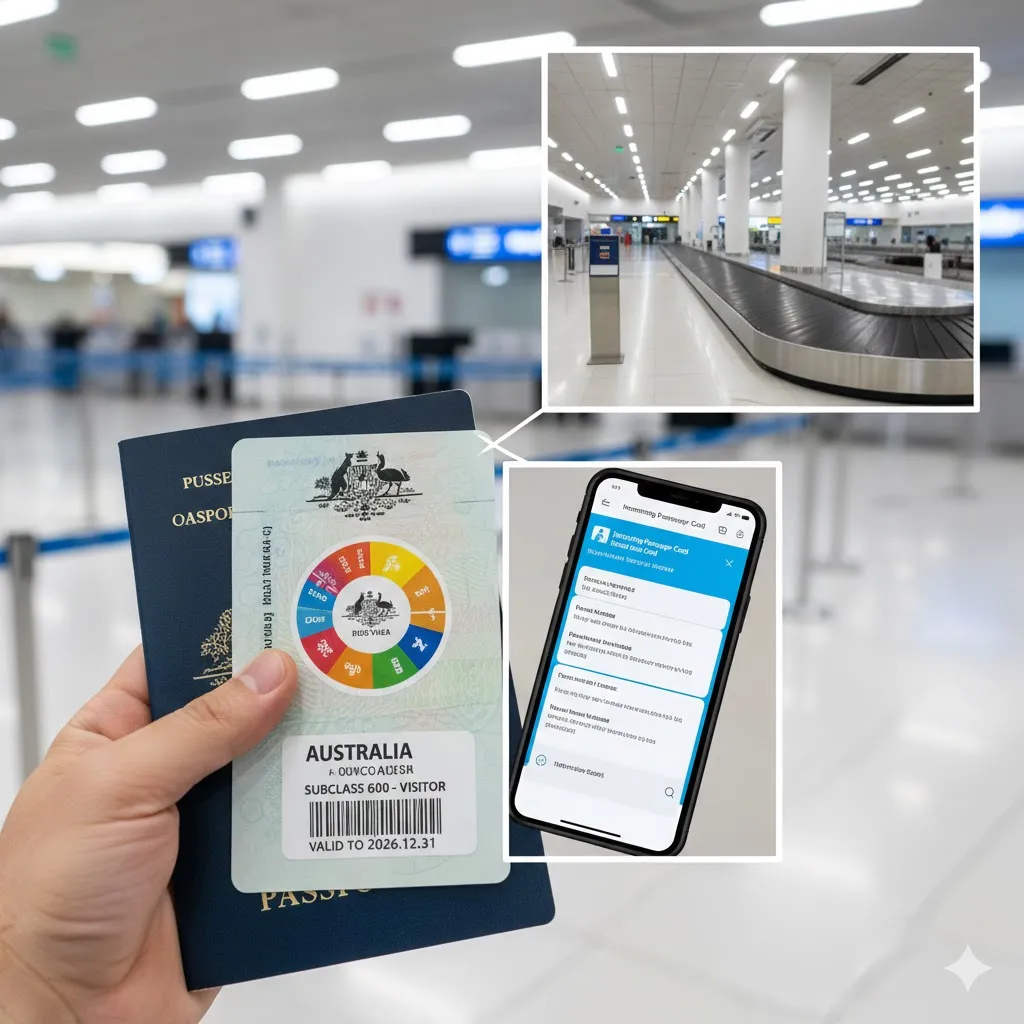
AUSTRALIA VISA REQUIREMENTS 2026: OFFICIAL VISITOR SUBCLASS 600 AND ETA GUIDE
Planning a trip to Australia in 2026? Understanding the country's visa requirements is the essential first step to ensuring a smooth and stress-free journey to this extraordinary island continent. Australia has maintained a well-organized immigration system that balances accessibility for legitimate travelers with robust security measures, and 2026 continues to offer streamlined pathways for visitors through the Electronic Travel Authority (ETA) and Visitor visa (subclass 600) programs.
This comprehensive guide provides everything you need to know about Australia visa requirements in 2026: who qualifies for the ETA versus the Visitor visa subclass 600, step-by-step application instructions for both pathways, required documents, processing times, fees, entry procedures, common pitfalls to avoid, and essential tourist information to ensure your Australian adventure begins on the right foot. Whether you are planning a beach holiday on the Great Barrier Reef, an urban exploration of Sydney and Melbourne, an Outback adventure to Uluru, or a business visit to Australian partners, this guide will help you navigate Australia's immigration requirements with confidence.
Australia, with its unique wildlife, stunning natural landscapes, vibrant multicultural cities, and rich Indigenous heritage, welcomes millions of visitors annually. In 2026, the country continues to enhance its visitor experience through digital innovation while maintaining security and immigration integrity. By understanding and properly following the visa application process, you can focus on what truly matters: experiencing the wonders of this remarkable destination.
UNDERSTANDING AUSTRALIA'S VISA SYSTEM IN 2026
Australia offers several visa options depending on your nationality, purpose of visit, and intended length of stay. In 2026, the primary pathways for most short-term visitors are the Electronic Travel Authority (ETA) and the Visitor visa (subclass 600). Understanding the differences between these options is crucial for selecting the appropriate visa for your travel plans.
Electronic Travel Authority (ETA) - Subclass 601:
The ETA is the most convenient option for eligible travelers visiting Australia for tourism or business purposes. Issued entirely online through the official Australian Government channels, the ETA eliminates the need to submit physical documents or visit an embassy.
Key Features of the ETA:
- Validity: 12 months from date of grant (or until passport expires, whichever comes first)
- Stay Duration: Up to 3 months per visit
- Entry Type: Multiple entries permitted within validity period
- Purpose: Tourism, visiting family or friends, business visitor activities (meetings, conferences, negotiations)
- Processing Time: Typically instant to 24 hours for most applications
- Cost: AUD 20 service charge (plus any app or service provider fees)
- Application: 100% online via official Australian ETA app or authorized service providers
Eligible Nationalities for ETA:
As of 2026, citizens of the following countries are eligible for the ETA:
- United States
- Canada
- United Kingdom
- Singapore
- Japan
- South Korea
- Malaysia
- Brunei
- Hong Kong (SAR passport holders)
Important: Eligibility is based on passport nationality, not residence. You must hold a passport from an eligible country to apply for an ETA.
Visitor Visa (Subclass 600):
The Visitor visa subclass 600 is required for travelers who:
- Are not eligible for an ETA
- Wish to stay in Australia for longer than 3 months per visit
- Plan to visit for purposes not covered by the ETA (such as certain business activities, medical treatment, or sponsored family visits)
- Require a visa with specific conditions or longer validity
Key Features of Subclass 600 Visitor Visa:
- Validity: Varies by stream - typically 12 months, but can be up to 3, 5, or 10 years for frequent travelers
- Stay Duration: Usually 3, 6, or 12 months per visit, depending on the stream and individual assessment
- Entry Type: Single or multiple entries, depending on grant conditions
- Purpose: Tourism, business visitor activities, visiting family, medical treatment, or sponsored family visits
- Processing Time: Varies by stream and individual circumstances - typically 15-30 days for tourist stream, longer for other streams
- Cost: Varies by stream and location - typically AUD 145-1,085 for tourist stream from outside Australia
- Application: Online via ImmiAccount portal or through paper application in limited circumstances
Streams within Subclass 600:
- Tourist stream: For holidays, recreation, or visiting family and friends
- Business Visitor stream: For short-term business activities not involving work
- Sponsored Family stream: For visiting family members who sponsor your visit
- Approved Destination Status stream: For organized tour groups from certain countries
- Medical Treatment stream: For receiving medical care in Australia
Which Visa Do You Need?
For most US citizens visiting Australia for tourism or standard business purposes for stays of 3 months or less, the ETA is the appropriate and most convenient option. You should apply for the Visitor visa subclass 600 if:
- You plan to stay longer than 3 months per visit
- You are not a citizen of an ETA-eligible country
- You plan to engage in activities not permitted under the ETA (such as certain types of business work)
- You have specific circumstances requiring individual assessment (such as health or character considerations)
Important: Holding a visa does not guarantee entry to Australia. Border officials make the final determination on entry at the port of arrival.
OFFICIAL ETA APPLICATION: STEP-BY-STEP GUIDE FOR 2026
Applying for an Australian ETA in 2026 is straightforward when you follow the official process. Here is your complete step-by-step guide:
Step 1: Verify Eligibility and Prepare Information
Before starting your application, ensure you have:
- Valid passport from an ETA-eligible country, valid for at least 6 months beyond your intended stay
- Valid email address for receiving confirmation
- Credit or debit card for payment (Visa, Mastercard, American Express, JCB, or Diners Club)
- Travel plans including intended dates of travel and purpose of visit
- Personal information exactly as it appears in your passport
Step 2: Access the Official Application Channel
The Australian Government offers two official channels for ETA applications:
Option A: Australian ETA Mobile App (Recommended)
- Download the official "Australian ETA" app from the Apple App Store or Google Play Store
- Verify the app is published by the Australian Department of Home Affairs
- The app is available in multiple languages and guides you through the application process
Option B: Authorized Service Providers
- Certain airlines and travel service providers are authorized to process ETA applications on behalf of the Australian Government
- If using a third party, verify they are officially authorized and understand any additional service fees they may charge
Warning: Only use official government channels or authorized service providers. Unofficial websites may charge excessive fees or compromise your personal information.
Step 3: Complete the Application Form
The ETA application requires the following information:
- Personal details: Full name, date of birth, place of birth, gender, nationality exactly as in passport
- Passport details: Passport number, country of issue, issue date, expiry date
- Contact information: Email address, phone number, residential address
- Travel information: Intended dates of travel, purpose of visit, address of first night's accommodation in Australia
- Health and character declarations: Answer questions about criminal history, tuberculosis, and other health or character matters
Critical Tip: Enter all information exactly as it appears in your passport. Even minor discrepancies (such as a middle name included in one place but not another) can cause delays or denial.
Step 4: Review and Submit Application
Carefully review all entered information before submission. Once submitted, applications cannot be edited. You will receive an application reference number for tracking purposes.
Step 5: Pay the Application Charge
Proceed to payment and pay the AUD 20 service charge using a valid credit or debit card. If using an authorized service provider, additional service fees may apply. Keep the payment confirmation for your records.
Step 6: Receive ETA Grant Notification
Most ETA applications are processed instantly or within 24 hours. You will receive an email confirmation when your ETA is granted. The ETA is electronically linked to your passport number; you will not receive a physical visa label or document.
Important: Print or save a copy of your grant notification for your records and to present to airlines if requested. While the ETA is electronically linked to your passport, having documentation can facilitate check-in and boarding.
Step 7: Verify ETA Details
Carefully check that all information on your grant notification matches your passport exactly. If you find any errors, contact the Australian Department of Home Affairs immediately through official channels before traveling.
VISITOR VISA SUBCLASS 600 APPLICATION: STEP-BY-STEP GUIDE
For travelers requiring the Visitor visa subclass 600, the application process is more detailed but still manageable when approached systematically.
Step 1: Determine the Appropriate Stream
Select the stream that matches your purpose of travel:
- Tourist stream: For holidays, visiting family or friends, or recreational activities
- Business Visitor stream: For attending meetings, conferences, or negotiations (not working)
- Sponsored Family stream: For visiting family members who will sponsor your visit
- Medical Treatment stream: For receiving medical care in Australia
Step 2: Create an ImmiAccount
All subclass 600 applications are submitted online through the Australian Government's ImmiAccount portal:
- Visit the official Department of Home Affairs website: homeaffairs.gov.au
- Create an ImmiAccount using a valid email address
- Verify your account through the confirmation email
Step 3: Gather Required Documents
Required documents vary by stream and individual circumstances but typically include:
- Passport biodata page: Clear color scan of the page with your photo and personal details
- Passport-style photograph: Recent photo meeting Australian specifications (45mm x 35mm, white background)
- Proof of financial capacity: Bank statements, payslips, or sponsorship letters demonstrating ability to support yourself during your stay
- Travel itinerary: Flight reservations (not necessarily ticketed), accommodation bookings, or invitation letters
- Purpose of visit documentation: For tourism, a brief statement of plans; for business, invitation letters from Australian organizations; for family visits, invitation letters and proof of relationship
- Health insurance: Evidence of adequate health insurance for the duration of your stay (strongly recommended and required for some streams)
- Character documents: Police certificates if requested or if you have a criminal history
Step 4: Complete the Online Application Form
Log in to your ImmiAccount and select "Visitor visa (subclass 600)." Complete all sections of the form:
- Personal details: Name, date of birth, place of birth, gender, nationality
- Passport details: Passport number, country, issue and expiry dates
- Contact information: Address, phone, email
- Travel plans: Intended dates, purpose, addresses in Australia
- Health declarations: Questions about tuberculosis, medical treatment, and health insurance
- Character declarations: Questions about criminal history and previous visa refusals
- Additional information: Any other relevant details about your circumstances
Step 5: Upload Supporting Documents
Upload all required documents in the specified formats (typically PDF, JPG, or PNG) and within size limits (usually under 5MB per file). Ensure documents are clear, legible, and in English or accompanied by certified translations.
Step 6: Pay the Visa Application Charge
Pay the applicable visa application charge using a credit or debit card. Fees vary by stream and location:
- Tourist stream (outside Australia): Typically AUD 145
- Business Visitor stream: Typically AUD 145
- Sponsored Family stream: Typically AUD 145 plus potential security bond
- Medical Treatment stream: Typically AUD 145-320
Note: Fees are subject to change; verify current amounts on the official website before applying.
Step 7: Submit and Track Application
After reviewing all information and confirming payment, submit your application. You will receive a Transaction Reference Number (TRN) for tracking purposes. Monitor your ImmiAccount and email for updates on your application status.
Step 8: Respond to Requests for Additional Information
Processing times vary, and case officers may request additional information or documentation. Respond promptly and thoroughly to any requests to avoid delays.
Step 9: Receive Visa Grant Notification
When your visa is granted, you will receive a grant notification letter via email and in your ImmiAccount. This letter contains your visa grant number, conditions, validity period, and stay duration. Print or save this document for your records and to present to airlines and border officials if requested.
Important: The subclass 600 visa is electronically linked to your passport. You will not receive a physical visa label unless specifically requested and justified.
ENTRY PROCEDURES AND BORDER ARRIVAL
Understanding what to expect upon arrival in Australia helps ensure a smooth entry experience.
Authorized Entry Points:
Your ETA or subclass 600 visa is valid for entry through any Australian international airport or seaport. Major entry points include:
- Sydney Kingsford Smith Airport (SYD)
- Melbourne Airport (MEL)
- Brisbane Airport (BNE)
- Perth Airport (PER)
- Adelaide Airport (ADL)
- Cairns Airport (CNS)
- Gold Coast Airport (OOL)
- Darwin International Airport (DRW)
- International cruise terminals in Sydney, Brisbane, Perth, and other ports
Arrival Process:
1. Disembark and Follow Signs: After exiting the aircraft or vessel, follow signs for "Arrivals" and "Passport Control."
2. Prepare Documents: Have ready:
- Valid passport with ETA or subclass 600 visa
- Incoming Passenger Card (provided on aircraft or vessel, or available at border)
- Return or onward ticket
- Evidence of accommodation and sufficient funds (may be requested)
3. Passport Control: Present your passport to the border officer. For ETA holders, automated SmartGate kiosks may be available for eligible passport holders, allowing self-service passport control using facial recognition technology.
4. Answer Questions: Border officers may ask about your purpose of visit, intended length of stay, accommodation, and funds. Answer honestly and concisely.
5. Biometric Collection: Some travelers may be asked to provide fingerprints or facial images as part of identity verification.
6. Receive Entry Stamp: Once approved, the officer will stamp your passport with an entry stamp indicating your date of arrival. For electronic visas, no visa label is placed in your passport.
7. Collect Baggage and Clear Customs: Proceed to baggage claim, then through customs. Declare any items as required by Australian law.
Tips for Smooth Entry:
- Arrive with all documents organized and easily accessible
- Complete the Incoming Passenger Card accurately and legibly
- Answer border officer questions truthfully and directly
- Declare all items as required; penalties for non-declaration can be severe
- Allow sufficient time for border processing, especially during peak arrival periods
VISA CONDITIONS AND COMPLIANCE
Understanding and complying with your visa conditions is essential for maintaining lawful status in Australia and ensuring future travel opportunities.
Common Visa Conditions:
8101 - No Work:
- You must not engage in work in Australia. "Work" is defined as any activity that would normally attract remuneration in Australia.
- Limited volunteer work may be permitted if it is genuinely voluntary, for a non-profit organization, and does not displace paid Australian workers.
8201 - Maximum Three Months Study:
- You may undertake study or training for no more than three months.
8503 - No Further Stay:
- If this condition is applied, you cannot apply for most other visas while in Australia. You must leave Australia before your visa expires to apply for another visa.
8558 - Must Not Stay More Than 12 Months in 18 Months:
- You must not stay in Australia for more than 12 months in any 18-month period. This condition applies to some multiple-entry visas.
8607 - Work Limitations for Business Visitor Stream:
- Specific restrictions on business activities; you cannot undertake work that provides services to an Australian organization or receives payment from an Australian source.
Checking Your Visa Conditions:
You can check your visa details and conditions at any time using the Visa Entitlement Verification Online (VEVO) service:
- Visit the official VEVO website: homeaffairs.gov.au/vevo
- Enter your visa grant number, passport details, and date of birth
- VEVO provides your visa status, conditions, and expiry details
Maintaining Compliance:
- Do not work in violation of your visa conditions
- Do not overstay your visa; depart Australia before your visa expires or apply for a different visa if eligible
- Notify the Department of Home Affairs of any change in passport details, contact information, or circumstances
- Comply with all Australian laws and regulations
Consequences of Non-Compliance:
Violating visa conditions can result in:
- Visa cancellation
- Detention and removal from Australia
- Exclusion periods preventing future visa grants
- Difficulty obtaining visas for other countries
EXTENSIONS AND FUTURE TRAVEL
Understanding your options for extending your stay or planning future visits to Australia.
Extending Your Stay:
ETA (Subclass 601):
- The ETA cannot be extended. If you wish to stay longer than 3 months, you must apply for a different visa (such as subclass 600) before your current stay expires.
- You may leave and re-enter Australia on the same ETA if it remains valid and you have not exceeded the 3-month stay limit per visit.
Visitor Visa (Subclass 600):
- In limited circumstances, you may apply to extend your stay by applying for a further Visitor visa before your current visa expires.
- Applications for extension are assessed on individual merits and are not guaranteed.
- If your visa has a "No Further Stay" condition (8503), you generally cannot apply for most other visas while in Australia and must depart to apply for a new visa.
Planning Future Visits:
Both the ETA and subclass 600 visa can be used for multiple entries within their validity periods:
- ETA: Valid for 12 months with unlimited entries of up to 3 months each
- Subclass 600: Validity and entry conditions vary by grant; check your specific visa grant letter
If you plan to visit Australia frequently, consider applying for a subclass 600 visa with longer validity (up to 10 years for eligible passport holders), which allows multiple entries of up to 3 months per visit over the validity period.
COMMON ISSUES AND TROUBLESHOOTING
Even with careful preparation, applicants may encounter challenges. Here is how to address common issues:
Application Rejection or Delay:
Possible reasons for ETA issues:
- Passport not from an eligible country
- Passport validity less than 6 months
- Data entry errors or mismatches with passport
- Previous immigration violations or character concerns
- System errors or technical issues
If your ETA application is not granted instantly:
- Check your email (including spam folder) for requests for additional information
- Verify all entered information matches your passport exactly
- Contact the Australian Department of Home Affairs through official channels if you believe there is an error
Possible reasons for subclass 600 delays or refusal:
- Incomplete or insufficient documentation
- Failure to demonstrate genuine temporary stay intention
- Insufficient financial capacity
- Health or character concerns
- Previous visa cancellations or immigration violations
If your subclass 600 application is delayed:
- Monitor your ImmiAccount for status updates
- Respond promptly to any requests for additional information
- Allow sufficient processing time before your intended travel dates
If your application is refused:
- Review the refusal letter for specific reasons
- You may have review rights depending on the visa stream and circumstances
- Consider addressing the refusal reasons before reapplying
Lost Grant Notification or Reference Numbers:
If you lose your ETA grant notification or subclass 600 grant letter:
- For ETA: Use the Australian ETA app or contact the Department of Home Affairs to retrieve your details using your passport information
- For subclass 600: Log in to your ImmiAccount to access your grant letter, or contact the Department with your TRN and personal details
- Always save digital copies of grant notifications in cloud storage and email them to yourself as backup
Passport Renewal After Visa Grant:
If you renew your passport after receiving an ETA or subclass 600 visa:
- The visa is linked to the passport number used in the application
- You must travel on the passport associated with your visa, or apply for a new visa linked to your new passport
- Carry both old and new passports when traveling if your visa is in the old passport
Health and Character Requirements:
Health Requirements:
- Most short-term visitor visa applicants are not required to undergo medical examinations
- You may be asked to undergo a health examination if you plan to stay longer than 3 months, have spent time in high-risk countries, or have health conditions that may require treatment in Australia
- Adequate health insurance is strongly recommended for all visitors and required for some visa streams
Character Requirements:
- You must declare any criminal history in your application
- Substantial criminal records may result in visa refusal under Australia's character test
- If you have a criminal history, consider seeking advice before applying
PRACTICAL TIPS FOR AUSTRALIA TRAVEL IN 2026
Beyond visa requirements, these practical tips will help ensure a smooth and enjoyable Australian experience.
Before You Travel:
- Check passport validity: Ensure your passport is valid for at least 6 months beyond your intended departure from Australia
- Purchase travel insurance: Comprehensive coverage including medical emergencies, evacuation, and trip interruption is strongly recommended
- Research Australian customs regulations: Australia has strict biosecurity laws; declare all food, plant, and animal products upon arrival
- Download useful apps: Australian ETA app, VEVO for visa checks, and travel planning apps
- Register with your embassy: Consider enrolling in your country's traveler registration program for safety updates
Upon Arrival:
- Complete the Incoming Passenger Card accurately: Declare all items as required; penalties for non-declaration can include fines and prosecution
- Have accommodation details ready: Border officers may ask where you will stay
- Carry evidence of onward travel: Return or onward tickets may be requested
- Exchange currency: While credit cards are widely accepted, having some Australian dollars is useful for small purchases
While in Australia:
- Carry identification: Keep a copy of your passport and visa grant notification with you; leave originals in secure accommodation
- Respect visa conditions: Do not work in violation of your visa; do not overstay
- Stay informed about local conditions: Monitor weather, bushfire, and travel advisories, especially in regional areas
- Emergency numbers: Dial 000 for police, fire, or ambulance emergencies
FREQUENTLY ASKED QUESTIONS
Q: Can I apply for an ETA if I have a criminal record?
A: You may still be eligible for an ETA depending on the nature and severity of your criminal history. The application includes character questions; answer honestly. If you have substantial criminal records, you may be referred for manual assessment or required to apply for a subclass 600 visa instead.
Q: Do children need their own ETA or visa?
A: Yes. Every traveler, regardless of age, must have their own valid visa or ETA. Parents or guardians can apply on behalf of children using the official channels.
Q: Can I work in Australia on an ETA or Visitor visa?
A: No. Both the ETA and subclass 600 Visitor visa prohibit work in Australia. "Work" includes any activity that would normally attract remuneration. Limited volunteer work may be permitted under specific conditions.
Q: What if my flight is delayed and I enter Australia after my intended date?
A: Your ETA or subclass 600 visa is valid for entry within its validity period. As long as you enter before the visa expires, your actual entry date can differ from your intended date. However, your permitted stay duration is calculated from your actual date of entry.
Q: Can I study in Australia on an ETA or Visitor visa?
A: You may undertake short-term study or training for no more than three months. For longer courses, you must apply for a student visa.
Q: What happens if I overstay my visa?
A: Overstaying is a serious offense that can result in detention, removal, exclusion periods, and difficulty obtaining future visas. Depart Australia before your visa expires or apply for a further visa if eligible.
Q: Can I apply for an ETA from within Australia?
A: No. ETA applications must be made from outside Australia. If you are already in Australia and need to extend your stay, you must apply for a different visa through ImmiAccount.
Q: How do I check my visa status and conditions?
A: Use the Visa Entitlement Verification Online (VEVO) service at homeaffairs.gov.au/vevo. You will need your visa grant number, passport details, and date of birth.
CONCLUSION: YOUR GATEWAY TO AUSTRALIA AWAITS
Navigating Australia's visa requirements in 2026 is straightforward when you understand the options and follow the official processes. Whether you apply for the convenient Electronic Travel Authority or the more flexible Visitor visa subclass 600, proper preparation ensures your journey to Australia begins smoothly.
Australia offers extraordinary experiences for every traveler: from snorkeling the Great Barrier Reef and witnessing Uluru at sunset, to exploring the laneways of Melbourne and the harbor of Sydney, to encountering unique wildlife and engaging with the world's oldest living culture. Your valid visa is the key that unlocks this remarkable destination.
As you prepare for your Australian adventure, remember that respect for local laws, customs, and the environment enhances not only your experience but also the welcome you receive. Comply with your visa conditions, declare items as required at customs, and travel with an open mind and heart. Australia's legendary hospitality awaits those who come prepared and respectful.
Apply for your ETA or Visitor visa today, pack your sense of adventure, and get ready to discover why Australia continues to captivate travelers from around the world. From the moment your visa is granted to the day you depart with memories that will last a lifetime, your Australian journey promises to be extraordinary.
Useful Resources:
- Australian Department of Home Affairs: homeaffairs.gov.au
- ETA Application (Official App): Search "Australian ETA" in app stores
- ImmiAccount Portal: online.immi.gov.au
- Visa Entitlement Verification Online (VEVO): homeaffairs.gov.au/vevo
- Australian Customs and Biosecurity: abf.gov.au
- Emergency Services: Dial 000 in Australia
Disclaimer: Visa policies, fees, and procedures are subject to change. Always verify current requirements through official Australian Government channels before finalizing travel plans. This guide is for informational purposes only and does not constitute legal or immigration advice.
0 Comments