.webp)
.webp)
10 Day Papua New Guinea Itinerary From Highlands to Islands
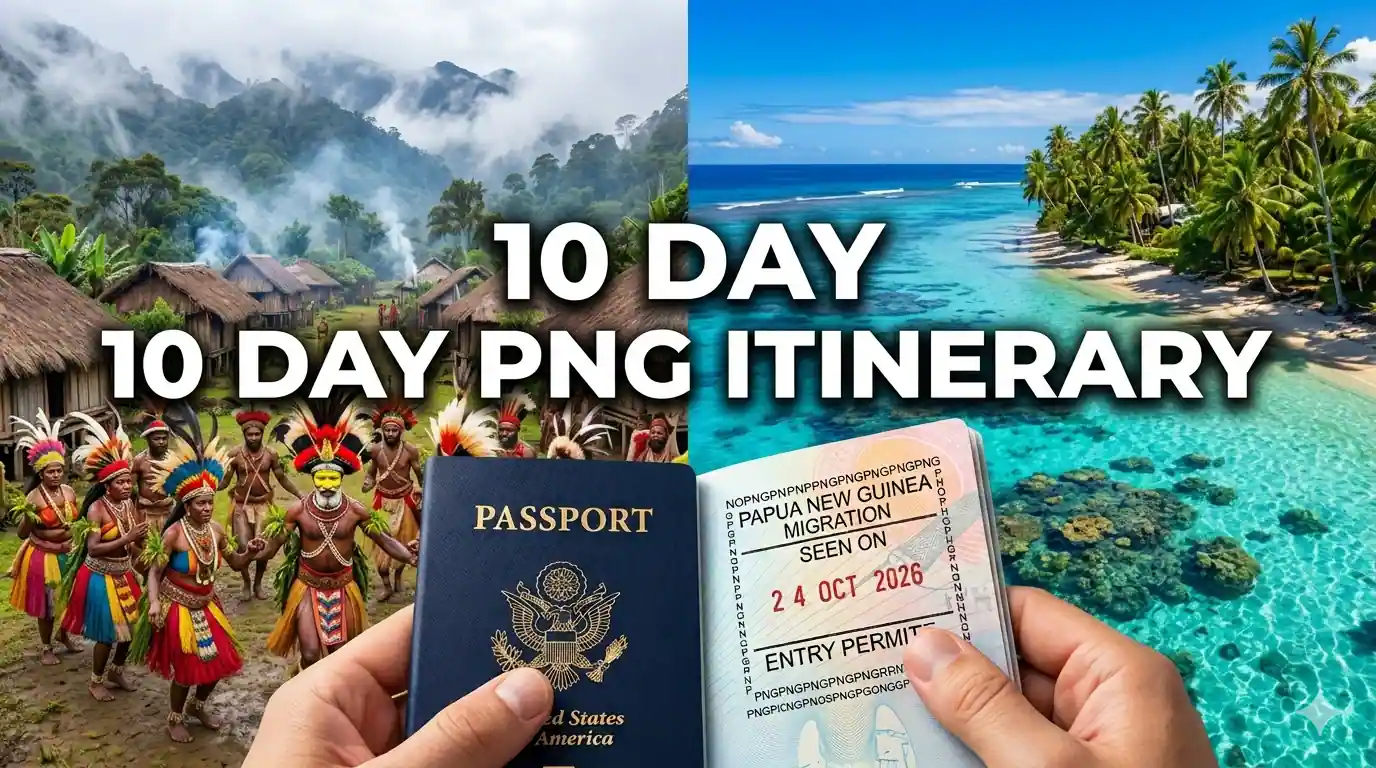
10 Day Papua New Guinea Itinerary From Highlands to Islands
Papua New Guinea offers one of the world's most extraordinary travel experiences, combining ancient highland cultures with pristine tropical islands in a journey that spans from misty mountain villages to crystal-clear coral reefs. This comprehensive 10-day itinerary takes you from the cultural heart of the highlands through traditional villages and spectacular festivals to the world-class diving and pristine beaches of Papua New Guinea's island regions. Designed for first-time visitors and adventure seekers, this balanced itinerary maximizes your time while showcasing the remarkable diversity that makes Papua New Guinea unique.
Whether you are drawn to witnessing traditional sing-sing ceremonies in remote highland villages, trekking through cloud forests, diving with sharks and rays in untouched reefs, or simply experiencing cultures that have maintained their ancient customs for thousands of years, this 10-day journey delivers unforgettable experiences. The itinerary balances cultural immersion, natural wonders, adventure activities, and relaxation while accounting for Papua New Guinea's logistical challenges and travel realities.
Why Choose This 10 Day Papua New Guinea Itinerary
This carefully crafted 10-day Papua New Guinea itinerary balances the country's two most compelling regions: the culturally rich highlands and the pristine island environments. The route flows logically from Port Moresby arrival through highland cultural experiences to island relaxation and diving, minimizing backtracking while maximizing diverse experiences. You will spend four days exploring highland villages and cultural sites, four days experiencing island life and world-class diving, and two days for arrival, departure, and Port Moresby exploration.
The itinerary is designed for travelers who want to experience Papua New Guinea's highlights without feeling rushed. Each destination receives adequate time for meaningful exploration while maintaining variety and preventing travel fatigue. The mix of highland culture and island paradise showcases Papua New Guinea's remarkable geographic and cultural diversity within a manageable timeframe that fits typical vacation schedules.
What Makes Papua New Guinea Perfect for 10 Days
Ten days provides sufficient time to experience both Papua New Guinea's highland and island regions without the exhaustion of constant movement. Unlike shorter trips that force you to choose between mountains or beaches, this itinerary delivers both, giving you a comprehensive introduction to the country's diversity. The duration allows for 2 to 3 nights in each major destination, providing time for multiple activities, cultural immersion, and unexpected discoveries that inevitably occur in Papua New Guinea.
The itinerary accounts for Papua New Guinea's travel realities including domestic flight schedules, weather considerations, and the need for flexibility. By building in buffer time and focusing on accessible destinations with reliable transportation connections, the plan minimizes stress while maximizing experiences. This approach ensures you spend your time enjoying Papua New Guinea rather than worrying about logistics.
Day 1: Arrival in Port Moresby and Orientation

Your Papua New Guinea adventure begins with arrival at Port Moresby's Jacksons International Airport, where you will be introduced to the country's unique blend of modern urban life and traditional Melanesian culture. Port Moresby serves as the nation's capital and primary gateway, offering your first glimpses of Papua New Guinea's extraordinary diversity. After clearing immigration and customs, which can take 30 to 60 minutes, you will transfer to your hotel to rest and acclimate.
Spend your first afternoon settling in and adjusting to the tropical climate. Port Moresby sits on the shores of the Gulf of Papua with a population of around 400,000, making it the country's largest city. The urban landscape contrasts sharply with the traditional villages you will encounter in coming days, providing important context for understanding Papua New Guinea's rapid modernization alongside preserved traditions.
Day 1 Afternoon: Hotel Check-in and Rest
Check into your hotel and take time to rest after your journey. Port Moresby accommodations range from international chain hotels to local properties, with recommended options including the Stanley Hotel, Grand Papua Hotel, or Holiday Inn Port Moresby. These properties offer security, comfort, and convenient locations for exploring the city. Use this time to organize your documents, confirm upcoming domestic flights, and prepare for the days ahead.
Take precautions appropriate for Port Moresby: keep valuables secure, avoid displaying expensive items, and use hotel-arranged transportation rather than walking alone. While the city has challenges, staying in reputable accommodations and using common sense ensures safe exploration. Rest is essential as the coming days involve early starts and active exploration.
Day 1 Evening: Welcome Dinner and Safety Briefing
Enjoy a welcome dinner at your hotel restaurant or a reputable establishment like the Lamana Hotel's dining facilities or the Grand Papua's restaurants. These venues offer international and local cuisine in secure environments. Use this evening to review your itinerary, confirm tour arrangements, and attend any safety briefings provided by your tour operator or hotel.
If energy permits and you have arranged guided transportation, consider a brief evening drive through the waterfront area to see Port Moresby's skyline and harbor. However, do not venture out alone after dark. Use this evening to prepare mentally and physically for the cultural immersion awaiting you in the highlands.
Day 2: Port Moresby Cultural Sites and Flight to Highlands

Your second day combines essential Port Moresby cultural experiences with travel to the highlands region. Morning exploration of the capital's key attractions provides context for understanding Papua New Guinea's history and diversity before you journey to experience living cultures in the highlands. This transition from urban capital to traditional highland villages represents one of travel's great contrasts.
After morning sightseeing, you will transfer to the airport for your domestic flight to either Goroka or Mount Hagen, the two primary highland gateways. The flight takes approximately 60 to 75 minutes and offers spectacular aerial views of Papua New Guinea's dramatic mountain landscapes, deep valleys, and remote villages accessible only by air. This journey marks your entry into the cultural heartland of Papua New Guinea.
Day 2 Morning: National Museum and Art Gallery
Begin your day with a visit to the Papua New Guinea National Museum and Art Gallery, the country's premier cultural institution. The museum houses extraordinary collections of traditional artifacts including ceremonial masks, carved wooden figures, traditional weapons, shell money, and contemporary Papua New Guinean art. Knowledgeable guides provide context for understanding the cultural significance of displayed items and the diversity of the country's 800 plus language groups.
Pay special attention to exhibits on highland cultures, as these will enhance your appreciation of the villages you visit in coming days. The museum's collection of ceremonial objects from Goroka, Mount Hagen, and surrounding regions provides insight into the sing-sing traditions, initiation ceremonies, and spiritual beliefs you will encounter. Allocate 2 to 3 hours for your museum visit, allowing time for thoughtful observation and questions.
Day 2 Afternoon: Flight to Goroka or Mount Hagen
Transfer to Jacksons International Airport for your domestic flight to the highlands. Airlines PNG and Air Niugini operate multiple daily flights to Goroka and Mount Hagen, though schedules can change and delays occur due to weather. Book flights well in advance and maintain flexible expectations. The aerial journey showcases Papua New Guinea's breathtaking mountain scenery, with volcanic peaks, deep valleys, and traditional villages visible from above.
Upon arrival in Goroka or Mount Hagen, you will immediately notice the cooler climate, with temperatures 10 to 15 degrees cooler than Port Moresby. The highland air is fresh and invigorating after coastal humidity. Transfer to your lodge or hotel, which may range from comfortable tourist facilities to rustic eco-lodges depending on your preferences and budget. Settle in and prepare for intensive cultural exploration beginning the following day.
Day 2 Evening: Highland Lodge and Cultural Orientation
Spend your evening at your highland accommodation, which often features beautiful mountain views, traditional architecture, and opportunities to interact with local staff who can share insights about highland culture and customs. Many lodges organize informal cultural presentations or storytelling sessions in the evening, providing early exposure to highland traditions.
Use this time to review the coming days' activities, prepare appropriate clothing for village visits including modest attire covering shoulders and knees, and ensure you have small gifts or trade items if planning to visit remote villages. Highland evenings can be cool, so have warm layers available. Rest well as early starts and active days characterize highland exploration.
Day 3 and Day 4: Highland Villages and Cultural Immersion

Two full days in the highlands provide deep cultural immersion through village visits, traditional ceremonies, and interactions with communities maintaining ancient customs. The highlands region, whether based in Goroka or Mount Hagen, offers unparalleled opportunities to witness traditional Papua New Guinean life, from agricultural practices centered on sweet potato cultivation to elaborate ceremonial traditions expressed through sing-sing performances.
These days form the cultural heart of your itinerary, offering experiences that fundamentally distinguish Papua New Guinea from any other destination. You will visit traditional villages, meet community members, learn about customs and beliefs, witness traditional crafts and agricultural methods, and potentially participate in cultural activities. The warmth of highland hospitality and the authenticity of cultural preservation create memories that last a lifetime.
Day 3 Morning: Traditional Village Visit
Begin your highland cultural experience with a visit to a traditional village, arranged through reputable tour operators who maintain respectful relationships with communities. Your guide will facilitate introductions and ensure your visit benefits the community while respecting cultural protocols. Village visits typically include welcomes by community leaders, tours of traditional houses and gardens, demonstrations of crafts and daily activities, and opportunities for cultural exchange.
Observe traditional architecture including round men's houses (haus man) and family dwellings constructed from local materials. Learn about sweet potato cultivation, the agricultural foundation of highland life, and see traditional tools and techniques still in use. Watch demonstrations of traditional crafts such as weaving, pottery, or wood carving depending on the specific village's specialties. Always ask permission before photographing people, and be prepared to offer small payments or gifts if requested.
Day 3 Afternoon: Cultural Activities and Craft Workshops
Afternoon activities may include participation in traditional crafts, learning about ceremonial customs, or witnessing traditional music and dance. Some villages offer opportunities to try your hand at weaving, pottery, or traditional cooking methods. Guides explain the cultural significance of various practices, from initiation ceremonies to marriage customs to spiritual beliefs connecting people to land and ancestors.
If visiting during festival season or if special ceremonies are occurring, you may witness traditional sing-sing performances featuring elaborate costumes adorned with feathers, shells, and natural materials. These performances tell stories of tribal history, celebrate important events, and maintain cultural continuity across generations. Even outside festival periods, communities often organize performances for respectful visitors, providing glimpses into this extraordinary cultural tradition.
Day 4: Markets, Museums, and Scenic Highlands
Dedicate your fourth day to exploring highland towns, local markets, and scenic landscapes. Goroka and Mount Hagen both feature vibrant markets where highland communities gather to trade produce, crafts, and goods. These markets offer authentic cultural experiences and photography opportunities while supporting local economies. Purchase fresh tropical fruits, vegetables, and traditional crafts while observing the social dynamics of highland commerce.
Visit local museums or cultural centers if available, such as the Goroka Show Grounds museum or Mount Hagen's cultural facilities, which provide additional context for highland history and traditions. Spend afternoon hours exploring scenic highland landscapes, visiting coffee plantations that produce some of the world's finest organic coffee, or hiking to viewpoints offering panoramic mountain vistas. The highlands' cool climate and stunning scenery provide a refreshing contrast to coastal regions.
Day 4 Evening: Farewell to Highlands
Spend your final highland evening reflecting on cultural experiences, purchasing final souvenirs, and preparing for the next day's journey to island destinations. Many travelers find the highlands experience profoundly moving, offering insights into human diversity and cultural preservation rarely encountered in the modern world. Use this evening to journal, organize photographs, and process the extraordinary experiences of the preceding days.
Confirm your morning flight arrangements, pack appropriately for coastal climates, and rest well. The transition from highland coolness to tropical island warmth awaits, showcasing another facet of Papua New Guinea's remarkable diversity.
Day 5: Flight to Island Paradise and Coastal Exploration

Day five marks your transition from highland culture to island paradise as you travel from Goroka or Mount Hagen to Papua New Guinea's stunning island regions. This journey takes you from mountain mist to tropical sunshine, from traditional villages to pristine beaches and coral reefs. The contrast could not be more dramatic, yet both regions equally represent the authentic Papua New Guinea experience.
Island destinations include Milne Bay Province with its world-class diving and the Trobriand Islands, or coastal areas accessible from Port Moresby. This itinerary focuses on Milne Bay for its exceptional marine environments and cultural diversity, though alternative island destinations can be substituted based on flight availability and personal interests. The journey requires returning to Port Moresby for connections or taking direct flights if available.
Day 5 Morning: Return Flight and Transfer
Depart the highlands on morning flights back to Port Moresby, where you will connect to island destinations. Domestic flight schedules in Papua New Guinea require flexibility, as delays due to weather or operational issues are common. Build buffer time into your plans and maintain patience when inevitable delays occur. The aerial views during these flights showcase Papua New Guinea's incredible geographic diversity, from volcanic peaks to coral atolls.
Upon arrival in Port Moresby, transfer directly to your connecting flight to island destinations or, if flights require overnight connections, check into a Port Moresby hotel for an additional night. Direct flights to Alotau in Milne Bay Province take approximately 75 minutes and operate several times weekly. Book these flights well in advance as capacity is limited and demand is high during peak travel seasons.
Day 5 Afternoon: Arrival in Milne Bay and Island Transfer
Arrive in Alotau, the capital of Milne Bay Province, situated on the shores of Milne Bay itself. This region played a crucial role in World War II's Pacific campaign and today serves as the gateway to some of the world's premier diving destinations and culturally rich islands. After clearing the small airport, transfer to your island accommodation via boat or arrange overnight stay in Alotau before island transfer the following morning.
Many visitors choose to stay at island resorts or liveaboard dive boats that provide direct access to Milne Bay's extraordinary marine environments. Popular options include Loloata Island Resort, Tufi Resort accessible by boat, or liveaboard vessels exploring remote reefs. These accommodations range from comfortable to luxurious, all offering stunning natural settings and access to world-class diving and snorkeling.
Day 5 Evening: Island Orientation and Sunset
Spend your first island evening settling into accommodation, enjoying welcome drinks, and watching spectacular Pacific sunsets from your resort or boat. Milne Bay's sunsets rank among the world's most beautiful, with vibrant colors reflecting off calm waters. Use this time to attend safety briefings, receive diving certifications if planning underwater activities, and meet fellow travelers and local staff.
Evening meals at island accommodations typically feature fresh seafood, tropical fruits, and a mix of international and local cuisine. The relaxed island atmosphere provides a stark contrast to highland formality and urban Port Moresby, allowing you to unwind while anticipating the marine adventures ahead.
Day 6 and Day 7: World-Class Diving and Island Culture

Two full days dedicated to exploring Milne Bay's extraordinary marine environments and island cultures provide the perfect counterpoint to your highland cultural immersion. Milne Bay offers some of the planet's most pristine coral reefs, extraordinary marine biodiversity including over 2,000 fish species and 400 coral species, and historically significant World War II wrecks. Beyond underwater wonders, the region's islands maintain unique cultural traditions distinct from highland customs.
Whether you are an experienced diver, beginner snorkeler, or simply someone who appreciates natural beauty, Milne Bay delivers unforgettable experiences. The region's remote location has protected its marine environments from the degradation affecting many tropical destinations, preserving ecosystems in remarkably pristine condition. These two days balance underwater exploration with island cultural experiences and beach relaxation.
Day 6 Morning: First Dive or Snorkel Adventure
Begin your marine exploration with your first dive or snorkel experience in Milne Bay's crystal-clear waters. Dive operators provide equipment, safety briefings, and expert guides who know the best sites and can accommodate various skill levels. Popular dive sites include the Coral Gardens with spectacular hard and soft corals, the WWII wrecks offering historical intrigue and artificial reef ecosystems, and reef walls dropping dramatically into the blue.
Even non-divers can enjoy extraordinary snorkeling in Milne Bay's shallow reefs, where visibility often exceeds 100 feet and marine life abounds. Snorkel directly from many beaches or join boat trips to specific sites. Expect to encounter colorful reef fish, sea turtles, rays, and if lucky, reef sharks. The marine biodiversity rivals the Great Barrier Reef but with a fraction of the crowds.
Day 6 Afternoon: Island Village and Beach Time
Afternoon activities might include visiting traditional island villages where customs differ markedly from highland traditions. Coastal and island communities often maintain matrilineal social structures, distinct languages, and unique artistic traditions including elaborate wood carving and shell money production. The Trobriand Islands, accessible from Milne Bay, are famous as the "Islands of Love" with distinctive courtship customs and traditional yam cultivation ceremonies.
Balance cultural exploration with beach relaxation on pristine white-sand beaches backed by coconut palms. Milne Bay's beaches remain largely undeveloped and uncrowded, offering peaceful settings for swimming, reading, or simply contemplating the natural beauty surrounding you. The contrast between active morning exploration and lazy afternoon relaxation creates perfect island rhythm.
Day 7: Advanced Diving or Island Hopping
Dedicate your second full island day to more advanced diving at remote sites or island hopping to explore multiple locations. Liveaboard dive boats can reach distant reefs and atolls inaccessible from shore-based operations, encountering pelagic species including sharks, barracuda, and tuna in addition to reef inhabitants. Multi-dive days allow you to explore different sites, each with unique characteristics and marine communities.
Alternatively, island hopping by boat lets you visit multiple islands, each with distinct character, beaches, and snorkeling opportunities. Swim in secluded coves, picnic on uninhabited islands, and discover hidden beaches known only to locals. Island hopping provides variety and adventure while showcasing the archipelago's geographic diversity. Guides can arrange visits to traditional villages, historical sites from World War II, or simply the most beautiful natural settings.
Day 7 Evening: Farewell Island Dinner
Celebrate your final island evening with a special dinner, perhaps a beachside barbecue or seafood feast featuring the day's catch. Many resorts organize traditional cultural performances in the evening, featuring island music, dance, and storytelling that provide insights into coastal Melanesian culture. These performances offer relaxed, entertaining cultural exposure after days of active exploration.
Use this evening to reflect on your island experiences, organize underwater photographs, and prepare for the journey back to Port Moresby. The combination of highland culture and island paradise has showcased Papua New Guinea's extraordinary diversity, creating memories and insights that will last a lifetime.
Day 8: Return to Port Moresby and City Exploration

Day eight brings your return to Port Moresby, completing the circle of your Papua New Guinea journey. The morning flight from Milne Bay provides final aerial views of coral reefs and coastal islands before transitioning back to urban life. This return offers opportunities to explore Port Moresby more thoroughly, purchase souvenirs, and prepare for departure while processing the extraordinary experiences of the preceding week.
With additional time in the capital, you can visit attractions missed on arrival, explore markets for traditional crafts, dine at restaurants showcasing Papua New Guinean cuisine, or simply relax and organize photographs and memories. The contrast between Port Moresby's modernity and the traditional cultures you have witnessed provides important perspective on Papua New Guinea's ongoing negotiation between tradition and modernization.
Day 8 Morning: Flight Back to Port Moresby
Depart your island accommodation on morning flights back to Port Moresby. Allow ample time for boat transfers to Alotau airport if staying on outer islands, as island schedules operate on their own relaxed timelines. The flight back provides opportunities to review photographs, journal about experiences, and mentally prepare for final Papua New Guinea experiences before departure.
Upon arrival in Port Moresby, transfer to your hotel for check-in. Choose accommodation convenient for final-day activities and airport departure the following day. Many travelers opt to stay at the same hotel as their arrival night, creating a sense of journey completion. Settle in, freshen up, and prepare for your final afternoon and evening in Papua New Guinea.
Day 8 Afternoon: Markets and Souvenir Shopping
Spend your final afternoon exploring Port Moresby's markets and shops for traditional crafts and souvenirs. The Boroko Market and other local markets offer authentic Papua New Guinean artifacts including carved wooden figures, traditional masks, shell jewelry, bilum bags (traditional string bags), and contemporary art. Purchasing directly from artisans supports local economies and provides meaningful mementos of your journey.
Practice respectful bargaining, understanding that fair prices support artisan livelihoods. Ask about the cultural significance of items you purchase, as many crafts carry deep symbolic meaning. Reputable shops and hotel gift stores also offer curated selections of traditional and contemporary Papua New Guinean art, often with documentation of artists and cultural context.
Day 8 Evening: Farewell Dinner and Reflection
Celebrate your Papua New Guinea adventure with a farewell dinner at one of Port Moresby's finer restaurants. Establishments like the Lamana Hotel, Grand Papua, or Stanley Hotel offer excellent cuisine combining international standards with local ingredients and flavors. Use this evening to share stories with travel companions, review photographs, and reflect on the profound experiences of the past eight days.
Consider journaling about your favorite moments, cultural insights gained, and how the experience has affected your perspective. The contrast between highland traditions and island paradise, between ancient customs and modern challenges, provides rich material for reflection. Prepare for departure the following day, ensuring all documents, tickets, and souvenirs are organized.
Day 9 and Day 10: Optional Extensions or Departure

Your final days in Papua New Guinea offer flexibility depending on your departure flight schedule and energy levels. If departing on day nine, you will transfer to the airport for your international flight home, carrying memories of extraordinary cultural encounters and natural wonders. If your flight departs on day ten, you have an additional day for optional activities, relaxation, or exploring attractions you may have missed.
Many travelers choose to extend their Papua New Guinea experience beyond the 10-day itinerary, adding time in the highlands for additional village visits, extending island stays for more diving, or exploring other regions like the Sepik River with its famous art and culture. Papua New Guinea rewards extended exploration, and if your schedule allows, consider adding days to fully absorb this remarkable country.
Day 9: Final Exploration or Departure
If departing on day nine, allow ample time for airport transfer, check-in, and departure formalities. Jacksons International Airport recommends arriving 3 hours before international flights. Use final hours for last-minute souvenir purchases, currency exchange, or simply relaxing before the journey home. Reflect on the journey from highland villages to island reefs, from ancient traditions to modern challenges.
If you have an additional day, consider visiting attractions missed earlier such as the Port Moresby Nature Park showcasing native wildlife, additional museum exhibits, or coastal areas around the city. Alternatively, simply relax at your hotel, organize photographs, and prepare mentally and physically for the transition home. Papua New Guinea experiences can be intense and transformative, requiring time for processing.
Day 10: Departure and Journey Home
Your final day marks departure from Papua New Guinea and the beginning of the journey home. Transfer to Jacksons International Airport for your international flight, likely connecting through Brisbane, Singapore, or another Asian hub before reaching the United States. The long journey home provides time to rest, review photographs, and begin integrating your Papua New Guinea experiences into your broader understanding of the world.
As you depart, consider the privilege of witnessing cultures that have maintained their traditions for thousands of years, of exploring pristine natural environments rarely visited by outsiders, and of experiencing the warmth and hospitality of the Papua New Guinean people. These experiences create lasting memories and often inspire return visits to continue exploring this extraordinary country.
Essential Travel Tips for Your 10 Day Papua New Guinea Itinerary

Successfully executing this 10-day Papua New Guinea itinerary requires careful preparation, cultural sensitivity, and practical awareness of the country's unique challenges and opportunities. From visa requirements to health precautions, from packing essentials to cultural protocols, these tips ensure you are prepared for every aspect of your journey.
Papua New Guinea demands more preparation than typical tourist destinations, but the rewards far exceed the effort required. Understanding logistics, respecting cultural differences, and maintaining flexibility creates the foundation for an extraordinary adventure.
Visa and Documentation Requirements
US citizens must obtain a visa to enter Papua New Guinea, available through the e-visa system or visa on arrival. Apply for e-visas at least 2 to 3 weeks before departure through the Immigration and Citizenship Authority website. You will need a valid passport with six months validity beyond your departure date, proof of onward travel, accommodation confirmations, and evidence of sufficient funds. Visa fees range from 50 to 100 USD depending on visa type and duration.
Keep copies of all important documents including passport, visa, travel insurance, flight confirmations, and accommodation bookings in both digital and physical formats. Register with the US Embassy's Smart Traveler Enrollment Program (STEP) for safety updates and emergency assistance. Carry emergency contact numbers including your country's embassy or consulate.
Health Precautions and Vaccinations
Consult a travel medicine specialist 6 to 8 weeks before departure for recommended vaccinations including hepatitis A and B, typhoid, tetanus, and potentially Japanese encephalitis. Malaria prophylaxis is essential for most areas of Papua New Guinea; discuss medication options with your doctor based on your specific itinerary and health history. Bring comprehensive prescription medications as supplies in Papua New Guinea are limited.
Travel insurance with comprehensive medical coverage including medical evacuation is absolutely essential. Medical facilities outside Port Moresby and Lae are extremely limited, and serious injuries or illnesses require evacuation to Australia at costs exceeding 50,000 USD without insurance. Carry a comprehensive first aid kit including treatments for common travel ailments, wound care supplies, and any personal medications.
Packing Essentials for Highlands and Islands
Pack for diverse climates ranging from cool highland temperatures to tropical island heat. Essential items include lightweight, breathable clothing for coastal areas, warm layers for highland evenings, modest attire covering shoulders and knees for village visits, sturdy hiking shoes, sandals for beaches and water activities, rain gear, sun protection including hat, sunglasses, and high-SPF sunscreen, insect repellent with DEET, and waterproof bags for protecting electronics.
Bring quality camera equipment for capturing Papua New Guinea's extraordinary visual richness, with underwater housing or waterproof camera for marine environments. Pack power adapters for Australian-style outlets (Type I), portable power banks for remote areas with limited electricity, and backup batteries. Include small gifts or trade items for village visits if appropriate, though consult your tour operator about cultural protocols.
Conclusion: Your Papua New Guinea Adventure Awaits

This 10-day Papua New Guinea itinerary from highlands to islands provides an exceptional introduction to one of the world's most fascinating and diverse countries. You will witness ancient cultures maintaining traditions unchanged for millennia, explore pristine marine environments teeming with life, trek through spectacular mountain landscapes, and experience hospitality from communities rarely visited by outsiders. The journey challenges assumptions, expands perspectives, and creates memories that last a lifetime.
Papua New Guinea is not an easy destination, requiring preparation, flexibility, and cultural sensitivity. But for travelers seeking authentic experiences far from mass tourism, willing to embrace challenges in exchange for extraordinary rewards, Papua New Guinea delivers like no other place on Earth. The contrast between highland sing-sings and island reefs, between traditional villages and modern cities, between ancient customs and contemporary challenges, provides a complete education in human diversity and natural wonder.
Start planning your Papua New Guinea adventure today by securing visas, booking flights and accommodations well in advance, arranging comprehensive travel insurance, and consulting travel medicine specialists for health preparations. With thoughtful planning and an open mind, your 10-day journey from highlands to islands will transform your understanding of the world and inspire return visits to continue exploring this remarkable nation.
0 Comments