.webp)
.webp)
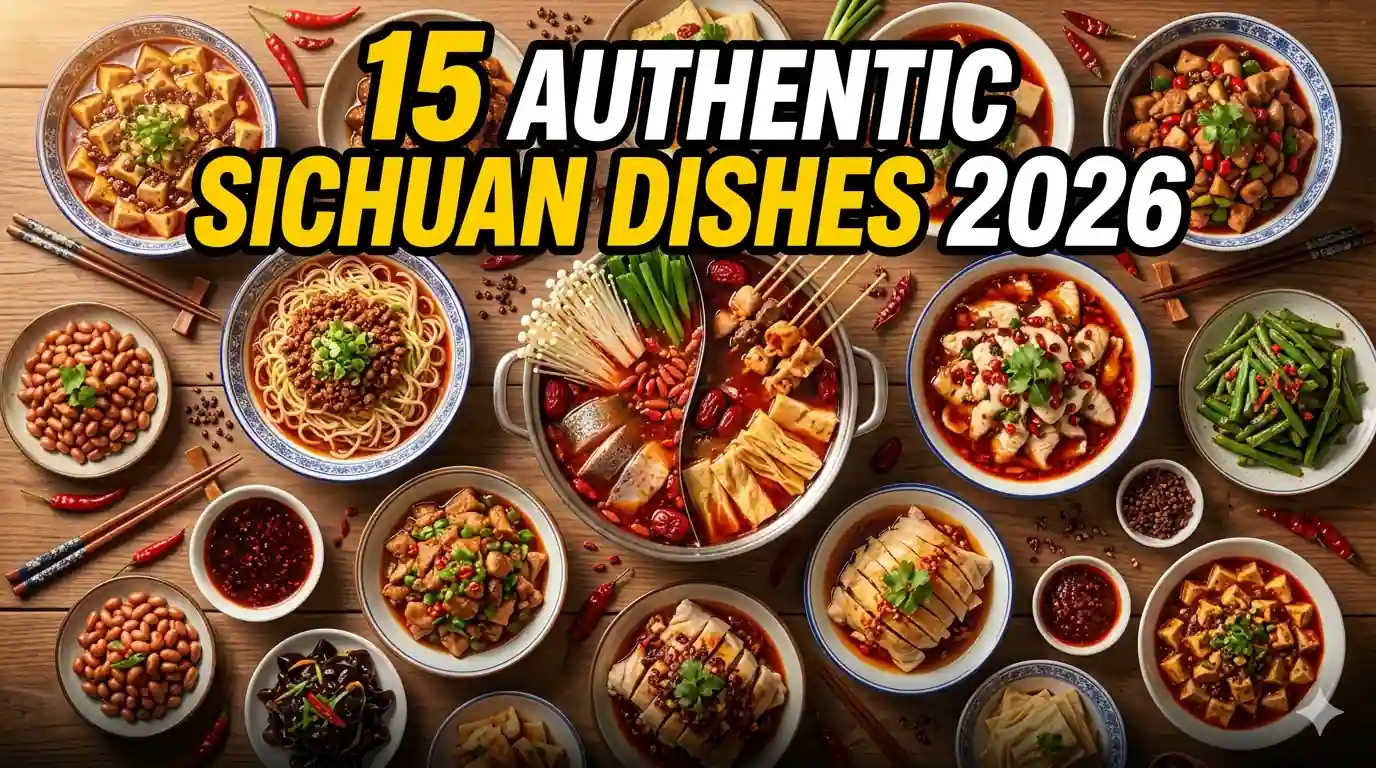
Overview of Authentic Sichuan Cuisine
Sichuan cuisine represents one of China's eight great culinary traditions renowned for bold flavors and the distinctive mala sensation.
This spicy and numbing flavor profile comes from the unique combination of chili peppers and Sichuan peppercorns.
Beyond the internationally famous Kung Pao Chicken lies a rich world of traditional dishes showcasing regional ingredients.
Chengdu designated as UNESCO City of Gastronomy preserves centuries old cooking techniques and flavor combinations.
Understanding authentic Sichuan dishes enhances travel experiences and helps diners navigate menus with confidence.
The Philosophy of Sichuan Cooking
Sichuan cuisine emphasizes complex layering of flavors rather than simple heat and spiciness alone.
Traditional cooking values balance between spicy numbing salty sweet sour and bitter taste elements.
Fresh ingredients sourced from Sichuan's fertile valleys and mountains form the foundation of exceptional dishes.
Time honored techniques like dry frying pickling and smoking create distinctive textures and flavors.
Regional variations exist between Chengdu's refined style and Chongqing's bolder more rustic approach.
Understanding Mala and Sichuan Peppercorns
Mala describes the characteristic numbing and spicy sensation unique to Sichuan cuisine.
Sichuan peppercorns or huajiao create tingling numbing sensation through hydroxy alpha sanshool compound.
These peppercorns differ from black or white pepper belonging to citrus family rather than pepper plants.
Red Sichuan peppercorns provide stronger numbing effect while green varieties offer citrusy aromatic notes.
Proper toasting and grinding techniques maximize flavor release and numbing properties in finished dishes.
Mapo Tofu The Iconic Spicy Bean Curd

Mapo Tofu stands as perhaps the most famous Sichuan dish internationally yet authentic versions differ significantly from Western adaptations.
This dish features silken tofu in fiery sauce made with doubanjiang fermented broad bean paste and ground pork.
The name translates to pockmarked grandmother referring to the Chen family matriarch who created it in 1862.
Authentic Mapo Tofu embodies six key flavors spicy numbing hot sweet salty and fresh with soft tender texture.
Proper preparation requires gentle handling to maintain tofu integrity while achieving proper sauce consistency.
Key Ingredients and Preparation
Pixian doubanjiang provides deep umami foundation with fermented complexity essential to authentic flavor.
Freshly ground Sichuan peppercorns added at end preserve numbing aroma and potency.
Soft silken tofu cut into cubes requires careful cooking to prevent breaking during stir frying.
Garlic ginger and scallions create aromatic base while chili oil adds vibrant red color.
Cornstarch slurry thickens sauce creating glossy coating that clings to tofu cubes.
Where to Find Authentic Mapo Tofu
Chen Mapo Tofu Restaurant in Chengdu claims direct lineage to original creator serving since 1862.
Local neighborhood restaurants often excel at this dish compared to tourist focused establishments.
Look for restaurants displaying whole Sichuan peppercorns and Pixian doubanjiang as quality indicators.
Authentic versions arrive bubbling hot with visible red oil and generous peppercorn presence.
Price typically ranges 28 to 58 yuan depending on restaurant tier and portion size.
Dan Dan Noodles Street Food Classic

Dan Dan Noodles originated as street food carried by vendors using bamboo poles with baskets suspended on either end.
The name dan dan refers to the carrying pole used by early twentieth century street vendors.
These noodles feature chewy wheat noodles topped with spicy sauce preserved vegetables and minced pork.
Traditional preparation involves mixing ingredients tableside allowing diners to customize spice levels.
Modern restaurants serve pre mixed versions though street vendors maintain interactive preparation style.
Essential Components
Hand pulled or fresh wheat noodles provide ideal chewy texture absorbing spicy sesame sauce.
Ya cai preserved mustard greens add salty crunch and distinctive fermented flavor.
Chili oil with sediment provides heat while sesame paste contributes nutty richness.
Ground pork fried until crispy adds protein and textural contrast to soft noodles.
Sichuan peppercorn powder creates signature numbing sensation balancing chili heat.
Ordering and Eating Tips
Request ban la or wei la for mild spice if sensitive to heat though authentic versions pack punch.
Mix thoroughly before eating ensuring sauce distributes evenly throughout noodles.
Slurping acceptable and even encouraged demonstrating enjoyment and cooling noodles simultaneously.
Typical price ranges 15 to 30 yuan making it affordable street food or restaurant appetizer.
Best consumed immediately while hot as noodles continue absorbing sauce and may become soggy.
Twice Cooked Pork Hui Guo Rou

Twice Cooked Pork exemplifies Sichuan resourcefulness transforming leftover boiled pork into flavorful stir fry.
The dish involves first boiling pork belly then slicing and stir frying with vegetables and aromatics.
This technique tenderizes meat while rendering fat creating perfect texture and rich flavor.
Garlic sprouts or Chinese cabbage provide fresh counterpoint to rich fatty pork.
Doubanjiang and sweet bean sauce create complex savory glaze coating each slice.
Cooking Technique and Ingredients
Pork belly boiled with ginger scallion and cooking wine until tender then chilled for easier slicing.
Thin slicing against grain ensures tender bite and maximum surface area for sauce adherence.
High heat stir frying creates slight charring or wok hei adding smoky dimension.
Fat renders during second cooking basting vegetables and creating glossy finish.
Balance of lean and fatty meat essential for authentic texture and flavor profile.
Regional Variations
Chengdu style emphasizes garlic sprouts and slightly sweeter sauce profile.
Chongqing versions often include additional vegetables like green peppers and onions.
Some variations incorporate fermented black beans for deeper umami complexity.
Home cooking adaptations may substitute available vegetables based on season.
Restaurant portions typically 38 to 68 yuan serving two to three people comfortably.
Sichuan Hot Pot The Communal Dining Experience

Sichuan Hot Pot represents more than a dish it embodies communal dining culture and interactive cooking.
Diners cook raw ingredients in simmering pot of intensely spicy numbing broth at their table.
Chongqing style hot pot features beef tallow base creating richer mouthfeel than vegetable oil versions.
Yuan yang or split pot allows ordering both spicy and mild broth accommodating different preferences.
This meal encourages leisurely dining with conversation lasting two to three hours typically.
Broth and Dipping Sauces
Red broth contains generous amounts of chili peppers Sichuan peppercorns and aromatic spices.
Clear broth uses chicken or pork stock with ginger scallion and goji berries for subtle flavor.
Dipping sauce station offers sesame oil garlic cilantro oyster sauce and various condiments.
Sesame oil based dips help cool spicy ingredients while adding nutty richness.
Customize sauce to personal taste though sesame oil garlic and cilantro form classic base.
Essential Ingredients to Order
Thinly sliced beef and lamb cook quickly and absorb broth flavors beautifully.
Tripe in various textures provides chewy contrast and absorbs spicy broth.
Lotus root potato and daikon add starchy elements balancing meat heavy selections.
Enoki mushrooms wood ear fungus and shiitake contribute umami and varied textures.
Hand made fish balls shrimp paste and dumplings offer processed protein options.
Leafy greens like spinach and Chinese cabbage cook quickly providing fresh finish.
Hot Pot Etiquette and Tips
Use separate utensils for raw and cooked food preventing cross contamination.
Cook ingredients in small batches avoiding overcrowding which lowers broth temperature.
Start with meats requiring longer cooking then add quick cooking vegetables.
Skim foam and impurities from broth surface maintaining clean flavor throughout meal.
Average cost 80 to 150 yuan per person depending on ingredient selections and restaurant tier.
Fish Fragrant Eggplant Yu Xiang Qie Zi

Fish Fragrant Eggplant demonstrates Sichuan cuisine's creative naming conventions and flavor complexity.
Despite the name this dish contains no fish utilizing seasoning combination traditionally used for fish preparation.
Yu xiang or fish fragrance refers to pickled chili ginger garlic scallion sugar and vinegar combination.
Eggplant absorbs these bold flavors creating sweet sour spicy savory profile with soft melting texture.
This vegetarian dish showcases how Sichuan cuisine creates depth without meat ingredients.
Preparation and Flavor Balance
Chinese eggplant varieties preferred for thinner skin and sweeter flesh compared to globe eggplant.
Deep frying or oil blanching eggplant first prevents mushy texture and enhances flavor absorption.
Quick stir frying with aromatics creates fragrant base before adding fried eggplant.
Sauce combines black vinegar sugar soy sauce and chili creating balanced sweet sour spicy profile.
Finish with scallions adding fresh color and mild onion flavor cutting richness.
Variations and Adaptations
Fish Fragrant Pork applies same seasoning profile to shredded pork with wood ear mushrooms.
Fish Fragrant Tofu offers protein rich vegetarian alternative maintaining signature flavors.
Some restaurants add ground pork for non vegetarian version though purists prefer eggplant only.
Adjust sugar and vinegar ratios to personal preference balancing sweet and sour elements.
Typical price 32 to 58 yuan depending on restaurant and portion size.
Chengdu Style Zhong Dumplings

Zhong Dumplings represent Chengdu's refined approach to dumpling preparation distinct from northern Chinese styles.
These pork filled dumplings arrive bathed in sweet spicy sauce with garlic soy and chili oil.
Named after creator Zhong Xiesen who opened restaurant in late nineteenth century.
Unlike boiled dumplings elsewhere Zhong dumplings typically steamed then dressed with sauce.
Small delicate size allows eating multiple pieces savoring sauce to filling ratio.
Sauce and Filling Characteristics
Pork filling combines ground meat with ginger scallion and minimal seasoning allowing sauce to shine.
Sauce blends sweet soy sauce chili oil garlic water and sometimes sesame paste.
Balance tilts slightly sweet distinguishing from purely savory or spicy dumpling preparations.
Red oil chili provides vibrant color and moderate heat without overwhelming other flavors.
Sauce should coat dumplings generously creating glossy appearance and intense flavor.
Where to Experience Authentic Zhong Dumplings
Zhong Dumplings Restaurant on Wenshu Temple Street maintains original recipe since 1893.
Order as appetizer or snack typically 18 to 28 yuan for six to eight pieces.
Best consumed immediately while warm as sauce congeals and dumplings lose optimal texture.
Often paired with Dan Dan Noodles or other Sichuan snacks for complete tasting experience.
Look for restaurants with visible dumpling preparation ensuring fresh handmade quality.
Sichuan Boiled Beef Shui Zhu Niu Rou

Sichuan Boiled Beef demonstrates the cooking technique of shui zhu or water boiling in spicy broth.
Despite the name this dish features tender beef in fiery oil based sauce rather than soup.
Thinly sliced beef marinated then quickly cooked in boiling spicy broth before topping with aromatics.
Hot oil poured over garlic ginger and chili creates sizzling finale releasing intense aromas.
This dish showcases Sichuan mastery of layering flavors and textures through technique.
Preparation Method
Beef sliced paper thin against grain then marinated with cornstarch and cooking wine for tenderness.
Vegetables like bean sprouts celery or lettuce form bed absorbing spicy flavors.
Broth contains doubanjiang chili flakes Sichuan peppercorns and aromatics creating intense base.
Beef cooks quickly in boiling broth just until no longer pink maintaining tenderness.
Final oil pour over toppings creates dramatic presentation and releases volatile aromatic compounds.
Heat Level and Adaptations
This dish ranks among spicier Sichuan preparations requiring tolerance for intense heat.
Request wei la for mild though authentic versions pack significant punch.
Rice essential accompaniment helping moderate spice and absorb flavorful sauce.
Typical price 48 to 88 yuan depending on beef quality and restaurant level.
Often shared family style as part of larger meal rather than individual portion.
Tea Smoked Duck Traditional Smoking Technique

Tea Smoked Duck showcases ancient Chinese smoking technique using tea leaves and aromatic woods.
Duck marinated then smoked over camphor wood tea leaves and sugar creating complex flavor.
This dish balances smoky sweet and savory notes with crispy skin and tender meat.
Traditional preparation requires hours of marinating and careful temperature control during smoking.
Result demonstrates Sichuan cuisine's sophistication beyond spicy preparations.
Smoking Process and Flavor Development
Duck brined with salt Sichuan peppercorns ginger and scallion overnight penetrating meat with flavor.
Air drying creates crispy skin essential for proper texture after smoking.
Smoking mixture combines black tea camphor wood chips sugar and sometimes rice.
Low temperature smoking infuses duck with aromatic compounds without overcooking.
Final steaming ensures meat tenderness while maintaining smoky exterior flavor.
Serving and Pairing
Sliced duck served at room temperature allowing full appreciation of smoky aroma.
Often accompanied by steamed buns or pancakes for wrapping with cucumber and scallion.
Can function as appetizer or main course depending on portion size.
Price ranges 68 to 128 yuan reflecting labor intensive preparation.
Pairs well with light white wine or Chinese baijiu complementing smoky flavors.
Dry Fried Green Beans Gan Bian Si Ji Dou

Dry Fried Green Beans exemplifies gan bian or dry frying technique creating wrinkled blistered vegetables.
Green beans fried until skin blisters then stir fried with minced pork preserved vegetables and aromatics.
This method concentrates vegetable flavor while creating appealing textural contrast.
Ya cai or preserved mustard greens add salty umami depth balancing fresh bean sweetness.
Simple ingredients transformed through technique into complex satisfying dish.
Technique and Ingredients
Fresh green beans trimmed and dried thoroughly before high heat frying.
Oil frying until skin wrinkles and beans slightly soften then drained before stir frying.
Minced pork fried until crispy providing protein and textural element.
Garlic ginger and dried chili create aromatic foundation for final toss.
Minimal sauce allows natural bean flavor to shine with just soy and seasoning.
Vegetarian Adaptations
Omit pork for vegetarian version maintaining ya cai for umami complexity.
Add chopped mushrooms or tofu for protein without meat.
Some restaurants offer purely vegetable preparation focusing on bean quality.
Typical price 22 to 38 yuan making affordable side dish or vegetarian main.
Excellent introduction to Sichuan cuisine for those sensitive to extreme spice.
Husband and Wife Lung Slices Fu Qi Fei Pian

Husband and Wife Lung Slices represents one of Sichuan cuisine's most famous cold appetizers.
Despite the name this dish contains no lungs featuring thinly sliced beef and offal in spicy sauce.
Created by impoverished couple in 1930s using inexpensive beef parts they could afford.
Beef heart tongue and tripe boiled then sliced paper thin and dressed in numbing spicy sauce.
This dish demonstrates Sichuan ability to transform humble ingredients into delicacy.
Preparation and Seasoning
Various beef parts boiled separately as each requires different cooking time for optimal tenderness.
Meat chilled then sliced extremely thin requiring sharp knife and skill.
Sauce combines chili oil Sichuan peppercorn powder soy sauce sesame paste and sugar.
Fresh cilantro and crushed peanuts add texture and fresh contrast.
Balance of numbing spicy salty and slightly sweet creates complex flavor profile.
Cultural Significance
Story of struggling couple creating dish from scraps embodies resourcefulness central to Sichuan cooking.
Name honors their ingenuity though modern versions use higher quality ingredients.
Often served as appetizer showcasing Sichuan flavors before main courses.
Price 38 to 68 yuan reflecting preparation complexity and ingredient quality.
Essential tasting for understanding Sichuan cuisine's historical and cultural depth.
Sichuan Pickled Vegetables with Pork

Sichuan Pickled Vegetables demonstrate the region's preservation traditions and love of fermented flavors.
Pao cai or Sichuan pickles use lacto fermentation creating tangy crunchy vegetables.
Stir frying with pork creates dish balancing sour salty and savory elements.
Common pickled vegetables include radish cabbage beans and peppers each contributing unique flavor.
This dish showcases how preservation techniques enhance rather than mask natural ingredients.
Fermentation and Cooking
Vegetables fermented in brine with ginger garlic chili and Sichuan peppercorns for weeks.
Lactic acid bacteria create characteristic sour flavor and preserve vegetables naturally.
Pickled vegetables chopped and stir fried with pork belly or ground pork.
Minimal additional seasoning needed as pickles provide sufficient salt and acidity.
Quick cooking preserves vegetable crunch while heating through and blending flavors.
Home Cooking Staple
Most Sichuan households maintain pao cai jar passed down through generations.
Older brine considered more valuable containing established beneficial bacteria cultures.
Restaurant versions 28 to 48 yuan though home cooking remains most authentic.
Excellent with rice cutting through richness of other dishes with bright acidity.
Demonstrates importance of fermentation in Sichuan culinary tradition.
Cold Noodles with Chili Oil Liang Mian

Cold Noodles with Chili Oil provide refreshing contrast to Sichuan's hot dishes especially in summer.
Wheat noodles cooked then chilled and tossed with spicy sauce sesame paste and vegetables.
This street food favorite balances heat from chili oil with cooling cucumber and bean sprouts.
Sesame paste adds richness while black vinegar provides tangy brightness.
Perfect example of Sichuan street food's sophistication and flavor complexity.
Sauce and Assembly
Chili oil prepared with aromatics creating fragrant base with deep red color.
Sesame paste thinned with water or stock for pourable consistency.
Sauce combines chili oil sesame paste soy sauce black vinegar sugar and garlic.
Noodles tossed with sauce then topped with julienned cucumber bean sprouts and peanuts.
Cilantro and scallions add fresh finish balancing rich spicy elements.
Seasonal Considerations
Particularly popular in summer providing satisfying meal without heating kitchen.
Available year round though less common in winter when hot dishes preferred.
Street vendors and casual restaurants best sources for authentic preparation.
Price 12 to 22 yuan making affordable lunch or light dinner option.
Adjust spice level to preference though authentic versions feature prominent chili.
Steamed Pork with Rice Powder Fen Zheng Rou

Steamed Pork with Rice Powder showcases Sichuan steaming technique creating tender aromatic dish.
Pork coated in seasoned rice powder then steamed until meltingly tender.
This preparation dates back centuries utilizing simple ingredients to create luxurious texture.
Sweet potato or pumpkin often placed beneath pork absorbing rendered fat and flavors.
Dish demonstrates how steaming preserves moisture while infusing complex flavors.
Preparation Method
Rice toasted with spices then ground to coarse powder creating aromatic coating.
Pork belly or shoulder sliced and marinated with soy sauce cooking wine and fermented bean curd.
Meat coated thoroughly in rice powder ensuring even coverage.
Steamed over vegetables for one to two hours until pork completely tender.
Rice powder creates unique texture absorbing meat juices while maintaining slight grain.
Regional Variations
Some versions include five spice powder in rice coating adding warm aromatic notes.
Vegetable base varies with taro lotus root or cabbage all acceptable.
Chongqing style often spicier with added chili flakes to rice powder.
Price 38 to 58 yuan reflecting preparation time and ingredient quality.
Comfort food staple in Sichuan households especially during cooler months.
Sichuan Wontons in Chili Oil Hong You Chao Shou

Sichuan Wontons in Chili Oil transform simple dumplings into spicy numbing delicacy.
Unlike wonton soup these arrive bathed in chili oil sauce with minimal broth.
Pork filled wontons provide delicate contrast to bold spicy sauce.
Sesame paste adds richness while Sichuan peppercorns create characteristic numbing sensation.
This dish balances multiple textures and flavors in each bite.
Sauce Composition
Chili oil prepared with aromatics creating fragrant spicy base.
Sesame paste thinned and mixed with soy sauce black vinegar and sugar.
Garlic water made by steeping minced garlic provides pungent note without raw bite.
Sichuan peppercorn powder added just before serving preserving numbing potency.
Sauce should coat wontons generously creating glossy appearance.
Wonton Preparation
Thin wrappers filled with seasoned pork mixture ensuring delicate texture.
Boiled briefly until just cooked maintaining tender bite.
Drained well before saucing preventing dilution of flavors.
Served immediately while hot allowing sauce to penetrate wrapper slightly.
Typical price 24 to 38 yuan for substantial portion.
Ordering Strategies for Sichuan Restaurants

Navigating Sichuan menus requires understanding spice levels and dish categories.
Balance meal with mix of spicy mild cold and hot dishes for optimal experience.
Request wei la for mild or ban la for half spice if sensitive to heat.
Order rice with spicy dishes as essential accompaniment for moderating heat.
Share multiple dishes family style allowing tasting of variety without overwhelming portions.
Understanding Menu Terminology
Ma indicates numbing from Sichuan peppercorns while la means spicy from chili.
Mal combines both creating characteristic Sichuan flavor profile.
Xiang refers to fragrant or aromatic dishes emphasizing aroma over heat.
Suan describes sour preparations often using vinegar or pickled ingredients.
Tian indicates sweet elements balancing other flavors in dish.
Building Balanced Sichuan Meal
Start with cold appetizers like Husband and Wife Lung Slices or cold noodles.
Include one or two intensely spicy dishes like Mapo Tofu or Boiled Beef.
Add mild vegetable preparation like Dry Fried Green Beans for balance.
Include soup or clear broth dish providing palate relief from spice.
Finish with rice or noodles absorbing remaining sauces and flavors.
Cultural Context and Dining Etiquette

Sichuan dining emphasizes communal sharing and leisurely paced meals.
Dishes placed center of table with everyone serving themselves using serving utensils.
Slurping noodles acceptable and even demonstrates enjoyment of food.
Leaving small amount of food indicates host provided sufficient abundance.
Tea service continuous throughout meal with refills provided automatically.
Regional Pride and Food Culture
Sichuan residents take immense pride in their cuisine's complexity and history.
Chengdu and Chongqing maintain friendly rivalry over whose food reigns supreme.
Street food culture thrives with night markets offering endless variety.
Food preparation considered art form with techniques passed through generations.
Understanding this cultural context enhances appreciation of each dish.
0 Comments