.webp)
.webp)
Papua New Guinea Travel Cost for 2 Weeks from California
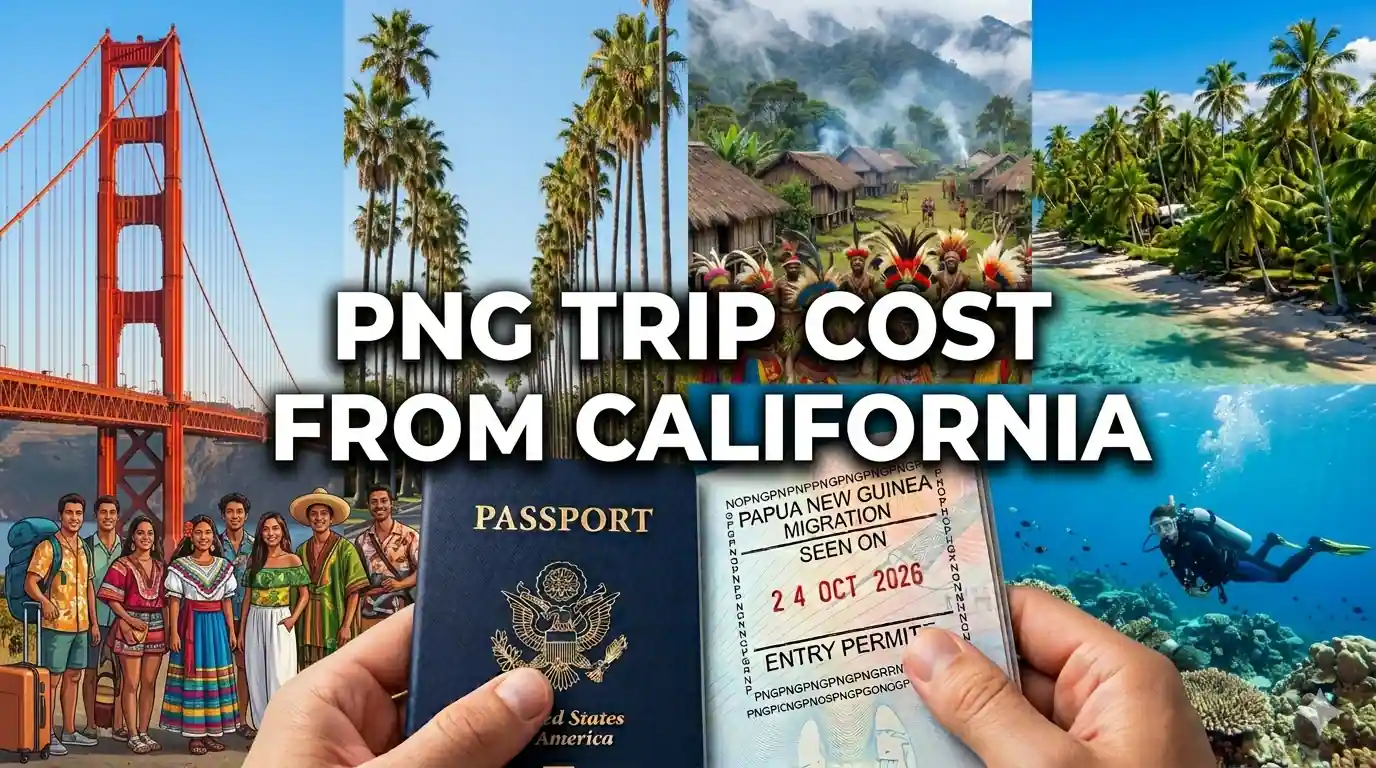
Papua New Guinea Travel Cost for 2 Weeks from California
Planning a two-week expedition to Papua New Guinea from California requires careful budgeting to ensure you can fully experience this remarkable Pacific nation without financial stress. Papua New Guinea offers some of the world's most extraordinary cultural encounters, pristine diving environments, and adventure opportunities, but it also ranks among the more expensive destinations in the Pacific region due to limited infrastructure, remote locations, and the logistical challenges of accessing its diverse regions. This comprehensive cost breakdown analyzes every expense category for a 14-day Papua New Guinea journey departing from California, helping you plan a realistic budget whether you prefer budget-conscious travel, mid-range comfort, or luxury experiences.
Understanding Papua New Guinea travel costs in 2026 empowers you to make informed decisions about flights from Los Angeles or San Francisco, accommodations in highland villages and island resorts, dining options, domestic transportation, cultural tours, diving excursions, and essential preparations like visas and vaccinations. This guide covers average prices based on current market rates, seasonal variations, money-saving strategies, and sample budgets for different travel styles, providing California travelers with actionable insights to plan their perfect Papua New Guinea adventure.
What Is the Average Cost of a 2 Week Papua New Guinea Trip from California
The average cost of a two-week Papua New Guinea expedition from California ranges from 4500 to 12000 USD per person, depending on your travel style, accommodation preferences, and activity choices. Budget-conscious travelers can experience Papua New Guinea for 4500 to 6500 USD by staying in modest accommodations, eating local food, using public transportation when available, and selecting essential tours and activities. Mid-range travelers spending 7000 to 9500 USD enjoy comfortable hotels and lodges, restaurant meals, comprehensive guided tours including highland village visits and diving excursions, and domestic flights between regions. Luxury travelers budgeting 10000 to 15000 USD or more experience upscale lodges and resorts, private guides, premium diving liveaboards, fine dining, and exclusive cultural experiences throughout their journey.
These estimates include round-trip flights from California, Papua New Guinea visa fees, accommodations, meals, domestic flights and transportation, activities and tours, travel insurance, and miscellaneous expenses. They exclude personal shopping, expensive souvenirs, and optional premium experiences beyond standard itineraries. Costs vary significantly by season, with the dry season from May through October representing peak pricing and the wet season from November through April offering potential discounts of 15 to 30 percent on accommodations and some tours, though weather-related challenges may affect travel plans.
How Do California Departure Cities Affect Costs
Departing from major California airports like Los Angeles International Airport (LAX) or San Francisco International Airport (SFO) typically costs 1200 to 2500 USD for round-trip economy flights to Port Moresby, depending on season, booking timing, and airline. Los Angeles departures often provide slightly better pricing and more routing options through Asian hubs like Brisbane, Singapore, or Manila, while San Francisco flights may connect through Tokyo or other Pacific gateways. The difference between LAX and SFO pricing is usually minimal, so choose based on your location and convenience rather than cost savings.
Beyond flights, destination costs in Papua New Guinea remain identical regardless of your California departure city. Accommodations, food, activities, domestic flights, and local transportation prices are determined by Papua New Guinea's economy and tourism market, not your origin airport. The primary financial consideration is choosing the most convenient California airport to minimize pre-trip transportation costs and parking fees, which can add 100 to 300 USD depending on your location and parking duration.
Flight Costs from California to Papua New Guinea

Airfare represents the largest single expense for most Papua New Guinea travelers from California, typically accounting for 25 to 40 percent of total trip costs. Understanding flight pricing patterns, routing options, booking strategies, and seasonal variations helps you secure the best possible rates for your travel dates. Unlike more popular Pacific destinations, Papua New Guinea has limited direct service from the United States, requiring connections through Australia, Asia, or other Pacific hubs.
Round-trip flights from Los Angeles or San Francisco to Port Moresby's Jacksons International Airport average 1400 to 2200 USD in economy class for standard bookings, though sale fares can drop to 1200 USD and peak season prices can exceed 2500 USD. Premium economy options range from 2500 to 4000 USD, while business class tickets cost 5000 to 9000 USD or more. Most routes require at least one connection, commonly in Brisbane, Australia on Qantas or Air Niugini, though connections through Singapore, Manila, or Tokyo are also available depending on airline partnerships.
Best Time to Book Flights for Lowest Prices
For optimal flight pricing to Papua New Guinea, book international flights 3 to 5 months before departure. Prices typically increase sharply within 6 weeks of travel dates, and last-minute bookings often cost 30 to 50 percent more than advance purchases. Use flight comparison tools like Google Flights, Skyscanner, or Kayak to monitor prices across airlines and dates. Setting price alerts notifies you when fares drop, enabling strategic booking decisions.
Tuesday and Wednesday departures often cost 10 to 15 percent less than weekend flights. Consider flying into Port Moresby mid-week and returning mid-week to maximize airfare savings. Flexible travel dates provide the greatest opportunity for significant flight cost reductions. If your schedule allows, use flexible date search tools to identify the cheapest days to fly within your preferred travel window.
Airline Options and Routing Considerations
Qantas Airways offers reliable service from Los Angeles to Port Moresby via Brisbane, with good on-time performance and complimentary meals on international segments. Air Niugini, Papua New Guinea's national carrier, also operates Brisbane-Port Moresby routes and occasionally offers competitive fares from West Coast cities through codeshare partnerships. Singapore Airlines provides premium service from San Francisco to Port Moresby via Singapore and Port Moresby connections, though this routing typically costs more than Australian connections.
When comparing fares, factor in baggage allowances, seat selection costs, and change policies. A seemingly cheaper basic economy fare may cost more after adding necessary services. Most international carriers include one or two checked bags and one carry-on in standard economy fares to Papua New Guinea, providing better overall value for travelers with diving or trekking equipment. Read fare rules carefully before booking to avoid unexpected expenses, especially regarding change fees if your Papua New Guinea itinerary requires flexibility due to weather or operational considerations.
Visa and Documentation Costs for Papua New Guinea

United States citizens must obtain a visa to enter Papua New Guinea, adding necessary but relatively modest costs to your overall budget. Understanding visa fees, application processes, and required documentation prevents last-minute expenses and ensures smooth entry to the country. While visa costs are minor compared to flights and tours, they are mandatory and must be budgeted accordingly.
Tourist visa fees for US citizens range from 50 to 100 USD depending on single or multiple entry and duration of stay. The standard single-entry tourist visa valid for 60 days costs approximately 50 USD when applied for through the e-visa system. Multiple-entry visas valid for 6 months cost around 75 to 100 USD. Visa on arrival fees are slightly higher at 75 to 100 USD, though this option carries risks of delays and is not recommended as the primary strategy.
Additional Documentation and Preparation Costs
Beyond visa fees, budget for passport photographs costing 10 to 15 USD at photo services, document scanning and printing if applying through embassies, and potential expedited processing fees of 25 to 50 USD if you need faster service. If your passport is nearing expiration, renewal costs 130 USD for routine service or 160 USD for expedited service. Ensure your passport has at least six months validity beyond your planned departure date from Papua New Guinea.
Travel insurance with comprehensive medical coverage including medical evacuation is absolutely essential for Papua New Guinea travel and typically costs 200 to 500 USD for a 2-week trip depending on your age, coverage limits, and policy features. While not a visa requirement, insurance protects your investment and provides critical coverage given Papua New Guinea's limited medical facilities. Comprehensive policies covering trip cancellation, medical emergencies, evacuation, and lost luggage are strongly recommended.
Accommodation Costs in Papua New Guinea for 2 Weeks

Papua New Guinea offers diverse accommodation options across all price ranges, from budget guesthouses in Port Moresby to luxury island resorts and highland lodges. Your lodging choices significantly impact your total trip budget, making it essential to understand pricing by category, location, and season. Unlike many destinations where budget options provide good value, Papua New Guinea's limited tourism infrastructure means even modest accommodations can be relatively expensive, particularly in remote areas.
Budget accommodations including guesthouses and basic hotels cost 60 to 120 USD per night for private rooms with basic amenities. Mid-range hotels and lodges range from 130 to 250 USD per night for comfortable rooms with air conditioning, Wi-Fi, hot water, and often breakfast included. Luxury resorts, highland lodges, and liveaboard dive boats cost 300 to 700 USD or more per night, featuring premium locations, exceptional service, comprehensive amenities, and often all-inclusive meal plans.
Accommodation Costs by Region
Port Moresby accommodations range from 80 USD nightly for budget hotels to 200 to 350 USD for mid-range international standard properties like the Stanley Hotel or Grand Papua Hotel. Luxury options exceed 400 USD nightly. Highland accommodations in Goroka or Mount Hagen cost 70 to 150 USD for comfortable lodges, with eco-lodges and boutique properties ranging from 150 to 300 USD nightly. Remote village stays arranged through tour operators typically cost 100 to 200 USD per night including meals and cultural activities.
Island accommodations in Milne Bay or coastal regions vary widely. Budget island guesthouses cost 80 to 150 USD nightly. Mid-range island resorts range from 200 to 400 USD per night, often including meals and some activities. Luxury island resorts and liveaboard dive boats cost 400 to 800 USD or more per night, typically including all meals, diving, and equipment. For a 14-day trip, budget travelers might spend 840 to 1680 USD total on accommodation, mid-range travelers 1820 to 3500 USD, and luxury travelers 4200 to 9800 USD or more.
Money-Saving Accommodation Strategies
Book accommodations with included breakfast to reduce daily food costs by 15 to 25 USD per person. Properties including all meals (full board) provide even greater savings and convenience in remote areas where dining options are limited. Consider staying slightly outside city centers for better rates while maintaining access via affordable transportation. Traveling during the wet season (November to April) unlocks accommodation discounts of 15 to 30 percent, though weather may affect activities.
Use booking platforms like Booking.com, Agoda, or direct lodge websites to compare rates and read recent guest reviews before reserving. Book well in advance for highland lodges and island resorts, as capacity is limited and popular properties fill months ahead, especially for dry season travel. Last-minute bookings rarely offer discounts in Papua New Guinea due to limited availability and high demand.
Food and Dining Costs in Papua New Guinea

Papua New Guinea's culinary scene offers modest variety at reasonable prices in urban areas, though dining costs increase significantly in remote locations and tourist facilities. Understanding local dining culture, typical costs, and food availability helps you budget appropriately while enjoying both traditional Papua New Guinean cuisine and international options. Food costs vary dramatically between Port Moresby restaurants, highland village meals, and island resort dining.
Budget meals at local eateries, markets, or hotel cafes cost 8 to 15 USD for simple plates of rice, chicken, fish, or local staples like sweet potato and greens. Mid-range restaurant meals average 20 to 40 USD per person for appetizer, main course, and non-alcoholic beverage. Upscale dining in Port Moresby hotels or island resorts costs 45 to 80 USD or more per person for multi-course meals. Remote lodges and liveaboards typically include all meals in their rates, providing excellent value given the logistical challenges of food delivery to isolated locations.
Daily Food Budget Estimates
Budget travelers can eat adequately for 25 to 40 USD daily by combining local breakfasts, simple lunches at markets, and modest dinners at affordable restaurants. Mid-range food budgets of 50 to 80 USD daily allow restaurant meals for most dinners plus coffee, snacks, and occasional drinks. Luxury food budgets of 100 to 150 USD daily enable fine dining experiences, premium beverages, and gourmet cuisine, though such options are limited outside Port Moresby and major resorts.
Alcohol costs vary significantly. Local beers like SP Lager cost 5 to 8 USD in bars and restaurants. Imported beers and cocktails range from 8 to 15 USD. Wine by the glass starts at 10 USD, with bottles from 35 USD upward in restaurants. Remote lodges often have limited alcohol selections at premium prices. Purchasing beverages from supermarkets in Port Moresby for hotel room consumption reduces alcohol expenses substantially, though alcohol should be consumed responsibly and never in traditional villages without explicit permission.
Food Costs by Location
Port Moresby offers the most dining variety and competitive pricing, with international restaurants, local cafes, and hotel dining options. Expect to pay 15 to 25 USD for casual meals and 35 to 60 USD for upscale dining. Highland towns like Goroka and Mount Hagen have limited restaurant options, with most meals provided by lodges or tour operators at 20 to 40 USD per meal if not included in accommodation rates. Remote villages typically include traditional meals in tour packages at no additional cost.
Island resorts and liveaboards almost always include all meals in their rates, reflecting the high cost of importing food to remote locations. This all-inclusive approach provides excellent value, with individual meal costs at these locations ranging from 25 to 50 USD if purchased separately. Budget for occasional snacks, bottled water (3 to 5 USD), and beverages beyond included options. Overall, plan for daily food costs of 40 to 100 USD depending on your travel style and whether meals are included in your accommodation.
Transportation Costs Within Papua New Guinea

Getting around Papua New Guinea efficiently and safely requires understanding transportation options and typical costs. From airport transfers to intercity domestic flights, local taxis, and boat transfers to islands, transportation expenses add up significantly and represent a major budget consideration. Papua New Guinea's challenging terrain and limited infrastructure make transportation more expensive than in most destinations, but it is essential for accessing the country's diverse regions.
Airport transfers from Port Moresby Jacksons International Airport to city hotels cost 30 to 50 USD by pre-arranged taxi or hotel shuttle. Public transportation is not recommended for tourists due to safety concerns and unreliability. Most hotels and tour operators provide airport transfer services at 30 to 60 USD depending on distance and time of day. Always arrange transfers in advance rather than hailing random vehicles at the airport.
Domestic Flight Costs
Domestic flights are essential for accessing Papua New Guinea's highlands and island regions from Port Moresby. Airlines PNG and Air Niugini operate domestic routes, with flights from Port Moresby to Goroka or Mount Hagen costing 250 to 450 USD round-trip. Port Moresby to Alotau (Milne Bay) flights cost 300 to 500 USD round-trip. These prices are high due to limited competition, challenging operating conditions, and small aircraft capacity.
For a typical 2-week itinerary including highland and island destinations, budget 600 to 1000 USD for domestic flights. Book domestic flights well in advance as capacity is limited and prices increase closer to departure. Be prepared for schedule changes and delays due to weather, which are common in Papua New Guinea's mountainous and coastal regions. Build flexibility into your itinerary to accommodate potential flight disruptions without incurring additional change fees.
Local Transportation and Boat Transfers
Local taxi rides in Port Moresby, Goroka, or Mount Hagen cost 10 to 25 USD for typical tourist routes. Always use hotel-arranged or reputable taxi services rather than hailing random vehicles. Ride-hailing apps are not available in Papua New Guinea. For island access, boat transfers from Alotau to island resorts cost 50 to 150 USD per person each way depending on distance and whether transfers are private or shared.
Liveaboard dive boats include all transportation in their rates, eliminating separate boat transfer costs. Some highland lodges arrange vehicle transfers from airports at 30 to 80 USD depending on distance. Budget 200 to 400 USD total for local transportation, airport transfers, and boat trips for a 2-week itinerary. Always confirm whether transfers are included in your accommodation or tour rates to avoid double-booking or unexpected expenses.
Activities and Excursion Costs in Papua New Guinea

Papua New Guinea's extraordinary attractions range from free cultural experiences in traditional villages to premium guided tours, world-class diving expeditions, and multi-day trekking adventures. Budgeting for activities ensures you can enjoy must-see highlights without financial surprises during your trip. Activity costs vary dramatically based on type, duration, location, and whether tours are private or group experiences.
Free or low-cost activities include exploring Port Moresby markets (5 to 10 USD for samples and small purchases), visiting public beaches, hiking accessible trails, and observing daily life in towns. Low-cost attractions like the Papua New Guinea National Museum cost 10 to 15 USD admission. Many cultural experiences in villages are included in tour packages rather than charged separately.
Popular Paid Activities and Typical Prices
Highland cultural tours including village visits, traditional ceremonies, and guide services cost 150 to 300 USD per day for organized group tours. Private cultural tours with dedicated guides and vehicles cost 300 to 600 USD per day. Multi-day highland tours including accommodation, meals, transportation, and activities range from 400 to 800 USD per day depending on comfort level and remoteness of destinations.
Diving in Papua New Guinea is world-class but expensive due to remote locations and logistical challenges. Single tank dives cost 80 to 120 USD, while two-tank dive trips range from 150 to 220 USD including equipment rental. Multi-day liveaboard dive expeditions cost 300 to 600 USD per day, typically including all meals, diving, equipment, and accommodation. A week-long liveaboard typically costs 2500 to 4500 USD total.
Trekking adventures like the Kokoda Track require licensed guides and cost 2000 to 4000 USD for the complete 96-kilometer, 8 to 10-day trek including guides, carriers, permits, meals, and accommodation. Shorter highland treks cost 150 to 300 USD per day. Snorkeling trips from island resorts cost 50 to 100 USD including equipment and boat transport. Cultural festival attendance, if timing aligns with events like the Goroka Show or Mount Hagen Cultural Show, costs 30 to 50 USD for day passes.
Activity Budget Strategies
Prioritize 4 to 6 paid activities that align with your interests rather than attempting to experience everything. Book multi-day tour packages that bundle accommodation, meals, transportation, and activities for better value than booking each element separately. Consider joining group tours rather than private excursions to reduce costs while maintaining quality experiences. Research activities in advance to compare prices and read reviews.
For a typical 2-week Papua New Guinea itinerary including highland cultural tours and diving, budget 1500 to 3500 USD for activities depending on your choices. Budget travelers focusing on essential cultural experiences and limited diving might spend 1000 to 1500 USD. Mid-range travelers doing comprehensive highland tours and several diving days might spend 2000 to 3000 USD. Luxury travelers booking private guides, extended liveaboards, and exclusive experiences might spend 4000 to 7000 USD or more on activities.
Sample 2 Week Papua New Guinea Budget Breakdowns from California

Concrete budget examples help translate general cost information into actionable planning. These sample budgets assume 14 days in Papua New Guinea with 3 days in Port Moresby, 4 days in the highlands (Goroka or Mount Hagen), and 7 days in island regions (Milne Bay or similar), departing from Los Angeles or San Francisco. All figures represent per-person costs assuming double occupancy for accommodations. Solo travelers should add 30 to 50 percent to accommodation costs due to single supplements.
Budget Traveler: 4500 to 6500 USD Total
International flights: 1400 to 1800 USD from California. Papua New Guinea visa: 50 to 75 USD. Travel insurance: 200 to 300 USD. Accommodations: 1000 to 1500 USD for budget guesthouses and modest lodges (70 to 110 USD per night average). Food: 500 to 700 USD averaging 35 to 50 USD daily with local meals and occasional restaurant dining. Domestic flights: 600 to 800 USD for essential regional connections. Local transportation: 200 to 300 USD for airport transfers and taxis. Activities: 800 to 1200 USD focusing on essential cultural tours and limited diving or snorkeling. Miscellaneous: 250 to 400 USD for souvenirs, tips, and contingencies.
This budget requires disciplined spending, advance planning, and flexibility. Budget travelers maximize value by staying in modest accommodations, eating local food, using group tours, limiting expensive diving, and booking well in advance. The experience remains rich and authentic despite lower spending, though comfort levels are basic and some premium experiences may be inaccessible.
Mid-Range Traveler: 7000 to 9500 USD Total
International flights: 1600 to 2200 USD from California. Papua New Guinea visa: 50 to 100 USD. Travel insurance: 300 to 400 USD. Accommodations: 2000 to 3000 USD for comfortable hotels and lodges (140 to 215 USD per night average). Food: 800 to 1200 USD averaging 57 to 86 USD daily with restaurant meals and included breakfasts. Domestic flights: 700 to 1000 USD for regional connections with better flight times. Local transportation: 300 to 400 USD for arranged transfers and reliable taxis. Activities: 2000 to 3000 USD for comprehensive highland cultural tours, multiple diving days, and guided excursions. Miscellaneous: 400 to 600 USD for shopping, tips, and flexibility.
Mid-range budgets balance comfort and value, enabling comfortable accommodations, diverse dining, meaningful guided experiences, and quality diving without luxury pricing. This travel style suits most visitors seeking quality experiences at reasonable costs with good comfort levels and access to Papua New Guinea's highlights.
Luxury Traveler: 10000 to 15000 USD Total
International flights: 2500 to 5000 USD including premium economy or business class upgrades. Papua New Guinea visa: 75 to 100 USD. Travel insurance: 400 to 600 USD with premium coverage. Accommodations: 4000 to 7000 USD for upscale lodges, resorts, and liveaboards (285 to 500 USD per night average). Food: 1400 to 2400 USD averaging 100 to 170 USD daily with fine dining and premium beverages. Domestic flights: 1000 to 1500 USD for flexible booking and preferred flight times. Local transportation: 500 to 800 USD for private transfers and arranged vehicles. Activities: 4000 to 7000 USD for private guides, extended liveaboard diving, exclusive cultural experiences, and premium tours. Miscellaneous: 800 to 1500 USD for premium shopping, spa services, and contingencies.
Luxury budgets unlock Papua New Guinea's finest accommodations, personalized service, gourmet cuisine, exclusive access experiences, and comprehensive diving expeditions. This travel style maximizes comfort, convenience, safety, and memorable premium moments throughout your journey while supporting high-quality tourism operations.
Money-Saving Tips for Papua New Guinea Travel from California

Strategic planning and local knowledge significantly reduce Papua New Guinea travel costs without sacrificing experience quality. These proven strategies help California travelers maximize value while enjoying authentic Papua New Guinean adventures in this relatively expensive destination.
Book international flights 3 to 5 months in advance for optimal pricing, and be flexible with departure dates to capture lower fares. Travel during shoulder seasons (May or October) to access lower prices on accommodations and some tours while avoiding peak crowds and heavy rainy season downpours. Book domestic flights and highland lodges well in advance as capacity is limited and last-minute bookings rarely offer discounts.
Practical Cost-Reduction Strategies
Choose accommodations with included breakfast and some meals to reduce daily food costs by 20 to 40 USD per person. Book multi-day tour packages that bundle accommodation, meals, transportation, and activities for better value than booking each element separately. Join group tours rather than private excursions to reduce costs by 30 to 50 percent while maintaining quality experiences and local guide expertise.
Limit expensive diving to 3 to 5 days rather than week-long liveaboards if budget is constrained, or choose shore-based diving from island resorts rather than liveaboards for lower costs. Purchase snacks and beverages from supermarkets in Port Moresby before traveling to remote areas where prices are significantly higher. Use reputable tour operators who maintain relationships with villages and can negotiate fair prices for cultural experiences.
Hidden Costs to Anticipate
Budget for tourist card fees (50 to 100 USD) if not included in your airline ticket. Some lodges and resorts charge service fees or tourism taxes of 10 to 15 percent not included in advertised rates. Tipping customs differ from the United States; while not mandatory, tipping guides 10 to 15 percent for exceptional service is appreciated.
ATM withdrawal fees and foreign transaction fees may apply when using US bank cards in Papua New Guinea. Notify your bank of travel plans to prevent card blocks. Carry sufficient US cash in small denominations for remote areas where card acceptance is limited and ATMs are unavailable. Factor in potential currency exchange costs, though US dollars are widely accepted. Consider that Papua New Guinea's Kina is pegged relatively stable to the USD, minimizing exchange rate risk.
Conclusion: Planning Your Affordable Papua New Guinea Expedition

A two-week Papua New Guinea adventure from California offers extraordinary value for travelers willing to invest in this remarkable destination, though it requires significantly higher budgets than typical Pacific or Southeast Asian travel. Whether you spend 5000 USD as a budget traveler or 12000 USD for luxury experiences, Papua New Guinea delivers unforgettable memories through its remarkable diversity of culture, nature, and adventure that cannot be found anywhere else on Earth.
Successful budget planning combines advance research, strategic booking, realistic expectations about costs in this remote destination, and flexibility in your itinerary. Focus spending on experiences that matter most to you, whether that is highland cultural immersion, world-class diving, or comfortable accommodations, while finding savings in less critical categories. Papua New Guinea's tourism infrastructure accommodates various travel styles, ensuring you can craft a trip that matches your preferences and budget.
Start planning your Papua New Guinea journey today by setting a realistic budget of 5000 to 10000 USD for a comprehensive 2-week experience, monitoring flight prices from California, researching accommodations that align with your travel style, and booking essential domestic flights and highland lodges well in advance. With thoughtful preparation and appropriate budget expectations, your two-week Papua New Guinea expedition will provide incredible value and memories that last far beyond your return to California.
0 Comments