.webp)
.webp)
Understanding Tongan Cultural Etiquette
Tonga's rich cultural heritage centers on Christian faith respect for tradition and community values that have guided island life for generations. For visitors understanding these customs proves essential for meaningful authentic experiences.
Sunday observance represents the cornerstone of Tongan society a sacred day dedicated to worship rest and family. This practice embodies core Tongan values of faith humility and communal harmony.
Appropriate dress codes reflect respect for cultural norms whether attending church visiting villages or simply moving through public spaces. Understanding these expectations enables visitors to participate respectfully in Tongan life.
This comprehensive guide explains everything travelers need to know about Tonga's Sunday laws dress codes and broader cultural etiquette enabling confident respectful engagement with Tongan communities in 2026.
Whether attending church services exploring villages or simply enjoying Tonga's beauty cultural awareness transforms tourism into meaningful cross-cultural exchange that benefits both visitors and communities.
The Significance of Sunday in Tongan Culture

Sunday holds profound religious and cultural significance in Tonga where Christian faith deeply influences daily life and national identity.
Tonga's constitution formally recognizes Sunday as a sacred day of rest and worship. This legal framework reflects the nation's strong Christian heritage and commitment to Sabbath observance.
For Tongans Sunday represents time for church attendance family gatherings and spiritual reflection. Commercial activities cease allowing communities to focus on faith and relationships.
Understanding Sunday's importance helps visitors approach Tonga with appropriate mindset recognizing it as meaningful cultural practice rather than mere restriction on tourism activities.
Respecting Sunday observance demonstrates appreciation for Tongan values and builds positive relationships with local communities who welcome respectful visitors.
Understanding Tonga's Sunday Laws

Tonga's Sunday laws establish clear guidelines for behavior and activities on the Sabbath that visitors should understand and follow.
Commercial activities including shops restaurants and markets typically close on Sunday. Plan meals and supplies accordingly as dining options prove extremely limited.
Recreational activities including swimming snorkeling and sports are discouraged particularly in public areas or near villages. Respect quiet observance of the day.
Transportation services including ferries and domestic flights may operate on limited schedules. Verify schedules in advance and avoid unnecessary travel on Sunday.
Construction work loud music and other noisy activities are prohibited. Maintain quiet respectful behavior throughout Sunday.
These laws apply to residents and visitors alike. Demonstrating compliance shows respect for Tongan culture and avoids potential legal complications.
Church Attendance Etiquette for Visitors

Attending church services offers visitors meaningful insight into Tongan culture though requires understanding specific protocols and expectations.
Church services typically begin early on Sunday morning often around eight or nine AM. Arrive promptly though Tongan time may allow some flexibility.
Dress modestly for church with shoulders and knees covered for both men and women. Formal attire proves appropriate though traditional Tongan dress is welcomed.
Photography during services requires explicit permission from church leaders. Many congregations welcome visitors though may restrict documentation of worship.
Participate respectfully by standing sitting and singing along when appropriate. Even without understanding Tongan language your presence and respect prove appreciated.
Offerings may be collected during services. Visitors are not expected to contribute though small donations prove welcomed if you wish to participate.
Appropriate Dress Codes for Different Settings

Understanding dress expectations across various Tongan settings enables respectful engagement while maintaining personal comfort.
Church and village settings require modest attire covering shoulders and knees for both genders. Lightweight long-sleeve shirts and long skirts or pants prove comfortable in tropical conditions.
Beach and resort areas allow more relaxed dress though swimwear belongs at beaches not in villages towns or public spaces. Change into appropriate clothing when leaving beach areas.
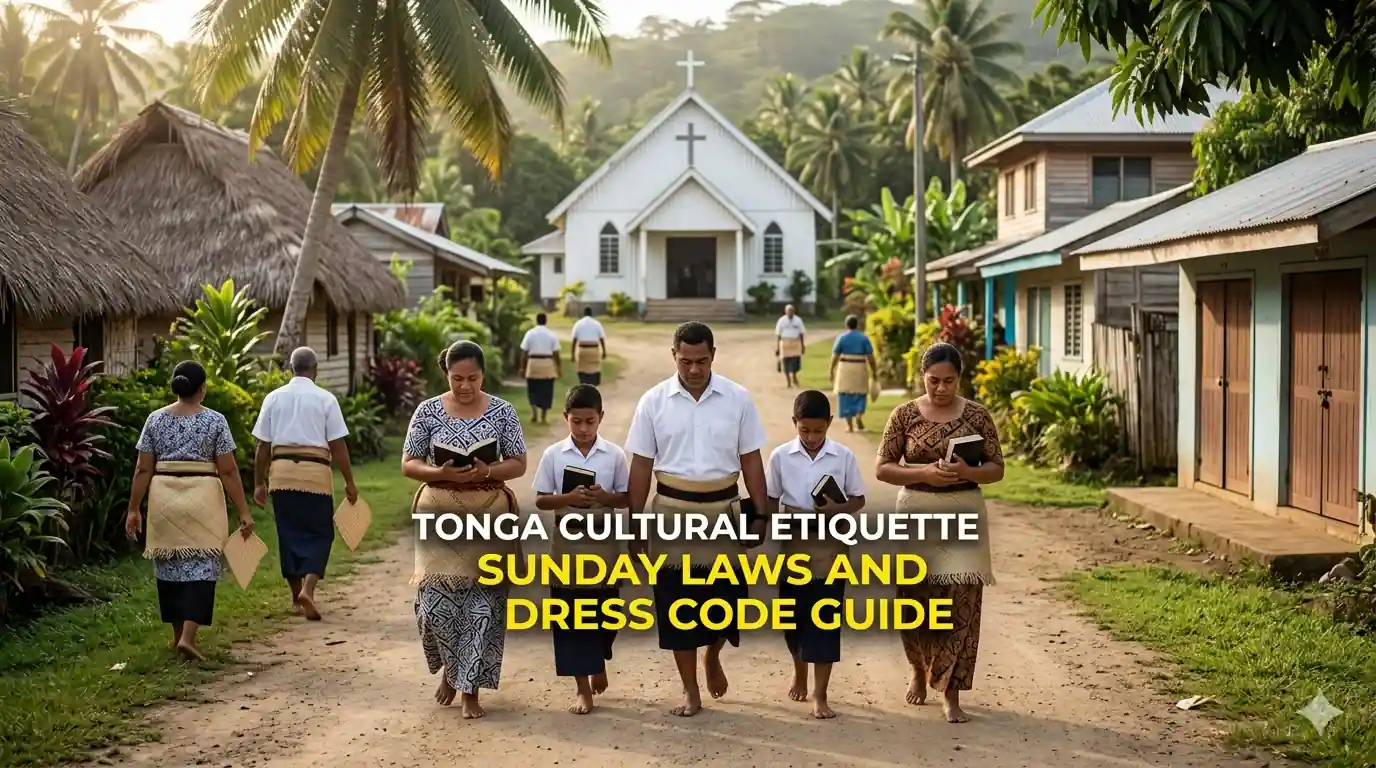
Traditional Tongan dress including puletasi for women and ta'ovala ceremonial mats for men proves welcomed though not required for visitors. Wearing traditional attire demonstrates cultural appreciation.
Footwear should be removed before entering homes churches or certain buildings. Simple slip-on shoes facilitate this custom without inconvenience.
When uncertain about appropriate attire err on the side of modesty. Tongans generally appreciate visitors who demonstrate effort at cultural respect.
Traditional Tongan Attire and Its Significance

Understanding traditional Tongan clothing enriches cultural appreciation and enables appropriate participation in ceremonial contexts.
Puletasi traditional dresses for women feature modest cut with long sleeves and ankle-length skirts often in vibrant colors and patterns. These garments reflect Tongan values of modesty and beauty.
Ta'ovala woven mats worn around the waist represent respect and formality particularly for ceremonies church services and village visits. Visitors may be offered ta'ovala for special occasions.
Kie fine mats represent highest ceremonial status though typically reserved for Tongan nobility and special occasions. Visitors should not wear kie without explicit invitation.
Traditional attire proves especially important for Sunday church attendance village visits and cultural ceremonies. Wearing appropriate dress demonstrates respect for Tongan customs.
Many villages and churches provide traditional garments for visitors who lack appropriate attire. Accepting these offerings graciously proves appreciated though bringing your own modest clothing proves considerate.
Village Visit Protocols and Cultural Respect

Visiting Tongan villages requires understanding specific protocols that demonstrate respect for community traditions and leadership structures.
Seek permission before entering villages particularly for photography or cultural activities. Village chiefs or elders typically welcome respectful visitors who follow proper protocols.
Dress modestly when visiting villages covering shoulders and knees. Remove hats and sunglasses as sign of respect when meeting elders or entering community spaces.
Photography of people requires explicit permission. Always ask before photographing villagers particularly elders and children respecting any refusals without pressure.
Gift-giving customs may apply for village visits though small tokens of appreciation often prove welcomed. Research appropriate customs or ask local guides for guidance.
Follow guidance from village hosts regarding restricted areas or cultural protocols. These guidelines protect both visitors and community traditions.
Photography and Documentation Guidelines

Respectful photography in Tongan cultural contexts requires explicit permission and sensitivity to community preferences particularly on Sunday.
Sunday church services and village gatherings may prove restricted for photography. Follow guidance from church leaders or village elders regarding documentation.
Always ask permission before photographing people particularly on Sunday when families gather for worship and rest. Respect refusals without pressure or negotiation.
Avoid using flash photography during church services or ceremonies as it may disrupt proceedings or prove disrespectful to participants.
Share photographs responsibly providing context and avoiding exploitation or misrepresentation of Tongan culture and people.
Consider offering to share photos with communities as gesture of reciprocity though respect preferences regarding digital documentation particularly on sacred days.
Common Cultural Mistakes to Avoid

Awareness of frequent cultural missteps helps visitors navigate Tongan etiquette with confidence and respect particularly regarding Sunday observance.
Engaging in commercial activities or loud recreation on Sunday proves among the most serious errors. Respect quiet observance of the Sabbath.
Wearing revealing clothing in villages churches or public spaces demonstrates disrespect for Tongan values. Dress modestly in all non-beach settings.
Touching someone's head including children proves deeply disrespectful in Tongan culture as the head holds spiritual significance.
Pointing with fingers or feet may prove considered rude. Use open hand gestures or chin movements for direction instead.
Rushing ceremonies or appearing impatient during church services or cultural events demonstrates disrespect for cultural protocols.
Practical Tips for Respectful Engagement

Strategic preparation enables meaningful culturally sensitive experiences when engaging with Tongan communities particularly on Sunday.
Plan meals and supplies before Sunday as most businesses close. Stock up on food water and essentials Saturday evening to avoid complications.
Allow extra time for church services and cultural interactions. Tongan cultural time often proves more flexible than Western schedules requiring patience and adaptability.
Learn basic Tongan greetings including Mālō e lelei hello Mālō thank you and Mālō 'aupito thank you very much. Effort at communication builds rapport.
Listen more than you speak particularly during initial encounters. Demonstrating interest in learning proves more valuable than asserting knowledge.
Support community-based tourism initiatives that ensure benefits flow directly to Tongan communities. Your choices impact local livelihoods and cultural preservation.
Regional Variations and Contemporary Context
Understanding that Tongan customs may vary by location and evolve over time enables appropriate adaptation when traveling across the kingdom.
Urban versus rural settings influence formality levels with remote villages often maintaining more traditional protocols than areas near tourist centers.
Younger generations may prove more flexible regarding dress and behavior though respecting traditional expectations proves appreciated across age groups.
Christian denominations vary across Tonga though Sunday observance remains consistent. Follow guidance from local hosts regarding specific church protocols.
When visiting multiple locations observe local practices and ask questions rather than assuming uniformity across Tonga's diverse communities.
Conclusion Embracing Tongan Cultural Respect
Understanding and respecting Tongan cultural etiquette particularly Sunday laws and dress codes enables meaningful authentic experiences that benefit both visitors and communities.
Sunday observance embodies core Tongan values of faith community and rest. Participating with genuine appreciation transforms tourism into cross-cultural exchange.
Appropriate dress demonstrates respect for Tongan cultural norms whether attending church visiting villages or simply moving through public spaces. Modest attire proves essential for respectful engagement.
Approaching Tongan culture with curiosity humility and commitment to learning creates positive experiences that honor indigenous traditions while enriching visitor understanding.
Your respectful engagement with Tongan cultural practices contributes to sustainable tourism that supports community wellbeing and cultural preservation. The kingdom welcomes visitors who arrive with open hearts and respectful minds.
0 Comments