.webp)
.webp)
Scuba Diving the River Gold Shipwreck: The Ultimate First-Timer's Guide to Nevis Reefs and Caribbean Wreck Diving in 2026
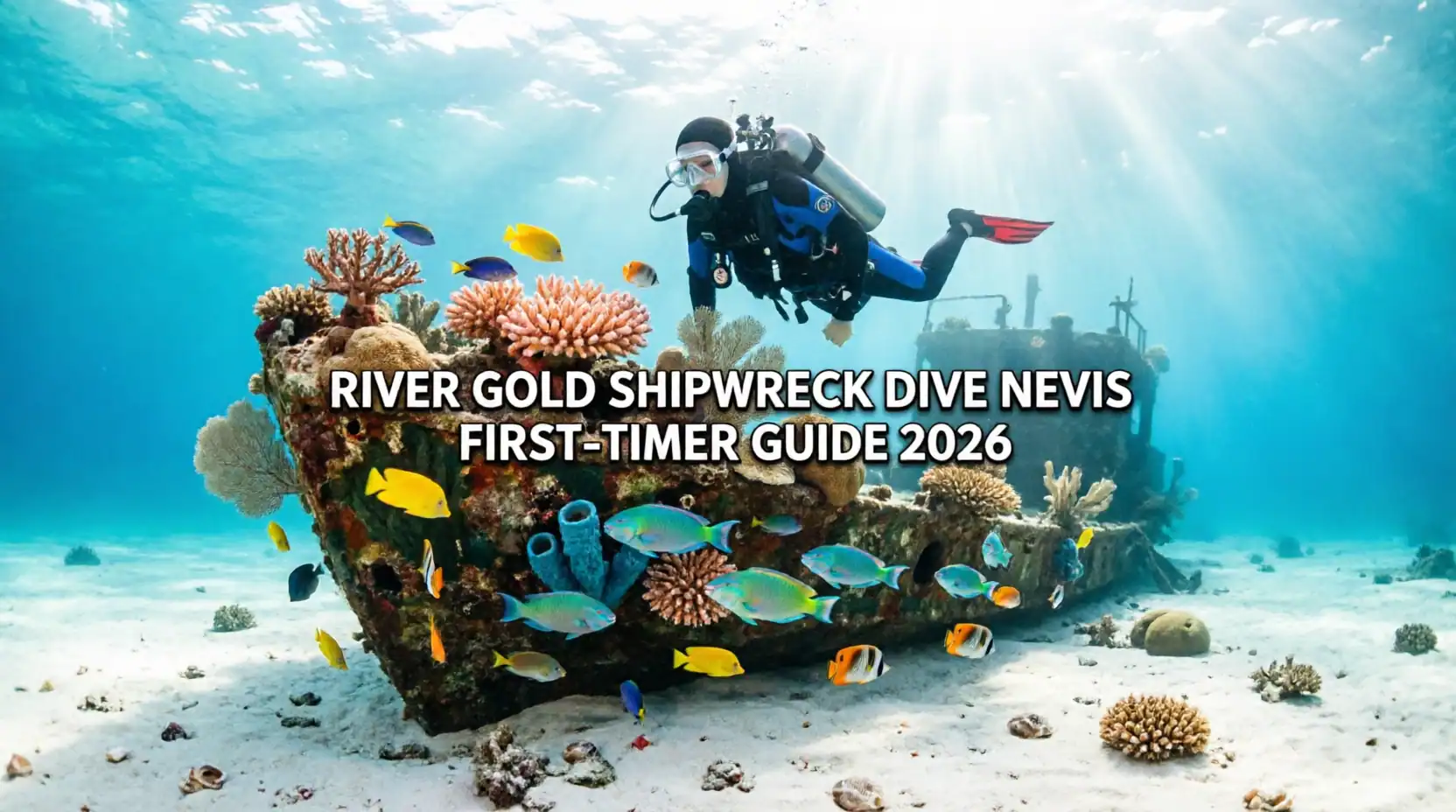
Discovering the River Gold: Nevis's Premier Shipwreck Dive
The River Gold shipwreck stands as one of Nevis's most accessible and captivating underwater attractions, offering first-time divers an extraordinary introduction to the thrilling world of shipwreck exploration combined with the vibrant marine life of Caribbean coral reefs. This intentionally sunk vessel, resting in relatively shallow, calm waters off the coast of Nevis, provides the perfect environment for novice divers to gain confidence while experiencing the unique combination of historical intrigue and underwater beauty that makes wreck diving so compelling.
For first-time divers visiting Nevis, the River Gold represents an ideal entry point into wreck diving. Unlike many shipwrecks that require advanced certification or deep diving experience, the River Gold sits at depths accessible to Open Water divers and even Discover Scuba participants under proper supervision. The wreck's condition, marine life colonization, and protected location create a forgiving environment where beginners can focus on developing skills while marveling at a tangible piece of maritime history.
This comprehensive guide addresses every aspect of diving the River Gold shipwreck as a first-time diver, from understanding what makes this wreck special to preparing physically and mentally for your dive, from selecting appropriate equipment to mastering essential skills, and from choosing reputable dive operators to capturing underwater memories. Whether you are completely new to scuba diving or seeking your first wreck diving experience, this guide provides the detailed information needed to approach your River Gold adventure with confidence and enthusiasm.
The River Gold Story: History and Dive Site Characteristics

The River Gold, originally a cargo vessel, met its fate and found new purpose as an artificial reef and dive attraction off Nevis's coast. Understanding the history of this vessel enhances the diving experience, transforming what might be merely an underwater structure into a story of maritime heritage, intentional preservation, and ecological transformation.
The vessel was intentionally sunk to create an artificial reef, a practice that has become increasingly common in Caribbean destinations seeking to enhance marine habitats while providing unique diving opportunities. The sinking process involves careful planning to ensure environmental safety, structural stability, and diver accessibility. For the River Gold, this meant selecting a location with appropriate depth, minimal current, and suitable bottom composition to support both the wreck's preservation and the development of marine life communities.
Physical Characteristics and Layout
The River Gold rests at depths ranging from approximately 40 to 60 feet, making it accessible to divers with basic Open Water certification. This depth range offers several advantages for first-time divers: sufficient depth to experience the sensation of deeper diving while remaining well within recreational limits, excellent light penetration for visibility and photography, and extended bottom time compared to deeper wreck dives.
The wreck's structure remains largely intact, with recognizable features including the hull, deck structures, and various cargo holds or compartments. Over time, marine life has colonized these surfaces, with coral growth, sponges, and algae creating a living museum that changes and evolves with each visit. The structure provides numerous swim-throughs and exploration opportunities that are appropriately challenging for beginners without being intimidating or dangerous.
Marine Life and Ecological Significance
Since its sinking, the River Gold has transformed into a thriving artificial reef, attracting diverse marine species that enhance the diving experience. Tropical fish including angelfish, butterflyfish, parrotfish, and sergeant majors inhabit the wreck in large numbers, drawn by the shelter and feeding opportunities the structure provides. Larger species including barracuda, jacks, and occasionally sea turtles visit the wreck, adding excitement to dives.
The wreck's surfaces support growing communities of coral, sponges, and other sessile organisms that gradually transform metal and concrete into living habitat. Hard corals including brain coral, star coral, and elkhorn coral may be found on stable surfaces, while soft corals and sea fans decorate areas with moderate water movement. This ecological succession provides educational opportunities for divers interested in marine biology and conservation.
First-Time Diver Preparation: Skills and Certification
Successfully diving the River Gold as a first-time diver requires appropriate preparation, training, and certification. Understanding the requirements and options available helps you choose the path that best matches your experience level, comfort, and diving goals.
The minimum certification for independent diving of the River Gold is Open Water Diver certification, typically requiring 3-4 days of training including classroom study, confined water (pool) sessions, and open water checkout dives. This certification, recognized internationally through agencies like PADI, NAUI, SSI, or RAID, provides the foundational knowledge and skills necessary for safe recreational diving to depths of 60 feet.
Discover Scuba Diving Options
For travelers uncertain about committing to full certification or those with limited time, many Nevis dive operators offer Discover Scuba Diving (DSD) programs that allow supervised diving without certification. These programs include a brief theoretical orientation, confined water skills practice, and a supervised open water dive, typically to shallower depths than the full River Gold wreck.
DSD programs provide an excellent introduction to scuba diving, allowing you to experience underwater breathing and explore shallow portions of the River Gold under direct instructor supervision. While more restrictive than certified diving, these programs offer a low-commitment way to determine if scuba diving appeals to you before investing in full certification.
Essential Skills for Wreck Diving
While the River Gold is suitable for beginners, certain skills enhance safety and enjoyment. Buoyancy control ranks as the most critical skill, allowing you to maintain position without touching the wreck, which protects both you and the fragile marine life colonizing the structure. Practice buoyancy skills during your certification course and consider a buoyancy specialty course if you plan extensive wreck diving.
Underwater navigation skills help you maintain orientation around the wreck and return to your exit point or ascent line safely. Basic navigation using natural references like the wreck's structure, compass navigation, and depth awareness all contribute to confident wreck exploration. Your certification course introduces these skills, but continued practice builds proficiency.
Physical and Mental Preparation
Scuba diving requires reasonable physical fitness and comfort in the water. While you do not need to be an athlete, you should be capable of swimming moderate distances, treading water, and managing equipment. Most certification agencies require a basic swim test and float/tread water demonstration to ensure minimum competency.
Mental preparation proves equally important. First-time divers often experience anxiety about breathing underwater, equipment function, or depth. Understanding that these concerns are normal, discussing them with your instructor, and progressing at a comfortable pace all contribute to positive experiences. The River Gold's calm conditions and moderate depth make it an ideal location for building confidence.
Equipment Essentials for River Gold Diving
Proper equipment selection significantly impacts comfort, safety, and enjoyment when diving the River Gold. While dive operators provide standard rental equipment, understanding what you need and how it functions helps you make informed decisions and communicate effectively with dive professionals.
Core scuba equipment includes a mask, snorkel, fins, exposure protection (wetsuit), buoyancy control device (BCD), regulator, tank, and weights. Each component serves specific functions, and proper fit and function are essential for safe, comfortable diving. Rental equipment from reputable operators is typically well-maintained and appropriate for local conditions, but personal equipment you are familiar with can enhance comfort.
Exposure Protection for Caribbean Waters
Nevis waters maintain temperatures between 79-84°F (26-29°C) year-round, making 3mm wetsuits adequate for most divers. Some prefer shorties or dive skins in summer months, while others opt for 5mm suits in winter or if prone to chilling. Proper exposure protection extends bottom time by maintaining body temperature and provides protection from minor scrapes or stings.
Ensure your wetsuit fits properly—snug but not restrictive, with no large gaps that allow water flushing. Rental shops can help you find appropriate sizes, but if you dive frequently, consider purchasing a suit fitted to your body. A comfortable wetsuit significantly enhances the diving experience.
Mask, Fins, and Comfort Items
A well-fitting mask proves critical for enjoyment and safety. The mask should seal comfortably against your face without excessive strap tension, and you should be able to clear water from it easily. Test masks before diving by placing them against your face without the strap and inhaling gently—if it stays in place, the fit is good.
Fins should fit comfortably with dive boots if you wear them, providing efficient propulsion without causing foot fatigue or cramping. Open-heel fins with adjustable straps work well with boots and accommodate foot swelling during the day. Consider fin style as well—stiffer fins provide more power but require stronger legs, while softer fins are easier on muscles but less efficient.
Underwater Photography Considerations
Capturing memories of your River Gold dive appeals to many first-time divers, but photography equipment adds complexity that can distract from developing fundamental skills. For initial dives, consider leaving cameras behind or using simple options like GoPro cameras mounted on your BCD rather than handheld systems requiring constant attention.
If you do bring photography equipment, practice using it in confined water before the dive. Understand basic controls, ensure batteries are charged, and verify memory card capacity. Remember that good buoyancy and awareness take priority over getting the perfect shot—photography should enhance, not compromise, your dive.
Choosing the Right Dive Operator in Nevis
Selecting a reputable, professional dive operator significantly impacts your River Gold diving experience, particularly as a first-time diver. Nevis hosts several dive shops and operators offering wreck diving services, but quality, safety standards, and teaching approaches vary. Researching and choosing carefully ensures you receive appropriate instruction, equipment, and supervision.
Look for operators affiliated with recognized training agencies (PADI, NAUI, SSI, etc.) and employing certified instructors and divemasters. Check online reviews, ask for recommendations from your accommodation, and don't hesitate to visit shops in person to assess facilities, equipment condition, and staff professionalism before committing.
Group Size and Supervision Ratios
For first-time divers, smaller groups and lower student-to-instructor ratios provide more personalized attention and enhanced safety. PADI standards allow up to 8 students per instructor for Open Water certification dives, but many quality operators maintain even smaller ratios, particularly for wreck dives or when working with nervous divers.
Ask potential operators about their typical group sizes for River Gold dives and whether they can accommodate requests for smaller groups or private instruction. While smaller groups may cost more, the additional attention and customized pacing often justify the expense for first-time divers.
Safety Equipment and Protocols
Professional dive operators maintain comprehensive safety equipment including oxygen kits, first aid supplies, emergency communication devices, and surface support. Verify that your chosen operator carries appropriate safety gear and has clear emergency action plans. Ask about their safety record and how they handle various scenarios.
Dive boats should be equipped for comfort and safety, with adequate shade, seating, entry/exit assistance, and surface intervals between dives. For River Gold dives, operators should provide descent/ascent lines, underwater slates for communication, and potentially reef hooks if conditions warrant. Professional crews brief thoroughly on safety procedures and monitor divers closely throughout the dive.
Local Knowledge and Guide Services
Operators with extensive Nevis diving experience provide valuable local knowledge about the River Gold wreck, including optimal entry points, interesting features to see, current patterns, and marine life hotspots. Guided dives with knowledgeable locals enhance your experience by directing attention to details you might miss independently.
For first-time wreck divers, guided dives are strongly recommended even after certification. Guides provide navigation assistance, point out interesting features, monitor your air consumption and depth, and serve as an additional safety resource. As you gain experience and confidence, you can transition to more independent diving.
The Dive Experience: What to Expect at River Gold
Understanding what your River Gold dive will entail helps you prepare mentally and know what to expect at each stage. A typical dive follows a structured sequence from preparation through post-dive activities, with each phase serving important functions for safety and enjoyment.
Your dive begins well before entering the water, with equipment setup, safety briefings, and buddy checks. Your instructor or guide will review the dive plan including maximum depth, bottom time, route through the wreck, hand signals, and emergency procedures. Pay close attention during this briefing and ask questions about anything unclear.
Entry and Descent
River Gold dives typically employ giant stride entries or back roll entries from the dive boat, depending on boat configuration and conditions. Your guide will demonstrate the preferred entry method and assist you as needed. Once in the water, you will establish positive buoyancy at the surface, complete final equipment checks with your buddy, and signal readiness to descend.
The descent follows a descent line or anchor line, allowing controlled downward movement while equalizing pressure in your ears and mask. Descend slowly, equalizing early and often—never force equalization if you feel discomfort. Your guide will monitor your descent rate and ensure the group stays together. At the bottom, you will establish neutral buoyancy and conduct a final buddy check before beginning wreck exploration.
Exploring the Wreck
Once at the wreck, your guide will lead you through a planned route that showcases interesting features while maintaining appropriate depth and safety margins. Typical River Gold dives include swimming along the hull, exploring deck structures, observing marine life colonization, and potentially swimming through accessible openings if conditions and your skill level permit.
Maintain good buoyancy control throughout the dive to avoid contacting the wreck, which could damage fragile marine life or stir up sediment reducing visibility. Stay close enough to your guide to see hand signals and follow the planned route, but maintain enough distance to avoid accidental contact. Monitor your air consumption regularly and communicate with your guide about your comfort level.
Ascent and Safety Stop
Ending the dive properly is as important as the dive itself. Your guide will signal when it's time to ascend, typically when you reach one-third of your starting air pressure or after the planned bottom time. Ascend slowly along the ascent line or anchor line, maintaining a rate no faster than 30 feet per minute (slower is better).
All recreational dives should include a safety stop at 15 feet for 3-5 minutes, allowing your body additional time to off-gas nitrogen and reducing decompression sickness risk. Use this time to reflect on the dive, observe marine life at the safety stop depth, and prepare for surfacing. After the safety stop, your guide will signal for final ascent to the surface.
Safety Considerations for First-Time Wreck Divers
Wreck diving, even at beginner-friendly sites like the River Gold, requires heightened safety awareness compared to open water reef diving. Understanding potential hazards and appropriate responses ensures you can enjoy wreck exploration while minimizing risks.
The River Gold's accessibility and moderate conditions make it suitable for beginners, but wreck environments present unique considerations. Overhead environments, entanglement hazards, reduced visibility from silt, and navigation challenges all require attention. However, by staying within your training limits, maintaining awareness, and following your guide's instructions, you can safely enjoy this fascinating dive site.
Avoiding Penetration Hazards
As a first-time wreck diver, you should limit yourself to external wreck exploration and avoid penetrating enclosed spaces. The "rule of thirds" for wreck diving dictates using one-third of your air for entering, one-third for exiting, and keeping one-third in reserve for emergencies. However, even this conservative approach requires training beyond basic Open Water certification.
External wreck diving—swimming around and above the structure without entering overhead environments—provides exciting exploration while maintaining direct access to open water and the surface at all times. This approach is appropriate for Open Water divers and provides ample opportunity to observe the wreck's features and marine life.
Buoyancy and Environmental Awareness
Good buoyancy control protects both you and the wreck environment. Contact with the wreck can damage fragile coral and marine life, stir up sediment reducing visibility, or potentially cause injury from sharp edges or protrusions. Practice buoyancy skills regularly and err on the side of slightly positive buoyancy when near the wreck.
Awareness extends to your equipment as well. Secure gauges, consoles, and alternate air sources so they do not dangle and potentially snag on wreck structures. Streamline your equipment configuration and maintain situational awareness of your position relative to the wreck, your buddy, and your guide.
Emergency Preparedness
While emergencies are rare, being prepared provides confidence and improves outcomes if problems arise. Know the location of your alternate air source and how to share air with a buddy. Understand emergency ascent procedures and the location of surface support equipment. Review emergency action plans during your pre-dive briefing.
Carry a surface signaling device such as a whistle, surface marker buoy, or mirror. These tools help boats locate you upon surfacing, particularly in currents or if you surface away from the dive boat. Your guide should carry similar equipment and a first aid kit including oxygen administration capabilities.
Marine Life Encounters and Underwater Photography
The River Gold's transformation into an artificial reef has created a thriving ecosystem that enhances every dive. Understanding what marine life you might encounter and how to interact responsibly with underwater inhabitants enriches your experience while protecting these delicate communities.
Typical River Gold residents include schools of tropical fish like grunts, snappers, and jacks that use the wreck for shelter and feeding. Colorful angelfish including French angelfish and queen angelfish patrol the structure, while butterflyfish pick at coral polyps. Parrotfish graze on algae covering the wreck, their beak-like mouths creating distinctive crunching sounds underwater.
Larger Species and Seasonal Visitors
Larger fish including barracuda, amberjack, and tarpon may visit the River Gold, attracted by baitfish congregating around the structure. These encounters add excitement to dives but require calm, non-threatening behavior. Avoid sudden movements or attempts to chase larger fish, which can be dangerous and stressful for the animals.
Sea turtles, particularly green turtles and hawksbills, occasionally visit the wreck to feed on sponges and algae or simply rest on the structure. These protected species deserve respectful observation from a distance—never touch, chase, or attempt to ride sea turtles. Maintain at least 10-15 feet distance and allow turtles to approach if they choose.
Photography Ethics and Best Practices
Capturing images of the River Gold and its marine life requires balancing photographic goals with environmental responsibility. Never touch, move, or harm marine life to get a better photo. Avoid using flash on sensitive species, and maintain good buoyancy to prevent accidental contact with the wreck or reef while focusing on your camera.
For first-time divers, consider prioritizing the diving experience over photography during initial visits. Once you are comfortable with buoyancy, navigation, and wreck exploration, adding photography becomes more manageable. Consider taking an underwater photography course to learn techniques specific to the challenges of capturing images underwater.
Post-Dive Activities and Certification Progression
After completing your River Gold dive, proper post-dive procedures and planning enhance safety and set the foundation for future diving adventures. Understanding surface intervals, equipment care, and certification progression helps you make the most of your Nevis diving experience.
Following any dive, remain at the surface for the recommended surface interval before flying or ascending to higher altitudes. Standard guidelines suggest waiting at least 12-18 hours after a single no-decompression dive before flying, and 18-24 hours after multiple dives or multiple days of diving. This allows your body to eliminate residual nitrogen and reduces decompression sickness risk.
Equipment Care and Maintenance
Proper equipment care extends gear life and ensures reliability for future dives. Rinse all equipment thoroughly with fresh water after diving, paying special attention to regulators, BCDs, and exposure protection. Hang wetsuits to dry inside-out initially, then right-side-out, away from direct sunlight which degrades neoprene.
Inspect equipment regularly for wear, damage, or malfunction. Regulators should be serviced annually by certified technicians, and BCDs should be checked for proper inflation/deflation function. Replace masks, snorkels, and fins when they show signs of deterioration. Well-maintained equipment performs reliably and enhances diving safety.
Advancing Your Diving Education
If you enjoyed your River Gold dive and wish to explore wreck diving more extensively, consider pursuing Advanced Open Water certification, which typically includes a wreck diving specialty dive. This training introduces penetration techniques, navigation skills specific to wrecks, and safety considerations for overhead environments.
Additional specialties that enhance wreck diving include underwater navigation, buoyancy control, search and recovery, and underwater photography. Each specialty builds skills that make you a more competent, confident, and safe diver. Nevis dive operators offer these courses, allowing you to continue your diving education in beautiful Caribbean waters.
Planning Your Nevis Diving Vacation
Maximizing your River Gold diving experience requires thoughtful vacation planning that considers timing, accommodation, and balancing diving with other Nevis attractions. This tropical Caribbean island offers much beyond diving, and integrating your underwater adventures with broader exploration creates a well-rounded vacation.
Nevis enjoys year-round diving conditions, but certain periods offer advantages. December through April features the driest weather and calmest seas, ideal for first-time divers seeking predictable conditions. However, this peak season brings more visitors and higher prices. May through November offers warmer water, fewer crowds, and better rates, though you should be prepared for occasional tropical weather systems.
Accommodation and Dive Package Options
Many Nevis resorts and hotels offer dive packages that combine accommodation with diving, often providing better value than booking separately. These packages may include a set number of dives, equipment rental, and sometimes certification courses. Evaluate package inclusions carefully to ensure they match your needs and experience level.
Consider staying near your chosen dive operator to minimize travel time and maximize diving opportunities. Some dive shops offer pick-up services from various island locations, but proximity provides flexibility for early morning dives or multiple dives per day. Read reviews about both accommodations and dive operators to ensure quality matches expectations.
Beyond Diving: Exploring Nevis
While the River Gold and Nevis's underwater attractions may be your primary focus, the island offers rich historical, cultural, and natural experiences worth exploring between dives. Visit the Hamilton House museum celebrating Alexander Hamilton's Nevis birthplace, hike Nevis Peak for panoramic island views, or relax on pristine beaches like Pinney's Beach.
Balance diving with adequate rest and surface intervals. Diving is physically demanding, and fatigue increases risks. Schedule rest days or light activity days between intensive diving days, stay hydrated, and avoid excessive alcohol consumption which can impair diving performance and increase decompression sickness risk.
Conclusion: Your River Gold Adventure Awaits
The River Gold shipwreck offers first-time divers an exceptional introduction to the fascinating world of wreck diving combined with the vibrant marine ecosystems of Nevis's coral reefs. This accessible, well-preserved wreck provides the perfect environment for building confidence, developing skills, and creating unforgettable underwater memories in the crystal-clear waters of the Caribbean.
Success in diving the River Gold as a first-time diver requires proper preparation, appropriate training, quality equipment, and professional guidance. By choosing reputable operators, respecting safety protocols, maintaining environmental awareness, and progressing at a comfortable pace, you can safely enjoy this remarkable dive site while laying the foundation for a lifetime of underwater exploration.
As you plan your 2026 Nevis diving adventure, remember that the River Gold represents more than just a dive site—it is a gateway to understanding marine conservation, appreciating maritime history, and discovering the meditative, weightless freedom that makes scuba diving such a transformative experience. Whether this becomes your first of many wreck dives or a singular Caribbean memory, the River Gold promises an underwater adventure that will inspire and captivate you long after you return to the surface.
0 Comments