.webp)
.webp)
Mexico Travel Guide for First Time Visitors Planning Trip
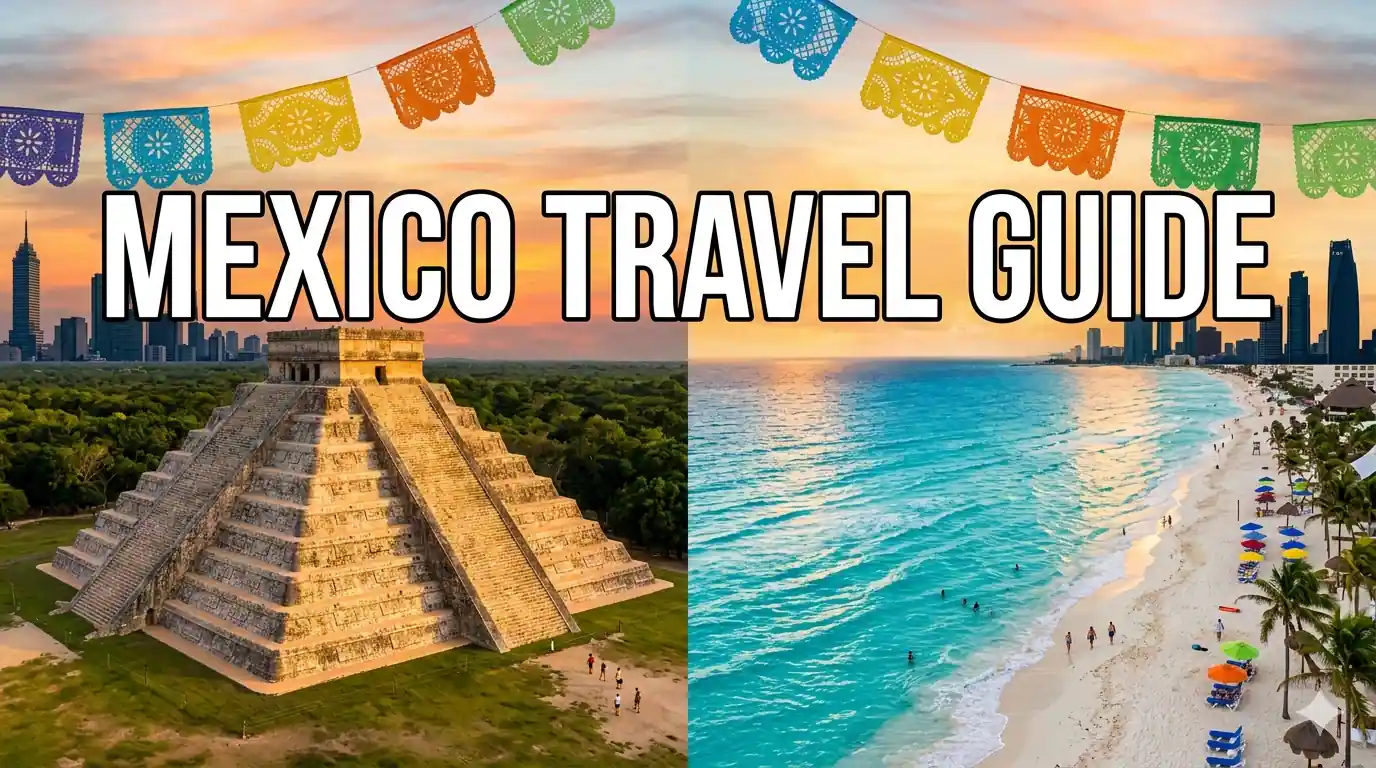
Complete Mexico Travel Overview for First Time Visitors
Mexico stands as one of the world's most captivating travel destinations, offering an extraordinary blend of ancient civilizations, stunning beaches, vibrant culture, and world-class cuisine. This comprehensive guide provides everything first-time visitors need to plan an unforgettable Mexican adventure.
From the turquoise waters of Cancun and the mystical ruins of Chichen Itza to the cosmopolitan streets of Mexico City and the colonial charm of San Miguel de Allende, Mexico delivers diverse experiences for every type of traveler.
With proper planning and accurate information, your first trip to Mexico can be smooth, safe, and absolutely spectacular. This guide covers visa requirements, budgeting, safety, best times to visit, and detailed itineraries based on verified official sources.
Why Visit Mexico on Your First Trip

Mexico attracts millions of international visitors annually for compelling reasons. The country offers exceptional value, with favorable exchange rates making it affordable for luxury experiences that would cost significantly more elsewhere.
The cultural richness spans thousands of years, from impressive Mayan and Aztec archaeological sites to colorful colonial cities and living indigenous traditions. Mexico's UNESCO World Heritage Sites number over 35, ranking among the highest globally.
Culinary tourism represents another major draw, as Mexican cuisine earned UNESCO Intangible Cultural Heritage status. From street tacos to fine dining, the gastronomic experiences range from authentic local flavors to innovative fusion creations.
Geographic diversity amazes visitors, with pristine Caribbean and Pacific coastlines, dramatic mountain ranges, lush jungles, mysterious cenotes, and unique desert landscapes all within one country. Adventure activities include snorkeling, diving, hiking, and exploring ancient ruins.
Mexican hospitality, known as calidez mexicana, creates welcoming atmospheres where visitors feel genuinely appreciated. The friendly locals enhance every travel experience with warmth and helpfulness.
How to Reach Mexico from International Destinations

Mexico's international airport infrastructure connects travelers from around the globe efficiently. Cancun International Airport serves as the second busiest airport in Mexico, handling over 25 million passengers annually as the main gateway to the Mexican Caribbean.
Mexico City International Airport, officially Benito Juarez International Airport, operates as the country's primary hub with extensive domestic and international connections. Most major cities worldwide offer direct or one-stop flights to Mexico.
Popular entry points include Cancun for beach destinations, Mexico City for cultural exploration, Los Cabos for luxury resorts, and Puerto Vallarta for Pacific coast experiences. Choose your arrival airport based on your primary destinations.
Major airlines serving Mexico include Aeromexico, Volaris, VivaAerobus for domestic routes, plus international carriers like American Airlines, United, Delta, Air Canada, and numerous European and Latin American airlines.
Booking flights 2-3 months in advance typically secures the best prices, especially for peak season travel from December through April. Consider flying mid-week for additional savings on airfare.
Mexico Visa Requirements and Entry Regulations

Mexico maintains relatively accessible entry requirements for tourists from many countries. Citizens from the United States, Canada, European Union nations, United Kingdom, Japan, and many other countries do not need a visa for tourism stays up to 180 days.
All visitors must possess a valid passport with a minimum expiry date of 6 months from the entry date into Mexico. This requirement applies universally regardless of visa exemption status.
The Multiple Digital Migration Form, known as FMMd, must be completed by all foreign visitors entering Mexico. This immigration form is available online or at ports of entry and must be kept safely throughout your stay for exit verification.
The Instituto Nacional de Migracion oversees all immigration matters and provides official information through their official government website. Always verify current requirements through official government sources before traveling.
Nationals from certain countries including Peru now require visas effective from April 2024. Check the Mexican embassy or consulate website for your specific country to confirm current visa requirements.
Electronic authorization systems exist for some nationalities, allowing online visa applications through official Mexican government portals. Never use third-party websites that charge excessive fees for services available free through official channels.
Upon arrival, immigration officers determine the authorized length of stay, typically granting 180 days for tourists. The officer stamps your FMM form with the authorized duration, which you must respect to avoid penalties.
Best Time to Visit Mexico for Ideal Weather

The optimal period for visiting Mexico spans December through April, representing the dry season with minimal rainfall and comfortable temperatures across most regions. This timeframe delivers the most reliable weather for beach activities and outdoor exploration.
December to March offers particularly glorious conditions on coastal areas, with dry, hot, and sunny weather perfect for beach vacations. These months also provide excellent wildlife viewing opportunities, including whale watching in Baja California.
Temperature ranges vary by region and elevation. Coastal areas maintain warm temperatures between 70-90°F year-round, while Mexico City's higher altitude creates milder conditions averaging 50-75°F.
The rainy season extends from June through October, with approximately 85% of annual rainfall occurring during these months in central regions. Afternoon showers typically last 1-2 hours, followed by clear skies.
Hurricane season affects Caribbean and Pacific coasts from June through November, with peak activity in September and October. Travel insurance becomes especially important during this period.
Shoulder seasons in May and November offer advantages for budget-conscious travelers, with fewer crowds and lower prices while maintaining generally favorable weather conditions. These months represent excellent value for flexible travelers.
Cultural events and festivals influence optimal timing. Day of the Dead celebrations in early November, Semana Santa before Easter, and Christmas season attract visitors seeking authentic cultural experiences.
Mexico Travel Costs and Budget Planning Guide

Mexico accommodates various travel budgets, from backpacker-friendly to ultra-luxury experiences. Budget travelers can manage comfortably on approximately $49 USD per day, covering basic accommodation, street food, and public transportation.
Mid-range travelers typically budget $100-135 USD daily for boutique hotels, guided tours, diverse dining experiences, and mixed transportation options. This range provides excellent value and comfort for most visitors.
Luxury travelers spending $200+ USD daily access world-class resorts, fine dining, private tours, and premium experiences throughout Mexico. High-end destinations like Los Cabos and Punta Mita cater specifically to luxury markets.
Accommodation costs vary significantly by location and season. Budget hotels and hostels range from $15-40 USD nightly, mid-range hotels cost $60-120 USD, while luxury resorts command $200-500+ USD per night.
Food expenses offer remarkable flexibility. Street tacos cost $1-3 USD each, allowing delicious meals for under $10 daily. Mid-range restaurants charge $15-30 USD per person, while fine dining experiences range $50-150 USD.
Transportation between cities via ADO buses costs $20-60 USD depending on distance, with comfortable, air-conditioned coaches. Domestic flights range $50-200 USD when booked in advance. Car rentals start around $54 USD daily including insurance.
The current exchange rate hovers around 17-20 Mexican pesos per 1 US Dollar, though rates fluctuate. Using local currency for purchases typically provides better value than paying in USD.
Activities and attractions generally cost $10-50 USD. Cenote swimming fees average $5-15 USD, archaeological site entrance fees range $15-25 USD, and guided tours vary $40-150 USD depending on duration and inclusions.
Essential Mexico Itinerary for First Time Visitors

A well-structured 10-14 day itinerary maximizes your first Mexico experience. Begin with 3-4 days in Mexico City exploring the historic center, National Museum of Anthropology, and Teotihuacan pyramids.
Travel to Cancun for 2-3 days, using it as a base for Chichen Itza day trips and cenote exploration. The ancient Mayan ruins rank among the New Seven Wonders of the World.
Spend 4-5 days in Tulum and Playa del Carmen enjoying Caribbean beaches, exploring Tulum's clifftop ruins, and experiencing the vibrant Riviera Maya. This combination balances culture, history, and relaxation perfectly.
Alternative itineraries might focus on Pacific coast destinations like Puerto Vallarta and Sayulita, or colonial cities including San Miguel de Allende, Guanajuato, and Oaxaca for cultural immersion.
Allow buffer days for unexpected discoveries and relaxation. First-time visitors often underestimate travel times between destinations, so avoid over-scheduling.
Mexico Safety Guidelines for Tourists

Mexico maintains a Level 2 travel advisory from the U.S. State Department, meaning exercise increased caution. This rating applies to the country overall, though conditions vary significantly by region.
Popular tourist destinations including Cancun, Tulum, Playa del Carmen, Los Cabos, and Puerto Vallarta generally maintain strong security presences and safe environments for visitors. Millions of tourists visit these areas annually without incident.
Certain states carry Level 4 Do Not Travel advisories due to crime and kidnapping risks. Always check current State Department advisories for specific states before traveling and avoid non-essential travel to flagged areas.
Practice standard safety precautions: use registered taxis or ride-sharing apps, avoid displaying expensive jewelry or electronics, stay in well-lit areas at night, and keep copies of important documents separate from originals.
Travel insurance with medical coverage and evacuation benefits is essential. Verify that your policy covers Mexico and includes activities you plan to pursue.
Stay informed about local conditions through your embassy, hotel staff, and official tourism sources. Register with your country's traveler enrollment program for safety updates.
Transportation Options Within Mexico

Mexico offers diverse transportation methods suited to different budgets and travel styles. ADO buses provide comfortable, reliable, and affordable intercity travel with various service classes from economy to luxury.
Domestic flights connect major cities efficiently, with airlines like Aeromexico, Volaris, and VivaAerobus offering competitive prices when booked in advance. Flight times typically range 1-3 hours between major destinations.
Rental cars offer flexibility for exploring regions like the Yucatan Peninsula or Baja California. Major international and local rental companies operate at airports and cities. Always purchase full insurance coverage.
Urban transportation includes metro systems in Mexico City and Guadalajara, extensive bus networks, and ride-sharing apps like Uber operating in major cities. Taxis should be official registered vehicles or booked through apps.
Ferry services connect mainland ports to islands like Cozumel. Book tickets in advance during peak seasons to secure preferred departure times.
Mexican Currency and Money Matters

The Mexican Peso serves as the official currency, with exchange rates fluctuating between 17-20 pesos per USD in recent periods. Monitor rates before traveling to optimize currency exchange timing.
ATMs widely available in cities and tourist areas dispense pesos at competitive exchange rates. Use ATMs located inside banks during business hours for enhanced security.
Credit cards are accepted at most hotels, restaurants, and larger stores in tourist areas. Inform your bank of travel dates to prevent card blocks for suspicious international activity.
Carry cash for small purchases, street food, markets, and rural areas. Smaller denominations facilitate transactions and tipping.
Tipping customs include 10-15% at restaurants, $1-2 USD for hotel housekeeping daily, $2-5 USD for tour guides per person, and small amounts for service workers.
Top Mexico Destinations for First Time Visitors

Mexico City combines ancient history with modern cosmopolitan energy. The historic center features the Zocalo plaza, Metropolitan Cathedral, and National Palace with Diego Rivera murals. The National Museum of Anthropology houses world-class pre-Columbian artifacts.
Cancun delivers world-famous beaches with turquoise Caribbean waters and white sand. The Hotel Zone offers all-inclusive resorts, shopping, dining, and nightlife. Nearby attractions include Isla Mujeres and Cozumel for diving and snorkeling.
Tulum features spectacular Mayan ruins perched on limestone cliffs overlooking the Caribbean Sea. Beach clubs, boutique hotels, and cenotes create a bohemian-chic atmosphere attracting discerning travelers.
Playa del Carmen provides a vibrant beach town experience with Fifth Avenue pedestrian walkway lined with shops, restaurants, and bars. Ferry access to Cozumel makes it ideal for diving enthusiasts.
Chichen Itza stands as one of the New Seven Wonders of the World, showcasing impressive Mayan architecture including El Castillo pyramid. Day trips from Cancun or Merida make this accessible for all visitors.
Oaxaca de Juarez offers authentic Mexican culture, exceptional cuisine including mole specialties, and access to indigenous villages and archaeological sites like Monte Alban.
San Miguel de Allende enchants with well-preserved colonial architecture, cobblestone streets, art galleries, and rooftop terraces. This UNESCO World Heritage city attracts artists and culture lovers.
Los Cabos combines dramatic desert-meets-ocean scenery with luxury resorts, world-class golf, sport fishing, and vibrant nightlife. The corridor between Cabo San Lucas and San Jose del Cabo offers stunning beaches and resorts.
Mexican Cuisine and Dining Experiences

Mexican cuisine's UNESCO recognition reflects its cultural significance and culinary excellence. Regional variations create diverse gastronomic landscapes worth exploring throughout your journey.
Street food represents authentic Mexican dining at its finest. Tacos, tamales, quesadillas, and elotes offer delicious, affordable meals. Look for busy vendors with high turnover ensuring fresh ingredients.
Regional specialties include Yucatan cochinita pibil, Oaxacan mole varieties, Baja California fish tacos, and Mexico City chiles en nogada. Each region contributes unique flavors and traditions.
Fine dining in Mexico rivals international standards, with several restaurants earning international acclaim. Mexico City, Playa del Carmen, and Los Cabos host exceptional culinary experiences.
Markets like Mexico City's Mercado de la Merced or Oaxaca's Mercado 20 de Noviembre provide immersive food experiences. Sample local specialties, fresh fruits, and traditional preparations.
Beverage culture includes tequila and mezcal tastings, traditional horchata and jamaica waters, and world-class Mexican coffee. Avoid tap water; stick to bottled or purified water.
Cultural Etiquette and Travel Tips

Mexicans value politeness and personal interactions. Learning basic Spanish phrases demonstrates respect and enhances your experience. Simple greetings like buenos dias and gracias go far.
Punctuality expectations differ from some cultures. While business meetings start on time, social gatherings often operate on Mexican time with 30-60 minute flexibility.
Dress codes vary by setting. Beachwear belongs at beaches and pools. Cover shoulders and knees when visiting churches and religious sites. Upscale restaurants may require smart casual attire.
Photography etiquette requires asking permission before photographing people, especially in indigenous communities. Some archaeological sites restrict drone use or commercial photography.
Bargaining is acceptable at markets and with street vendors but not in established stores or restaurants. Approach negotiations respectfully and with a smile.
Respect for Mexican culture and traditions enhances mutual appreciation. Observe local customs, participate respectfully in celebrations, and show genuine interest in cultural heritage.
Accommodation Options Across Mexico

Mexico's accommodation spectrum ranges from budget hostels to ultra-luxury resorts. Choose based on your travel style, budget, and desired experiences.
All-inclusive resorts dominate beach destinations like Cancun, Riviera Maya, and Los Cabos. These properties include meals, drinks, activities, and entertainment in one price, simplifying budgeting.
Boutique hotels offer personalized service and unique character, particularly in colonial cities and trendy beach towns. Prices typically range $80-200 USD nightly with distinctive architecture and local charm.
Vacation rentals through platforms like Airbnb provide apartment or house options ideal for families or extended stays. Verify legitimacy through reviews and official platform bookings.
Eco-lodges and sustainable accommodations increasingly available in nature-focused destinations like Tulum, Bacalar, and Chiapas. These properties emphasize environmental responsibility and local community support.
Book accommodations well in advance for peak season December-April and major holidays. Last-minute bookings during high season often result in limited availability and premium prices.
Health and Wellness Considerations

Travel insurance with comprehensive medical coverage is non-negotiable for Mexico travel. Verify coverage includes medical evacuation and pre-existing conditions if applicable.
No mandatory vaccinations exist for Mexico entry from most countries, though routine vaccines should be current. Hepatitis A and typhoid vaccines are recommended for most travelers.
Traveler's diarrhea affects some visitors despite precautions. Drink only bottled or purified water, avoid ice in drinks outside reputable establishments, and eat at busy establishments with high food turnover.
Sun protection is critical in Mexico's tropical climate. Use high SPF sunscreen, wear hats and sunglasses, and seek shade during peak sun hours 10 AM - 4 PM.
Altitude sickness can affect visitors to Mexico City at 7,350 feet elevation. Allow 1-2 days for acclimatization, stay hydrated, and avoid heavy exertion initially.
Pharmacies are widespread in cities and tourist areas. Many medications available without prescriptions that require them elsewhere, but bring essential prescriptions in original containers with doctor's notes.
Activities and Experiences Not to Miss

Cenote swimming provides unique natural experiences exclusive to the Yucatan Peninsula. These limestone sinkholes filled with crystal-clear freshwater offer swimming, snorkeling, and diving in spectacular settings.
Archaeological site exploration reveals Mexico's rich pre-Columbian heritage. Beyond Chichen Itza, visit Teotihuacan near Mexico City, Tulum's coastal ruins, Palenque in Chiapas, and Uxmal in Yucatan.
Snorkeling and diving in the Mesoamerican Barrier Reef, the second-largest reef system globally, provides encounters with sea turtles, tropical fish, and coral formations. Cozumel and Puerto Morelos offer exceptional diving.
Whale watching from December through March in Baja California, Puerto Vallarta, and other Pacific locations allows close encounters with humpback whales, gray whales, and whale sharks.
Cultural festivals throughout the year showcase Mexican traditions. Day of the Dead November 1-2, Independence Day September 16, and regional celebrations offer authentic cultural immersion.
Cooking classes teach traditional Mexican culinary techniques and recipes. Markets tours combined with hands-on cooking provide deeper understanding of Mexican cuisine.
Planning Your Mexico Trip Successfully

Begin planning 3-6 months before travel for optimal availability and pricing on flights and accommodations. Peak season requires earlier booking, especially for popular destinations and holidays.
Create a realistic budget including flights, accommodation, food, activities, transportation, travel insurance, and emergency funds. Add 15-20% buffer for unexpected expenses.
Research and book major attractions and tours in advance, particularly for popular sites like Chichen Itza, bioluminescent bays, and limited-capacity experiences.
Pack appropriately for Mexico's climate and activities. Lightweight breathable clothing, comfortable walking shoes, swimwear, sun protection, insect repellent, and a light jacket for cooler evenings cover most needs.
Download offline maps, translation apps, and important contact information before arrival. Ensure your phone has international coverage or purchase a local SIM card upon arrival.
Share your itinerary with family or friends, register with your embassy's traveler program, and keep digital and physical copies of important documents including passport, insurance, and reservations.
Common Mistakes First Time Visitors Should Avoid

Underestimating distances between destinations leads to over-scheduling. Mexico is larger than it appears on maps. Allow adequate travel time and avoid trying to see too much in limited days.
Exchanging money at airport kiosks or hotels results in poor rates. Use ATMs at banks or withdraw pesos before traveling for better value.
Drinking tap water or accepting ice in questionable establishments causes illness. Always verify water is purified and when in doubt, choose bottled beverages.
Ignoring regional safety advisories puts travelers at risk. Research specific destinations thoroughly and avoid areas with active travel warnings.
Packing too lightly for sun exposure leads to uncomfortable sunburn. Mexico's tropical sun is intense even on cloudy days. Reapply sunscreen frequently.
Not learning basic Spanish phrases limits interactions and experiences. Even minimal Spanish effort opens doors to authentic connections and assistance.
Overlooking travel insurance to save money creates financial vulnerability. Medical emergencies or trip cancellations without insurance can cost thousands.
Conclusion and Final Recommendations

Mexico offers first-time visitors an incredible diversity of experiences combining ancient history, stunning natural beauty, vibrant culture, and exceptional cuisine. Proper planning using verified information ensures a smooth, safe, and memorable journey.
Prioritize official government sources for visa and entry requirements, particularly the Instituto Nacional de Migracion and Mexican embassy websites. Avoid third-party sites charging unnecessary fees.
Balance your itinerary between iconic destinations and off-the-beaten-path discoveries. Allow flexibility for spontaneous experiences and local recommendations that often create the most cherished memories.
Respect Mexican culture, environment, and communities. Practice responsible tourism by supporting local businesses, minimizing environmental impact, and engaging respectfully with traditions.
Your first Mexico trip can exceed expectations with thoughtful preparation, realistic expectations, and open-minded exploration. This remarkable country rewards curious travelers with unforgettable experiences and warm hospitality that inspires return visits.
0 Comments