.webp)
.webp)
Hiking the Buccament Valley Trail: A First-Time Traveler's Guide to Flora and Tropical Rainforest Exploration in St. Vincent
Introduction to Buccament Valley: St. Vincent's Natural Treasure
Nestled in the rugged interior of St. Vincent lies the Buccament Valley, one of the Caribbean's most pristine and biodiverse rainforest ecosystems. This spectacular valley, carved by the Buccament River and surrounded by volcanic peaks, offers hikers an extraordinary journey through lush tropical vegetation, cascading waterfalls, and some of the most remarkable flora in the Windward Islands. For first-time visitors to St. Vincent and the Grenadines, hiking the Buccament Valley Trail represents an unmissable opportunity to experience the island's natural heritage while discovering an astonishing array of tropical plants, many found nowhere else on Earth.
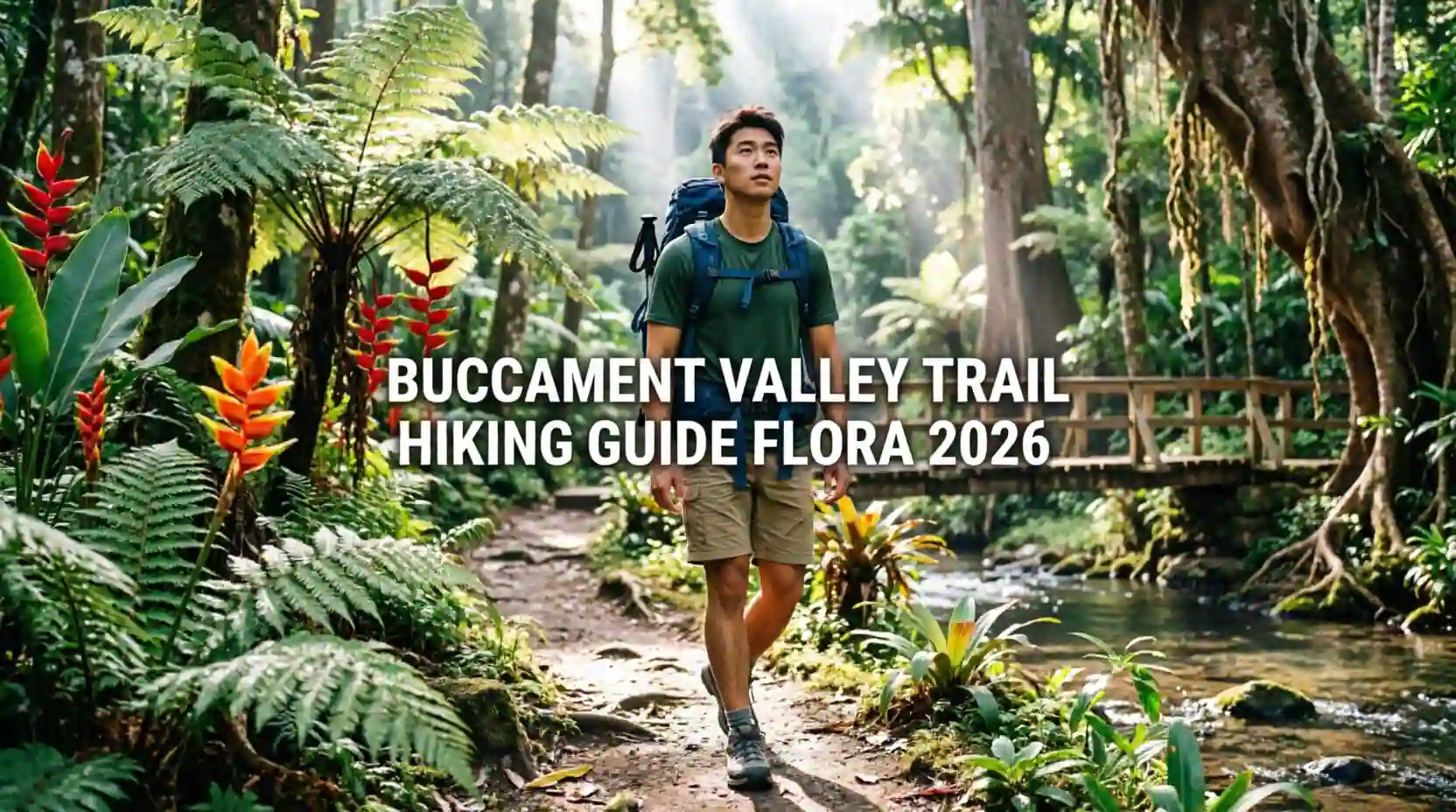
The Buccament Valley Trail winds through approximately 3-4 kilometers of primary and secondary rainforest, ascending from river level to higher elevations where the vegetation changes dramatically. Along the way, hikers encounter giant ferns taller than themselves, ancient trees with massive buttress roots, colorful heliconia and bird of paradise flowers, medicinal plants used by indigenous Kalinago people for centuries, and endemic species that have evolved in isolation on this volcanic island. The trail's relatively moderate difficulty makes it accessible to first-time hikers with reasonable fitness, while the rich biodiversity ensures that even experienced naturalists will find fascination at every turn.
This comprehensive guide is designed specifically for first-time travelers planning to hike the Buccament Valley Trail. We explore the valley's unique flora in detail, providing identification tips and ecological context for the plants you'll encounter. We cover practical preparation including fitness requirements, essential gear, and safety considerations specific to tropical rainforest hiking. We also discuss the best times to visit, how to arrange guides, and how to hike responsibly in this fragile ecosystem. Whether you are a nature enthusiast, amateur botanist, or simply someone seeking an authentic connection with Caribbean wilderness, this guide equips you with the knowledge needed for a safe, rewarding, and memorable Buccament Valley adventure.
Understanding the Buccament Valley Ecosystem

The Buccament Valley represents a classic example of Caribbean tropical rainforest ecosystem, shaped by St. Vincent's volcanic origins, abundant rainfall, and geographical isolation. The valley receives substantial precipitation throughout the year, with annual rainfall exceeding 150 inches in some areas, creating the moist conditions necessary for luxuriant vegetation growth. This rainfall, combined with rich volcanic soils and temperatures that rarely drop below 70°F (21°C) even at higher elevations, produces an environment where plants grow rapidly and biodiversity flourishes.
The valley's topography creates distinct ecological zones as elevation increases from the river valley floor to surrounding mountain slopes. Lower elevations feature dense lowland rainforest with towering canopy trees, abundant epiphytes, and thick understory vegetation. Mid-elevations transition to montane rainforest with different species composition and structure. Higher elevations approach cloud forest conditions where mist and clouds frequently envelop the vegetation, creating unique habitats for specialized plants adapted to constant moisture and cooler temperatures.
Geological and Climatic Influences on Vegetation
St. Vincent's volcanic geology profoundly influences the Buccament Valley's flora. The island sits on the Caribbean volcanic arc, and the valley itself was carved by water erosion through volcanic rock over thousands of years. Volcanic soils are exceptionally fertile, rich in minerals and nutrients that support vigorous plant growth. This fertility explains the extraordinary size and density of vegetation in the valley, where trees reach impressive heights and plants compete intensely for sunlight in the crowded understory.
The valley's orientation and topography create microclimates that support diverse plant communities. North-facing slopes receive different light and moisture conditions than south-facing slopes. Stream banks and riparian zones host vegetation adapted to periodic flooding and constant moisture. Ridge tops experience stronger winds and support different species than protected valley bottoms. Understanding these microclimates helps hikers appreciate why plant communities change as they progress along the trail.
Conservation Status and Ecological Importance
The Buccament Valley is recognized as an area of significant conservation importance, harboring numerous endemic and endangered species. St. Vincent's isolation has led to speciation, with plants evolving unique characteristics found nowhere else. The valley serves as a critical watershed, with its forest cover protecting water quality and regulating flow in the Buccament River, which supplies water to surrounding communities. Deforestation and development pressures make conservation of this ecosystem increasingly urgent.
Several plant species in the Buccament Valley have medicinal, cultural, or ecological significance. Indigenous Kalinago people and later African descendants developed extensive knowledge of medicinal plants found in the valley, using them to treat various ailments. Some species are threatened by habitat loss, invasive species, or climate change, making responsible tourism and conservation awareness essential for preserving this natural heritage for future generations.
Essential Flora: Plants You'll Encounter on the Trail

Hiking the Buccament Valley Trail offers a botanical education unlike any other Caribbean experience. The trail showcases an extraordinary diversity of plant life, from massive canopy trees to tiny orchids, from edible fruits to medicinal herbs. Understanding what you'll see enhances the hiking experience and helps you appreciate the ecological complexity of tropical rainforest.
The vegetation can be categorized into several groups: canopy trees that form the forest roof, understory trees and shrubs, herbaceous plants including ferns and wildflowers, climbing plants and vines, epiphytes that grow on other plants, and riparian vegetation along watercourses. Each group plays specific ecological roles and displays unique adaptations to rainforest life.
Canopy Trees: Giants of the Forest
Gommier (Dacryodes excelsa) dominates the upper canopy in many areas of Buccament Valley. These massive trees can reach 100 feet (30 meters) or more in height, with trunks several feet in diameter. Gommier trees produce aromatic resin that was historically used by indigenous people and early settlers for torches and canoes. The tree's name derives from the French word for gum, referring to this resinous substance. Look for the distinctive buttress roots that stabilize these giants in shallow tropical soils.
Blue Mahoe (Hibiscus elatus), St. Vincent's national tree, appears throughout the valley though less abundantly than gommier. This beautiful tree features distinctive blue-green bark and showy yellow flowers that turn red as they age. Blue mahoe wood is highly valued for furniture and construction, leading to overharvesting in some areas. The tree's presence in Buccament Valley represents important conservation of this national symbol.
Morne Acajou (Swietenia mahagoni), or West Indian mahogany, once flourished throughout the Caribbean but has been heavily logged for its valuable timber. Specimens in Buccament Valley demonstrate what these trees can achieve in protected conditions, with straight trunks rising high before branching. The compound leaves and distinctive seed capsules help identify this species.
Chataignier (Sloanea sp.) trees are common in the valley, recognizable by their large, leathery leaves arranged in clusters at branch tips. These trees produce woody capsules containing seeds with bright red arils that attract birds. The name "chataignier" means chestnut in French, though these trees are not true chestnuts.
Understory Trees and Shrubs
Balata (Manilkara bidentata) grows in the understory and mid-canopy, featuring dark green glossy leaves and producing edible fruit. The tree's latex was historically harvested to make balata rubber, used for golf balls and other products before synthetic rubber became available. Balata trees grow slowly and can live for centuries, with some specimens in Buccament Valley likely very old.
Wild Guava (Psidium guajava) and related species appear along trail edges and in disturbed areas. These shrubs or small trees produce fragrant white flowers and edible fruit. While guava is cultivated throughout the tropics, wild populations in Buccament Valley demonstrate the plant's natural adaptation to forest conditions.
Cocoa (Theobroma cacao) grows wild in some areas of the valley, remnants of historical plantations or naturalized populations. The distinctive large leaves, small flowers growing directly on trunks and branches (cauliflory), and colorful pods make cocoa trees easy to identify. Wild cocoa provides food for various wildlife species.
Ferns and Herbaceous Plants
Tree ferns (Cyathea sp.) represent one of the most spectacular plant groups in Buccament Valley. These ancient plants, which predate dinosaurs, can reach 20-30 feet (6-9 meters) in height with feathery fronds forming a crown at the top. Tree ferns thrive in the valley's moist, shaded conditions and create a prehistoric atmosphere that transports hikers back millions of years. The fibrous trunks of tree ferns were historically used by indigenous people for various purposes.
Giant Sword Ferns (Nephrolepis sp.) grow along the forest floor and on banks, with fronds that can exceed 6 feet (2 meters) in length. These ferns indicate moist, fertile conditions and provide habitat for small animals and insects. Their graceful arching fronds add to the valley's lush appearance.
Heliconia, often called lobster claws or wild plantains, displays spectacular colorful bracts in shades of red, orange, yellow, and green. These plants are not true bananas despite the similar appearance, though they are related. Heliconia flowers are adapted for pollination by hummingbirds, which are attracted to the bright colors and nectar. Different heliconia species bloom at different times, so you may encounter various forms depending on when you hike.
Ginger species (Zingiberaceae family) including shell ginger and torch ginger grow in the understory, featuring large leaves and distinctive flowers. Some ginger species have aromatic rhizomes used for culinary or medicinal purposes. The large leaves create dramatic visual interest along the trail.
Climbing Plants and Vines
Lianas, or woody vines, are abundant in Buccament Valley, climbing trees to reach sunlight in the canopy. These vines can be quite thick, with some exceeding 6 inches (15 cm) in diameter. Lianas play important ecological roles, providing pathways for arboreal animals and contributing to forest structure. However, they also compete with trees for resources and can bring down trees when they fall.
Passionflower vines (Passiflora sp.) climb through the understory, displaying intricate flowers with radial filaments and producing edible passion fruit. The complex flower structure, with its crown of filaments, represents one of nature's most remarkable botanical designs. Indigenous people used passionflower for medicinal purposes, particularly as a sedative.
Wild Yam (Dioscorea sp.) vines twist through the forest, with some species producing edible tubers. Indigenous Kalinago people cultivated and harvested yams as a staple food source. The heart-shaped leaves and climbing habit help identify these plants, though care must be taken as some yam species are toxic.
Epiphytes: Plants That Grow on Plants
Orchids represent the most diverse and spectacular epiphytic group in Buccament Valley. Hundreds of orchid species grow on tree branches and trunks, displaying flowers in countless colors and forms. Some orchids are tiny and easily overlooked, while others produce spectacular blooms. Orchids have adapted to life in the canopy with specialized roots that absorb moisture and nutrients from rain and decomposing organic matter.
Bromeliads, relatives of pineapple, grow on trees and rocks throughout the valley. These plants form rosettes of stiff leaves that collect water, creating miniature ecosystems that harbor frogs, insects, and other small creatures. Some bromeliads produce colorful flower spikes that attract hummingbirds and other pollinators.
Ferns also grow as epiphytes, with species like staghorn ferns attaching to tree trunks and branches. These epiphytic ferns have evolved specialized structures for capturing organic debris and moisture from the air.
Riparian Vegetation
Along the Buccament River and its tributaries, specialized plants adapted to wet conditions thrive. Bamboo grows in dense stands along watercourses, with some species native to the Caribbean and others introduced. Bamboo's rapid growth and hollow stems make it useful for construction and crafts. The sound of wind through bamboo adds to the valley's atmospheric qualities.
River cane and other grasses stabilize stream banks, preventing erosion while providing habitat for aquatic and terrestrial wildlife. These plants tolerate periodic flooding and saturated soils that would kill most terrestrial vegetation.
Medicinal and Cultural Plants

The Buccament Valley holds special significance as a repository of traditional botanical knowledge. Indigenous Kalinago people and later African descendants developed sophisticated understanding of the valley's medicinal plants, using them to treat everything from fevers and wounds to digestive problems and respiratory ailments. This ethnobotanical knowledge represents centuries of observation, experimentation, and cultural transmission.
While modern medicine has replaced many traditional remedies, interest in medicinal plants persists for cultural, economic, and scientific reasons. Some pharmaceuticals have been developed from tropical plants, and researchers continue to investigate the valley's flora for potential medical applications. However, harvesting medicinal plants requires knowledge and care, as improper use can be dangerous and overharvesting threatens plant populations.
Important Medicinal Species
Quassia (Quassia amara), or bitterwood, grows in the valley and has been used traditionally to treat fevers, digestive problems, and parasites. The wood is extremely bitter, and extracts have been used as natural insecticides. The tree's distinctive red flowers and compound leaves aid identification.
Castor Oil Plant (Ricinus communis) appears in disturbed areas and along trails. The plant's seeds produce castor oil, used traditionally for various medicinal purposes though the seeds themselves are highly toxic if ingested. The large palmate leaves and spiky seed capsules make this plant distinctive.
Noni (Morinda citrifolia) grows near the coast and in lower elevations, producing distinctive bumpy fruit with strong odor. Traditional healers used noni for various ailments, and the fruit has gained popularity in alternative medicine markets. The plant's white flowers and compound fruit are easy to identify.
Soursop (Annona muricata) and related annonaceous species grow in the valley, producing large fruits with medicinal properties. Traditional uses include treating infections, fever, and various other conditions. The large leaves and distinctive fruits help identify these trees.
Preparing for Your Buccament Valley Hike

Successfully hiking the Buccament Valley Trail requires thoughtful preparation that addresses the unique challenges of tropical rainforest hiking. Unlike temperate climate trails, tropical rainforests present constant humidity, potential for sudden weather changes, challenging terrain, and specific safety considerations. Proper preparation ensures you can focus on enjoying the flora and scenery rather than struggling with discomfort or safety concerns.
Fitness Requirements and Trail Difficulty
The Buccament Valley Trail is generally considered moderate in difficulty, suitable for first-time hikers with reasonable fitness. The trail involves some elevation gain, uneven terrain, stream crossings, and potentially muddy conditions. You should be comfortable walking for 3-5 hours at a moderate pace with occasional steep sections.
If you are not regularly active, begin preparing several weeks before your trip with regular walking, ideally on uneven terrain. Build endurance gradually, aiming for walks of at least 2-3 hours before attempting the full trail. Include some hill walking to prepare for elevation changes. While you don't need to be an athlete, basic fitness significantly enhances enjoyment and safety.
Essential Gear and Equipment
Footwear is critical for Buccament Valley hiking. Wear sturdy hiking boots with good ankle support and aggressive tread for traction on muddy, slippery surfaces. Waterproof boots are advantageous given frequent moisture, though they may be warmer. Break in boots thoroughly before your trip to prevent blisters. Bring moisture-wicking hiking socks and consider bringing a spare pair.
Clothing should be lightweight, breathable, and quick-drying. Long pants protect against insects, thorny vegetation, and sun exposure better than shorts, though they may be warmer. Choose moisture-wicking fabrics rather than cotton, which stays wet and can cause chafing. Bring a lightweight rain jacket even on days that appear sunny, as tropical weather can change rapidly.
A daypack of 20-30 liters capacity holds essential items including water (at least 2-3 liters per person), snacks and lunch, first aid kit, insect repellent, sunscreen, hat, camera, and emergency supplies. Choose a pack with comfortable shoulder straps and preferably a hip belt to distribute weight.
Hydration and Nutrition
Tropical hiking demands more hydration than temperate climate hiking due to high humidity and heat. Bring at least 2-3 liters of water per person, more if you tend to sweat heavily or if hiking during warmer parts of the day. Consider bringing electrolyte tablets or sports drinks to replace salts lost through sweating.
Pack high-energy, non-perishable snacks including nuts, energy bars, dried fruit, and sandwiches. You'll burn more calories than usual due to humidity and elevation gain, so bring more food than you think you need. Avoid foods that melt or spoil easily in tropical heat.
Safety Equipment and Emergency Preparedness
Carry a basic first aid kit including bandages, antiseptic wipes, blister treatment, pain relievers, antihistamines, and any personal medications. Add supplies specific to tropical hiking: insect sting treatment, antifungal cream, and rehydration salts.
Bring a whistle, headlamp or flashlight (even for day hikes in case you're delayed), multi-tool or knife, and emergency blanket. While serious emergencies are rare, being prepared provides peace of mind and could be crucial if you're injured or delayed.
Carry a fully charged mobile phone, though be aware that cell coverage may be spotty in the valley. Consider downloading offline maps of the area. Inform someone of your hiking plans including expected return time.
Best Times to Hike Buccament Valley

Timing your Buccament Valley hike affects your experience significantly, influencing weather conditions, trail difficulty, wildlife activity, and plant phenology (flowering and fruiting patterns). Understanding seasonal variations helps you plan optimally.
Seasonal Considerations
St. Vincent has a tropical climate with a dry season (approximately January-May) and wet season (June-December), though rain can fall year-round. The dry season offers more predictable weather with less rainfall, making trails less muddy and stream crossings easier. However, "dry" is relative in tropical rainforest, and you should always prepare for rain regardless of season.
The wet season brings more frequent and intense rainfall, making trails muddy and slippery and increasing the risk of flash flooding in the valley. However, the wet season also features lush vegetation, flowing waterfalls at their most spectacular, and fewer tourists. If you don't mind rain and mud, the wet season offers its own rewards.
Daily Timing
Start your hike early in the morning, ideally by 7-8 AM. Morning hours are cooler, with temperatures more comfortable for hiking. Afternoon thunderstorms are common in tropical regions, and starting early helps ensure you complete your hike before weather deteriorates. Early morning also offers better opportunities to observe birds and other wildlife that are most active at dawn.
Avoid hiking during the hottest part of the day (roughly 11 AM to 3 PM) when heat and humidity peak. If you must hike during these hours, take frequent breaks in shade and hydrate aggressively.
Flowering and Fruiting Seasons
Different plants flower and fruit at different times, so the valley's appearance changes throughout the year. Heliconia and ginger species may flower year-round but often peak during wetter months. Fruit-bearing trees produce at various times, attracting wildlife. While you'll see impressive vegetation year-round, some visitors prefer seasons when specific plants are flowering.
Hiring Guides and Tour Operators

While experienced hikers might navigate the Buccament Valley Trail independently, hiring a local guide is strongly recommended, especially for first-time visitors. Guides provide invaluable knowledge about flora, fauna, and trail conditions while enhancing safety and supporting the local economy.
Benefits of Local Guides
Local guides possess intimate knowledge of the trail and valley that no guidebook can provide. They can identify plants and explain their uses, point out wildlife you might miss, share cultural and historical context, and navigate safely through challenging sections. Guides know current trail conditions, weather patterns, and potential hazards.
Guides enhance safety significantly. They know where stream crossings are safe, can recognize signs of weather changes, and can respond to emergencies. In an area where cell coverage may be limited, having someone familiar with the terrain and emergency procedures provides crucial security.
Hiring local guides supports the community economically and creates incentives for conservation. When residents benefit from tourism, they're more likely to protect natural resources. Many guides are passionate about conservation and education, sharing their knowledge to foster appreciation for the valley.
Finding Reputable Guides
Book guides through established tour operators, your accommodation, or recommendations from tourism offices. Ask about the guide's experience, training, and knowledge of flora specifically. A good guide should be able to identify numerous plant species and explain their ecological and cultural significance.
Discuss expectations before booking: trail difficulty, duration, cost, what's included, group size, and fitness requirements. Ensure the guide carries appropriate safety equipment and has emergency plans. Verify that the guide is licensed or certified if such requirements exist.
Guide Costs and Tipping
Guide costs vary but typically range from $50-150 USD for a half-day to full-day hike, depending on group size, guide experience, and what's included. Some guides provide transportation, meals, or equipment for additional fees. While this represents a significant expense, consider it an investment in safety, education, and community support.
Tipping is customary for good service, typically 10-20% of the guide fee. Tips supplement guide income and acknowledge quality service. Pay in local currency (Eastern Caribbean Dollars) or USD as agreed.
Trail Etiquette and Conservation Practices

Hiking in Buccament Valley carries responsibility to minimize impact on this fragile ecosystem. Following proper trail etiquette and conservation practices ensures the valley remains pristine for future visitors and protects the plants and wildlife that call it home.
Leave No Trace Principles
Pack out everything you pack in, including all trash, food scraps, and biodegradable items like fruit peels. While organic matter decomposes, it can alter soil chemistry, attract wildlife to trails, and introduce non-native seeds. Carry a trash bag and remove everything from the valley.
Stay on designated trails to prevent erosion and protect vegetation. Creating new trails or widening existing ones damages plant roots, compacts soil, and increases erosion. When trails are muddy, walk through the mud rather than around it to avoid widening the trail.
Do not pick flowers, remove plants, or disturb wildlife. Taking even small plants or flowers can impact reproduction and survival. Appreciate plants through observation and photography rather than collection. Some plants may be rare or endangered, and removal could have serious ecological consequences.
Respectful Behavior
Keep noise levels moderate to avoid disturbing wildlife and other hikers. Tropical forests are acoustic environments where animals communicate through sound, and excessive noise disrupts these interactions. Speak quietly and avoid playing music.
Respect other hikers by yielding appropriately (uphill hikers generally have right of way), keeping groups small, and not blocking the trail. Be courteous and friendly, sharing knowledge and experiences.
Cultural Sensitivity
Recognize that Buccament Valley holds cultural significance for Vincentians, particularly descendants of indigenous Kalinago people and Maroons who used the valley for shelter, resources, and spiritual practices. Approach the valley with respect for this heritage and the ongoing connection local communities maintain with the land.
If you encounter local residents using the valley for traditional purposes, be respectful and ask permission before photographing people. Understand that some areas may have cultural or spiritual significance and should be treated with appropriate reverence.
Photography and Documentation

Buccament Valley offers extraordinary photographic opportunities, from dramatic landscapes to intricate botanical details. Capturing these images allows you to preserve memories and share the valley's beauty while potentially contributing to conservation awareness.
Equipment Recommendations
A camera with good low-light performance helps in the shaded forest environment. DSLR or mirrorless cameras offer best quality, but modern smartphones can also produce excellent results. Bring a polarizing filter to reduce glare on wet leaves and enhance colors. A macro lens or macro mode enables close-up photography of flowers, insects, and plant details.
Protect equipment from humidity and rain with waterproof bags or cases. Silica gel packets help control moisture. Bring extra batteries and memory cards, as you'll likely take more photos than anticipated.
Photography Techniques
Early morning light filtering through the canopy creates dramatic effects. Look for beams of sunlight illuminating ferns, flowers, or mist. Backlighting can make translucent leaves glow beautifully. Experiment with different angles and perspectives rather than always shooting from eye level.
For plant photography, focus on interesting details: the pattern of fern fronds, the texture of bark, the structure of flowers, water droplets on leaves. Use a small aperture (high f-number) for greater depth of field when you want entire plants in focus, or wide aperture (low f-number) to isolate subjects with blurred backgrounds.
Include human scale in some landscape shots to convey the size of trees and the valley's grandeur. A person standing next to a massive tree or fern provides perspective.
Ethical Photography
Never damage plants or disturb wildlife to get better photos. Don't break branches, trample vegetation, or harass animals for photographic opportunities. The subject's wellbeing is more important than any photograph.
Ask permission before photographing people, particularly local residents or guides. Respect refusals gracefully.
Safety Considerations and Emergency Preparedness

While Buccament Valley hiking is generally safe with proper preparation, understanding potential hazards and how to respond ensures you can handle challenges that may arise.
Weather Hazards
Sudden rainstorms can develop quickly in tropical mountains, making trails slippery and streams dangerous. If you encounter heavy rain, seek shelter but avoid tall trees that could be struck by lightning. If streams rise rapidly, do not attempt to cross; wait for water to recede or retreat to higher ground. Flash flooding is a serious risk in valleys.
Heat and humidity can cause heat exhaustion or heat stroke, particularly for those unaccustomed to tropical conditions. Recognize symptoms: excessive sweating, weakness, dizziness, nausea, headache. If you experience these, rest in shade, hydrate, and cool down. Severe symptoms require immediate medical attention.
Wildlife Encounters
St. Vincent has no large predators, but you may encounter snakes, including the venomous St. Vincent lancehead (a pit viper). These snakes are generally not aggressive but will defend themselves if threatened. Watch where you step and place your hands, particularly on logs or rocks. If you encounter a snake, give it space and do not attempt to handle or provoke it.
Insects including mosquitoes, ants, and wasps are abundant. Use insect repellent and wear long pants and sleeves to minimize bites. Some people may have allergic reactions to insect stings; if you have known allergies, carry appropriate medication.
Navigation and Getting Lost
While the main trail is generally clear, it's possible to become disoriented, particularly if you venture off-trail. Stay on marked paths and pay attention to landmarks. If you become lost, stay calm, stay on the trail if possible, and use your whistle to signal for help. Three whistle blasts is the universal distress signal.
Carry a map and know how to use it, even with a guide. GPS devices or smartphone apps can help but should not be your only navigation method as batteries can die and signals can be lost.
Emergency Response
Know emergency contact numbers for St. Vincent before hiking. The general emergency number is 911. However, response times in remote areas may be slow, making self-reliance important.
Carry a whistle, mirror, or other signaling devices. Bright-colored clothing makes you more visible to rescuers. If someone in your group is injured, stabilize them, keep them warm and hydrated, and send someone for help if possible.
Conclusion: Embracing the Buccament Valley Experience
Hiking the Buccament Valley Trail offers first-time visitors to St. Vincent an unforgettable immersion in Caribbean rainforest ecology and natural beauty. The valley's extraordinary flora, from towering canopy trees to delicate orchids, from ancient ferns to colorful heliconia, tells the story of millions of years of evolution in isolation. Each plant you encounter represents adaptations to specific conditions, relationships with other organisms, and roles in the complex web of rainforest life.
For first-time hikers, the Buccament Valley provides an accessible yet challenging introduction to tropical rainforest hiking. The moderate difficulty, combined with the opportunity to hire knowledgeable local guides, makes this trail achievable for those with reasonable fitness while still offering genuine adventure. The valley's relatively protected status and ongoing conservation efforts help ensure that future generations can experience the same wonder that captivates visitors today.
As you prepare for your Buccament Valley adventure, remember that you are not just a spectator but a participant in the valley's ongoing story. Your choices—how you prepare, how you behave on the trail, whether you hire local guides, how you minimize your impact—affect this ecosystem and the communities connected to it. By approaching the valley with respect, curiosity, and commitment to conservation, you contribute to preserving this natural treasure while creating memories and insights that will enrich your life long after you leave St. Vincent.
The Buccament Valley awaits with its ancient trees, vibrant flowers, singing birds, and the soothing sound of flowing water. It offers a reminder of nature's resilience, beauty, and complexity, and an invitation to slow down, observe carefully, and appreciate the intricate connections that sustain life in tropical rainforest. Whether you are a dedicated botanist, a casual nature lover, or simply someone seeking adventure and beauty, the Buccament Valley Trail delivers an experience that engages all your senses and leaves you with deeper appreciation for the natural world. Prepare well, hike safely, respect the environment, and allow yourself to be transformed by one of the Caribbean's most remarkable natural places.
0 Comments