.webp)
.webp)
Safest Coastal Towns for Solo Female Travelers in Mexico
Quick Answer for Solo Female Travelers
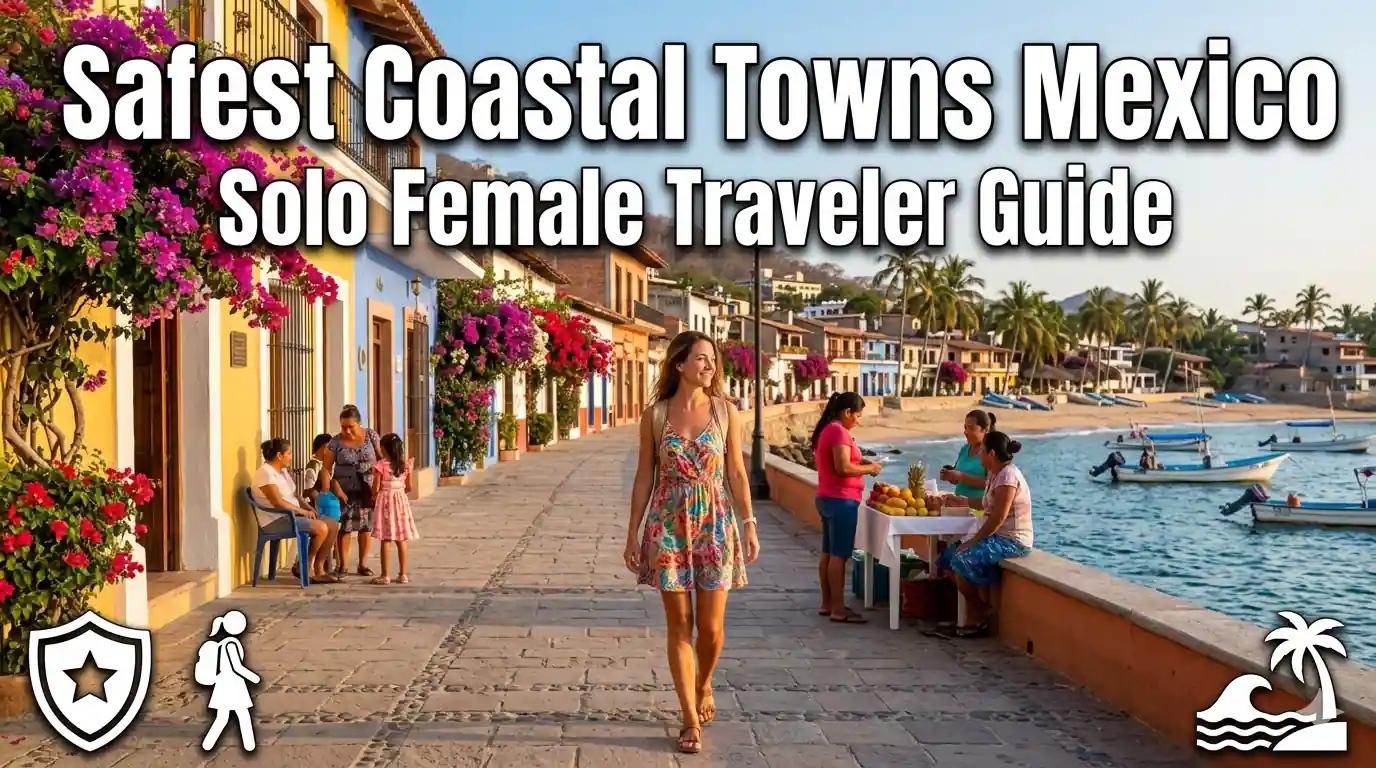
Mexico's safest coastal towns for solo female travelers include Puerto Vallarta, Mérida (near Progreso beach), Campeche, Huatulco, and La Paz, all offering low crime rates, strong tourist infrastructure, and welcoming communities. US citizens need only a valid passport for entry with no visa required for stays under 180 days. These destinations feature well-lit malecones (boardwalks), reliable public transportation, active expat communities, and established safety protocols for tourists. Budget $50-100 USD daily for comfortable solo travel including safe accommodations in reputable hotels or hostels with female dorms, registered taxis or rideshare apps, and meals at established restaurants. Always register with your embassy's travel program, share your itinerary with trusted contacts, and trust your instincts. Mexico welcomes millions of solo female travelers annually, and by choosing the right destinations and following basic safety precautions, you can enjoy an enriching, empowering travel experience along Mexico's beautiful coastlines.
Why Safety Matters for Solo Female Travel in Mexico

Solo female travel has exploded in popularity over the past decade, with women increasingly seeking independent adventures that foster personal growth, cultural immersion, and self-reliance. Mexico, with its rich cultural heritage, stunning coastlines, and warm hospitality, ranks among the world's most popular destinations for solo female travelers. However, navigating safety concerns requires informed decision-making and realistic risk assessment.
Understanding safety in Mexico demands nuance. Media coverage often sensationalizes crime, creating perceptions that don't reflect the complex reality on the ground. While certain regions experience security challenges related to organized crime, tourist destinations generally maintain robust safety infrastructure specifically designed to protect visitors. The Mexican government recognizes tourism's economic importance—accounting for approximately 8.7% of GDP—and invests significantly in tourist police, emergency services, and safety protocols in major destinations.
For solo female travelers, safety encompasses multiple dimensions: physical security, cultural respect, reliable infrastructure, and community support. The safest coastal towns combine low violent crime rates with strong tourist amenities, active expat or traveler communities, and cultural attitudes that respect women's independence. These destinations typically feature well-maintained public spaces, reliable transportation options, and established protocols for assisting tourists in distress.
It's crucial to acknowledge that no destination is risk-free, and experiences vary based on individual circumstances, behavior, and luck. However, by choosing destinations with proven safety records, staying informed about local conditions, and practicing common-sense precautions, solo female travelers can significantly mitigate risks while maximizing the transformative potential of independent travel.
This guide focuses on coastal towns that consistently rank as safe for solo female travelers based on crime statistics, traveler reviews, expat community feedback, and tourism infrastructure quality. These recommendations reflect current conditions as of 2024, though travelers should always verify recent information before departure.
Top Safest Coastal Towns for Solo Female Travelers

These Mexican coastal destinations have earned reputations as safe, welcoming environments for women traveling alone, combining security with authentic cultural experiences and natural beauty.
Puerto Vallarta, Jalisco:
Puerto Vallarta consistently ranks as Mexico's safest beach destination for solo female travelers. This Pacific coast gem combines traditional Mexican charm with modern tourist infrastructure, creating an environment where women can explore confidently. The city's malecón (seaside boardwalk) stretches 14 blocks through the heart of downtown, bustling with families, street performers, and vendors until late evening—natural surveillance that enhances safety.
Puerto Vallarta's Zona Romántica (Romantic Zone) attracts a diverse, international crowd including many solo female travelers and LGBTQ+ visitors, creating an inclusive atmosphere. The neighborhood features narrow cobblestone streets lined with boutique hotels, cafes, and galleries, all within walking distance of Los Muertos Beach. English is widely spoken in tourist areas, reducing language barriers that can create vulnerability.
The city maintains a dedicated tourist police force (Policía Turística) identifiable by white uniforms and visible presence in tourist zones. These officers speak English and receive specialized training in assisting visitors. Emergency services are readily accessible, and the city's hospital, CMQ, meets international standards.
Accommodation options cater specifically to solo female travelers, with numerous hostels offering female-only dorms and highly-rated boutique hotels in safe neighborhoods. Popular choices include Hostel Inntuuc (female dorms from $18 USD/night) and Hotel Rosita (private rooms from $65 USD/night), both in the heart of Zona Romántica with 24-hour reception and security.
Mérida and Progreso, Yucatán:
While Mérida itself sits 30 kilometers inland, it serves as the perfect base for exploring Progreso beach and consistently ranks as Mexico's safest city overall. The Yucatán Peninsula experiences significantly lower crime rates than other Mexican regions, and Mérida's colonial charm, cultural richness, and genuine hospitality make it ideal for solo female travelers.
Progreso, Mérida's beach town, offers a relaxed alternative to crowded resort destinations. The malecón features the longest pier in Mexico, extending 6.5 kilometers into the Gulf of Mexico. The beach maintains a family-friendly atmosphere with calm waters, and the town's small size means everything remains walkable and familiar.
Mérida's safety stems from strong community ties, effective local governance, and cultural values emphasizing respect and family. The city center remains active until late evening, with families dining in plazas and streets well-lit and patrolled. Solo female travelers report feeling comfortable walking independently in central areas even after dark, though standard precautions remain wise.
The Yucatán's Maya heritage creates a unique cultural environment where women traditionally hold respected positions in society and commerce. Female solo travelers often note feeling welcomed rather than scrutinized, with locals genuinely interested in cultural exchange rather than harassment.
Accommodation in Mérida ranges from budget hostels like Hostal Zocalo ($15 USD/night female dorms) to luxury boutique hotels. Progreso offers beachfront hotels and vacation rentals, though the selection is smaller. Many solo travelers choose to base in Mérida and take day trips to Progreso via affordable colectivos ($2 USD) or taxis ($25-30 USD).
Campeche, Campeche:
Campeche, a UNESCO World Heritage Site on the Gulf of Mexico, represents one of Mexico's best-kept secrets for solo female travelers. This colonial walled city combines safety, beauty, and authenticity with minimal tourist crowds, creating an intimate travel experience.
Campeche's historic center, surrounded by restored 17th-century defensive walls, is compact enough to explore entirely on foot. The city maintains exceptional cleanliness, colorful architecture, and a peaceful atmosphere. Evening strolls along the malecón or through illuminated plazas feel secure thanks to active community presence and effective policing.
The city's small size (approximately 250,000 residents) creates a community atmosphere where strangers notice unusual activity. Locals take pride in their city's UNESCO status and generally treat visitors with warmth and respect. English proficiency is lower than in major resort destinations, but basic Spanish goes a long way, and residents appreciate efforts to communicate in their language.
Campeche's beach, Playa Bonita, sits just outside the city center, accessible by short taxi ride or bicycle. While not as developed as resort beaches, it offers peaceful swimming and a glimpse of local life. For pristine Caribbean waters, the nearby island of Isla Aguada provides day-trip opportunities.
Accommodation options include charming boutique hotels within the walled city like Hotel San Francisco ($70-100 USD/night) and budget-friendly hostels like Hospedaje La Casona ($20 USD/night). The compact historic center means most lodging places you within walking distance of restaurants, shops, and attractions.
Huatulco, Oaxaca:
Huatulco, on Oaxaca's Pacific coast, represents Mexico's most thoughtfully planned eco-tourism destination. Developed specifically to balance tourism growth with environmental protection and community benefit, Huatulco consists of nine bays connected by coastal roads, with the main town of La Crucecita serving as the commercial center.
Huatulco's safety record stems from several factors: planned development that avoided the problems of rapid, unregulated growth; strong environmental regulations that maintain natural beauty; and community involvement in tourism that creates local investment in visitor safety. The destination attracts a more mature, environmentally-conscious traveler demographic, contributing to a respectful atmosphere.
La Crucecita features a charming central plaza (Zócalo) surrounded by restaurants, cafes, and shops. The area remains lively but not rowdy, with families and couples comprising most visitors. The nearby beach, Playa La Entrega, offers calm swimming and excellent snorkeling just minutes from town.
Huatulco's nine bays provide diverse beach experiences, from the developed Playa Tangolunda to remote coves accessible only by boat. This variety allows solo travelers to choose their comfort level—social beaches with amenities or secluded spots for solitude. Boat tours between bays operate regularly and safely, with licensed operators.
Accommodation ranges from all-inclusive resorts to boutique eco-lodges and budget hotels. Solo female travelers often favor small hotels in La Crucecita like Hotel Krystal Huatulco ($60-90 USD/night) or eco-lodges like Copalita Eco-Hotel ($45-70 USD/night) that emphasize sustainability and community connection.
La Paz, Baja California Sur:
La Paz, the capital of Baja California Sur, offers solo female travelers a perfect blend of safety, natural beauty, and authentic Mexican culture. Located on the Sea of Cortez (dubbed "the world's aquarium" by Jacques Cousteau), La Paz attracts nature lovers, divers, and travelers seeking a slower pace than Cabo San Lucas's party scene.
La Paz's malecón stretches 5 kilometers along the waterfront, featuring sculptures, playgrounds, exercise areas, and restaurants. This public space remains active from dawn to late evening with families, joggers, and tourists, creating natural surveillance and a welcoming atmosphere. The city's relaxed vibe and genuine friendliness make it easy for solo travelers to connect with others.
Baja California Sur maintains lower crime rates than many Mexican states, and La Paz benefits from its status as state capital with corresponding security infrastructure. The city's moderate size (approximately 290,000 residents) means services are accessible without overwhelming crowds. English is spoken in tourist areas, though less ubiquitously than in major resort destinations.
La Paz serves as a gateway to extraordinary natural experiences: swimming with whale sharks (October-April), sea lion encounters, and world-class diving. Tour operators maintain high safety standards, and solo travelers can join group excursions that provide both adventure and social connection. These organized activities offer structured environments where meeting fellow travelers feels natural and safe.
Accommodation options include the popular Hostel Casa Lapa ($18-25 USD/night female dorms) known for its social atmosphere and safety focus, as well as waterfront hotels like Hotel Catedral ($70-100 USD/night) on the malecón. The city's walkable center means most lodging places you near restaurants, shops, and the waterfront.
Mazatlán, Sinaloa:
Mazatlán, experiencing a renaissance after years of security concerns, has reclaimed its position as a safe, attractive destination for solo female travelers. This Pacific coast city combines colonial architecture, beautiful beaches, and authentic Mexican culture at prices significantly lower than more famous destinations.
Mazatlán's historic Centro district, with its restored 19th-century buildings and vibrant plaza, has undergone significant revitalization. The area now features art galleries, boutique hotels, and restaurants that attract both tourists and locals, creating a lively, safe environment. Evening cultural events and the famous Tuesday night market draw crowds that enhance natural surveillance.
The Golden Zone (Zona Dorada), Mazatlán's hotel district, offers modern amenities and beachfront access. While more touristy than Centro, it maintains a family-friendly atmosphere with visible security and well-maintained public spaces. The 11-mile malecón, one of the world's longest, provides safe walking and cycling paths with ocean views.
Mazatlán's lower cost of living compared to Puerto Vallarta or Los Cabos makes it attractive for extended stays or budget-conscious travelers. Solo female travelers can find quality accommodation, dining, and activities at 30-40% lower prices than more famous destinations, enabling longer travel periods or enhanced experiences within the same budget.
Accommodation ranges from historic boutique hotels in Centro like Hotel Belmar ($50-80 USD/night) to beachfront resorts in the Golden Zone. Hostels like El Cielo Hostel ($15-20 USD/night) cater to budget travelers and solo visitors seeking social connection.
Safety Considerations and Practical Tips

Choosing a safe destination represents only the first step in ensuring a secure solo travel experience. These practical strategies help solo female travelers maintain safety while maximizing enjoyment and cultural immersion.
Accommodation Safety:
Your lodging choice significantly impacts safety and overall travel experience. Prioritize accommodations with:
- 24-hour reception: Ensures someone is always available to assist with emergencies, verify visitor identities, and provide local safety information.
- Secure entry: Key card access or coded entry prevents unauthorized individuals from entering guest areas.
- In-room safes: Protect passports, extra cash, and valuables when exploring or sleeping.
- Positive reviews from female travelers: Platforms like Hostelworld and Booking.com allow filtering reviews by traveler type. Pay particular attention to comments about safety, neighborhood security, and staff responsiveness.
- Female-only dorms: If staying in hostels, female dorms provide additional security and often foster supportive communities among solo female travelers.
- Central locations: Well-lit, active neighborhoods with restaurants and shops nearby reduce risks associated with walking alone at night.
- 👉 Coolcations Jarabacoa 2026: Caribbean Alps Heat Escape
- 👉 Why Morelia is the Underrated Culinary Capital of Central Mexico
- 👉 10 Day Panama Itinerary From Panama City to Bocas del Toro
- 👉 Dominica Sperm Whale Reserve 2026: Marine Life Guide
- 👉 A Guide to Traditional Garifuna Drumming and Dance Workshops: Experiencing Afro-Caribbean Culture in Central America
Transportation Safety:
Getting around safely requires understanding local transportation options and their relative security:
- Rideshare apps (Uber, DiDi): Available in most recommended destinations, these apps provide driver identification, trip tracking, and cashless payment. Always verify the license plate and driver photo before entering.
- Registered taxis: Use only taxis from established stands (sitios) or called by your hotel. Avoid hailing random taxis on the street, especially at night. In tourist areas, taxis should have visible identification and meters or posted rates.
- Public buses: Generally safe during daylight hours in recommended destinations. Keep valuables secure and maintain awareness of surroundings. Avoid late-night bus travel when possible.
- Walking: In safe neighborhoods during daylight, walking provides the best way to explore and connect with local culture. At night, stick to well-lit, populated areas and trust your instincts—if a street feels unsafe, take a taxi even for short distances.
- Rental cars: Generally unnecessary in recommended coastal towns with good walkability and transportation. If renting, use reputable international companies, purchase full insurance, and avoid driving at night on unfamiliar roads.
- 👉 Coolcations Jarabacoa 2026: Caribbean Alps Heat Escape
- 👉 Why Morelia is the Underrated Culinary Capital of Central Mexico
- 👉 10 Day Panama Itinerary From Panama City to Bocas del Toro
- 👉 Dominica Sperm Whale Reserve 2026: Marine Life Guide
- 👉 A Guide to Traditional Garifuna Drumming and Dance Workshops: Experiencing Afro-Caribbean Culture in Central America
Cultural Awareness and Respect:
Understanding Mexican culture and social norms enhances safety by reducing misunderstandings and demonstrating respect:
- Dress appropriately: While beach towns are relaxed, covering shoulders and knees when visiting churches, government buildings, or rural communities shows respect and reduces unwanted attention.
- Learn basic Spanish: Even minimal language skills—greetings, please/thank you, numbers—demonstrate respect and reduce vulnerability. Locals appreciate effort and often respond with increased warmth and assistance.
- Understand machismo culture: Mexico, like many Latin American countries, has elements of machismo culture. This doesn't mean women are unsafe, but understanding that catcalling (piropos) occasionally occurs prepares you emotionally. The best response is usually ignoring it completely—engagement often encourages persistence.
- Respect local customs: Research destination-specific customs before arrival. Some coastal towns have more conservative values than others, and awareness prevents unintentional offense.
- 👉 Coolcations Jarabacoa 2026: Caribbean Alps Heat Escape
- 👉 Why Morelia is the Underrated Culinary Capital of Central Mexico
- 👉 10 Day Panama Itinerary From Panama City to Bocas del Toro
- 👉 Dominica Sperm Whale Reserve 2026: Marine Life Guide
- 👉 A Guide to Traditional Garifuna Drumming and Dance Workshops: Experiencing Afro-Caribbean Culture in Central America
Communication and Connectivity:
Staying connected enhances safety and reduces stress:
- Mexican SIM card or eSIM: Purchase upon arrival for affordable data. Telcel and AT&T Mexico offer good coverage in tourist areas. Having data enables map navigation, rideshare apps, and emergency communication.
- Share your itinerary: Provide trusted contacts at home with your accommodation details, daily plans, and regular check-in times. Apps like Find My Friends or Google Maps location sharing provide additional security.
- Register with your embassy: US citizens can enroll in the Smart Traveler Enrollment Program (STEP) for safety updates and emergency assistance. Other countries offer similar programs.
- Save emergency numbers: Program local emergency numbers (911 works throughout Mexico), your country's embassy, and accommodation contact information into your phone.
- 👉 Coolcations Jarabacoa 2026: Caribbean Alps Heat Escape
- 👉 Why Morelia is the Underrated Culinary Capital of Central Mexico
- 👉 10 Day Panama Itinerary From Panama City to Bocas del Toro
- 👉 Dominica Sperm Whale Reserve 2026: Marine Life Guide
- 👉 A Guide to Traditional Garifuna Drumming and Dance Workshops: Experiencing Afro-Caribbean Culture in Central America
Money and Document Security:
Protecting valuables prevents stressful situations:
- Carry minimal cash: Bring only what you need for the day. Use hotel safes for passports, extra cash, and backup credit cards.
- Use ATMs wisely: Withdraw from ATMs inside banks during business hours when security is present. Avoid street ATMs, especially at night. Shield your PIN and be aware of surroundings.
- Notify your bank: Inform your bank of travel dates and destinations to prevent card blocks for suspicious international activity.
- Carry copies: Keep photocopies or digital scans of your passport, insurance card, and important documents separate from originals.
- Use money belts or hidden pouches: For beach days or crowded areas, concealed money storage prevents theft while swimming or navigating markets.
- 👉 Coolcations Jarabacoa 2026: Caribbean Alps Heat Escape
- 👉 Why Morelia is the Underrated Culinary Capital of Central Mexico
- 👉 10 Day Panama Itinerary From Panama City to Bocas del Toro
- 👉 Dominica Sperm Whale Reserve 2026: Marine Life Guide
- 👉 A Guide to Traditional Garifuna Drumming and Dance Workshops: Experiencing Afro-Caribbean Culture in Central America
Trusting Your Instincts:
Your intuition represents a powerful safety tool. If a situation, person, or place feels wrong, remove yourself immediately without worrying about politeness. Solo travel requires balancing openness to new experiences with protective vigilance. Common scenarios requiring instinctive action include:
- Someone making you uncomfortable through persistent attention or inappropriate questions
- Feeling disoriented or lost in an unfamiliar area
- Receiving unsolicited food or drinks (never accept)
- Being pressured to go somewhere private or isolated
- Sensing that a tour operator or service seems unprofessional or unsafe
- 👉 Coolcations Jarabacoa 2026: Caribbean Alps Heat Escape
- 👉 Why Morelia is the Underrated Culinary Capital of Central Mexico
- 👉 10 Day Panama Itinerary From Panama City to Bocas del Toro
- 👉 Dominica Sperm Whale Reserve 2026: Marine Life Guide
- 👉 A Guide to Traditional Garifuna Drumming and Dance Workshops: Experiencing Afro-Caribbean Culture in Central America
In these situations, prioritize your safety over social niceties. Create distance, seek public spaces, and ask for help from authorities or established businesses if needed.
Budget Considerations for Safe Solo Travel

Safety and budget intersect in important ways. While it's possible to travel Mexico cheaply, certain safety investments prove essential:
Daily Budget Breakdown (USD):
| Expense Category | Budget | Mid-Range | Comfortable |
| Accommodation (safe, well-reviewed) | $15-25 | $40-70 | $80-150 |
| Food (mix of street food and restaurants) | $10-15 | $20-35 | $40-60 |
| Transportation (rideshares, buses) | $5-10 | $10-20 | $25-40 |
| Activities and tours | $5-15 | $20-40 | $50-100 |
| Travel insurance (daily cost) | $3-5 | $3-5 | $5-8 |
| Daily Total | $38-70 | $93-170 | $200-358 |
These budgets assume solo travel; some costs (accommodation, private tours) don't benefit from sharing. However, solo travel offers flexibility to adjust spending daily based on priorities.
Where Not to Skimp:
- Accommodation: Choose well-reviewed places in safe neighborhoods even if it costs slightly more. Read recent reviews from female travelers specifically.
- Transportation: Use registered taxis or rideshares rather than walking alone late at night to save money.
- Travel insurance: Comprehensive coverage including medical evacuation costs $40-100 for a week but provides invaluable protection.
- Tours and activities: Book with licensed, reputable operators even if cheaper options exist. Verify credentials and read reviews.
- 👉 Coolcations Jarabacoa 2026: Caribbean Alps Heat Escape
- 👉 Why Morelia is the Underrated Culinary Capital of Central Mexico
- 👉 10 Day Panama Itinerary From Panama City to Bocas del Toro
- 👉 Dominica Sperm Whale Reserve 2026: Marine Life Guide
- 👉 A Guide to Traditional Garifuna Drumming and Dance Workshops: Experiencing Afro-Caribbean Culture in Central America
Money-Saving Strategies That Don't Compromise Safety:
- Travel during shoulder seasons (May-June, October-November) for lower accommodation rates without sacrificing safety
- Eat at busy local restaurants and markets rather than tourist traps—better food, lower prices, and authentic experiences
- Use public transportation during daylight hours
- Stay in hostels with female dorms for affordable accommodation and built-in community
- Take advantage of free activities: beaches, hiking, walking tours, cultural events
- Book multi-day tours through reputable companies for better rates than daily bookings
- 👉 Coolcations Jarabacoa 2026: Caribbean Alps Heat Escape
- 👉 Why Morelia is the Underrated Culinary Capital of Central Mexico
- 👉 10 Day Panama Itinerary From Panama City to Bocas del Toro
- 👉 Dominica Sperm Whale Reserve 2026: Marine Life Guide
- 👉 A Guide to Traditional Garifuna Drumming and Dance Workshops: Experiencing Afro-Caribbean Culture in Central America
Building Community and Connection

Solo travel doesn't mean constant solitude. Building connections enhances safety through shared experiences and local knowledge while enriching your journey:
Hostel Social Spaces: Even if staying in a private room, hostel common areas provide natural opportunities to meet fellow travelers. Many hostels organize group activities, family dinners, or walking tours that facilitate safe socializing.
Female Traveler Groups: Facebook groups like "Solo Female Travelers," "Mexico Travel Tips," or destination-specific communities offer advice, meet-up opportunities, and real-time safety information. Connecting with other women before or during your trip creates support networks.
Group Tours and Classes: Cooking classes, Spanish lessons, diving courses, and day tours provide structured environments to meet people with shared interests. These activities offer safety through organization while creating natural conversation starters.
Coworking Spaces: If working remotely, coworking spaces in destinations like Puerto Vallarta or Mérida attract digital nomads and long-term travelers, fostering community among like-minded individuals.
Volunteer Opportunities: Short-term volunteering with environmental projects, animal shelters, or community organizations connects you with locals and expats while contributing positively to your destination.
When meeting new people, maintain healthy boundaries. Share accommodation details selectively, meet in public places initially, and trust your instincts about who seems trustworthy. Most travelers are genuine and kind, but caution protects against the occasional bad actor.
Emergency Preparedness and Resources

Despite careful planning, emergencies can occur. Preparation minimizes stress and enables effective response:
Essential Emergency Information:
- Emergency number: 911 works throughout Mexico with operators who often speak English
- Tourist assistance: Many destinations have tourist assistance hotlines; ask your accommodation for local numbers
- Embassy/Consulate: Know the location and contact information for your country's nearest diplomatic mission
- Insurance emergency line: Keep your travel insurance emergency number saved and accessible
- Accommodation contact: Save your hotel/hostel phone number and address in Spanish for showing taxi drivers
- 👉 Coolcations Jarabacoa 2026: Caribbean Alps Heat Escape
- 👉 Why Morelia is the Underrated Culinary Capital of Central Mexico
- 👉 10 Day Panama Itinerary From Panama City to Bocas del Toro
- 👉 Dominica Sperm Whale Reserve 2026: Marine Life Guide
- 👉 A Guide to Traditional Garifuna Drumming and Dance Workshops: Experiencing Afro-Caribbean Culture in Central America
Medical Considerations:
- Travel insurance: Ensure coverage includes medical evacuation, which can cost tens of thousands of dollars without insurance
- Prescription medications: Bring adequate supply in original containers with copies of prescriptions
- Basic first aid: Pack remedies for common travel ailments (digestive issues, pain, allergies)
- Water safety: Drink only bottled or purified water; avoid ice in drinks unless confirmed purified
- Hospitals: Recommended destinations have quality medical facilities. Private hospitals generally offer better service than public facilities for tourists.
- 👉 Coolcations Jarabacoa 2026: Caribbean Alps Heat Escape
- 👉 Why Morelia is the Underrated Culinary Capital of Central Mexico
- 👉 10 Day Panama Itinerary From Panama City to Bocas del Toro
- 👉 Dominica Sperm Whale Reserve 2026: Marine Life Guide
- 👉 A Guide to Traditional Garifuna Drumming and Dance Workshops: Experiencing Afro-Caribbean Culture in Central America
Natural Disasters:
Mexico's coastal regions face hurricane season (June-November) and occasional earthquakes. Stay informed about weather forecasts, know your accommodation's emergency procedures, and follow local authority instructions during events. Hurricane warnings typically provide several days' notice, allowing evacuation if necessary.
Final Recommendations for Empowering Solo Travel

Mexico's safest coastal towns offer solo female travelers incredible opportunities for adventure, cultural immersion, and personal growth. By choosing destinations like Puerto Vallarta, Mérida, Campeche, Huatulco, La Paz, or Mazatlán, you position yourself in environments where safety infrastructure, community support, and natural beauty converge.
Remember that millions of women travel Mexico solo each year without incident, returning home with stories of kindness encountered, challenges overcome, and perspectives transformed. The key lies in informed preparation, cultural respect, and balanced vigilance—neither paranoid nor naive.
Embrace the journey with confidence. Mexico's coastal towns await with warm hospitality, stunning landscapes, rich culture, and the opportunity to discover your own strength and capability. Trust your preparation, honor your instincts, and allow yourself the joy of independent exploration. Your solo adventure in Mexico can be not just safe, but truly transformative.
¡Buen viaje!
0 Comments