.webp)
.webp)
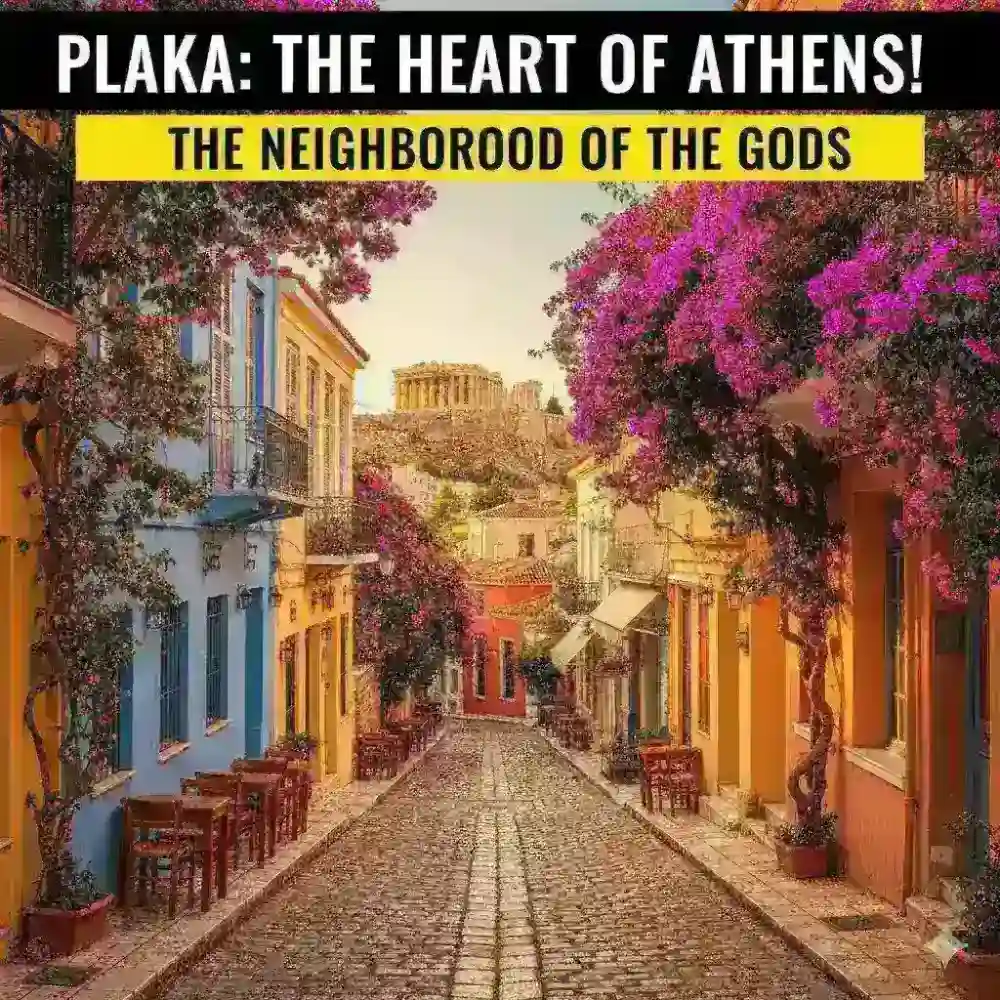
PLAKA DISTRICT: THE "NEIGHBORHOOD OF THE GODS" BELOW THE ACROPOLIS
Nestled at the foot of the Acropolis in Athens, the Plaka District is one of the city's most enchanting neighborhoods, a labyrinth of cobblestone streets, neoclassical mansions, and traditional tavernas that seems to exist outside of time. Known affectionately as the "Neighborhood of the Gods" for its proximity to the sacred rock of the Acropolis, Plaka has been continuously inhabited for over three thousand years, making it one of Europe's oldest residential neighborhoods. In 2026, as travelers seek authentic connections to history and culture, Plaka offers an unparalleled opportunity to experience the layers of Athenian life, from ancient ruins to Ottoman mosques, from neoclassical elegance to contemporary Greek hospitality.
This comprehensive guide invites you to explore Plaka with deeper understanding and greater appreciation. We will examine the historical context that shaped this unique neighborhood, identify the architectural styles that define its character, highlight the cultural attractions that enrich the visitor experience, and provide practical information for visiting in 2026. Whether you are a history enthusiast, an architecture lover, a foodie seeking authentic Greek cuisine, or simply a curious traveler, this guide will help you prepare for an encounter with one of Athens' most charming districts.
Understanding Plaka requires more than wandering its picturesque streets; it demands engaging with the stories, people, and traditions that have given this neighborhood its enduring character. By approaching Plaka with curiosity and respect, you will discover not just beautiful buildings and delicious food but a living dialogue between past and present, between ancient heritage and contemporary life.
HISTORICAL CONTEXT: THREE MILLENNIA OF CONTINUOUS LIFE
Plaka's history stretches back to prehistoric times, with archaeological evidence suggesting settlement on the slopes of the Acropolis as early as the third millennium BCE. However, the neighborhood as we recognize it today began to take shape in the classical period, when the area below the Acropolis became a residential and commercial district serving the sacred citadel above.
During the Roman period, Plaka expanded as Athens grew in importance within the empire. The Romans built baths, theaters, and markets in the area, and the neighborhood became a cosmopolitan center where Greeks, Romans, Jews, and other communities coexisted. The Roman Agora, located at the northern edge of Plaka, served as a commercial and civic center, while the nearby Tower of the Winds functioned as an ancient meteorological station and timepiece.
The Byzantine era brought significant changes to Plaka. As Christianity became the dominant religion, many ancient temples were converted into churches, and new religious buildings were constructed. The neighborhood's narrow, winding streets, designed to provide shade and defense, took on their characteristic form during this period. Small Byzantine churches, many of which still stand today, were built using spolia (reused materials) from ancient structures, creating a tangible link between classical and Christian Athens.
The Ottoman period, which lasted from the fifteenth to the nineteenth century, left an indelible mark on Plaka's character. The Ottomans built mosques, hammams (public baths), and fountains, and the neighborhood became a multicultural mosaic where Greeks, Turks, Jews, and other communities lived side by side. The Fethiye Mosque, built on the site of an ancient basilica, and the Tzistarakis Mosque, now part of the Museum of Greek Folk Art, are reminders of this era. The Ottoman influence is also evident in Plaka's culinary traditions, with dishes like moussaka, dolmades, and baklava reflecting centuries of cultural exchange.
The nineteenth century brought dramatic transformation to Plaka. After Greece gained independence in 1830, Athens was designated the capital of the new nation, and a massive urban renewal project was undertaken. Neoclassical architecture, inspired by the classical past but adapted to contemporary needs, became the dominant style. Elegant mansions with pedimented facades, wrought-iron balconies, and marble details were built throughout Plaka, creating the picturesque streetscape that visitors admire today.
The twentieth century brought both challenges and preservation efforts. World War II and the Greek Civil War caused damage to historic buildings, and postwar development pressures threatened Plaka's character. However, beginning in the 1970s, concerted efforts to preserve and restore the neighborhood have ensured that Plaka remains one of Athens' most authentic and charming districts. Today, Plaka is a protected historic neighborhood, with strict regulations governing new construction and renovation to maintain its unique character.
For visitors in 2026, Plaka offers a unique opportunity to walk through three millennia of Athenian history, from ancient ruins to Ottoman mosques to neoclassical mansions, all within a few square blocks. Understanding this layered history enriches the experience of exploring the neighborhood, transforming a pleasant stroll into a journey through time.
ARCHITECTURAL CHARACTER: NEOCLASSICAL ELEGANCE AND HISTORIC LAYERS
Plaka's architectural character is defined by its harmonious blend of styles, reflecting the neighborhood's long and complex history. Understanding these architectural elements enhances the visitor experience by revealing the stories embedded in stone and mortar.
Neoclassical Mansions:
The dominant architectural style in Plaka is neoclassical, which flourished in Athens during the nineteenth and early twentieth centuries. These elegant buildings feature symmetrical facades, pedimented windows and doors, wrought-iron balconies, and decorative moldings. Many were built as residences for Athens' emerging middle and upper classes, while others served as shops, cafes, or public buildings.
Notable examples include the House of Philhellenes on Kydathinaion Street, which hosted European supporters of Greek independence; the Benizelos Mansion on Adrianou Street, one of the few surviving Ottoman-era houses; and numerous neoclassical townhouses along Mnisikleous and Lysikratous Streets. Many of these buildings have been carefully restored and now house museums, galleries, boutiques, or restaurants, allowing visitors to appreciate their architectural beauty while enjoying contemporary amenities.
Ottoman and Byzantine Remnants:
Scattered throughout Plaka are remnants of earlier architectural periods that add depth and complexity to the neighborhood's character. The Tzistarakis Mosque, built in 1759, features a distinctive dome and minaret and now houses the Museum of Greek Folk Art. The Fethiye Mosque, located near the Roman Agora, incorporates ancient columns and capitals into its structure, creating a striking juxtaposition of classical and Ottoman elements.
Byzantine churches, often small and unassuming, dot the neighborhood. The Church of Agios Nikolaos Rangavas, with its distinctive bell tower, offers panoramic views of Plaka and the Acropolis from its courtyard. The Church of Panagia Pyrgiotissa, built into the side of a hill, exemplifies the adaptive architecture of the Byzantine period. These churches, many of which remain active places of worship, provide quiet spaces for reflection amid the neighborhood's bustle.
Ancient Monuments:
Plaka contains several ancient monuments that remind visitors of the neighborhood's deep historical roots. The Choragic Monument of Lysicrates, built in 334 BCE to commemorate a theatrical victory, is one of the best-preserved ancient structures in Athens. Its elegant circular design and intricate carvings influenced neoclassical architecture worldwide, including the design of the U.S. Capitol dome.
The Roman Agora, located at the northern edge of Plaka, features the well-preserved Gate of Athena Archegetis and the Tower of the Winds, an ancient octagonal clocktower that functioned as a weather vane, sundial, and water clock. These monuments, though less famous than the Acropolis, provide valuable insights into daily life in ancient Athens.
Traditional Houses and Courtyards:
Beyond the grand neoclassical mansions, Plaka is characterized by smaller traditional houses with whitewashed walls, wooden shutters, and flower-filled courtyards. These modest dwellings, many of which have been lovingly restored, reflect the everyday life of ordinary Athenians across the centuries. Wandering the neighborhood's side streets, visitors can discover hidden courtyards, wrought-iron gates, and bougainvillea-draped balconies that create a sense of intimate charm.
The Anafiotika neighborhood, tucked into the hillside below the Acropolis, represents a unique architectural enclave within Plaka. Built in the nineteenth century by craftsmen from the Cycladic island of Anafi, Anafiotika features whitewashed cubic houses, blue-domed churches, and narrow footpaths that evoke the Aegean islands. This hidden gem offers a surprising escape from urban Athens and a glimpse into Greece's island architectural traditions.
CULTURAL ATTRACTIONS: MUSEUMS, CHURCHES, AND HISTORIC SITES
Plaka's cultural attractions enrich the visitor experience by providing context for the neighborhood's history and character. These sites offer opportunities to deepen understanding of Athenian heritage while enjoying the neighborhood's charm.
Museums:
The Museum of Greek Folk Art, housed in the Tzistarakis Mosque and adjacent buildings, displays traditional costumes, textiles, pottery, and household items that illuminate everyday life in Greece from the Ottoman period through the twentieth century. The museum's collections include intricate embroidery, wooden carvings, and shadow puppets used in traditional Karagiozis theater.
The Jewish Museum of Greece, located on Nikis Street, chronicles the history of Greek Jewry from ancient times to the present. Exhibits include religious artifacts, photographs, and documents that tell the story of a community that has been part of Athens for over two thousand years. The museum's location in Plaka reflects the historical presence of a Jewish quarter in the neighborhood.
The Museum of the History of Greek Costume, housed in a neoclassical mansion on Dimokritou Street, displays traditional garments from across Greece, illustrating regional variations in dress and the evolution of fashion over time. The museum's collections include elaborate wedding costumes, everyday work clothes, and ceremonial garments that reveal the social and cultural significance of dress.
The Center for Acropolis Studies, located near the Acropolis Museum, offers exhibitions and educational programs focused on the Acropolis and its surroundings, including Plaka. The center's displays include archaeological finds, architectural models, and interactive exhibits that help visitors understand the relationship between the Acropolis and the neighborhood below.
Churches and Religious Sites:
Plaka is home to numerous active churches that offer visitors opportunities to experience Greek Orthodox worship and architecture. The Cathedral of Athens (Metropolis), located at the edge of Plaka, is the seat of the Archbishop of Athens and features impressive Byzantine-style architecture and religious art. The smaller churches scattered throughout the neighborhood, including Agios Nikolaos Rangavas and Panagia Pyrgiotissa, provide quiet spaces for reflection and photography.
The Monastery of Kaisariani, located on the slopes of Mount Hymettus above Plaka, is a short taxi ride from the neighborhood and offers a peaceful retreat with Byzantine frescoes, peaceful gardens, and panoramic views of Athens. Though not technically within Plaka, the monastery is often included in visits to the area and provides a contrast to the neighborhood's urban character.
Historic Streets and Squares:
Plaka's streets and squares are attractions in themselves, offering opportunities to experience the neighborhood's atmosphere and architecture. Adrianou Street, one of Athens' oldest continuous streets, runs from the Roman Agora to Thiseio and is lined with shops, cafes, and historic buildings. Mnisikleous Street, with its steep incline and neoclassical mansions, offers some of the best views of the Acropolis.
Lysikratous Square, centered on the Choragic Monument of Lysicrates, is a peaceful plaza surrounded by cafes and restaurants. The square's intimate scale and historic monuments create a sense of stepping back in time. Similarly, the small square in Anafiotika, with its whitewashed houses and views of the Acropolis, offers a quintessentially Greek experience within the heart of Athens.
DINING AND CULINARY EXPERIENCES: AUTHENTIC GREEK FLAVORS
Plaka's culinary scene is one of its greatest attractions, offering visitors opportunities to sample authentic Greek cuisine in settings that range from humble tavernas to upscale restaurants. Understanding the neighborhood's dining options enhances the visitor experience by connecting food to culture and history.
Traditional Tavernas:
Plaka is home to numerous traditional tavernas that serve classic Greek dishes in atmospheric settings. These establishments, often family-run for generations, offer a taste of authentic Greek hospitality and cuisine. Signature dishes include moussaka (layered eggplant and meat casserole), souvlaki (grilled meat skewers), dolmades (stuffed grape leaves), and fresh seafood prepared simply with olive oil, lemon, and herbs.
Notable tavernas include To Kati Allo on Mnisikleous Street, known for its homestyle cooking and Acropolis views; Diporto, a hidden gem near the Central Market that serves simple, delicious meals in a no-frills setting; and Taverna Tou Psirri, which offers traditional music and dance along with its cuisine. Many tavernas feature outdoor seating under awnings or in courtyards, allowing diners to enjoy the neighborhood's atmosphere while savoring their meals.
Modern Greek Cuisine:
In addition to traditional tavernas, Plaka features restaurants that reinterpret Greek cuisine with contemporary techniques and presentations. These establishments, often located in restored neoclassical buildings, offer innovative dishes that honor traditional flavors while embracing modern culinary trends.
Restaurants like Hytra, located in the Onassis Cultural Centre near Plaka, offer haute cuisine that showcases Greek ingredients and techniques in refined presentations. More casual options like Kuzina on Adrianou Street combine traditional recipes with contemporary ambiance and Acropolis views. These restaurants provide opportunities to experience the evolution of Greek cuisine while enjoying the neighborhood's historic setting.
Cafes and Coffee Culture:
Greek coffee culture is an essential part of the Plaka experience. Traditional kafeneia serve Greek coffee prepared in briki pots, accompanied by loukoumi (Turkish delight) and conversation. These establishments, often frequented by elderly locals playing backgammon, offer authentic glimpses into Athenian social life.
Modern specialty coffee shops have also found a home in Plaka, offering third-wave espresso drinks, pour-over coffee, and light fare in stylish settings. These cafes provide opportunities to rest and recharge while people-watching in one of Athens' most charming neighborhoods.
Dining Tips:
To make the most of Plaka's culinary offerings:
- Make reservations for dinner, especially during peak season and weekends
- Try mezze (small plates) to sample a variety of dishes
- Ask for local wine recommendations; Greek wines offer excellent value and quality
- Be aware that many tavernas add a service charge to the bill; tipping beyond this is appreciated but not required
- Explore side streets for more authentic, less touristy dining options
SHOPPING AND SOUVENIRS: LOCAL CRAFTS AND TRADITIONAL GOODS
Plaka's shopping scene offers visitors opportunities to purchase authentic Greek crafts, traditional goods, and unique souvenirs that reflect the neighborhood's cultural heritage. Understanding the neighborhood's shopping options enhances the visitor experience by connecting purchases to local artisans and traditions.
Traditional Crafts and Souvenirs:
Plaka is renowned for its shops selling traditional Greek crafts, including handmade jewelry, ceramics, textiles, and olive wood products. Many of these items are produced by local artisans using techniques passed down through generations, making them meaningful souvenirs that support local craftsmanship.
Notable shopping streets include Adrianou Street, lined with shops selling jewelry, icons, and traditional crafts; Kydathinaion Street, known for its leather goods and handmade sandals; and Mnisikleous Street, featuring boutiques selling contemporary Greek design alongside traditional goods. Many shops offer demonstrations of traditional crafts, allowing visitors to observe artisans at work and learn about the techniques and materials involved.
Local Products and Foodstuffs:
In addition to crafts, Plaka offers opportunities to purchase Greek foodstuffs that make excellent gifts or personal treats. Olive oil, honey, herbs, spices, and sweets like baklava and loukoumi are widely available in specialty shops throughout the neighborhood. Many shops offer tasting opportunities, allowing visitors to sample products before purchasing.
The Central Market, located at the northern edge of Plaka, offers a more intense shopping experience with stalls selling fresh produce, meat, fish, and spices. While not a typical souvenir destination, the market provides an authentic glimpse into Athenian food culture and opportunities to purchase high-quality local products.
Shopping Tips:
To make the most of Plaka's shopping offerings:
- Bargain politely in markets and smaller shops; fixed prices are the norm in larger establishments
- Look for signs indicating handmade or locally produced items to support local artisans
- Ask about shipping options for larger purchases; many shops can arrange international delivery
- Be aware of customs regulations regarding the export of antiquities or cultural artifacts
- Consider purchasing consumable items like olive oil or honey that won't add weight to your luggage
PRACTICAL VISITOR INFORMATION FOR 2026
Planning a visit to Plaka in 2026 requires some preparation to ensure a smooth and rewarding experience. This section provides essential information for navigating the neighborhood, avoiding crowds, and making the most of your time.
Getting to Plaka:
Plaka is easily accessible from central Athens by foot, public transportation, or taxi. The neighborhood is within walking distance of the Acropolis, Syntagma Square, and Monastiraki, making it a convenient base for exploring central Athens.
By foot: If staying in central Athens, walking to Plaka is often the most pleasant option, allowing you to discover hidden streets and unexpected sights along the way.
By metro: The nearest metro stations are Acropoli (Line 2, red line) and Monastiraki (Lines 1 and 3, blue and green lines). Both stations are within a five-minute walk of Plaka's main streets.
By bus or trolley: Numerous bus and trolley lines serve the area around Plaka, with stops on Amalias Avenue, Syntagma Square, and Monastiraki.
By taxi or ride-hailing: Taxis and ride-hailing services like Uber and Beat are widely available in Athens. Specify "Plaka" or a specific street address when requesting a ride.
Opening Hours and Best Times to Visit:
Plaka's shops, restaurants, and attractions have varying hours, but general patterns apply:
- Shops: Generally open 10 AM to 9 PM, with some closing for siesta (2-5 PM) in summer
- Restaurants: Lunch service typically 1-4 PM; dinner service 7:30 PM to midnight or later
- Museums: Generally open 8 AM to 8 PM in summer, 8 AM to 5 PM in winter; check individual websites for current hours
- Churches: Open for worship throughout the day; visitors should dress modestly and avoid visiting during services
To avoid crowds and enjoy optimal lighting for photography:
- Visit early morning (8-10 AM) for the smallest crowds and soft light
- Explore in late afternoon (4-6 PM) for golden hour lighting and fewer tour groups
- Avoid midday in summer, when heat and crowds peak
- Consider visiting on weekday mornings rather than weekends
Weather Considerations:
Athens has a Mediterranean climate with hot, dry summers and mild, wet winters. Summer temperatures can exceed 35 degrees Celsius (95 degrees Fahrenheit), so bring water, sunscreen, and a hat. Plaka's narrow streets provide some shade, but plan accordingly. Winter visits offer cooler temperatures and fewer crowds, though rain is possible and cobblestone streets may be slippery.
Accessibility:
Plaka's historic character presents challenges for visitors with mobility challenges. The neighborhood's cobblestone streets, steep inclines, and steps can make navigation difficult for wheelchairs or strollers. However, main streets like Adrianou and Kydathinaion are relatively flat and paved, and many shops and restaurants have made efforts to improve accessibility. Contact specific establishments in advance to inquire about accessibility accommodations.
Crowd Avoidance Strategies:
Plaka is one of Athens' most popular neighborhoods, and crowds can be substantial during peak season. To enhance your experience:
- Book restaurant reservations in advance, especially for dinner
- Visit popular attractions like the Choragic Monument early or late in the day
- Explore side streets and hidden corners to discover quieter spots
- Consider visiting during shoulder seasons (April-May, September-October) for pleasant weather and fewer visitors
- Combine your visit with nearby attractions like the Acropolis or Roman Agora to distribute crowds
Photography Tips:
Plaka offers exceptional photography opportunities, from neoclassical architecture to Acropolis views to street life. To capture the neighborhood's beauty:
- Golden hour (early morning or late afternoon) provides the most dramatic lighting
- Use a polarizing filter to reduce glare on marble and stone surfaces
- Include human figures for scale and context in architectural shots
- Capture details: wrought-iron balconies, bougainvillea, cobblestone patterns
- Respect residents' privacy; avoid photographing people without permission
- Be mindful of tripods and professional equipment, which may require permits in some areas
COMBINING PLAKA WITH NEARBY ATTRACTIONS
Plaka's central location makes it an ideal base for exploring Athens' historic center. Combining your visit with nearby attractions enhances the experience by providing context and variety.
The Acropolis:
The Acropolis, Athens' iconic ancient citadel, is just a short walk uphill from Plaka. Visiting both sites in the same day allows you to experience the relationship between the sacred rock and the neighborhood that developed at its foot. Consider purchasing a combined ticket that includes both the Acropolis and the Ancient Agora, located at Plaka's northern edge.
The Ancient Agora:
The Ancient Agora, where Socrates and Plato philosophized, is located at the northern edge of Plaka. This archaeological park, featuring the reconstructed Stoa of Attalos and the well-preserved Temple of Hephaestus, provides essential context for understanding ancient Athenian life. The combined ticket with the Acropolis offers excellent value.
The Roman Agora and Tower of the Winds:
Located at Plaka's northern boundary, the Roman Agora features the impressive Gate of Athena Archegetis and the Tower of the Winds, an ancient octagonal clocktower. These monuments, though less famous than the Acropolis, provide valuable insights into daily life in ancient Athens and are easily combined with a Plaka visit.
Monastiraki and Psiri:
The vibrant neighborhoods of Monastiraki and Psiri, adjacent to Plaka, offer contrasting experiences. Monastiraki's flea market and street life provide a bustling counterpoint to Plaka's charm, while Psiri's street art and nightlife offer contemporary Athenian culture. Exploring these neighborhoods on foot allows you to experience Athens' diverse urban character.
Syntagma Square and the National Garden:
A short walk from Plaka's eastern edge, Syntagma Square is Athens' modern civic center, featuring the Hellenic Parliament building and the changing of the guard ceremony. The adjacent National Garden offers a peaceful retreat with shaded paths, fountains, and archaeological remains. Combining Plaka with Syntagma provides a contrast between historic and modern Athens.
CULTURAL SIGNIFICANCE: WHY PLAKA MATTERS TODAY
Plaka is more than a picturesque neighborhood; it is a living expression of Athenian identity and cultural continuity. Its significance extends beyond tourism to offer insights relevant to contemporary life.
Preservation and Adaptation:
Plaka's successful preservation demonstrates how historic neighborhoods can adapt to contemporary needs while maintaining their character. The neighborhood's strict building regulations, restoration projects, and community engagement offer lessons for urban preservation worldwide. Visiting Plaka invites reflection on how cities can honor their heritage while embracing change.
Cultural Continuity:
Plaka's continuous habitation for over three thousand years embodies the resilience and adaptability of Athenian culture. The neighborhood's layers of history, from ancient ruins to Ottoman mosques to neoclassical mansions, remind us that cultures evolve through accumulation rather than replacement. This perspective enriches contemporary discussions about identity, heritage, and change.
Community and Hospitality:
Plaka's enduring charm stems not just from its architecture but from the people who live, work, and welcome visitors to the neighborhood. The taverna owners, shopkeepers, and residents who maintain Plaka's character embody the Greek value of philoxenia (love of strangers). Experiencing this hospitality firsthand enriches the visitor experience and fosters cross-cultural understanding.
CONCLUSION: WALKING THROUGH TIME IN PLAKA
Wandering the cobblestone streets of Plaka is an experience that transcends ordinary tourism. As you pass neoclassical mansions with wrought-iron balconies, discover hidden courtyards draped in bougainvillea, and gaze up at the Acropolis glowing in the sunset, you encounter something profound: the enduring power of place to connect us to history, culture, and community.
In 2026, as the world grapples with challenges of urbanization, cultural preservation, and meaningful connection, Plaka offers not just a window into the past but inspiration for the future. The neighborhood's successful balance of preservation and adaptation, its celebration of local craftsmanship and hospitality, and its embodiment of cultural continuity offer lessons for creating vibrant, authentic places in an increasingly homogenized world.
As you plan your visit to Plaka, approach this enchanting neighborhood with curiosity, humility, and respect. Listen to the stories the buildings tell, engage with the people who bring the neighborhood to life, and allow the beauty of Plaka to inspire your own appreciation for history, culture, and community. In doing so, you join the long line of travelers, scholars, and Athenians who have found meaning in this timeless neighborhood.
May your encounter with Plaka deepen your appreciation for the achievements of the past and inspire your contribution to the future. As the ancient Greeks understood, true greatness lies not in monuments alone but in the ideas, values, and actions that give them meaning. May you carry that understanding forward, wherever your journey leads.
Useful resources include the Greek National Tourism Organization at visitgreece.gr, the Municipality of Athens for neighborhood information, and the Hellenic Ministry of Culture for archaeological site hours and tickets. Emergency services in Greece can be reached at 112. Disclaimer: Information is accurate as of early 2026. Business hours, prices, and policies may change; verify details before travel. This guide is for informational purposes only and does not constitute professional travel advice.
0 Comments