.webp)
.webp)
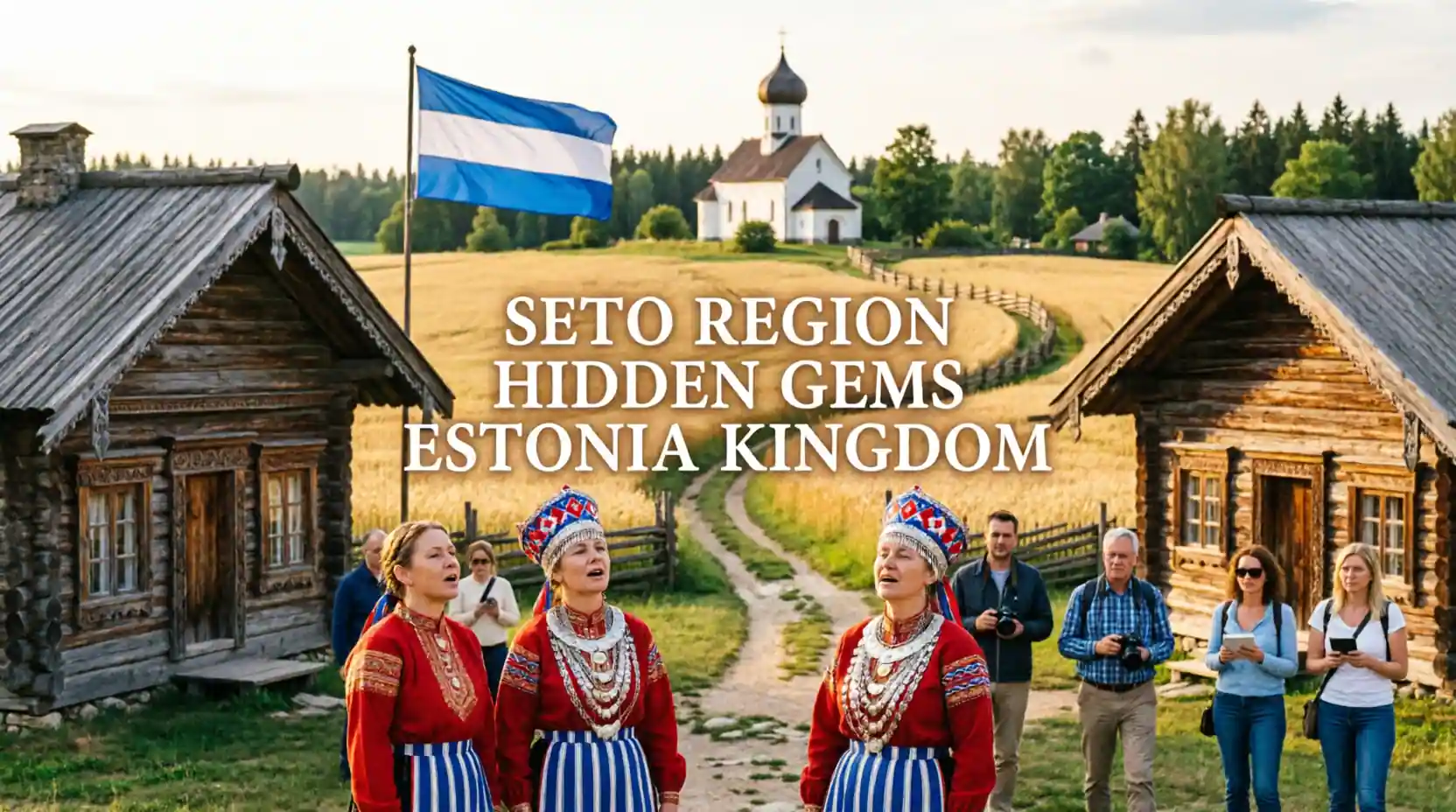
Discovering the Seto Kingdom in Southeast Estonia
The Seto region represents one of Estonia's most fascinating and culturally distinct areas. This small corner of Southeast Estonia, bordering Russia, harbors a unique ethnic group with their own language, traditions, and even a self-proclaimed kingdom.
Setomaa, meaning "Land of the Setos," spans approximately 150 square kilometers across Estonia's Võru and Põlva counties. Despite its modest size, this region packs extraordinary cultural richness that rivals much larger destinations.
The Seto people maintain traditions dating back centuries, blending Orthodox Christianity with ancient pagan customs. Their distinctive polyphonic singing tradition called leelo earned UNESCO Intangible Cultural Heritage status in 2009.
Modern Setomaa operates as a "kingdom" with its own king or sootska, elected annually during the Seto Kingdom Day festival. This playful monarchy celebrates Seto identity while attracting curious travelers from around the world.
This guide reveals the hidden gems of the Seto region, from ancient villages and sacred sites to unique cultural experiences. You will discover why this tiny corner of Estonia deserves a place on every cultural traveler's itinerary.
Why the Seto Region Captivates Travelers

The Seto region offers something increasingly rare in modern Europe: authentic cultural distinctiveness preserved through generations. Unlike manufactured tourist attractions, Seto traditions evolved organically over centuries.
The region's border location between East and West created a fascinating cultural fusion. Orthodox church architecture stands alongside Estonian folk traditions, while Russian and Estonian influences blend seamlessly in daily life.
Seto culture survived Soviet occupation and modernization pressures that erased similar traditions elsewhere. This resilience makes experiencing living Seto culture particularly meaningful and urgent.
The compact size of Setomaa enables comprehensive exploration in just a few days. Unlike sprawling cultural regions, you can experience Seto highlights without exhausting travel between distant sites.
UNESCO recognition of Seto leelo singing brought international attention while preserving authenticity. The region balances tourism development with cultural protection admirably.
What Makes Seto Culture Unique?
The Seto language differs significantly from standard Estonian. This Finno-Ugric dialect incorporates Russian vocabulary and maintains archaic features lost in mainstream Estonian.
Seto women traditionally wear elaborate silver jewelry and distinctive crowns called sõlg. These ornate pieces signify marital status and family wealth, representing centuries of metalworking tradition.
Orthodox Christianity shapes Seto spiritual life differently from Lutheran Estonia. Church calendars, holidays, and rituals follow Orthodox traditions creating unique cultural rhythms.
Seto cuisine features distinctive dishes like sõir cheese and leib bread. These traditional foods reflect the region's agricultural heritage and Orthodox fasting traditions.
The Seto Kingdom Concept and Cultural Identity

The Seto Kingdom represents more than whimsical folklore. This self-proclaimed monarchy embodies Seto cultural pride and resistance to assimilation.
Seto Kingdom Day occurs annually on the first Saturday of August in Obinitsa. Thousands gather to witness the election of the sootska or king, enjoy traditional music, and celebrate Seto identity.
The sootska serves as cultural ambassador rather than political ruler. This honorary position promotes Seto traditions, mediates disputes, and represents the community at official functions.
Kingdom symbols include the Seto flag with blue and white colors, a royal crown, and official seals. These emblems appear at cultural events and on local products.
The kingdom concept attracts tourists while reinforcing cultural cohesion. Seto children grow up understanding their special heritage through kingdom narratives and celebrations.
Seto Kingdom Day Festival Experience
Kingdom Day features traditional Seto leelo singing competitions. Choirs from across Setomaa compete showcasing polyphonic traditions passed through generations.
Traditional costume parades display elaborate Seto dress. Women wear silver jewelry, striped skirts, and ornate headdresses while men don traditional tunics and boots.
Local food vendors serve Seto specialties. Visitors sample sõir cheese, leib bread, smoked fish, and traditional alcoholic beverages like kali and moonshine.
The king election ceremony combines humor and tradition. Candidates present platforms in Seto language before the community votes through applause and acclamation.
Obinitsa: Heart of Seto Culture

Obinitsa stands as the cultural capital of Setomaa and essential destination for understanding Seto heritage. This village preserves traditions more completely than any other Seto settlement.
The Seto Museum and Farm in Obinitsa provides comprehensive cultural education. Exhibits showcase traditional clothing, tools, religious artifacts, and daily life from centuries past.
Traditional Seto farm buildings demonstrate historical architecture. Smoke saunas, granaries, and dwelling houses illustrate pre-modern rural life with authenticity.
Obinitsa's Orthodox church dates to the 19th century featuring characteristic onion domes. The active congregation maintains Orthodox traditions central to Seto identity.
The village cemetery reveals Seto burial customs and religious syncretism. Gravestones blend Orthodox symbols with ancient protective motifs.
Must-See Attractions in Obinitsa
The Seto Farm Museum offers guided tours in multiple languages. Knowledgeable guides explain traditional crafts, agriculture, and customs with engaging storytelling.
Traditional craft workshops demonstrate silver jewelry making. Master artisans create sõlg ornaments using techniques unchanged for generations.
Leelo singing performances occur regularly during summer months. Local choirs welcome visitors to experience UNESCO-recognized polyphonic traditions.
Traditional Seto meals available by reservation. Authentic dishes prepared using historical recipes provide culinary cultural immersion.
Practical Information for Obinitsa Visits
Obinitsa locates 35 kilometers southeast of Võru. The 30-minute drive follows scenic rural roads through Seto countryside.
Museum hours vary seasonally with extended summer schedules. June through August offers daily opening while winter months require advance appointment.
Admission fees range from 5 to 8 euros for adults. Family tickets and group discounts provide cost savings for multiple visitors.
Guided tours in English require advance booking. Contact the museum at least 48 hours ahead to arrange English-language interpretation.
Värska: Spa Town and Seto Gateway

Värska serves as the largest settlement in Setomaa and primary gateway for visitors. This spa town combines wellness tourism with Seto cultural experiences.
Mineral springs discovered in the 19th century established Värska as a health destination. The spa tradition continues with modern facilities offering therapeutic treatments.
Värska's location on Lake Peipsi provides recreational opportunities. Swimming, fishing, and boating complement cultural tourism activities.
The town features several hotels and guesthouses accommodating various budgets. Spa packages combine accommodation with treatments and cultural excursions.
Värska's central location makes it ideal base for exploring Setomaa. Day trips reach all major Seto villages within 30 minutes driving.
Värska Spa and Wellness Experiences
Värska Spa Hotel offers comprehensive wellness facilities. Treatment menus include mud baths, massages, and mineral water therapies utilizing local resources.
Traditional smoke sauna experiences provide authentic Estonian wellness. These ancient bathing rituals cleanse body and spirit following centuries-old practices.
Spa packages often include cultural components. Combined wellness and Seto culture programs maximize the Värska experience efficiently.
Medical tourism attracts visitors seeking specific treatments. Rheumatism, skin conditions, and stress-related ailments respond well to Värska's therapeutic offerings.
Värska Cultural Attractions
Värska Culture Center hosts regular Seto events. Concerts, exhibitions, and workshops provide ongoing cultural programming beyond major festivals.
Local artisans sell traditional crafts in town shops. Silver jewelry, textiles, and woodwork make authentic souvenirs supporting local economy.
Restaurants serve Seto cuisine alongside standard Estonian fare. Traditional dishes like sõir cheese and Seto leib bread available at multiple establishments.
Information centers provide comprehensive Setomaa tourism guidance. Staff assist with itinerary planning, tour bookings, and cultural event schedules.
Sacred Sites and Orthodox Heritage

Orthodox Christianity profoundly shapes Seto culture and landscape. Churches, chapels, and sacred sites dot the region reflecting deep spiritual traditions.
Seto Orthodoxy blends with pre-Christian beliefs creating unique syncretic practices. Ancient sacred groves and springs retain spiritual significance alongside formal churches.
Church architecture in Setomaa features distinctive characteristics. Onion domes, wooden construction, and iconostasis reflect Russian Orthodox influence adapted to local materials.
Religious holidays structure the Seto calendar year. Easter, Christmas, and patron saint days involve elaborate rituals, special foods, and community gatherings.
Visitors respectful of Orthodox traditions find warm welcomes. Modest dress and quiet behavior in churches demonstrates appropriate cultural sensitivity.
Notable Seto Churches and Chapels
Obinitsa Saints Peter and Paul Church represents Seto Orthodoxy's architectural pinnacle. The 19th-century wooden structure features beautiful iconostasis and active congregation.
Värska Orthodox Church serves the town's spiritual needs. Regular services in Church Slavonic and Seto dialect maintain linguistic traditions.
Lutepää Chapel stands as a pilgrimage site with miraculous spring. The small wooden structure attracts visitors seeking healing and spiritual renewal.
Saatse Chapel locates near the Russian border in remote setting. The journey requires border zone permits but rewards with profound spiritual atmosphere.
Visiting Orthodox Sites Respectfully
Women should cover heads entering Orthodox churches. Scarves available at entrances for visitors unprepared with appropriate head covering.
Photography restrictions apply inside active churches. Always ask permission before photographing interiors, icons, or worshippers.
Service attendance welcomes respectful observers. Standing throughout services follows Orthodox custom though visitors may sit when necessary.
Donations support church maintenance and community work. Small contributions demonstrate appreciation for access to sacred spaces.
Seto Leelo: UNESCO Polyphonic Singing

Seto leelo represents one of humanity's most remarkable musical traditions. This ancient polyphonic singing style features a lead singer supported by drone harmonies.
UNESCO's 2009 designation recognized leelo's cultural significance. The tradition's survival through centuries of change demonstrates Seto cultural resilience.
Leelo songs preserve Seto history, mythology, and daily life. Lyrics transmit cultural knowledge across generations maintaining oral tradition.
Women traditionally perform leelo though male choirs also exist. The female voice carries the melody while others provide harmonic foundation.
Modern Seto musicians adapt leelo to contemporary contexts. Fusion projects introduce ancient traditions to new audiences while maintaining authenticity.
Where to Experience Leelo Singing
Seto Museum in Obinitsa features regular leelo performances. Scheduled concerts allow visitors to experience this UNESCO tradition in authentic setting.
Kingdom Day festival showcases competitive leelo singing. Multiple choirs perform demonstrating regional variations and individual styles.
Local cafes and restaurants occasionally host informal leelo evenings. These intimate settings provide personal interaction with singers and cultural discussion.
Church services incorporate leelo-style hymns blending sacred and folk traditions. Orthodox liturgy in Seto communities reflects musical cultural synthesis.
Understanding Leelo Performance
Leelo structure features a soloist called sõnoline leading the song. The lead singer improvises verses while choir provides drone accompaniment.
Songs often extend considerable length with repetitive phrases. This meditative quality creates hypnotic effect drawing listeners into traditional consciousness.
Lyrics reference Seto mythology, daily life, and historical events. Understanding context enhances appreciation though musical beauty transcends language barriers.
Traditional costumes accompany formal leelo performances. Elaborate silver jewelry and striped skirts visually reinforce cultural authenticity.
Traditional Seto Cuisine and Food Culture

Seto cuisine reflects agricultural heritage, Orthodox fasting traditions, and local ingredient availability. Distinctive dishes differentiate Seto food from mainstream Estonian cuisine.
Sõir cheese represents Setomaa's most famous culinary product. This fresh cheese flavored with caraway seeds appears at every Seto celebration and meal.
Seto leib dark rye bread follows traditional recipes. Dense, slightly sour bread accompanies most meals and features in ceremonial contexts.
Orthodox fasting traditions shaped historical Seto diet. Fish, mushrooms, and vegetables feature prominently while meat consumption follows religious calendar.
Lake Peipsi provides fresh fish including perch and pike. Smoked and salted fish remain dietary staples in Seto households.
Must-Try Seto Foods
Sõir cheese available at markets and farm shops throughout Setomaa. Fresh versions offer creamiest texture and most delicate caraway flavor.
Seto leib bread purchased at local bakeries or museums. Traditional wood-fired oven baking creates distinctive crust and flavor.
Smoked fish from Lake Peipsi sold at Värska and Obinitsa markets. Freshly smoked perch provides exceptional taste and authentic experience.
Kali fermented beverage resembles mild beer or kvass. This traditional drink accompanies meals and features at celebrations.
Mushroom dishes showcase Seto foraging traditions. Pickled, dried, and fresh mushroom preparations reflect forest abundance.
Where to Experience Seto Cuisine
Traditional Seto farms offer meal experiences by reservation. Authentic home-cooked meals in historical settings provide cultural immersion.
Värska restaurants feature Seto specialties alongside standard menus. Look for sõir cheese appetizers and traditional bread service.
Obinitsa Museum serves traditional meals for tour groups. Advance booking ensures kitchen preparation of authentic dishes.
Local markets sell Seto food products for self-catering. Weekend markets in Värska and Obinitsa offer freshest selections.
Seto Crafts and Artisan Traditions

Seto craftsmanship preserves ancient techniques creating beautiful functional art. Silver jewelry, textiles, and woodwork demonstrate generations of skill transmission.
Seto silver jewelry particularly sõlg ornaments represents the region's most distinctive craft. These elaborate brooches signify marital status and family heritage.
Traditional Seto costumes feature intricate weaving and embroidery. Striped wool skirts, linen blouses, and ornate belts require considerable skill to produce.
Wood carving creates household items and religious objects. Traditional tools and techniques maintain historical authenticity in contemporary production.
Modern Seto artisans balance tradition with innovation. While techniques remain historical, designs sometimes adapt to contemporary tastes and uses.
Silver Jewelry and Sõlg Making
Master silversmiths in Obinitsa demonstrate traditional techniques. Workshops allow visitors to observe sõlg creation from raw silver to finished ornament.
Authentic Seto sõlg commands premium prices reflecting craftsmanship. Hand-forged pieces cost 100 to 500 euros depending on complexity and silver weight.
Jewelry designs carry symbolic meanings understood within Seto culture. Specific patterns indicate regional origin, family lineage, and social status.
Contemporary Seto jewelers create wearable art for modern contexts. Simplified designs maintain traditional aesthetics while suiting everyday wear.
Textile Arts and Costume Making
Traditional Seto costumes require months to complete. Hand-woven fabrics, hand-sewn garments, and hand-embroidered details demand considerable time and skill.
Weaving workshops demonstrate historical loom techniques. Vertical looms create characteristic striped patterns using natural wool dyes.
Costume rentals enable visitors to experience Seto dress. Photography sessions in traditional attire create memorable cultural souvenirs.
Textile museums preserve historical costumes and tools. Exhibits explain production processes and cultural significance of clothing elements.
Outdoor Activities and Natural Attractions

Setomaa's natural landscape complements cultural attractions with outdoor recreation opportunities. Forests, lakes, and rivers provide scenic beauty and activities.
Lake Peipsi forms Setomaa's eastern border offering water-based recreation. Swimming, fishing, and boating attract visitors during warm months.
Dense forests cover much of Setomaa providing hiking and foraging opportunities. Marked trails navigate through ancient woodlands rich in mushrooms and berries.
The Seto Kingdom hiking trail connects major cultural sites. This 100-kilometer route enables comprehensive exploration combining nature and culture.
Winter transforms Setomaa into cross-country skiing paradise. Groomed trails through forests and across frozen lakes provide excellent winter recreation.
Lake Peipsi Experiences
Lake Peipsi ranks Europe's fifth-largest lake offering extensive waterfront. The 3,555 square kilometer body of water creates microclimate and recreational opportunities.
Fishing traditions on Lake Peipsi date back centuries. Guided fishing trips teach traditional techniques while providing fresh catch for meals.
Swimming beaches near Värska provide summer recreation. Sandy shores and shallow waters suit families and casual swimmers.
Ice fishing attracts winter enthusiasts to frozen lake. Traditional methods and modern equipment both practiced depending on conditions and preference.
Hiking and Nature Trails
Marked hiking trails range from easy walks to challenging treks. Difficulty levels suit various fitness levels and time availability.
Nature observation opportunities include bird watching and wildlife spotting. Setomaa's biodiversity includes species rare elsewhere in Estonia.
Foraging for mushrooms and berries follows seasonal calendars. Guided foraging tours teach identification and sustainable harvesting practices.
Scenic viewpoints provide photography opportunities and rest stops. Elevated positions reveal Setomaa's gentle landscape and border region character.
Border Region Dynamics and Russian Influence

Setomaa's location on Estonia's border with Russia creates unique cultural dynamics. The frontier position shaped Seto identity through centuries of interaction.
Border regulations affect travel within Setomaa. Some areas require special permits due to proximity to international boundary.
Russian cultural influence remains visible in Seto traditions. Orthodox Christianity, architectural styles, and culinary elements reflect eastern connections.
Historical border changes divided traditional Seto territory. Some Seto communities now reside in Russia while others remain in Estonia.
Modern border controls facilitate legal crossings while maintaining security. EU citizens experience relatively smooth passage though documentation required.
Border Zone Permits and Regulations
Certain Seto villages locate within border zone requiring permits. Saatse and surrounding areas need advance authorization for visits.
Permit applications submitted through Estonian Police and Border Guard Board. Processing takes several days requiring advance planning.
Border zone access restricted to daylight hours typically. Specific entry and exit points designated with clear signage.
Violation of border regulations carries serious penalties. Always verify permit requirements before visiting remote Seto locations.
Cross-Border Cultural Connections
Seto communities maintain ties across the Estonian-Russian border. Family connections and cultural events transcend political boundaries.
Joint cultural projects promote Seto heritage on both sides. International cooperation preserves traditions despite political complexities.
Border crossing experiences vary with current political climate. Check current regulations and wait times before planning cross-border visits.
Alternative routes avoid border complications when necessary. Many Seto attractions accessible without entering restricted zones.
Planning Your Seto Region Visit

Successful Setomaa exploration requires thoughtful planning considering season, interests, and logistics. Strategic preparation maximizes cultural immersion and enjoyment.
Best Time to Visit Setomaa
Summer from June to August offers optimal weather and full programming. Kingdom Day in August attracts largest crowds though provides richest cultural experiences.
Spring and autumn provide quieter visits with moderate weather. May and September feature fewer tourists while maintaining reasonable facility hours.
Winter delivers unique atmosphere with snow-covered landscapes. Christmas and Easter celebrations showcase Orthodox traditions though some facilities reduce hours.
Festival timing should guide visit planning. Kingdom Day, Orthodox holidays, and cultural events create special opportunities requiring advance accommodation booking.
Recommended Visit Duration
Weekend visits cover major highlights efficiently. Two days enable Obinitsa museum, Värska spa, and one cultural event or performance.
Three to four days allow comprehensive exploration. This duration accommodates multiple villages, outdoor activities, and relaxed cultural immersion.
Week-long stays enable deep cultural engagement. Extended visits permit participation in workshops, multiple performances, and thorough region exploration.
Repeat visits reward returning travelers with deeper understanding. Setomaa reveals additional layers of complexity with each exposure.
Transportation Options
Car rental provides maximum flexibility for Setomaa exploration. Public transportation exists but limits reach to remote villages and natural sites.
Tartu serves as primary gateway city with car rental availability. The 90-kilometer drive to Värska takes approximately one hour on good roads.
Public buses connect major Seto settlements infrequently. Schedule planning essential when relying on public transportation.
Bicycle touring suits adventurous travelers in good condition. The relatively flat terrain and light traffic create cycling-friendly environment though distances require fitness.
Accommodation Recommendations
Värska offers widest accommodation selection from budget to luxury. Spa hotels provide comfort and cultural programming though at premium prices.
Obinitsa features guesthouses and farm stays for authentic experiences. Rural accommodations provide cultural immersion though fewer amenities.
Booking ahead essential during summer and festival periods. Limited accommodation inventory fills quickly during peak season.
Alternative bases in Tartu or Võru enable day trips. This strategy provides more dining and entertainment options though requires daily commuting.
Practical Travel Tips for Setomaa

Successful Seto region travel benefits from local knowledge and cultural sensitivity. These practical considerations enhance experiences and prevent complications.
Language Considerations
Estonian and Russian both spoken in Setomaa with Seto dialect used locally. Younger people typically speak English while older residents may not.
Learning basic Estonian greetings demonstrates respect and opens doors. Simple phrases like "Tere" (hello) and "Aitäh" (thank you) appreciated.
Translation apps assist with Seto dialect comprehension. The distinct dialect may confuse standard Estonian speakers requiring patience.
Museum staff and tourist information centers provide English assistance. Major attractions accommodate international visitors though rural areas less so.
Currency and Payment
Estonia uses the euro with widespread card acceptance. Credit and debit cards work at most establishments though cash useful for markets and small vendors.
ATMs available in Värska and larger settlements. Rural villages may lack banking services requiring cash planning.
Tipping not mandatory though appreciated for good service. Rounding up or adding 10 percent for excellent service follows local custom.
Market vendors and craft sellers often prefer cash. Small bills facilitate transactions at farm shops and cultural events.
Cultural Etiquette
Photographing people requires explicit permission especially in traditional dress. Respect privacy and cultural sensitivities around image capture.
Church visits demand modest dress and quiet behavior. Cover shoulders and knees, remove hats for men, and follow local customs.
Seto culture values hospitality though maintains reserve. Warm but not effusive interactions reflect cultural norms rather than unfriendliness.
Supporting local economy through purchases demonstrates appreciation. Buying authentic crafts and foods sustains traditional livelihoods.
Weather and Packing
Baltic weather proves unpredictable requiring layered clothing. Even summer days can turn cool necessitating jackets and sweaters.
Rain gear essential year-round in maritime climate. Waterproof jacket and shoes prepare for frequent precipitation.
Comfortable walking shoes required for village and nature exploration. Cobblestones, forest trails, and uneven terrain demand sturdy footwear.
Winter visits need serious cold weather gear. Temperatures drop well below freezing requiring insulated clothing, boots, and accessories.
Seto Region Beyond Tourism: Supporting Cultural Preservation
Responsible tourism supports Seto cultural preservation while providing economic benefits. Thoughtful travel choices strengthen rather than exploit this unique heritage.
Ethical Tourism Practices
Purchase authentic crafts directly from artisans when possible. Fair compensation supports traditional skills transmission to younger generations.
Participate in cultural experiences respectfully without treating traditions as entertainment. Seto culture represents living heritage not performance for tourist consumption.
Share experiences thoughtfully on social media with cultural context. Educational posts raise awareness while sensational content trivializes traditions.
Follow designated paths and respect private property. Rural Setomaa remains working landscape with active farms and homes.
Cultural Preservation Contributions
Museum admission fees directly support preservation efforts. Your visit contributes to maintaining collections and funding cultural programs.
Donations to Seto cultural organizations amplify impact. Contributions support language preservation, craft training, and youth programs.
Documentary purchases and book sales provide ongoing revenue. Educational materials extend learning beyond your visit while supporting creators.
Word-of-mouth recommendations attract respectful travelers. Sharing Setomaa with culturally sensitive friends multiplies positive tourism impact.
Conclusion and Final Recommendations
The Seto region represents one of Europe's most remarkable cultural treasures. This small corner of Southeast Estonia preserves traditions, language, and identity with authenticity increasingly rare in modern world.
Setomaa's combination of UNESCO-recognized leelo singing, distinctive Orthodox heritage, traditional crafts, and unique kingdom identity creates compelling cultural destination. The region rewards curious travelers with profound experiences and lasting memories.
Plan your visit considering seasonal variations and festival calendars. Summer offers optimal conditions and programming though spring and autumn provide quieter authentic experiences.
Base yourself in Värska for convenience or Obinitsa for cultural immersion. Both locations provide excellent access to Seto highlights with different atmospheres.
Engage respectfully with Seto culture supporting preservation through ethical tourism. Your visit contributes to maintaining this remarkable heritage for future generations.
The Seto Kingdom awaits with open arms, polyphonic singing, and centuries of tradition. Discover this hidden gem of Southeast Estonia and experience culture that transcends borders and time.
Setomaa proves that extraordinary cultural richness exists in small packages. This kingdom of the Setos deserves recognition as one of Europe's most fascinating and authentic cultural destinations.
0 Comments