.webp)
.webp)
Traditional Haitian Kompa Dance Clubs History and Etiquette for Visitors
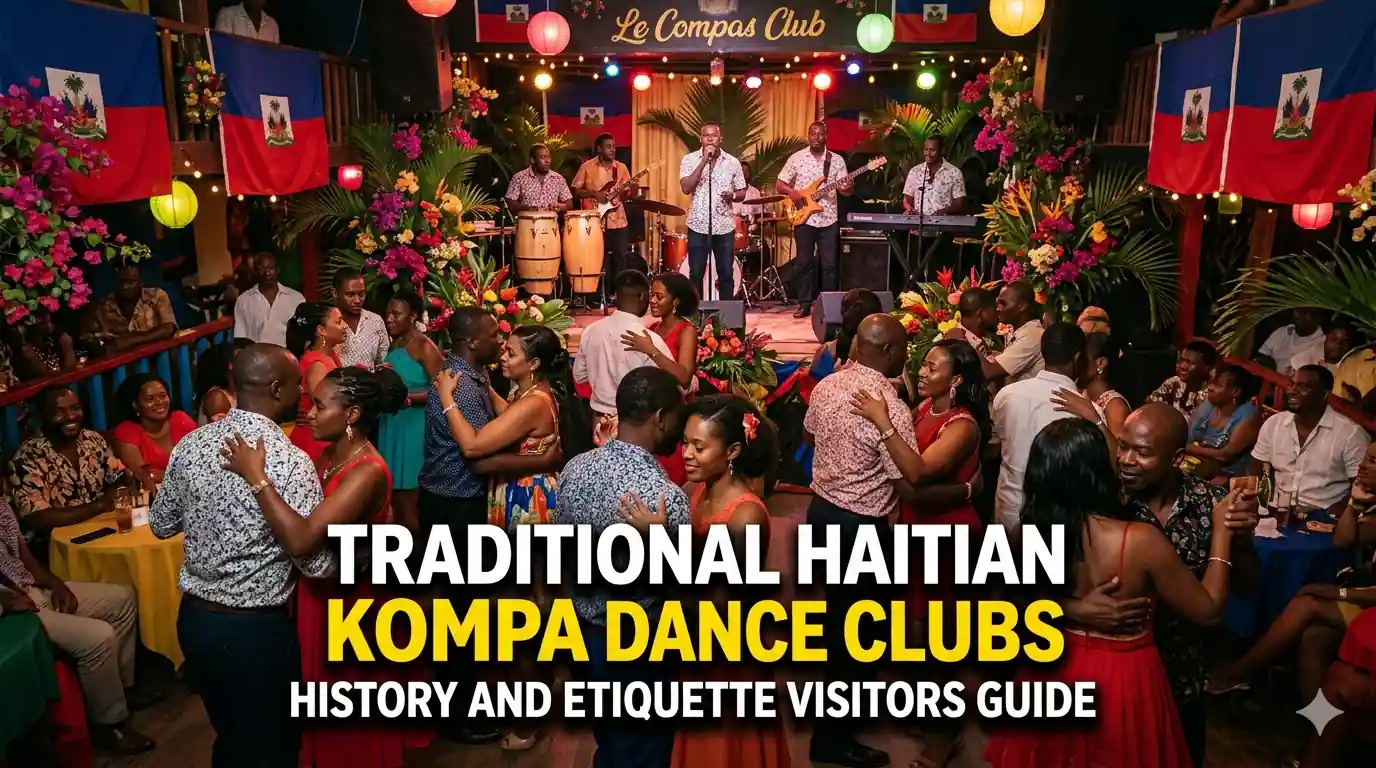
Discovering the Rhythm of Haiti Through Kompa Dance
Kompa also spelled compas represents the heartbeat of Haitian culture a vibrant musical genre and dance style that has united communities for generations. For visitors to Haiti experiencing traditional Kompa dance clubs offers an authentic window into the nation's soul resilience and joyful spirit.
Originating in the mid-twentieth century Kompa blends African rhythms French ballroom influences and Caribbean flair into an irresistible sound that encourages connection movement and celebration. Understanding its history and cultural context enriches the dance experience for international visitors.
Traditional Kompa dance clubs in Haiti serve as community gathering spaces where music dance and social connection intertwine. These venues preserve cultural traditions while welcoming respectful visitors eager to learn and participate.
This comprehensive guide reveals everything visitors need to know about experiencing traditional Haitian Kompa dance clubs including historical background dance etiquette venue recommendations and practical tips for meaningful cultural engagement in 2026.
Historical Origins and Evolution of Kompa Music

Kompa emerged in Haiti during the nineteen fifties pioneered by musician Nemours Jean-Baptiste who synthesized diverse musical influences into a distinctive new sound.
The genre draws from Haitian rara traditions African drumming patterns French quadrille and merengue creating a sophisticated rhythm characterized by steady guitar patterns syncopated percussion and smooth horn sections.
Early Kompa bands performed at social gatherings weddings and community celebrations establishing the music as soundtrack for Haitian life across social classes and generations.
Throughout the nineteen sixties and seventies Kompa spread throughout the Caribbean and diaspora communities influencing other regional genres while maintaining its distinctly Haitian character.
Modern Kompa continues evolving incorporating contemporary production techniques while preserving core rhythmic structures and cultural significance. Traditional dance clubs remain vital spaces for experiencing authentic Kompa as living heritage.
Understanding Kompa Dance Style and Movement

Kompa dance emphasizes smooth grounded movement partnered connection and rhythmic interpretation rather than acrobatic displays or competitive performance.
The basic step involves a gentle side-to-side sway with knees slightly bent allowing the body to move with the music's steady pulse. Partners maintain close but respectful proximity with subtle lead and follow communication.
Hand placement proves important in traditional Kompa with the lead partner's right hand resting gently on the follower's back or shoulder while left hands connect at chest height. This positioning enables clear communication while maintaining dignity.
Footwork remains relatively simple emphasizing rhythm and connection over complex patterns. The dance's beauty emerges from subtle weight shifts hip movements and synchronized breathing with the music.
Improvisation plays a role within the traditional framework allowing dancers to express personal style while honoring the music's structure. Experienced dancers read musical cues to adjust movement intensity and direction.
Traditional Kompa Dance Clubs in Port-au-Prince

Port-au-Prince hosts several venues where traditional Kompa thrives offering visitors authentic cultural experiences with live music and community atmosphere.
Oloffson Hotel's rooftop venue combines historic charm with live Kompa performances creating an intimate setting where visitors can observe and participate alongside local dancers. The venue's colonial architecture adds atmospheric depth to the musical experience.
Quintino located in the Pétion-Ville area features regular Kompa nights with established bands and dance floors designed for partnered movement. The venue attracts diverse crowds including families and cultural enthusiasts.
Local community centers and cultural associations sometimes host Kompa evenings open to respectful visitors. These events often include dance instruction segments enabling newcomers to learn basic steps in supportive environments.
Hotel venues catering to international guests frequently feature Kompa performances though atmosphere may prove more curated than traditional community clubs. These venues offer accessible entry points for first-time visitors.
Research current venue schedules as Kompa nights may vary by season and local events. Hotel concierges and trusted local contacts provide reliable information about authentic experiences.
Dance Etiquette and Cultural Protocols for Visitors

Respectful engagement with Kompa dance culture requires understanding Haitian social protocols and dance club etiquette.
Asking permission before dancing with someone proves essential. A simple gesture or polite question in Haitian Creole such as Eske ou vle danse meaning would you like to dance demonstrates respect for personal boundaries.
Accepting refusal gracefully without pressure or disappointment honors the other person's autonomy. Dance invitations represent social connection not entitlement.
Maintaining appropriate physical contact during partnered dance proves important. Traditional Kompa involves close but dignified positioning with hands placed respectfully and movements controlled.
Following the lead partner's guidance while maintaining personal comfort enables smooth partnered movement. Communication through gentle pressure and body language replaces verbal instruction during dance.
Applauding musicians and acknowledging skilled dancers demonstrates appreciation for cultural expression. Clapping at song conclusions and offering genuine compliments enriches the communal atmosphere.
Dress Code and Appearance Expectations

Traditional Kompa dance clubs in Haiti value elegant presentation reflecting the music's sophisticated character and social significance.
Smart casual attire proves appropriate for most venues with men wearing collared shirts and trousers and women choosing dresses skirts or elegant separates. Avoid overly casual clothing like shorts flip-flops or athletic wear.
Comfortable shoes with smooth soles facilitate dancing on various floor surfaces. Women may choose low heels or dressy flats that enable movement without compromising safety.
Modest clothing covering shoulders and midriffs aligns with Haitian cultural norms particularly in traditional or community-oriented venues. Revealing attire may prove inappropriate regardless of climate.
Personal grooming including neat hair and fresh appearance demonstrates respect for the social occasion. Kompa clubs represent community gathering spaces where presentation matters.
When uncertain about dress expectations observe venue patrons or ask hotel staff for guidance. When in doubt slightly more formal attire proves preferable to underdressing.
Learning Basic Kompa Steps for Visitors

Visitors can enhance their Kompa experience by learning fundamental dance steps before attending traditional clubs.
The basic side step forms the foundation with feet moving gently side to side in time with the music's steady pulse. Practice shifting weight smoothly while keeping knees slightly bent for fluid movement.
Adding subtle hip movement synchronized with footwork creates authentic Kompa style. The motion emerges from relaxed knees and core engagement rather than forced isolation.
Partner connection begins with gentle hand contact and awareness of each other's movement. Practice leading and following with minimal verbal communication to develop non-verbal dance dialogue.
Online tutorials and dance instruction videos offer introductory Kompa lessons though in-person instruction from Haitian dancers provides cultural context and nuanced technique.
Many traditional venues welcome beginners and may offer informal guidance. Approaching dance with humility willingness to learn and appreciation for the culture enhances the experience for all participants.
Safety Considerations for Visitors at Dance Venues

Enjoying Haitian nightlife requires awareness of safety considerations and practical precautions for international visitors.
Research venues through trusted sources including hotel concierges established tour operators or expatriate communities. Reputable venues prioritize guest safety and cultural authenticity.
Traveling with companions or joining organized cultural tours enhances safety while facilitating meaningful engagement with local dance culture.
Arrange reliable transportation to and from venues using hotel-arranged cars or trusted taxi services. Avoid walking alone at night particularly in unfamiliar areas.
Keep valuables secure and maintain awareness of personal belongings in crowded venues. Dance clubs attract diverse crowds requiring standard urban safety precautions.
Respect local customs and avoid behaviors that may draw unwanted attention. Cultural sensitivity contributes to personal safety and positive community interactions.
Music Appreciation and Understanding Kompa Structure

Deepening appreciation for Kompa music enhances the dance experience and cultural connection for visitors.
Kompa features distinctive rhythmic patterns with steady guitar comping syncopated percussion and melodic horn lines. Listening for these elements helps dancers synchronize movement with musical structure.
Song structures typically include instrumental introductions verse-chorus patterns and extended dance sections. Recognizing these sections enables dancers to adjust energy and movement appropriately.
Lyrical themes often address love social commentary and daily life providing cultural insight alongside musical enjoyment. Even without understanding Haitian Creole the emotional content communicates universally.
Live bands represent the heart of traditional Kompa with skilled musicians creating dynamic performances that respond to dancer energy. Supporting live music sustains cultural traditions and artistic livelihoods.
Applauding musical solos and acknowledging band members demonstrates appreciation for artistic skill. This engagement enriches the communal atmosphere and honors Haitian musical heritage.
Cultural Respect and Meaningful Engagement

Visiting traditional Kompa dance clubs represents an opportunity for cultural exchange that requires thoughtful engagement and respect.
Approach dance as learning opportunity rather than performance. Haitian dancers often welcome respectful visitors who demonstrate genuine interest in cultural traditions.
Learn basic Haitian Creole greetings including Bonjou good day Mesi thank you and Koman ou ye how are you. Effort at communication builds rapport and demonstrates cultural respect.
Ask questions about dance history music and cultural significance with genuine curiosity. Many Haitians take pride in sharing their cultural heritage with respectful visitors.
Avoid treating cultural experiences as photo opportunities without engagement. Prioritize participation and connection over documentation though respectful photography with permission may prove welcome.
Support local musicians and venues through attendance and fair compensation. Your participation contributes to cultural preservation and community livelihoods when conducted respectfully.
Planning Your Kompa Dance Experience

Strategic preparation enables meaningful and enjoyable Kompa dance experiences for visitors to Haiti.
Research current venue schedules and event calendars as Kompa nights may vary by season and local celebrations. Hotel staff and cultural centers provide reliable information about authentic experiences.
Consider attending with a local guide or cultural interpreter who can facilitate introductions explain etiquette and enhance understanding of dance traditions.
Allow flexibility in expectations as traditional venues operate on Haitian time with events starting later than advertised. Patience and adaptability enhance the experience.
Bring small bills for venue entry drinks and musician appreciation though avoid ostentatious displays of wealth that may create uncomfortable dynamics.
Reflect on the experience afterward considering what you learned about Haitian culture and how your visit contributed to mutual understanding. Meaningful travel creates lasting impact beyond personal enjoyment.
Conclusion Embracing Haitian Culture Through Kompa

Traditional Haitian Kompa dance clubs offer visitors extraordinary opportunities to connect with Haiti's vibrant cultural heritage through music movement and community. Understanding the history etiquette and protocols enables respectful meaningful engagement with this living tradition.
Kompa represents more than entertainment it embodies Haitian resilience creativity and joy. Participating in traditional dance clubs with humility and appreciation honors this cultural legacy while creating memorable cross-cultural connections.
Approaching Kompa dance with respect for Haitian protocols willingness to learn and genuine curiosity transforms tourism into meaningful cultural exchange. Your engagement when conducted thoughtfully contributes to cultural preservation and mutual understanding.
The rhythm of Kompa invites all who listen to move connect and celebrate. For visitors to Haiti embracing this invitation with cultural sensitivity creates experiences that enrich both traveler and host community.
Your journey into traditional Haitian Kompa dance rewards preparation respect and openness with unforgettable moments of music movement and human connection. Let the rhythm guide you toward deeper appreciation of Haiti's extraordinary cultural heritage.
0 Comments