.webp)
.webp)
Pearl Lagoon Nicaragua: 7 Hidden Gems for Adventurers
Introduction: Discovering Nicaragua's Caribbean Jewel
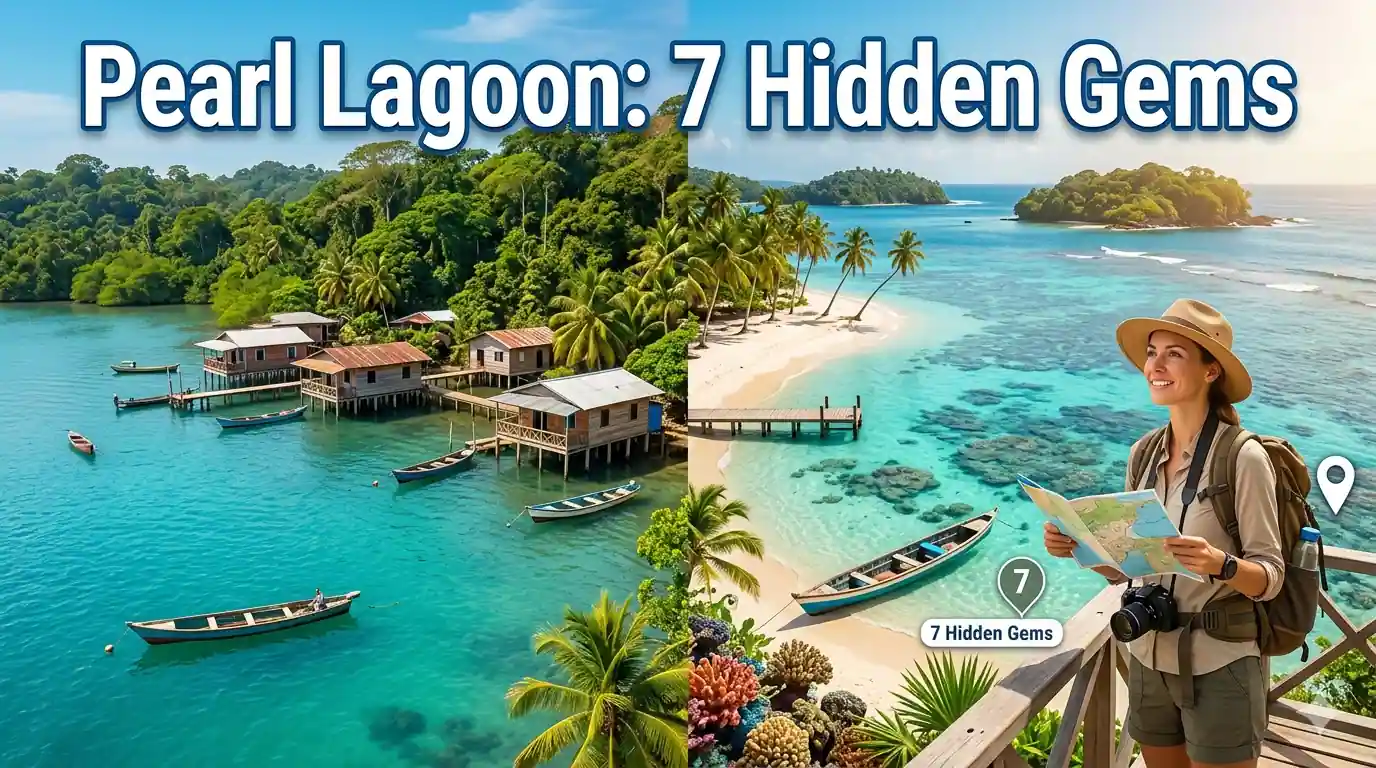
Pearl Lagoon, known locally as Laguna de Perlas, represents one of Nicaragua's most enchanting and least-visited destinations. This stunning coastal lagoon system on Nicaragua's Caribbean coast offers an extraordinary blend of Afro-Caribbean culture, pristine natural beauty, and authentic community-based tourism that remains largely untouched by mass tourism. For adventure travelers seeking genuine experiences off the beaten path, Pearl Lagoon delivers an unforgettable journey into a world where turquoise waters meet lush rainforests, where traditional cayuco boats glide through mangrove channels, and where warm Creole hospitality welcomes every visitor.
Located in the South Caribbean Coast Autonomous Region (RACCS), approximately 160 kilometers southeast of Managua, Pearl Lagoon encompasses a complex network of coastal lagoons, rivers, beaches, and islands that create one of Central America's most biodiverse ecosystems. The region is home to Afro-descendant Creole communities, indigenous Rama and Garifuna peoples, and Mestizo settlers, creating a rich cultural tapestry reflected in the distinctive music, cuisine, language, and traditions that define this unique corner of Nicaragua.
Unlike Nicaragua's Pacific coast with its developed tourist infrastructure, the Caribbean coast remains wild, authentic, and accessible primarily by small aircraft or boat. This relative isolation has preserved Pearl Lagoon's natural beauty and cultural integrity, making it a true hidden gem for travelers willing to venture beyond conventional destinations. From pristine beaches perfect for sea turtle nesting to mangrove forests teeming with wildlife, from vibrant Creole villages to remote fishing communities, Pearl Lagoon offers seven exceptional hidden gems that every adventure traveler needs to experience.
Hidden Gem #1: Orinoco - The Heart of Pearl Lagoon

Orinoco serves as the main settlement and administrative center of Pearl Lagoon municipality, offering visitors an authentic glimpse into Afro-Caribbean coastal life that has remained largely unchanged for generations. This charming Creole village, with its colorful wooden houses built on stilts, sandy streets lined with coconut palms, and the constant gentle lapping of lagoon waters, embodies the relaxed rhythm of Caribbean coast living.
Upon arriving in Orinoco, visitors are immediately struck by the warmth and hospitality of local residents. The Creole community, descendants of freed African slaves and British settlers, maintains strong cultural traditions expressed through distinctive architecture, cuisine, music, and the melodious Creole English dialect that serves as the primary language. Walking through Orinoco's streets feels like stepping back in time to a simpler era when life moved at the pace of the tides and community bonds ran deep.
The village waterfront offers spectacular views across Pearl Lagoon, where traditional cayuco boats (dugout canoes) are moored alongside small motorboats used for fishing and transportation. Local fishermen depart before dawn and return in late morning with fresh catches of snapper, grouper, lobster, and conch that form the backbone of the local diet and economy. Visitors can purchase fresh seafood directly from fishermen or enjoy it prepared at local eateries specializing in traditional Creole dishes like rundown (fish cooked in coconut milk with spices), turtle stew (where legally permitted), and rice and beans cooked in coconut milk.
Orinoco serves as an ideal base for exploring the wider Pearl Lagoon region. Several family-run guesthouses and eco-lodges offer comfortable, affordable accommodation with stunning lagoon views, home-cooked Creole meals, and local guides who can arrange boat tours, fishing trips, and cultural experiences. Staying in Orinoco allows travelers to immerse themselves in daily life, participate in community activities, and build meaningful connections with residents who are eager to share their culture and heritage.
Don't miss the opportunity to attend a local church service on Sunday, where gospel music, spirited preaching, and community fellowship showcase the deep Christian faith that anchors Creole culture. Evening walks along the waterfront as the sun sets over the lagoon, painting the sky in brilliant oranges and purples, provide moments of pure tranquility that remind visitors why Pearl Lagoon remains such a special place.
Hidden Gem #2: Kakabila - Pristine Beaches and Sea Turtle Sanctuary

Kakabila, located approximately 15 kilometers north of Orinoco along the Caribbean coast, represents one of Pearl Lagoon's most spectacular natural attractions. This remote coastal community sits at the mouth of Pearl Lagoon where freshwater meets the Caribbean Sea, creating a unique ecosystem of beaches, mangroves, and marine habitats that support extraordinary biodiversity including endangered sea turtles that have nested on these shores for millennia.
The beaches at Kakabila stretch for kilometers of pristine white and golden sand, backed by swaying coconut palms and fronted by turquoise waters that range from calm lagoon waters to gentle Caribbean waves. Unlike developed beach destinations, Kakabila remains virtually untouched by commercial tourism, offering visitors the rare opportunity to experience a Caribbean beach in its natural state, shared only with local fishermen, sea turtles, and abundant birdlife.
Kakabila's most significant ecological feature is its role as a critical nesting site for endangered sea turtles, including green turtles (Chelonia mydas) and hawksbill turtles (Eretmochelys imbricata). From March through October, female turtles come ashore under cover of darkness to dig nests in the soft sand above the high tide line, laying 100-150 eggs before returning to the sea. After approximately two months, hatchlings emerge and make their perilous journey across the beach to the ocean, guided by moonlight reflecting on the water.
Local community members have established sea turtle conservation programs that protect nesting sites, monitor turtle populations, and educate visitors about responsible wildlife viewing. Travelers can participate in guided night patrols during nesting season (with proper permits and guides) to observe turtles nesting or witness the magical moment when hatchlings emerge and scramble toward the sea. These experiences provide profound connections to nature while supporting conservation efforts that ensure sea turtles continue to nest at Kakabila for generations to come.
Beyond turtle conservation, Kakabila offers exceptional opportunities for beachcombing, swimming, snorkeling in shallow reef areas, and simply relaxing in paradise. The community maintains basic guesthouses and homestays where visitors can experience authentic Creole hospitality, enjoy fresh seafood meals, and learn about traditional fishing practices. Kayaking through mangrove channels, birdwatching for frigate birds and pelicans, and watching spectacular sunsets over the Caribbean create memories that last a lifetime.
Reaching Kakabila requires a boat ride from Orinoco or other Pearl Lagoon communities, adding to the sense of adventure and remoteness. The journey itself showcases the lagoon's stunning scenery, passing small islands, fishing villages, and mangrove forests that shelter juvenile fish, crustaceans, and countless bird species. This relative isolation ensures Kakabila remains a hidden gem known primarily to locals, conservationists, and intrepid travelers who value authentic experiences over tourist amenities.
Hidden Gem #3: Rama Cay - Indigenous Culture and Island Life

Rama Cay, a small island community located in the heart of Pearl Lagoon, offers visitors a unique opportunity to experience the culture and traditions of the Rama people, one of Nicaragua's indigenous groups with a history in the region dating back thousands of years. This tiny island, covering less than one square kilometer, is home to approximately 400 Rama and Creole residents who maintain a traditional lifestyle centered around fishing, small-scale agriculture, and handicraft production.
Arriving at Rama Cay by cayuco or small motorboat, visitors are immediately struck by the island's peaceful atmosphere and stunning natural setting. The island features a central village with a school, church, community center, and colorful wooden houses surrounded by coconut palms, fruit trees, and gardens. Sandy paths wind through the settlement, and the constant presence of the lagoon creates a sense of harmony between human habitation and natural environment.
The Rama people have inhabited the Pearl Lagoon region for centuries, developing sophisticated knowledge of local ecosystems, sustainable fishing practices, and traditional medicine based on rainforest plants. While the Rama language is critically endangered with only a handful of fluent speakers remaining, community members are working to preserve their cultural heritage through language revitalization programs, traditional craft production, and cultural education for younger generations.
Visitors to Rama Cay can participate in cultural tours led by community members who share stories about Rama history, traditional practices, and contemporary challenges facing indigenous communities in Nicaragua. Tours may include demonstrations of traditional fishing techniques using nets, traps, and spears; visits to cassava processing facilities where bitter manioc is transformed into flour and bread; and explanations of medicinal plants used to treat various ailments.
Rama Cay is also known for its exceptional handicrafts, particularly intricately woven baskets, bags, and mats made from natural fibers including wampum, palm, and other plant materials. These crafts represent generations of artistic tradition and provide important income for families. Visitors can observe artisans at work, learn about weaving techniques, and purchase authentic handicrafts that directly support the community economy.
The island's location in Pearl Lagoon provides excellent opportunities for swimming, kayaking, and observing aquatic wildlife including manatees (where populations persist), dolphins, and diverse fish species. Snorkeling around the island reveals underwater habitats teeming with life, while birdwatching from the shore or by boat spotlights frigate birds, herons, kingfishers, and ospreys that depend on the lagoon ecosystem.
Accommodation on Rama Cay is limited to basic homestays and community-run guesthouses that offer simple but clean rooms, shared facilities, and home-cooked meals featuring fresh fish, rice and beans, plantains, and tropical fruits. Staying overnight allows visitors to experience island life more deeply, participate in evening activities, and build relationships with community members. However, even day visits provide meaningful cultural exchange and support for community-based tourism initiatives.
Visiting Rama Cay requires cultural sensitivity and respect for indigenous traditions. Photography should only occur with explicit permission, visitors should dress modestly, and travelers should follow guidelines provided by community hosts. Tourism revenue directly benefits the Rama community, supporting education, healthcare, and cultural preservation efforts, making responsible visits an important form of support for indigenous rights and self-determination.
Hidden Gem #4: Mangrove Channels and Wildlife Corridors

The extensive mangrove forests that fringe Pearl Lagoon's waterways represent one of the region's most ecologically significant and visually stunning features. These complex networks of salt-tolerant trees, winding channels, and tidal wetlands create critical habitat for countless species while providing essential ecosystem services including coastal protection, water filtration, and carbon sequestration. For adventure travelers, exploring Pearl Lagoon's mangrove channels by cayuco or kayak offers an unforgettable journey into a mysterious world of twisted roots, hidden waterways, and abundant wildlife.
Mangrove forests in Pearl Lagoon are dominated by red mangrove (Rhizophora mangle), black mangrove (Avicennia germinans), and white mangrove (Laguncularia racemosa), each adapted to specific salinity levels and tidal conditions. The distinctive prop roots of red mangroves create intricate underwater labyrinths that serve as nurseries for juvenile fish, crustaceans, and mollusks, while the dense canopy provides roosting sites for birds and shelter for terrestrial wildlife.
Navigating through mangrove channels feels like exploring a natural cathedral, with towering trees creating green vaults overhead and roots forming organic sculptures in the water. The water is typically calm and clear, reflecting the green canopy and blue sky, while the air carries the distinctive scent of salt, vegetation, and marine life. Silence prevails except for the splash of paddles, calls of birds, and occasional movement of fish or crustaceans in the shallows.
Wildlife viewing in mangrove habitats is exceptional, with opportunities to observe species rarely seen in other environments. Boat tours and kayak excursions regularly spot brown pelicans perched on dead branches, magnificent frigate birds soaring overhead, herons and egrets stalking prey in shallow water, and kingfishers diving for fish. With patience and quiet observation, visitors may also see crocodiles basking on banks, iguanas sunning on branches, monkeys moving through the canopy, and even West Indian manatees (where populations persist) gliding through deeper channels.
The mangrove ecosystem supports important fisheries that sustain local communities, as many commercially valuable species including snapper, grouper, shrimp, and crab spend part of their life cycle in mangrove nurseries. Understanding this ecological connection helps visitors appreciate why mangrove conservation is critical for both biodiversity and human livelihoods in Pearl Lagoon.
Local guides possess intimate knowledge of mangrove channel networks, knowing which waterways are navigable at different tide levels, where wildlife is most likely to be observed, and how to minimize disturbance to sensitive habitats. Hiring local guides not only enhances the visitor experience through expert interpretation but also provides economic incentives for mangrove conservation and sustainable tourism.
Kayaking through mangroves offers a particularly immersive experience, allowing travelers to move quietly and access narrow channels inaccessible to motorized boats. Several Pearl Lagoon communities offer kayak rentals and guided tours, with options ranging from short excursions to multi-day camping adventures that explore remote sections of the mangrove forest. Paddling at dawn or dusk provides optimal wildlife viewing opportunities and spectacular lighting for photography.
Beyond wildlife and scenery, mangrove exploration offers insights into traditional uses of these ecosystems. Local communities have historically harvested mangrove wood for construction and fuel, collected tannins for dyeing, and utilized medicinal plants found in mangrove habitats. Guides can share this traditional ecological knowledge, demonstrating how indigenous and Creole communities have sustainably interacted with mangroves for generations.
Conservation challenges facing Pearl Lagoon's mangroves include pressure from development, pollution, climate change impacts including sea level rise, and unsustainable harvesting. Community-based conservation initiatives work to protect mangrove areas through education, sustainable management practices, and alternative livelihood programs. Responsible tourism that values mangrove ecosystems and supports local conservation efforts plays an important role in ensuring these vital habitats persist for future generations.
Hidden Gem #5: TikTik Kaanu - Remote Fishing Village Experience

TikTik Kaanu, a small fishing village located on the southern shore of Pearl Lagoon, offers adventurous travelers an authentic glimpse into traditional Caribbean coastal life that remains largely untouched by modern tourism development. The village's name, derived from indigenous languages, reflects the deep cultural roots of communities that have inhabited this region for centuries, adapting to the rhythms of the lagoon and sea.
Reaching TikTik Kaanu requires a boat journey from Orinoco or other Pearl Lagoon communities, adding to the sense of adventure and remoteness that defines this hidden gem. The voyage itself showcases the lagoon's stunning scenery, passing small islands, fishing grounds, and mangrove forests while providing opportunities to observe local fishermen deploying nets and traps using techniques passed down through generations.
Upon arrival, visitors discover a close-knit community where daily life revolves around fishing, small-scale agriculture, and traditional crafts. Most residents are Creole or Mestizo fishermen who depart before dawn in wooden cayucos or small motorboats, returning mid-morning with catches that feed their families and provide income through local sales. The village features simple wooden houses, a small school, a church, and communal spaces where neighbors gather to socialize, share meals, and maintain the social bonds that define Caribbean coastal culture.
Staying in TikTik Kaanu through community-based tourism initiatives or homestay programs allows visitors to experience authentic village life while directly supporting local families. Accommodations are basic but clean, typically consisting of private or shared rooms in family homes with shared bathroom facilities, mosquito nets, and refreshing ocean breezes. Meals feature fresh seafood prepared using traditional Creole recipes, including fish rundown, conch fritters, rice and beans cooked in coconut milk, fried plantains, and tropical fruits harvested from village gardens.
Participating in daily activities provides deeper cultural immersion and meaningful connections with community members. Visitors can accompany local fishermen on early morning expeditions, learning traditional fishing techniques including net casting, trap setting, and spear fishing. Guides explain sustainable practices that ensure fish populations remain healthy, the importance of respecting closed seasons, and traditional ecological knowledge about fish behavior and marine ecosystems.
Women in TikTik Kaanu often engage in food processing, handicraft production, and small-scale commerce, providing additional perspectives on village life and gender roles in Caribbean coastal communities. Visitors may observe or participate in activities like cassava processing, coconut oil extraction, basket weaving, or preparation of traditional foods, gaining appreciation for the skills and labor that sustain village economies.
Evening hours in TikTik Kaanu offer opportunities for cultural exchange as community members gather to share stories, play music, and enjoy the cool breezes after sunset. Reggae, calypso, and traditional Creole music fill the air, and visitors are often welcomed to join in dancing, singing, or simply listening to elders recount local history and legends. These informal interactions create lasting memories and cross-cultural friendships that transcend language barriers.
The natural environment surrounding TikTik Kaanu provides exceptional opportunities for swimming, snorkeling, kayaking, and wildlife observation. Pristine beaches offer solitude and natural beauty, while shallow waters reveal diverse marine life including colorful fish, sea stars, and coral formations. Birdwatching from the shore or by boat spotlights pelicans, frigate birds, herons, and ospreys that depend on the lagoon ecosystem.
Visiting TikTik Kaanu requires cultural sensitivity, flexibility, and respect for local customs. The village operates on Caribbean time, with schedules determined by tides, weather, and community needs rather than rigid timetables. Visitors should dress modestly, ask permission before photographing people or private property, and follow guidelines provided by hosts. Bringing small gifts from home, such as school supplies for children or useful household items, is appreciated though not expected.
Tourism revenue from homestays, guided activities, and handicraft sales provides important income for TikTik Kaanu families, creating economic alternatives to unsustainable fishing practices and reducing pressure to migrate to urban areas. By visiting responsibly and supporting community-based tourism, travelers contribute to local development while experiencing an authentic way of life that remains increasingly rare in our globalized world.
Hidden Gem #6: Coral Reefs and Snorkeling Paradise

Beyond Pearl Lagoon's mangrove channels and coastal villages lies an underwater world of extraordinary beauty and biodiversity. The coral reefs and rocky outcrops that dot the lagoon entrance and Caribbean coast provide exceptional snorkeling and diving opportunities that rival more famous destinations, yet remain virtually unknown to mass tourism. For adventure travelers who love marine environments, exploring Pearl Lagoon's underwater habitats offers encounters with colorful fish, sea turtles, rays, and vibrant coral communities in pristine conditions.
The Pearl Lagoon reef system, while smaller than Nicaragua's Corn Islands reefs, features healthy coral formations including brain coral, elkhorn coral, staghorn coral, and various soft corals that create complex three-dimensional habitats for marine life. These reefs have benefited from relative isolation and limited human impact, maintaining ecological integrity that supports diverse fish populations, invertebrates, and other marine organisms.
Snorkeling in Pearl Lagoon's reef areas reveals underwater gardens teeming with life. Schools of sergeant majors, blue tangs, parrotfish, and angelfish dart among coral formations, while larger species including groupers, snappers, and barracudas patrol the perimeter. Patient observers may spot sea turtles grazing on seagrass or resting on the reef bottom, southern stingrays gliding gracefully over sandy patches, and moray eels peeking from crevices in the coral.
Local guides know the best snorkeling spots, which vary depending on tide conditions, visibility, and seasonal factors. Some sites are accessible directly from shore, requiring only a short swim to reach reef areas, while others necessitate boat transport to reach offshore locations. Guides provide essential safety information, point out interesting species, and explain the ecology of reef systems, enhancing the visitor experience through expert interpretation.
Beyond coral reefs, Pearl Lagoon's seagrass beds provide important habitat for juvenile fish, sea turtles, and manatees (where populations persist). Snorkeling over seagrass meadows reveals a different but equally fascinating underwater landscape, with sea stars, sea cucumbers, conch, and various crustaceans visible on the sandy bottom. Sea turtles frequently graze on seagrass, and encounters with these gentle giants while snorkeling create unforgettable moments of connection with marine wildlife.
The lagoon's estuarine environment, where freshwater from rivers mixes with saltwater from the Caribbean, creates unique conditions that support species adapted to variable salinity. This ecological transition zone hosts diverse life including bull sharks that can tolerate freshwater, various crab species, and specialized fish that move between marine and freshwater habitats. Understanding these ecological dynamics adds depth to the snorkeling experience and appreciation for the complexity of coastal ecosystems.
Snorkeling equipment can be rented in Orinoco and other Pearl Lagoon communities, though availability and quality vary. Serious snorkelers may prefer to bring their own mask, snorkel, and fins to ensure proper fit and reliability. Local guides typically provide basic equipment as part of guided tours, along with safety briefings and instruction for inexperienced snorkelers.
Responsible snorkeling practices are essential for protecting fragile reef ecosystems. Visitors should never touch or stand on coral, as even light contact can damage or kill these slow-growing organisms. Maintaining neutral buoyancy, keeping a safe distance from marine life, and avoiding stirring up sediment that can smother coral are critical skills for environmentally conscious snorkelers. Using reef-safe sunscreen that does not contain oxybenzone or octinoxate helps prevent chemical pollution that harms coral health.
For travelers with diving certification, Pearl Lagoon offers opportunities for scuba diving, though infrastructure is limited compared to established dive destinations. Some operators based in Pearl Lagoon or nearby communities offer dive excursions to reef sites, requiring advance arrangement and verification of certification. The relatively unexplored nature of these dive sites appeals to adventurous divers seeking uncrowded conditions and pristine marine environments.
Marine conservation initiatives in Pearl Lagoon work to protect reef ecosystems through community education, sustainable fishing practices, and establishment of marine protected areas. Tourism that values and supports these conservation efforts helps ensure that Pearl Lagoon's underwater treasures remain healthy and vibrant for future generations of both local communities and visitors.
Hidden Gem #7: Río Indio and Rainforest Adventures

While Pearl Lagoon is renowned for its coastal and marine attractions, the region's terrestrial ecosystems offer equally compelling adventures for nature enthusiasts. The Río Indio watershed and surrounding rainforests represent some of the last remaining tracts of tropical rainforest on Nicaragua's Caribbean coast, harboring exceptional biodiversity, pristine rivers, and traditional communities that maintain deep connections to the land.
The Río Indio, flowing from inland rainforests to empty into Pearl Lagoon, serves as a vital ecological corridor connecting terrestrial and marine ecosystems. The river's banks are lined with dense tropical vegetation including mahogany, cedar, laurel, and countless other tree species that create multi-layered canopy habitats for birds, mammals, reptiles, and amphibians. Navigating the Río Indio by cayuco or small motorboat provides access to remote areas rarely visited by tourists, offering opportunities for wildlife observation, cultural exchange, and immersion in pristine natural environments.
Rainforest ecosystems surrounding Pearl Lagoon support remarkable biodiversity, including jaguars, pumas, ocelots, tapirs, white-lipped peccaries, spider monkeys, howler monkeys, and numerous other mammal species. While seeing large mammals requires patience and luck, the forest is alive with visible wildlife including colorful birds, butterflies, iguanas, and tree frogs. Birdwatchers can spot toucans, parrots, macaws, trogons, motmots, and countless other species that depend on intact rainforest habitat.
Local guides possess intimate knowledge of rainforest trails, wildlife behavior, and traditional uses of forest resources. Guided hikes through primary and secondary forest reveal the complexity of tropical ecosystems, from towering emergent trees to the forest floor where decomposition fuels nutrient cycling. Guides identify medicinal plants used in traditional healing, explain sustainable harvesting practices, and share stories about the cultural and spiritual significance of the forest for indigenous and Creole communities.
The Río Indio and its tributaries provide excellent opportunities for freshwater fishing, swimming in natural pools, and observing aquatic ecosystems. Rivers support populations of tarpon, snook, mojarra, and other fish species that move between freshwater and marine environments. Clear sections of river reveal underwater habitats where fish, crustaceans, and aquatic insects create complex food webs that sustain the entire ecosystem.
Visiting rainforest communities along the Río Indio offers insights into traditional livelihoods based on sustainable agriculture, fishing, hunting, and forest product collection. Many families maintain small farms where they grow rice, beans, plantains, yucca, and fruit trees using traditional techniques adapted to tropical conditions. Guides can arrange visits to these farms, demonstrating agricultural practices and explaining how communities balance subsistence needs with forest conservation.
Rainforest adventures in the Pearl Lagoon region require preparation and respect for the challenging tropical environment. High temperatures and humidity demand adequate hydration, lightweight breathable clothing, and realistic expectations about physical exertion. Insect repellent, long sleeves and pants, and sturdy footwear protect against mosquitoes, ants, and thorny vegetation. Rain gear is essential year-round, as tropical showers can occur at any time.
Multi-day rainforest expeditions are possible for adventurous travelers willing to camp in remote areas or stay with local families. These extended journeys provide deeper immersion in rainforest ecosystems, opportunities to observe wildlife at different times of day, and meaningful cultural exchange with communities that call the forest home. Camping requires appropriate equipment, experienced guides, and careful planning to ensure safety and minimize environmental impact.
Conservation challenges facing Pearl Lagoon's rainforests include illegal logging, agricultural expansion, mining interests, and infrastructure development. Community-based conservation initiatives work to protect forest areas through sustainable land use planning, eco-tourism development, and advocacy for indigenous and community land rights. Responsible tourism that values rainforest ecosystems and supports local conservation efforts helps ensure these vital habitats persist for future generations.
Planning Your Pearl Lagoon Adventure

Visiting Pearl Lagoon requires advance planning and realistic expectations about infrastructure and accessibility in this remote region. Understanding logistics, costs, and practical considerations ensures a smooth and enjoyable experience while respecting local communities and fragile ecosystems.
Getting There: Pearl Lagoon is accessible primarily by small aircraft from Managua's Augusto C. Sandino International Airport or domestic terminals. Several airlines including La Costeña operate regular flights to Pearl Lagoon airstrip, with flight times of approximately 45-60 minutes. Flight schedules vary and may change based on weather conditions, so building flexibility into travel plans is essential. Alternatively, adventurous travelers can reach Pearl Lagoon by road to the coastal town of La Rama followed by boat transfer, though this journey takes 6-8 hours and requires local knowledge.
Accommodation: Pearl Lagoon offers limited but adequate accommodation ranging from basic guesthouses and homestays to small eco-lodges. Most properties are family-run, providing personalized service, home-cooked meals, and local knowledge. Expect simple but clean rooms with fans or air conditioning, private or shared bathrooms, and stunning lagoon or ocean views. Booking in advance is recommended, especially during peak travel periods, though last-minute arrangements are often possible through local contacts.
Best Time to Visit: Pearl Lagoon experiences a tropical climate with a dry season from February to May and a rainy season from June to January, though rain can occur year-round. The dry season offers more reliable weather for outdoor activities, better visibility for snorkeling, and easier travel conditions. However, the green season features lush vegetation, fewer visitors, and lower prices, with rain typically occurring in short afternoon showers rather than all-day downpours. Sea turtle nesting season (March-October) and the dry season (February-May) represent optimal periods for visiting.
What to Pack: Essential items for Pearl Lagoon include lightweight breathable clothing, swimwear, sun protection (hat, sunglasses, reef-safe sunscreen), insect repellent, rain gear, sturdy footwear for hiking and water shoes for snorkeling, flashlight or headlamp, basic first aid kit, and any necessary medications. Bring cash in US dollars or Nicaraguan córdobas, as ATMs are unavailable and credit card acceptance is limited. A waterproof bag or dry sack protects electronics and important documents during boat travel.
Health and Safety: Pearl Lagoon is generally safe for travelers who exercise common sense and respect local customs. Malaria and dengue fever occur in the region, so mosquito protection is essential. Consult a travel medicine specialist before departure regarding appropriate vaccinations and prophylactic medications. Drink only bottled or purified water, eat well-cooked foods, and practice good hygiene to prevent gastrointestinal illness. Travel insurance covering medical evacuation is strongly recommended given limited healthcare infrastructure.
Cultural Sensitivity: Pearl Lagoon's communities maintain distinct cultural identities and traditions that deserve respect. Dress modestly, especially in villages and when visiting churches or community events. Always ask permission before photographing people, particularly elders and children. Learn basic greetings in Creole English or Spanish to facilitate positive interactions. Support local businesses by purchasing handicrafts, using local guides, and eating at community restaurants.
Environmental Responsibility: Pearl Lagoon's ecosystems are fragile and vulnerable to human impact. Practice Leave No Trace principles, pack out all trash, avoid touching or disturbing wildlife, use reef-safe sunscreen, and respect marine protected areas. Choose tour operators and accommodation that demonstrate commitment to sustainability and community benefit. Your travel choices can support conservation and local development or contribute to environmental degradation—choose wisely.
Conclusion: Why Pearl Lagoon Deserves Your Attention
Pearl Lagoon represents everything that makes travel meaningful: authentic cultural encounters, pristine natural beauty, opportunities for genuine connection, and the chance to explore places that remain largely untouched by mass tourism. These seven hidden gems—Orinoco's Creole charm, Kakabila's sea turtle beaches, Rama Cay's indigenous culture, mangrove channels teeming with wildlife, TikTik Kaanu's traditional fishing village life, coral reefs bursting with color, and Río Indio's rainforest adventures—offer experiences that transform perspectives and create memories that last a lifetime.
Visiting Pearl Lagoon requires effort, flexibility, and openness to conditions that differ dramatically from developed tourist destinations. There are no luxury resorts, international restaurant chains, or predictable itineraries. Instead, there is raw natural beauty, warm hospitality, cultural richness, and the profound satisfaction that comes from traveling responsibly in places where tourism supports rather than exploits local communities.
For adventure travelers seeking alternatives to crowded destinations, Pearl Lagoon offers the rare combination of accessibility and authenticity. The region's relative isolation has preserved both ecological integrity and cultural traditions, creating opportunities for meaningful travel that benefits both visitors and hosts. By choosing to visit Pearl Lagoon, you support community-based tourism, conservation initiatives, and sustainable development that empowers local people to protect their heritage and environment.
The seven hidden gems described in this guide represent just the beginning of what Pearl Lagoon has to offer. Each visitor discovers their own favorite spots, forms unique connections with local people, and creates personal memories that cannot be replicated. Whether you come for sea turtle conservation, Afro-Caribbean culture, pristine beaches, vibrant reefs, or rainforest adventures, Pearl Lagoon rewards curiosity, respect, and openness with experiences that remind us why we travel.
As you plan your journey to this remarkable corner of Nicaragua's Caribbean coast, approach Pearl Lagoon with humility, gratitude, and commitment to responsible travel. The communities and ecosystems that make this place special have survived centuries of change, and they deserve visitors who contribute positively to their future. In return, Pearl Lagoon will give you something increasingly rare in our modern world: the opportunity to experience authentic beauty, genuine hospitality, and the profound joy of discovery in a place that remains truly special.
0 Comments