.webp)
.webp)
Mauritania Female Solo Travel Safety: Honest 2026 Guide
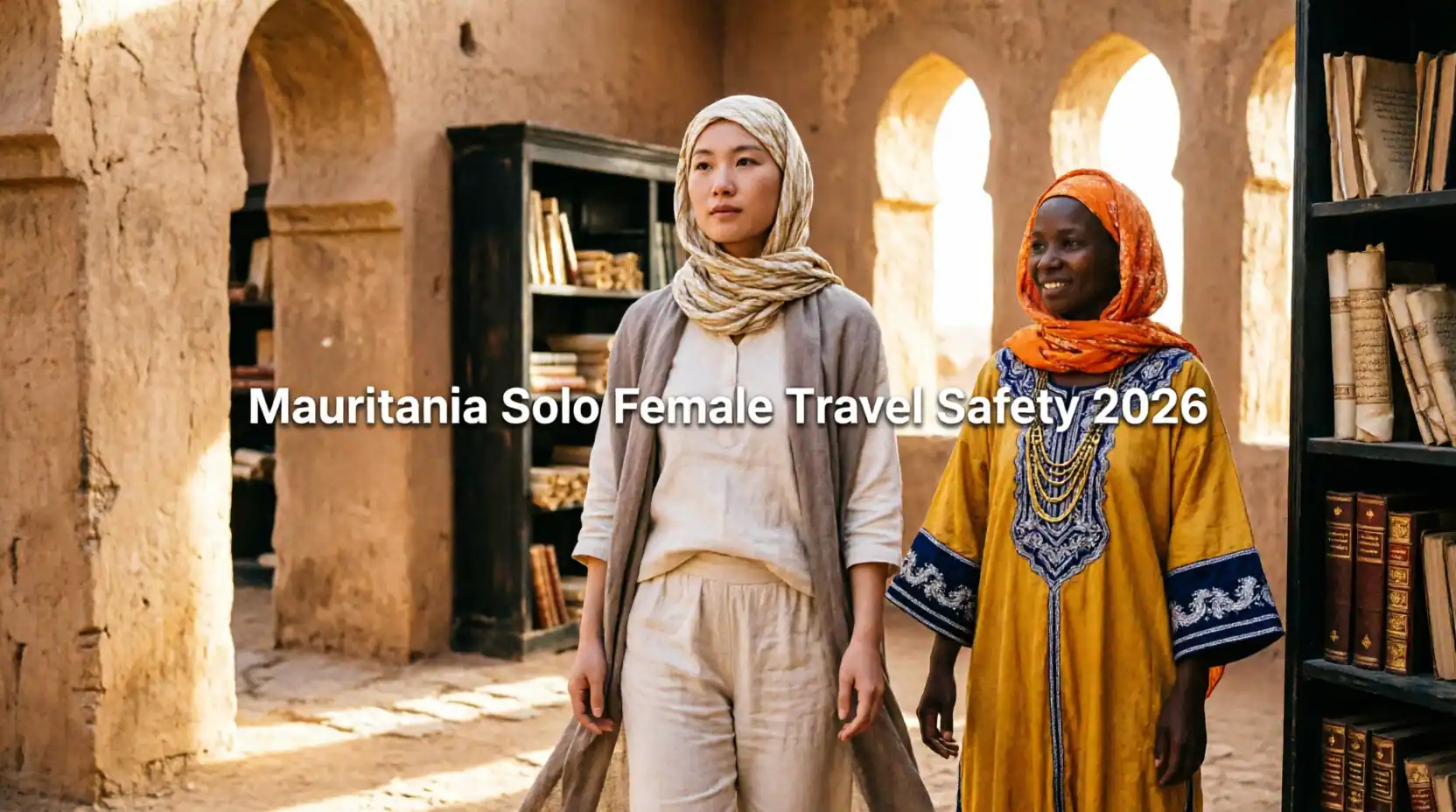
Is Mauritania Safe for Female Solo Travelers? An Honest 2026 Safety Breakdown
Mauritania presents a complex reality for female solo travelers: it's a destination that can be incredibly rewarding for those who prepare thoroughly and respect local customs, yet it demands heightened awareness and specific precautions that differ significantly from more tourist-friendly destinations. As of 2026, while Mauritania has made strides in tourism infrastructure and security, female solo travelers face unique challenges rooted in conservative cultural norms, limited tourism infrastructure outside the capital, and regional security concerns that require honest assessment.
This comprehensive safety guide provides an unvarnished look at what female solo travelers can expect in Mauritania, covering everything from street harassment and cultural expectations to regional security variations and practical safety strategies. Rather than discouraging adventurous women from visiting, this guide empowers you with realistic information to make informed decisions, prepare appropriately, and travel as safely as possible in this fascinating but challenging West African nation.
Understanding that safety is multifaceted—encompassing physical security, cultural respect, health considerations, and personal comfort—this breakdown addresses each dimension honestly. Whether you're considering visiting the ancient libraries of Chinguetti, exploring Nouakchott's markets, or traversing the Sahara, knowing what to expect and how to prepare is essential for a positive experience.
Is Mauritania safe for female solo travelers in 2026?
Mauritania can be safe for female solo travelers who take extensive precautions, but it presents significant challenges. The country is conservative with strict Islamic norms, limited tourism infrastructure, and occasional harassment issues. While violent crime against tourists is relatively rare, verbal harassment, unwanted attention, and cultural misunderstandings are common. Success requires thorough preparation, modest dress, cultural sensitivity, avoiding nighttime travel, staying in reputable accommodations, and maintaining constant awareness. Many experienced female travelers have visited successfully, but Mauritania is not recommended for first-time solo travelers to Africa or the Middle East.
Understanding Mauritania's Cultural Context

To travel safely as a woman in Mauritania, you must understand the cultural and religious context that shapes daily life and social interactions.
Islamic Society and Gender Norms:
• Religious Foundation: Mauritania is 100% Muslim, with Islam deeply integrated into daily life and law
• Conservative Values: Society adheres to conservative interpretations of Islamic gender roles
• Gender Segregation: Many social spaces are gender-segregated; mixed-gender interactions follow strict protocols
• Family Honor: Women's behavior is closely tied to family reputation; foreign women are sometimes judged by similar standards
• Expectations: Local women typically dress modestly and avoid unsupervised mixing with men; foreign women are granted some latitude but expected to show respect
Legal Framework:
• Sharia Law: Mauritania operates under Sharia (Islamic law) alongside civil law
• Alcohol Prohibition: Alcohol is completely illegal; possession can result in arrest
• Public Behavior: Public displays of affection are illegal and can result in legal consequences
• Dress Code: While not legally mandated for foreigners, modest dress is socially expected
• Photography: Photographing people, especially women, without permission is culturally offensive and may be legally problematic
Social Reality for Women:
• Foreign Women: Viewed with curiosity; may attract unwanted attention
• Solo Travel: Uncommon for local women; solo foreign women may be viewed as unusual
• Assumptions: Some men may assume solo female travelers are sexually available; clear boundaries essential
• Protection: Traveling with a male guide or being introduced by trusted locals significantly reduces harassment
• Respect: Showing respect for local customs generally results in reciprocal respect from locals
What should female travelers wear in Mauritania?
Female travelers should dress very conservatively: loose-fitting clothing covering arms to wrists and legs to ankles, headscarf (highly recommended though not legally required for foreigners), high necklines, opaque fabrics, and avoidance of form-fitting clothing. This demonstrates respect for local culture and significantly reduces unwanted attention. While not legally mandated for foreigners, modest dress is socially expected and practically essential for comfortable travel.
Regional Safety Variations Across Mauritania

Safety conditions vary dramatically across Mauritania. Understanding these regional differences is crucial for trip planning.
Nouakchott (Capital City):
• Overall Safety: Moderate; safest area for female travelers
• Daytime: Generally safe in central areas, markets, and tourist sites with normal precautions
• Nighttime: Avoid walking alone after dark; use trusted taxi services
• Harassment: Verbal harassment common but usually non-threatening; ignore and keep moving
• Areas to Favor: Tevragh-Zeina district (upscale, safer), city center during day
• Areas to Avoid: Poorer suburbs (Keur Massène, etc.) especially at night; isolated areas
• Accommodation: Reputable hotels in central areas generally safe
• Transport: Use hotel-arranged or recommended taxis; avoid random street taxis
• Police Presence: Visible in central areas; helpful for tourists
Chinguetti and Ouadane (Ancient Library Towns):
• Overall Safety: Good for tourists; small communities accustomed to visitors
• Harassment: Less common than Nouakchott; communities protective of tourism
• Guides: Highly recommended; local guides provide safety and cultural access
• Accommodation: Small guesthouses generally safe; verify security measures
• Movement: Don't walk alone in desert areas; always inform someone of plans
• Cultural Sensitivity: Very conservative; strict adherence to dress code essential
• Infrastructure: Limited; medical facilities basic; evacuation to Nouakchott may be necessary for serious issues
Atar and Adrar Region:
• Overall Safety: Moderate; popular tourist gateway to Sahara
• Tourism: More tourism infrastructure than remote areas
• Desert Excursions: Only with reputable guides; never solo in desert
• Town Safety: Generally safe during day with normal precautions
• Harassment: Occasional; less than Nouakchott
• Accommodation: Several tourist-oriented hotels with reasonable security
Eastern Regions (Near Mali Border):
• Overall Safety: NOT RECOMMENDED for any travelers
• Security Concerns: Spillover from Mali instability; terrorist activity risk
• Government Advisories: Most governments advise against all travel to eastern border regions
• Military Presence: Heavy; indicates security concerns
• Recommendation: Avoid entirely; no tourist attractions justify risk
Western Coastal Areas:
• Overall Safety: Moderate; fishing towns generally quiet
• Nouadhibou: Second city; moderate safety similar to Nouakchott
• Harassment: Present but manageable with precautions
• Infrastructure: Limited tourist facilities
• Recommendation: Visit only with specific purpose; not typical tourist destination
Deep Sahara/Desert Regions:
• Overall Safety: High risk without proper support
• Requirements: Never travel alone; always with experienced guide and 4WD vehicle
• Communication: No cell coverage; satellite communication essential
• Navigation: Easy to get lost; GPS and local knowledge essential
• Security: Remote areas have minimal security presence
• Recommendation: Only with reputable tour operator; never independent solo travel
Which areas of Mauritania should female travelers avoid?
Avoid: eastern border regions near Mali (terrorist activity risk), walking alone at night anywhere in Mauritania, isolated areas and deserted streets, poor suburbs of Nouakchott (especially after dark), and deep desert areas without experienced guides and proper equipment. Stick to central areas of Nouakchott during daytime, visit tourist sites with guides, and use trusted transportation. Always inform someone of your travel plans and expected return time.
Harassment and Unwanted Attention: Reality and Response

Harassment is one of the most common challenges female solo travelers face in Mauritania. Understanding what to expect and how to respond is essential.
Types of Harassment:
• Verbal Harassment:
- Comments in Arabic, French, or Hassaniya dialect
- Ranges from "hello" to more explicit comments
- Most common in markets and public spaces
- Usually non-threatening but uncomfortable
- Often stops if ignored
• Staring:
- Intense staring very common
- Foreign women attract significant attention
- Can feel intimidating but usually not dangerous
- Best response: ignore and continue
• Following:
- Some men may follow at distance
- Usually curiosity rather than malicious intent
- Can be unsettling
- Enter shop, hotel, or public building if concerned
- Ask for help from shopkeeper or security guard
• Unwanted Photography:
- Some may try to photograph you
- Politely but firmly decline
- Move away if persists
• Physical Harassment:
- Less common but does occur
- Unwanted touching, grabbing
- Respond firmly and loudly to attract attention
- Seek help from nearby people or police
- Report serious incidents
Prevention Strategies:
• Dress Conservatively: Most important prevention measure
- Loose, opaque clothing
- Headscarf significantly reduces attention
- Cover arms, legs, chest completely
• Avoid Eye Contact:
- Don't make prolonged eye contact with men
- Brief, polite acknowledgment then look away
- Prevents misinterpretation as interest
• Project Confidence:
- Walk purposefully
- Don't appear lost or confused
- Ask for directions from women or families when possible
• Use Local Support:
- Hire local guide for markets and public spaces
- Ask hotel to arrange trusted transportation
- Have hotel write your destination in Arabic
• Avoid Risky Situations:
- Don't walk alone at night
- Avoid isolated areas
- Don't accept drinks from strangers
- Be cautious in crowded markets
Response Strategies:
• Ignore: Most effective for verbal harassment
- Don't engage or respond
- Keep walking
- Don't show emotion
• Firm Decline: For persistent approaches
- Say "la shukran" (no thank you) firmly
- Don't apologize or explain
- Walk away immediately
• Seek Help: If feeling threatened
- Enter nearest shop, hotel, or public building
- Ask shopkeeper or security for help
- Call police if necessary (police: 17)
• Create Distance:
- Cross street if being followed
- Enter populated area
- Don't lead follower to your accommodation
• Document: For serious incidents
- Note description of individuals
- Report to police and your embassy
- Inform your accommodation
Cultural Context:
• Not Personal: Harassment often reflects cultural norms rather than personal malice
• Curiosity: Foreign women are rare; some attention is curiosity
• Misunderstanding: Western friendliness may be misinterpreted
• Power Dynamics: Some men test boundaries with foreign women
• Response Matters: Firm, consistent boundaries usually effective
How common is harassment against female travelers in Mauritania?
Verbal harassment and staring are very common for female solo travelers in Mauritania, occurring daily in public spaces. Physical harassment is less common but does occur. Most harassment is non-violent but persistent and uncomfortable. Wearing conservative clothing including headscarf, avoiding eye contact, ignoring comments, and using local guides significantly reduces frequency and intensity. Many female travelers report that harassment decreases dramatically when dressed very conservatively and traveling with a local guide.
Practical Safety Strategies for Female Solo Travelers

Beyond understanding risks, implementing practical safety strategies is essential for successful travel in Mauritania.
Accommodation Safety:
• Choosing Accommodation:
- Select reputable hotels with 24-hour security
- Read recent reviews from female travelers
- Verify room locks and security measures
- Choose central locations in safer districts
- Avoid budget guesthouses with poor security
• Room Safety:
- Use door lock and chain at all times
- Don't open door to strangers
- Keep valuables in room safe or hotel safe
- Don't advertise solo status; say "we" not "I"
- Keep phone charged and accessible
• Hotel Interactions:
- Build rapport with hotel staff
- Ask staff for safety advice and trusted services
- Have hotel arrange transportation
- Get business card with hotel address in Arabic
- Inform front desk of daily plans
Transportation Safety:
• Taxis:
- Use hotel-arranged taxis when possible
- Verify taxi driver identity before entering
- Sit in back seat
- Share taxi details with someone
- Don't accept rides from strangers
- Negotiate fare before entering
• Public Transport:
- Generally not recommended for solo female travelers
- If necessary, sit near women or families
- Avoid crowded vehicles
- Keep belongings secure
• Walking:
- Avoid walking alone, especially at night
- Stick to populated, well-lit areas
- Walk confidently and purposefully
- Don't display phone or valuables
- Have destination written in Arabic
• Desert Travel:
- Never travel in desert alone
- Always use reputable guide service
- Ensure proper 4WD vehicle and equipment
- Carry satellite communication
- Share itinerary with multiple people
- Never deviate from planned route
Communication and Connectivity:
• Stay Connected:
- Purchase local SIM card for emergency calls
- Share daily itinerary with trusted contact
- Check in regularly with family/friends
- Register with your embassy's STEP program
- Save emergency numbers in phone
• Emergency Contacts:
- Police: 17
- US Embassy Nouakchott: +222 45-25-26-27
- Your country's embassy
- Hotel emergency number
- Trusted local guide
• Technology:
- Download offline maps
- Use location sharing with trusted contacts
- Keep phone charged; carry power bank
- Have backup communication plan
Social Interactions:
• Meeting Locals:
- Be friendly but maintain boundaries
- Don't share accommodation details
- Meet in public places
- Trust your instincts
- Don't feel obligated to accept invitations
• Other Travelers:
- Connect with other travelers when possible
- Consider joining group tours for certain activities
- Share safety information with other travelers
- Travel with others when possible
• Saying No:
- Practice firm, polite refusals
- Don't worry about being "rude"
- Safety more important than politeness
- "La shukran" (no thank you) is sufficient
Health and Wellness:
• Medical Preparedness:
- Bring comprehensive medical kit
- Carry prescription medications in original containers
- Bring supply for entire trip plus extra
- Know location of medical facilities
- Have travel insurance with medical evacuation
• Personal Safety Items:
- Door stop alarm for hotel rooms
- Whistle for emergencies
- Flashlight
- Copies of important documents
- Emergency cash separate from main funds
Should female travelers hire a guide in Mauritania?
Yes, hiring a local guide is highly recommended for female solo travelers in Mauritania. Guides provide: cultural mediation reducing harassment, local knowledge for safety, language translation, access to sites requiring permission, trusted transportation arrangements, and emergency assistance. Cost is typically $30-60 USD per day. While adding expense, a good guide significantly improves safety and experience quality. For desert travel, guides are essential, not optional. For city exploration, guides are strongly recommended, especially for first-time visitors.
Health and Medical Considerations

Health and medical preparedness are critical components of safety for female travelers in Mauritania.
Medical Infrastructure:
• Nouakchott:
- Limited medical facilities
- Basic care available
- Serious conditions require evacuation
- Few English-speaking doctors
• Regional Areas:
- Very limited medical care
- Basic first aid only
- Evacuation to Nouakchott necessary for serious issues
- Long distances to medical facilities
• Recommendation: Comprehensive travel insurance with medical evacuation essential
Health Risks:
• Climate-Related:
- Extreme heat: dehydration, heat stroke risk
- Sun exposure: high SPF essential
- Dust and sand: respiratory irritation
- Water scarcity: stay hydrated
• Disease Risks:
- Malaria: prophylaxis recommended
- Traveler's diarrhea: common; bring medication
- Waterborne illnesses: drink only bottled/treated water
- Food safety: eat only well-cooked food
• Women's Health:
- Bring adequate supply of feminine products
- Limited availability outside Nouakchott
- Consider menstrual cup for sustainability
- Bring any personal medications
Preparation:
• Vaccinations:
- Hepatitis A and B
- Typhoid
- Yellow fever (if transiting endemic country)
- Meningitis
- Routine vaccines up to date
- Consult travel clinic 4-6 weeks before departure
• Medical Kit:
- Prescription medications (full supply + extra)
- Anti-diarrheal medication
- Antibiotics (broad-spectrum, if prescribed)
- Pain relievers
- Rehydration salts
- First aid supplies
- Insect repellent
- Sunscreen
• Insurance:
- Must include medical evacuation
- Verify coverage for Mauritania
- Carry insurance card and policy number
- Save emergency contact numbers
What medical facilities are available in Mauritania?
Medical facilities in Mauritania are limited. Nouakchott has basic hospitals and clinics, but serious conditions require medical evacuation to Europe or neighboring countries. Regional areas have minimal medical infrastructure. Female travelers should bring comprehensive medical kits, adequate prescription medications, and ensure travel insurance includes medical evacuation. Don't rely on local medical facilities for anything beyond basic first aid.
Cultural Sensitivity and Respect

Cultural sensitivity is not just about respect—it's a critical safety strategy in Mauritania.
Dress Code:
• Essential Elements:
- Loose-fitting clothing covering entire body
- Long sleeves to wrists
- Long pants or skirt to ankles
- High neckline
- Headscarf (strongly recommended)
- Opaque, non-revealing fabrics
- Avoid form-fitting clothing
• Why It Matters:
- Shows respect for local culture
- Significantly reduces unwanted attention
- Demonstrates cultural awareness
- Facilitates positive interactions
- Safety issue, not just courtesy
Behavior and Interactions:
• Greetings:
- Learn basic Arabic greetings
- "As-salamu alaykum" (peace be upon you)
- Take time for proper greetings
- Don't rush interactions
• Physical Contact:
- Don't initiate physical contact with men
- Handshakes with men: wait for them to initiate
- Some men may not shake hands with women; respect this
- Women can greet other women with kisses on cheeks
• Photography:
- Always ask permission before photographing people
- Respect refusals
- Never photograph women without explicit permission
- Don't photograph government/military installations
- Be sensitive in religious spaces
• Public Behavior:
- No public displays of affection
- Modest behavior at all times
- Avoid loud or boisterous behavior
- Respect prayer times
- Don't eat, drink, or smoke in public during Ramadan daylight hours
Religious Sensitivity:
• Islam:
- Mauritania is 100% Muslim
- Respect Islamic practices and beliefs
- Don't criticize or question religious practices
- Remove shoes before entering mosques (non-Muslims generally cannot enter)
- Dress especially modestly near religious sites
• Prayer Times:
- Five daily prayer times
- Many businesses close during prayer
- Be patient and respectful
- Don't walk in front of praying people
Language:
• Useful Phrases:
- Learn basic Arabic or French phrases
- Shows respect and effort
- Facilitates communication
- Reduces misunderstandings
• Communication Style:
- Be polite and patient
- Don't raise voice or show anger
- Indirect communication preferred
- Save face important
Is it mandatory for female travelers to wear a headscarf in Mauritania?
No, headscarves are not legally mandatory for foreign women in Mauritania, but they are highly recommended and culturally expected. Wearing a headscarf significantly reduces unwanted attention, shows respect for local culture, and improves safety. Many female travelers report dramatically less harassment when wearing a headscarf. While not legally required, it's practically essential for comfortable, safe travel.
Emergency Preparedness and Response

Despite best precautions, emergencies can occur. Being prepared is essential.
Emergency Contacts:
• Local Emergency Numbers:
- Police: 17
- Fire: 18
- Ambulance: 15
- These may have limited English capability
• Embassy Contacts:
- US Embassy Nouakchott: +222 45-25-26-27
- Register with STEP program before travel
- Save embassy contact in phone
- Know embassy location and hours
• Personal Emergency Contacts:
- Trusted local guide
- Hotel manager
- Family/friends back home
- Travel insurance emergency line
Emergency Scenarios:
• Harassment Escalation:
- Move to populated area immediately
- Seek help from shopkeeper, hotel, or police
- Call emergency number if threatened
- Contact your embassy
- Document incident
• Medical Emergency:
- Call ambulance (15) or go to nearest medical facility
- Contact travel insurance immediately
- Contact embassy for assistance
- Have insurance information readily available
• Lost or Stolen Documents:
- Report to police immediately
- Get police report
- Contact embassy for emergency travel documents
- Have copies of documents stored separately
• Natural Disaster or Civil Unrest:
- Follow local authorities' instructions
- Contact embassy immediately
- Stay in safe location
- Monitor news and embassy alerts
- Follow evacuation instructions if issued
Prevention:
• Before Travel:
- Research thoroughly
- Register with embassy
- Share itinerary with trusted contacts
- Purchase comprehensive travel insurance
- Learn basic Arabic/French phrases
- Prepare emergency fund
• During Travel:
- Check in regularly with contacts
- Stay informed about local conditions
- Maintain situational awareness
- Trust instincts
- Don't take unnecessary risks
What should I do in an emergency in Mauritania?
In an emergency: call local emergency services (police: 17, ambulance: 15), contact your embassy immediately, reach out to your hotel or trusted local guide, contact your travel insurance emergency line, and inform family/friends. Stay calm, move to safe location if possible, and follow instructions from authorities. Having emergency contacts saved in your phone and carrying copies of important documents is essential.
Honest Assessment: Is Mauritania Right for You?

After reviewing all safety considerations, honestly assess whether Mauritania aligns with your travel experience, risk tolerance, and goals.
Mauritania May Be Suitable If:
• You're an experienced solo traveler, especially in conservative countries
• You're comfortable with significant cultural differences
• You're prepared to dress very conservatively
• You're willing to hire local guides
• You're comfortable with limited infrastructure
• You're patient and adaptable
• You understand and accept harassment risks
• You have comprehensive travel insurance
• You're traveling for specific purpose (research, photography, cultural interest)
• You're comfortable with uncertainty and challenges
Mauritania Is NOT Suitable If:
• You're a first-time solo traveler
• You're uncomfortable with conservative Islamic culture
• You're not willing to dress very modestly
• You expect Western-level infrastructure
• You're uncomfortable with frequent harassment
• You prefer independent, unstructured travel
• You have low risk tolerance
• You're seeking typical tourist experience
• You're uncomfortable traveling in developing countries
• You can't afford comprehensive insurance and guides
Alternative Destinations:
If Mauritania seems too challenging, consider these alternatives offering similar experiences with better safety infrastructure:
• Morocco: Islamic culture, Sahara desert, more tourist-friendly
• Jordan: Islamic culture, ancient sites, well-developed tourism
• Oman: Conservative Islamic culture, very safe for women
• Senegal: West African culture, more moderate, better infrastructure
• Tunisia: Islamic culture, Mediterranean, developed tourism
Should first-time solo female travelers visit Mauritania?
No, Mauritania is not recommended for first-time solo female travelers. The combination of conservative culture, frequent harassment, limited infrastructure, regional security concerns, and cultural challenges makes it better suited for experienced travelers who have already traveled solo in conservative countries. First-time solo travelers should build experience in more tourist-friendly destinations before attempting Mauritania.
Final Thoughts: Making an Informed Decision
Mauritania presents a paradox for female solo travelers: it offers extraordinary cultural experiences, ancient libraries, stunning desert landscapes, and genuine hospitality, yet demands significant preparation, cultural adaptation, and risk acceptance.
The honest truth is that Mauritania is challenging for female solo travelers. Harassment is common, infrastructure is limited, cultural differences are profound, and regional security concerns are real. However, thousands of women have traveled successfully in Mauritania by preparing thoroughly, respecting local customs, hiring local guides, maintaining awareness, and accepting that the experience will be more challenging than typical tourist destinations.
Your decision should be based on honest self-assessment of your experience, risk tolerance, cultural adaptability, and travel goals. If you're an experienced traveler seeking authentic cultural immersion and are willing to accept the challenges, Mauritania can be profoundly rewarding. If you're seeking easy, comfortable travel or are uncomfortable with conservative Islamic culture, Mauritania is not the right destination.
Whatever you decide, prioritize your safety, respect local culture, and travel with awareness and preparation. The world needs informed, respectful travelers who contribute positively to the places they visit.
Safar sa'id (safe travels) and may your journey, wherever it takes you, be meaningful and safe.
0 Comments