.webp)
.webp)
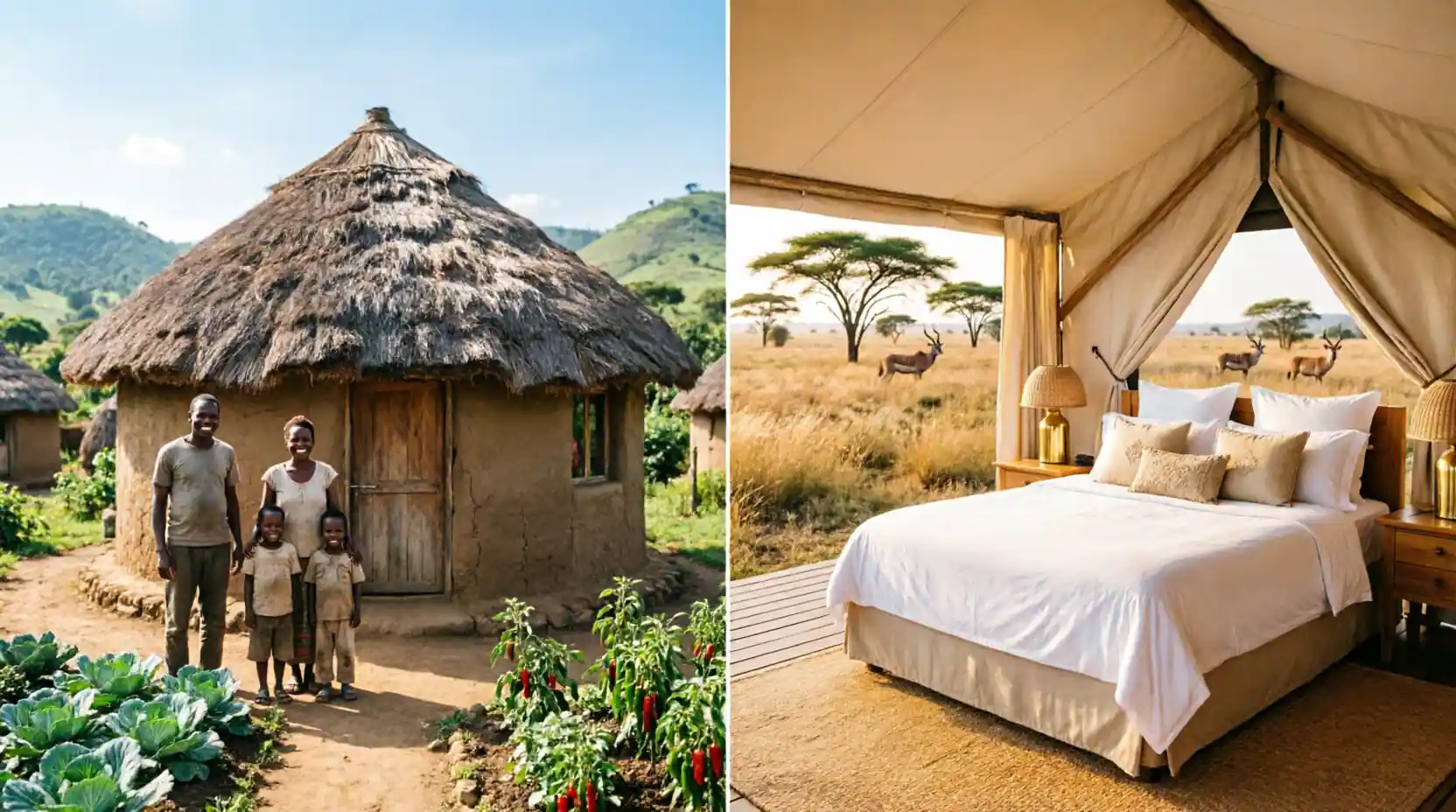
Understanding Akageras Accommodation Spectrum
Akagera National Park in Rwanda offers travelers a remarkable range of accommodation options spanning from intimate community home-stays to ultra-luxury glamping resorts. This diversity enables visitors to choose experiences matching their budgets values and comfort preferences.
The parks eastern location and recent conservation successes have sparked development of varied lodging options. Whether seeking authentic cultural immersion or premium safari luxury Akagera delivers compelling choices.
Community home-stays typically cost twenty to fifty dollars nightly providing direct economic benefits to local families while offering genuine cultural exchange. These experiences connect travelers with Rwandan daily life traditions and hospitality.
Luxury glamping resorts range from three hundred to over one thousand dollars nightly featuring private decks gourmet dining game drives and premium amenities. These properties deliver world-class safari experiences with Rwandan hospitality.
This comprehensive comparison examines both ends of Akageras accommodation spectrum helping travelers make informed decisions balancing budget comfort cultural engagement and safari aspirations.
Community Home-Stay Experiences and Benefits

Community home-stays near Akagera represent authentic cultural tourism connecting visitors directly with Rwandan families and rural life. These experiences prove transformative for travelers seeking genuine connections.
Home-stay programs typically include shared or private rooms in family homes traditional meals prepared by hosts and participation in daily activities like farming cooking or craft-making. This immersion provides insights impossible in luxury lodges.
Costs range from twenty to fifty dollars per night including meals and activities. This affordability makes safari-adjacent experiences accessible to budget travelers while ensuring money flows directly to local communities.
Cultural exchange proves the greatest benefit with opportunities to learn Kinyarwanda phrases traditional cooking techniques agricultural practices and local customs. Hosts often share stories about village life Rwandas history and conservation efforts.
Home-stays support community development directly with fees funding schools healthcare and local infrastructure. Travelers contribute to sustainable development while experiencing authentic Rwandan hospitality.
Locations typically sit in villages bordering Akagera National Park enabling combined cultural and wildlife experiences. Guests can visit the park for game drives while staying in communities benefiting from conservation tourism.
Luxury Glamping Resort Features and Amenities

Luxury glamping resorts in and near Akagera deliver premium safari experiences combining comfort style and wildlife access. These properties cater to travelers seeking high-end African safari experiences.
Accommodations feature spacious tented suites with en-suite bathrooms hot running water comfortable beds with premium linens private decks and often plunge pools. These amenities rival five-star hotels while maintaining safari authenticity.
Prices range from three hundred to over one thousand dollars per night depending on season property and suite category. All-inclusive rates typically cover accommodation meals game drives and some activities.
Gourmet dining showcases international cuisine alongside Rwandan specialties prepared by skilled chefs. Many properties source ingredients locally supporting regional farmers while delivering exceptional culinary experiences.
Private game drives in custom safari vehicles with expert guides maximize wildlife viewing opportunities. Early morning and evening drives increase chances of spotting lions elephants leopards and other Akagera wildlife.
Additional amenities may include spas swimming pools fitness centers libraries and cultural performances. These facilities provide relaxation and enrichment between safari activities.
Cost Breakdown and Value Analysis

Understanding true costs beyond nightly rates enables accurate budget comparisons between home-stays and glamping resorts in Akagera.
Home-stay total costs include accommodation twenty to fifty dollars nightly meals often included local transport five to fifteen dollars daily and park entry fees sixty dollars daily for foreigners. Three-day visits typically cost two hundred to four hundred dollars total.
Glamping resort total costs include accommodation three hundred to one thousand dollars nightly all meals and non-alcoholic beverages typically included private game drives often included park fees sometimes included and gratuities fifty to one hundred dollars daily. Three-day visits typically cost one thousand five hundred to four thousand dollars total.
Value assessment requires considering what each option provides. Home-stays deliver cultural immersion community impact and budget accessibility while glamping resorts provide comfort convenience wildlife focus and luxury amenities.
Hidden costs for home-stays may include transportation to remote villages limited meal options and basic facilities. Glamping resorts may charge extra for premium activities spa services premium beverages and park fees.
Budget allocation depends on travel priorities. Travelers prioritizing cultural exchange and community impact find exceptional value in home-stays while those prioritizing comfort and wildlife viewing may justify glamping resort premiums.
Cultural Immersion Versus Wildlife Focus

Home-stays and glamping resorts offer fundamentally different experiences with distinct advantages depending on traveler interests and goals.
Home-stays prioritize cultural immersion with daily interaction with host families participation in community activities and authentic rural life experiences. Guests learn about Rwandan traditions agriculture cooking and social customs through direct participation.
Language exchange occurs naturally with hosts often teaching Kinyarwanda phrases and sharing stories. This personal connection creates meaningful cross-cultural understanding impossible in resort settings.
Glamping resorts prioritize wildlife experiences with expert guides optimal game drive timing and comfortable safari vehicles. Maximum time focuses on Akageras Big Five and diverse birdlife.
Resort guides possess deep knowledge of animal behavior tracking techniques and optimal photography locations. This expertise maximizes wildlife viewing success though limits cultural interaction.
Some travelers combine both experiences spending nights in home-stays for cultural immersion and nights at glamping resorts for intensive wildlife viewing. This hybrid approach balances cultural and natural interests though increases overall costs.
Accommodation Comfort and Facilities Comparison

Comfort levels differ dramatically between home-stays and glamping resorts requiring travelers to honestly assess their needs and preferences.
Home-stay facilities typically include basic rooms with beds mosquito nets shared bathrooms and limited electricity. Hot water may be unavailable and toilets often prove basic though clean.
Meals consist of traditional Rwandan cuisine like beans plantains sweet potatoes and vegetables prepared by host families. While delicious and authentic options may be limited for those with dietary restrictions.
Glamping resorts feature luxurious tented suites with king beds en-suite bathrooms with hot showers flushing toilets comfortable seating areas and often private decks with wildlife views.
Dining includes multi-course meals international cuisine Rwandan specialties and accommodation of dietary restrictions. Beverage service includes wine beer cocktails and non-alcoholic options.
Climate control differs significantly with home-stays relying on natural ventilation and glamping resorts offering fans or air conditioning. This proves important during hot seasons.
Community Impact and Sustainable Tourism

Both accommodation types contribute to sustainable tourism though through different mechanisms and with varying levels of direct community benefit.
Home-stays provide direct economic benefits to host families with most fees going directly to households. This income supports education healthcare home improvements and small business development.
Community tourism programs often pool resources for collective projects like schools clinics water systems and roads. Home-stay guests contribute to broader community development beyond individual families.
Cultural preservation occurs through home-stays as hosts share traditions language crafts and customs with visitors. This exchange validates cultural practices and provides economic incentives for preservation.
Glamping resorts contribute through employment local sourcing and conservation fees. Staff positions provide stable income while purchasing from local suppliers supports regional economies.
Conservation funding from glamping resort fees supports Akagera National Park management anti-poaching efforts and wildlife monitoring. These contributions prove essential for park sustainability though prove less direct than home-stay community benefits.
Wildlife Viewing Opportunities and Access

Access to Akagera National Park and quality of wildlife viewing differs between home-stay and glamping resort guests.
Home-stay guests typically arrange independent park visits requiring self-drive or hired guides and vehicles. This flexibility allows customized itineraries though requires more planning and navigation.
Park entry from home-stay locations may require thirty to sixty minute drives depending on village location. Early morning departures prove necessary for optimal game viewing.
Glamping resort guests enjoy included or easily arranged game drives with expert guides familiar with animal movements and optimal viewing locations. This expertise significantly enhances wildlife sighting success.
Resort locations often sit near park gates minimizing transit time and maximizing game drive duration. Some properties even border the park enabling immediate wildlife access.
Night game drives available at some glamping resorts reveal nocturnal species impossible to see during day drives. Home-stay guests rarely access this experience without resort partnerships.
Practical Considerations and Logistics

Practical factors including location accessibility booking requirements and preparation needs differ significantly between accommodation types.
Home-stay bookings often require advance arrangements through community tourism organizations or local guides. Last-minute availability proves limited requiring planning weeks or months ahead.
Transportation to home-stay locations may require four-wheel drive vehicles particularly during rainy seasons. Public transport proves limited necessitating private arrangements.
Glamping resort bookings also benefit from advance reservations particularly for peak seasons June through September and December through February. However properties maintain more flexible cancellation policies.
Resort transfers often included or easily arranged from Kigali or park gates. Professional drivers navigate roads comfortably reducing traveler stress.
Packing requirements differ with home-stays requiring modest clothing respecting local customs basic toiletries and flexibility regarding facilities. Glamping resorts allow more varied wardrobes and provide premium toiletries.
Best For Different Traveler Types

Matching accommodation type to traveler profile ensures satisfying experiences aligned with interests budgets and comfort levels.
Home-stays suit budget travelers cultural enthusiasts solo adventurers seeking authentic connections volunteers and those prioritizing community impact over luxury. Open-mindedness flexibility and cultural sensitivity prove essential.
Glamping resorts suit luxury travelers honeymooners families with young children photography enthusiasts wildlife-focused visitors and those with limited time seeking maximum comfort and wildlife viewing efficiency.
Adventure travelers seeking both culture and wildlife might split their stay spending nights in home-stays for cultural immersion and nights at glamping resorts for intensive safari experiences.
Photographers may prefer glamping resorts for early morning and late evening game drives though home-stays offer unique cultural photography opportunities unavailable at resorts.
Families with teenagers might enjoy home-stays for educational cultural experiences while families with young children may find glamping resorts more practical with amenities like pools and flexible meal times.
Making the Right Choice for Your Akagera Visit
Choosing between home-stays and glamping resorts requires honest assessment of priorities budgets and travel goals.
Budget considerations prove primary with home-stays costing ten to twenty times less than glamping resorts. Travelers must decide if luxury amenities justify significant cost premiums.
Time availability affects decisions with limited-time visitors often choosing glamping resorts for efficient wildlife viewing. Extended stays enable combining both accommodation types for comprehensive experiences.
Travel style preferences regarding comfort cultural engagement and adventure tolerance guide appropriate choices. Honest self-assessment prevents disappointment.
Seasonal factors influence decisions with rainy seasons making basic home-stay facilities more challenging while glamping resorts maintain comfort year-round.
Many travelers find value in experiencing both accommodation types during extended Rwanda visits. Starting with home-stays for cultural grounding then transitioning to glamping for wildlife focus creates balanced itineraries.
Conclusion Balancing Budget and Luxury in Akagera
Akagera National Parks accommodation spectrum from community home-stays to luxury glamping resorts enables travelers to choose experiences matching their values budgets and aspirations.
Home-stays deliver authentic cultural immersion direct community impact and exceptional value though requiring flexibility regarding comfort and facilities. These experiences transform travelers through genuine human connections.
Glamping resorts provide world-class safari experiences premium comfort expert wildlife guidance and convenient access though at significant cost premiums. These properties deliver memorable luxury African safari experiences.
Both accommodation types contribute to sustainable tourism and conservation though through different mechanisms. Home-stays directly benefit local communities while glamping resorts support conservation funding and employment.
The right choice depends entirely on individual priorities budgets and travel goals. Some travelers find perfect balance by experiencing both accommodation types creating comprehensive Akagera adventures combining cultural immersion with wildlife luxury.
Whether choosing intimate home-stays or luxurious glamping Akagera National Park delivers unforgettable Rwandan experiences. Your accommodation choice shapes your journey though both paths lead to meaningful discoveries in this remarkable conservation success story.
0 Comments