.webp)
.webp)
2026: Slow Luxury in Madagascar's Highland Circuit
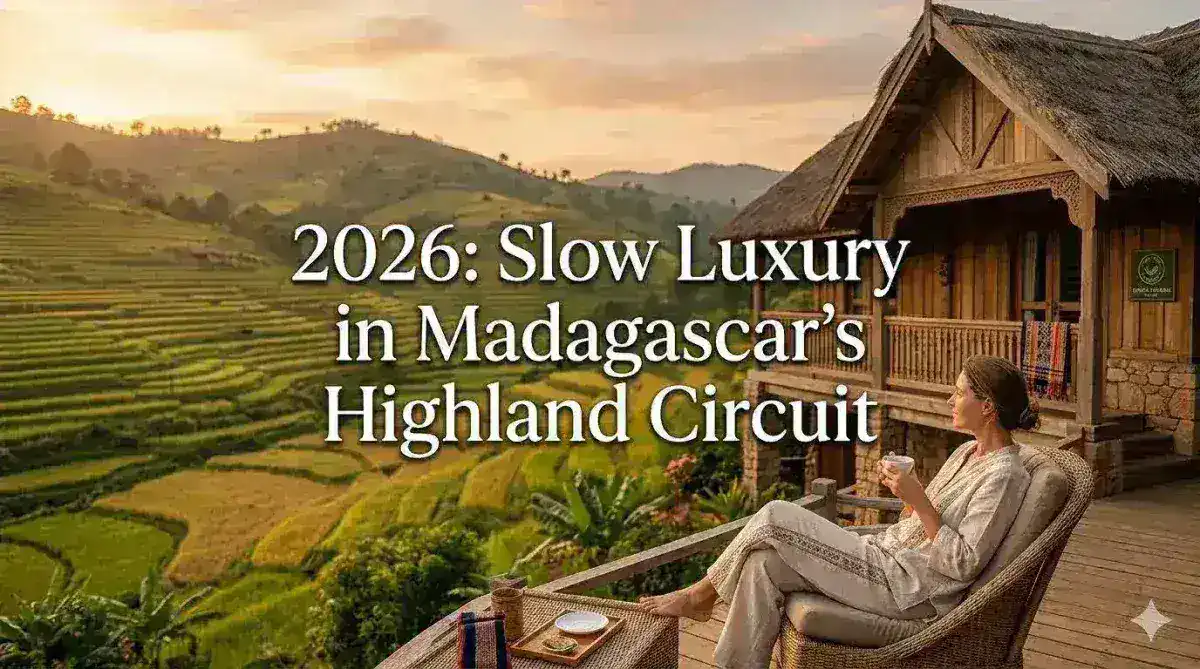
Introduction: The Rise of Slow Luxury in Madagascar's Heartland
As global travel trends evolve in 2026, a profound shift is reshaping how discerning travelers experience Madagascar. The concept of "slow luxury"—a travel philosophy that prioritizes depth over distance, authenticity over spectacle, and mindful presence over hurried consumption—is finding its perfect expression in Madagascar's enchanting highland circuit connecting Antananarivo, Ampefy, and Antsirabe. This emerging tourism corridor, nestled in the island's central highlands, is becoming the definitive destination for travelers seeking meaningful, sustainable, and deeply immersive luxury experiences.
Unlike conventional luxury tourism that emphasizes speed, exclusivity, and conspicuous consumption, slow luxury invites travelers to decelerate, connect authentically with place and people, and savor experiences that nourish the soul as much as the senses. In Madagascar's highlands—where time seems to move at the rhythm of rice harvests, where traditional crafts endure, and where landscapes unfold with gentle grandeur—this philosophy finds natural resonance.
The Antananarivo-Ampefy-Antsirabe circuit represents more than a geographic route; it embodies a new paradigm for luxury travel in Africa. By connecting Madagascar's vibrant capital with the tranquil lakeside retreat of Ampefy and the thermal spa city of Antsirabe, this circuit offers a curated journey through the island's cultural heartland, agricultural heritage, and emerging sustainable hospitality scene. In 2026, this corridor is experiencing unprecedented investment in boutique accommodations, authentic experiences, and infrastructure that supports the slow luxury ethos while benefiting local communities.
This comprehensive guide explores why 2026 has emerged as the definitive year for slow luxury in Madagascar's highland circuit. We examine the philosophy behind slow luxury, the unique attributes of each destination along the circuit, the boutique properties and experiences defining this movement, practical guidance for planning your journey, and the broader implications for sustainable tourism development in Madagascar.
Understanding Slow Luxury: Philosophy and Practice

Before exploring Madagascar's highland circuit, it's essential to understand what slow luxury means and why it resonates so powerfully with contemporary travelers.
Defining Slow Luxury
Slow luxury represents a conscious departure from conventional luxury travel paradigms. Rather than emphasizing speed, opulence, or exclusivity for its own sake, slow luxury prioritizes:
- Depth Over Breadth: Spending meaningful time in fewer places rather than rushing through many destinations
- Authenticity Over Spectacle: Seeking genuine cultural connections rather than staged performances
- Mindful Presence: Engaging fully with experiences rather than documenting them primarily for social media
- Sustainability: Choosing experiences that benefit local communities and protect natural resources
- Quality Over Quantity: Valuing exceptional craftsmanship, personalized service, and thoughtful design over ostentatious displays
- Well-being: Prioritizing rest, reflection, and rejuvenation alongside exploration
- 👉 Budget vs Luxury Comparing Urban Hostels vs Private Highland Eco-Tents
- 👉 Asmara Beer Festival 2026: Full guide to dates (November), locations, and local brews.
- 👉 Mali-US Visa War 2026: Why visas for American citizens were suspended on Jan 1.
Slow luxury doesn't mean sacrificing comfort or quality—it means redefining what luxury means in ways that align with contemporary values around sustainability, authenticity, and personal growth.
Why Slow Luxury Resonates in 2026
Several converging trends make 2026 a pivotal year for slow luxury travel:
Post-Pandemic Reflection: The global pandemic prompted many travelers to reconsider their priorities, valuing meaningful experiences, connection to nature, and personal well-being over hurried sightseeing.
Climate Consciousness: Growing awareness of tourism's environmental impact has increased demand for sustainable travel options that minimize carbon footprints and support conservation.
Digital Detox Desire: In an increasingly connected world, many travelers seek opportunities to disconnect from constant digital stimulation and reconnect with themselves and their surroundings.
Cultural Curiosity: Travelers increasingly value authentic cultural immersion over superficial encounters, seeking to understand rather than merely observe the places they visit.
Wellness Integration: The boundary between travel and wellness continues to blur, with travelers seeking experiences that nourish physical, mental, and emotional health.
Madagascar's Highland Circuit: A Natural Fit for Slow Luxury
Madagascar's Antananarivo-Ampefy-Antsirabe corridor embodies the principles of slow luxury in multiple ways:
- Pace: The circuit's relatively short distances (approximately 130 km from Antananarivo to Ampefy, 170 km from Ampefy to Antsirabe) encourage leisurely travel rather than rushed transit
- Authenticity: The highlands preserve traditional Malagasy culture, crafts, and agricultural practices that offer genuine cultural immersion
- Natural Beauty: Rolling hills, rice terraces, volcanic lakes, and thermal springs provide restorative natural settings
- Emerging Hospitality: Boutique lodges and eco-resorts are developing with sustainability and authenticity as core values
- Community Connection: The circuit passes through rural communities where tourism can create meaningful economic benefits when developed responsibly
- 👉 Budget vs Luxury Comparing Urban Hostels vs Private Highland Eco-Tents
- 👉 Asmara Beer Festival 2026: Full guide to dates (November), locations, and local brews.
- 👉 Mali-US Visa War 2026: Why visas for American citizens were suspended on Jan 1.
Antananarivo: Urban Slow Luxury in Madagascar's Capital

The journey through Madagascar's highland slow luxury circuit begins in Antananarivo, the island's vibrant capital. Often overlooked by travelers eager to reach wildlife destinations, Tana (as locals call it) offers sophisticated urban experiences that embody slow luxury principles when approached with intention.
Slow Luxury Experiences in Antananarivo
Cultural Immersion at the Rova: The Rova of Antananarivo, the historic royal palace complex perched atop the city's highest hill, offers more than sightseeing. Slow luxury travelers can arrange private guided tours that delve into Merina history, traditional architecture, and the spiritual significance of this sacred site, allowing time for reflection rather than hurried photography.
Artisan Workshops in the Haute Ville: The upper city's narrow streets hide workshops where master artisans practice traditional crafts—wood carving, silk weaving, gemstone cutting, and papermaking. Slow luxury experiences include private workshops where travelers learn techniques directly from craftspeople, creating personal connections and supporting cultural preservation.
Gastronomic Exploration: Antananarivo's emerging culinary scene blends French technique with Malagasy ingredients. Slow luxury dining means lingering over multi-course meals featuring local vanilla, zebu beef, tropical fruits, and aromatic spices, paired with Madagascar's excellent rums and wines. Restaurants like La Varangue and Tsakory offer intimate settings where meals become cultural experiences.
Market Immersion: The Analakely Market and smaller neighborhood markets offer authentic glimpses into daily Malagasy life. Slow luxury travelers engage with vendors, learn about local produce, and perhaps participate in cooking classes that transform market finds into meals, connecting food to culture and place.
Boutique Accommodations Setting the Standard
Antananarivo's luxury accommodation scene is evolving to embrace slow luxury principles:
Carlton Hotel Madagascar: This historic property combines colonial elegance with contemporary Malagasy design. Slow luxury amenities include a tranquil garden courtyard, spa treatments using local botanicals, and personalized service that anticipates rather than rushes guests.
Palissandre Hotel & Spa: Located in the upscale Ambatobe neighborhood, this boutique property emphasizes wellness and authenticity. Features include a spa offering traditional Malagasy treatments, a restaurant sourcing from local producers, and curated cultural experiences arranged by knowledgeable concierge staff.
Emerging Boutique Properties: Newer establishments are embracing the slow luxury ethos more explicitly, with smaller room counts, locally-sourced design elements, and experiences that connect guests to Antananarivo's cultural life rather than insulating them from it.
Ampefy: Highland Serenity and Lake-Side Slow Luxury

Approximately 130 kilometers west of Antananarivo, Ampefy represents the essence of slow luxury in Madagascar's highlands. This tranquil district, centered around Lake Itasy and surrounded by volcanic landscapes, offers a restorative counterpoint to urban energy.
Natural Attractions Supporting Slow Experiences
Lake Itasy: This volcanic crater lake provides a serene setting for slow luxury activities. Travelers can enjoy peaceful boat rides at dawn when mist rises from the water, birdwatching for endemic species, or simply sitting lakeside with a book, allowing the landscape's beauty to unfold gradually.
Lily Waterfall (Chute de la Lily): This picturesque waterfall invites contemplative visits. Rather than rushing through, slow luxury travelers might arrange private access for photography, meditation, or simply enjoying the sound of cascading water in Madagascar's highland air.
Volcanic Landscapes: The region's volcanic heritage creates dramatic scenery—crater lakes, basalt formations, and fertile soils supporting diverse agriculture. Slow luxury experiences include guided geological walks that connect landscape to story, allowing time for wonder and learning.
Rice Terraces: The highland slopes feature beautifully terraced rice fields that change with the seasons. Slow luxury travelers might visit during planting or harvest to witness traditional agricultural practices, perhaps participating in community-based experiences that support local livelihoods while providing authentic cultural immersion.
Emerging Slow Luxury Accommodations
Ampefy is experiencing development of accommodations specifically designed for slow luxury travelers:
Lake-Side Eco-Lodges: New properties are being developed with sustainability as a core principle—solar power, rainwater harvesting, local materials, and minimal environmental footprint. These lodges typically feature small numbers of rooms, ensuring personalized service and tranquil atmospheres.
Traditional-Style Guesthouses: Some accommodations embrace traditional Malagasy architecture—thatched roofs, local timber, and design that responds to climate and culture. These properties often include gardens growing herbs and vegetables for the kitchen, connecting guests to place through food.
Wellness-Focused Retreats: Recognizing the restorative potential of Ampefy's setting, some properties emphasize wellness—yoga platforms overlooking the lake, spa treatments using local botanicals, and programs that integrate physical activity, healthy cuisine, and mindfulness.
Authentic Cultural Experiences
Ampefy offers opportunities for meaningful cultural connection:
Community Visits: Responsible tour operators arrange visits to local villages where travelers can observe daily life, perhaps participating in traditional activities like rice planting, craft-making, or cooking. These experiences are designed to benefit communities through fair compensation and respectful engagement.
Craft Workshops: Local artisans practice traditional crafts including basket weaving, wood carving, and textile production. Slow luxury experiences include private workshops where travelers learn techniques directly from masters, creating personal connections and supporting cultural preservation.
Culinary Experiences: Ampefy's agricultural richness supports farm-to-table dining experiences. Travelers might visit local farms, learn about traditional ingredients, and participate in cooking classes that transform local produce into Malagasy specialties.
Antsirabe: Thermal Wellness and Artisanal Slow Luxury

Continuing south from Ampefy, approximately 170 kilometers from Antananarivo, Antsirabe ("where there is salt" in Malagasy) offers a different dimension of slow luxury centered on thermal wellness, artisanal heritage, and highland charm.
Thermal Springs: The Foundation of Slow Wellness
Antsirabe's identity is deeply connected to its thermal springs, discovered in the 19th century and developed into a spa destination during the colonial era. For slow luxury travelers, these natural resources offer restorative experiences:
Traditional Spa Treatments: Antsirabe's thermal facilities offer treatments that blend European spa traditions with Malagasy botanical knowledge. Slow luxury means allowing time for full treatments—mineral baths, mud wraps, massages using local oils—rather than rushing through a menu of services.
Wellness Programs: Some properties offer multi-day wellness programs that integrate thermal treatments with yoga, meditation, healthy cuisine, and nature immersion. These programs embody slow luxury by prioritizing rejuvenation over activity.
Medical Tourism Potential: Antsirabe's thermal waters have recognized therapeutic properties. While medical tourism requires careful regulation, the potential for wellness-focused travel that combines leisure with health benefits aligns with slow luxury values.
Artisanal Heritage: Slow Craft and Cultural Connection
Antsirabe is renowned for its artisanal traditions, particularly pousse-pousse (rickshaw) craftsmanship and metalworking. Slow luxury experiences engage deeply with these traditions:
Pousse-Pousse Workshops: The colorful, hand-painted rickshaws that characterize Antsirabe are works of functional art. Slow luxury travelers can visit workshops where artisans craft and decorate these vehicles, perhaps arranging to have a miniature version created as a meaningful souvenir.
Metalworking Traditions: Antsirabe's artisans create beautiful objects from recycled materials—sculptures, jewelry, and household items. Workshops allow travelers to observe techniques, learn about the craft's history, and perhaps create simple pieces under expert guidance.
Textile and Craft Markets: Antsirabe's markets offer authentic opportunities to engage with local crafts. Slow luxury means taking time to learn about techniques, materials, and cultural significance, building relationships with artisans rather than merely purchasing souvenirs.
Highland Cuisine and Culslow Experiences
Antsirabe's agricultural setting supports distinctive culinary experiences:
Farm-to-Table Dining: The region's fertile soils produce excellent vegetables, dairy products, and fruits. Slow luxury accommodations emphasize menus that showcase local ingredients, often sourced from nearby farms visited by guests.
Three Horses Beer (THB) Experience: Antsirabe is home to Madagascar's beloved THB brewery. Slow luxury travelers might arrange behind-the-scenes tours that explore the brewing process, Madagascar's beer culture, and the brewery's role in local economy.
Cooking Classes: Learning to prepare Malagasy specialties—romazava (meat and greens stew), ravitoto (pork with cassava leaves), or mofo gasy (Malagasy pancakes)—connects travelers to culture through food. Slow luxury means small-group or private classes that allow for questions, stories, and shared meals.
Connecting the Circuit: Slow Travel Between Destinations

The journey between Antananarivo, Ampefy, and Antsirabe is itself an opportunity for slow luxury when approached with intention.
Transportation Choices Supporting Slow Travel
Private Vehicle with Driver-Guide: Hiring a knowledgeable local driver-guide allows travelers to set their own pace, stop for photos or unexpected discoveries, and gain insights into landscapes and culture along the way. This option supports slow luxury by prioritizing comfort, flexibility, and local expertise.
Rail Travel: Madagascar's railway network, while limited, offers a uniquely slow and scenic way to travel. The line connecting Antananarivo to Antsirabe provides views of highland landscapes that reward patient travelers. While not luxurious in the conventional sense, rail travel embodies slow luxury values of deceleration and immersion.
Cycling Segments: For active travelers, arranged cycling segments between destinations offer intimate engagement with landscape and communities. Supported cycling tours with luggage transport and comfortable accommodations at each stop combine activity with slow luxury comfort.
En Route Experiences: Discovering the Highlands
The journey between major destinations offers opportunities for meaningful stops:
Rice Terrace Viewpoints: The highland roads pass spectacular rice terraces that change with the seasons. Slow luxury travelers might arrange stops at viewpoints for photography, meditation, or simply appreciating the landscape's beauty.
Local Markets: Small towns along the route host markets where travelers can observe daily life, purchase local crafts, or sample regional specialties. These stops provide authentic cultural immersion when approached respectfully.
Community-Based Tourism Initiatives: Some villages along the circuit have developed community-based tourism experiences—guided walks, craft demonstrations, or homestays. When developed responsibly, these initiatives provide authentic experiences while benefiting local communities.
Planning Your Slow Luxury Highland Circuit Journey

Experiencing slow luxury in Madagascar's highland circuit requires thoughtful planning that aligns with the philosophy's principles.
Timing Your Visit
Best Seasons: The dry season (April to November) offers the most reliable weather for travel. Within this window:
- April-May: Post-rainy season greenery, comfortable temperatures, fewer crowds
- June-August: Cool, dry weather ideal for outdoor activities; peak season for international visitors
- September-November: Warming temperatures, blooming landscapes, excellent for photography
- 👉 Budget vs Luxury Comparing Urban Hostels vs Private Highland Eco-Tents
- 👉 Asmara Beer Festival 2026: Full guide to dates (November), locations, and local brews.
- 👉 Mali-US Visa War 2026: Why visas for American citizens were suspended on Jan 1.
Avoiding Rush: Slow luxury means allowing sufficient time. Rather than rushing through the circuit in 3-4 days, consider 7-10 days to truly savor each destination and the journey between them.
Accommodation Selection Criteria
When choosing accommodations for a slow luxury journey, prioritize properties that embody the philosophy:
- Small Scale: Boutique properties with limited room counts typically offer more personalized service and tranquil atmospheres
- Sustainability Practices: Look for properties with genuine environmental commitments—solar power, water conservation, waste reduction, local sourcing
- Cultural Authenticity: Properties that celebrate Malagasy culture through design, cuisine, and experiences rather than imposing foreign luxury standards
- Community Connection: Accommodations that employ locally, source from nearby producers, and support community initiatives
- Wellness Integration: Properties offering spa services, yoga, nature access, or other wellness amenities that support restorative travel
- 👉 Budget vs Luxury Comparing Urban Hostels vs Private Highland Eco-Tents
- 👉 Asmara Beer Festival 2026: Full guide to dates (November), locations, and local brews.
- 👉 Mali-US Visa War 2026: Why visas for American citizens were suspended on Jan 1.
Experience Curation
Slow luxury travels benefits from intentional experience selection:
Quality Over Quantity: Rather than packing each day with activities, select 1-2 meaningful experiences per day, allowing time for rest, reflection, and spontaneous discovery.
Local Guides: Engage knowledgeable local guides who can provide cultural context, facilitate authentic interactions, and share insights that enrich experiences.
Flexibility: Build flexibility into your itinerary to allow for weather changes, unexpected discoveries, or simply the desire to linger longer in a place that resonates.
Mindful Documentation: While capturing memories is natural, consider balancing photography with presence—sometimes experiencing a moment fully without documenting it creates deeper connection.
Practical Considerations
Health and Safety: Madagascar requires certain health precautions. Consult a travel medicine specialist about recommended vaccinations and malaria prophylaxis. Purchase comprehensive travel insurance covering medical evacuation.
Packing for Slow Luxury: Pack light but thoughtfully—comfortable walking shoes, layers for variable highland temperatures, sun protection, insect repellent, and a good book for quiet moments. Leave space for meaningful souvenirs acquired along the journey.
Connectivity Expectations: Internet connectivity varies in Madagascar's highlands. Embrace limited connectivity as an opportunity for digital detox, but ensure you have offline maps and essential information downloaded.
The Broader Impact: Slow Luxury and Sustainable Development

The emergence of slow luxury in Madagascar's highland circuit has implications beyond individual traveler experiences—it represents a model for sustainable tourism development that benefits destinations and communities.
Economic Benefits for Local Communities
Slow luxury tourism, when developed responsibly, creates meaningful economic opportunities:
- Local Employment: Boutique accommodations and experience providers typically employ high percentages of local staff, creating quality jobs in rural areas
- Local Sourcing: Slow luxury properties prioritize local food, crafts, and services, circulating tourism revenue within communities
- Skills Development: Tourism employment provides training and career pathways in hospitality, guiding, and related fields
- Entrepreneurship: Tourism demand supports small business development in crafts, transportation, food service, and experiences
- 👉 Budget vs Luxury Comparing Urban Hostels vs Private Highland Eco-Tents
- 👉 Asmara Beer Festival 2026: Full guide to dates (November), locations, and local brews.
- 👉 Mali-US Visa War 2026: Why visas for American citizens were suspended on Jan 1.
Cultural Preservation and Pride
Slow luxury's emphasis on authenticity supports cultural preservation:
- Traditional Crafts: Demand for authentic crafts provides economic incentive for artisans to maintain traditional techniques
- Cultural Practices: Tourism interest in traditional music, dance, and customs encourages their continuation and transmission to younger generations
- Language and Storytelling: Guide training and cultural experiences support preservation of Malagasy language and oral traditions
- Community Pride: When visitors value local culture, communities gain pride in their heritage, strengthening cultural continuity
- 👉 Budget vs Luxury Comparing Urban Hostels vs Private Highland Eco-Tents
- 👉 Asmara Beer Festival 2026: Full guide to dates (November), locations, and local brews.
- 👉 Mali-US Visa War 2026: Why visas for American citizens were suspended on Jan 1.
Environmental Stewardship
Slow luxury's sustainability focus supports environmental protection:
- Conservation Funding: Tourism revenue can support protected area management and conservation initiatives
- Sustainable Practices: Eco-conscious accommodations model sustainable operations that can influence broader tourism development
- Environmental Education: Experiences that connect travelers to nature foster appreciation and support for conservation
- Low-Impact Tourism: Slow luxury's emphasis on quality over quantity naturally limits visitor numbers, reducing environmental pressure
- 👉 Budget vs Luxury Comparing Urban Hostels vs Private Highland Eco-Tents
- 👉 Asmara Beer Festival 2026: Full guide to dates (November), locations, and local brews.
- 👉 Mali-US Visa War 2026: Why visas for American citizens were suspended on Jan 1.
Challenges and Responsible Development
Realizing slow luxury's potential requires addressing challenges:
- Greenwashing: Ensuring sustainability claims are genuine requires verification and transparency
- Community Consent: Tourism development must engage communities meaningfully, ensuring benefits are shared and cultural protocols respected
- Capacity Building: Developing local skills in hospitality, guiding, and business management requires sustained investment
- Balancing Growth: Managing tourism growth to maintain the qualities that make slow luxury possible—tranquility, authenticity, sustainability
- 👉 Budget vs Luxury Comparing Urban Hostels vs Private Highland Eco-Tents
- 👉 Asmara Beer Festival 2026: Full guide to dates (November), locations, and local brews.
- 👉 Mali-US Visa War 2026: Why visas for American citizens were suspended on Jan 1.
Conclusion: Embracing Slow Luxury in Madagascar's Heart

2026 marks a pivotal moment for slow luxury travel in Madagascar's Antananarivo-Ampefy-Antsirabe circuit. This emerging corridor offers something increasingly rare in global tourism: the opportunity to travel deeply rather than widely, to connect authentically rather than superficially, and to experience luxury as presence rather than possession.
The highland circuit's natural beauty—rolling rice terraces, volcanic lakes, thermal springs, and dramatic skies—provides a restorative setting for slow travel. Its cultural richness—traditional crafts, agricultural heritage, and warm Malagasy hospitality—offers authentic immersion for curious travelers. And its emerging hospitality scene—boutique lodges, eco-resorts, and community-based experiences—provides the comfort and service that define luxury while honoring sustainability and authenticity.
For travelers seeking more than checklist tourism, Madagascar's highland circuit invites a different kind of journey. One where days unfold at the pace of rice harvests rather than flight schedules. Where luxury means time to watch mist rise from a volcanic lake, to learn a craft from a master artisan, to savor a meal prepared with ingredients harvested that morning. Where travel becomes not just movement through space, but transformation through experience.
The slow luxury movement in Madagascar's highlands represents more than a travel trend—it's a model for how tourism can develop sustainably, benefit communities, preserve culture, and protect environment while providing exceptional experiences for discerning travelers. As this model takes root in the Antananarivo-Ampefy-Antsirabe circuit, it offers lessons for tourism development across Madagascar and beyond.
For those ready to embrace slow luxury, Madagascar's highland circuit awaits. The journey begins not with a rush to the next destination, but with a deep breath, an open heart, and the willingness to let Madagascar's highland beauty unfold at its own gentle pace. In 2026, the time for slow luxury in Madagascar's heartland has arrived.
Will you answer the invitation?
0 Comments