.webp)
.webp)
Saint Vincent for Digital Nomads: Best Coastal Towns with Fiber Optic Hubs and Remote Work Infrastructure in 2026
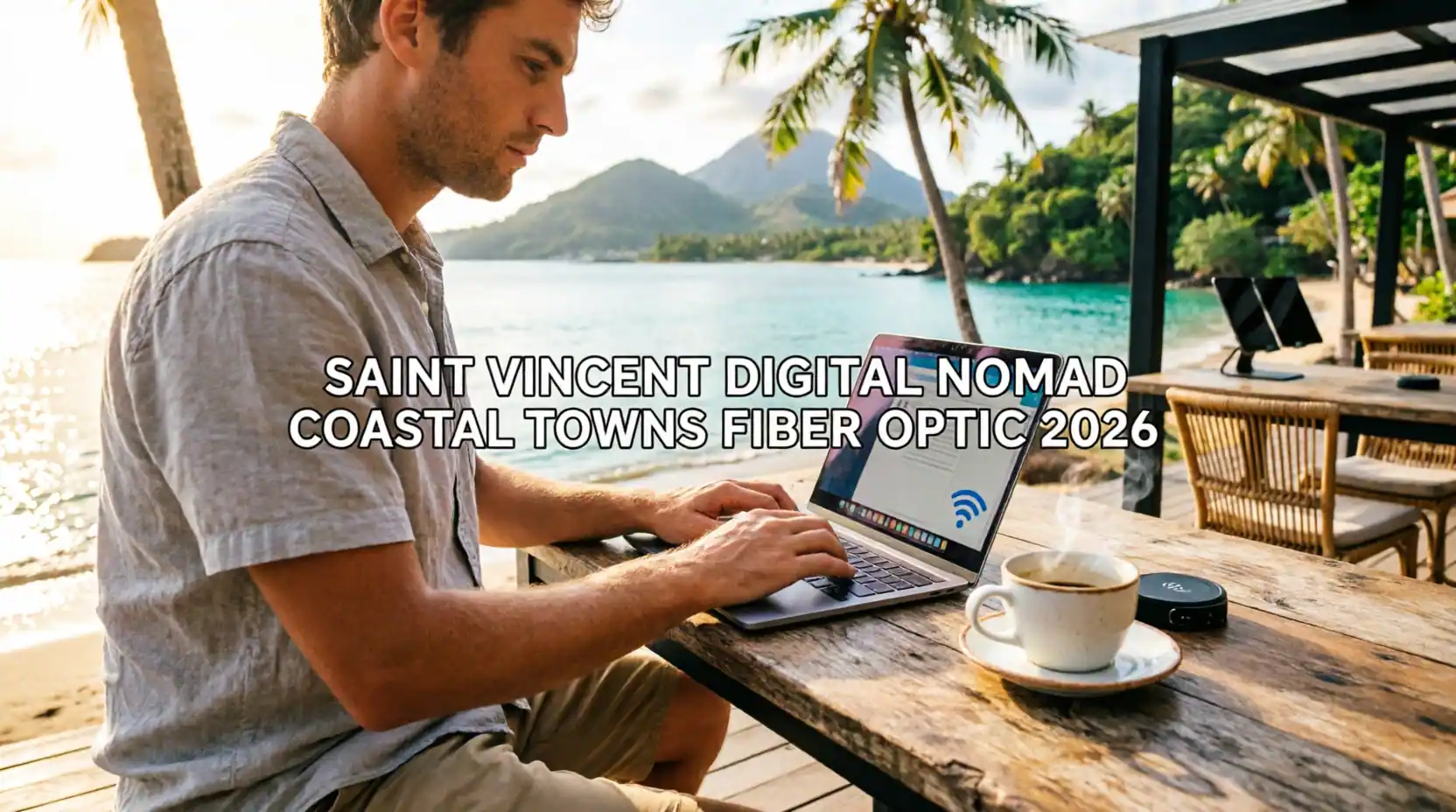
Introduction: Why Saint Vincent Is Emerging as a Digital Nomad Destination
Saint Vincent and the Grenadines, the lush volcanic archipelago at the heart of the Caribbean's Windward Islands, is quietly transforming into an attractive destination for digital nomads seeking a balance of reliable connectivity, natural beauty, and authentic Caribbean culture. While destinations like Barbados and Antigua have pioneered digital nomad visa programs, Saint Vincent offers a compelling alternative: lower costs of living, uncrowded beaches, dramatic volcanic landscapes, and increasingly robust internet infrastructure that now supports remote work in select coastal communities. For professionals who can work from anywhere, Saint Vincent presents an opportunity to trade urban burnout for ocean views, rainforest hikes, and a slower, more intentional pace of life without sacrificing productivity.
The catalyst for this shift has been significant investment in telecommunications infrastructure across Saint Vincent. Fiber optic networks, once limited to the capital Kingstown, now extend to several coastal towns, delivering download speeds sufficient for video conferencing, cloud-based work, and content creation. Combined with favorable time zone alignment with North America, English as the official language, and a welcoming local culture, Saint Vincent is positioning itself as a hidden gem for remote workers who value authenticity over Instagram fame.
This comprehensive guide explores the best coastal towns in Saint Vincent for digital nomads in 2026, with detailed information about internet reliability, accommodation options, coworking spaces, cost of living, visa considerations, and community resources. Whether you are considering a one-month trial or a six-month immersion, this guide provides the practical knowledge needed to plan a successful remote work stay in one of the Caribbean's most underrated destinations.
Internet Infrastructure in Saint Vincent: The Fiber Optic Revolution

Reliable, high-speed internet is the non-negotiable foundation of digital nomad life. Fortunately, Saint Vincent has made substantial progress in expanding fiber optic connectivity beyond the capital in recent years, driven by both government initiatives and private sector investment. Understanding the current state of internet infrastructure is essential for selecting the right base for remote work.
The primary telecommunications providers in Saint Vincent are Flow (Cable and Wireless) and Digicel, both of which have been rolling out fiber to the home (FTTH) and fiber to the business (FTTB) services across the island. As of 2026, fiber optic networks cover significant portions of the leeward (Caribbean) coast, where most digital nomad-friendly towns are located, with speeds ranging from 50 Mbps to 300 Mbps depending on the specific package and location.
Internet Speeds and Reliability by Region
Kingstown, the capital and largest town, enjoys the most comprehensive fiber coverage, with many businesses and residences connected to networks offering 100-300 Mbps download speeds and low latency suitable for video calls and real-time collaboration. However, Kingstown's urban density and traffic may not appeal to nomads seeking tranquility.
Along the leeward coast, towns like Barrouallie, Chateaubelair, and Layou have seen fiber expansion in recent years. In these communities, select accommodations and coworking spaces now offer fiber connections with speeds of 50-150 Mbps, sufficient for most remote work needs. Reliability is generally good, though occasional outages can occur during severe weather or maintenance.
The Grenadines, particularly Bequia (Port Elizabeth), have also benefited from infrastructure upgrades. Bequia's small size and tourism focus have attracted investment in connectivity, with several hotels and cafes offering reliable fiber or high-speed cable internet. However, infrastructure on smaller islands like Mustique or Canouan remains more limited and expensive.
Verifying Internet Before Booking
Given the variability of internet quality even within fiber-covered areas, digital nomads should always verify connectivity before committing to accommodation. Ask hosts or property managers for recent speed test results (using tools like Speedtest.net or Fast.com), and request the specific provider and package name. Many accommodations now advertise internet speeds in listings, but independent verification is wise.
Consider booking a short trial stay (3-7 days) before committing to a longer-term rental. This allows you to test internet performance during your actual work hours, assess noise levels, and evaluate the overall suitability of the location. Many hosts are willing to accommodate trial stays, particularly during off-peak seasons.
Backup Connectivity Strategies
Even with fiber internet, having a backup plan is prudent for critical work. Most digital nomads in Saint Vincent carry a local SIM card from Flow or Digicel with a data plan as a mobile hotspot backup. 4G/LTE coverage is widespread along the leeward coast, with speeds of 20-50 Mbps typically sufficient for email, messaging, and light browsing during brief outages.
Some nomads invest in portable WiFi devices or satellite internet solutions for ultimate redundancy, though these add cost and complexity. For most remote workers, a local SIM backup combined with flexible scheduling (avoiding critical deadlines during hurricane season, for example) provides adequate risk mitigation.
Best Coastal Towns for Digital Nomads: Connectivity and Lifestyle

Selecting the right base in Saint Vincent depends on balancing internet reliability, accommodation options, cost of living, access to amenities, and personal lifestyle preferences. The following coastal towns represent the most promising options for digital nomads in 2026, each with distinct character and advantages.
Kingstown: Urban Convenience with Fiber Coverage
As the capital and commercial hub, Kingstown offers the most comprehensive infrastructure for digital nomads. Fiber optic internet is widely available, with many apartments, guesthouses, and coworking spaces offering speeds of 100 Mbps or higher. The town features supermarkets, banks, medical facilities, restaurants, and nightlife, providing urban conveniences that simplify daily life.
Accommodation options range from budget guesthouses ($40-70 USD per night) to mid-range apartments ($80-150 USD) and luxury villas ($200+). Monthly rentals often provide significant discounts, with one-bedroom apartments available for $600-1200 USD depending on location and amenities. Many properties include utilities and internet in the rental price, simplifying budgeting.
Kingstown's drawbacks include traffic congestion, limited beach access within walking distance, and a more urban atmosphere that may not appeal to nomads seeking seclusion. However, for those who prioritize connectivity and convenience, Kingstown is a practical and well-connected base.
Barrouallie: Quiet Charm with Growing Connectivity
Located on the leeward coast about 20 minutes north of Kingstown, Barrouallie offers a quieter alternative with increasing fiber availability. This small fishing village retains authentic Caribbean character while gradually attracting remote workers drawn to its relaxed pace and scenic setting.
Several guesthouses and vacation rentals in Barrouallie now advertise fiber internet with speeds of 50-100 Mbps, sufficient for video calls and cloud work. The town features a few local restaurants, a small supermarket, and easy access to black sand beaches and hiking trails. Accommodation costs are generally lower than Kingstown, with monthly rentals ranging from $500-900 USD for comfortable one-bedroom units.
Barrouallie's limitations include fewer dining and entertainment options, limited public transportation, and a slower pace that may feel isolating for some. However, for nomads who value tranquility and authenticity, Barrouallie provides an appealing balance of connectivity and Caribbean charm.
Chateaubelair: Gateway to Nature with Reliable Internet
At the northern end of the leeward coast, Chateaubelair serves as the gateway to the spectacular North Windward region, including the La Soufriere volcano hike and the Tobago Cays. This town has seen fiber expansion in recent years, with select accommodations and cafes offering reliable internet for remote work.
Chateaubelair appeals to nomads who want to combine work with adventure. After morning work sessions, you can hike volcanic trails, explore waterfalls, or boat to nearby islands. Accommodation options include eco-lodges, guesthouses, and vacation rentals, with monthly rates typically $600-1100 USD. Internet speeds in fiber-connected properties range from 50-150 Mbps.
The town's small size means limited amenities compared to Kingstown, and some properties may require a short drive to reach supermarkets or restaurants. However, for nature-loving nomads who can work independently and value proximity to outdoor adventures, Chateaubelair is an excellent choice.
Port Elizabeth, Bequia: Island Life with Improved Connectivity
Bequia (pronounced "beck-way"), the largest of the Grenadines, offers a distinct island experience just a 20-minute ferry ride from Saint Vincent. Port Elizabeth, Bequia's main town, has benefited from infrastructure investment, with several hotels, guesthouses, and cafes now offering fiber or high-speed cable internet.
Bequia's appeal lies in its laid-back island vibe, beautiful beaches, sailing culture, and expatriate community. Digital nomads appreciate the reliable connectivity in select accommodations (50-100 Mbps), combined with the opportunity to disconnect and enjoy island life after work hours. Monthly accommodation rentals range from $800-1500 USD, reflecting Bequia's popularity and limited supply.
Considerations include the need to ferry from Saint Vincent for supplies or medical care, higher costs than mainland SVG, and potential for slower internet during peak tourist seasons. However, for nomads seeking a true island experience with adequate connectivity, Bequia is a compelling option.
Emerging Options: Layou, Calliaqua, and Biabou
Several smaller coastal communities are beginning to attract digital nomads as fiber networks expand. Layou, midway between Kingstown and Barrouallie, offers black sand beaches and increasing connectivity. Calliaqua, just south of Kingstown, provides marina views and convenient access to capital amenities. Biabou, on the windward coast, appeals to adventurous nomads willing to trade some connectivity for dramatic Atlantic scenery and lower costs.
These emerging destinations typically offer lower accommodation costs ($400-800 USD monthly) and authentic local experiences. However, internet reliability may be less consistent, and amenities more limited. Nomads considering these locations should verify connectivity thoroughly and maintain flexible work schedules.
Coworking Spaces and Cafe Culture for Remote Work

While Saint Vincent does not yet have the dense network of dedicated coworking spaces found in digital nomad hubs like Bali or Lisbon, several options provide productive work environments with reliable internet and community atmosphere.
Dedicated Coworking Spaces
Kingstown hosts the island's most developed coworking scene. Spaces like The Hub SVG and Venture SVG offer day passes ($10-20 USD) or monthly memberships ($100-200 USD) that include high-speed fiber internet, printing, meeting rooms, and networking events. These spaces attract local entrepreneurs, remote workers, and visiting nomads, creating opportunities for collaboration and community.
Bequia has begun developing coworking options as well, with several hotels and cafes offering day-work packages that include internet access, workspace, and refreshments. While less formal than dedicated coworking spaces, these arrangements provide flexibility for nomads who prefer variety in their work environments.
Cafe Culture and Alternative Workspaces
Many cafes and restaurants in Saint Vincent welcome remote workers, particularly during off-peak hours. Establishments in Kingstown, Barrouallie, and Port Elizabeth often provide WiFi and power outlets, though speeds and reliability vary. It is courteous to purchase food or drinks regularly and to avoid occupying prime seating during busy meal times.
Hotels and guesthouses frequently allow non-guests to use their lobby or poolside areas for work, sometimes for a small fee. This can be a good option for nomads seeking a change of scenery or backup workspace. Always confirm internet availability and any usage policies before settling in.
Creating Your Own Workspace
Many digital nomads in Saint Vincent prefer working from their accommodation, especially if it offers a dedicated workspace and reliable fiber internet. When booking, prioritize properties with a desk or table suitable for laptop work, comfortable seating, and good natural lighting. Noise levels matter too; request a quiet room away from street traffic or communal areas if you take frequent calls.
Investing in portable work accessories can enhance productivity: a laptop stand for ergonomics, external keyboard and mouse for comfort, noise-canceling headphones for focus, and a portable monitor for expanded screen real estate. These items are lightweight to pack and significantly improve the remote work experience.
Accommodation Strategies for Extended Stays

Finding suitable accommodation is critical for digital nomads planning stays of one month or longer in Saint Vincent. The island's rental market caters primarily to tourists and expatriates, but with research and flexibility, nomads can secure comfortable, well-connected bases at reasonable prices.
Short-Term Rentals and Monthly Discounts
Platforms like Airbnb, Vrbo, and local real estate agencies list numerous properties suitable for remote work. Many hosts offer significant discounts for monthly bookings, often 30-50% off nightly rates. When searching, filter for properties that explicitly mention WiFi speed or fiber internet, and message hosts to confirm current connectivity before booking.
Key amenities to prioritize: dedicated workspace, reliable fiber internet (ask for speed test results), air conditioning or good ventilation, kitchen facilities for cost savings, and proximity to groceries or restaurants. Properties with laundry facilities or nearby laundromats simplify long-term stays.
Guesthouses and Small Hotels
Family-run guesthouses and small hotels often provide excellent value for digital nomads, with rates of $40-100 USD per night that may include breakfast, WiFi, and local insights. Many owners are happy to negotiate monthly rates and can offer personalized recommendations for groceries, transportation, and activities.
Staying in a guesthouse also provides opportunities to connect with other travelers and locals, enhancing the cultural immersion aspect of your stay. However, shared facilities and less privacy may not suit all nomads; clarify arrangements before booking.
Long-Term Leases and Local Networks
For stays of three months or longer, exploring local real estate agents or Facebook groups dedicated to Saint Vincent rentals can uncover apartments or houses not listed on international platforms. Local leases may offer better value and more flexibility, though they require more legwork and potentially in-person viewings.
Networking with other digital nomads, expatriates, or local professionals can also yield accommodation leads. Joining SVG-focused Facebook groups or attending coworking events can connect you with people who have recent rental experience and recommendations.
Cost of Living for Digital Nomads in Saint Vincent

One of Saint Vincent's advantages for digital nomads is its relatively low cost of living compared to North America, Europe, or even some Caribbean neighbors. Understanding typical expenses helps with budgeting and financial planning for your stay.
Accommodation Costs
Monthly accommodation costs vary significantly by location and quality. In Kingstown, expect $600-1200 USD for a comfortable one-bedroom apartment with fiber internet. In smaller towns like Barrouallie or Chateaubelair, similar accommodations may cost $500-900 USD. Bequia tends to be more expensive, with monthly rentals ranging from $800-1500 USD due to high demand and limited supply.
Utilities (electricity, water, internet) may be included in some rentals or cost an additional $100-200 USD monthly. Electricity costs can be higher if you use air conditioning frequently; properties with good natural ventilation can reduce this expense.
Food and Dining
Groceries at local markets and supermarkets are reasonably priced. Fresh produce, fish, and local staples like breadfruit, yams, and green figs are affordable and delicious. A weekly grocery budget of $50-100 USD per person is typical for home cooking. Imported items and specialty foods cost more.
Dining out ranges from $5-15 USD for local eateries and street food to $20-50 USD for mid-range restaurants. Fine dining and tourist-focused establishments cost more. Many nomads balance home cooking with occasional restaurant meals to manage costs while enjoying local cuisine.
Transportation and Miscellaneous
Public transportation via minibuses is inexpensive ($1-3 USD per ride) and covers most of the island, though schedules can be irregular. Taxis are more convenient but cost $10-30 USD for typical trips. Renting a car ($40-70 USD daily or $300-500 weekly) provides maximum flexibility but adds significant expense.
Other monthly expenses to budget: mobile data plan ($20-40 USD), coworking membership if desired ($100-200 USD), entertainment and activities ($50-150 USD), and travel insurance ($50-150 USD depending on coverage). A comfortable monthly budget for a solo digital nomad ranges from $1200-2500 USD depending on lifestyle choices and accommodation standards.
Visa and Entry Requirements for Extended Stays

Saint Vincent and the Grenadines welcomes visitors from many countries with visa-free entry for stays up to 90 days, including citizens of the United States, Canada, the United Kingdom, and European Union nations. This policy simplifies short-term visits for digital nomads testing the destination.
For stays longer than 90 days, visitors must apply for an extension through the Immigration Department in Kingstown. Extensions are typically granted in 30-90 day increments for a fee, though approval is discretionary. Documentation may include proof of sufficient funds, return ticket, accommodation details, and purpose of stay. Processing times vary, so apply well before your initial 90 days expire.
Digital Nomad Visa Considerations
As of 2026, Saint Vincent has not launched a dedicated digital nomad visa program like some Caribbean neighbors. However, the standard visitor visa framework accommodates remote workers who do not engage in local employment. Digital nomads should be prepared to explain their remote work arrangement if questioned by immigration officials, emphasizing that income is earned from outside SVG and no local employment is sought.
For nomads planning extended stays or frequent returns, consulting with an immigration attorney or the SVG Immigration Department directly can provide clarity on current policies and any upcoming changes. Policies can evolve, and staying informed ensures compliance.
Tax and Legal Considerations
Digital nomads should consult tax professionals regarding their obligations in both their home country and Saint Vincent. Generally, remote workers earning income from outside SVG are not subject to local income tax, but individual circumstances vary. Maintaining clear records of income sources and work arrangements is prudent.
Travel insurance that covers medical emergencies, evacuation, and trip interruption is strongly recommended for all visitors. SVG's public healthcare system has limited capacity for complex cases, and medical evacuation to Barbados or Miami can be expensive without coverage.
Community and Networking for Remote Workers

While Saint Vincent's digital nomad community is smaller than in established hubs, it is growing and welcoming. Connecting with fellow remote workers enhances the experience through knowledge sharing, social opportunities, and potential collaboration.
Online Communities and Social Media
Facebook groups like "Digital Nomads Caribbean" and "Saint Vincent and the Grenadines Expats" provide platforms for asking questions, sharing tips, and arranging meetups. Reddit communities focused on Caribbean travel or remote work may also have SVG-related discussions.
Platforms like Nomad List and Meetup sometimes list SVG events or coworking gatherings. Checking these resources before and during your stay can help you connect with others.
Local Events and Coworking Gatherings
Coworking spaces in Kingstown occasionally host networking events, workshops, or social hours that attract remote workers, entrepreneurs, and locals interested in technology and innovation. Attending these events is an excellent way to build connections and learn about the local ecosystem.
Bequia and other tourist areas sometimes host casual meetups for expatriates and long-term visitors. Checking bulletin boards at cafes, guesthouses, or marinas can reveal informal gatherings.
Building Relationships with Locals
Beyond the digital nomad bubble, engaging with Vincentian residents enriches your stay and fosters mutual understanding. Learn basic greetings in Vincentian Creole, support local businesses, and show genuine interest in local culture and perspectives. Many locals appreciate visitors who make an effort to connect authentically.
Volunteering with local organizations, participating in community events, or taking classes (cooking, drumming, sailing) can create meaningful connections while contributing to the community. These experiences often become the most memorable aspects of a stay.
Work-Life Balance: Beaches, Hiking, and Island Adventures

One of Saint Vincent's greatest appeals for digital nomads is the opportunity to blend productive work time with extraordinary natural experiences. The island's compact size means beaches, rainforests, and waterfalls are never far away, enabling a healthy work-life integration.
Beach Breaks and Water Activities
Saint Vincent boasts diverse beaches: black sand shores like Black Point and Brighton on the leeward coast, white sand stretches like Villa Beach near Kingstown, and secluded coves accessible by hike or boat. Many digital nomads schedule afternoon beach time after morning work sessions, using the ocean for relaxation and inspiration.
Water activities abound: snorkeling at Tobago Cays, sailing around the Grenadines, diving at shipwrecks and reefs, or simply swimming in calm Caribbean waters. These activities provide physical activity, stress relief, and memorable experiences that enhance overall wellbeing.
Hiking and Nature Exploration
For nomads who love the outdoors, Saint Vincent offers exceptional hiking opportunities. The La Soufriere volcano summit hike rewards with panoramic views and unique volcanic landscapes. The Vermont Nature Trail showcases rainforest biodiversity and endemic bird species. Buccament Valley's trails lead to waterfalls and pristine forest.
Scheduling hikes on weekends or lighter workdays allows you to explore without compromising productivity. Many trails are accessible from coastal towns, minimizing travel time and maximizing adventure.
Cultural Immersion and Local Experiences
Beyond natural beauty, Saint Vincent offers rich cultural experiences: Garifuna drumming and dance, Creole cuisine, historical sites, and vibrant local markets. Digital nomads who engage with these aspects gain deeper appreciation for their temporary home and create more meaningful travel memories.
Attending local festivals, trying new foods, learning about Vincentian history, and conversing with residents all contribute to a richer, more balanced experience. Work provides the means to be there; life provides the reason.
Practical Tips for Digital Nomads in Saint Vincent

Success as a digital nomad in Saint Vincent depends on practical preparation and adaptive strategies. These tips, drawn from the experiences of remote workers who have lived and worked on the island, can help you avoid common pitfalls and maximize your stay.
Power and Electrical Considerations
Saint Vincent uses 230V electricity with British-style Type G outlets. Bring appropriate adapters and consider a surge protector for sensitive electronics. Power outages, while not frequent, can occur; a laptop with good battery life and a portable power bank provide backup.
If your accommodation lacks reliable power, consider investing in a small uninterruptible power supply (UPS) to protect your equipment and maintain connectivity during brief outages.
Time Zone and Communication Strategies
Saint Vincent operates on Atlantic Standard Time (AST), which is UTC-4 year-round. This aligns well with Eastern Time in North America (one hour ahead) and is manageable for remote workers collaborating with European or Asian teams. Schedule meetings and deadlines with time zone differences in mind.
Communicate your working hours clearly to clients and colleagues, and set boundaries to protect personal time. The temptation to "always be on" in a paradise setting can lead to burnout; intentional scheduling preserves both productivity and enjoyment.
Health and Wellness Considerations
Tropical climates require attention to sun protection, hydration, and insect prevention. Use reef-safe sunscreen, wear hats and protective clothing, and drink plenty of water. Insect repellent helps prevent mosquito bites, which can transmit diseases like dengue fever.
Maintain a balanced routine that includes exercise, healthy eating, and adequate sleep. The island's natural beauty and relaxed pace support wellness, but remote work demands discipline to avoid overworking or neglecting self-care.
Flexibility and Adaptability
Island life operates on "island time," a more relaxed approach to schedules and deadlines. While professional commitments require reliability, embracing some flexibility reduces stress and enhances enjoyment. Build buffer time into your schedule for unexpected delays or opportunities.
Technology and infrastructure, while improved, may not match urban standards. Having backup plans for internet, power, and transportation ensures you can adapt when things do not go as expected. A patient, problem-solving mindset serves digital nomads well in any destination.
Conclusion: Embracing Remote Work in Paradise

Saint Vincent and the Grenadines represents an emerging opportunity for digital nomads seeking an authentic Caribbean experience without sacrificing connectivity or productivity. With expanding fiber optic infrastructure in coastal towns, reasonable costs of living, stunning natural beauty, and a welcoming culture, the island offers a compelling alternative to more crowded digital nomad destinations.
Success in Saint Vincent requires thoughtful planning: verifying internet before booking, choosing accommodation that supports your work style, budgeting realistically, and approaching the experience with flexibility and respect for local culture. The rewards, however, are substantial: the ability to work with ocean views, hike volcanic trails on weekends, connect with a growing community of remote workers, and immerse yourself in a culture that values community, nature, and resilience.
As remote work continues to reshape where and how we live, destinations like Saint Vincent stand to benefit from the thoughtful integration of digital nomads who contribute economically while respecting local ecosystems and communities. By choosing Saint Vincent, you join a vanguard of remote workers helping to demonstrate that productivity and paradise can coexist.
Whether you spend one month testing the waters or six months deepening your connection to this remarkable archipelago, Saint Vincent offers a chance to redefine what work and life can look like. The fiber optic cables may carry your data, but the trade winds, volcanic peaks, and Caribbean sea carry your spirit. In 2026 and beyond, Saint Vincent invites digital nomads to work remotely, live fully, and discover a different rhythm of success.
0 Comments