.webp)
.webp)
Hiking Nevado de Toluca What You Need to Know Before You Go
Quick Answer: Nevado de Toluca Hiking Essentials
To hike Nevado de Toluca safely, arrive by 8 AM when the park opens Tuesday through Sunday, pay the 125 MXN entrance fee approximately 7 USD per person, and ensure you have acclimatized to high altitude by spending at least two days in Mexico City beforehand. The moderately difficult 8 kilometer loop takes 6 to 7 hours with 750 meters of elevation gain entirely above 4000 meters, requiring helmets, thermal layers, hiking poles, and sturdy boots for Class 2 to 3 scrambling along the crater rim. Drive from Mexico City in about 4 hours via Toluca or arrange private transport, as public buses only reach the lower parking area adding significant hiking time.
Why Nevado de Toluca Belongs on Every Adventure Traveler's List

Nevado de Toluca, also known as Xinantecatl, stands as Mexico's fourth highest peak at 4680 meters and offers one of Central America's most accessible high-altitude adventures. Located just 80 kilometers west of Mexico City in the State of Mexico, this dormant volcano delivers dramatic alpine scenery without requiring technical mountaineering skills, making it ideal for fit hikers seeking challenging terrain with spectacular rewards.
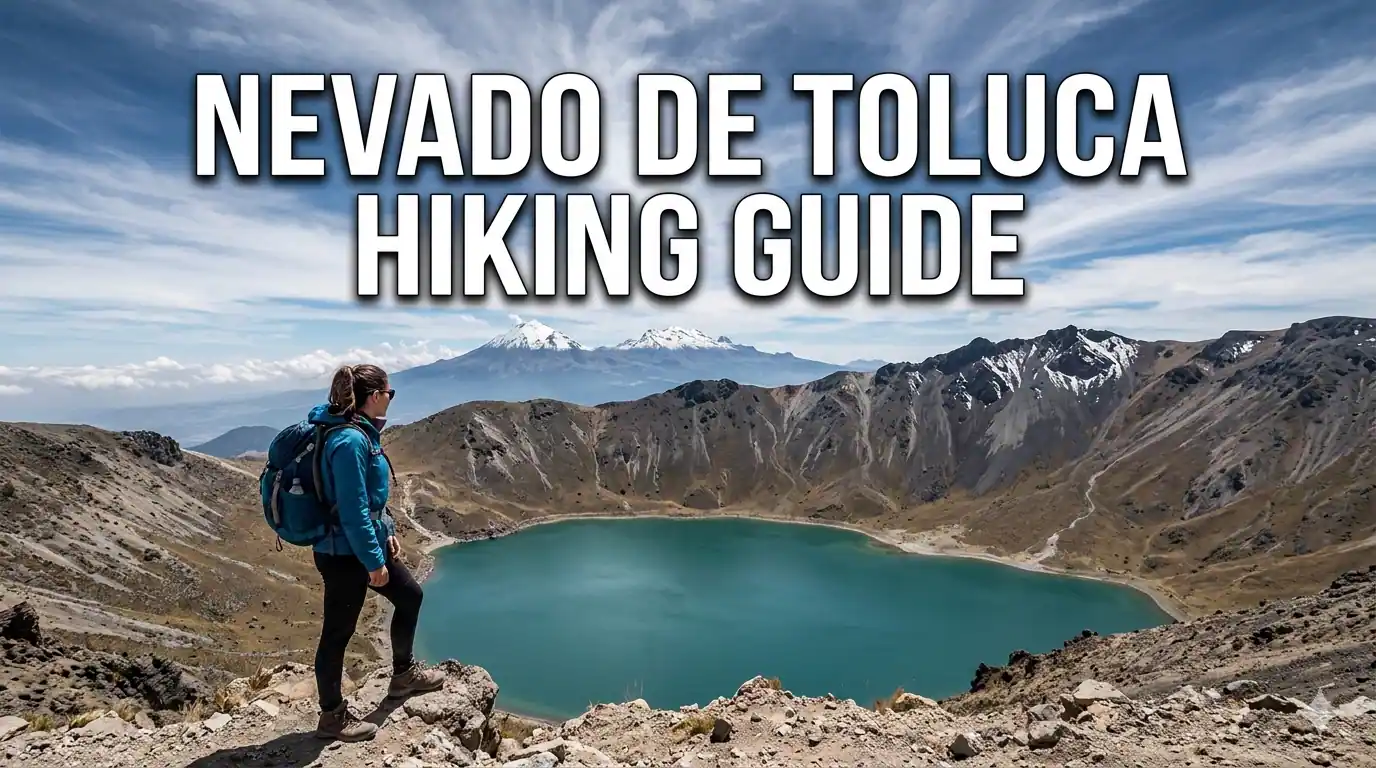
The volcano's 2 kilometer wide crater contains two stunning alpine lakes: Laguna del Sol and Laguna de la Luna, whose turquoise waters contrast beautifully against the rugged volcanic rock and high-altitude vegetation. Hikers circumnavigating the crater rim enjoy 360 degree panoramic views extending to Popocatépetl and Iztaccíhuatl, Mexico's second and third highest volcanoes, on clear days.
Unlike many Mexican peaks requiring guides or permits, Nevado de Toluca allows independent hiking with minimal bureaucracy, though this accessibility demands greater personal responsibility for safety preparation. The combination of dramatic scenery, moderate technical challenge, and proximity to Mexico City creates exceptional value for adventure travelers maximizing limited vacation time.
For US and European visitors, Nevado de Toluca represents an affordable high-altitude experience. Total day-trip costs from Mexico City typically range from 150 to 300 USD including transportation, entrance fees, meals, and equipment rental, significantly less than comparable alpine adventures in the Alps or Rocky Mountains.
Understanding Difficulty and Physical Requirements

Nevado de Toluca presents a moderately difficult challenge suitable for hikers with prior experience on rugged terrain and exposure to elevation. The trail involves Class 2 to 3 scrambling sections requiring careful footwork, occasional hand use for balance, and comfort with exposed ridgelines where falls could result in serious injury.
Physical fitness requirements include ability to hike continuously for 6 to 7 hours at high altitude while carrying a daypack with water, food, and layers. Regular cardiovascular exercise in the months before your trip significantly improves enjoyment and reduces altitude sickness risk. Prior experience hiking above 3000 meters provides valuable preparation for the sustained elevation of this route.
The entire hike occurs above 4000 meters, with the trailhead at approximately 4000 meters and summit at 4680 meters. This sustained high elevation represents the primary challenge rather than technical difficulty, as oxygen availability decreases approximately 40 percent compared to sea level. Hikers unaccustomed to altitude should plan acclimatization days in Mexico City at 2240 meters before attempting the climb.
Weather conditions dramatically affect difficulty. Dry season climbs from November through March typically feature stable conditions with morning sunshine, while wet season attempts from May through September risk afternoon thunderstorms, lightning exposure on exposed ridges, and slippery rock surfaces. Winter climbs may encounter snow and ice requiring microspikes or crampons for safe travel.
Essential Gear and Packing List

Proper equipment significantly impacts safety and enjoyment on Nevado de Toluca. The following items represent minimum requirements for a successful climb, with rental options available in Toluca for travelers without specialized gear.
Required Safety Equipment
A climbing helmet is essential to protect against rockfall, particularly on scrambling sections where loose volcanic rock poses hazards. Rental helmets cost approximately 5 to 10 USD daily from outdoor shops in Toluca or Mexico City. Sturdy hiking boots with aggressive tread provide necessary traction on rocky, potentially snowy terrain; trail runners lack sufficient ankle support and grip for this route.
Trekking poles reduce knee strain during descent and improve balance on uneven surfaces. Collapsible poles pack efficiently in daypacks and prove invaluable during steep sections. Sunglasses with UV protection guard against intense high-altitude sunlight reflecting off rock and potential snow surfaces.
Clothing Layers for Variable Conditions
Temperatures at Nevado de Toluca range from near freezing at dawn to potentially 15 degrees Celsius during midday sun, with wind chill significantly lowering perceived temperature. Layering systems allow adjustment throughout the day. Start with moisture-wicking base layers, add insulating fleece or down mid-layers, and carry a windproof and waterproof shell jacket for changing conditions.
Thermal gloves and a warm hat protect extremities during cold morning starts and windy summit sections. Sun protection includes broad-spectrum sunscreen SPF 50 plus, lip balm with SPF, and a brimmed hat or buff for face coverage. High-altitude UV exposure causes sunburn rapidly even on cloudy days.
Hydration and Nutrition
Carry at least 3 liters of water per person, as no reliable water sources exist along the route. Hydration needs increase at altitude due to faster respiration and dry air. Electrolyte supplements help prevent cramping during sustained exertion. Pack calorie-dense snacks like nuts, energy bars, and dried fruit for sustained energy during the 6 to 7 hour effort.
Navigation and Emergency Items
Download offline maps on your smartphone or carry a GPS device, as trail markers become sparse on upper ridgelines. A headlamp with fresh batteries provides safety margin if the hike extends beyond daylight hours. Basic first aid supplies including blister treatment, pain relievers, and altitude sickness medication offer peace of mind. Consider carrying a satellite communicator for remote areas without cell coverage.
Entrance Fees, Permits, and Park Regulations

Nevado de Toluca operates as a Wildlife Protection Area managed by Mexico's National Commission of Protected Natural Areas. Understanding current fees and regulations prevents delays and ensures compliance with conservation requirements.
Current Entrance Costs
Park entry costs 125 MXN approximately 7 USD per person per day, payable at the entrance station as you drive the final approach road. Payment accepts Mexican pesos cash primarily, though some stations may process credit cards. Keep your receipt as rangers may request verification at trail checkpoints.
Discounts apply to students and teachers with valid credentials receiving 50 percent reduction, while senior citizens, persons with disabilities, and children under 12 enter free with appropriate documentation. Local residents living near the protected area may also qualify for reduced rates with proof of address.
Camping Fees and Regulations
Overnight camping at the trailhead costs 150 MXN approximately 8 USD per tent or vehicle. The basic camping area provides no amenities beyond pit toilets and 24 hour medic access, so self-sufficiency is essential. Camping enables early morning starts and additional acclimatization time at elevation, beneficial for summit success.
Park regulations prohibit camping within the crater itself to protect fragile alpine ecosystems. Fires are not permitted anywhere in the protected area due to wildfire risk and environmental impact. Pack out all trash and follow Leave No Trace principles to preserve this spectacular landscape for future visitors.
Park Hours and Access
Nevado de Toluca opens Tuesday through Sunday from 8 AM to 3 PM for day visitors. Arriving at opening time maximizes daylight for the 6 to 7 hour hike and avoids afternoon weather changes common in mountain environments. The park closes Monday for maintenance and conservation activities.
Vehicle access requires driving the final 13 kilometers on a rough dirt road from the paved highway. While passable in standard cars with careful driving, high-clearance vehicles handle the rocky surface more comfortably. During wet conditions, the road may become muddy and challenging for two-wheel drive vehicles.
Getting to Nevado de Toluca from Mexico City and Beyond

Reaching Nevado de Toluca requires planning but remains straightforward for international travelers. Understanding transportation options helps budget effectively and choose the approach matching your comfort level and itinerary.
Driving from Mexico City
The most flexible option involves renting a car in Mexico City and driving approximately 4 hours to the trailhead. Take Highway 15D west toward Toluca, then follow signs for the Toluca-Ciudad Altamirano highway. After 38 kilometers on paved road, turn onto the dirt access road leading 13 kilometers uphill to the park entrance.
Rental cars in Mexico City cost 35 to 80 USD daily depending on vehicle category and season, with mandatory Mexican auto insurance adding 15 to 30 USD daily. Major international brands like Hertz, Avis, and Budget operate at Mexico City Airport with English-speaking staff and standardized procedures. Verify your rental agreement permits travel on unpaved roads before departure.
Parking at the trailhead is free and generally secure, though never leave valuables visible in vehicles. Arrive early during peak season weekends to secure convenient parking spaces near the visitor center.
Public Transportation Options
Budget travelers can reach Nevado de Toluca using public buses, though this approach requires more time and planning. Take a Flecha Roja or similar bus from Mexico City's Observatorio station to Toluca for approximately 5 to 8 USD one-way, with departures every 15 to 30 minutes and travel time around 1.5 hours.
From Toluca, arrange a taxi or rideshare for the remaining 45 kilometers to the trailhead, costing approximately 40 to 60 USD one-way. Some travelers coordinate with other hikers to split this cost. Public buses do not travel the final dirt road to the trailhead, adding significant hiking distance if attempting to use them for the entire journey.
Return transportation requires pre-arranging pickup times with your driver, as cell coverage becomes unreliable at higher elevations. Confirm contact methods and backup plans before departing the trailhead.
Guided Tour Alternatives
Several operators offer day tours from Mexico City including transportation, guide services, and sometimes meals. Prices range from 100 to 200 USD per person depending on group size and inclusions. Guided tours provide valuable local knowledge, safety oversight, and logistical simplicity for first-time visitors or those uncomfortable with independent mountain travel.
Reputable operators include Ecotura and Que Loco Tours, which employ certified mountain guides familiar with route conditions and weather patterns. Guides assist with navigation on unmarked sections and provide altitude sickness monitoring throughout the climb. Book tours at least several days in advance during peak season to secure availability.
Best Time to Hike Nevado de Toluca

Seasonal timing significantly impacts trail conditions, weather stability, and overall experience quality. Understanding seasonal patterns helps plan successful climbs while avoiding hazardous conditions.
Dry Season Advantages November through March
The optimal climbing window spans November through March, Mexico's dry season, featuring stable weather patterns with morning sunshine and minimal precipitation risk. Clear skies maximize visibility for panoramic views and photography, while dry trails provide secure footing on scrambling sections.
Temperatures during dry season range from near freezing at dawn to 10 to 15 degrees Celsius during midday. Dress in layers to adjust to changing conditions throughout the day. Morning starts around 8 AM when the park opens allow summiting before potential afternoon cloud buildup common in mountain environments.
December and January represent peak climbing months with best weather statistics but also highest visitor numbers. Weekday climbs avoid weekend crowds that can create bottlenecks on narrow ridgeline sections. Book accommodation in Toluca well in advance for holiday period travel.
Shoulder and Wet Season Considerations
April and October offer transitional conditions with generally favorable weather but increased precipitation probability compared to mid-winter. These months provide good value with fewer crowds and moderate pricing while maintaining reasonable climbing conditions.
May through September constitutes Mexico's rainy season, bringing afternoon thunderstorms, lightning risk on exposed ridges, and slippery rock surfaces. While early morning starts may avoid afternoon storms, unpredictable weather patterns make this period less ideal for first-time climbers or those without flexible schedules.
Winter climbs from December through February may encounter snow and ice on upper sections, particularly on north-facing slopes. Microspikes or crampons become essential safety equipment in these conditions. Check recent trip reports and park conditions before attempting winter climbs.
Altitude Sickness Prevention and Safety

High altitude represents the primary health risk on Nevado de Toluca rather than technical difficulty. Understanding altitude physiology and prevention strategies protects your health and enhances climb success.
Acclimatization Strategies
Spend at least two full days in Mexico City at 2240 meters before attempting Nevado de Toluca. This intermediate elevation allows your body to begin producing additional red blood cells and adjusting respiratory patterns to lower oxygen availability. Light walking and hydration during acclimatization days support adaptation without overexertion.
Consider camping at the trailhead at 4000 meters the night before your climb for additional acclimatization. While sleeping at this elevation may cause mild altitude symptoms for some travelers, the adaptation benefit often outweighs discomfort for serious summit attempts. Bring warm sleeping gear rated for below-freezing temperatures.
Avoid alcohol and heavy meals during acclimatization periods, as these can exacerbate altitude symptoms. Maintain consistent hydration with water and electrolyte beverages throughout your stay at elevation.
Recognizing and Responding to Symptoms
Mild altitude sickness symptoms include headache, nausea, dizziness, and shortness of breath beyond normal exertion levels. These typically resolve with rest, hydration, and avoiding further ascent. Over-the-counter pain relievers like ibuprofen can help manage headaches.
Severe symptoms requiring immediate descent include confusion, difficulty walking straight, persistent vomiting, or worsening shortness of breath at rest. These indicate potentially life-threatening conditions like high-altitude cerebral or pulmonary edema. Never ignore worsening symptoms hoping they will resolve with continued ascent.
Carry acetazolamide Diamox if prescribed by your physician for altitude prevention, though this medication requires advance consultation and may cause side effects like tingling extremities or altered taste. Natural alternatives like ginger for nausea and coca tea where legally available may provide mild symptom relief.
Emergency Preparedness
Share your itinerary and expected return time with someone not on the climb. Cell coverage becomes unreliable above 4000 meters, so do not depend on phones for emergency communication. Consider carrying a satellite messenger or personal locator beacon for remote areas.
Park rangers and medics maintain presence at the entrance station, but response times to upper trail sections may exceed one hour in emergencies. Self-rescue capability through proper preparation and conservative decision-making remains your primary safety strategy.
Sample Day Trip Itinerary from Mexico City

Structuring your Nevado de Toluca adventure with realistic timing maximizes enjoyment while building in safety margins for weather or pace variations.
| Time | Activity | Notes |
| 5:00 AM | Depart Mexico City | Allow buffer for traffic and early park arrival |
| 7:30 AM | Arrive Toluca area | Optional breakfast stop if not eaten earlier |
| 8:00 AM | Enter Nevado de Toluca park | Pay 125 MXN entrance fee, final gear check |
| 8:15 AM | Begin hike from trailhead | Start at comfortable pace to conserve energy |
| 10:00 AM | Reach Paso del Quetzal viewpoint | First crater rim views, short rest and photos |
| 12:00 PM | Summit Pico del Fraile 4680m | Celebrate achievement, enjoy panoramic views |
| 2:30 PM | Complete crater loop return | Monitor time to ensure daylight return |
| 3:30 PM | Depart trailhead | Park closes at 3 PM for new entries |
| 7:30 PM | Return to Mexico City | Celebrate with dinner in Toluca or CDMX |
This itinerary assumes good weather, average fitness, and minimal delays. Build in flexibility for slower paces, extended photo stops, or weather changes. Starting early maximizes daylight and avoids afternoon weather risks common in mountain environments.
Accommodation Options Near Nevado de Toluca

Strategic lodging choices enhance your climbing experience through convenient access, acclimatization benefits, and post-climb recovery comfort.
Budget Camping at Trailhead
Camping at the trailhead for 150 MXN per tent provides maximum convenience for early starts and additional acclimatization time. Bring a four-season sleeping bag rated for below-freezing temperatures, as nighttime temperatures regularly drop below zero at 4000 meters elevation. No cooking facilities or shelters exist, so self-sufficiency is essential.
This option appeals to experienced campers comfortable with primitive conditions and cold weather camping. The solitude and high-altitude stargazing create memorable experiences for those prepared with appropriate gear.
Mid-Range Hotels in Toluca
Toluca, located 45 kilometers from the trailhead, offers comfortable hotels with amenities like hot showers, restaurants, and secure parking. Prices range from 50 to 100 USD nightly for clean, reliable accommodations suitable for pre-climb rest and post-climb recovery.
Staying in Toluca allows access to grocery stores for provisioning, equipment rental shops, and medical facilities if needed. The city's elevation of 2680 meters provides intermediate acclimatization between Mexico City and the volcano.
Luxury Options in Mexico City
Many climbers prefer staying in Mexico City before and after their Nevado de Toluca adventure, enjoying world-class dining, cultural attractions, and luxury accommodations. Day-trip logistics add driving time but provide maximum comfort and itinerary flexibility.
Hotels in neighborhoods like Polanco, Roma, or Condesa offer premium amenities from 100 to 300 USD nightly. Consider booking accommodations with altitude-adapted rooms featuring oxygen enrichment if concerned about elevation effects during sleep.
Cost Breakdown for US and European Travelers

Understanding realistic expenses helps budget effectively for your Nevado de Toluca adventure. The following table breaks down typical costs across different travel styles.
| Expense Category | Budget Option USD | Mid-Range Option USD | Premium Option USD |
| Transportation from CDMX | 25-40 public bus and taxi | 80-120 rental car daily | 150-250 private transfer |
| Park entrance and camping | 15 total per person | 15 total per person | 15 total per person |
| Equipment rental if needed | 0 bring your own | 30-50 helmet poles spikes | 75-100 full gear package |
| Food and water | 15-25 self-prepared | 30-50 restaurant meals | 60-100 guided tour meals |
| Accommodation one night | 0 camping at trailhead | 50-100 Toluca hotel | 150-300 CDMX luxury |
| Guided tour optional | 0 independent | 0 independent | 100-200 guided day tour |
| Total Estimated Cost | 55-95 USD | 205-335 USD | 450-965 USD |
USD conversions reflect approximate exchange rates and may fluctuate. Most expenses accept Mexican pesos cash primarily, though larger establishments in Toluca and Mexico City process credit cards. Carry small denomination pesos for entrance fees and rural purchases.
Visa Requirements and Entry Documentation

International travelers must meet specific documentation requirements to enter Mexico and access Nevado de Toluca. Understanding these prerequisites before departure prevents entry delays.
Tourist Visa for US and European Citizens
Citizens of the United States, Canada, United Kingdom, European Union countries, Australia, and many other nations receive automatic 180-day tourist visas upon arrival in Mexico. No advance visa application is required for tourism purposes. Present a valid passport with at least six months remaining validity at immigration.
Complete the FMM tourist card form provided during your flight or at border entry. This document typically costs approximately 35 USD and may be included in your airline ticket price. Keep this card with your passport throughout your stay, as authorities may request it at checkpoints or when exiting Mexico.
Travel Insurance Recommendations
Comprehensive travel insurance covering medical emergencies, evacuation, and trip interruption provides valuable protection for international adventure travel. Policies typically cost 4 to 8 percent of total trip expense and cover scenarios like altitude-related medical issues, transportation delays, or gear loss.
Verify your policy covers high-altitude activities and emergency evacuation from remote locations. Some standard travel insurance excludes mountaineering or activities above certain elevations, so read policy details carefully before purchase.
Customs and Equipment Considerations
Mexican customs generally permits personal hiking and camping equipment for tourist use without special documentation. Declare valuable gear like cameras, GPS devices, or climbing equipment if questioned, though routine inspections rarely occur for typical tourist arrivals.
Consider photographing expensive equipment before travel to document ownership in case of loss or theft claims. Keep purchase receipts for high-value items that may require proof of ownership for insurance purposes.
0 Comments