.webp)
.webp)
Mexico City Metro Guide for First Time Visitors and Tourists
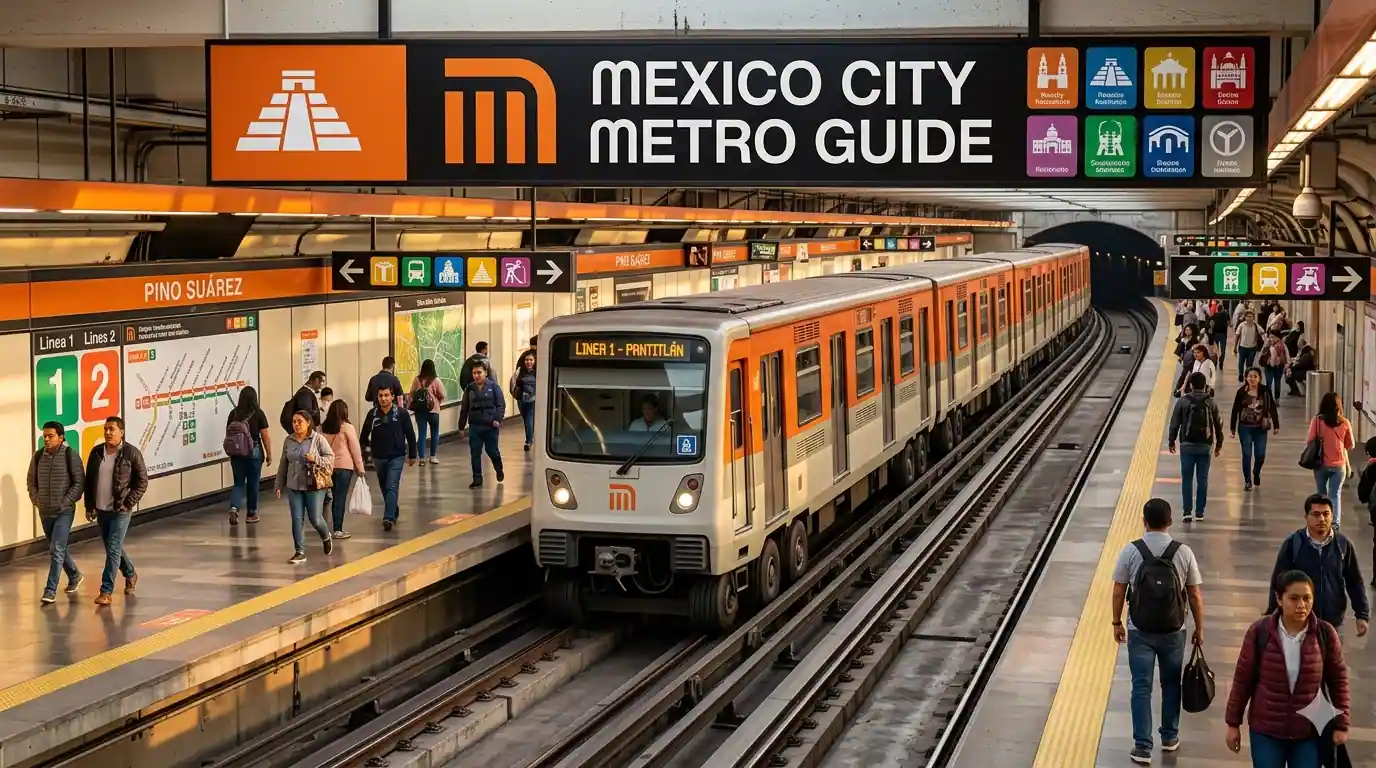
Complete Mexico City Metro Guide for First Time Travelers
Mexico City's Metro system stands as one of the world's most extensive and affordable urban transit networks, serving millions of passengers daily across twelve color-coded lines and nearly two hundred stations. For first-time visitors, navigating this efficient system unlocks affordable access to the city's historic center, cultural landmarks, and vibrant neighborhoods.
Understanding how to safely and confidently use the Mexico City Metro transforms your travel experience, saving money while immersing you in authentic local life. This comprehensive guide provides verified information on fares, routes, safety protocols, and practical tips drawn from official Mexico City government sources.
Whether you are visiting the ancient ruins of Teotihuacan, exploring the historic Zocalo, or dining in trendy Roma Norte, the Metro connects you efficiently while avoiding traffic congestion. With proper preparation and awareness, your Metro journeys will be smooth, secure, and memorable.
Why Use the Mexico City Metro as a Tourist

The Mexico City Metro offers exceptional value at just five pesos per ride, making it one of the most affordable transit systems globally. This pricing allows budget-conscious travelers to explore extensively without transportation costs limiting their itinerary.
Speed and reliability distinguish the Metro from surface transportation. Dedicated underground and elevated tracks bypass Mexico City's notorious traffic, delivering predictable travel times between major destinations like the airport, historic center, and Polanco.
Environmental benefits align with sustainable travel values. The Metro's electric-powered rubber-tired trains reduce emissions compared to taxis or ride-sharing services, contributing to cleaner air in this high-altitude metropolis.
Cultural immersion occurs naturally when riding alongside local commuters. You will experience daily Mexican life, observe station art and design, and practice Spanish interactions in authentic settings.
Extensive coverage reaches nearly every tourist attraction. Key sites including the National Museum of Anthropology, Chapultepec Castle, Frida Kahlo Museum, and the Historic Center have convenient Metro access within walking distance of stations.
Understanding the Mexico City Metro System Layout

Twelve color-coded lines form the backbone of the Metro network, each identified by both a number and a distinctive color for easy navigation. Line 1 runs pink from Observatorio to Pantitlán, while Line 2 operates blue from Cuatro Caminos to Tasqueña.
Each station features iconic graphic symbols designed by Lance Wyman for the 1968 Olympics, helping illiterate residents and international visitors identify stops visually. The Zocalo station displays a cathedral icon, while Chapultepec shows a tree symbol.
Terminal stations appear at both ends of each line on maps and platform signage. Always verify your travel direction by checking that your destination lies between your current station and the indicated terminal.
Transfer stations connect multiple lines, marked with intersecting colored circles on maps. Major hubs like Pantitlán, Pino Suárez, and Hidalgo facilitate efficient route changes without exiting the paid fare area.
Rubber-tired trains operate on concrete tracks rather than traditional steel rails, reducing noise and improving energy efficiency on Mexico City's soft soil foundations. This unique engineering adapts to the city's challenging geology.
The system serves both Mexico City proper and portions of the State of Mexico, extending reach to suburban destinations. Tourist-focused travel typically remains within the central network covering CDMX municipalities.
Mexico City Metro Fares and Payment Methods

A single Metro ride costs five Mexican pesos, payable with paper tickets or rechargeable transit cards. This fare remains among the lowest globally, unchanged for years despite inflation affecting other services.
Paper tickets purchase at station ticket windows cost five pesos each and work for one entry through turnstiles. Keep tickets handy until exiting, though no scan is required upon departure.
The Tarjeta de Movilidad Integrada, or Integrated Mobility Card, costs ten pesos to purchase plus whatever fare amount you load. This reusable card works across Metro, Metrobús, and Ecobici bike-share systems.
Recharge cards at ticket windows or automated machines located in Metro and Metrobús stations. Machines accept cash and sometimes debit cards, though having small peso bills simplifies the process.
Contactless credit and debit cards now work at many Metro turnstiles, allowing tap-to-pay convenience without purchasing separate tickets. Verify card reader availability at your entry station before relying on this option.
Children under five ride free when accompanied by a paying adult. Students, seniors, and persons with disabilities may qualify for discounted fares with proper identification issued by Mexican authorities.
Free transfers apply between intersecting Metro lines within the paid area, but transfers between Metro and Metrobús require separate fares. Plan routes to minimize fare payments when possible.
Mexico City Metro Operating Hours and Schedules

Metro service operates daily with varying start times by day of week. Weekday service begins at 5 AM and runs until midnight, providing extensive coverage for early arrivals and late departures.
Saturday hours start at 6 AM and continue until midnight, accommodating weekend travelers and shoppers. Sunday and holiday service begins at 7 AM, reflecting reduced commuter demand on rest days.
Train frequency ranges from two to five minutes during peak hours and five to ten minutes during off-peak periods. Allow extra time during weekends or holidays when service intervals may lengthen.
Last trains depart terminal stations shortly before midnight, so plan evening activities with return travel in mind. Missing the final train requires alternative transportation like taxis or ride-sharing apps.
Service disruptions occasionally occur due to maintenance, weather, or operational issues. Monitor station announcements and digital displays for real-time updates on delays or line closures.
Holiday schedules may adjust service frequency or hours. Check official Mexico City transit websites before traveling on major holidays like Christmas, New Year's Day, or Independence Day.
How to Navigate Mexico City Metro Stations

Enter stations through clearly marked entrances displaying the Metro logo and line colors. Descend stairs or escalators to reach ticket purchase areas and fare control turnstiles.
Purchase tickets or recharge cards at ticket windows or automated machines before approaching turnstiles. Have payment ready to minimize wait times during busy periods.
Insert paper tickets or tap transit cards at turnstile readers to unlock access to platforms. Proceed through promptly to avoid blocking other passengers during rush periods.
Follow directional signage indicating line colors, terminal stations, and transfer points. Graphic icons and bilingual Spanish-English signs assist international visitors in wayfinding.
Platform edges feature yellow safety lines and tactile paving for visually impaired passengers. Stand behind these markings until trains arrive and doors open fully.
Allow exiting passengers to leave trains before boarding. Enter through doors marked with green arrows and move toward the center of cars to accommodate additional riders.
Listen for station announcements and watch digital displays indicating upcoming stops. Prepare to exit by moving toward doors before your destination station arrives.
Mexico City Metro Safety Tips for Tourists

The Mexico City Metro maintains generally safe conditions for tourists who practice standard urban precautions. Millions of riders use the system daily without incident when remaining alert and aware.
Avoid displaying expensive jewelry, cameras, or smartphones openly while riding. Keep valuables secured in front pockets or closed bags worn across your body rather than on your back.
Travel during daylight hours when possible, especially for first-time users. Evening and late-night rides require additional vigilance in less crowded stations and cars.
Women and children under fourteen may ride in the first two cars of most trains, designated for their safety and comfort during peak hours. Respect these designated areas when traveling with family.
Avoid rush hour periods from 7:30 to 9:30 AM and 5:30 to 7:30 PM on weekdays when trains experience extreme crowding. Traveling outside these windows improves comfort and reduces pickpocket risks.
Keep bags and backpacks in front of you where you can monitor them. Open zippers or external pockets present easy targets for opportunistic thieves in crowded conditions.
Trust your instincts and exit stations if you feel uncomfortable. Well-lit main exits and staffed ticket areas provide safer egress points than isolated stairwells.
Emergency intercoms and help buttons exist in stations and on trains. Note their locations upon boarding and use them immediately if you witness or experience safety concerns.
Essential Mexico City Metro Routes for Tourists

Line 2 blue connects the airport area via Pantitlán to the Historic Center via Zocalo station. This route provides direct access to the Cathedral, National Palace, and Templo Mayor archaeological site.
Line 1 pink serves Chapultepec station for the National Museum of Anthropology and Chapultepec Park. Transfer at Salto del Agua or Pino Suárez to reach other cultural destinations.
Line 3 green reaches Universidad station for the National Autonomous University campus and Coyoacán neighborhood access. Transfer at Hidalgo or Centro Médico for connections to Roma and Condesa.
Line 7 orange serves Auditorio station near the Soumaya Museum and Polanco dining district. This line connects to Line 1 at Tacubaya for airport area travel.
Line 9 brown reaches Chilpancingo station for the Roma Norte neighborhood and Insurgentes Avenue shopping. Transfer at Pantitlán for airport connections via Line 1.
Pantitlán station functions as the system's largest hub, connecting Lines 1, 5, 9, and A plus bus terminals. Allow extra time for transfers here due to the station's massive scale.
Hidalgo station links Lines 2 and 3 near the Historic Center and Alameda Park. This transfer point efficiently connects airport routes with cultural attractions.
Use the official Mexico City Metro map available at stations or online to plan multi-stop itineraries. Identify transfer points and walking distances to final destinations before departing.
Connecting Mexico City Metro to Other Transit Options

Metrobús bus rapid transit lines complement Metro coverage with dedicated lanes and frequent service. Transfer points at stations like Indios Verdes, Guerrero, and Chapultepec facilitate seamless connections.
The Integrated Mobility Card works across both Metro and Metrobús systems, though separate fares apply for each mode. Load sufficient balance to cover multiple transfers during day trips.
Ecobici public bike-share stations cluster near many Metro exits, enabling last-mile connections to destinations not within walking distance. Register for the service using the same transit card.
Taxis and ride-sharing apps like Uber operate at designated pickup zones outside major Metro stations. Use official taxi stands or app-based services rather than accepting rides from solicitors.
Airport transportation connects via Line 1 to Pantitlán, then transfer to Line 5 or 9 for broader city access. The Aerobús shuttle also links the airport to key Metro stations for luggage-heavy travelers.
Suburban rail services like Tren Suburbano extend reach to northern State of Mexico destinations. Transfer at Buenavista station from Metro Line 3 for commuter rail connections.
Walking remains the most flexible option for short distances between Metro stations and attractions. Download offline maps to navigate streets confidently after exiting underground.
Accessibility Features and Inclusive Travel

Many Mexico City Metro stations feature elevators, ramps, and tactile guidance paths for passengers with mobility challenges. However, not all stations are fully accessible, so verify capabilities before traveling.
Priority seating exists in every train car for seniors, pregnant passengers, and persons with disabilities. Respect these designated areas and offer seats when needed.
Visual and audio announcements assist passengers with sensory impairments. Station names appear in large print and Braille at key locations throughout the system.
Staff at ticket windows and information booths can provide assistance in Spanish and sometimes English. Approach uniformed personnel for directions or accessibility support.
Service animals accompany passengers throughout the Metro system. Keep animals leashed and under control to ensure comfort for all riders in crowded conditions.
Plan routes using accessible stations when traveling with strollers, wheelchairs, or heavy luggage. Online maps and official transit apps indicate elevator locations and step-free pathways.
Allow extra travel time when using accessibility features, as elevators may require waiting and alternative routes might add distance to your journey.
Common Mistakes First Time Metro Users Should Avoid

Assuming all stations have English signage leads to confusion. While major tourist stations feature bilingual signs, smaller stops may display Spanish only. Download a translation app as backup.
Boarding trains without checking direction causes wasted time and fares. Always verify the terminal station displayed on platforms matches your intended travel direction before entering cars.
Carrying large backpacks during rush hour creates discomfort for yourself and others. Wear packs on your front or travel off-peak to navigate crowds more easily.
Expecting Metro service after midnight results in being stranded. Plan evening activities with return travel before midnight, or budget for taxi alternatives for late returns.
Using contactless payment without verifying reader functionality causes entry delays. Test card readers at your first station and carry backup cash for ticket purchases.
Ignoring women-only car designations may cause offense or discomfort. Respect the first two cars on most trains during peak hours when traveling with male companions.
Attempting transfers at Pantitlán without allowing extra time leads to missed connections. This massive hub requires five to ten minutes to navigate between lines comfortably.
Keeping valuables in back pockets or open bags invites theft. Secure wallets, phones, and passports in front pockets or zipped compartments worn across your body.
Mexico City Metro Etiquette and Cultural Norms

Mexican commuters value politeness and personal space despite crowded conditions. Say permiso when moving through crowds and gracias when others accommodate your passage.
Eating and drinking are prohibited on trains and in stations. Finish snacks before entering fare control areas to avoid fines or disapproving looks from fellow riders.
Street performers and vendors occasionally board trains seeking donations. You may politely decline with a head shake or small coin if you wish to support their efforts.
Music playback requires headphones at low volumes. Public audio disturbs fellow passengers and violates unwritten but widely observed transit etiquette.
Offer seats to elderly passengers, pregnant women, and persons with disabilities as a cultural expectation. This gesture demonstrates respect and aligns with local social norms.
Avoid prolonged eye contact or conversations with strangers if you prefer privacy. Many commuters read, use phones, or rest quietly during their journeys.
Dispose of trash in designated bins rather than leaving litter on platforms or trains. Maintaining cleanliness reflects consideration for shared public spaces.
Technology Tools for Mexico City Metro Navigation

Official Mexico City government transit websites provide updated maps, service alerts, and station information in Spanish and English. Bookmark these resources before traveling for offline reference.
Google Maps and Citymapper apps offer real-time Metro routing with transfer instructions and estimated travel times. Download offline maps to conserve data while navigating underground.
Moovit and Transit apps provide live arrival predictions and service disruption alerts specific to Mexico City's network. Enable notifications for proactive travel planning.
Translation apps like Google Translate assist with Spanish signage and announcements. Use camera mode to instantly translate station names and directional signs.
Screenshot your planned route before entering stations in case cellular service becomes unreliable underground. Include transfer points and exit directions for your destination.
Save emergency contact numbers including LOCATEL, Mexico City's tourist assistance line, in your phone. This resource provides multilingual support for transit questions or safety concerns.
Charge your phone fully before Metro travel days and carry a portable power bank. Navigation apps and translation tools consume battery during extended exploration.
Planning Your First Mexico City Metro Journey
Start with short, straightforward routes between major tourist stations to build confidence. Travel from Zocalo to Chapultepec on Lines 2 and 1 before attempting complex multi-transfer itineraries.
Travel during mid-morning or early afternoon on weekdays to experience moderate crowds without peak-hour intensity. Weekend mornings offer similarly manageable conditions for first-time riders.
Carry small denomination peso bills for ticket purchases and card recharging. Many machines and windows do not accept large bills or foreign currency.
Keep your hotel address and key destinations written in Spanish to show staff if you need assistance. Most Metro employees appreciate the effort and respond helpfully.
Allow thirty minutes buffer time for unexpected delays, wrong turns, or extended walking distances between stations and attractions. Flexibility reduces travel stress.
Practice entering and exiting turnstiles with your ticket or card before rush periods. Smooth fare control passage prevents bottlenecks and builds confidence for subsequent rides.
Take photos of station maps and signage for reference, but avoid photographing security personnel or sensitive infrastructure. Respect privacy and security protocols while documenting your journey.
Conclusion and Final Recommendations
The Mexico City Metro offers first-time visitors an affordable, efficient, and authentic way to explore this vibrant metropolis. With proper preparation, awareness of safety practices, and respect for local customs, your Metro experiences will enhance rather than complicate your travels.
Prioritize official Mexico City government sources for the most current fare, schedule, and safety information. Avoid third-party websites that may display outdated details or charge unnecessary fees for basic services.
Start with simple routes during off-peak hours to build familiarity before attempting complex itineraries. Confidence grows with each successful journey, unlocking greater freedom to explore the city independently.
Combine Metro travel with walking, Metrobús, and occasional taxis for comprehensive mobility. No single mode serves every need, but together they provide exceptional access to Mexico City's treasures.
Your first Metro ride represents more than transportation, it offers a window into daily Mexican life, urban design excellence, and the resilient spirit of one of the world's great cities. Embrace the experience with curiosity and caution, and let the Metro carry you deeper into the heart of Mexico City.
0 Comments