.webp)
.webp)
Introduction to Ntumbachushi Falls
Ntumbachushi Falls stands as one of Zambia's most spectacular yet lesser-known natural wonders, offering travelers an authentic wilderness experience far from crowded tourist destinations.
Located in the Luapula Province of northern Zambia, this magnificent waterfall cascades through a dramatic gorge, creating a breathtaking display of raw natural power and beauty.
The falls remain relatively unknown to international tourists, making it a true hidden gem for adventurous travelers seeking pristine natural environments and genuine cultural encounters.
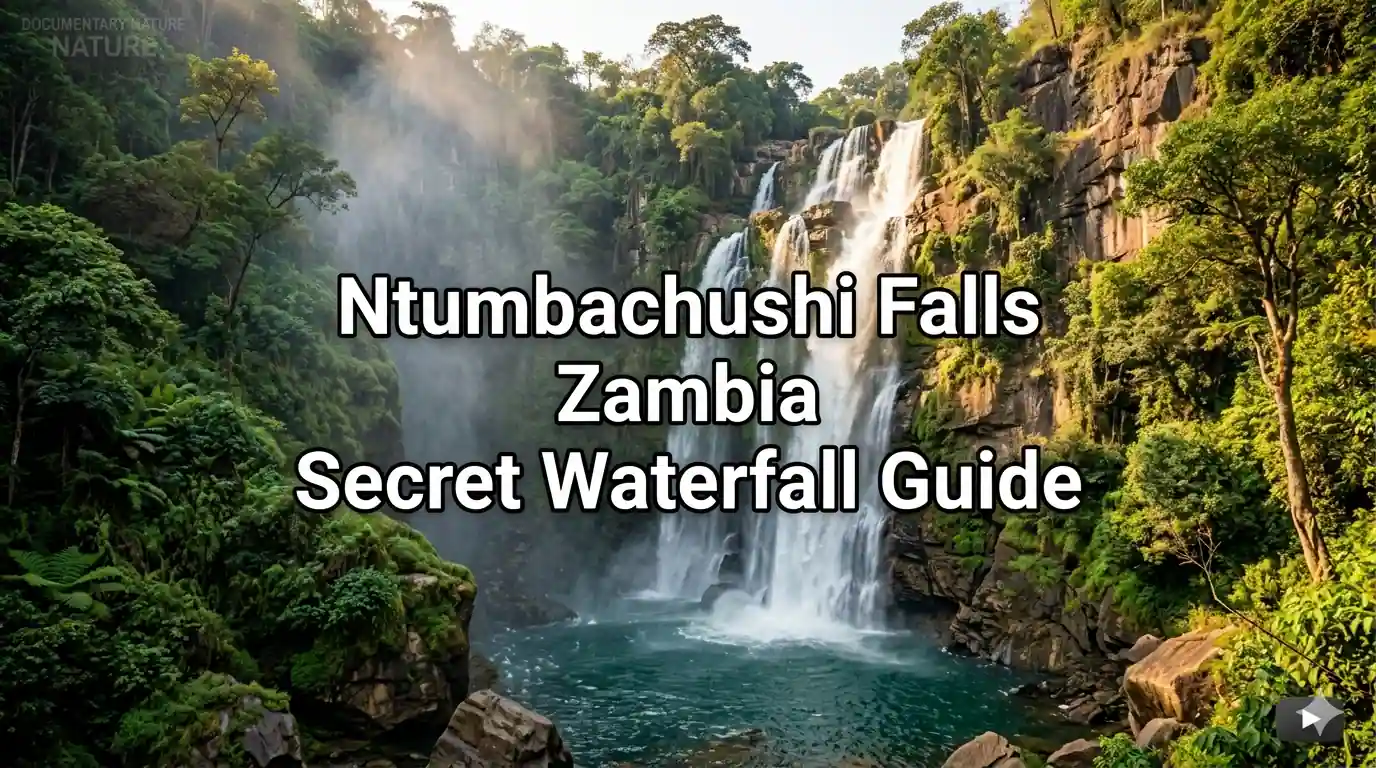
Ntumbachushi Falls drops approximately 60 meters through a series of dramatic steps, surrounded by lush indigenous vegetation and the haunting calls of tropical birds.
This comprehensive guide provides everything you need to know about visiting this secluded paradise, from logistics and costs to safety considerations and cultural context.
Why Ntumbachushi Falls Deserves Your Attention

Ntumbachushi Falls offers what many travelers seek but rarely find: an untouched natural attraction without commercialization, crowds, or entry fees that drain your travel budget.
The waterfall's remote location ensures an intimate connection with nature, where you can hear the thunderous roar of water without competing voices of other tourists.
Photography enthusiasts will appreciate the dramatic lighting, misty atmospheres, and pristine landscapes that provide endless opportunities for stunning images.
The journey to Ntumbachushi Falls takes you through authentic Zambian countryside, offering glimpses into rural life and traditional communities rarely seen by international visitors.
Unlike Victoria Falls or other popular attractions, Ntumbachushi allows you to experience Zambia's natural heritage in its most unspoiled and peaceful form.
What Makes Ntumbachushi Falls Special
The falls feature a unique multi-tiered structure that creates different viewing perspectives and photographic opportunities at various angles and distances.
Local legends and cultural significance add depth to your visit, as the falls hold spiritual importance for communities in the Luapula Province.
The surrounding ecosystem supports diverse wildlife including rare bird species, butterflies, and indigenous plants found only in this region of Zambia.
Swimming opportunities exist in natural pools below the falls during appropriate seasons, providing refreshing relief after the journey through remote terrain.
The absence of developed infrastructure means you experience the falls as nature intended, with only the sounds of water, birds, and wind.
How to Reach Ntumbachushi Falls

Reaching Ntumbachushi Falls requires planning and patience, but the journey forms an essential part of the adventure and cultural immersion experience.
Most travelers begin from Lusaka, Zambia's capital, which sits approximately 650 kilometers south of the falls in Luapula Province.
The route travels north through Serenje and Mansa, with the final stretch requiring navigation of rural roads that test both vehicle and driver.
Public transportation options include buses from Lusaka to Mansa, followed by local transport to villages near the falls, though this requires flexibility and local knowledge.
Private vehicle rental provides the most reliable access, but a 4x4 vehicle is essential, especially during rainy season when roads become challenging.
Detailed Route Options and Transportation
The primary route from Lusaka follows the Great North Road through Kabwe, Serenje, and Mpika before turning west toward Mansa in Luapula Province.
From Mansa, you travel approximately 100 kilometers northwest through rural areas, passing through villages like Kawambwa toward the falls location.
Local guides in Mansa or Kawambwa can provide crucial navigation assistance and cultural context for the final approach to Ntumbachushi Falls.
Motorcycle taxis called kabaza operate in some areas and can access paths impossible for vehicles, though this option suits only the most adventurous travelers.
Consider hiring a local driver familiar with the route, as GPS coverage can be unreliable and road conditions change frequently in remote areas.
Visa Requirements and Entry Procedures for Zambia

International visitors need valid visas to enter Zambia for tourism purposes, with several options available depending on your nationality and travel plans.
Tourist visas cost approximately 50 US dollars and can be obtained on arrival at Kenneth Kaunda International Airport or major land border crossings.
The KAZA UniVis offers exceptional value at 50 dollars, allowing multiple entries between Zambia and Zimbabwe for up to 30 days.
Passport validity must extend at least six months beyond your planned departure date, with minimum two blank pages for immigration stamps.
Yellow fever vaccination certificates are required if traveling from endemic countries, though not mandatory for direct travel from Europe or North America.
Health Precautions for Ntumbachushi Falls Travel
Malaria prophylaxis is essential for travel to Luapula Province, as the region experiences year-round malaria transmission with peaks during rainy season.
Consult a travel medicine specialist at least six weeks before departure to arrange appropriate vaccinations and preventive medications.
Carry comprehensive medical supplies including prescription medications, anti-diarrheal treatments, rehydration salts, and basic first aid items.
Travel insurance with medical evacuation coverage is crucial, as serious health issues require transport to Mansa or Lusaka for treatment.
Bring insect repellent with high DEET concentration, long-sleeved clothing for evenings, and sleep under mosquito nets when camping or staying in basic accommodation.
Best Time to Visit Ntumbachushi Falls

Timing your visit to Ntumbachushi Falls significantly impacts your experience, with distinct advantages to different seasons throughout the year.
The dry season from May through October offers the most accessible conditions, with passable roads and comfortable temperatures for hiking and exploration.
June through August provides optimal weather with daytime temperatures around 25 degrees Celsius and minimal rainfall disrupting travel plans.
Water flow at the falls varies seasonally, with peak volume from January through April following the rainy season, creating the most dramatic cascades.
September and October can be extremely hot with temperatures exceeding 35 degrees Celsius, though water levels remain impressive and roads stay passable.
Seasonal Considerations for Your Visit
Rainy season from November to April brings lush vegetation and maximum water flow, but roads may become impassable and travel requires 4x4 vehicles.
Early morning visits provide the best lighting for photography, with mist creating magical atmospheres as sunlight filters through spray.
Weekday visits typically mean fewer local visitors compared to weekends when Zambian families may travel to the falls for recreation.
Consider lunar cycles if planning overnight camping, as full moons illuminate the falls beautifully and make nighttime navigation safer.
Local festivals and community events may coincide with your visit, offering cultural experiences but potentially affecting accommodation availability.
Complete Cost Breakdown for Visiting Ntumbachushi Falls

Visiting Ntumbachushi Falls on a budget is entirely possible, though costs vary significantly based on your travel style and preparation level.
Transportation from Lusaka to Mansa by bus costs approximately 25 to 40 US dollars one way, depending on the operator and service level.
Private vehicle rental with 4x4 capability ranges from 80 to 150 dollars per day, including insurance but excluding fuel and driver costs.
Fuel expenses for the round trip from Lusaka average 150 to 200 dollars, depending on vehicle efficiency and detours taken.
Local guide services near the falls typically cost 20 to 40 dollars per day, providing invaluable navigation assistance and cultural knowledge.
Detailed Expense Categories
Accommodation options range from free camping near the falls to basic guesthouses in nearby villages costing 15 to 30 dollars per night.
Food costs remain low if you bring supplies from Mansa or Lusaka, with local markets offering fresh produce at reasonable prices.
Meals at village restaurants or homestays typically cost 5 to 10 dollars per person for traditional Zambian cuisine.
There are no official entrance fees for Ntumbachushi Falls, though small donations to local communities are appreciated and support conservation efforts.
Emergency funds of at least 200 dollars should be carried in cash, as ATMs are unavailable near the falls and card payments impossible.
Sample 4-Day Itinerary for Ntumbachushi Falls

A four-day itinerary allows sufficient time to reach the falls, explore thoroughly, and return without excessive rushing or fatigue.
Day one involves departure from Lusaka early morning, driving through scenic countryside to Mansa with overnight accommodation in the provincial capital.
Day two continues northwest from Mansa through rural villages, arriving at Ntumbachushi Falls by midday for initial exploration and camp setup.
Day three dedicates to comprehensive exploration of the falls, swimming in pools, photography, and possibly visiting nearby communities with local guides.
Day-by-Day Activity Breakdown
Day four begins with final morning at the falls, packing camp, and beginning the return journey to Mansa or Lusaka depending on time and energy.
Each day should include flexible time for unexpected discoveries, rest breaks, and spontaneous interactions with local communities along the route.
Early starts maximize daylight hours for travel and exploration, as road conditions require careful navigation and visibility is essential.
Build in buffer time for vehicle issues, weather delays, or extended stays if the falls captivate you more than anticipated.
Consider extending to five or six days if your schedule allows, adding time for additional waterfalls in the region or deeper cultural immersion.
Accommodation Options Near Ntumbachushi Falls

Accommodation near Ntumbachushi Falls ranges from wilderness camping to basic village guesthouses, with no luxury lodges or developed tourism infrastructure.
Camping near the falls provides the most immersive experience, allowing you to hear the waterfall's roar throughout the night and wake to misty mornings.
Bring your own camping equipment including tent, sleeping bag, sleeping mat, and cooking supplies, as rental options do not exist in the area.
Basic guesthouses in nearby villages offer simple rooms with beds and sometimes shared bathrooms, providing shelter from weather and insects.
Homestay arrangements with local families can be organized through village headmen or guides, offering authentic cultural experiences and home-cooked meals.
Camping Guidelines and Considerations
Select camping spots on higher ground away from the river's edge to avoid flash flooding during unexpected rainfall.
Secure food supplies in sealed containers or hung from trees to prevent wildlife encounters with baboons, monkeys, or other animals.
Establish camp before dark, as navigating rocky terrain and dense vegetation becomes dangerous without daylight.
Respect local customs by asking permission from village authorities before camping, even in seemingly remote areas.
Practice leave-no-trace principles by packing out all waste, minimizing fire impact, and preserving the pristine natural environment.
Safety Tips for Visiting Ntumbachushi Falls

Ntumbachushi Falls presents natural hazards that require awareness, preparation, and respectful caution to ensure a safe and enjoyable visit.
Rocks around the falls are often slippery from constant mist and spray, requiring sturdy footwear with excellent traction and careful footing.
Strong currents in pools below the falls can be dangerous, especially during high water periods following heavy rainfall upstream.
Wildlife including hippos, crocodiles, and snakes inhabit the area, requiring vigilance and avoidance of swimming in unknown waters.
Cell phone coverage is extremely limited or non-existent near the falls, making emergency communication difficult and self-reliance essential.
Essential Safety Precautions
Always inform someone of your travel plans and expected return time before departing for the falls, providing detailed itinerary information.
Carry sufficient water, food, and emergency supplies for at least 48 hours beyond your planned stay in case of delays or emergencies.
Never swim alone in pools near the falls, and always test water depth and currents before entering any body of water.
Avoid approaching the waterfall's edge too closely, as rocks can be unstable and sudden water level changes may occur.
Travel with a local guide whenever possible, as their knowledge of terrain, weather patterns, and emergency procedures proves invaluable.
Cultural Context and Community Engagement

Ntumbachushi Falls holds cultural and spiritual significance for local communities in Luapula Province, requiring respectful engagement from visitors.
The falls feature in traditional stories and beliefs, with some communities considering the site sacred or associated with ancestral spirits.
Local villages near the falls practice traditional agriculture, fishing, and crafts that have sustained communities for generations.
Visitors should seek permission from village headmen before entering community lands, photographing people, or camping near settlements.
Small gifts or donations to community projects demonstrate appreciation for access to the falls and support local development initiatives.
Responsible Tourism Practices
Hire local guides from nearby villages whenever possible, ensuring tourism revenue benefits communities who maintain access to the falls.
Purchase food, crafts, and services from local vendors rather than bringing everything from urban centers, supporting rural economies.
Learn basic greetings in local languages like Bemba or Kaonde to build rapport and demonstrate respect for cultural heritage.
Ask permission before photographing people, homes, or cultural ceremonies, and respect refusals without argument or offense.
Avoid behaviors that might be considered disrespectful such as public displays of affection, inappropriate dress, or disregard for local customs.
What to Pack for Ntumbachushi Falls Adventure

Packing appropriately for Ntumbachushi Falls requires balancing preparedness with portability, as you will carry or transport all supplies through remote areas.
Sturdy hiking boots with ankle support and excellent traction are essential for navigating rocky, slippery terrain around the waterfall.
Lightweight, quick-drying clothing works best in the humid environment, with long sleeves and pants providing sun and insect protection.
Rain gear including waterproof jacket and pack covers is crucial year-round, as weather can change rapidly in the Luapula highlands.
Camping equipment must include tent, sleeping bag rated for cool nights, sleeping mat, cooking stove, and utensils if planning to camp.
Essential Gear and Supplies
Water purification tablets or filters ensure safe drinking water, as natural water sources may contain parasites or bacteria.
High-energy snacks and non-perishable food items provide sustenance when local food sources are unavailable or during long hiking days.
First aid kit should include bandages, antiseptic, pain relievers, antihistamines, blister treatment, and any personal prescription medications.
Solar charger or portable power bank keeps electronic devices charged, as electricity is unavailable near the falls.
Headlamp with extra batteries proves essential for early morning starts, evening camp activities, and emergency situations after dark.
Photography Tips for Ntumbachushi Falls

Ntumbachushi Falls offers exceptional photographic opportunities for those prepared with appropriate equipment and techniques for challenging conditions.
Wide-angle lenses capture the full scope of the falls and surrounding gorge, while telephoto lenses isolate details and wildlife in vegetation.
Tripods enable long exposures that create silky water effects, though stability is crucial on uneven, rocky surfaces near the waterfall.
Polarizing filters reduce glare from water and mist while enhancing color saturation in vegetation and sky.
Protective gear for cameras including rain covers and lens cloths is essential, as constant mist can damage equipment and obscure lenses.
Best Photography Locations and Times
Early morning light creates dramatic contrasts between mist, water, and surrounding vegetation, with softer conditions ideal for long exposures.
Multiple vantage points exist around the falls, requiring exploration to discover unique perspectives away from obvious viewing areas.
Overhead shots from higher elevations reveal the falls' full structure and the gorge's dramatic geology, though access requires careful scrambling.
Rainbow formations appear frequently in the mist during sunny periods, providing spectacular photographic subjects with proper positioning.
Golden hour before sunset bathes the falls in warm light, creating magical atmospheres perfect for landscape photography.
Environmental Conservation at Ntumbachushi Falls
Ntumbachushi Falls remains pristine precisely because of limited tourism and community stewardship, requiring visitors to maintain these conservation standards.
Pack out all trash and waste, as no garbage collection services exist in the area and litter damages the natural environment.
Avoid using soaps or detergents in or near the water, as chemicals harm aquatic ecosystems and downstream communities.
Respect wildlife by maintaining safe distances, never feeding animals, and minimizing disturbance to natural behaviors.
Stay on established paths where they exist to prevent erosion and damage to fragile vegetation around the falls.
Supporting Conservation Efforts
Contribute to local conservation initiatives through donations to community organizations working to protect the falls and surrounding areas.
Educate fellow travelers about responsible practices, helping maintain the falls' pristine condition as visitor numbers potentially increase.
Document and report any environmental damage or illegal activities like poaching or unauthorized development to local authorities.
Support sustainable livelihoods for local communities, reducing pressure on natural resources through alternative income sources.
Share your experience in ways that emphasize conservation values rather than simply promoting the location as a tourist destination.
Making the Most of Your Ntumbachushi Falls Experience
Visiting Ntumbachushi Falls offers more than scenic beauty, providing opportunities for personal reflection, cultural learning, and connection with nature.
Allow time for quiet observation and meditation by the falls, letting the thunderous water and natural surroundings restore your perspective.
Engage genuinely with local communities, listening to their stories and learning about their relationship with this remarkable natural feature.
Document your journey through journaling, sketching, or photography, creating personal memories while respecting the sacred nature of the site.
Consider how this experience might inspire ongoing commitment to conservation, cultural respect, and responsible travel in future adventures.
Extending Your Luapula Province Adventure
Ntumbachushi Falls can be combined with visits to other waterfalls in Luapula Province including Chishimba Falls and Mumbuluma Falls.
Explore Lake Bangweulu and the Bangweulu Wetlands, home to rare shoebill storks and diverse wildlife in one of Africa's last great wilderness areas.
Visit traditional salt pans near Lake Bangweulu where communities have harvested salt using ancient techniques for centuries.
Experience fishing villages along the Luapula River, observing traditional fishing methods and riverside life unchanged by modern development.
Allow extra time for spontaneous discoveries and local recommendations, as some of the best travel experiences cannot be planned in advance.
Ntumbachushi Falls represents Zambia at its most authentic and unspoiled, offering adventurous travelers a glimpse of natural wonder untouched by mass tourism.
Your visit to this hidden waterfall supports the preservation of Zambia's natural heritage while creating memories that will last a lifetime.
Approach your journey with respect, preparation, and openness to the unexpected, and Ntumbachushi Falls will reward you with an experience few travelers ever witness.
0 Comments