.webp)
.webp)
First Time Travelers Guide to Using Eco Buses in Almaty
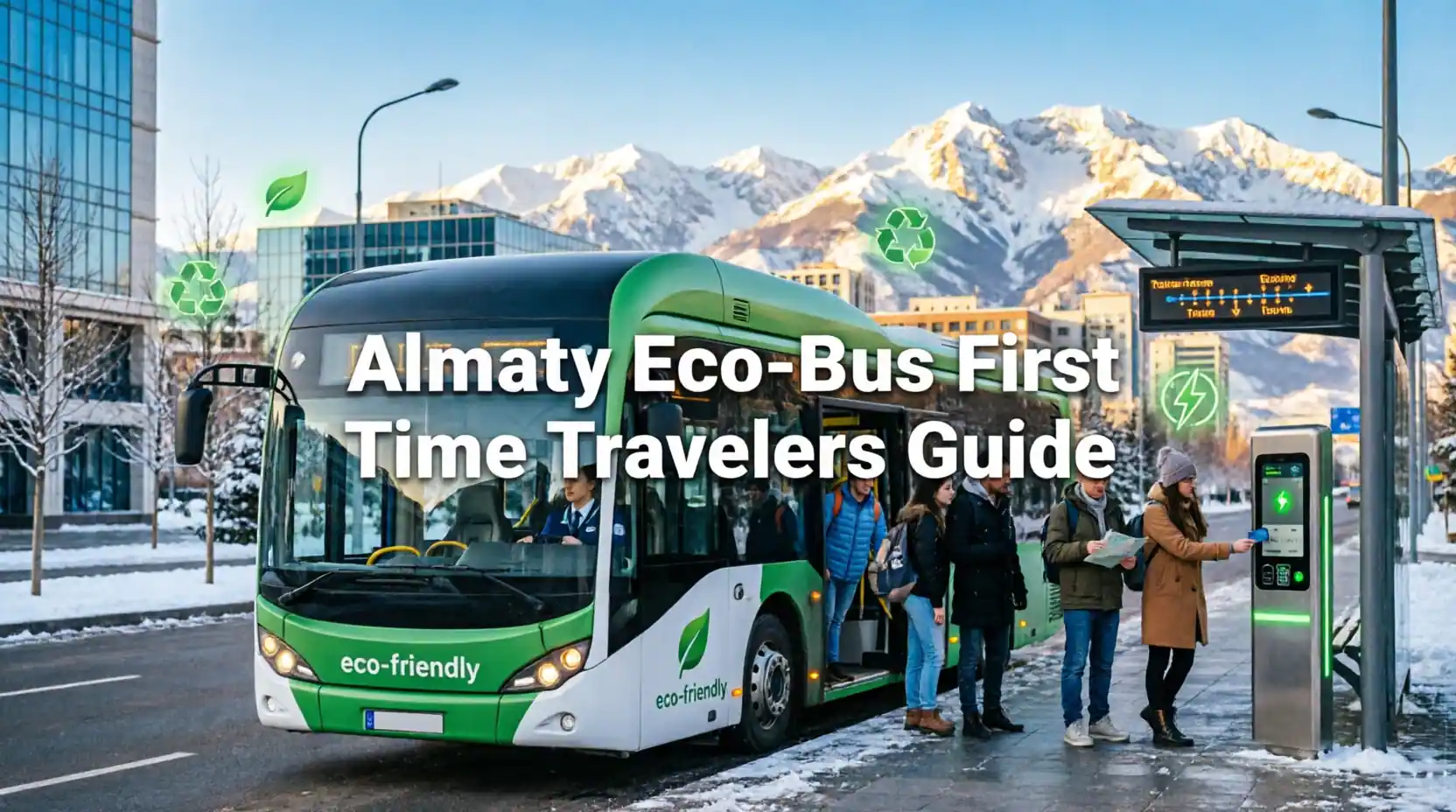
Introduction to Almaty Eco-Buses
Almaty's eco-bus system represents Kazakhstan's commitment to sustainable urban transportation.
These modern electric and hybrid buses provide clean, efficient travel throughout the city.
First-time visitors can navigate Almaty easily using this expanding eco-friendly network.
Understanding how eco-buses work enhances your travel experience while supporting environmental goals.
This comprehensive guide prepares you for seamless eco-bus travel in Kazakhstan's largest city.
What Are Almaty Eco-Buses

Eco-buses in Almaty are modern electric and hybrid vehicles replacing traditional diesel buses.
These vehicles produce zero or reduced emissions contributing to cleaner urban air quality.
The fleet includes fully electric buses and compressed natural gas CNG hybrid models.
Eco-buses feature modern amenities including air conditioning, USB charging ports, and comfortable seating.
The system operates on major routes connecting residential areas with business districts and attractions.
Types of Eco-Buses in Service
Fully electric buses operate on high-traffic routes with zero emissions and quiet operation.
Hybrid CNG buses combine natural gas and electric power for improved efficiency.
Standard capacity buses seat 80-100 passengers with standing room during peak hours.
Articulated buses serve busiest routes with extended capacity up to 150 passengers.
All buses feature low-floor design facilitating easy boarding for all passengers.
Environmental Benefits
Eco-buses reduce air pollution by eliminating or minimizing harmful exhaust emissions.
Noise pollution decreases significantly with electric motor operation compared to diesel engines.
Carbon footprint reduction supports Almaty's climate action and sustainability goals.
Improved air quality benefits public health especially in densely populated urban areas.
Modern technology demonstrates Kazakhstan's commitment to green transportation infrastructure.
Eco-Bus Routes and Coverage

Almaty's eco-bus network covers major corridors throughout the city with expanding coverage.
Routes connect key destinations including business centers, shopping areas, and residential neighborhoods.
Understanding route numbers and destinations helps plan efficient journeys.
Service frequency varies by route and time of day with peak hour enhancements.
Route maps and real-time information available through mobile apps and bus stop displays.
Major Eco-Bus Routes
Route 1 connects city center with northern residential districts via main avenues.
Route 2 serves eastern corridors linking universities and commercial areas.
Route 3 covers western routes including access to recreational areas and parks.
Route 4 operates on southern corridors connecting metro stations with suburban areas.
Express routes provide faster service on high-demand corridors with limited stops.
Service Hours and Frequency
Most eco-bus routes operate from 6 AM to 11 PM daily.
Peak hours 7-9 AM and 5-7 PM feature increased frequency every 5-10 minutes.
Off-peak service runs every 15-20 minutes on most routes.
Weekend service maintains regular schedule though some routes may have reduced frequency.
Holiday schedules may vary check route information before traveling on public holidays.
Payment Methods and Fares

Almaty eco-buses accept multiple payment methods for passenger convenience.
Understanding payment options before boarding ensures smooth travel experience.
Fare structure is affordable with discounts for frequent users and special groups.
Cash payments accepted though contactless methods recommended for speed and convenience.
Mobile payment options increasingly available through smartphone applications.
Fare Structure
Single ride fare costs approximately 80-100 tenge depending on route type.
Express routes may charge slightly higher fares around 120-150 tenge per ride.
Transfer tickets available allowing one free transfer within 60 minutes of first validation.
Monthly unlimited ride passes cost around 5000-7000 tenge for frequent commuters.
Student and pensioner discounts available with valid identification cards.
Payment Options
Onboard card readers accept contactless bank cards Visa, Mastercard, and local cards.
Almaty transport card provides discounted fares and convenient tap-and-go payment.
Mobile apps like 2GIS and Yandex Transport enable QR code ticket purchases.
Cash payment accepted by driver though exact change appreciated for efficiency.
Transport cards available for purchase at metro stations, kiosks, and designated shops.
How to Board and Use Eco-Buses

Boarding Almaty eco-buses follows standard public transportation procedures.
Understanding proper etiquette and procedures ensures smooth travel for all passengers.
Accessibility features accommodate passengers with disabilities and special needs.
Safety guidelines protect passengers and maintain orderly travel conditions.
These practical steps prepare you for confident eco-bus travel.
Boarding Procedures
Enter through front door and validate ticket or payment immediately upon boarding.
Hold transport card or bank card near card reader until beep confirms payment.
If paying cash give exact fare to driver when possible for faster boarding.
Move inside bus to allow space for other passengers boarding behind you.
Priority seating near front reserved for elderly, pregnant women, and passengers with disabilities.
During the Ride
Hold handrails when standing as buses may stop or start suddenly.
Keep aisles clear of bags and personal items for passenger safety and movement.
Use designated buttons or pull cords to signal driver when approaching your stop.
Keep voice volume moderate respecting other passengers during journey.
Offer priority seats to those in need demonstrating consideration and local customs.
Exiting the Bus
Press stop button or pull cord one stop before your destination.
Move toward rear or middle doors for exiting when possible.
Wait for bus to come complete stop before standing to exit.
Exit through middle or rear doors unless front door is only option.
Check for bicycles or scooters when stepping off the bus.
Navigating Routes and Stops

Successfully navigating Almaty's eco-bus system requires understanding routes and stops.
Multiple tools and resources help plan journeys and track bus locations.
Bus stops feature signage with route information and schedules.
Real-time tracking apps provide accurate arrival predictions and service updates.
These navigation strategies ensure you reach destinations efficiently.
Identifying Bus Stops
Bus stops marked with green and white signs displaying route numbers.
Electronic displays at major stops show real-time arrival information.
Stop names displayed in Kazakh and Russian languages.
Route maps posted at stops showing all stops along the route.
Major transfer points feature covered waiting areas and multiple route information.
Planning Your Journey
2GIS app provides comprehensive route planning with eco-bus options highlighted.
Yandex Transport offers real-time bus tracking and journey planning features.
Google Maps includes Almaty public transportation with eco-bus route information.
Official Almaty transport website publishes route maps and schedule updates.
Plan journeys allowing extra time during peak hours for potential delays.
Understanding Route Numbers
Routes numbered 1-99 typically serve central and high-traffic corridors.
Routes 100-199 connect outer districts with city center.
Express routes marked with letter E or labeled as express on signage.
Night routes may have different numbering or N prefix for late service.
Route information displays show final destination helping confirm correct bus.
Mobile Apps and Digital Tools

Digital tools enhance eco-bus travel experience with real-time information and convenience.
Mobile apps provide journey planning, live tracking, and mobile ticketing options.
Understanding available apps maximizes efficiency and reduces travel uncertainty.
Digital payment integration simplifies fare payment and reduces need for cash.
These technological resources make eco-bus travel more accessible for visitors.
Essential Transportation Apps
2GIS most popular app in Kazakhstan offering detailed maps and route planning.
Features include offline maps, real-time bus locations, and journey time estimates.
Yandex Transport provides live bus tracking with arrival predictions and service alerts.
Google Maps integrates Almaty public transit with walking directions to stops.
Download apps before arrival ensuring functionality without immediate internet access.
Digital Payment Integration
Apps enable QR code ticket purchases eliminating need for physical cards.
Mobile wallet integration allows contactless payment through smartphone.
Some apps offer journey history and expense tracking for budget management.
Push notifications alert users to service disruptions or route changes.
Multi-language support in apps assists international travelers with navigation.
Tips for First-Time Users

First-time eco-bus users benefit from practical tips and local knowledge.
Understanding common challenges and solutions prevents travel frustrations.
Cultural awareness enhances interactions with drivers and fellow passengers.
Preparation and flexibility accommodate the realities of urban public transportation.
These insider tips ensure positive first experiences with Almaty eco-buses.
Practical Travel Tips
Carry small denomination tenge notes for cash payments and emergencies.
Download offline maps as backup when mobile data unavailable.
Allow extra time for first journeys while learning the system.
Keep transport card or payment method easily accessible for quick validation.
Observe local passengers for cues about boarding, payment, and exiting procedures.
Peak Hour Strategies
Avoid peak hours 7-9 AM and 5-7 PM when possible for more comfortable travel.
If traveling during rush hour position yourself near doors for easier exit.
Keep bags on lap or under seat avoiding aisle obstruction during crowded conditions.
Consider alternative routes or express buses that may be less crowded.
Patience essential during peak times as buses fill quickly and move slowly.
Cultural Etiquette
Greet driver with simple hello or nod when boarding showing respect.
Offer seats to elderly passengers, pregnant women, or those with children.
Keep conversations at moderate volume respecting shared public space.
Avoid eating strong-smelling foods on board maintaining pleasant environment.
Thank driver when exiting though not required appreciated as courtesy.
Safety and Security

Almaty eco-buses maintain good safety standards though awareness remains important.
Understanding safety features and precautions ensures secure travel experiences.
Emergency procedures and contacts provide reassurance for unexpected situations.
Personal security measures protect belongings and personal safety during travel.
These safety guidelines promote confident and secure eco-bus travel.
Onboard Safety Features
Security cameras installed on all eco-buses monitoring passenger areas.
Emergency exit hammers located near windows clearly marked for emergency use.
Fire extinguishers accessible to driver for emergency response.
Emergency intercom or button allows communication with driver if needed.
Well-lit interiors enhance visibility and security during evening travel.
Personal Safety Tips
Keep bags and valuables in front of you visible at all times.
Avoid displaying expensive items like phones, cameras, or jewelry prominently.
Sit near driver or other passengers rather than isolated areas especially at night.
Be aware of surroundings and trust instincts if situation feels uncomfortable.
Use well-lit, busy bus stops especially during evening and night hours.
Emergency Contacts
Emergency number 112 for police, ambulance, and fire services throughout Kazakhstan.
Transport police can be reached at 102 for incidents on public transportation.
Lost and found services available through Almaty transport authority.
Keep embassy or consulate contact information accessible during travel.
Hotel contact information helpful for directions if you become lost.
Accessibility Features

Almaty eco-buses designed with accessibility in mind for all passengers.
Features accommodate passengers with disabilities, elderly travelers, and families.
Understanding accessibility options ensures comfortable travel for everyone.
Staff training and passenger courtesy support inclusive transportation environment.
These accessibility features demonstrate commitment to equitable public transportation.
Physical Accessibility
Low-floor design eliminates steps facilitating wheelchair and stroller boarding.
Ramps deploy automatically or manually for wheelchair access at designated stops.
Priority seating areas near front with space for wheelchairs and mobility devices.
Wide aisles accommodate movement throughout the bus interior.
Audio announcements of stops assist passengers with visual impairments.
Assistance and Support
Drivers trained to assist passengers with disabilities though English may be limited.
Priority seating clearly marked though enforcement relies on passenger courtesy.
Companions may assist passengers with disabilities during boarding and exiting.
Service animals permitted on eco-buses with proper documentation.
Report accessibility issues to transport authority for system improvements.
Seasonal Considerations

Almaty's continental climate creates distinct seasonal conditions affecting eco-bus travel.
Understanding seasonal variations helps prepare for comfortable year-round travel.
Weather impacts service frequency, crowding, and travel times.
Seasonal adjustments to clothing and timing enhance travel comfort.
These seasonal insights optimize eco-bus travel throughout the year.
Winter Travel November to March
Cold temperatures require warm clothing and gloves for waiting at stops.
Snow and ice may cause delays and route adjustments during winter storms.
Buses heated though boarding areas may be cold dress in layers.
Daylight hours shorter plan travel accounting for earlier darkness.
Winter boots with good traction essential for safe boarding and exiting on ice.
Summer Travel May to September
Warm weather makes air-conditioned eco-buses welcome relief from heat.
Peak tourist season may increase crowding on popular routes.
Longer daylight hours extend comfortable travel times into evening.
Carry water for hydration though eating on buses discouraged.
Light clothing appropriate though bring light jacket for air-conditioned buses.
Environmental Impact and Sustainability

Almaty's eco-bus program represents significant commitment to urban sustainability.
Understanding environmental benefits reinforces value of choosing public transportation.
Eco-buses contribute to broader climate action and air quality improvement goals.
Passenger choices support sustainable urban development and reduced emissions.
These environmental considerations highlight importance of eco-bus system.
Emission Reduction
Electric buses produce zero tailpipe emissions eliminating local air pollution.
Hybrid CNG buses reduce carbon emissions by 20-30 percent compared to diesel.
Annual emission reductions measured in thousands of tons of CO2 equivalent.
Improved air quality benefits public health especially for vulnerable populations.
Noise reduction creates quieter, more pleasant urban environment.
Sustainable Transportation Choices
Choosing eco-buses over private vehicles reduces individual carbon footprint significantly.
Public transportation efficiency moves more people with less energy per passenger.
Supporting eco-bus system encourages continued investment in green infrastructure.
Combining eco-bus with walking or cycling creates fully sustainable journey.
Visitor participation demonstrates support for Almaty's sustainability initiatives.
Common Challenges and Solutions

First-time eco-bus users may encounter predictable challenges.
Understanding common issues and solutions prevents travel disruptions.
Preparation and flexibility accommodate the realities of urban public transportation.
Local knowledge and resources help overcome language and navigation barriers.
These solutions ensure smooth eco-bus travel experiences.
Language Barriers
Route information primarily in Kazakh and Russian with limited English.
Solution: Use translation apps like Google Translate for stop names and signs.
Solution: Download 2GIS app with English interface for route planning.
Solution: Learn basic Russian or Kazakh phrases for common travel needs.
Solution: Ask hotel staff to write destination in local language before departure.
Payment Issues
Card readers occasionally malfunction or fail to read cards.
Solution: Always carry backup cash in small denominations.
Solution: Have multiple payment methods available card, cash, mobile app.
Solution: If reader fails inform driver and use alternative payment method.
Solution: Purchase transport card in advance as reliable payment option.
Navigation Confusion
Complex route network and unfamiliar stops create navigation challenges.
Solution: Use real-time tracking apps to monitor bus location and arrival.
Solution: Set phone alarms or app notifications for approaching stops.
Solution: Ask driver or passengers for assistance confirming your stop.
Solution: Study route map before boarding noting landmarks near your destination.
Conclusion and Final Recommendations

Almaty's eco-bus system provides efficient, sustainable transportation for residents and visitors.
Understanding payment methods, routes, and etiquette ensures positive travel experiences.
Mobile apps and digital tools simplify navigation and payment for first-time users.
Choosing eco-buses supports environmental sustainability while exploring the city affordably.
With proper preparation eco-bus travel becomes convenient and enjoyable way to experience Almaty.
0 Comments