.webp)
.webp)
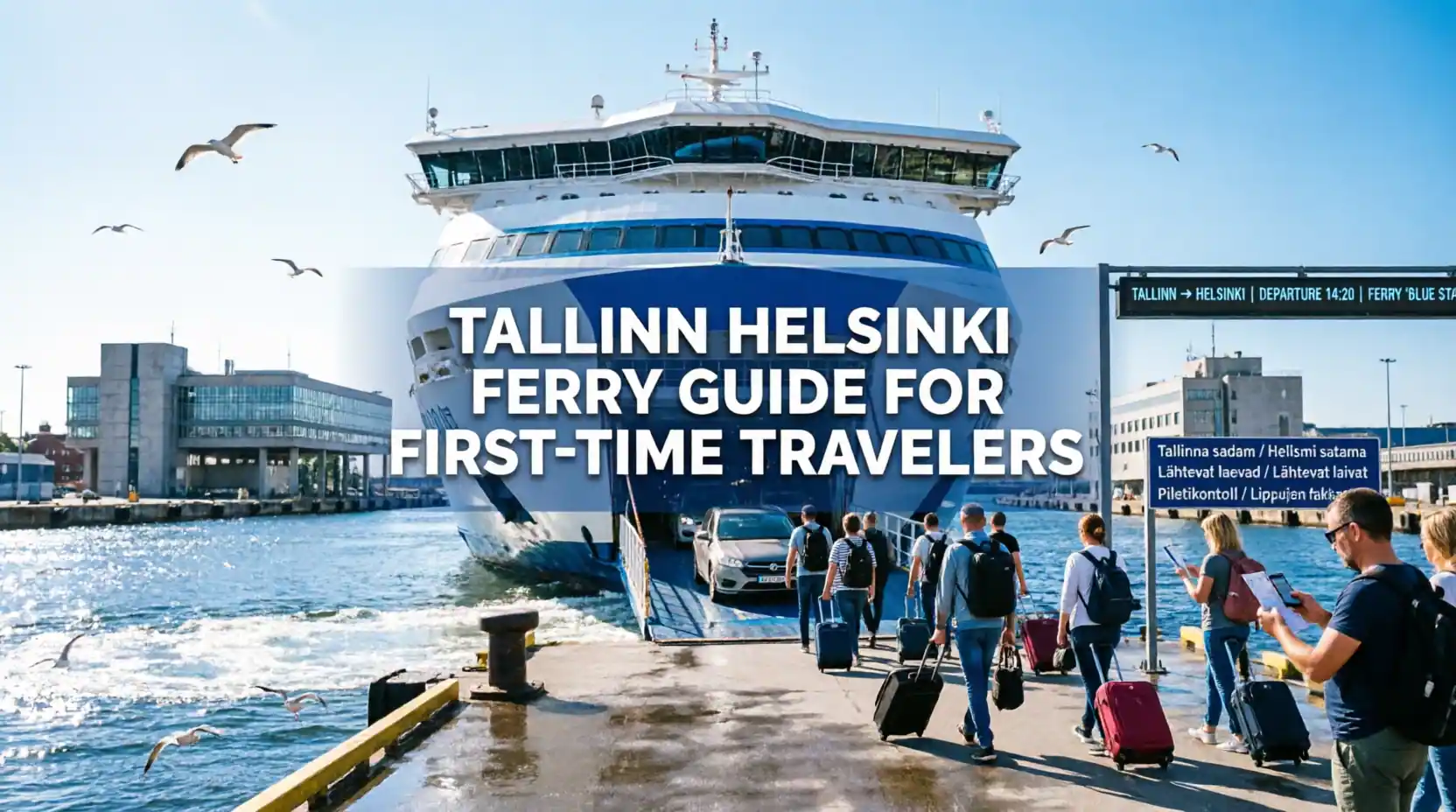
Understanding the Tallinn-Helsinki Ferry Connection
The Tallinn-Helsinki ferry route represents one of the Baltic Sea's busiest and most scenic passenger connections. This 80-kilometer crossing links Estonia's charming capital with Finland's vibrant metropolis in just two to three hours.
Over 10 million passengers travel this route annually making it one of Europe's most popular ferry corridors. The connection serves tourists, business travelers, and locals maintaining ties between the two nations.
Multiple ferry operators compete on this route providing frequent departures throughout the day and night. Modern vessels offer amenities ranging from basic seating to luxury cabins and gourmet dining.
First-time travelers often feel overwhelmed by terminal choices, booking options, and operator differences. Understanding these elements ensures smooth crossings and optimal experiences.
This comprehensive guide navigates every aspect of the Tallinn-Helsinki ferry journey. You will learn about operators, terminals, booking strategies, onboard experiences, and practical tips for stress-free crossings.
Why the Tallinn-Helsinki Route Matters for Baltic Travel

The Tallinn-Helsinki connection serves as a gateway to Baltic exploration. This route enables efficient multi-country itineraries combining Estonian and Finnish experiences.
Ferry travel offers advantages over flying including city-center to city-center connections. No airport security hassles or distant terminals complicate your journey.
Scenic Baltic Sea crossings provide memorable travel experiences. Coastal views, wildlife sightings, and maritime atmosphere enhance the journey beyond mere transportation.
Cost-effective ferry options suit various budgets. From budget-friendly deck passage to luxurious suites, pricing accommodates different travel styles.
The route's frequency enables spontaneous travel and flexible scheduling. Multiple daily departures mean you are never stranded waiting for the next connection.
What Makes This Ferry Route Unique?
The Tallinn-Helsinki crossing ranks among the world's shortest international ferry routes between capital cities. This efficiency makes day trips and weekend getaways entirely feasible.
Modern vessels rival cruise ships in amenities and comfort. Shopping, dining, entertainment, and relaxation facilities transform crossings into mini-vacations.
Cultural connections between Estonia and Finland run deep. Shared linguistic roots and historical ties create natural affinity between the nations.
Year-round operations ensure reliable connections regardless of season. Ice-breaking capabilities maintain schedules even during harsh Baltic winters.
Major Ferry Operators on the Tallinn-Helsinki Route
Three primary operators dominate the Tallinn-Helsinki ferry market. Each company offers distinct advantages, vessel types, and service levels.
Tallink Silja Line
Tallink Silja represents the largest operator on this route with multiple daily departures. The company operates modern fast ferries and larger cruise ships.
Fast ferry services complete the crossing in approximately two hours. These vessels prioritize speed and efficiency ideal for day trips and business travel.
Larger cruise ferries offer overnight crossings with full amenities. Cabins, restaurants, shops, and entertainment create comprehensive travel experiences.
Tallink's Star and Superstar vessels feature contemporary design and facilities. These ships balance speed with comfort providing excellent value.
Viking Line
Viking Line operates the Viking XPRS on the Tallinn-Helsinki route. This modern vessel combines speed with comprehensive onboard services.
Viking Line emphasizes Scandinavian design and hospitality. Clean aesthetics and efficient service characterize the Viking experience.
Competitive pricing and frequent promotions attract budget-conscious travelers. The company regularly offers package deals including accommodation and meals.
Viking XPRS completes crossings in approximately two hours fifteen minutes. This schedule balances speed with passenger comfort and safety.
Eckerö Line
Eckerö Line operates the Finlandia providing reliable service between Tallinn and Helsinki. This established carrier focuses on value and consistency.
Eckerö often offers the most competitive pricing on the route. Budget travelers frequently choose this operator for cost savings.
The Finlandia features comfortable seating, dining options, and shopping. While smaller than some competitors, the vessel provides essential amenities.
Crossing times average two hours thirty minutes. Slightly longer journeys reflect the vessel's design prioritizing stability and efficiency.
Choosing the Right Operator
Consider your priorities when selecting a ferry operator. Speed, price, amenities, and schedule all influence the optimal choice.
Day trippers benefit from fast ferry services maximizing time in destinations. Business travelers prioritize schedule reliability and efficiency.
Leisure travelers enjoying onboard experiences may prefer larger cruise ferries. Overnight crossings with cabins transform travel into part of the vacation.
Budget constraints naturally guide operator selection. Comparing prices across operators often reveals significant savings opportunities.
Ferry Terminals in Tallinn and Helsinki
Understanding terminal locations and facilities prevents confusion and stress. Both cities feature multiple terminals serving different operators.
Tallinn Terminals
Tallinn's passenger port consists of four terminals labeled A through D. Different operators use specific terminals requiring attention when booking.
Terminal A serves Tallink Silja fast ferries and some cruise ships. This modern facility features efficient check-in and boarding processes.
Terminal B handles Tallink Silja larger vessels and overnight ferries. The terminal provides comfortable waiting areas and basic services.
Terminal D accommodates Viking Line and Eckerö Line services. This terminal underwent recent renovations improving passenger facilities.
All Tallinn terminals locate within walking distance of the Old Town. The 20 to 30-minute walk or short taxi ride provides convenient city access.
Helsinki Terminals
Helsinki's West Terminal complex serves Tallinn ferry traffic exclusively. The modern facility comprises multiple buildings labeled A, B, and C.
Terminal A handles Viking Line and Eckerö Line arrivals and departures. This building features shopping, dining, and comfortable waiting areas.
Terminal B serves Tallink Silja operations with comprehensive facilities. Restaurants, shops, and services cater to passenger needs.
Terminal C accommodates additional Tallink Silja traffic during peak periods. The terminal provides essential services though fewer amenities than A and B.
Helsinki's West Terminal locates approximately 2 kilometers from the city center. Tram number 9 provides direct connection to central Helsinki in 15 minutes.
Terminal Facilities and Services
Both Tallinn and Helsinki terminals offer essential passenger services. Waiting areas, restrooms, cafes, and information desks assist travelers.
Luggage storage facilities enable exploration before or after crossings. Storage fees range from 5 to 10 euros depending on duration and size.
Free WiFi availability varies by terminal and operator. Purchasing onboard WiFi packages ensures connectivity during crossings.
Currency exchange services exist though rates favor city-center options. ATMs provide better exchange rates than terminal kiosks.
Booking Strategies and Ticket Options
Smart booking strategies save money and ensure optimal travel experiences. Understanding ticket types and timing maximizes value.
When to Book Ferry Tickets
Advance booking provides significant savings especially for peak season travel. Summer months and holidays see increased demand and higher prices.
Last-minute bookings remain possible though prices increase substantially. Flexible travelers may find deals on less popular departure times.
Weekday crossings typically cost less than weekend departures. Tuesday through Thursday travel offers best value for budget-conscious passengers.
Overnight ferry cabins require advance reservation particularly in summer. Limited cabin inventory sells out weeks ahead during peak periods.
Ticket Types and Pricing
Standard passenger tickets include seat access and basic facilities. Prices range from 15 to 40 euros one-way depending on operator and timing.
Premium seating options provide enhanced comfort and amenities. Business class or club lounge access costs 20 to 50 euros additional.
Cabin bookings transform crossings into comfortable overnight experiences. Interior cabins start around 50 euros while suites exceed 200 euros.
Vehicle transport adds significant cost but enables flexible exploration. Car ferry tickets range from 50 to 150 euros depending on vehicle size and season.
Discount Programs and Promotions
Operator loyalty programs reward frequent travelers with discounts and perks. Tallink Silja Club and Viking Line Club provide member benefits.
Student, senior, and child discounts reduce ticket costs substantially. Valid identification proves eligibility for reduced fares.
Group bookings for ten or more passengers qualify for discounts. Organized groups save 10 to 20 percent on standard fares.
Package deals combining ferry tickets with hotels or attractions offer value. Tourist cards and city break packages simplify planning while reducing costs.
Online Booking Platforms
Direct booking through operator websites provides best prices and flexibility. Official sites display all available options and current promotions.
Third-party platforms like Directferries enable price comparisons across operators. These aggregators simplify shopping though may charge booking fees.
Mobile apps offer convenient booking and ticket management. Digital tickets eliminate printing requirements and reduce environmental impact.
Booking confirmation emails contain essential travel information. Save or print confirmations including booking references and boarding instructions.
Preparing for Your Ferry Crossing
Proper preparation ensures smooth boarding and comfortable crossings. These practical considerations enhance your ferry experience.
Required Documentation
Valid passport or national ID card proves essential for border crossings. EU citizens may use national ID cards while non-EU travelers require passports.
Visa requirements depend on nationality and travel purpose. Schengen Area rules govern entry to both Estonia and Finland.
Vehicle registration and insurance documents needed for car transport. International driving permits may be required for non-EU license holders.
Booking confirmations and tickets facilitate check-in processes. Digital or printed copies both acceptable though backups prevent technology failures.
What to Pack for the Journey
Layered clothing accommodates varying temperatures onboard. Air-conditioned interiors contrast with potentially cool deck areas.
Entertainment options include books, devices, or simply enjoying sea views. WiFi availability varies making offline entertainment advisable.
Snacks and beverages reduce onboard spending though dining options exist. Ferry restaurants and cafes offer quality though premium-priced food.
Motion sickness medication helps sensitive travelers during rough seas. Baltic crossings typically calm though weather occasionally creates challenging conditions.
Arrival Timing and Check-in
Arrive at terminals 45 to 60 minutes before scheduled departure. This timing allows check-in, security procedures, and boarding without rushing.
Vehicle passengers must arrive earlier for loading procedures. Car check-in typically closes 30 minutes before departure requiring extra time.
Check-in counters verify tickets and issue boarding passes. Staff provide gate information and boarding instructions during this process.
Security screening resembles airport procedures though less intensive. Luggage scanning and metal detectors ensure passenger safety.
Onboard Experience and Amenities
Modern Baltic ferries offer extensive amenities transforming crossings into enjoyable experiences. Understanding available facilities maximizes your journey.
Seating and Accommodation Options
Standard seating includes comfortable airline-style seats in lounges. These areas feature tables, charging points, and sea views.
Premium lounges provide enhanced comfort with complimentary refreshments. Business class or club access costs extra though offers quieter environments.
Cabins range from basic interior rooms to luxurious suites with balconies. Overnight crossings particularly benefit from private cabin accommodations.
Reclining seats in designated rest areas offer budget sleep options. These spaces provide more comfort than standard seating though less privacy than cabins.
Dining and Shopping Facilities
Buffet restaurants serve international and Nordic cuisine at reasonable prices. All-you-can-eat options provide good value for hungry travelers.
A la carte restaurants offer refined dining experiences with local specialties. Reservations recommended for popular dinner time slots.
Cafes and fast-food outlets provide quick meals and refreshments. Coffee, pastries, sandwiches, and snacks available throughout crossings.
Tax-free shops feature alcohol, tobacco, cosmetics, and confectionery. Competitive prices attract shoppers though selection varies by vessel.
Entertainment and Relaxation
Duty-free shopping occupies significant vessel space with diverse products. Alcohol, perfume, electronics, and souvenirs available at competitive prices.
Children's play areas keep young travelers entertained during crossings. Supervised facilities enable parents to relax while children play safely.
Bars and nightclubs operate on evening and overnight crossings. Live music, DJs, and dancing create party atmospheres on select sailings.
Outdoor decks provide fresh air and scenic Baltic Sea views. Photography opportunities abound though weather determines deck accessibility.
Connectivity and Work Facilities
WiFi packages enable internet access during crossings though speeds vary. Business travelers may find connectivity adequate for email though insufficient for video calls.
Power outlets and USB charging points exist throughout vessels. Device charging ensures connectivity upon arrival though outlets may be limited.
Quiet zones and work-friendly areas accommodate business travelers. These spaces provide conducive environments for laptop work and reading.
Immigration and Customs Procedures
Understanding border formalities prevents delays and complications. Both Estonia and Finland belong to the Schengen Area simplifying procedures.
Schengen Area Implications
Schengen membership eliminates routine passport controls between Estonia and Finland. EU citizens experience seamless crossings without border checks.
Non-EU travelers may face occasional identity verification. Random checks ensure security though rarely cause significant delays.
Customs declarations required for goods exceeding duty-free allowances. Alcohol, tobacco, and currency have specific limits requiring attention.
Prohibited items include weapons, certain foods, and protected species products. Familiarize yourself with regulations to avoid confiscation or fines.
Duty-Free Allowances
Alcohol allowances permit limited quantities tax-free. Typically one liter of spirits or four liters of wine plus sixteen liters of beer.
Tobacco products allowed in quantities of 200 cigarettes or equivalent. Exceeding limits requires declaration and duty payment.
Currency declarations mandatory for amounts exceeding 10,000 euros. This regulation applies to cash, checks, and monetary instruments.
Personal goods and reasonable quantities of other items generally permitted. Commercial quantities may face scrutiny and taxation.
Transportation to and From Terminals
Efficient terminal access completes your journey smoothly. Understanding transportation options in both cities prevents stress.
Reaching Tallinn Terminals
Walking from Old Town takes 20 to 30 minutes depending on terminal. This free option provides exercise and orientation though challenging with luggage.
Tram number 2 connects city center to passenger port efficiently. The 10-minute ride costs 2 euros and runs frequently throughout the day.
Taxis provide door-to-door convenience for 8 to 12 euros. Ride-hailing apps like Bolt operate reliably in Tallinn with competitive pricing.
Public buses serve all terminals with regular schedules. Routes 1, 2, and 90 connect various city areas to the port.
Reaching Helsinki City Center
Tram number 9 provides direct connection from West Terminal to center. The 15-minute ride costs 3 euros and runs every 10 to 15 minutes.
Walking takes 25 to 35 minutes depending on destination and fitness. This scenic route passes through waterfront areas and urban neighborhoods.
Taxis cost 15 to 25 euros for city center transfers. Fixed-price airport-style services available though metered taxis also operate.
Public buses complement tram services with broader coverage. Routes 16 and 18 connect terminals to various Helsinki districts.
Parking Options for Drivers
Terminal parking facilities charge premium rates for short-term stays. Daily rates range from 20 to 35 euros depending on location and duration.
Off-site parking with shuttle service offers cost savings. Facilities 2 to 3 kilometers from terminals charge 10 to 15 euros daily.
Long-term parking requires advance reservation during peak seasons. Summer months see high demand for extended parking spaces.
Public transportation access reduces parking needs and costs. Helsinki and Tallinn both feature excellent public transit systems.
Special Considerations for Different Travelers
Various traveler types face unique considerations when using Tallinn-Helsinki ferries. Tailoring your approach optimizes experiences.
Family Travel with Children
Family cabins provide space and convenience for parents with children. Booking interconnected rooms or family suites simplifies overnight crossings.
Children's entertainment facilities keep young travelers engaged. Play areas, kids' clubs, and family-friendly dining options exist on larger vessels.
Stroller accessibility varies by vessel though most accommodate families. Elevators and wide corridors facilitate movement though boarding ramps may challenge strollers.
Child ticket discounts reduce costs significantly. Children under certain ages travel free or at reduced rates depending on operator policies.
Business Travel Efficiency
Fast ferry services minimize travel time for business schedules. Morning departures enable same-day meetings and returns.
Business class lounges provide quiet work environments. Complimentary refreshments and WiFi support productivity during crossings.
Loyalty program membership accelerates boarding and provides perks. Frequent business travelers benefit from priority services and accumulated rewards.
Flexible tickets accommodate schedule changes without penalties. Business travelers facing uncertain schedules should invest in changeable fares.
Budget Travel Strategies
Off-peak travel times offer substantial savings over prime departures. Early morning or late evening crossings often cost less than midday sailings.
Deck passage without cabin booking minimizes accommodation costs. Reclining seats provide adequate rest for budget-conscious overnight travelers.
Bringing your own food and beverages reduces onboard spending. Ferry policies typically permit outside food though alcohol restrictions may apply.
Group bookings and advance purchases maximize discounts. Planning ahead and traveling with companions reduces per-person costs significantly.
Accessibility and Mobility Considerations
All modern ferries provide wheelchair accessibility and assistance. Elevators, accessible cabins, and adapted facilities accommodate mobility challenges.
Advance notification enables staff preparation for special needs. Contacting operators before travel ensures appropriate assistance availability.
Priority boarding assists passengers with reduced mobility. Early boarding prevents crowding and provides time for comfortable settling.
Accessible parking spaces locate near terminal entrances. Reserved spaces facilitate easier terminal access for drivers with disabilities.
Seasonal Variations and Weather Considerations
Baltic Sea conditions vary dramatically by season affecting ferry experiences. Understanding seasonal patterns enables appropriate planning.
Summer Travel June to August
Peak tourist season brings crowded vessels and higher prices. Booking well in advance essential for securing preferred departures and cabins.
Extended daylight hours create midnight sun phenomena in June. Evening crossings feature spectacular lighting and extended sightseeing opportunities.
Warm weather enables comfortable deck access and outdoor enjoyment. Outdoor seating, sunbathing, and photography flourish during summer crossings.
Increased frequency of departures accommodates tourist demand. Summer schedules feature additional sailings though still require advance booking.
Autumn Travel September to November
Shoulder season offers reduced crowds and competitive pricing. September and early October provide excellent value with pleasant weather.
Autumn colors create scenic coastal and maritime photography opportunities. Forest and island landscapes display vibrant reds, oranges, and yellows.
Weather becomes increasingly unpredictable with rougher seas possible. Motion-sensitive travelers should prepare medication for potentially choppy crossings.
Reduced departure frequency begins in late autumn. Schedule adjustments require attention when planning October and November travel.
Winter Travel December to February
Low season provides best prices and minimal crowds. Budget travelers find excellent value though some amenities may have reduced hours.
Ice-breaking capabilities maintain schedules despite frozen seas. Modern ferries navigate ice conditions though crossings may take slightly longer.
Cold weather limits deck access though indoor facilities remain comfortable. Heated lounges, restaurants, and cabins provide warm environments.
Christmas and New Year crossings feature festive atmospheres. Holiday decorations, special menus, and celebrations create unique travel experiences.
Spring Travel March to May
Increasing daylight and warming temperatures improve travel conditions. Spring crossings balance reasonable prices with improving weather.
Ice melt creates dynamic sea conditions and wildlife activity. Bird migrations and marine life become more visible during spring crossings.
Easter and May holidays increase demand requiring advance booking. Religious and national holidays attract travelers necessitating early reservations.
Gradual schedule expansion accommodates growing tourist numbers. May frequencies approach summer levels preparing for peak season.
Common Mistakes and How to Avoid Them
First-time ferry travelers often make predictable errors. Learning from others' experiences prevents unnecessary complications.
Booking and Documentation Errors
Failing to verify terminal locations causes missed departures. Tallinn and Helsinki both have multiple terminals requiring careful attention to booking details.
Neglecting passport validity requirements creates border problems. Ensure documents remain valid for at least three months beyond travel dates.
Overlooking vehicle height or length restrictions causes boarding denials. Measure vehicles accurately and declare dimensions when booking car transport.
Assuming all ferries operate identical schedules creates confusion. Different operators and vessel types maintain varying timetables requiring verification.
Timing and Logistics Mistakes
Arriving too close to departure time risks missing the ferry. Check-in closes before departure requiring buffer time for procedures.
Underestimating city-to-terminal travel time causes stress. Traffic, public transport delays, and parking challenges necessitate early departures from city centers.
Not accounting for time zone differences creates scheduling errors. Estonia and Finland share Eastern European Time though daylight saving transitions may differ.
Assuming immediate city center access upon arrival overlooks transfer time. Factor in 30 to 45 minutes from terminal to central locations.
Onboard Experience Missteps
Not reserving cabins in advance leaves overnight travelers without accommodations. Summer cabin inventory sells out weeks ahead requiring early booking.
Overpacking creates luggage handling difficulties. Ferry storage space remains limited though generally adequate for reasonable luggage.
Ignoring seasickness warnings causes uncomfortable crossings. Even typically calm Baltic routes experience rough weather requiring medication preparation.
Missing duty-free shopping opportunities overlooks savings. Tax-free alcohol and tobacco prices significantly undercut land-based retail costs.
Maximizing Value and Experience
Strategic approaches enhance ferry travel value and enjoyment. These tips optimize your Tallinn-Helsinki crossing experience.
Money-Saving Strategies
Flexible travel dates enable selection of cheapest departures. Midweek and off-peak sailings often cost 30 to 50 percent less than prime times.
Round-trip tickets frequently offer discounts over one-way purchases. Even if uncertain of return timing, booking round-trip then changing dates may save money.
Loyalty program enrollment provides immediate and long-term benefits. Free membership accumulates points toward future discounts and perks.
Package deals combining ferry, hotel, and attractions simplify planning while reducing costs. Tourist boards and operators offer bundled experiences at competitive prices.
Comfort and Convenience Enhancements
Premium seating or lounge access justifies cost for longer crossings. Enhanced comfort, complimentary refreshments, and quieter environments improve experiences.
Cabin bookings for overnight crossings ensure restful arrivals. Shower facilities and beds transform journeys into productive rest periods.
Pre-booking restaurants guarantees preferred dining times. Popular venues fill quickly especially on evening and weekend crossings.
Priority boarding services reduce waiting and stress. Business class or premium ticket holders often receive expedited boarding privileges.
Creating Memorable Experiences
Deck photography during departure and arrival captures scenic moments. Coastal views, city skylines, and maritime activity provide excellent photo opportunities.
Sunset or sunrise crossings create atmospheric experiences. Timing departures with golden hours enhances visual enjoyment and photography.
Onboard entertainment and dining transform crossings into events. Live music, themed nights, and specialty restaurants add enjoyment beyond transportation.
Meeting fellow travelers enriches cultural experiences. Ferry lounges facilitate conversations with locals and tourists sharing travel insights.
Conclusion and Final Recommendations
The Tallinn-Helsinki ferry route offers efficient, scenic, and enjoyable transportation between two captivating Baltic capitals. Understanding operators, terminals, booking strategies, and onboard amenities ensures optimal experiences.
First-time travelers benefit from advance planning and realistic expectations. Booking ahead, arriving early, and preparing for various conditions prevents common pitfalls.
Multiple daily departures and competitive operators provide flexibility and value. Comparing options across Tallink Silja, Viking Line, and Eckerö Line reveals best choices for individual needs.
Seasonal considerations significantly impact pricing, crowds, and weather conditions. Summer offers optimal weather though higher costs while winter provides value with challenging conditions.
The ferry crossing itself represents more than transportation. Onboard amenities, duty-free shopping, dining, and Baltic Sea views create memorable travel experiences.
Whether pursuing day trips, weekend getaways, or extended Baltic exploration, the Tallinn-Helsinki ferry connection enables seamless travel between these fascinating destinations.
Book your ferry tickets in advance, pack appropriately for conditions, and embrace the maritime journey. Your Tallinn-Helsinki ferry crossing will become a highlight of Baltic travel adventures.
Safe travels and enjoyable crossings on one of Europe's most popular ferry routes. The Baltic Sea awaits your exploration via this efficient and scenic connection.
0 Comments