.webp)
.webp)
Understanding Fijian Cultural Etiquette
Fiji's rich cultural heritage centers on respect community and traditional protocols that have guided island life for centuries. For visitors understanding these customs proves essential for meaningful authentic experiences.
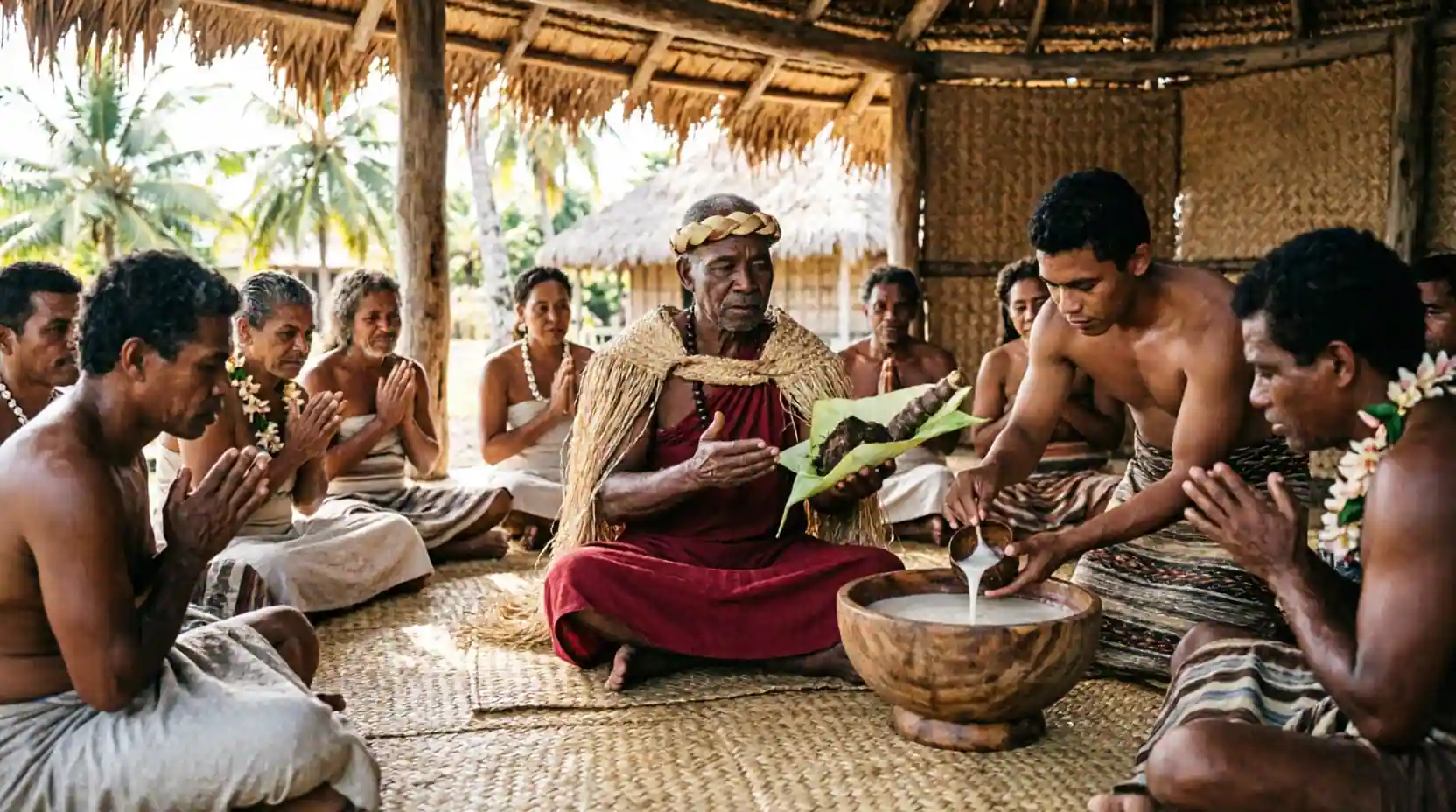
The sevusevu ceremony represents the cornerstone of Fijian hospitality a formal presentation that acknowledges village authority and seeks permission to enter communal spaces. This ritual embodies core Fijian values of respect humility and relationship building.
Kava drinking accompanies sevusevu and many social gatherings serving as both ceremonial practice and community bonding activity. Understanding kava protocols enables visitors to participate respectfully in this important cultural tradition.
This comprehensive guide explains everything travelers need to know about sevusevu ceremonies kava protocols and broader Fijian cultural etiquette enabling confident respectful engagement with Fijian communities in 2026.
Whether visiting villages attending ceremonies or simply interacting with Fijian hosts cultural awareness transforms tourism into meaningful cross-cultural exchange that benefits both visitors and communities.
What Is the Sevusevu Ceremony

The sevusevu ceremony serves as a formal introduction and request for acceptance when entering Fijian villages or participating in traditional gatherings.
Sevusevu involves presenting a gift typically dried kava root called yaqona to village elders or chiefs. This presentation acknowledges traditional authority and requests permission to enter the community space.
The ceremony follows established protocols including specific seating arrangements verbal exchanges and symbolic gestures that demonstrate respect for Fijian customs and hierarchy.
Participating in sevusevu proves required for village visits though the formality may vary depending on context. Tour groups often arrange ceremonies through guides while independent travelers should seek local guidance.
Understanding sevusevu's significance helps visitors approach the ceremony with appropriate mindset recognizing it as meaningful cultural practice rather than mere tourist performance.
When Sevusevu Is Required

Knowing when sevusevu applies prevents cultural missteps and ensures respectful engagement with Fijian communities.
Village visits always require sevusevu whether for tourism cultural exchange or personal reasons. Entering traditional spaces without proper presentation proves disrespectful.
Organized tours typically handle sevusevu arrangements though travelers should understand the process rather than treating it as passive observation.
Independent travelers visiting villages must arrange sevusevu through local contacts or guides. Attempting village entry without proper protocol risks causing offense.
Resort-based activities generally do not require sevusevu though cultural performances or village excursions organized by resorts will include appropriate ceremonies.
When in doubt ask local Fijian contacts or tour operators about sevusevu requirements. Demonstrating willingness to learn protocols proves appreciated by communities.
Preparing the Sevusevu Gift

Proper preparation of the sevusevu gift demonstrates respect and understanding of Fijian customs.
The traditional sevusevu gift consists of dried kava root called yaqona typically bundled in half-kilo or kilo quantities. Quality matters though exact specifications vary by region.
Kava for sevusevu can be purchased at markets in Suva Nadi or Lautoka. Reputable vendors provide appropriate bundles though asking for guidance ensures proper selection.
The cost of sevusevu kava typically ranges fifteen to forty Fijian dollars depending on quantity and quality. This investment supports local economies and demonstrates commitment to respectful engagement.
Present the kava bundle wrapped in cloth or traditional material though simple presentation proves acceptable. The gesture matters more than elaborate packaging.
Carry the sevusevu gift respectfully holding it with both hands during presentation. This physical gesture reinforces the ceremony's symbolic meaning.
The Sevusevu Ceremony Process

Understanding the sevusevu ceremony sequence enables confident participation and meaningful engagement with this important cultural practice.
Upon arrival visitors sit on woven mats in the village meeting area called the bure kalou or community house. Seating arrangements often reflect hierarchy with elders and chiefs in prominent positions.
The group spokesperson typically the tour leader or most senior visitor presents the kava bundle with both hands while offering a brief respectful speech in Fijian or English.
A traditional Fijian phrase like Ni sa bula vinaka hello and Au mai vakaraitaka na sevusevu I present this sevusevu proves appropriate though guides often assist with wording.
The village chief or elder accepts the gift responding with welcoming words that grant permission for the visit. This exchange formalizes the relationship between visitors and community.
Following acceptance the kava may be prepared immediately for communal drinking or set aside for later ceremony. Either outcome signifies successful completion of the sevusevu.
Understanding Kava Culture and Significance

Kava called yaqona in Fiji represents far more than a beverage embodying social ceremonial and spiritual dimensions of Fijian life.
Yaqona derives from the root of the Piper methysticum plant prepared by grinding drying and mixing with water to create a mildly sedative traditional drink.
Kava ceremonies facilitate community bonding conflict resolution decision-making and celebration serving as social glue throughout Fijian society.
The drink produces mild relaxation and numbing of the mouth without impairing cognition when consumed moderately. Effects vary by individual and preparation strength.
Understanding kava's cultural significance helps visitors approach participation with appropriate respect recognizing it as meaningful tradition rather than novelty experience.
Kava Preparation and Serving Protocols

Traditional kava preparation follows established methods that honor Fijian customs while ensuring proper consistency and safety.
The tanoa a large wooden bowl serves as the ceremonial vessel for kava preparation and serving. This traditional implement holds cultural significance beyond mere functionality.
Kava root is ground into powder then mixed with water in the tanoa and strained through fibrous material to create the finished beverage. Modern preparations often use pre-ground kava for efficiency.
Serving follows hierarchical protocol with the chief or senior elder receiving the first cup called the tabua. Subsequent servings proceed according to status and seating arrangement.
The cup called bilo is typically made from coconut shell and passed using both hands as sign of respect. Recipients clap once before and after drinking following established custom.
Drinking the entire contents in one continuous motion proves customary though small sips prove acceptable for first-time participants. The host will not rush or pressure guests.
Proper Kava Drinking Etiquette

Participating in kava drinking requires understanding specific etiquette that demonstrates respect for Fijian traditions.
Accept the bilo with both hands maintaining eye contact with the server as sign of respect. This physical gesture reinforces the ceremony's communal nature.
Clap once with cupped hands before drinking saying Bula meaning health or life. This greeting acknowledges the communal nature of the ceremony.
Drink the contents in continuous motion though small sips prove acceptable for newcomers. The goal is participation not endurance.
After finishing clap once more saying Maca meaning empty or finished. This signals completion and respect for the serving process.
Return the bilo with both hands to the server maintaining the respectful physical gestures throughout the exchange.
Village Visit Dress Codes and Appearance

Appropriate dress proves essential for respectful village visits in Fiji reflecting cultural values regarding modesty and respect.
Both men and women should wear sulus traditional wraparound skirts that cover knees. Many villages provide sulus for visitors though bringing your own demonstrates preparation.
Shoulders should remain covered for both genders particularly when meeting elders or participating in ceremonies. Lightweight shirts or blouses prove comfortable in tropical conditions.
Remove hats and sunglasses when entering village meeting areas or homes as sign of respect. These items may prove appropriate outdoors but prove disrespectful in ceremonial contexts.
Footwear should be removed before entering homes or bure structures. Simple slip-on shoes facilitate this custom without inconvenience.
Avoid revealing clothing swimwear or beach attire in village settings. Reserve such clothing for resort beaches and private areas.
Communication and Language Etiquette

Effective communication in Fijian cultural contexts requires understanding both verbal and non-verbal protocols.
Learning basic Fijian greetings including Bula hello Vinaka thank you and Ni sa bula vinaka formal greeting demonstrates respect and effort.
Speak in moderate tones avoiding loud or aggressive speech that may prove perceived as disrespectful. Fijian communication styles favor gentle respectful exchanges.
Allow pauses in conversation without rushing to fill silence. Fijian communication often includes thoughtful pauses that Western visitors may misinterpret.
Avoid direct confrontation or criticism particularly in group settings. Fijian culture values harmony and indirect approaches to sensitive topics.
When uncertain about appropriate language or behavior ask respectfully. Fijians generally appreciate visitors who demonstrate willingness to learn.
Photography and Documentation Guidelines

Respectful photography in Fijian cultural contexts requires explicit permission and sensitivity to community preferences.
Always ask permission before photographing people particularly elders children or ceremonial participants. Respect refusals without pressure or negotiation.
Ceremonial moments including sevusevu presentations and kava drinking may prove restricted for photography. Follow guidance from village hosts regarding documentation.
Avoid using flash photography during ceremonies as it may disrupt proceedings or prove disrespectful to participants.
Share photographs responsibly providing context and avoiding exploitation or misrepresentation of Fijian culture and people.
Consider offering to share photos with communities as gesture of reciprocity though respect preferences regarding digital documentation.
Gift-Giving Customs and Reciprocity

Understanding Fijian gift-giving customs enables appropriate expressions of appreciation without causing unintended offense.
The sevusevu itself represents the primary ceremonial gift for village visits. Additional gifts should complement rather than replace this fundamental protocol.
Small practical gifts including school supplies for children or household items for families may prove appreciated though should be offered discreetly.
Avoid giving money directly to individuals as it may create uncomfortable dynamics or expectations. Support communities through established channels instead.
Reciprocity in Fijian culture emphasizes relationship building over transactional exchange. Focus on genuine connection rather than obligatory gift-giving.
When receiving gifts accept them with both hands and express gratitude with Vinaka vakalevu meaning thank you very much.
Common Mistakes to Avoid

Awareness of frequent cultural missteps helps visitors navigate Fijian etiquette with confidence and respect.
Entering villages without performing sevusevu proves among the most serious errors. Always arrange proper ceremony before village visits.
Touching someone's head including children proves deeply disrespectful in Fijian culture as the head holds spiritual significance.
Pointing with fingers or feet may prove considered rude. Use open hand gestures or chin movements for direction instead.
Rushing ceremonies or appearing impatient during sevusevu or kava drinking demonstrates disrespect for cultural protocols.
Consuming alcohol before or during village visits may prove inappropriate particularly in traditional contexts. Follow host guidance regarding beverages.
Practical Tips for Respectful Engagement

Strategic preparation enables meaningful culturally sensitive experiences when engaging with Fijian communities.
Work with reputable tour operators who employ local Fijian guides knowledgeable about cultural protocols. Local expertise proves invaluable for respectful engagement.
Allow extra time for ceremonies and interactions. Fijian cultural time often proves more flexible than Western schedules requiring patience and adaptability.
Listen more than you speak particularly during initial encounters. Demonstrating interest in learning proves more valuable than asserting knowledge.
Support community-based tourism initiatives that ensure benefits flow directly to Fijian communities. Your choices impact local livelihoods and cultural preservation.
Reflect on experiences afterward considering what you learned about Fijian culture and how your visit contributed to mutual understanding.
Regional Variations in Cultural Practices
Understanding that Fijian customs vary by region enables appropriate adaptation when traveling across the archipelago.
Village protocols may differ between Viti Levu Vanua Levu and smaller outer islands. Local guides provide context-specific guidance for each location.
Urban versus rural settings influence formality levels with remote villages often maintaining more traditional protocols than areas near tourist centers.
Christian influences have shaped some ceremonial practices though traditional elements remain central to cultural identity. Respect both dimensions of Fijian spirituality.
When visiting multiple regions observe local practices and ask questions rather than assuming uniformity across Fiji's diverse communities.
Conclusion Embracing Fijian Cultural Respect
Understanding and respecting Fijian cultural etiquette particularly sevusevu ceremonies and kava protocols enables meaningful authentic experiences that benefit both visitors and communities.
The sevusevu ceremony embodies core Fijian values of respect humility and relationship building. Participating with genuine appreciation transforms tourism into cross-cultural exchange.
Kava drinking serves as both ceremonial practice and social bonding activity. Understanding protocols enables respectful participation in this important cultural tradition.
Approaching Fijian culture with curiosity humility and commitment to learning creates positive experiences that honor indigenous traditions while enriching visitor understanding.
Your respectful engagement with Fijian cultural practices contributes to sustainable tourism that supports community wellbeing and cultural preservation. The islands welcome visitors who arrive with open hearts and respectful minds.
0 Comments