.webp)
.webp)
Family Friendly Itinerary for 3 Hours Gallery of Maps Kids Engagement
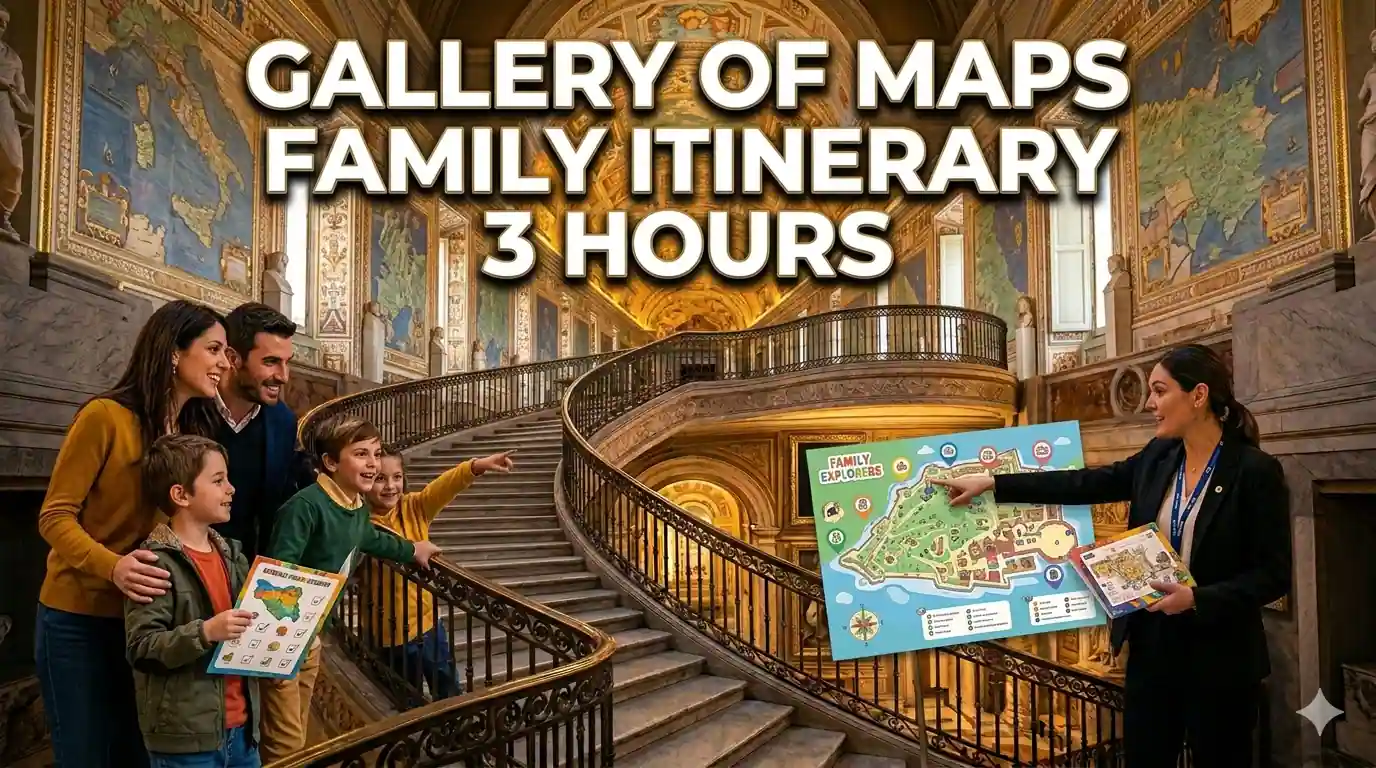
Introduction to Family Visits at the Gallery of Maps
The Gallery of Maps in the Vatican Museums offers a unique opportunity to combine art, history, and geography for family exploration.
This stunning 120-meter corridor features 40 breathtaking 16th-century frescoed maps of Italy that captivate visitors of all ages.
Keeping children engaged during a 3-hour Vatican visit requires strategic planning, interactive activities, and age-appropriate approaches.
This comprehensive guide provides parents with practical strategies to transform the Gallery of Maps into an unforgettable family adventure.
With the right preparation, your children will discover the joy of art and history while creating lasting family memories.
Understanding the Gallery of Maps for Young Visitors

The Gallery of Maps was commissioned by Pope Gregory XIII in 1580 and completed in just two years.
Forty large-scale frescoed maps depict Italian regions with remarkable artistic detail and geographical accuracy for the 16th century.
The ceiling features stunning Mannerist frescoes depicting biblical scenes and mythological figures that intrigue young imaginations.
Understanding the gallery's layout and highlights helps parents plan an engaging experience for children of different ages.
Children respond best to interactive, story-based approaches rather than traditional art historical lectures.
Why the Gallery of Maps Appeals to Children
The vibrant colors and detailed illustrations naturally capture children's attention and curiosity.
Maps provide tangible connection to geography lessons children may be learning in school.
Finding familiar places like Rome, Venice, or their hometown on the maps creates personal engagement.
The corridor's length allows for movement and exploration rather than static viewing.
Hidden details and whimsical elements in the frescoes reward careful observation and discovery.
Age-Appropriate Engagement Strategies
Ages 4-7 respond best to simple treasure hunts, color spotting, and storytelling approaches.
Ages 8-12 enjoy more complex scavenger hunts, map reading challenges, and historical mysteries.
Teens appreciate deeper historical context, photography opportunities, and independent exploration time.
Mixed-age families benefit from tiered activities that allow each child to engage at their level.
Flexibility and patience are essential as children's attention spans vary in museum settings.
Pre-Visit Preparation for Families

Successful family visits to the Gallery of Maps begin with thoughtful preparation before arrival.
Setting expectations, gathering supplies, and planning activities reduce stress and maximize engagement.
Children thrive when they understand what to expect and have tools to participate actively.
These preparation steps transform a potentially overwhelming museum visit into an exciting adventure.
Investing time in preparation pays dividends in children's enjoyment and learning.
Essential Supplies to Pack
Bring small notebooks and colored pencils for children to sketch maps or details that interest them.
Printable scavenger hunt sheets with age-appropriate challenges keep kids focused and engaged.
Snacks and water bottles maintain energy levels though consumption is restricted in gallery spaces.
Comfortable walking shoes prevent foot fatigue during the 3-hour itinerary.
Portable fan or cooling towel helps manage Vatican's warm temperatures during summer visits.
Pre-Visit Learning Activities
Show children images of the Gallery of Maps online to build excitement and familiarity.
Practice basic map reading skills with simple maps of your home or neighborhood.
Discuss what maps are and why people create them to build foundational understanding.
Watch short, kid-friendly videos about the Vatican or Renaissance art to provide context.
Create a simple story about explorers or mapmakers to frame the gallery visit as an adventure.
Setting Expectations with Children
Explain museum rules like using indoor voices, no touching artwork, and staying with the group.
Discuss the 3-hour timeframe and plan for breaks to manage energy and attention.
Emphasize that it's okay to not see everything and that quality engagement matters more than quantity.
Encourage questions and curiosity while explaining that some answers may require research later.
Frame the visit as a special family adventure rather than an educational obligation.
3-Hour Itinerary Structure for Families

A well-structured itinerary balances engagement, movement, and rest to maintain children's interest.
Breaking the 3 hours into manageable segments prevents fatigue and maximizes learning.
Strategic timing aligns activities with children's natural energy patterns and attention spans.
Flexibility within the structure allows adaptation to children's interests and needs.
This framework ensures a productive and enjoyable family experience at the Gallery of Maps.
Hour One: Arrival and Orientation
Arrive 15 minutes early to allow children to acclimate to the museum environment.
Begin with a brief, exciting introduction to the Gallery of Maps as a treasure hunt location.
Distribute scavenger hunt sheets or activity materials to give children immediate purpose.
Start at the entrance end of the gallery and move slowly, allowing children to set the pace.
Focus on 5-7 maps initially, using interactive questions to spark curiosity and observation.
Hour Two: Deep Engagement and Activities
Continue through the gallery with focused activities like finding specific colors, animals, or landmarks.
Incorporate movement breaks by having children walk ahead to spot the next map feature.
Use storytelling to bring maps to life with tales of explorers, merchants, or historical events.
Encourage children to sketch one map detail that interests them in their notebooks.
Take a short seated break halfway through to rest feet and review discoveries so far.
Hour Three: Culmination and Reflection
Complete the gallery walk with a final scavenger hunt challenge or group observation game.
Gather in a quiet area near the gallery exit for children to share favorite discoveries.
Review scavenger hunt sheets and celebrate completed challenges with small rewards.
Connect the gallery experience to broader themes like exploration, art, or family heritage.
End with a positive reflection and preview of what's next in your Vatican visit or day.
Interactive Activities for the Gallery of Maps

Interactive activities transform passive viewing into active learning and engagement for children.
These hands-on approaches cater to different learning styles and keep energy levels high.
Activities should be simple enough for children to understand but rich enough to sustain interest.
Variety in activity types prevents monotony and accommodates diverse interests within the family.
These strategies make the Gallery of Maps memorable and meaningful for young visitors.
Scavenger Hunt Ideas by Age
Ages 4-7: Find maps with blue water, red buildings, or green mountains; count ships or animals.
Ages 8-12: Locate maps of specific regions; identify compass roses or decorative elements.
Teens: Research historical events depicted; compare 16th-century maps to modern geography.
Mixed ages: Create tiered challenges where each child has age-appropriate tasks.
Include both observation challenges and creative tasks like sketching or storytelling.
Storytelling and Imagination Prompts
Ask children to imagine they are explorers viewing these maps for the first time.
Create stories about the people who might have lived in the places shown on the maps.
Encourage children to invent adventures for characters they see depicted in map illustrations.
Use "what if" questions to spark creative thinking about historical scenarios.
Connect map stories to family history or travel experiences for personal relevance.
Observation and Drawing Activities
Challenge children to find and sketch the most colorful map detail they see.
Play "I Spy" with map elements like ships, castles, mountains, or decorative borders.
Have children compare two maps and note similarities and differences in style or content.
Encourage detailed observation by asking specific questions about colors, shapes, or patterns.
Provide simple templates for children to trace or copy map elements as artistic practice.
Managing Energy and Attention with Kids

Children's energy and attention fluctuate during museum visits requiring proactive management.
Strategic breaks, movement opportunities, and engagement variety prevent meltdowns and boredom.
Understanding children's limits and planning accordingly ensures a positive experience for all.
These management strategies help parents navigate the challenges of museum visits with kids.
Flexibility and empathy are key to successful family museum experiences.
Strategic Break Planning
Schedule a 10-minute seated break halfway through the gallery to rest feet and refocus.
Use breaks for snack time, bathroom visits, or quiet reflection on discoveries so far.
Identify bench locations in advance to avoid searching when children need rest.
Keep breaks short and purposeful to maintain momentum and interest.
Use break time to review scavenger hunt progress and build excitement for what's ahead.
Movement and Engagement Techniques
Allow children to walk slightly ahead to "lead" the way to the next map feature.
Incorporate gentle movement like stretching or map-themed gestures to release energy.
Use "freeze and observe" games where children stop to closely examine specific details.
Alternate between walking, standing, and seated activities to vary physical engagement.
Encourage children to use their whole bodies to mimic map elements like mountains or rivers.
Recognizing and Responding to Fatigue
Watch for signs of fatigue like irritability, wandering attention, or physical complaints.
Have a backup plan for shortening the visit if children become overwhelmed or tired.
Offer choices within limits to give children sense of control when energy wanes.
Use positive reinforcement and celebration of small successes to maintain motivation.
Remember that quality engagement matters more than completing every planned activity.
Age-Specific Engagement Strategies

Different age groups require tailored approaches to maximize engagement and learning.
Understanding developmental stages helps parents select appropriate activities and expectations.
Flexibility to adapt strategies in real-time responds to children's actual interests and energy.
These age-specific approaches ensure each child finds meaning and enjoyment in the gallery.
Meeting children where they are creates positive associations with art and history.
Strategies for Ages 4-7
Focus on sensory engagement: colors, shapes, and simple stories rather than historical facts.
Use short, 5-7 minute activity bursts followed by movement or rest to match attention spans.
Incorporate physical interaction like pointing, counting, or simple gestures to maintain engagement.
Keep language simple and concrete with plenty of praise for participation and observation.
Allow for imaginative play and creative interpretation rather than factual accuracy.
Strategies for Ages 8-12
Introduce basic historical context through stories and connections to school learning.
Use more complex scavenger hunts with research elements or comparison challenges.
Encourage questions and curiosity while providing age-appropriate answers and resources.
Incorporate technology like kid-friendly apps or audio guides designed for young learners.
Balance structured activities with free exploration time to foster independence and interest.
Strategies for Teens
Provide deeper historical and artistic context that connects to broader cultural themes.
Encourage photography, sketching, or journaling as personal expression and documentation.
Allow independent exploration within agreed boundaries to respect growing autonomy.
Discuss the relevance of historical maps to modern geography, politics, or personal heritage.
Invite teens to help plan or lead activities for younger siblings to build leadership skills.
Practical Logistics for Family Visits

Smooth logistics reduce stress and allow families to focus on engagement and learning.
Understanding Vatican policies, facilities, and services helps parents plan effectively.
Practical preparation prevents common pitfalls that can derail family museum experiences.
These logistics tips ensure families can navigate the Vatican with confidence and ease.
Attention to details makes the difference between a challenging visit and a cherished memory.
Ticketing and Entry Strategies
Book family tickets online in advance to avoid long entry lines that test children's patience.
Consider family-friendly guided tours designed for children with interactive elements.
Arrive early in the day when children are freshest and crowds are smaller.
Verify stroller policies as the Gallery of Maps has limited space for large strollers.
Keep tickets and confirmation easily accessible to minimize stress at entry points.
Facilities and Amenities for Families
Locate family restrooms and changing facilities upon arrival for quick access when needed.
Identify quiet areas or benches where children can take breaks without leaving the gallery.
Check museum policies on snacks and water to plan appropriate refreshment strategies.
Ask about family audio guides or activity packs designed for young visitors.
Know the location of first aid stations and museum staff who can assist with family needs.
Exit and Transition Planning
Plan the exit route in advance to avoid confusion when children are tired.
Have a clear next destination or activity to maintain momentum after the gallery visit.
Allow extra time for the exit process as tired children move more slowly.
Use the transition time to review and celebrate the gallery experience while memories are fresh.
End with a positive ritual like a special snack or photo to mark the successful family adventure.
Extending the Learning Beyond the Visit

The Gallery of Maps experience can inspire continued learning and family connection after the visit.
Reinforcing discoveries through follow-up activities deepens understanding and retention.
Connecting the gallery to broader themes makes the experience relevant and meaningful.
These extension strategies transform a single visit into ongoing family learning and exploration.
Children remember experiences that connect to their lives and interests beyond the museum walls.
Post-Visit Discussion and Reflection
Ask open-ended questions about favorite maps, discoveries, or stories from the gallery.
Encourage children to share what surprised them or what they'd like to learn more about.
Connect gallery observations to family travels, heritage, or interests for personal relevance.
Use children's sketches or notes as prompts for storytelling or creative writing.
Celebrate the family's successful museum adventure with positive reinforcement and recognition.
At-Home Activities and Projects
Create a family map project inspired by the Gallery of Maps using art supplies and imagination.
Research one region from the gallery to learn more about its history, culture, or geography.
Start a family travel journal or map collection to document future adventures and learning.
Use library books or kid-friendly websites to explore Renaissance art, exploration, or cartography.
Plan a future family trip to Italy or another destination inspired by the gallery experience.
Connecting to Broader Learning
Discuss how maps have changed over time and why accurate geography matters today.
Explore the role of art in preserving history and communicating ideas across generations.
Connect the Gallery of Maps to school subjects like history, geography, art, or language arts.
Encourage children to think critically about how maps shape our understanding of the world.
Use the experience as a springboard for discussing family values like curiosity, learning, and adventure.
Troubleshooting Common Family Challenges

Even with preparation, family museum visits can present unexpected challenges.
Having strategies for common issues helps parents respond calmly and effectively.
Flexibility and humor transform potential problems into memorable family moments.
These troubleshooting tips prepare parents for the realities of exploring with children.
Every challenge overcome strengthens family resilience and creates stories to share.
Managing Meltdowns and Overwhelm
Recognize early signs of overwhelm like irritability, withdrawal, or physical complaints.
Have a calm-down plan that includes finding a quiet space, deep breaths, or comfort items.
Use distraction techniques like a new scavenger hunt challenge or favorite snack to reset.
Be willing to shorten the visit or skip planned activities if children need a break.
Remember that one challenging moment doesn't define the entire family experience.
Handling Different Interest Levels
Accept that children may engage with different maps or activities based on personal interests.
Allow siblings to explore at their own pace within agreed safety boundaries.
Use "buddy system" pairing to encourage older children to help engage younger ones.
Create tiered activities where each child has challenges appropriate to their interests and abilities.
Celebrate diverse ways of engaging rather than expecting uniform participation.
Dealing with Logistics Surprises
Have backup plans for unexpected closures, long lines, or facility issues.
Keep essential supplies like snacks, water, and comfort items easily accessible.
Use museum staff as resources for assistance with directions, facilities, or special needs.
Maintain flexible expectations and focus on quality moments rather than perfect execution.
Frame unexpected changes as adventures or opportunities for creative problem-solving.
Conclusion and Final Family Tips

The Gallery of Maps offers a unique opportunity for families to explore art, history, and geography together.
With thoughtful preparation, interactive activities, and flexible expectations, children can thrive in this magnificent setting.
Remember that the goal is not perfect execution but meaningful connection and joyful discovery.
Every family is different adapt these strategies to fit your children's personalities and interests.
Your Gallery of Maps adventure can inspire a lifelong love of learning, art, and family exploration.
Start with small, achievable activities and build confidence through successful experiences.
Celebrate curiosity and questions as much as correct answers or completed tasks.
Take plenty of family photos to document your adventure and create lasting memories.
Most importantly, enjoy the journey together the Gallery of Maps is a gift to share across generations.
Your family's engagement with this remarkable space plants seeds for future learning and adventure.
0 Comments