.webp)
.webp)
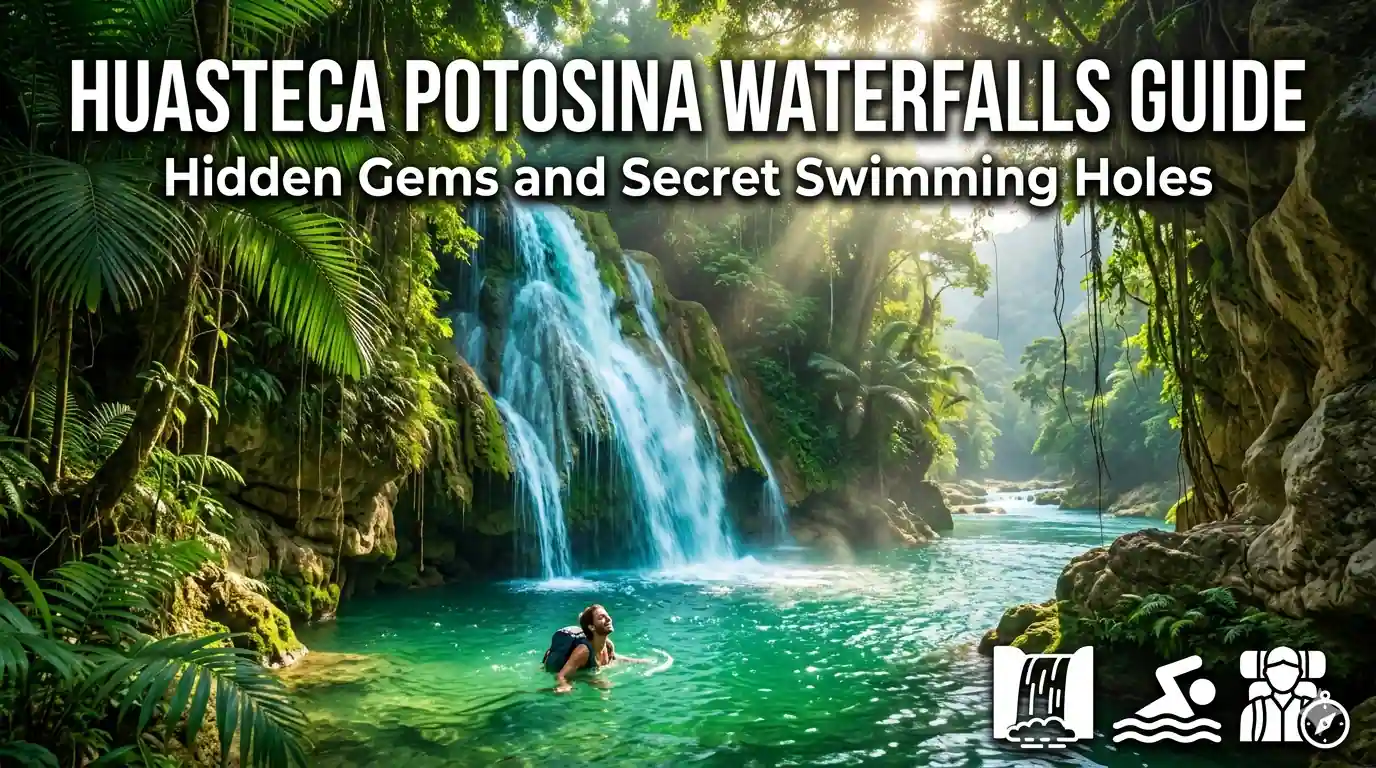
Exploring the Hidden Waterfalls of Huasteca Potosina
Quick Answer for Adventure Travelers
Huasteca Potosina in San Luis Potosí state features over 20 spectacular waterfalls including famous Tamul, turquoise El Salto, and hidden gems like Micos and Tamasopo. US citizens need only a valid passport for entry with no visa required for stays under 180 days. The region is accessible from Mexico City (5-6 hours by bus) or Tampico airport (2 hours drive). Best visiting time is October-April during dry season when water is clearest and swimming is ideal. Budget $40-80 USD daily for accommodation, food, and local tours. Entry fees range $30-80 pesos ($1.50-4 USD) per waterfall. Rent a car for $30-50 daily or use colectivos for $10-20 per route. The region is generally safe with standard tourist precautions. Allow 3-5 days minimum to explore major waterfalls without rushing.
Why Huasteca Potosina Deserves Your Attention

Huasteca Potosina represents one of Mexico's best-kept secrets, a region where emerald rivers carve through limestone canyons, creating a landscape of breathtaking waterfalls, natural pools, and underground caves. Located in the eastern portion of San Luis Potosí state, this tropical paradise sits at the intersection of three states (San Luis Potosí, Veracruz, and Hidalgo) and forms part of the larger Huasteca cultural region inhabited by the Téenek (Huastec) people for over 3,000 years.
Unlike Mexico's crowded beach resorts or archaeological sites, Huasteca Potosina remains relatively undiscovered by international tourists, offering authentic experiences without overwhelming crowds. The region's name derives from the Nahuatl word "Coast of Huaxtec," though it lies far from any ocean—instead, its "coast" consists of turquoise rivers and waterfall-fed lagoons that create a surreal aquatic landscape.
The geological formation of Huasteca Potosina resulted from millions of years of water erosion through limestone and sandstone, creating dramatic waterfalls, natural bridges, and cave systems. The constant 24-28°C (75-82°F) water temperature year-round makes swimming comfortable regardless of season, while the surrounding jungle maintains humidity that keeps the landscape perpetually green.
For adventure travelers, the region offers world-class activities: rappelling down waterfall faces, kayaking through turquoise rivers, cliff jumping into natural pools, cave exploration, and hiking through cloud forests. Yet it equally appeals to those seeking tranquility—simply floating in crystalline pools while howler monkeys call from the canopy provides meditation that no spa can replicate.
Cultural richness complements natural beauty. The Huastec people maintain traditional music (son huasteco), dance, cuisine, and crafts distinct from other Mexican regions. Visiting local communities, trying regional dishes like zacahuil (giant tamale) and enchiladas huastecas, and hearing live huapango music adds depth to the waterfall-chasing itinerary.
Major Waterfalls and Swimming Holes

Huasteca Potosina contains dozens of waterfalls, each with unique characteristics. Understanding their differences helps prioritize based on your interests, fitness level, and time available.
Tamul Waterfall (Cascada de Tamul):
The crown jewel of Huasteca Potosina, Tamul plunges 105 meters (344 feet) into a turquoise pool where the Gallinas River meets the Tampaón River. This iconic waterfall requires a boat ride from either El Limón or Tanchachin docks, costing $200-400 pesos ($10-20 USD) per person for a 2-3 hour round trip. The journey itself delights with views of limestone cliffs, smaller cascades, and abundant birdlife including herons and kingfishers.
Upon arrival, boats anchor in the pool beneath the falls, allowing swimming in the mist-cooled water. The thunderous roar and rainbow creation on sunny days create unforgettable sensory experiences. Brave swimmers can approach the falls' base, though strong currents demand respect and life jackets are mandatory. The boat tour typically includes stops at the Cave of Swallows (Sótano de las Golondrinas) viewpoint and smaller waterfalls along the route.
El Salto Waterfall:
El Salto features a dramatic 30-meter (98-foot) drop into a stunning turquoise pool that has become Instagram-famous for its impossibly blue color. Located near the town of El Salto, this waterfall offers multiple viewing platforms and swimming areas. Entry costs $30-50 pesos ($1.50-2.50 USD), with additional fees for parking ($20 pesos) and life jacket rental ($30 pesos).
The pool beneath El Salto maintains a refreshing temperature perfect for swimming. A natural rock bridge spans the river above the falls, providing photo opportunities and a different perspective. Facilities include bathrooms, restaurants serving regional food, and picnic areas. Visit early morning (before 10 AM) or late afternoon (after 3 PM) to avoid weekend crowds when locals flock to this popular spot.
Micos Waterfalls (Cascadas de Micos):
Micos consists of seven tiered waterfalls cascading down limestone steps over a 300-meter stretch, creating a natural water slide experience. Located 15 minutes from Ciudad Valles, this waterfall system allows visitors to climb from pool to pool, with each level offering different swimming conditions and views.
Entry costs $50-80 pesos ($2.50-4 USD) including life jacket rental. The climb to the top takes 20-30 minutes at a leisurely pace, with rope handrails assisting on steeper sections. Each pool varies in depth from waist-deep to 3-4 meters, with some featuring natural slides formed by smooth rock. The top level provides panoramic views of the surrounding jungle and valley.
Micos means "monkeys" in Spanish, though spider monkeys now rarely appear due to human activity. Howler monkeys remain common, their dawn and dusk calls adding atmosphere to the experience. Facilities include restaurants, bathrooms, and changing areas.
Tamasopo Waterfalls:
Tamasopo features three distinct waterfall areas within a 5-kilometer radius, each with unique characteristics. The main falls plunge into a large swimming pool surrounded by restaurants and picnic areas. Entry costs $40-60 pesos ($2-3 USD).
A natural bridge (Puente de Dios) near Tamasopo creates a spectacular swimming hole where turquoise water flows through a limestone arch, forming a cathedral-like grotto. This requires a 15-minute walk from the parking area and costs $50 pesos entry. The water maintains perfect clarity and temperature, making it ideal for floating and photography.
Hidden Gems:
Beyond the famous waterfalls, lesser-known sites reward adventurous travelers:
- Cascada de Minas Viejas: A 40-meter waterfall requiring a 30-minute jungle hike, offering solitude and pristine swimming without crowds. Free entry but requires local guide ($200-300 pesos).
- Sótano de las Golondrinas: While not a waterfall, this vertical cave drops 370 meters (1,214 feet), deeper than the Grand Canyon. Dawn visits reveal thousands of swallows and parakeets exiting in swirling clouds. Entry $50 pesos, requires 20-minute descent and equally challenging climb back up.
- Cascada El Meco: A 25-meter falls with a natural pool perfect for cliff jumping (5-10 meter heights). Less developed than major sites, offering authentic local atmosphere. Free entry, 20-minute hike from road.
- Río Coy: Series of natural pools and small cascades along a turquoise river, ideal for tubing and relaxed swimming. Popular with locals on weekends. Minimal facilities, bring your own food and water.
- 👉 Dominica E-Gate Entry 2026: Digital Immigration Guide
- 👉 STC 2026 Sustainable Tourism Conference in San Pedro: A complete guide for April attendees.
- 👉 Evolution of Trini Gastronomy Modern Indo-French Fusion Trends 2026
- 👉 Semana Santa Antigua 2026: Holy Week Survivor Guide
- 👉 Project Polaris Grenada 2026: Healthcare Tourism Revolution
Waterfall Comparison Table:
| Waterfall | Height | Entry Fee | Difficulty | Best For |
| Tamul | 105m | $200-400 pesos | Easy (boat access) | Iconic views, photography |
| El Salto | 30m | $30-50 pesos | Easy | Swimming, turquoise water |
| Micos | Multiple tiers | $50-80 pesos | Moderate (climbing) | Adventure, multiple pools |
| Tamasopo | Various | $40-60 pesos | Easy | Families, facilities |
| Minas Viejas | 40m | Free + guide | Moderate (hike) | Solitude, nature |
| Puente de Dios | Natural bridge | $50 pesos | Easy | Unique geology, swimming |
Getting to Huasteca Potosina

Reaching Huasteca Potosina requires planning, as the region lacks a major airport. Most travelers base themselves in Ciudad Valles, the region's largest city and transportation hub, then take day trips to various waterfalls.
From Mexico City:
The most common route travels from Mexico City to Ciudad Valles, approximately 380 kilometers (236 miles) north.
- By Bus (Recommended): ADO, Estrella Blanca, and Transportes del Norte operate comfortable first-class buses from Mexico City's Terminal Norte to Ciudad Valles. Journey time: 5-6 hours. Cost: $350-550 pesos ($18-28 USD) one-way. Buses feature reclining seats, air conditioning, restrooms, and movies. Departures run hourly from 7 AM to 11 PM. Book tickets online at ado.com.mx or at the terminal.
- By Car: Driving via Highway 85D (cuota/toll road) takes 4.5-5.5 hours. Toll costs approximately $400-500 pesos ($20-25 USD) plus gas ($600-800 pesos). The route is well-maintained and scenic, passing through mountain landscapes and small towns. Renting a car in Mexico City costs $40-80 daily plus insurance. This option provides flexibility for exploring waterfalls independently.
- By Plane: No direct flights to Ciudad Valles. Nearest airports are in Tampico (TAM, 2 hours drive) or San Luis Potosí city (SLP, 3 hours drive). Flying to Tampico from Mexico City takes 1.5 hours and costs $800-1,500 pesos ($40-75 USD) one-way. From Tampico airport, rent a car ($30-50 daily) or take a taxi/bus to Ciudad Valles ($200-400 pesos).
- 👉 Dominica E-Gate Entry 2026: Digital Immigration Guide
- 👉 STC 2026 Sustainable Tourism Conference in San Pedro: A complete guide for April attendees.
- 👉 Evolution of Trini Gastronomy Modern Indo-French Fusion Trends 2026
- 👉 Semana Santa Antigua 2026: Holy Week Survivor Guide
- 👉 Project Polaris Grenada 2026: Healthcare Tourism Revolution
From Tampico Airport:
Tampico's General Francisco Javier Mina International Airport receives flights from Mexico City, Houston, and other hubs. From Tampico to Ciudad Valles:
- Rental Car: Most convenient option. Drive northwest on Highway 70 then Highway 70D. Journey: 2 hours. Cost: $30-50 daily rental plus gas ($300 pesos).
- Bus: ADO buses depart Tampico bus station (requires taxi from airport, $150 pesos) to Ciudad Valles every 2-3 hours. Journey: 2.5 hours. Cost: $200-300 pesos ($10-15 USD).
- Private Transfer: Pre-booked shuttles cost $1,200-1,800 pesos ($60-90 USD) for up to 4 passengers. Companies like USA Transfers operate in the region.
- 👉 Dominica E-Gate Entry 2026: Digital Immigration Guide
- 👉 STC 2026 Sustainable Tourism Conference in San Pedro: A complete guide for April attendees.
- 👉 Evolution of Trini Gastronomy Modern Indo-French Fusion Trends 2026
- 👉 Semana Santa Antigua 2026: Holy Week Survivor Guide
- 👉 Project Polaris Grenada 2026: Healthcare Tourism Revolution
Getting Around Huasteca Potosina:
Once in Ciudad Valles, reaching individual waterfalls requires local transportation:
- Rental Car: Best option for flexibility. Rent in Ciudad Valles from agencies like Europcar, Hertz, or local companies. Cost: $30-50 USD daily. Having a car allows visiting multiple waterfalls per day and exploring remote sites. Parking at waterfalls costs $20-50 pesos.
- Colectivos (Shared Vans): Budget-friendly option departing from Ciudad Valles central market or designated stops. Colectivos run fixed routes to popular waterfalls (El Salto, Micos, Tamasopo) every 1-2 hours. Cost: $50-100 pesos ($2.50-5 USD) per person each way. Disadvantage: limited schedule flexibility and may require waiting for van to fill before departing.
- Taxis: Available in Ciudad Valles for day trips. Negotiate round-trip price including waiting time. Typical rates: El Salto $400-600 pesos, Micos $500-700 pesos, Tamul (including boat) $800-1,200 pesos. Ensure driver speaks basic English if needed, or have your hotel arrange a trusted driver.
- Organized Tours: Many hotels and tour operators offer day trips to major waterfalls. Prices range $500-1,200 pesos ($25-60 USD) including transportation, guide, and sometimes lunch. Advantage: no planning stress, local knowledge. Disadvantage: less flexibility, group pace.
- 👉 Dominica E-Gate Entry 2026: Digital Immigration Guide
- 👉 STC 2026 Sustainable Tourism Conference in San Pedro: A complete guide for April attendees.
- 👉 Evolution of Trini Gastronomy Modern Indo-French Fusion Trends 2026
- 👉 Semana Santa Antigua 2026: Holy Week Survivor Guide
- 👉 Project Polaris Grenada 2026: Healthcare Tourism Revolution
Best Time to Visit

Timing your Huasteca Potosina visit significantly affects water conditions, crowd levels, and overall experience quality.
Dry Season (October-May):
This period offers optimal conditions for waterfall exploration and swimming.
- Water Clarity: Reduced rainfall means rivers run clear and turquoise rather than muddy brown. Swimming and photography conditions are ideal.
- Weather: Daytime temperatures 25-30°C (77-86°F), nights 15-20°C (59-68°F). Low humidity and minimal rain create comfortable conditions for hiking and outdoor activities.
- Crowds: December-March and Easter week (Semana Santa) see peak Mexican tourism. Book accommodations 2-3 months ahead for these periods. October-November and April-May offer similar weather with fewer visitors.
- Water Levels: Waterfalls maintain good flow from underground sources even in dry season, though volume decreases slightly. Swimming pools remain deep and inviting.
- 👉 Dominica E-Gate Entry 2026: Digital Immigration Guide
- 👉 STC 2026 Sustainable Tourism Conference in San Pedro: A complete guide for April attendees.
- 👉 Evolution of Trini Gastronomy Modern Indo-French Fusion Trends 2026
- 👉 Semana Santa Antigua 2026: Holy Week Survivor Guide
- 👉 Project Polaris Grenada 2026: Healthcare Tourism Revolution
Rainy Season (June-September):
While less popular, rainy season has distinct advantages for certain travelers.
- Waterfall Power: Heavy rains create spectacular, thundering waterfalls with maximum volume. The raw power impresses photographers and nature lovers.
- Lush Vegetation: Jungle explodes in vibrant green, creating stunning backdrops and abundant wildlife activity.
- Fewer Crowds: Significantly fewer tourists mean more intimate experiences and better accommodation deals (20-40% discounts).
- Challenges: Afternoon downpours occur almost daily, typically 2-5 PM, lasting 1-2 hours. Rivers can rise rapidly, occasionally closing waterfalls for safety. Water appears brown from sediment. Humidity reaches 80-90%, making hiking more strenuous. Mosquitoes multiply, requiring diligent repellent use.
- 👉 Dominica E-Gate Entry 2026: Digital Immigration Guide
- 👉 STC 2026 Sustainable Tourism Conference in San Pedro: A complete guide for April attendees.
- 👉 Evolution of Trini Gastronomy Modern Indo-French Fusion Trends 2026
- 👉 Semana Santa Antigua 2026: Holy Week Survivor Guide
- 👉 Project Polaris Grenada 2026: Healthcare Tourism Revolution
Monthly Breakdown:
| Month | Weather | Crowds | Water Conditions | Best For |
| Oct-Nov | Warm, minimal rain | Low-Moderate | Clear, good flow | Best overall balance |
| Dec-Mar | Perfect, cool nights | High | Crystal clear | Ideal conditions, expect crowds |
| Apr-May | Hot, dry | Moderate | Clear, lower flow | Good weather, fewer people |
| Jun-Sep | Hot, humid, rainy | Low | Muddy, powerful | Budget travelers, dramatic scenery |
Avoid These Periods:
- Semana Santa (Holy Week): The week before Easter brings massive Mexican domestic tourism. Waterfalls overflow with visitors, accommodations book solid, and prices double. Only visit if you enjoy crowded party atmospheres.
- Christmas-New Year: Similar crowding to Semana Santa, though slightly less intense.
- Peak Hurricane Season (September): Tropical storms can cause dangerous flash flooding and road closures. While direct hits remain rare, the risk increases during this month.
- 👉 Dominica E-Gate Entry 2026: Digital Immigration Guide
- 👉 STC 2026 Sustainable Tourism Conference in San Pedro: A complete guide for April attendees.
- 👉 Evolution of Trini Gastronomy Modern Indo-French Fusion Trends 2026
- 👉 Semana Santa Antigua 2026: Holy Week Survivor Guide
- 👉 Project Polaris Grenada 2026: Healthcare Tourism Revolution
Accommodation Options and Costs

Huasteca Potosina offers diverse lodging from budget hostels to luxury eco-resorts, primarily concentrated in Ciudad Valles and near major waterfalls.
Ciudad Valles (Base City):
Most travelers use Ciudad Valles as a base for day trips, benefiting from restaurants, services, and transportation access.
- Budget Hostels: $150-300 pesos ($8-15 USD) per night for dorm beds. Options like Hostal Casa del Río offer clean facilities, communal kitchens, and traveler social atmospheres.
- Mid-Range Hotels: $400-800 pesos ($20-40 USD) nightly for private rooms with AC, WiFi, and parking. Recommended: Hotel Posada El Fraile, Hotel Real Valles.
- Upper Mid-Range: $800-1,500 pesos ($40-75 USD) for boutique hotels with pools and enhanced amenities. Hotel Campo Bonito offers bungalows in garden setting.
- 👉 Dominica E-Gate Entry 2026: Digital Immigration Guide
- 👉 STC 2026 Sustainable Tourism Conference in San Pedro: A complete guide for April attendees.
- 👉 Evolution of Trini Gastronomy Modern Indo-French Fusion Trends 2026
- 👉 Semana Santa Antigua 2026: Holy Week Survivor Guide
- 👉 Project Polaris Grenada 2026: Healthcare Tourism Revolution
Near Waterfalls:
Staying close to waterfalls allows early morning visits before crowds arrive.
- El Salto Area: Cabins and eco-lodges range $500-1,200 pesos ($25-60 USD). Cabanas Turísticas El Salto provides basic but clean accommodations steps from the falls.
- Tamasopo: Eco-lodges and riverside cabins cost $600-1,500 pesos ($30-75 USD). Rancho Media Luna offers bungalows with natural pool access.
- Rural Eco-Lodges: Remote properties near hidden waterfalls charge $800-2,000 pesos ($40-100 USD) for immersive nature experiences with meals included.
- 👉 Dominica E-Gate Entry 2026: Digital Immigration Guide
- 👉 STC 2026 Sustainable Tourism Conference in San Pedro: A complete guide for April attendees.
- 👉 Evolution of Trini Gastronomy Modern Indo-French Fusion Trends 2026
- 👉 Semana Santa Antigua 2026: Holy Week Survivor Guide
- 👉 Project Polaris Grenada 2026: Healthcare Tourism Revolution
Luxury Options:
For travelers seeking premium comfort:
- Hotel Misión Jalpan: Located 1 hour from Ciudad Valles, this upscale property features pools, spa, and fine dining. Rooms $1,500-3,000 pesos ($75-150 USD).
- Private Villas: Airbnb and VRBO list entire homes near waterfalls for $1,500-4,000 pesos ($75-200 USD) nightly, ideal for groups or families.
- 👉 Dominica E-Gate Entry 2026: Digital Immigration Guide
- 👉 STC 2026 Sustainable Tourism Conference in San Pedro: A complete guide for April attendees.
- 👉 Evolution of Trini Gastronomy Modern Indo-French Fusion Trends 2026
- 👉 Semana Santa Antigua 2026: Holy Week Survivor Guide
- 👉 Project Polaris Grenada 2026: Healthcare Tourism Revolution
Camping:
Some waterfalls allow camping for $100-200 pesos ($5-10 USD) per person, providing basic facilities. Bring your own gear and supplies. Verify safety and water availability beforehand.
Booking Tips:
- Reserve 2-3 months ahead for December-March and Easter week.
- For other periods, booking 2-4 weeks ahead suffices.
- Use Booking.com or Hotels.com for comparison and free cancellation options.
- Contact properties directly via WhatsApp for potential discounts on stays over 3 nights.
- Verify AC availability—essential for comfort in hot months.
- 👉 Dominica E-Gate Entry 2026: Digital Immigration Guide
- 👉 STC 2026 Sustainable Tourism Conference in San Pedro: A complete guide for April attendees.
- 👉 Evolution of Trini Gastronomy Modern Indo-French Fusion Trends 2026
- 👉 Semana Santa Antigua 2026: Holy Week Survivor Guide
- 👉 Project Polaris Grenada 2026: Healthcare Tourism Revolution
Sample Itineraries

These itineraries balance waterfall visits with travel time, avoiding exhaustion while maximizing experiences.
3-Day Express Itinerary:
Ideal for travelers with limited time wanting to see highlights.
Day 1: Arrive Ciudad Valles morning. Pick up rental car. Visit El Salto waterfall (30 min from Valles). Swim and explore for 2-3 hours. Continue to Micos waterfalls (20 min from El Salto). Climb the seven tiers. Overnight in Ciudad Valles.
Day 2: Early departure (7 AM) for Tamul waterfall (1.5 hours from Valles). Take morning boat tour when light is best and crowds minimal. Return to Valles by 1 PM. Afternoon visit to Puente de Dios near Tamasopo (45 min from Valles). Swim in the natural bridge pool. Overnight Valles.
Day 3: Visit Sótano de las Golondrinas at dawn (1 hour from Valles) to witness bird emergence. Return to Valles for breakfast. Explore local market and try regional food. Depart afternoon or visit one more nearby waterfall like El Meco. Overnight Valles or depart.
5-Day Comprehensive Itinerary:
Allows deeper exploration and relaxed pacing.
Day 1: Arrive Valles, settle in. Afternoon acclimatization visit to nearby Tamasopo waterfalls. Evening explore Valles malecón (waterfront) and restaurants.
Day 2: Full day for Tamul waterfall. Take morning boat tour. Afternoon visit to nearby lesser-known falls like Minas Viejas with local guide. Overnight Valles.
Day 3: El Salto and Micos waterfalls circuit. Start early to beat crowds. Pack picnic lunch. Spend full day exploring both waterfall systems. Return to Valles evening.
Day 4: Day trip to Sótano de las Golondrinas (dawn) and Puente de Dios (late morning). Afternoon explore Tanchachin archaeological site or relax at Río Coy natural pools. Overnight Valles.
Day 5: Visit hidden waterfall like Cascada El Meco or take a canyoning/rappelling tour for adventure. Afternoon souvenir shopping in Valles market. Depart evening or extend stay.
7-Day Immersion Itinerary:
For travelers wanting to experience both famous sites and hidden gems while engaging with local culture.
Days 1-2: Same as 5-day itinerary (arrival, Tamul, El Salto, Micos).
Day 3: Adventure day: book canyoning tour rappelling down multiple waterfalls ($800-1,200 pesos). Includes equipment, guide, lunch. Physically demanding but unforgettable.
Day 4: Cultural day: visit Huastec communities, learn about traditional music and crafts. Try cooking class making enchiladas huastecas and zacahuil. Visit local coffee or cacao plantations.
Day 5: Remote waterfalls: hire local guide to access Minas Viejas, El Meco, and other lesser-visited falls. Support community tourism. Overnight in rural eco-lodge.
Day 6: Sótano de las Golondrinas at dawn, Puente de Dios, Río Coy tubing. Relaxed afternoon.
Day 7: Free day to revisit favorite spot, shop for crafts, or simply relax. Depart evening.
Cost Breakdown

Understanding total trip costs helps budget appropriately for your Huasteca Potosina adventure.
Daily Budget Estimates (Per Person in USD):
| Expense Category | Budget Traveler | Mid-Range | Luxury |
| Accommodation | $8-15 (hostel) | $25-50 (hotel) | $75-150 (upscale) |
| Food | $10-15 (street food, markets) | $20-35 (mix of local and restaurants) | $40-60 (fine dining) |
| Transportation | $10-15 (colectivos) | $25-40 (rental car split) | $50-80 (private driver) |
| Waterfall Entry Fees | $5-10 | $10-15 | $15-20 |
| Activities/Tours | $5-10 | $20-40 | $50-100 |
| Daily Total | $38-65 | $100-180 | $230-410 |
5-Day Trip Total (Per Person):
- Budget: $250-400 USD (hostels, colectivos, street food, minimal tours)
- Mid-Range: $600-1,000 USD (hotels, rental car, mix of dining, several tours)
- Luxury: $1,200-2,000 USD (upscale lodgings, private tours, fine dining, all activities)
- 👉 Dominica E-Gate Entry 2026: Digital Immigration Guide
- 👉 STC 2026 Sustainable Tourism Conference in San Pedro: A complete guide for April attendees.
- 👉 Evolution of Trini Gastronomy Modern Indo-French Fusion Trends 2026
- 👉 Semana Santa Antigua 2026: Holy Week Survivor Guide
- 👉 Project Polaris Grenada 2026: Healthcare Tourism Revolution
Additional Costs:
- Flights to Mexico: $200-600 USD round-trip from US/Canada depending on season and departure city
- Travel Insurance: $40-100 USD for one week (essential for adventure activities)
- Equipment Rental: Life jackets $30-50 pesos, kayaks $200-400 pesos, camping gear $150-300 pesos daily
- Souvenirs/Crafts: Budget $50-200 USD depending on shopping interests
- 👉 Dominica E-Gate Entry 2026: Digital Immigration Guide
- 👉 STC 2026 Sustainable Tourism Conference in San Pedro: A complete guide for April attendees.
- 👉 Evolution of Trini Gastronomy Modern Indo-French Fusion Trends 2026
- 👉 Semana Santa Antigua 2026: Holy Week Survivor Guide
- 👉 Project Polaris Grenada 2026: Healthcare Tourism Revolution
Money-Saving Tips:
- Travel in rainy season (June-September) for 30-40% lower accommodation rates
- Use colectivos instead of rental cars for solo travelers
- Eat at local mercados and fondas rather than tourist restaurants
- Visit free or low-cost waterfalls (El Meco, Río Coy) alongside paid attractions
- Stay in Ciudad Valles rather than waterfall-adjacent lodgings for better prices and dining options
- Book tours directly with local guides rather than through hotels (20-30% savings)
- Carry reusable water bottle and refill at hotels to avoid buying bottled water
- 👉 Dominica E-Gate Entry 2026: Digital Immigration Guide
- 👉 STC 2026 Sustainable Tourism Conference in San Pedro: A complete guide for April attendees.
- 👉 Evolution of Trini Gastronomy Modern Indo-French Fusion Trends 2026
- 👉 Semana Santa Antigua 2026: Holy Week Survivor Guide
- 👉 Project Polaris Grenada 2026: Healthcare Tourism Revolution
Safety Considerations

Huasteca Potosina is generally safe for tourists, but understanding risks and precautions ensures a worry-free visit.
General Safety:
The region experiences lower crime rates than many Mexican tourist destinations. Violent crime against tourists remains rare. Standard precautions apply:
- Use authorized transportation (registered taxis, reputable rental companies, ADO buses)
- Avoid displaying expensive jewelry, cameras, or large amounts of cash
- Keep valuables in hotel safes
- Don't hike alone on remote trails—use local guides
- Stay on marked paths at waterfalls
- Respect swimming warnings and life jacket requirements
- 👉 Dominica E-Gate Entry 2026: Digital Immigration Guide
- 👉 STC 2026 Sustainable Tourism Conference in San Pedro: A complete guide for April attendees.
- 👉 Evolution of Trini Gastronomy Modern Indo-French Fusion Trends 2026
- 👉 Semana Santa Antigua 2026: Holy Week Survivor Guide
- 👉 Project Polaris Grenada 2026: Healthcare Tourism Revolution
Water Safety:
Waterfalls and rivers present real dangers that demand respect:
- Currents: Even calm-looking pools can have strong underwater currents, especially near waterfall bases. Always wear life jackets when swimming.
- Rising Water: During rainy season, rivers can rise rapidly from upstream rainfall. Check weather forecasts and heed local warnings. If water appears muddy or rising, leave immediately.
- Slippery Rocks: Limestone becomes extremely slick when wet. Wear water shoes with grip, not flip-flops, for waterfall hiking.
- Depth: Never dive without verifying depth first. Submerged rocks cause serious injuries annually. Jump only from designated areas.
- Supervision: Children require constant adult supervision near water. Natural pools often have sudden depth changes.
- 👉 Dominica E-Gate Entry 2026: Digital Immigration Guide
- 👉 STC 2026 Sustainable Tourism Conference in San Pedro: A complete guide for April attendees.
- 👉 Evolution of Trini Gastronomy Modern Indo-French Fusion Trends 2026
- 👉 Semana Santa Antigua 2026: Holy Week Survivor Guide
- 👉 Project Polaris Grenada 2026: Healthcare Tourism Revolution
Health Precautions:
- Water Quality: Don't swallow river water. While generally clean, it may contain bacteria. Shower after swimming.
- Sun Protection: Tropical sun intensifies reflection off water. Use reef-safe sunscreen SPF 50+, reapplying every 2 hours. Wear hats and UV-blocking sunglasses.
- Insects: Mosquitoes transmit dengue and Zika, especially in rainy season. Use DEET-based repellent, wear long sleeves at dawn/dusk, and sleep under mosquito nets if accommodations lack AC/screens.
- Hydration: Heat and humidity cause rapid dehydration. Drink 3-4 liters of water daily. Carry water on all hikes.
- Food Safety: Street food is generally safe if cooked fresh and hot. Avoid raw vegetables washed in tap water. Choose busy establishments with high turnover.
- 👉 Dominica E-Gate Entry 2026: Digital Immigration Guide
- 👉 STC 2026 Sustainable Tourism Conference in San Pedro: A complete guide for April attendees.
- 👉 Evolution of Trini Gastronomy Modern Indo-French Fusion Trends 2026
- 👉 Semana Santa Antigua 2026: Holy Week Survivor Guide
- 👉 Project Polaris Grenada 2026: Healthcare Tourism Revolution
Emergency Information:
- Emergency number: 911 (operators often speak English)
- Nearest hospital: Hospital General de Ciudad Valles (24-hour emergency)
- US Embassy emergency: +52-55-5080-2000
- Travel insurance emergency line: Keep accessible offline
- Save your hotel's address and phone number in Spanish on your phone
- 👉 Dominica E-Gate Entry 2026: Digital Immigration Guide
- 👉 STC 2026 Sustainable Tourism Conference in San Pedro: A complete guide for April attendees.
- 👉 Evolution of Trini Gastronomy Modern Indo-French Fusion Trends 2026
- 👉 Semana Santa Antigua 2026: Holy Week Survivor Guide
- 👉 Project Polaris Grenada 2026: Healthcare Tourism Revolution
Adventure Activity Safety:
- Use only certified guides for canyoning, rappelling, and cave exploration
- Verify equipment condition before use
- Disclose any health conditions or physical limitations to guides
- Don't attempt activities beyond your skill level to impress others
- Ensure tour operators carry liability insurance
- 👉 Dominica E-Gate Entry 2026: Digital Immigration Guide
- 👉 STC 2026 Sustainable Tourism Conference in San Pedro: A complete guide for April attendees.
- 👉 Evolution of Trini Gastronomy Modern Indo-French Fusion Trends 2026
- 👉 Semana Santa Antigua 2026: Holy Week Survivor Guide
- 👉 Project Polaris Grenada 2026: Healthcare Tourism Revolution
Cultural Etiquette and Responsible Tourism

Visiting Huasteca Potosina means entering communities with rich cultural traditions. Respectful behavior ensures positive interactions and sustainable tourism.
Engaging with Huastec Communities:
- Ask permission before photographing people, especially in indigenous communities. Some may request payment ($10-20 pesos) or decline entirely—respect their choice.
- Learn basic Spanish greetings: "Buenos días" (good morning), "Por favor" (please), "Gracias" (thank you). Effort is appreciated even if pronunciation isn't perfect.
- Support local economies by buying crafts directly from artisans rather than mass-produced souvenirs. Fair prices benefit communities.
- Respect sacred sites and ceremonial areas. Some locations hold spiritual significance beyond tourist attractions.
- 👉 Dominica E-Gate Entry 2026: Digital Immigration Guide
- 👉 STC 2026 Sustainable Tourism Conference in San Pedro: A complete guide for April attendees.
- 👉 Evolution of Trini Gastronomy Modern Indo-French Fusion Trends 2026
- 👉 Semana Santa Antigua 2026: Holy Week Survivor Guide
- 👉 Project Polaris Grenada 2026: Healthcare Tourism Revolution
Environmental Responsibility:
Huasteca Potosina's beauty depends on preservation. Follow these principles:
- Pack It In, Pack It Out: Carry trash back to Ciudad Valles if bins aren't available. Never leave waste at waterfalls.
- Use Biodegradable Products: Sunscreen, insect repellent, and soap should be reef-safe and biodegradable to protect aquatic ecosystems.
- Don't Touch Formations: Oils from skin damage stalactites, stalagmites, and limestone formations. Observe without touching.
- Stay on Trails: Trampling vegetation causes erosion and habitat destruction. Use designated paths.
- Don't Feed Wildlife: Human food harms animals and creates dependency. Observe from distance.
- Conserve Water: The region faces water stress in dry season. Take short showers and reuse towels at accommodations.
- 👉 Dominica E-Gate Entry 2026: Digital Immigration Guide
- 👉 STC 2026 Sustainable Tourism Conference in San Pedro: A complete guide for April attendees.
- 👉 Evolution of Trini Gastronomy Modern Indo-French Fusion Trends 2026
- 👉 Semana Santa Antigua 2026: Holy Week Survivor Guide
- 👉 Project Polaris Grenada 2026: Healthcare Tourism Revolution
Supporting Sustainable Tourism:
- Choose locally-owned accommodations and tour operators rather than international chains
- Hire local guides who know the area and contribute to community income
- Eat at family-run restaurants serving regional cuisine
- Participate in community-based tourism initiatives that return profits to residents
- Leave positive reviews for responsible businesses to encourage sustainable practices
- 👉 Dominica E-Gate Entry 2026: Digital Immigration Guide
- 👉 STC 2026 Sustainable Tourism Conference in San Pedro: A complete guide for April attendees.
- 👉 Evolution of Trini Gastronomy Modern Indo-French Fusion Trends 2026
- 👉 Semana Santa Antigua 2026: Holy Week Survivor Guide
- 👉 Project Polaris Grenada 2026: Healthcare Tourism Revolution
Final Recommendations

Huasteca Potosina rewards travelers who approach it with preparation, respect, and openness to adventure. These final tips maximize your experience:
Plan but Remain Flexible: Book accommodations and major tours in advance for peak season, but leave room in your itinerary for spontaneous discoveries. Some of the best waterfalls are found by asking locals for recommendations or following signs you hadn't noticed.
Pack Strategically: Essential items include: water shoes with grip, quick-dry clothing, waterproof phone case, dry bag for valuables, reusable water bottle, biodegradable sunscreen and insect repellent, light rain jacket, flashlight or headlamp, basic first-aid kit, and cash in small denominations.
Rise Early: Waterfalls are most magical at dawn—mist rises, light filters through jungle, and you'll have sites nearly to yourself before tour buses arrive. Start your day at 7 AM to maximize experiences and avoid crowds.
Learn Basic Spanish: While tourist areas have English speakers, rural communities and local guides primarily speak Spanish. Even basic phrases open doors to warmer interactions and better service.
Respect the Water: Huasteca Potosina's waterfalls are powerful natural forces, not theme park attractions. Heed warnings, wear life jackets, and never overestimate your swimming ability. The region's beauty demands humility.
Support Local: Your tourism dollars can transform communities when spent thoughtfully. Choose local guides, eat at family restaurants, buy crafts from artisans, and stay in locally-owned lodgings. This ensures your visit benefits residents directly.
Embrace Slow Travel: Don't rush through waterfalls checking boxes. Spend time floating in pools, listening to jungle sounds, and connecting with the landscape. Huasteca Potosina offers healing that hurried tourism cannot provide.
Share Responsibly: When posting on social media, tag locations thoughtfully. Overexposure can overwhelm fragile sites. Consider keeping some hidden gems secret or sharing general areas rather than exact GPS coordinates.
Huasteca Potosina stands as one of Mexico's most spectacular natural regions—a place where turquoise water, thundering falls, and lush jungle create experiences that linger long after you've returned home. By visiting thoughtfully, supporting local communities, and respecting the environment, you help preserve this paradise for future travelers while creating memories that will inspire your own wanderlust for years to come.
The waterfalls await. Pack your bags, bring your sense of adventure, and prepare to discover why those who visit Huasteca Potosina never forget its emerald beauty.
0 Comments