.webp)
.webp)
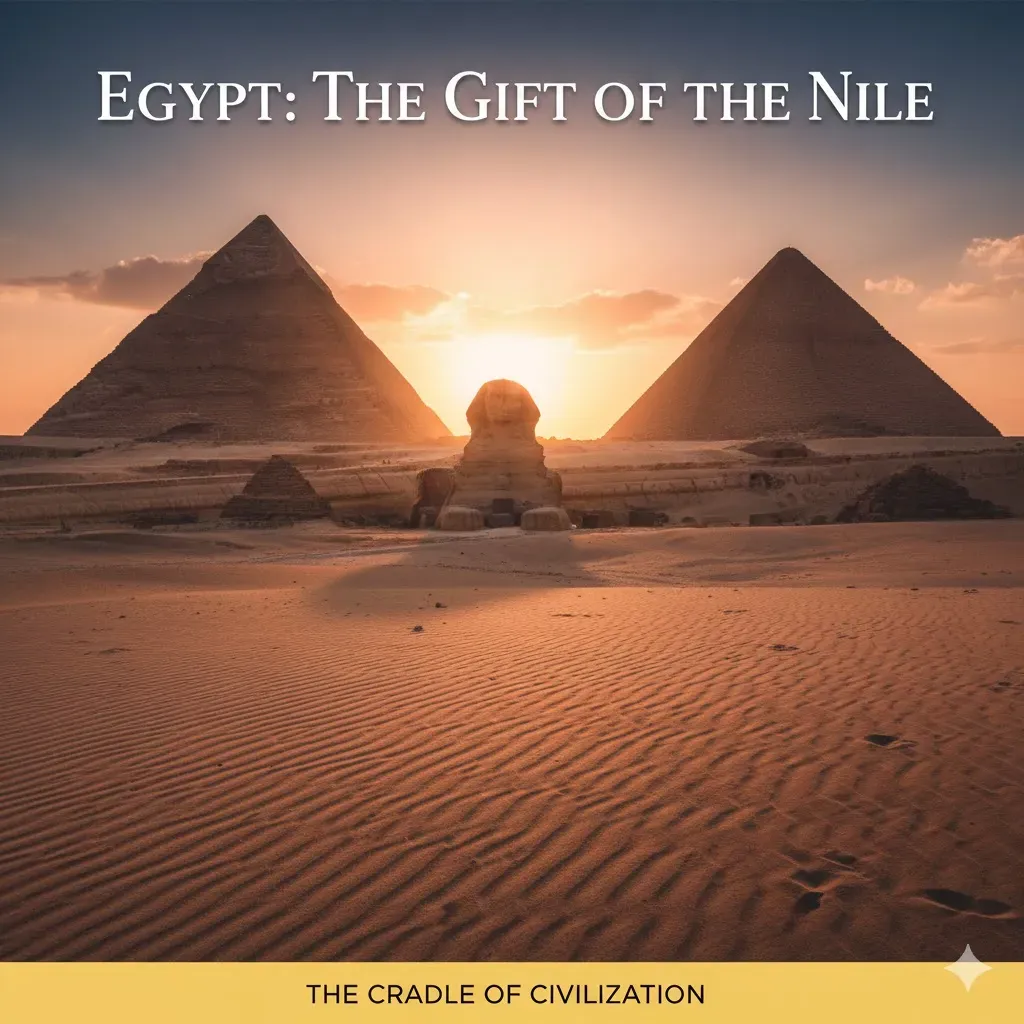
EGYPT: THE GIFT OF THE NILE AND THE CRADLE OF ANCIENT CIVILIZATION
Egypt stands as one of humanity's most extraordinary destinations, a land where the life-giving Nile River has sustained civilization for over five millennia, where monumental pyramids and temples whisper stories of pharaohs and gods, and where ancient wisdom meets contemporary culture in a vibrant tapestry of history, faith, and resilience. From the iconic pyramids of Giza to the sacred temples of Luxor, from the bustling souks of Cairo to the pristine coral reefs of the Red Sea, Egypt offers travelers an unparalleled journey through time, culture, and natural beauty. In 2026, as seekers of meaningful travel experiences look to connect with the roots of human achievement, Egypt continues to captivate with its timeless monuments, warm hospitality, and the enduring mystery of a civilization that laid foundations for much of human knowledge.
This comprehensive guide invites you to explore Egypt with deeper understanding and greater appreciation. We will journey through the ancient wonders that define Egypt's global reputation, discover the cultural richness that animates its cities and villages, experience the natural beauty of the Nile and Red Sea, and provide practical information for visiting in 2026. Whether you are a history enthusiast drawn by pharaonic monuments, a culture lover seeking authentic local experiences, a nature enthusiast eager for desert adventures or marine exploration, or simply a curious traveler inspired by Egypt's legendary status, this guide will help you prepare for an unforgettable encounter with the gift of the Nile.
Understanding Egypt requires more than visiting famous monuments; it demands engaging with the river that made civilization possible, the beliefs that inspired extraordinary art and architecture, and the people who have maintained continuity with the past while embracing the future. By approaching Egypt with curiosity and respect, you will discover not just ancient stones but a living dialogue between millennia of history and contemporary life, between desert and river, between tradition and transformation.
THE NILE: LIFEblood OF CIVILIZATION
No exploration of Egypt begins without understanding the Nile River, the extraordinary waterway that Herodotus famously called "the gift of the Nile." For over 6,600 kilometers, the Nile flows from its sources in central Africa to its delta on the Mediterranean Sea, but it is the Egyptian stretch of this great river that has sustained one of the world's oldest continuous civilizations.
The Nile's annual flooding, which deposited rich black silt across the river valley, created the fertile land that allowed agriculture to flourish in an otherwise arid landscape. This predictable cycle of inundation shaped Egyptian religion, calendar systems, and social organization. The ancient Egyptians divided their year into three seasons based on the river's behavior: Akhet (inundation), Peret (growth), and Shemu (harvest). Even today, the Nile remains central to Egyptian life, providing water for agriculture, transportation, and daily needs for millions of people.
Experiencing the Nile in 2026 offers multiple ways to connect with this historic river. Nile cruises, ranging from luxury vessels to traditional feluccas, allow travelers to glide between ancient sites while observing rural life along the riverbanks. A typical cruise itinerary might include Cairo, Luxor, Edfu, Kom Ombo, and Aswan, with stops at temples and archaeological sites that punctuate the river journey.
For a more intimate experience, traditional felucca sails offer peaceful hours on the water, propelled by wind rather than engine. These wooden sailing boats, unchanged in design for centuries, provide a direct connection to the way ancient Egyptians traveled their river. Many visitors combine a short felucca experience with a longer cruise, gaining both authenticity and comfort.
Beyond cruising, the Nile offers opportunities for birdwatching, photography, and simply contemplating the river that made civilization possible. Sunrise and sunset on the Nile are particularly magical, when the water reflects golden light and the call to prayer echoes across the river from riverside mosques.
ANCIENT WONDERS: PYRAMIDS, TEMPLES, AND TOMBS
Egypt's global reputation rests largely on its extraordinary ancient monuments, architectural achievements that continue to inspire awe and scholarly inquiry. Understanding these wonders enhances the visitor experience by revealing the beliefs, engineering skills, and cultural values that produced them.
The Pyramids of Giza:
No symbol of Egypt is more iconic than the pyramids of Giza, built during the Old Kingdom as eternal resting places for pharaohs. The Great Pyramid of Khufu, constructed around 2580-2560 BCE, is the largest and oldest of the three main pyramids and the only surviving wonder of the ancient world. Its precision engineering, astronomical alignments, and sheer scale continue to astound architects and engineers.
Visiting the Giza plateau in 2026 offers multiple ways to engage with these monuments. Guided tours provide historical context and access to interior chambers, while independent exploration allows for personal reflection and photography. The nearby Sphinx, a massive limestone statue with the body of a lion and the head of a pharaoh, guards the plateau and adds to the site's mystique.
Practical tips for visiting Giza:
- Arrive early to avoid crowds and heat; gates open at 8 AM
- Hire a licensed guide for historical context and navigation
- Wear comfortable shoes and sun protection; the site involves walking on uneven terrain
- Photography is permitted; tripod use may require special permission
- Allow 3-4 hours for a comprehensive visit
Luxor and the Valley of the Kings:
Often called the world's greatest open-air museum, Luxor occupies the site of ancient Thebes, the capital of Egypt during the New Kingdom. The east bank of the Nile features the magnificent temples of Karnak and Luxor, while the west bank contains the Valley of the Kings, Valley of the Queens, and numerous mortuary temples.
The Valley of the Kings, where pharaohs of the New Kingdom were buried in rock-cut tombs, contains over 60 discovered tombs including the famous tomb of Tutankhamun. Though most tombs were plundered in antiquity, their wall paintings and inscriptions provide extraordinary insights into ancient Egyptian beliefs about death and the afterlife.
Visiting Luxor in 2026:
- Allow at least two full days to explore both east and west banks
- Consider a hot air balloon ride at sunrise for panoramic views of the Nile Valley
- Purchase the Luxor Pass for access to multiple sites at a discounted rate
- Hire a knowledgeable Egyptologist guide to interpret the complex iconography
- Visit tombs early or late in the day to avoid peak heat and crowds
Abu Simbel:
Located near Egypt's southern border with Sudan, the temples of Abu Simbel represent one of ancient Egypt's most dramatic achievements. Carved directly into a mountainside during the reign of Ramses II, the Great Temple features four colossal statues of the pharaoh guarding the entrance, while the smaller temple honors his queen Nefertari and the goddess Hathor.
The temples' modern history is as remarkable as their ancient construction. In the 1960s, when the construction of the Aswan High Dam threatened to submerge the temples, an international UNESCO campaign dismantled and relocated the structures to higher ground, preserving them for future generations.
Visiting Abu Simbel in 2026:
- Most visitors reach Abu Simbel by early morning flight or convoy from Aswan
- The temples are illuminated by sunlight twice yearly (February and October) in a spectacular solar alignment
- Allow 2-3 hours for exploration and photography
- Combine with a visit to Aswan for a comprehensive southern Egypt experience
Cairo's Egyptian Museum and the New Grand Egyptian Museum:
Cairo houses one of the world's most important collections of ancient Egyptian artifacts. The historic Egyptian Museum in Tahrir Square has long been the primary repository for pharaonic treasures, including the iconic golden mask of Tutankhamun.
In 2026, the new Grand Egyptian Museum (GEM) near the Giza pyramids represents a transformative addition to Egypt's cultural infrastructure. This state-of-the-art facility, one of the largest archaeological museums in the world, houses over 100,000 artifacts with advanced conservation facilities, immersive exhibitions, and panoramic views of the pyramids.
Visiting Cairo's museums:
- Check current status of both museums; some collections may be in transition
- Allow at least half a day for the Egyptian Museum; a full day for GEM
- Consider a guided tour to navigate the vast collections effectively
- Photography policies vary; check current rules before visiting
CULTURAL EXPERIENCES: ISLAMIC CAIRO, COPTIC HERITAGE, AND CONTEMPORARY LIFE
While ancient monuments draw many visitors to Egypt, the country's living culture offers equally compelling experiences. Understanding Egypt's religious diversity, urban life, and artistic traditions enriches the travel experience by connecting past to present.
Islamic Cairo:
The historic core of Cairo, known as Islamic Cairo, contains one of the world's finest collections of medieval Islamic architecture. Founded in the 10th century as the capital of the Fatimid Caliphate, this district features mosques, madrasas, caravanserais, and fortifications that reflect over a millennium of Islamic civilization.
Key sites include:
- The Citadel of Saladin: A medieval fortress offering panoramic city views and the magnificent Mosque of Muhammad Ali
- Khan el-Khalili: A historic bazaar where merchants have traded spices, textiles, and crafts since the 14th century
- Al-Azhar Mosque: One of the world's oldest universities and a center of Islamic learning
- Sultan Hassan Mosque: A masterpiece of Mamluk architecture with soaring iwans and intricate stone carving
Visiting Islamic Cairo:
- Dress modestly when visiting mosques; women should cover hair, shoulders, and knees
- Remove shoes before entering prayer spaces
- Friday is the Muslim day of rest; some sites may have limited access
- Engage respectfully with local vendors; bargaining is expected but should be good-natured
Coptic Cairo:
Egypt's Christian heritage, dating to the first century CE, is preserved in the ancient district known as Coptic Cairo. This area contains some of the oldest churches in the world, built on sites associated with the Holy Family's flight to Egypt.
Notable sites include:
- The Hanging Church: Built atop a Roman fortress gate, featuring beautiful iconography and wooden screens
- The Church of St. Sergius and Bacchus: Traditionally believed to shelter the Holy Family
- Ben Ezra Synagogue: One of Egypt's oldest synagogues, with connections to medieval Jewish scholarship
- Coptic Museum: Houses an extraordinary collection of Christian Egyptian art and artifacts
Visiting Coptic Cairo:
- These sites are in close proximity; allow 2-3 hours for exploration
- Modest dress is appreciated in religious sites
- Photography may be restricted inside churches; ask permission
- Consider visiting on a Sunday to experience Coptic worship (with respect)
Contemporary Egyptian Culture:
Beyond historic sites, Egypt's contemporary culture offers vibrant experiences. Cairo's arts scene includes galleries, theaters, and music venues that showcase modern Egyptian creativity. The city's food culture, from street food like koshari and falafel to elaborate mezze spreads, reflects centuries of culinary tradition and regional influences.
Engaging with contemporary Egypt:
- Attend a performance at the Cairo Opera House or a local music venue
- Take a cooking class to learn Egyptian culinary traditions
- Visit contemporary art galleries in Zamalek or Downtown Cairo
- Support local artisans by purchasing crafts directly from makers
NILE CRUISES AND RIVER EXPERIENCES
A Nile cruise remains one of the most iconic ways to experience Egypt, combining comfortable accommodation with access to riverside archaeological sites and opportunities to observe rural Egyptian life.
Types of Nile Cruises:
Luxury Cruises:
- Five-star vessels with en-suite cabins, restaurants, pools, and entertainment
- Typically 3-7 night itineraries between Luxor and Aswan
- All-inclusive pricing covers meals, excursions, and onboard activities
- Ideal for travelers seeking comfort and comprehensive service
Mid-Range Cruises:
- Comfortable vessels with good amenities at more accessible prices
- Similar itineraries to luxury cruises with fewer frills
- Good value for travelers prioritizing sites over luxury amenities
Traditional Feluccas:
- Wooden sailing boats propelled by wind, offering an authentic experience
- Basic accommodation; meals prepared onboard
- Ideal for travelers seeking simplicity and direct connection to the river
- Often combined with land-based accommodation for comfort
Choosing a Cruise:
When selecting a Nile cruise in 2026, consider:
- Itinerary: Ensure it includes sites you most want to visit
- Season: October to April offers the most pleasant weather for cruising
- Reviews: Research recent traveler feedback on service, food, and excursions
- Sustainability: Choose operators committed to environmental and cultural responsibility
- Inclusions: Clarify what is covered (meals, excursions, tips) to avoid unexpected costs
Beyond Cruising:
For travelers who prefer not to cruise, the Nile offers other experiences:
- Day trips from Luxor or Aswan by felucca or motorboat
- Riverside dining at restaurants with Nile views
- Photography walks along the corniche at sunrise or sunset
- Visiting riverside villages to observe agricultural life
DESERT ADVENTURES AND RED SEA ESCAPES
Egypt's geography extends far beyond the Nile Valley, offering extraordinary experiences in desert landscapes and marine environments.
Western Desert and Oases:
Egypt's Western Desert, part of the Sahara, contains dramatic landscapes and remote oases that offer adventures for intrepid travelers.
Key destinations include:
- Siwa Oasis: A remote Berber community near the Libyan border, known for salt lakes, olive groves, and the Oracle Temple of Alexander the Great
- White Desert: Surreal chalk rock formations that create an otherworldly landscape, ideal for camping under the stars
- Bahariya and Farafra Oases: Traditional communities offering cultural immersion and desert trekking
Visiting the desert:
- Travel with reputable tour operators experienced in desert logistics
- Prepare for extreme temperatures; bring appropriate clothing and sun protection
- Respect local customs and environmental fragility
- Allow extra time for travel; desert roads can be challenging
Red Sea Resorts:
Egypt's Red Sea coast offers some of the world's finest diving and snorkeling, with pristine coral reefs, abundant marine life, and year-round warm waters.
Popular destinations include:
- Sharm el-Sheikh: A resort town on the Sinai Peninsula with excellent dive sites and luxury accommodations
- Hurghada: A mainland resort offering diving, beaches, and access to desert adventures
- Dahab: A laid-back town popular with backpackers and dive enthusiasts
- Marsa Alam: A quieter destination with pristine reefs and opportunities to swim with dugongs
Marine experiences:
- Dive certification courses available for beginners
- Snorkeling accessible from many beaches and boat trips
- Glass-bottom boat tours for non-swimmers
- Conservation-minded operators prioritize reef protection
PRACTICAL TRAVEL INFORMATION FOR EGYPT IN 2026
Planning a trip to Egypt requires consideration of logistics, timing, and cultural norms. This section provides essential information for traveling responsibly in Egypt in 2026.
Visa Requirements:
Most international visitors to Egypt require a visa. US citizens and many other nationalities can obtain a visa on arrival at major airports or apply for an e-visa online before travel.
Key visa information:
- Visa on arrival: Available at Cairo, Luxor, Aswan, and other international airports; cost approximately $25 USD
- E-visa: Apply online at visa2egypt.gov.eg before travel; processing typically takes 5-7 business days
- Passport validity: Must be valid for at least six months beyond intended departure date
- Entry requirements: May include proof of onward travel and accommodation; check current requirements before travel
Best Times to Visit:
Egypt's climate varies by region and season. Generally:
- October to April: Pleasant temperatures ideal for sightseeing; peak tourist season with higher prices and crowds
- May to September: Hot temperatures, especially in southern Egypt; fewer tourists and lower prices; Red Sea resorts remain popular for beach vacations
Regional considerations:
- Cairo and Nile Valley: Best visited October to April; summer temperatures can exceed 40°C (104°F)
- Red Sea Coast: Pleasant year-round; summer heat moderated by sea breezes
- Desert regions: Extreme temperatures; visit October to March for comfortable conditions
Getting Around:
Egypt's transportation network connects major destinations, though travel can require patience and planning.
Domestic flights:
- EgyptAir and other carriers connect Cairo, Luxor, Aswan, Sharm el-Sheikh, and other destinations
- Flight times are short (1-2 hours); book in advance for best prices
- Allow extra time for airport procedures and potential delays
Trains:
- Egyptian Railways operates services between Cairo, Luxor, and Aswan
- Sleeper trains offer comfortable overnight travel with dining service
- Book first-class or sleeper accommodations for comfort and security
Buses and private transfers:
- Reputable bus companies connect major cities; avoid unlicensed operators
- Private drivers offer flexibility for customized itineraries
- Ride-hailing apps like Uber and Careem operate in Cairo and other cities
Nile cruises:
- Book through reputable operators; confirm itinerary, inclusions, and cancellation policies
- Most cruises depart from Luxor or Aswan; arrange transportation to embarkation point
Accommodation:
Egypt offers diverse accommodation options ranging from luxury international hotels to budget hostels and traditional guesthouses.
Key considerations:
- Location: Choose accommodations near sites you plan to visit to minimize travel time
- Amenities: Air conditioning is essential, especially in summer; check for reliable Wi-Fi if needed
- Reviews: Research recent traveler feedback on cleanliness, service, and value
- Sustainability: Consider eco-certified properties that prioritize environmental responsibility
Budgeting:
Egypt can be very affordable compared to many destinations, though costs vary by travel style and season.
Daily budget estimates:
- Budget travelers: $30-60 USD per day for hostels, street food, and public transportation
- Mid-range travelers: $60-150 USD per day for comfortable hotels, restaurant meals, and guided tours
- Luxury travelers: $150+ USD per day for five-star hotels, fine dining, and private guides
Money-saving tips:
- Travel during shoulder seasons (October-November, March-April) for lower prices and fewer crowds
- Use public transportation and local eateries for authentic, affordable experiences
- Negotiate prices for taxis and market purchases; polite bargaining is expected
- Purchase combination tickets for archaeological sites where available
Health and Safety:
Egypt is generally safe for travelers who take standard precautions.
Health considerations:
- Consult a travel clinic 4-6 weeks before departure for recommended vaccinations
- Drink bottled or filtered water; avoid ice in questionable establishments
- Practice good food hygiene; choose busy restaurants with high turnover
- Protect against sun exposure with sunscreen, hats, and protective clothing
Safety tips:
- Register with your country's travel advisory service for safety updates
- Keep valuables secure; use hotel safes for passports and extra cash
- Be aware of your surroundings, especially in crowded areas
- Follow local guidance regarding restricted areas or demonstrations
Cultural Etiquette:
Egypt is a predominantly Muslim country with conservative social norms in many areas.
Respectful behavior:
- Dress modestly, especially when visiting religious sites; cover shoulders and knees
- Ask permission before photographing people, particularly women
- Use your right hand for eating and greeting; the left hand is considered unclean
- Learn basic Arabic phrases like "shukran" (thank you) and "min fadlak" (please)
Religious sensitivity:
- During Ramadan, avoid eating, drinking, or smoking in public during daylight hours in conservative areas
- Remove shoes before entering mosques and homes
- Respect prayer times; some shops and services may pause briefly
SUSTAINABLE AND RESPONSIBLE TOURISM
Visiting Egypt's ancient monuments and natural environments carries responsibility to preserve these irreplaceable treasures for future generations. In 2026, sustainable tourism practices are essential for protecting Egypt's heritage.
Protect Archaeological Sites:
Egypt's monuments face challenges from environmental factors, visitor pressure, and conservation needs. Help preserve these wonders by:
- Following posted guidelines regarding photography, touching, and access
- Staying on designated paths to protect archaeological contexts
- Not climbing on monuments or removing artifacts, even small fragments
- Supporting conservation initiatives through donations or responsible tour operators
Support Local Communities:
Tourism can be a powerful force for economic development when benefits reach local people. Support communities by:
- Choosing locally-owned accommodations, restaurants, and tour operators
- Purchasing crafts directly from artisans rather than mass-produced imports
- Engaging respectfully with local people; learn about their lives and perspectives
- Tipping appropriately for services; tips are an important part of many workers' income
Minimize Environmental Impact:
Egypt faces environmental challenges including water scarcity and waste management. Reduce your footprint by:
- Carrying reusable water bottles and avoiding single-use plastics
- Choosing eco-certified tour operators and accommodations
- Respecting marine environments when diving or snorkeling; never touch coral
- Conserving water and energy, especially in desert and resort settings
Engage with Cultural Heritage Respectfully:
Egypt's heritage belongs to the Egyptian people and to humanity. Engage respectfully by:
- Learning about the history and significance of sites before visiting
- Listening to Egyptian guides and scholars who interpret their own heritage
- Avoiding activities that exploit cultural traditions or sacred practices
- Sharing your experiences in ways that promote understanding rather than stereotypes
CONCLUSION: A JOURNEY THROUGH TIME AND CULTURE
Egypt offers an extraordinary journey through millennia of human achievement, where the Nile's life-giving waters have sustained civilization, where pharaohs built monuments that still inspire awe, and where contemporary Egyptians maintain vibrant traditions while embracing the future. From the shadow of the pyramids to the tranquility of a felucca on the Nile, from the bustling energy of Cairo's markets to the pristine beauty of Red Sea reefs, Egypt invites travelers to explore, discover, and connect.
In 2026, as travelers seek meaningful experiences that balance iconic sights with authentic local life, Egypt offers opportunities to engage with history, culture, and nature in ways that enrich both visitor and host. By approaching Egypt with curiosity, respect, and a commitment to sustainable practices, you can contribute to the preservation of this remarkable country while creating memories that last a lifetime.
May your Egyptian adventure deepen your appreciation for the achievements of ancient civilizations and inspire your commitment to protecting the cultural and natural treasures that make our world extraordinary. As the ancient Egyptians understood, true legacy lies not just in monuments of stone but in the knowledge, values, and stories that endure across generations. May you carry that understanding forward, wherever your journey leads.
Useful resources include the Egyptian Ministry of Tourism and Antiquities for official travel information, Egypt Travel for trip planning resources, and your country's travel advisory service for safety updates. Emergency services in Egypt can be reached at 122 for police, 123 for ambulance, and 180 for fire. Disclaimer: Information is accurate as of early 2026. Entry requirements, site hours, and policies may change; verify details before travel. This guide is for informational purposes only and does not constitute professional travel advice.
0 Comments