.webp)
.webp)
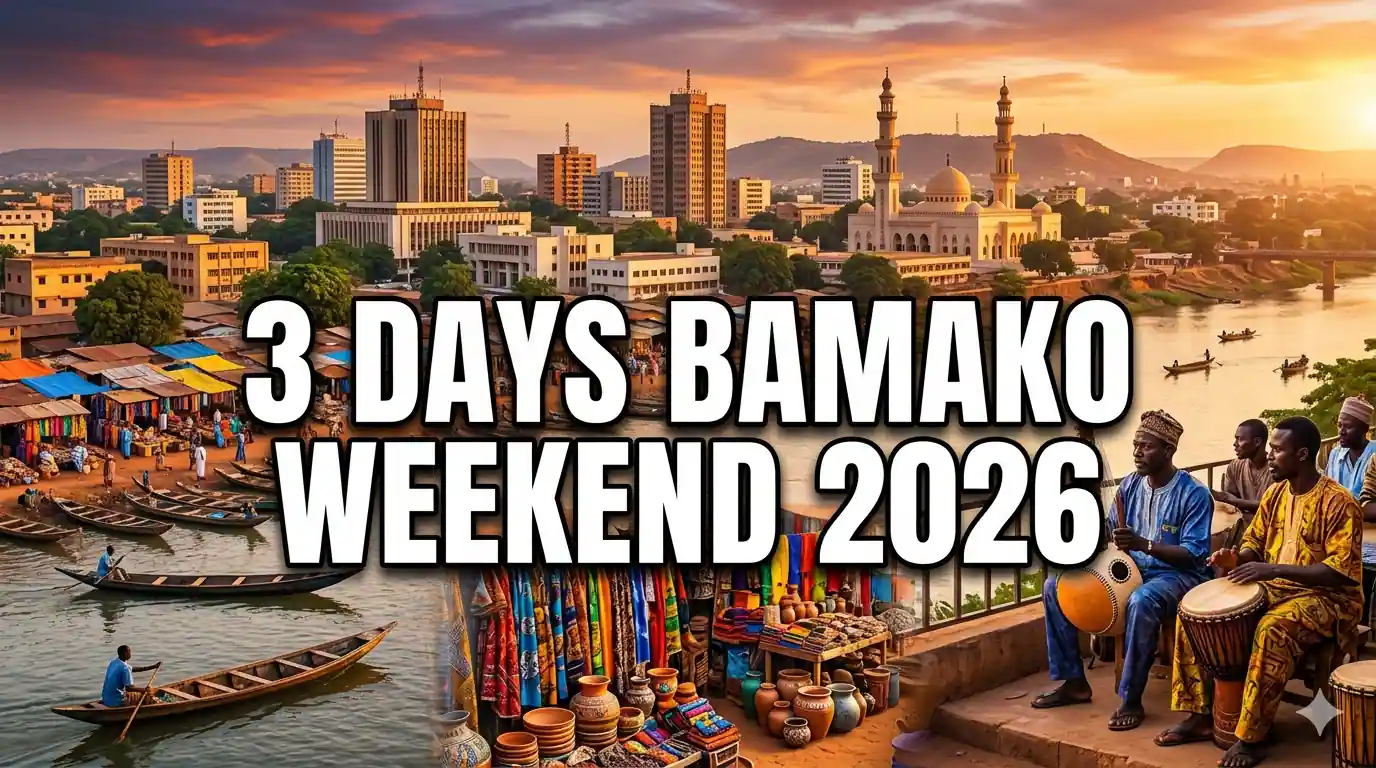
3 Days in Bamako: The Perfect Weekend Travel Itinerary
Planning a weekend in Bamako, Mali's vibrant capital, offers an immersive journey into West African culture, history, and hospitality. This 3-day itinerary is designed to maximize your experience in this dynamic city situated along the Niger River, balancing iconic attractions, authentic cultural encounters, culinary discoveries, and practical travel wisdom. Whether you're a seasoned Africa traveler or exploring the region for the first time, Bamako's energy, artistry, and warmth create unforgettable memories in just a long weekend.
Important travel note: As of 2026, Mali carries a US State Department Level 4: Do Not Travel advisory due to security concerns, and visa issuance for US citizens has been suspended. This itinerary is intended for travelers with legitimate authorization to visit Mali, including diplomats, accredited journalists, humanitarian workers, and citizens of countries with standard entry access. All travelers should verify current entry requirements, security conditions, and health protocols through official government channels before planning any trip to Bamako.
For those able to visit, Bamako rewards curiosity with rich experiences: bustling markets filled with handwoven textiles and intricate jewelry, live music venues showcasing the birthplace of the blues, riverside sunsets over the Niger, and warm Malian hospitality that makes visitors feel like family. This guide walks you through a perfectly paced weekend that captures the city's essence while prioritizing safety, cultural respect, and meaningful engagement.
Is Bamako safe for weekend travelers?
Bamako requires heightened security awareness. While the capital is generally more stable than northern Mali, risks including crime, civil unrest, and terrorism persist. Travelers should maintain low profiles, avoid nighttime movement, use trusted transportation, stay in secure accommodations, register with their embassy, and follow guidance from local authorities and security professionals. Never travel outside Bamako without professional security assessment.
Day 1: Arrival, Niger River, and Cultural Immersion

Your Bamako weekend begins with arrival logistics and an introduction to the city's riverside soul.
Morning: Arrival and Hotel Check-In
• Airport Transfer: Bamako-Sénou International Airport (BKO) is approximately 15 kilometers from the city center. Arrange pre-booked transportation through your hotel or a reputable service. Avoid unmarked taxis. Allow 30-45 minutes for the transfer, longer during peak traffic.
• Accommodation Recommendations:
- Luxury: Radisson Blu Hotel Bamako or La Maison Blanche offer international standards, secure facilities, and river views
- Mid-Range: Hotel Azalaï or Hotel Mandé provide comfortable rooms with reliable amenities
- Budget: Guesthouses in the ACI 2000 district offer authentic experiences at lower costs
• Check-In Tips: Confirm your reservation includes airport pickup, verify security measures (gated entry, 24-hour guards), and request a room away from street noise if sensitive to sound.
Late Morning: Niger River Introduction
• Riverside Walk: Begin your Bamako experience along the Niger River corniche. The river is the city's lifeblood, and strolling its banks offers glimpses of daily life: fishermen casting nets, women washing clothes, children playing, and pirogues (traditional wooden boats) gliding by.
• Photo Opportunities: Capture the contrast between traditional river activity and the modern city skyline. Morning light provides excellent photography conditions.
• Safety Note: Stay in populated areas, avoid displaying expensive equipment, and keep valuables secure.
Lunch: Authentic Malian Cuisine
• Restaurant Recommendation: Le Panoramique or Chez N'Golo for traditional dishes in a welcoming setting
• Must-Try Dishes:
- Tô: Staple dish of millet or sorghum paste served with sauces (peanut, baobab leaf, or okra)
- Mafé: Rich peanut stew with chicken, beef, or fish
- Poulet Yassa: Marinated chicken with onions, lemon, and mustard
- Fresh Niger River Fish: Grilled or fried capitaine (Nile perch)
• Dining Etiquette: Meals are often communal; accept hospitality graciously. Wash hands before eating if dining traditionally (without utensils).
Afternoon: National Museum of Mali
• Why Visit: The National Museum offers essential context for understanding Malian culture, history, and artistic heritage. Housed in a former colonial building with beautiful gardens, it features exhibits on archaeology, ethnography, traditional crafts, and contemporary art.
• Highlights:
- Dogon and Bamana masks and sculptures
- Traditional textiles including bogolanfini (mud cloth)
- Archaeological artifacts from the Niger River Valley
- Outdoor exhibits of traditional architecture
• Practical Info: Open Tuesday-Sunday; modest entry fee; photography may require permission; allow 1.5-2 hours for visit
• Cultural Tip: Engage with guides respectfully; ask questions about exhibits to deepen understanding
Evening: Sunset and Live Music
• Sunset at Point G: Head to the Point G hill area for panoramic views of Bamako as the sun sets over the Niger. The golden light illuminates the cityscape and creates memorable photo opportunities.
• Dinner: Return to the city center for dinner at a restaurant featuring live Malian music. Venues like Le Djembé or cultural centers often host performances.
• Music Experience: Mali is the birthplace of the blues and home to legendary musicians like Ali Farka Touré and Salif Keita. Even casual venues may feature talented local artists. Listen for the kora (21-string harp-lute), balafon (wooden xylophone), and djembe drums.
• Evening Safety: Conclude outdoor activities by early evening; use pre-arranged transportation for all nighttime movement.
What is the best time of year to visit Bamako?
The cool, dry season from November to February offers the most pleasant conditions for visiting Bamako, with daytime temperatures around 25-30°C (77-86°F) and minimal rainfall. Avoid the hot, dry season (March-May) when temperatures exceed 40°C (104°F), and the rainy season (June-October) which can cause flooding and travel disruptions.
Day 2: Markets, Crafts, and Community

Day two immerses you in Bamako's vibrant commercial culture and artistic traditions.
Morning: Marché du Fleuve (River Market)
• Experience: Marché du Fleuve is Bamako's most iconic market, a sprawling labyrinth of stalls selling everything from fresh produce to handcrafted treasures. Arrive early (8-10 AM) to experience the market at its most energetic while avoiding peak heat.
• What to Explore:
- Textiles: Vibrant bazin fabrics, traditional bogolanfini mud cloth, and contemporary African fashion
- Crafts: Wooden masks, bronze sculptures, leather goods, and jewelry featuring traditional motifs
- Spices and Food: Local peppers, dried fish, shea butter, and baobab powder
- Music: CDs and instruments from Malian artists
• Shopping Tips:
- Bargaining is expected; start at 30-40% of asking price and negotiate respectfully
- Carry small bills (CFA francs) for easier transactions
- Ask permission before photographing vendors or their goods
- Support artisan cooperatives when possible for fairer pricing
• Cultural Note: Markets are social hubs; take time to greet vendors with "Bonjour" or "I ni ce" (Bambara hello) and engage in friendly conversation.
Lunch: Market Food Experience
• Street Food Options: Sample affordable, authentic fare from market vendors:
- Accra: Spiced bean fritters, crispy and flavorful
- Brochettes: Grilled meat skewers with spicy marinade
- Fresh Fruit: Mangoes, papayas, and bananas when in season
• Safety: Choose vendors with high turnover (fresh food), ensure food is cooked thoroughly, and drink only bottled or treated water.
• Alternative: Return to a sit-down restaurant if preferred for comfort and food safety assurance.
Afternoon: Artisan Workshops and Cultural Centers
• Option 1: Bogolanfini (Mud Cloth) Workshop
- Visit a textile studio to observe the traditional process of creating Mali's iconic mud cloth
- Learn about natural dyes, symbolic patterns, and cultural significance
- Some workshops offer short hands-on experiences (book in advance)
• Option 2: Centre Culturel Blaise Senghor
- Explore exhibitions of contemporary Malian art, photography, and performance
- Check schedule for workshops, film screenings, or cultural events during your visit
- Engage with local artists and cultural practitioners
• Option 3: Leathercraft in the Medina
- Observe traditional leatherworking techniques in Bamako's historic Medina district
- Watch artisans craft bags, shoes, and decorative items using time-honored methods
- Purchase directly from makers at fair prices
Late Afternoon: Relaxation and Reflection
• Hotel Pool or Spa: Return to your accommodation to rest, refresh, and process the morning's sensory-rich experiences. Many mid-range and upscale hotels offer pools and spa services.
• Journaling or Photography Review: Take time to document impressions, organize photos, and reflect on cultural observations.
• Preparation: Confirm evening plans and arrange transportation in advance.
Evening: Culinary Exploration and Nightlife
• Dinner Recommendation: Reserve a table at a restaurant offering a fusion of Malian and international cuisine, such as Le Safoutier or La Terrasse. These venues provide comfortable settings for travelers while showcasing local flavors.
• Post-Dinner Options:
- Live Music Venue: If available, attend a performance featuring traditional or contemporary Malian music
- Riverside Café: Enjoy a beverage at a café with Niger River views (conclude by early evening)
- Hotel Lounge: Relaxed option for conversation and reflection
• Nighttime Safety: All evening movement should use pre-arranged, trusted transportation. Avoid walking after dark and maintain awareness of surroundings.
What should I buy at Bamako markets?
Top authentic purchases include bogolanfini mud cloth, handwoven bazin fabrics, traditional wooden masks and sculptures, leather goods from the Medina, silver Tuareg jewelry, and local spices like soumbala (fermented locust bean). Support artisan cooperatives for fair pricing and quality assurance. Always bargain respectfully and verify export regulations for cultural artifacts before purchasing.
Day 3: History, Nature, and Departure

Your final day balances historical exploration, natural beauty, and practical departure preparations.
Morning: Historical Sites and Architecture
• Grand Mosque of Bamako: Visit this prominent landmark featuring distinctive Sudano-Sahelian architecture. Non-Muslims may view the exterior and courtyard; dress modestly (covered shoulders and knees) and remove shoes if entering prayer areas. Respect worship times and avoid visiting during Friday prayers.
• Cathedral of Bamako: Explore this colonial-era Catholic cathedral showcasing a blend of architectural styles. The peaceful interior offers a contrast to the city's energy.
• Independence Monument: Photograph this central landmark commemorating Mali's 1960 independence. The surrounding plaza provides context for understanding modern Malian identity.
• Walking Safety: Keep movements between sites brief and purposeful; use transportation for longer distances.
Lunch: Farewell Malian Meal
• Restaurant Choice: Select a venue you've been curious about or return to a favorite from earlier in the weekend.
• Special Order: Request a dish you haven't yet tried, such as:
- Dibi: Grilled lamb or chicken with spicy onion sauce
- Riz au Gras: Flavorful rice dish with vegetables and meat
- Fonio: Ancient grain prepared in various traditional styles
• Culinary Reflection: Consider how Malian cuisine reflects the region's agricultural traditions, trade history, and cultural diversity.
Afternoon: Optional Excursion or Leisure Time
• Option 1: Koulouba Hill
- Visit this elevated neighborhood for panoramic city views
- Explore the Presidential Palace exterior (photography restrictions apply)
- Learn about Bamako's colonial and post-independence history
• Option 2: Craft Shopping Finale
- Return to Marché du Fleuve or visit a curated craft boutique for final souvenir purchases
- Focus on items that meaningfully represent your Bamako experience
- Confirm export requirements for any cultural artifacts
• Option 3: Relaxation and Packing
- Return to hotel for rest, packing, and departure preparations
- Confirm airport transfer timing and documentation
- Settle any outstanding hotel charges
Late Afternoon: Airport Transfer
• Timing: Depart for Bamako-Sénou International Airport 2.5-3 hours before international flights to allow for security screening, check-in, and potential delays.
• Transportation: Use pre-arranged hotel transfer or reputable taxi service. Confirm driver identity and vehicle details before departure.
• Documentation: Ensure passport, visa/entry authorization, boarding pass, and health documents (yellow fever certificate if required) are readily accessible.
• Customs: Declare any purchases requiring export documentation; retain receipts for valuable items.
Evening: Departure
• Airport Experience: Bamako-Sénou is a modest-sized airport; allow time for security procedures. Duty-free shopping is limited; purchase souvenirs in the city.
• Reflection: As you depart, reflect on the cultural insights, human connections, and sensory memories of your Bamako weekend. Consider how the experience deepened your understanding of West Africa.
How do I get around Bamako safely?
Use pre-arranged transportation through your hotel or reputable services for all travel in Bamako. Avoid public minibuses (sotramas) and unmarked taxis. Confirm driver identity and vehicle details before entering any vehicle. Limit movement after dark and always inform someone of your itinerary. For essential travel outside the city center, engage professional security guidance.
Practical Travel Information for Bamako

Essential logistics to ensure a smooth and safe Bamako experience.
Entry Requirements:
• Passport: Valid at time of entry with at least one blank page
• Visa: Requirements vary by nationality; US citizens face visa suspension as of 2026
• Yellow Fever: Vaccination certificate required if arriving from endemic countries
• Proof of Onward Travel: May be requested at entry
• Verification: Always confirm current requirements with official government sources before travel
Currency and Payments:
• Currency: West African CFA franc (XOF); approximately 600 XOF = 1 USD
• Cash: Carry sufficient CFA francs; credit cards accepted at major hotels and some restaurants but not widely
• ATMs: Available in Bamako but may have withdrawal limits; notify your bank of travel plans
• Tipping: Not mandatory but appreciated; 5-10% at restaurants if service charge not included
Language and Communication:
• Official Language: French
• National Languages: Bambara (most widely spoken), Fulfulde, Songhai, Tamasheq
• English: Limited outside international hotels and tourism sectors
• Useful Phrases:
- "Bonjour" / "I ni ce" = Hello
- "Merci" / "A ni ce" = Thank you
- "S'il vous plaît" = Please
- "Combien?" = How much?
• Connectivity: Mobile networks available in Bamako; consider local SIM for data; WiFi at hotels and cafés
Health Precautions:
• Malaria: Endemic; take prescribed prophylaxis and use insect repellent
• Water: Drink only bottled or treated water; avoid ice of uncertain origin
• Food Safety: Eat thoroughly cooked foods; peel fruits yourself
• Medical Facilities: Limited; carry comprehensive travel insurance with medical evacuation coverage
• Vaccinations: Ensure routine vaccines plus hepatitis A/B, typhoid, meningitis; consult travel medicine specialist
Cultural Etiquette:
• Greetings: Take time for proper greetings; rushing is considered rude
• Photography: Always ask permission before photographing people; avoid government/military sites
• Dress: Modest clothing respects local norms; cover shoulders and knees, especially at religious sites
• Religion: Mali is predominantly Muslim; respect prayer times and religious customs
• Gifts: Small tokens of appreciation are welcomed when visiting homes or workshops
Emergency Contacts:
• Local Emergency: Police 17, Fire 18, Ambulance 15
• US Embassy Bamako: +(223) 2070-2300 (office), +(223) 6675-2860 (emergency)
• International SOS: For medical/security assistance if subscribed
• Hotel Security: Save contact information for your accommodation's security desk
Do I need travel insurance for Bamako?
Comprehensive travel insurance with medical evacuation coverage is essential for any visit to Bamako. Verify that your policy explicitly covers Mali (many exclude Level 4 advisory destinations) and includes emergency medical evacuation to a country with adequate healthcare facilities. Carry insurance documentation and emergency contact information at all times.
Extending Your Stay: Day Trip Considerations

While this itinerary focuses on Bamako itself, travelers with additional time and appropriate security clearance may consider nearby destinations.
Koulikoro (60 km northeast):
• Scenic town on the Niger River with relaxed atmosphere
• Traditional pirogue rides and riverside dining
• Access point for exploring the Niger River
• Security Note: Travel only with professional security assessment and escort
Kangaba and the Mandé Region:
• Historical heartland of the Mali Empire
• Kamabolon sacred hut (access restricted; requires local guidance)
• Cultural significance for understanding Malian heritage
• Security Note: Not recommended without verified security protocols
Important Disclaimer:
Travel outside Bamako significantly increases security risks. The US State Department prohibits official personnel from traveling outside the capital without special authorization. Private travelers should exercise extreme caution and engage professional security services for any movement beyond Bamako city limits. This itinerary intentionally focuses on in-city experiences to prioritize safety.
Can I visit Timbuktu from Bamako?
Timbuktu is currently inaccessible for most travelers due to severe security risks in northern Mali. The region experiences active terrorist activity, military operations, and kidnapping threats. Even with professional security support, travel to northern Mali is strongly discouraged. Consider virtual tours or cultural centers in Bamako to learn about Timbuktu's history instead.
Responsible Tourism in Bamako

Traveling to Bamako carries responsibilities beyond personal safety. Ethical engagement ensures your visit benefits local communities and respects Malian culture.
Supporting Local Economies:
• Purchase crafts directly from artisans or certified cooperatives
• Choose locally-owned restaurants and accommodations when feasible
• Hire local guides through reputable agencies to ensure fair compensation
• Avoid haggling excessively; recognize that small amounts matter greatly to vendors
Cultural Respect:
• Learn basic greetings in French or Bambara; effort is appreciated
• Ask permission before photographing people, religious sites, or cultural ceremonies
• Dress modestly, especially outside tourist areas and at religious locations
• Respect prayer times and religious customs; avoid scheduling activities during Friday prayers
Environmental Awareness:
• Minimize single-use plastics; carry a reusable water bottle with purification capability
• Dispose of waste properly; recycling infrastructure is limited
• Respect natural areas; do not remove plants, rocks, or cultural artifacts
• Support eco-conscious accommodations and tour operators when available
Knowledge Exchange:
• Approach interactions with humility and curiosity rather than assumptions
• Listen more than you speak; learn from Malian perspectives
• Share your own culture respectfully when invited to do so
• Avoid "poverty tourism"; focus on mutual exchange rather than observation
Post-Travel Engagement:
• Share experiences thoughtfully, crediting Malian hosts and avoiding stereotypes
• Support Malian artists, musicians, and cultural organizations from afar
• Advocate for responsible travel practices within your networks
• Consider ongoing connections with contacts made during your visit
How can I ensure my Bamako visit benefits local communities?
Prioritize locally-owned businesses, hire Malian guides through reputable agencies, purchase crafts directly from artisans, and engage respectfully with cultural practices. Avoid large international chains when local alternatives exist. Share your experiences in ways that highlight Malian voices and perspectives rather than centering your own narrative. Responsible tourism amplifies local agency and economic benefit.
Final Reflections: Bamako in Three Days

A weekend in Bamako offers a concentrated yet profound introduction to Mali's cultural richness, artistic heritage, and warm hospitality. From the rhythmic pulse of Marché du Fleuve to the soulful strains of a kora at sunset, from the intricate patterns of bogolanfini cloth to the shared laughter over a meal of mafé, Bamako engages the senses and expands perspectives.
This itinerary balances iconic experiences with authentic encounters, cultural immersion with practical safety, and structured planning with space for spontaneous discovery. Whether you're drawn by Mali's musical legacy, its artistic traditions, its historical significance, or simply the opportunity to experience West African urban life, Bamako rewards thoughtful travelers with memorable moments and deeper understanding.
Yet travel to Bamako in 2026 requires sober acknowledgment of real risks. The Level 4 travel advisory, visa restrictions for certain nationalities, and genuine security concerns demand careful consideration, thorough preparation, and professional support for any visit. This guide does not minimize these challenges but provides responsible information for those with legitimate reasons to travel.
For those who do visit Bamako, approach the experience with humility, curiosity, and respect. Listen to Malian voices, honor local customs, support community livelihoods, and carry the lessons of your journey forward. Bamako's greatest gift may not be the sites you see but the connections you make and the perspectives you gain.
As you depart, whether after three days or longer, may your Bamako experience deepen your appreciation for Mali's contributions to global culture, inspire ongoing engagement with West African arts and communities, and remind you of the transformative power of travel undertaken with intention and respect.
Bamako awaits those who come with open minds, prepared hearts, and commitment to responsible exploration. Your weekend in Mali's capital can be both an adventure and an education—if undertaken with wisdom, caution, and cultural humility.
0 Comments