.webp)
.webp)
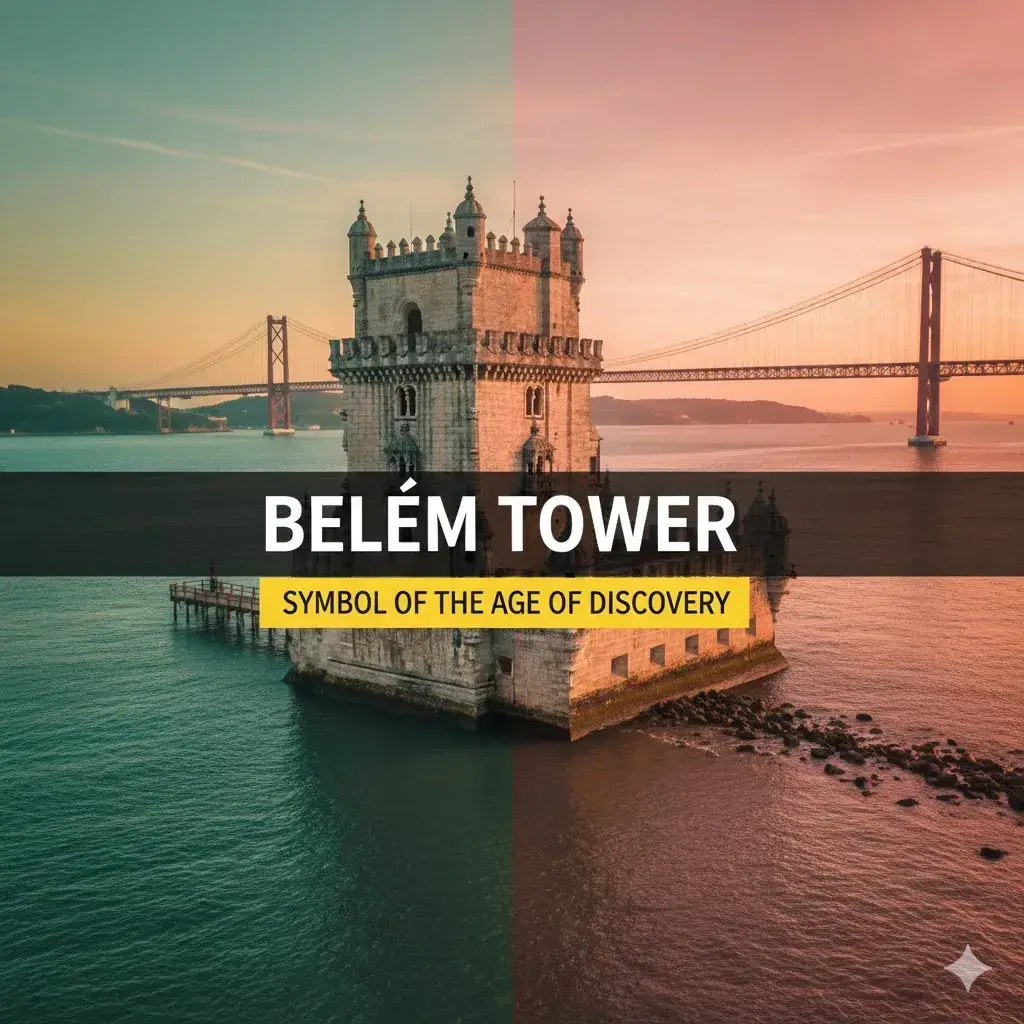
BELÉM TOWER: AN ICONIC SYMBOL OF PORTUGAL'S AGE OF DISCOVERY
Belém Tower (Torre de Belém) stands as one of Portugal's most iconic monuments and a powerful symbol of the nation's glorious Age of Discovery. This magnificent 16th-century fortress, designated as a UNESCO World Heritage Site in 1983, represents the pinnacle of Manueline architecture—a uniquely Portuguese style that celebrates the nation's maritime achievements, exploration, and global influence. Located on the banks of the Tagus River in Lisbon's Belém District, the tower served as a ceremonial gateway to the city, a defensive fortress protecting the harbor, and a departure point for legendary explorers who would chart unknown waters and establish Portugal as a global maritime power.
In 2026, as travelers seek destinations that combine architectural splendor, historical significance, and cultural meaning, Belém Tower remains an essential destination for anyone visiting Lisbon. Whether you are a history enthusiast drawn by Portugal's Age of Discovery, an architecture lover fascinated by Manueline ornamentation, a photography enthusiast seeking iconic Lisbon landmarks, or simply a curious traveler inspired by tales of maritime exploration, this comprehensive guide will help you understand and appreciate one of Portugal's most treasured monuments.
Understanding Belém Tower requires more than admiring its ornate stonework; it demands engaging with the complex history of Portuguese exploration, the architectural innovation of the Manueline style, and the cultural significance of this monument as a symbol of national identity. By approaching Belém Tower with curiosity and respect, you will discover not just a beautiful fortress but a living dialogue between Portugal's maritime past and its enduring legacy.
HISTORICAL CONTEXT: GUARDIAN OF THE TAGUS AND GATEWAY TO EXPLORATION
The story of Belém Tower is inseparable from Portugal's Age of Discovery, a period when Portuguese navigators pushed the boundaries of the known world and established a global maritime empire.
Construction and Purpose (1514-1520):
Belém Tower was commissioned by King Manuel I and built between 1514 and 1520, during the height of Portugal's maritime power:
Architect and Design:
- Master Builder: Francisco de Arruda, a Portuguese architect who had worked on Moroccan fortifications
- Style: Manueline architecture—a uniquely Portuguese late Gothic style incorporating maritime motifs, navigational instruments, and symbols of exploration
- Purpose: Ceremonial gateway to Lisbon, defensive fortress protecting the Tagus estuary, and customs checkpoint for ships entering the harbor
Historical Context:
- Age of Discovery: Built during the reign of Manuel I, when Vasco da Gama had recently returned from India (1498) and Portugal dominated maritime trade routes to Asia, Africa, and Brazil
- Strategic Location: Positioned on a small island in the Tagus River (now connected to the riverbank), the tower controlled access to Lisbon's harbor
- Symbolic Significance: Represented Portugal's wealth, power, and global reach during its golden age
Architectural Evolution:
Over the centuries, Belém Tower has served multiple functions:
16th-17th Centuries:
- Defensive Fortress: Armed with cannons to protect Lisbon from naval attacks
- Ceremonial Gateway: Royal departures and arrivals passed beneath the tower
- Customs House: Collected taxes on goods entering Lisbon's harbor
18th-19th Centuries:
- Prison: Used as a political prison during various periods
- Telegraph Station: Served as a signal station in the 19th century
- Neglect: Fell into disrepair as Lisbon's harbor defenses modernized
20th Century to Present:
- Restoration: Major restoration in 1940 returned the tower to its original appearance
- UNESCO Recognition: Designated World Heritage Site in 1983
- National Symbol: Became one of Portugal's most recognizable landmarks and a symbol of national pride
MANUELINE ARCHITECTURE: PORTUGAL'S UNIQUE MARITIME STYLE
Belém Tower is considered one of the finest examples of Manueline architecture, a style that uniquely celebrates Portugal's maritime achievements and global exploration.
Defining Characteristics of Manueline Style:
Maritime Motifs:
- Rope Carvings: Stone carved to resemble twisted ropes, celebrating Portugal's seafaring heritage
- Nautical Instruments: Depictions of astrolabes, compasses, and other navigational tools
- Marine Elements: Coral, seaweed, shells, and other oceanic motifs integrated into stonework
- Armillary Spheres: Symbol of King Manuel I and Portuguese navigation, appearing throughout the tower
Symbolic Ornamentation:
- Royal Emblems: Coat of arms of King Manuel I, crosses of the Order of Christ (military order that funded exploration)
- Naturalistic Elements: Realistic carvings of plants, animals, and exotic motifs from newly discovered lands
- Religious Symbols: Christian crosses and religious imagery reflecting the spiritual dimension of exploration
Architectural Features of Belém Tower:
Exterior Elements:
- Watchtowers: Four corner turrets with domed roofs and decorative pinnacles
- Bartizans: Small projecting turrets with ornate stonework and defensive functions
- Loggia: Open balcony on the southern facade with intricate Manueline arches
- Rope Carvings: Elaborate stone ropes wrapping around balconies and decorative elements
Interior Spaces:
- Governor's Chamber: Main ceremonial room with vaulted ceiling and royal coat of arms
- King's Chamber: Private quarters with ornate windows and river views
- Audience Hall: Space for receiving visitors and conducting official business
- Chapel: Small religious space for prayers before voyages
VISITING BELÉM TOWER: PRACTICAL INFORMATION FOR 2026
Planning your visit to Belém Tower requires understanding current policies, hours, and protocols to make the most of your experience.
Opening Hours and Seasonal Variations:
Current Schedule (subject to change):
- October-April: 10:00 AM - 5:30 PM (last entry 5:00 PM)
- May-September: 10:00 AM - 6:30 PM (last entry 6:00 PM)
- Closed: Mondays and major public holidays (January 1, Easter Sunday, May 1, December 25)
Checking Current Hours:
- Official Website: Check Direção-Geral do Património Cultural website for current hours
- Local Information: Ask at your hotel or Belém tourist information center
- Seasonal Changes: Hours may vary during special events or maintenance periods
Admission and Tickets:
Current Pricing (subject to change):
- Standard Admission: Approximately €6-8 for adults
- Reduced Rate: Approximately €3-4 for seniors (65+), youth (12-25), and families
- Free Admission: Children under 12, holders of Lisbon Card, and certain other categories
- Combined Ticket: Belém Tower + Jerónimos Monastery approximately €12-16 (savings of €2-4)
Ticket Purchase Options:
- Online Booking: Recommended to skip queues; book through official website or authorized vendors
- On-Site Purchase: Available at ticket office but expect queues, especially in peak season (April-October)
- Lisbon Card: Includes free admission to Belém Tower and many other Lisbon attractions; calculate if worthwhile for your itinerary
Best Time to Visit:
Timing significantly impacts your experience in terms of crowds, lighting, and atmosphere:
Avoiding Crowds:
- Early Morning: Arrive at opening (10:00 AM) for fewer crowds and better photo opportunities
- Late Afternoon: Visit 1-2 hours before closing for softer light and fewer visitors
- Weekdays: Tuesday-Thursday typically less crowded than weekends
- Off-Peak Season: November-March sees fewer tourists; more comfortable for exploration
Optimal Lighting for Photography:
- Morning Light: Eastern facade beautifully illuminated in morning hours (10 AM-12 PM)
- Golden Hour: Late afternoon/early evening provides warm, dramatic lighting (best May-September)
- Blue Hour: Just after sunset offers atmospheric shots with illuminated tower and twilight sky
Duration of Visit:
Recommended Time:
- Minimum: 45-60 minutes for exterior photography and brief interior visit
- Ideal: 1.5-2 hours for comprehensive exploration of interior chambers, exterior photography, and riverside views
- Photography Enthusiasts: Allow 2-3 hours for multiple angles, different lighting conditions, and detailed architectural shots
WHAT TO SEE: INTERIOR AND EXTERIOR HIGHLIGHTS
Belém Tower offers both impressive exterior architecture and fascinating interior spaces worth exploring.
Exterior Highlights:
Southern Facade (River Side):
- Ornate Loggia: Open balcony with intricate Manueline arches and decorative stonework
- Royal Coat of Arms: Prominently displayed above the entrance
- Rope Carvings: Elaborate stone ropes wrapping around balconies and decorative elements
- Watchtowers: Four corner turrets with domed roofs and decorative pinnacles
Northern Facade (Land Side):
- Simpler Design: More austere military architecture facing the land
- Defensive Features: Cannon emplacements and fortified walls
- Bartizans: Small projecting turrets with ornate stonework
Riverside Setting:
- Tagus River Views: Tower's reflection in calm waters creates iconic photographic compositions
- Pedestrian Bridge: Wooden walkway connecting tower to riverbank; excellent for photos
- Gardens: Landscaped areas surrounding the tower with views of 25 de Abril Bridge
Interior Chambers:
Governor's Chamber (Sala do Governador):
- Main ceremonial room with vaulted ceiling
- Royal coat of arms of King Manuel I
- Ornate windows with river views
- Historical information displays
King's Chamber (Sala do Rei):
- Private quarters with decorative stonework
- Windows offering panoramic Tagus River views
- Intimate space reflecting royal residential use
Audience Hall (Sala das Audiências):
- Space for receiving visitors and conducting official business
- Vaulted ceiling with Manueline decorative elements
- Historical context displays
Chapel (Capela):
- Small religious space for prayers before voyages
- Simple but elegant sacred space
- Reflects spiritual dimension of Portuguese exploration
Upper Terrace:
- Rooftop terrace with panoramic views of Tagus River, Belém District, and 25 de Abril Bridge
- Excellent vantage point for photography
- Cannon emplacements showing defensive function
PHOTOGRAPHY TIPS: CAPTURING BELÉM TOWER'S BEAUTY
Belém Tower offers exceptional photography opportunities from multiple angles and perspectives.
Best Photography Locations:
Exterior Shots:
- Riverside Walkway: Wooden bridge provides classic frontal view with river reflection
- Northern Gardens: Elevated position for tower with 25 de Abril Bridge in background
- Tagus Riverbank: Low angle shots emphasizing tower's height and maritime setting
- Belém District Streets: Distant views incorporating neighborhood context
Interior Photography:
- Vaulted Ceilings: Architectural details of Manueline stonework
- Decorative Elements: Close-ups of rope carvings, armillary spheres, and royal emblems
- Window Views: Framing Tagus River through ornate Manueline windows
- Chamber Interiors: Atmospheric shots of historic rooms with natural light
Technical Considerations:
Equipment:
- Wide-Angle Lens (16-35mm): Essential for capturing tower's full facade and interior chambers
- Telephoto Lens (70-200mm): Useful for architectural details and compressing background elements
- Tripod: Helpful for low-light interior shots and golden hour exterior photography (check current policies)
- Polarizing Filter: Reduces glare on water and enhances sky contrast
Settings and Techniques:
- Aperture: f/8-f/11 for sharp architectural details and good depth of field
- Shutter Speed: Fast enough for handheld shots (1/125 or faster); slower speeds with tripod
- ISO: Keep low (100-400) for best image quality; increase as needed for interior shots
- Composition: Include foreground elements (river, gardens, people) for scale and context
Best Times for Photography:
Golden Hour Magic:
- Sunrise (6-8 AM): Soft, directional light illuminates eastern facade; few crowds
- Sunset (6-8 PM, season-dependent): Warm light on stone creates dramatic atmosphere; popular but rewarding
Blue Hour and Night:
- Blue Hour: Period just after sunset offers soft, even light with illuminated tower
- Night Photography: Tower illuminated against dark sky; long exposures create dramatic effects
Crowd Management:
- Early Morning: Arrive at opening for unobstructed shots
- Weekdays: Tuesday-Thursday typically less crowded
- Off-Peak Season: November-March sees fewer tourists
NEARBY ATTRACTIONS: MAXIMIZING YOUR BELÉM VISIT
Belém Tower is located in Lisbon's historic Belém District, surrounded by other significant attractions within easy walking distance.
Within 5-Minute Walk:
Jerónimos Monastery (Mosteiro dos Jerónimos):
- Distance: 800 meters (10-minute walk) from Belém Tower
- Significance: Magnificent 16th-century monastery, UNESCO World Heritage Site, burial place of Vasco da Gama
- Architecture: Masterpiece of Manueline style with intricate stone carvings and peaceful cloisters
- Visiting: Allow 1.5-2 hours; combined ticket with Belém Tower offers savings
- Practical Tips: Arrive early to avoid crowds; modest dress required
Pastéis de Belém:
- Distance: 600 meters (8-minute walk) from Belém Tower
- Significance: Original bakery for Portugal's famous pastéis de nata (custard tarts) since 1837
- Experience: Watch bakers prepare tarts; enjoy warm pastries with cinnamon and powdered sugar
- Practical Tips: Expect queues; take-away available; try multiple tarts
Monument to the Discoveries (Padrão dos Descobrimentos):
- Distance: 500 meters (6-minute walk) from Belém Tower
- Significance: Modern monument (1960) honoring Portuguese explorers and Age of Discovery
- Features: Ship-shaped structure with statues of Henry the Navigator, Vasco da Gama, and other historical figures
- Experience: Elevator to top for panoramic views; small exhibition on Portuguese exploration
Within 10-Minute Walk:
Belém Cultural Center (CCB):
- Distance: 700 meters from Belém Tower
- Significance: Modern arts complex with contemporary exhibitions, concerts, and cultural events
- Features: Striking modern architecture contrasting with historic Belém monuments
- Visiting: Check current exhibitions; many free or low-cost events
Belém Gardens and Riverfront:
- Jardim da Praça do Império: Formal gardens with fountains, perfect for relaxation and photos
- Tagus River Promenade: Scenic walkway along river; popular for jogging, cycling, and sunset views
- Bike Rentals: Explore Belém and riverfront by bike; rental shops near Belém Tower
Suggested Belém Itineraries:
Half-Day Belém Experience (4 hours):
1. Belém Tower visit and photography (1.5 hours)
2. Walk to Jerónimos Monastery (10 minutes)
3. Jerónimos Monastery exploration (1.5 hours)
4. Pastéis de Belém for custard tarts (30 minutes)
Full-Day Belém Discovery (8 hours):
1. Morning: Belém Tower at opening (1.5 hours)
2. Jerónimos Monastery visit (2 hours)
3. Lunch in Belém District (1 hour)
4. Monument to the Discoveries and riverside walk (1.5 hours)
5. Pastéis de Belém and Belém Cultural Center (1.5 hours)
PRACTICAL VISITOR INFORMATION FOR 2026
Essential information for planning your Belém Tower visit.
Getting to Belém Tower:
By Tram:
- Tram 15E: Most scenic route from city center (Praça da Figueira or Cais do Sodré); approximately 20-30 minutes
- Frequency: Every 10-15 minutes during peak hours
- Tickets: Purchase Viva Viagem card or single ticket (approximately €3.00)
- Tip: Tram 15E can be crowded; board at terminus for best chance of seating
By Bus:
- Bus 728: Connects Cais do Sodré to Belém; approximately 20 minutes
- Bus 714, 727, 729: Other routes serving Belém District
- Frequency: Every 15-20 minutes
- Tickets: Same Viva Viagem card works for all buses
By Train:
- Cascais Line: Train from Cais do Sodré to Belém station; approximately 10 minutes
- Frequency: Every 20 minutes
- Tickets: Same Viva Viagem card
- Tip: Fastest option but less scenic than tram
By Taxi/Ride-Hailing:
- Cost: Approximately €10-15 from city center
- Time: 15-20 minutes depending on traffic
- Convenience: Direct drop-off at Belém Tower; no walking required
By Bicycle:
- Bike Rentals: Available throughout Lisbon; scenic riverside route to Belém
- Distance: Approximately 6 km from city center
- Time: 25-35 minutes at leisurely pace
- Tip: Dedicated bike lanes along river; pleasant ride with river views
Accessibility Considerations:
Wheelchair Access:
- Exterior: Tower grounds and riverside walkway are wheelchair accessible
- Interior: Limited accessibility due to historic stairs and narrow passages; upper levels not accessible
- Facilities: Accessible restrooms available near ticket office
- Assistance: Staff available to assist visitors with disabilities; contact in advance for specific needs
Alternative Options:
- Exterior Photography: Excellent photo opportunities from accessible riverside areas
- Virtual Tours: Some online resources offer virtual interior exploration
- Nearby Attractions: Jerónimos Monastery has better accessibility features
Safety and Practical Tips:
General Safety:
- Pickpockets: Be aware of pickpockets in crowded tourist areas; keep bags closed and in front
- Sun Protection: Limited shade near tower; use sunscreen, hat, and sunglasses, especially in summer
- Hydration: Carry water bottle, especially in summer; public fountains available
- Footwear: Comfortable shoes recommended for cobblestone paths and stairs inside tower
Practical Tips:
- Restrooms: Available near ticket office and in surrounding gardens
- Food and Drink: No food service inside tower; cafés and restaurants in Belém District
- Shopping: Small gift shop near exit with books, postcards, and souvenirs
- Weather: Tower can be windy; bring layers even in summer
CULTURAL SIGNIFICANCE AND RESPECTFUL VISITING
Belém Tower is more than a tourist attraction; it is a symbol of Portuguese national identity and a UNESCO World Heritage Site requiring respectful engagement.
Understanding Cultural Significance:
National Symbol:
- Age of Discovery: Represents Portugal's maritime heritage and global exploration
- Architectural Achievement: Exemplifies Manueline style, a uniquely Portuguese architectural innovation
- UNESCO Recognition: Part of "Monastery of Jerónimos and Tower of Belém" World Heritage Site
- National Pride: Appears on Portuguese currency, stamps, and official imagery
Historical Context:
- Maritime Power: Symbol of Portugal's 15th-16th century dominance of global trade routes
- Cultural Exchange: Represents connections between Europe, Africa, Asia, and the Americas
- Complex Legacy: Celebrates exploration while acknowledging colonial history and its impacts
Respectful Visiting Practices:
Photography Etiquette:
- Interior Restrictions: Flash photography prohibited to protect historic stonework
- Respectful Behavior: Avoid blocking other visitors' views or photo opportunities
- Commercial Use: Professional photography requires special permission
Cultural Sensitivity:
- Historical Context: Acknowledge both achievements and complexities of Age of Discovery
- Educational Approach: Use visit as opportunity to learn about Portuguese history and global connections
- Respectful Engagement: Treat monument with reverence as cultural heritage site
SUSTAINABLE TOURISM: PRESERVING BELÉM TOWER FOR FUTURE GENERATIONS
As a UNESCO World Heritage Site receiving millions of visitors annually, Belém Tower faces challenges from tourism pressure. Visitors can help preserve this treasure.
Environmental Responsibility:
Reduce Your Impact:
- Waste Reduction: Carry reusable water bottles and bags; use designated recycling bins
- Energy Conservation: Respect lighting and climate control systems in historic building
- Water Conservation: Portugal has faced drought conditions; be mindful of water use
- Transportation: Use public transport (tram, bus, train) rather than taxis to reduce carbon footprint
Support Preservation:
- Admission Fees: Ticket revenue supports conservation and maintenance
- Donations: Consider voluntary donations to heritage preservation organizations
- Responsible Tours: Choose licensed guides who emphasize preservation and respectful visiting
- Spread Awareness: Share information about proper visiting etiquette with fellow travelers
Cultural Preservation:
Respect Heritage:
- Follow Guidelines: Adhere to all posted rules and staff instructions
- No Touching: Avoid touching historic stonework; oils from skin accelerate deterioration
- Report Issues: Notify staff if you observe damage or inappropriate behavior
- Educate Others: Share proper visiting etiquette and cultural sensitivity with fellow travelers
CONCLUSION: A MONUMENT TO MARITIME GLORY AND HUMAN AMBITION
Belém Tower stands as more than just a beautiful fortress; it is a testament to human ambition, maritime innovation, and Portugal's pivotal role in shaping the modern world. For over 500 years, this magnificent structure has watched over the Tagus River, witnessing the departure of legendary explorers, the arrival of exotic treasures, and the evolution of Lisbon from a medieval port to a modern European capital.
In 2026, as you walk across the wooden bridge, admire the intricate Manueline carvings, climb the spiral staircases, and gaze out over the Tagus River from the upper terrace, you participate in a continuum of human experience that spans centuries. Whether you come as a student of history, an admirer of architecture, a photography enthusiast, or simply a curious traveler, Belém Tower offers something profound: a tangible connection to the Age of Discovery and the enduring human spirit of exploration.
May your visit to Belém Tower deepen your appreciation for Portugal's rich maritime heritage and inspire your commitment to preserving cultural treasures for future generations. As the architects, explorers, and artisans who created this monument understood, true legacy lies not just in stone and mortar but in the stories, achievements, and connections that endure across time. May you carry that understanding forward, wherever your journey leads.
Useful Resources:
- Direção-Geral do Património Cultural: patrimoniodigital.gov.pt for official monument information
- Lisbon Tourism: visitlisbon.com for visitor information and trip planning
- UNESCO World Heritage: whc.unesco.org for World Heritage Site information
- Emergency Services: 112 for all emergencies in Portugal
Disclaimer: Information is accurate as of early 2026. Opening hours, ticket prices, and policies may change; verify current details through official channels before your visit. This guide is for informational purposes only and does not constitute professional travel advice.
0 Comments