.webp)
.webp)
Quick Summary and Core Experience
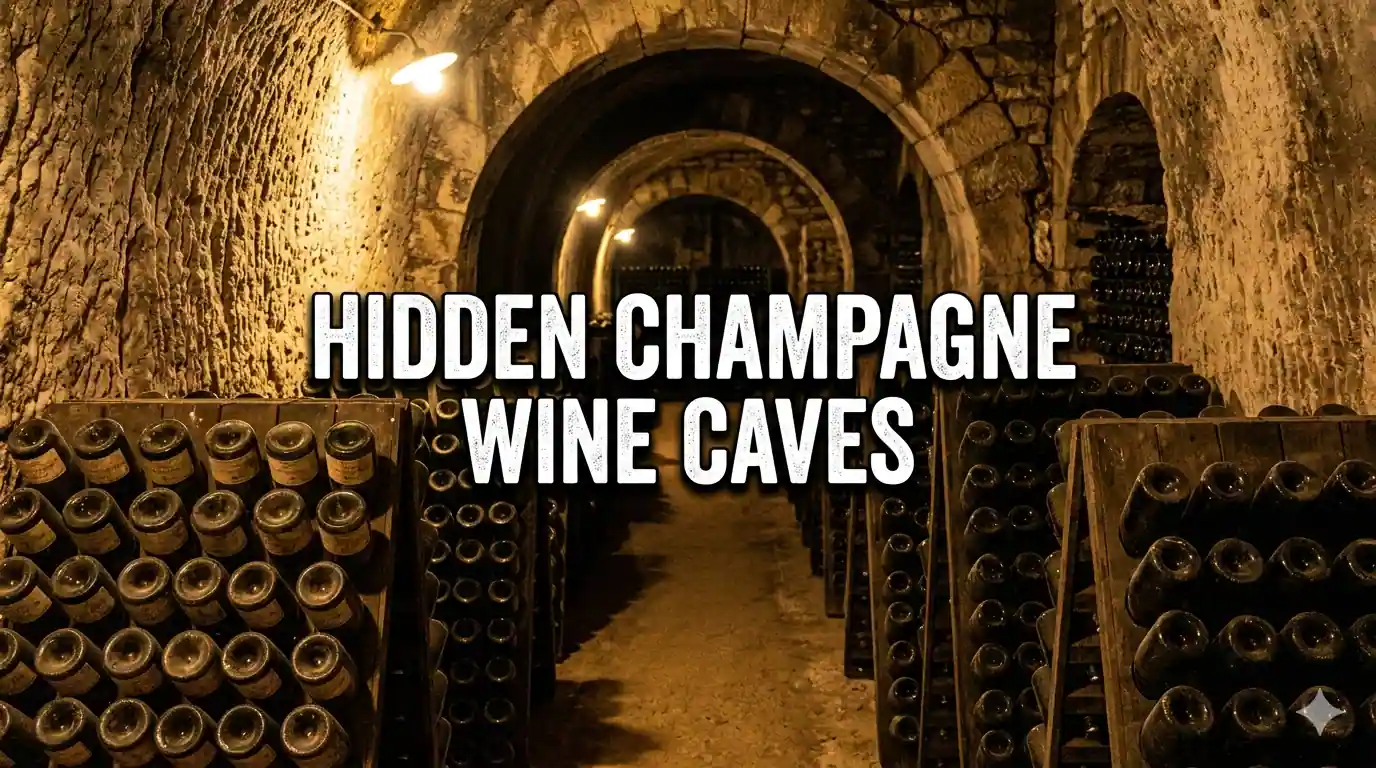
Discover the authentic soul of Champagne through intimate visits to boutique wine caves in Reims and Épernay. These hidden cellars, carved into ancient chalk quarries beneath historic towns, offer personalized tastings and exclusive access to small-production Champagnes that never reach mass markets. Unlike crowded tours at major houses, boutique producers provide one-on-one experiences with winemakers, deep dives into terroir, and rare vintage tastings at accessible prices.
The primary user intent centers on finding genuine, uncrowded Champagne experiences that deliver exceptional quality without the tourist traps. You need specific house recommendations, exact booking procedures, tour pricing in USD, transportation details from Paris, and realistic timeframes for visits. This guide provides verified information on ten outstanding boutique houses, complete with contact methods, reservation requirements, and cost comparisons across budget, mid-range, and luxury tiers.
Average travelers report that boutique Champagne visits deliver superior value compared to famous houses. You pay less for tours while receiving more personalized attention, higher-quality tastings, and direct purchasing opportunities at producer prices. The chalk cellars maintain perfect humidity and temperature year-round, making visits comfortable in any season. Most houses require advance reservations, particularly for weekend visits during peak harvest months.
Essential Champagne Cave Visit Data
| Distance from Paris to Reims | 145 kilometers, 45 minutes by TGV train |
| Distance from Paris to Épernay | 130 kilometers, 1 hour by train |
| Average Boutique Tour Cost | USD 35 to 85 per person |
| Premium Tasting Experience | USD 95 to 180 per person |
| Cellar Temperature Year Round | 10 to 12 degrees Celsius |
| Optimal Visit Duration | 2 to 3 days for both towns |
| Best Booking Window | 14 to 30 days in advance |
Why Choose Boutique Champagne Houses Over Major Brands

Boutique Champagne producers represent the authentic heart of the region. These family-owned estates, often spanning multiple generations, prioritize quality over quantity and maintain vineyards averaging just 5 to 15 hectares. You experience Champagnes crafted with minimal intervention, specific terroir expression, and winemaker philosophies that reflect individual family traditions rather than corporate consistency.
Cost efficiency favors boutique visits significantly. Major houses charge USD 25 to 40 for basic tours featuring three standard Champagnes, while boutique producers offer comparable or superior tastings for USD 30 to 60 including four to six wines, often with vintage selections. You purchase bottles directly at cellar-door prices, typically 20 to 40 percent below retail shops. This direct access eliminates distributor markups and provides rare vintages unavailable elsewhere.
Personal interaction distinguishes boutique experiences. You meet actual winemakers or family members who explain vineyard practices, blending decisions, and aging processes with genuine passion. Tours remain intimate, typically hosting four to twelve guests maximum. This contrasts sharply with major house tours accommodating 30 to 50 people with scripted presentations and minimal Q&A opportunities.
Exclusive access extends to library tastings and barrel samples. Boutique houses often include rare vintages from their cellars, sometimes dating back 10 to 20 years, at no additional charge. You taste wines still aging in oak barrels, gaining insight into Champagne development stages. Some producers offer vineyard walks during growing season, connecting terroir characteristics directly to glass.
Authentic storytelling enhances every visit. Family histories spanning centuries, wartime cellar usage, and generational winemaking secrets create memorable narratives. You learn about specific vineyard plots, soil compositions, and microclimate variations that shape each Champagne's character. This educational depth transforms casual tastings into meaningful cultural experiences.
How to Reach Reims and Épernay from Paris

Reims and Épernay sit within easy reach of Paris, making day trips or weekend getaways entirely feasible. The high-speed TGV train network provides the fastest and most comfortable transportation option. Direct trains depart from Paris Gare de l'Est station multiple times daily, with journey times of 45 minutes to Reims and approximately 1 hour to Épernay with one connection.
Train Travel Details and Costs
TGV tickets range from USD 25 to 65 for standard class depending on booking timing and flexibility. You secure best prices by reserving 2 to 4 weeks in advance through official SNCF platforms. First-class upgrades cost an additional USD 20 to 40 and include complimentary beverages, wider seating, and priority boarding. Weekend and holiday travel commands premium pricing, so mid-week departures offer optimal value.
Train frequency supports flexible scheduling. Weekday service includes departures every 1 to 2 hours from 6 AM to 8 PM. Weekend schedules reduce frequency slightly but maintain adequate coverage for tourism needs. You arrive at Reims Centre station within walking distance of major Champagne houses, or Épernay station just 10 minutes from Avenue de Champagne.
Alternative transportation includes rental cars or private drivers. Car rental costs approximately USD 45 to 80 per day plus fuel and parking. This option provides maximum flexibility for visiting multiple houses in remote villages. However, designated driver requirements limit tasting participation. Private car services charge USD 350 to 550 for full-day tours including driver, vehicle, and fuel.
Organized tour buses offer structured experiences at USD 120 to 200 per person. These packages typically include transportation from Paris, two house visits with tastings, and lunch. While convenient, they sacrifice flexibility and intimate boutique access. Independent travel remains superior for serious wine enthusiasts seeking personalized experiences.
Best Time to Visit Champagne Wine Caves

Champagne welcomes visitors year-round, but seasonal variations significantly impact experience quality and availability. The underground cellars maintain constant 10 to 12 degrees Celsius temperatures regardless of surface weather, ensuring comfortable touring conditions in all seasons. However, vineyard access, harvest activities, and house availability fluctuate throughout the year.
Peak season spans May through October when weather favors vineyard exploration and outdoor dining. September and October present unique harvest season opportunities, though many small producers restrict visits during active picking and pressing. You witness winemaking in action but face limited tour availability and require advance booking of 4 to 6 weeks. Spring months of April and May offer blooming vineyards, mild temperatures, and excellent availability.
Shoulder seasons of March, November, and early December deliver optimal balance between accessibility and experience quality. You encounter fewer tourists, secure same-week reservations at many houses, and benefit from attentive service. Weather remains cool but manageable with proper clothing. Some producers offer barrel tasting experiences during this period as new wines begin fermentation.
Winter months from January to February present quietest conditions with minimal tourist traffic. You receive highly personalized attention and often meet winemakers directly. However, some smaller houses close for annual vacations or reduce tour schedules. Vineyard visits prove impractical due to dormant vines and potential snow. Indoor cellar experiences remain excellent, and holiday season decorations add festive charm in December.
Weekday visits consistently outperform weekends for availability and intimacy. Monday through Thursday bookings secure preferred time slots and smaller group sizes. Weekend tours fill rapidly, particularly Saturday afternoons during peak season. You should reserve weekend visits at least 3 to 4 weeks ahead. Sunday operations vary, with some houses closed entirely while others maintain limited schedules.
Complete Cost Breakdown and Budget Planning

Champagne cave visit costs vary significantly based on house prestige, tour length, tasting selection, and included amenities. Understanding tiered pricing enables strategic budget allocation while maximizing experience quality. You can craft exceptional itineraries across budget ranges through smart house selection and timing.
Budget-conscious travelers access outstanding Champagnes through carefully selected boutique houses charging USD 25 to 45 for standard tours. These experiences typically include 45 to 60-minute cellar visits followed by tastings of three to four Champagnes, often including one vintage wine. You can visit three houses over two days for USD 100 to 135 total, plus transportation and accommodation.
Mid-range budgets of USD 60 to 120 per visit unlock premium experiences featuring extended tours, library tastings, and food pairings. You explore historic cellars for 90 minutes, taste five to seven Champagnes including rare vintages, and enjoy local cheese or chocolate accompaniments. Some houses include vineyard walks or production facility access at this price point.
Luxury experiences ranging from USD 150 to 300 per person deliver exclusive access to prestige cuvées, private winemaker meetings, and gourmet food pairings. You taste Champagnes valued at USD 150 to 400 per bottle, explore restricted cellar areas, and receive personalized bottle recommendations. Some estates offer multi-hour experiences with full meals prepared by local chefs.
| Experience Tier | Tour Cost Per Person | Number of Wines | Duration | Inclusions |
| Budget | USD 25 to 45 | 3 to 4 wines | 45 to 60 minutes | Cellar tour, standard tasting |
| Mid Range | USD 60 to 120 | 5 to 7 wines | 75 to 90 minutes | Premium tasting, food pairing, vintage wines |
| Luxury | USD 150 to 300 | 6 to 10 wines | 2 to 3 hours | Prestige cuvées, winemaker meeting, gourmet meal |
| Transportation Paris to Reims | USD 25 to 65 | Round trip | 45 minutes | TGV train ticket |
| Accommodation Per Night | USD 80 to 250 | Standard to boutique hotel | Per night | Double room, breakfast |
Top Boutique Champagne Houses in Reims

Reims, the unofficial capital of Champagne, hosts hundreds of producers ranging from global brands to tiny family operations. The city's extensive chalk quarries, some dating to Roman times, provide ideal aging conditions for millions of bottles. Boutique houses concentrate in residential neighborhoods and industrial zones outside the tourist center, requiring advance planning for visits.
Champagne Diebolt-Vallois
This family estate, operated by Jacques Diebolt and his daughter Virginie since 1960, specializes in Blanc de Blancs Champagnes from Cramant grand cru vineyards. The intimate cellar tours accommodate maximum eight guests and include tastings of four Champagnes, often featuring rare vintage Blanc de Blancs. Tours cost USD 40 per person and run Tuesday through Saturday by appointment only.
You reach the estate via 15-minute taxi ride from Reims Centre station or 20-minute walk from city center. Reservations require email contact 2 to 3 weeks in advance, with response typically within 48 hours. The family provides detailed explanations of Chardonnay cultivation, malolactic fermentation decisions, and aging philosophies. Bottle purchases start at USD 35 for non-vintage and reach USD 120 for vintage prestige cuvées.
Champagne Vilmart et Cie
Located in the village of Rilly-la-Montagne just south of Reims, Vilmart operates as one of Champagne's most respected grower-producers. The estate farms 11 hectares using organic practices and ages wines exclusively in oak barrels, creating distinctive oxidative styles. Tours cost USD 55 per person and include five Champagnes with detailed barrel aging explanations.
You require private transportation or taxi to reach this rural location, approximately 20 minutes from Reims. Advance booking of 3 to 4 weeks proves essential due to limited capacity and high demand. The tasting room overlooks vineyards, providing scenic backdrop for educational sessions. Wines range from USD 45 to 180 per bottle, with library vintages available for purchase.
Champagne Gaston Chiquet
Based in Dizy near Épernay but easily accessible from Reims, this family house has operated since 1919 across seven generations. The estate controls 8 hectares of premier and grand cru vineyards, producing Champagnes with remarkable consistency and value. Standard tours cost USD 35 and include four wines, while premium experiences at USD 75 feature six Champagnes including vintage selections.
The welcoming family members conduct tours in French and English, adapting presentations to guest knowledge levels. You can visit Monday through Saturday with 2-week advance reservation. The estate's non-vintage Brut sells for USD 38 per bottle, representing exceptional value for grand cru fruit. Shipping services facilitate international purchases with proper temperature-controlled packaging.
Top Boutique Champagne Houses in Épernay

Épernay, home to the prestigious Avenue de Champagne, balances famous houses with outstanding boutique producers in surrounding villages. The town's compact size enables walking between many cellars, though rural estates require transportation. Boutique houses here often emphasize Pinot Noir and Pinot Meunier alongside Chardonnay, creating diverse stylistic profiles.
Champagne Agrapart et Fils
Located in Avize, an grand cru village south of Épernay, Agrapart represents the pinnacle of terroir-driven Blanc de Blancs production. The estate farms 9 hectares biodynamically, producing mineral-driven Champagnes of exceptional purity. Tours cost USD 65 per person and include five wines with detailed vineyard plot discussions. Visits require 4 to 6 weeks advance booking due to international demand.
You reach Avize via 10-minute drive from Épernay or 25-minute walk through vineyards. The tasting room provides views over grand cru slopes, enhancing educational context. Wines command premium pricing from USD 55 to 200 per bottle, reflecting exceptional quality and limited production. The family prioritizes serious collectors and wine professionals, though enthusiastic amateurs receive warm welcomes.
Champagne Jacques Selosse
Arguably Champagne's most cult-followed producer, Selosse operates from Avize with philosophical approaches borrowed from Burgundy and Jura. Anselme Selosse's oxidative, solera-aged Champagnes command extraordinary prices and allocation-only availability. Tours prove extremely difficult to secure, requiring 6 to 12 months advance contact and often professional references. Experiences cost USD 200 to 400 when available.
Realistic travelers should understand that Selosse visits remain exceptionally rare for casual tourists. However, understanding this producer's philosophy enhances appreciation of similar boutique houses. Alternative Avize producers like Agrapart, Larmandier-Bernier, and Diebolt-Vallois offer comparable quality with accessible booking. Selosse wines, when found, range from USD 200 to 600 per bottle.
Champagne Michel Arnould et Fils
This Verzenay grand cru estate specializes in Pinot Noir-dominant Champagnes from northern Montagne de Reims slopes. The family welcomes visitors warmly, offering tours at USD 40 that include four Champagnes with vineyard maps and soil explanations. The estate's red-fruit-forward style contrasts beautifully with Côte des Blancs Blanc de Blancs, providing educational diversity.
Verzenay sits 20 minutes north of Épernay by car, or accessible via taxi from Reims. The village features a charming lighthouse museum offering panoramic vineyard views. Tours operate Tuesday through Saturday with 2-week advance reservation. Wines range from USD 35 to 95 per bottle, with excellent value in non-vintage offerings. The family assists with shipping arrangements for international purchases.
Reservation Procedures and Booking Strategies

Securing boutique Champagne visits requires proactive planning and clear communication. Most small producers lack sophisticated online booking systems, relying instead on email or phone reservations. Understanding proper etiquette and timing significantly improves success rates while demonstrating respect for producers' time and operations.
Email remains the preferred contact method for most houses. You should send inquiries in English or French, clearly stating preferred dates, number of guests, language preference, and any special interests like organic farming or specific grape varieties. Include your accommodation details and contact information. Allow 48 to 72 hours for responses, as many winemakers work vineyards during daytime hours.
Booking windows vary by season and house popularity. Peak season visits from May to October require 3 to 6 weeks advance contact, while winter visits often accommodate 1 to 2 week notice. Highly sought-after producers like Agrapart or Vilmart need 2 to 3 months advance planning regardless of season. Weekend visits demand earlier booking than weekday appointments.
Confirmation procedures typically involve email exchange establishing date, time, price, and payment method. Some houses request credit card guarantees for groups exceeding four people. Cancellation policies range from 24 to 72 hours notice without penalty. You should confirm appointments 2 to 3 days before visit via email or phone.
Language considerations affect tour quality significantly. Many family members speak functional English but prefer French for technical discussions. You can request English-language tours when booking, though some smaller houses offer only French with written materials in English. Learning basic French wine terminology enhances experience and demonstrates cultural respect.
Safety Travel Insurance and Essential Tips

Champagne cave visits present minimal safety risks when following basic guidelines. The underground cellars maintain stable temperatures but can feel damp and cool. You should wear closed-toe shoes with good traction for slippery stone floors. Light jackets or sweaters prove essential regardless of surface weather. Most cellars feature uneven surfaces and low ceilings requiring careful navigation.
Responsible tasting practices ensure enjoyable experiences across multiple house visits. You consume small amounts during tastings, utilizing spittoons provided at every station. Professional tasters rarely swallow more than 20 to 30 percent of poured wine. You should schedule maximum three visits per day, spacing them with meals and water breaks. Designated driver requirements apply if traveling between houses by car.
Travel insurance proves valuable for Champagne region visits. Comprehensive policies covering trip interruption, medical emergencies, and activity participation provide peace of mind. You should verify coverage includes wine tour participation and alcohol-related incidents. Policies typically cost USD 35 to 80 for week-long trips depending on coverage limits and deductibles.
Purchase and shipping procedures require attention to detail. Most houses accept major credit cards and offer international shipping with temperature-controlled packaging. You should verify import regulations for your destination country before purchasing. Shipping costs typically range from USD 25 to 60 depending on volume and destination. Some producers consolidate shipments to reduce costs for multiple bottle purchases.
Cultural etiquette enhances interactions with Champagne families. You should arrive precisely on time, as producers maintain tight schedules. Photography requires permission before capturing images in cellars or production areas. Purchasing at least one bottle after tours demonstrates appreciation, though pressure to buy should never occur. Tipping is not customary in France, but sincere thanks and positive reviews prove valuable to small producers.
0 Comments