.webp)
.webp)
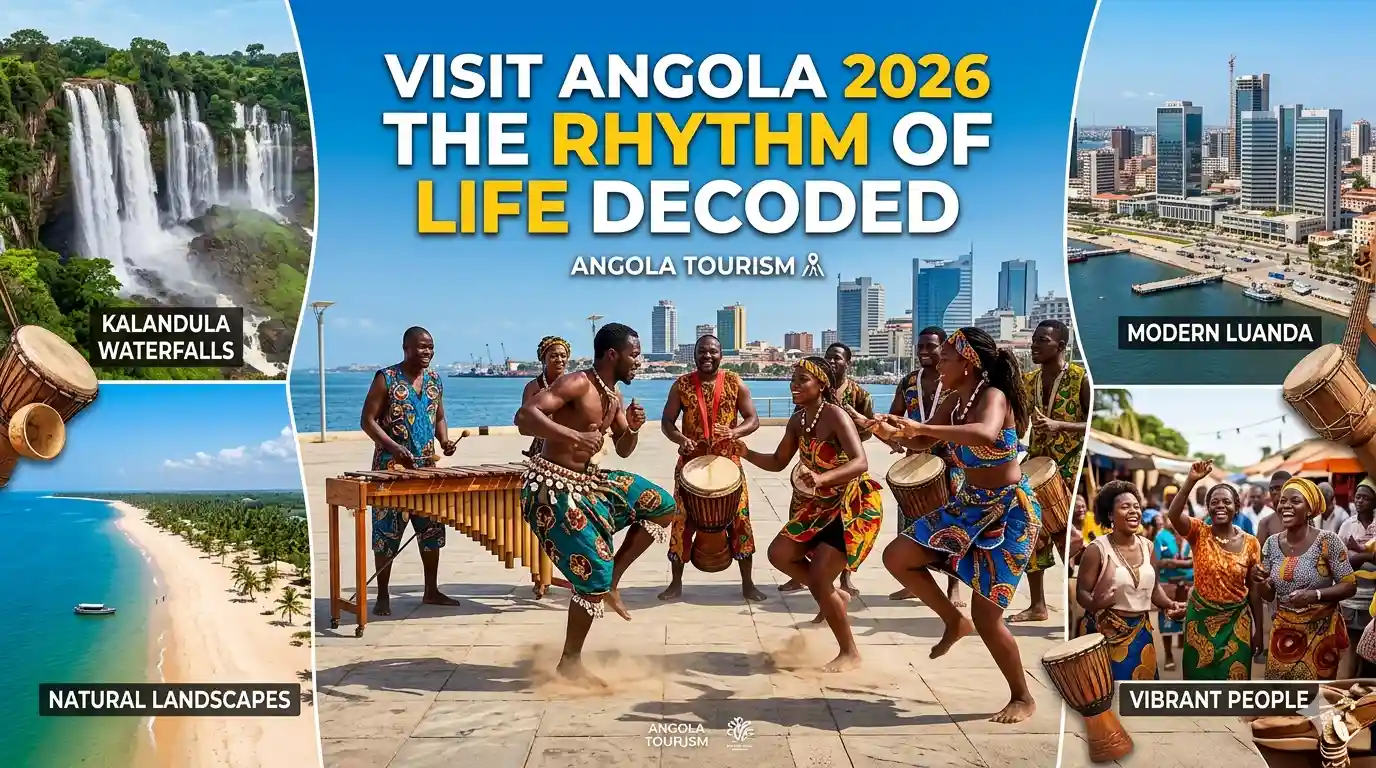
Angola's 2026 national tourism slogan, "Visit Angola – The Rhythm of Life," represents far more than a marketing tagline—it's a profound invitation to experience a nation where music, movement, cultural expression, and vibrant living pulse through every aspect of daily existence. This carefully crafted slogan captures the essence of what makes Angola unique among African destinations: an irrepressible spirit expressed through world-renowned music genres like semba, kizomba, and kuduro; a lifestyle that celebrates community, resilience, and joy; and a cultural rhythm that has influenced continents while remaining authentically Angolan.
As Angola positions itself as a premier tourism destination in 2026, the "Rhythm of Life" campaign signals a strategic shift from traditional safari-focused African tourism marketing toward a holistic celebration of living culture, urban energy, natural beauty, and human connection. The slogan acknowledges that visitors don't just come to see Angola—they come to feel it, move with it, and be transformed by its distinctive cadence. From the bustling streets of Luanda where kuduro beats echo from passing cars to the tranquil rhythms of coastal fishing villages, from the thundering Kalandula Falls to the synchronized steps of traditional dancers, rhythm defines the Angolan experience.
This comprehensive guide decodes Angola's 2026 tourism slogan, exploring what "The Rhythm of Life" truly means, how it manifests across the nation's cultural landscape, what travelers can expect when they answer this rhythmic invitation, and why this positioning makes Angola an increasingly compelling destination for culturally curious travelers seeking authentic, energizing, and transformative African experiences in 2026 and beyond.
Understanding "The Rhythm of Life": Slogan Origins and Meaning
The "Visit Angola – The Rhythm of Life" slogan emerged from extensive research into Angola's unique cultural assets and competitive positioning in the global tourism market. Unlike generic African tourism campaigns emphasizing wildlife or landscapes alone, this slogan deliberately centers Angola's most distinctive and exportable cultural product: its rhythm.
What "Rhythm" Represents:
- Musical Heritage: Angola is the birthplace of globally influential music genres—semba (precursor to Brazilian samba), kizomba (the "African tango"), kuduro (high-energy electronic dance music), and traditional rhythms like rebita and kazukuta
- Cultural Expression: Dance, music, and movement are not entertainment but fundamental modes of communication, celebration, and identity in Angolan society
- Daily Life Cadence: From morning markets to evening gatherings, Angolan life follows distinctive rhythms of community, work, celebration, and rest
- Natural Rhythms: The land itself pulses with rhythm—ocean waves along 1,650 km of coastline, the thunderous cadence of Kalandula Falls, seasonal cycles of agriculture and harvest
- Resilience and Renewal: Angola's post-war recovery and economic development follow a rhythm of persistent forward movement despite challenges
- 👉 Gaborone Cable Car 2026: Full guide to the new Kgale Hill ride and panoramic city views.
- 👉 Malawi Airlines 2026: Fleet Expansion to 27 Routes
- 👉 Vodun Days 2026 Ouidah: Jan 8-10 Festival Guide
Why "Life" Matters:
The slogan's emphasis on "Life" (rather than "Culture" or "Music" alone) is intentional and significant:
- Holistic Experience: Visitors engage with living, breathing culture—not museum exhibits or staged performances
- Authenticity: The rhythm isn't performed for tourists; it's the genuine expression of Angolan people going about their lives
- Vitality: Despite historical challenges, Angola pulses with energy, optimism, and creative force
- Inclusivity: "Life" encompasses all aspects—urban and rural, traditional and modern, young and old, joyful and contemplative
- Transformation: Experiencing Angola's rhythm of life changes visitors, offering new perspectives on joy, community, and resilience
- 👉 Gaborone Cable Car 2026: Full guide to the new Kgale Hill ride and panoramic city views.
- 👉 Malawi Airlines 2026: Fleet Expansion to 27 Routes
- 👉 Vodun Days 2026 Ouidah: Jan 8-10 Festival Guide
Strategic Positioning:
The slogan differentiates Angola from competing African destinations:
- vs. Safari Destinations: While Angola offers wildlife experiences, the primary appeal is vibrant human culture and urban energy
- vs. Beach Destinations: Coastal beauty is framed within broader cultural context, not as isolated resort experience
- vs. Heritage Tourism: Living culture takes precedence over historical sites alone (though Angola has significant heritage assets)
- vs. Adventure Tourism: Adventure is present but positioned as one expression of life's rhythm, not the sole focus
- 👉 Gaborone Cable Car 2026: Full guide to the new Kgale Hill ride and panoramic city views.
- 👉 Malawi Airlines 2026: Fleet Expansion to 27 Routes
- 👉 Vodun Days 2026 Ouidah: Jan 8-10 Festival Guide
Musical Rhythms: Angola's Global Cultural Export

To understand "The Rhythm of Life," one must understand Angola's extraordinary musical heritage—a legacy that has shaped global music while remaining deeply rooted in Angolan identity.
Semba: The Ancestral Rhythm
Origins and Characteristics:
- Historical Roots: Emerged in the 19th century from traditional Angolan rhythms, particularly rebita
- Name Meaning: Derived from "masemba," meaning "a touch of the bellies" in Kimbundu, referring to the characteristic dance movement
- Musical Elements: Percussive rhythms, call-and-response vocals, guitar-based melodies
- Cultural Significance: Music of social gatherings, celebrations, and community bonding
- 👉 Gaborone Cable Car 2026: Full guide to the new Kgale Hill ride and panoramic city views.
- 👉 Malawi Airlines 2026: Fleet Expansion to 27 Routes
- 👉 Vodun Days 2026 Ouidah: Jan 8-10 Festival Guide
Global Influence:
- Brazilian Samba: Semba traveled to Brazil via the transatlantic slave trade, becoming the foundation of samba
- Cultural Connection: This musical lineage creates a living bridge between Angola and Brazil, evident in shared rhythms, dance styles, and cultural expressions
- Modern Revival: Contemporary Angolan artists are reviving semba, blending traditional elements with modern production
- 👉 Gaborone Cable Car 2026: Full guide to the new Kgale Hill ride and panoramic city views.
- 👉 Malawi Airlines 2026: Fleet Expansion to 27 Routes
- 👉 Vodun Days 2026 Ouidah: Jan 8-10 Festival Guide
Where to Experience Semba:
- Cultural Centers: Luanda's National Museum of Music and cultural institutes host semba performances
- Community Events: Traditional celebrations and festivals feature semba dancers and musicians
- Music Venues: Select Luanda bars and clubs feature live semba bands
- Dance Classes: Some cultural centers offer semba dance instruction for visitors
- 👉 Gaborone Cable Car 2026: Full guide to the new Kgale Hill ride and panoramic city views.
- 👉 Malawi Airlines 2026: Fleet Expansion to 27 Routes
- 👉 Vodun Days 2026 Ouidah: Jan 8-10 Festival Guide
Kizomba: The African Tango
Rise to Global Prominence:
- Origins: Emerged in Luanda in the 1980s, blending semba with Caribbean zouk and other influences
- Name Meaning: "Kizomba" means "party" or "celebration" in Kimbundu
- Dance Style: Intimate partner dance characterized by smooth, flowing movements and close connection
- Music: Slower tempo than semba, romantic lyrics, synthesizer-driven melodies
- 👉 Gaborone Cable Car 2026: Full guide to the new Kgale Hill ride and panoramic city views.
- 👉 Malawi Airlines 2026: Fleet Expansion to 27 Routes
- 👉 Vodun Days 2026 Ouidah: Jan 8-10 Festival Guide
International Phenomenon:
- Global Spread: Kizomba has become a worldwide dance phenomenon, with communities in Europe, North America, Asia, and across Africa
- Festivals: International kizomba festivals attract thousands of dancers, many traveling to Angola to learn from originators
- Cultural Pride: Kizomba's global success is a source of immense national pride for Angolans
- 👉 Gaborone Cable Car 2026: Full guide to the new Kgale Hill ride and panoramic city views.
- 👉 Malawi Airlines 2026: Fleet Expansion to 27 Routes
- 👉 Vodun Days 2026 Ouidah: Jan 8-10 Festival Guide
Experiencing Kizomba in Angola:
- Nightlife: Luanda's clubs and dance halls feature kizomba nights where locals and visitors dance together
- Dance Schools: Professional kizomba instructors offer classes for all levels
- Festivals: Annual kizomba festivals in Luanda attract international dancers
- Social Events: Community gatherings often include kizomba dancing
- 👉 Gaborone Cable Car 2026: Full guide to the new Kgale Hill ride and panoramic city views.
- 👉 Malawi Airlines 2026: Fleet Expansion to 27 Routes
- 👉 Vodun Days 2026 Ouidah: Jan 8-10 Festival Guide
Kuduro: The Urban Beat
Birth of a Movement:
- Origins: Emerged in Luanda's musseques (informal settlements) in the late 1980s-1990s
- Name Meaning: "Kuduro" means "hard ass" or "stiff butt" in Kimbundu, referring to the energetic dance style
- Musical Style: Fast-paced electronic music blending traditional Angolan rhythms with house, techno, and Caribbean influences
- Cultural Context: Born from post-war urban youth culture, expressing resilience, creativity, and joy despite hardship
- 👉 Gaborone Cable Car 2026: Full guide to the new Kgale Hill ride and panoramic city views.
- 👉 Malawi Airlines 2026: Fleet Expansion to 27 Routes
- 👉 Vodun Days 2026 Ouidah: Jan 8-10 Festival Guide
Characteristics:
- Energy: Extremely high-energy music and dance, often exceeding 140 BPM
- Dance Style: Athletic, acrobatic movements, rapid footwork, creative individual expression
- Production: DIY aesthetic, home studio production, digital distribution
- Lyrics: Often in Portuguese or Angolan languages, addressing social issues, celebration, and daily life
- 👉 Gaborone Cable Car 2026: Full guide to the new Kgale Hill ride and panoramic city views.
- 👉 Malawi Airlines 2026: Fleet Expansion to 27 Routes
- 👉 Vodun Days 2026 Ouidah: Jan 8-10 Festival Guide
Global Impact:
- International Artists: Kuduro has influenced global electronic music and been sampled by international producers
- Dance Videos: Kuduro dance videos have millions of views on social media platforms
- Cultural Export: Represents modern, urban Angola to the world
- 👉 Gaborone Cable Car 2026: Full guide to the new Kgale Hill ride and panoramic city views.
- 👉 Malawi Airlines 2026: Fleet Expansion to 27 Routes
- 👉 Vodun Days 2026 Ouidah: Jan 8-10 Festival Guide
Where to Experience Kuduro:
- Clubs: Luanda nightclubs feature kuduro nights with DJs and dancers
- Street Culture: Kuduro music blasts from cars, shops, and homes throughout Luanda
- Dance Battles: Informal and organized kuduro dance competitions showcase talent
- Music Studios: Some producers offer studio visits and workshops
- 👉 Gaborone Cable Car 2026: Full guide to the new Kgale Hill ride and panoramic city views.
- 👉 Malawi Airlines 2026: Fleet Expansion to 27 Routes
- 👉 Vodun Days 2026 Ouidah: Jan 8-10 Festival Guide
Traditional Rhythms: Rebita, Kazukuta, and More
Beyond the globally recognized genres, Angola preserves rich traditional musical forms:
- Rebita: Traditional dance music with Portuguese colonial influences, featuring accordion and percussion
- Kazukuta: Rhythm from southern Angola, particularly Huíla province
- Marimba Music: Traditional xylophone-based music with spiritual and ceremonial significance
- Regional Variations: Each of Angola's 18 provinces has distinct musical traditions reflecting ethnic diversity
- 👉 Gaborone Cable Car 2026: Full guide to the new Kgale Hill ride and panoramic city views.
- 👉 Malawi Airlines 2026: Fleet Expansion to 27 Routes
- 👉 Vodun Days 2026 Ouidah: Jan 8-10 Festival Guide
Dance as Life Expression

In Angola, dance is not separate from life—it is life expressed through movement. Understanding this cultural context is essential to grasping "The Rhythm of Life."
Dance in Daily Life
Social Gatherings:
- Celebrations: Weddings, birthdays, and family gatherings feature hours of dancing
- Community Events: Neighborhood celebrations, religious festivals, and cultural ceremonies center on dance
- Spontaneous Expression: Music triggers dancing in streets, markets, and public spaces
- 👉 Gaborone Cable Car 2026: Full guide to the new Kgale Hill ride and panoramic city views.
- 👉 Malawi Airlines 2026: Fleet Expansion to 27 Routes
- 👉 Vodun Days 2026 Ouidah: Jan 8-10 Festival Guide
Rites of Passage:
- Traditional Ceremonies: Initiation rituals, coming-of-age ceremonies feature specific dances
- Cultural Continuity: Elders teach traditional dances to younger generations
- Identity Formation: Learning to dance is part of becoming Angolan
- 👉 Gaborone Cable Car 2026: Full guide to the new Kgale Hill ride and panoramic city views.
- 👉 Malawi Airlines 2026: Fleet Expansion to 27 Routes
- 👉 Vodun Days 2026 Ouidah: Jan 8-10 Festival Guide
Dance as Communication
Non-Verbal Expression:
- Storytelling: Dances tell stories of history, mythology, and daily life
- Emotional Expression: Joy, sorrow, celebration, and protest all find expression through dance
- Social Commentary: Dance movements and performances address social issues and political realities
- 👉 Gaborone Cable Car 2026: Full guide to the new Kgale Hill ride and panoramic city views.
- 👉 Malawi Airlines 2026: Fleet Expansion to 27 Routes
- 👉 Vodun Days 2026 Ouidah: Jan 8-10 Festival Guide
Dance Tourism Opportunities
For Visitors:
- Dance Classes: Learn kizomba, semba, or kuduro from expert instructors
- Cultural Performances: Attend traditional and contemporary dance shows
- Social Dancing: Join locals at clubs and community events
- Dance Festivals: Time visits to coincide with major dance festivals
- 👉 Gaborone Cable Car 2026: Full guide to the new Kgale Hill ride and panoramic city views.
- 👉 Malawi Airlines 2026: Fleet Expansion to 27 Routes
- 👉 Vodun Days 2026 Ouidah: Jan 8-10 Festival Guide
Beyond Music: The Rhythms of Angolan Life

While music and dance are central, "The Rhythm of Life" encompasses broader patterns of Angolan existence.
Urban Rhythms: Luanda's Pulse
City Life Cadence:
- Morning Rush: Markets come alive at dawn, vendors set up, commuters navigate traffic
- Midday Pause: Heat brings temporary slowdown, lunch gatherings, rest
- Evening Energy: As temperatures cool, streets fill with social activity, music, dining
- Nightlife: Luanda's legendary nightlife continues until dawn, particularly on weekends
- 👉 Gaborone Cable Car 2026: Full guide to the new Kgale Hill ride and panoramic city views.
- 👉 Malawi Airlines 2026: Fleet Expansion to 27 Routes
- 👉 Vodun Days 2026 Ouidah: Jan 8-10 Festival Guide
Luanda's Distinctive Features:
- Bay and Marginal: Waterfront promenade where families gather, exercise, socialize
- Musseques: Informal settlements with vibrant community life and cultural creativity
- Modern Districts: Talatona and other areas showcase Angola's economic development
- Contrasts: Colonial architecture alongside modern towers, poverty beside wealth
- 👉 Gaborone Cable Car 2026: Full guide to the new Kgale Hill ride and panoramic city views.
- 👉 Malawi Airlines 2026: Fleet Expansion to 27 Routes
- 👉 Vodun Days 2026 Ouidah: Jan 8-10 Festival Guide
Coastal Rhythms: Atlantic Influence
Fishing Communities:
- Daily Cycles: Fishermen depart at dawn, return with catches, markets buzz with activity
- Tidal Rhythms: Life organized around ocean tides and fishing seasons
- Coastal Culture: Distinct traditions, cuisine, and lifestyle shaped by Atlantic proximity
- 👉 Gaborone Cable Car 2026: Full guide to the new Kgale Hill ride and panoramic city views.
- 👉 Malawi Airlines 2026: Fleet Expansion to 27 Routes
- 👉 Vodun Days 2026 Ouidah: Jan 8-10 Festival Guide
Beach Life:
- Popular Beaches: Mussulo, Cabo Ledo, Sangano attract weekend crowds
- Water Sports: Surfing, kiteboarding, swimming, boat excursions
- Beach Culture: Music, food, socializing define coastal leisure
- 👉 Gaborone Cable Car 2026: Full guide to the new Kgale Hill ride and panoramic city views.
- 👉 Malawi Airlines 2026: Fleet Expansion to 27 Routes
- 👉 Vodun Days 2026 Ouidah: Jan 8-10 Festival Guide
Rural Rhythms: Agricultural Life
Seasonal Cycles:
- Rainy Season: Planting, community labor, anticipation
- Growing Season: Tending crops, traditional practices
- Harvest: Celebration, communal feasting, gratitude
- 👉 Gaborone Cable Car 2026: Full guide to the new Kgale Hill ride and panoramic city views.
- 👉 Malawi Airlines 2026: Fleet Expansion to 27 Routes
- 👉 Vodun Days 2026 Ouidah: Jan 8-10 Festival Guide
Village Life:
- Community Structure: Extended families, traditional leadership, collective decision-making
- Traditional Practices: Crafts, agriculture, ceremonies maintained across generations
- Pace: Slower, more deliberate rhythm than urban centers
- 👉 Gaborone Cable Car 2026: Full guide to the new Kgale Hill ride and panoramic city views.
- 👉 Malawi Airlines 2026: Fleet Expansion to 27 Routes
- 👉 Vodun Days 2026 Ouidah: Jan 8-10 Festival Guide
Natural Rhythms: Landscape and Climate
Geographic Diversity:
- Coastal Zone: Atlantic influence, humidity, maritime activities
- Central Highlands: Moderate climate, agricultural productivity, distinct seasons
- Eastern Plains: Semi-arid conditions, wildlife, pastoral traditions
- Southern Desert: Namib desert extension, extreme environment, adapted cultures
- 👉 Gaborone Cable Car 2026: Full guide to the new Kgale Hill ride and panoramic city views.
- 👉 Malawi Airlines 2026: Fleet Expansion to 27 Routes
- 👉 Vodun Days 2026 Ouidah: Jan 8-10 Festival Guide
Natural Phenomena:
- Kalandula Falls: One of Africa's largest waterfalls, thundering rhythm of water
- Rivers: Kwanza, Cunene, and other rivers shape settlement patterns and livelihoods
- Wildlife: Seasonal migrations, predator-prey cycles, ecosystem rhythms
- 👉 Gaborone Cable Car 2026: Full guide to the new Kgale Hill ride and panoramic city views.
- 👉 Malawi Airlines 2026: Fleet Expansion to 27 Routes
- 👉 Vodun Days 2026 Ouidah: Jan 8-10 Festival Guide
Cultural Festivals: Rhythm Celebrated

Angola's festival calendar provides concentrated experiences of "The Rhythm of Life."
Major Cultural Festivals
Festival de Kizomba (Luanda):
- Timing: Typically held annually (dates vary)
- Features: Dance competitions, workshops, concerts, international participants
- Significance: Celebrates Angola's most famous cultural export
- 👉 Gaborone Cable Car 2026: Full guide to the new Kgale Hill ride and panoramic city views.
- 👉 Malawi Airlines 2026: Fleet Expansion to 27 Routes
- 👉 Vodun Days 2026 Ouidah: Jan 8-10 Festival Guide
Festival Nacional de Cultura (National Culture Festival):
- Scope: Showcases cultural diversity from all 18 provinces
- Activities: Traditional music, dance, crafts, cuisine, ceremonies
- Cultural Preservation: Platform for maintaining and sharing traditional practices
- 👉 Gaborone Cable Car 2026: Full guide to the new Kgale Hill ride and panoramic city views.
- 👉 Malawi Airlines 2026: Fleet Expansion to 27 Routes
- 👉 Vodun Days 2026 Ouidah: Jan 8-10 Festival Guide
Luanda International Jazz Festival:
- Music: Jazz performances by Angolan and international artists
- Cultural Fusion: Jazz blended with Angolan rhythms
- Urban Culture: Reflects Luanda's cosmopolitan character
- 👉 Gaborone Cable Car 2026: Full guide to the new Kgale Hill ride and panoramic city views.
- 👉 Malawi Airlines 2026: Fleet Expansion to 27 Routes
- 👉 Vodun Days 2026 Ouidah: Jan 8-10 Festival Guide
Religious and Community Festivals
Catholic Celebrations:
- Feast Days: Religious festivals with processions, music, dancing, feasting
- Carnival: Pre-Lenten celebration with parades, costumes, music, street parties
- Christmas and Easter: Major celebrations with family gatherings, special foods, music
- 👉 Gaborone Cable Car 2026: Full guide to the new Kgale Hill ride and panoramic city views.
- 👉 Malawi Airlines 2026: Fleet Expansion to 27 Routes
- 👉 Vodun Days 2026 Ouidah: Jan 8-10 Festival Guide
Traditional Ceremonies:
- Initiation Rites: Coming-of-age ceremonies with specific dances and rituals
- Harvest Festivals: Celebrations of agricultural abundance
- Ancestral Ceremonies: Honoring ancestors through music, dance, and ritual
- 👉 Gaborone Cable Car 2026: Full guide to the new Kgale Hill ride and panoramic city views.
- 👉 Malawi Airlines 2026: Fleet Expansion to 27 Routes
- 👉 Vodun Days 2026 Ouidah: Jan 8-10 Festival Guide
Culinary Rhythms: Flavors of Life

Angolan cuisine reflects the rhythm of life through seasonal ingredients, communal dining, and cultural fusion.
Staple Foods and Flavors
Core Ingredients:
- Funge: Cassava or corn flour porridge, staple accompaniment to meals
- Fish and Seafood: Abundant Atlantic catch, grilled, fried, or in stews
- Beans and Legumes: Protein source, prepared in various styles
- Palm Oil: Distinctive flavor and color in many dishes
- Cassava: Versatile root vegetable, prepared multiple ways
- 👉 Gaborone Cable Car 2026: Full guide to the new Kgale Hill ride and panoramic city views.
- 👉 Malawi Airlines 2026: Fleet Expansion to 27 Routes
- 👉 Vodun Days 2026 Ouidah: Jan 8-10 Festival Guide
Signature Dishes:
- Calulu: Fish or meat stew with vegetables, palm oil, and spices
- Moamba de Galinha: Chicken stew with palm oil, okra, and spices
- Mufete: Grilled fish with beans, cassava, and vegetables
- Cachupa: Hearty stew with beans, corn, and meat or fish
- 👉 Gaborone Cable Car 2026: Full guide to the new Kgale Hill ride and panoramic city views.
- 👉 Malawi Airlines 2026: Fleet Expansion to 27 Routes
- 👉 Vodun Days 2026 Ouidah: Jan 8-10 Festival Guide
Dining Rhythms
Meal Patterns:
- Breakfast: Light meal, coffee, bread
- Lunch: Main meal of the day, often shared with family
- Dinner: Lighter meal, later in evening
- 👉 Gaborone Cable Car 2026: Full guide to the new Kgale Hill ride and panoramic city views.
- 👉 Malawi Airlines 2026: Fleet Expansion to 27 Routes
- 👉 Vodun Days 2026 Ouidah: Jan 8-10 Festival Guide
Social Dining:
- Communal Eating: Meals as social events, conversation, bonding
- Street Food: Vibrant street food culture, quick meals, social interaction
- Restaurants: Mix of traditional Angolan, Portuguese, and international cuisine
- 👉 Gaborone Cable Car 2026: Full guide to the new Kgale Hill ride and panoramic city views.
- 👉 Malawi Airlines 2026: Fleet Expansion to 27 Routes
- 👉 Vodun Days 2026 Ouidah: Jan 8-10 Festival Guide
Experiencing the Rhythm: Practical Travel Guide

For travelers wanting to experience "The Rhythm of Life," strategic planning enhances the experience.
Best Times to Experience Cultural Rhythms
Festival Season:
- Timing: Research festival calendars; plan visits around major cultural events
- Advantages: Concentrated cultural experiences, international participants, special performances
- Considerations: Book accommodations early; expect larger crowds
- 👉 Gaborone Cable Car 2026: Full guide to the new Kgale Hill ride and panoramic city views.
- 👉 Malawi Airlines 2026: Fleet Expansion to 27 Routes
- 👉 Vodun Days 2026 Ouidah: Jan 8-10 Festival Guide
Climate Considerations:
- Dry Season (May-October): Easier travel, outdoor events, comfortable temperatures
- Rainy Season (November-April): Lush landscapes, cultural activities continue indoors
- 👉 Gaborone Cable Car 2026: Full guide to the new Kgale Hill ride and panoramic city views.
- 👉 Malawi Airlines 2026: Fleet Expansion to 27 Routes
- 👉 Vodun Days 2026 Ouidah: Jan 8-10 Festival Guide
Where to Experience the Rhythm
Luanda:
- Urban Energy: Nightlife, clubs, cultural centers, museums
- Waterfront: Marginal promenade, beach clubs, ocean activities
- Musseques: Authentic community life, grassroots cultural expression
- 👉 Gaborone Cable Car 2026: Full guide to the new Kgale Hill ride and panoramic city views.
- 👉 Malawi Airlines 2026: Fleet Expansion to 27 Routes
- 👉 Vodun Days 2026 Ouidah: Jan 8-10 Festival Guide
Coastal Cities:
- Benguela: Colonial architecture, beach culture, fishing traditions
- Lobito: Port city, Atlantic beaches, relaxed pace
- Namibe: Desert-meets-ocean landscape, unique coastal culture
- 👉 Gaborone Cable Car 2026: Full guide to the new Kgale Hill ride and panoramic city views.
- 👉 Malawi Airlines 2026: Fleet Expansion to 27 Routes
- 👉 Vodun Days 2026 Ouidah: Jan 8-10 Festival Guide
Highland Regions:
- Huíla (Lubango): Traditional culture, mountain scenery, distinct rhythms
- Huambo: Agricultural heartland, rural traditions, moderate climate
- Benguela Highlands: Coffee plantations, colonial heritage, cool climate
- 👉 Gaborone Cable Car 2026: Full guide to the new Kgale Hill ride and panoramic city views.
- 👉 Malawi Airlines 2026: Fleet Expansion to 27 Routes
- 👉 Vodun Days 2026 Ouidah: Jan 8-10 Festival Guide
Natural Attractions:
- Kalandula Falls: Natural rhythm of thundering water
- Kissama National Park: Wildlife rhythms, safari experiences
- Tundavala Gap: Dramatic landscape, breathtaking views
- 👉 Gaborone Cable Car 2026: Full guide to the new Kgale Hill ride and panoramic city views.
- 👉 Malawi Airlines 2026: Fleet Expansion to 27 Routes
- 👉 Vodun Days 2026 Ouidah: Jan 8-10 Festival Guide
Cultural Immersion Activities
Music and Dance:
- Take kizomba or semba dance classes
- Attend live music performances
- Visit music studios and cultural centers
- Participate in community dance events
- 👉 Gaborone Cable Car 2026: Full guide to the new Kgale Hill ride and panoramic city views.
- 👉 Malawi Airlines 2026: Fleet Expansion to 27 Routes
- 👉 Vodun Days 2026 Ouidah: Jan 8-10 Festival Guide
Culinary Experiences:
- Take Angolan cooking classes
- Visit local markets with guides
- Dine at traditional restaurants
- Try street food with local recommendations
- 👉 Gaborone Cable Car 2026: Full guide to the new Kgale Hill ride and panoramic city views.
- 👉 Malawi Airlines 2026: Fleet Expansion to 27 Routes
- 👉 Vodun Days 2026 Ouidah: Jan 8-10 Festival Guide
Community Engagement:
- Visit cultural villages and community projects
- Participate in traditional ceremonies (when invited)
- Support local artisans and craftspeople
- Engage with community tourism initiatives
- 👉 Gaborone Cable Car 2026: Full guide to the new Kgale Hill ride and panoramic city views.
- 👉 Malawi Airlines 2026: Fleet Expansion to 27 Routes
- 👉 Vodun Days 2026 Ouidah: Jan 8-10 Festival Guide
The Rhythm of Life: Tourism Development and Sustainability

Angola's tourism slogan reflects not just marketing but a development philosophy.
Cultural Preservation
- Documentation: Recording traditional music, dance, and cultural practices
- Education: Teaching traditional arts to younger generations
- Support for Artists: Creating platforms and income opportunities for cultural practitioners
- Authentic Representation: Ensuring tourism showcases genuine culture, not staged performances
- 👉 Gaborone Cable Car 2026: Full guide to the new Kgale Hill ride and panoramic city views.
- 👉 Malawi Airlines 2026: Fleet Expansion to 27 Routes
- 👉 Vodun Days 2026 Ouidah: Jan 8-10 Festival Guide
Community Benefits
- Local Employment: Tourism jobs for community members
- Cultural Enterprises: Supporting local artisans, musicians, guides
- Infrastructure: Tourism development improving community facilities
- Pride and Identity: Tourism validating and celebrating Angolan culture
- 👉 Gaborone Cable Car 2026: Full guide to the new Kgale Hill ride and panoramic city views.
- 👉 Malawi Airlines 2026: Fleet Expansion to 27 Routes
- 👉 Vodun Days 2026 Ouidah: Jan 8-10 Festival Guide
Sustainable Tourism Practices
- Cultural Respect: Visitors educated on appropriate behavior and cultural sensitivity
- Environmental Protection: Preserving natural sites that are part of cultural landscape
- Community Control: Local communities involved in tourism planning and decision-making
- Fair Compensation: Ensuring cultural practitioners and communities benefit economically
- 👉 Gaborone Cable Car 2026: Full guide to the new Kgale Hill ride and panoramic city views.
- 👉 Malawi Airlines 2026: Fleet Expansion to 27 Routes
- 👉 Vodun Days 2026 Ouidah: Jan 8-10 Festival Guide
Frequently Asked Questions

What does "The Rhythm of Life" mean for tourists?
"The Rhythm of Life" invites visitors to experience Angola's distinctive cultural pulse—its music, dance, community life, and vibrant energy. Rather than passive sightseeing, the slogan encourages active engagement with living culture: dancing kizomba with locals, listening to semba in community gatherings, tasting traditional foods, participating in festivals, and understanding how rhythm shapes daily Angolan existence. It's an invitation to feel Angola's energy, not just observe it.
Do I need to be a dancer to enjoy Angola's cultural tourism?
Absolutely not! While Angola's music and dance are central to "The Rhythm of Life," cultural tourism encompasses many experiences: attending performances, visiting cultural sites, tasting cuisine, exploring markets, engaging with communities, enjoying nightlife, and learning about history and traditions. Dance classes are available for those interested, but appreciation and observation are equally valid ways to engage with Angolan culture.
When is the best time to experience Angola's cultural festivals?
Festival timing varies annually, but major cultural events often occur during the dry season (May-October) when weather is most favorable. The Luanda International Jazz Festival, kizomba festivals, and National Culture Festival typically have announced dates. Research specific festivals when planning your trip and book accommodations well in advance. Even outside festival periods, cultural activities continue year-round in Luanda and other cities.
Is Angola safe for cultural tourism?
Angola has made significant progress in safety and stability since the end of its civil war in 2002. Luanda and major tourist areas are generally safe for visitors who exercise standard precautions: avoid displaying valuables, use reputable transportation, stay informed about local conditions, and follow guidance from local contacts and tour operators. As with any destination, cultural sensitivity and respect for local customs enhance safety and positive interactions.
Can I learn to dance kizomba or semba as a tourist?
Yes! Many dance schools and cultural centers in Luanda offer classes for visitors, from beginner to advanced levels. Some hotels and tour operators can arrange private or group lessons. Learning to dance is an excellent way to connect with Angolan culture and meet locals. Even basic steps allow participation in social dancing at clubs and community events.
What should I know about Angolan cultural etiquette?
Key considerations: greet people warmly (handshakes are common); dress modestly, especially in rural areas and religious sites; ask permission before photographing people; show respect for elders and traditional leaders; be open to invitations and social interactions; learn basic Portuguese phrases; be patient with different time perspectives; and approach cultural differences with curiosity rather than judgment. Angolans generally appreciate visitors who show genuine interest in their culture.
How does Angola's "Rhythm of Life" differ from other African destinations?
Angola's cultural rhythm is distinctive in several ways: the global influence of its music genres (kizomba, semba, kuduro); the strong Portuguese colonial influence blended with African traditions; the urban energy of Luanda as a major African metropolis; the specific historical context of post-war renewal and cultural renaissance; and the particular blend of Central and Southern African cultural elements. While all African destinations offer rich cultural experiences, Angola's specific musical heritage and contemporary urban culture create a unique rhythm.
Conclusion: Answering the Rhythmic Invitation

"Visit Angola – The Rhythm of Life" is more than a tourism slogan—it's a promise and an invitation. The promise is that visitors will encounter a nation pulsing with creative energy, cultural richness, and human warmth. The invitation is to move beyond passive observation and engage with living culture: to feel the beat of semba drums, to move with kizomba partners, to taste the flavors of calulu, to witness the thunder of Kalandula Falls, to dance in Luanda's vibrant clubs, and to understand how rhythm shapes every aspect of Angolan existence.
As Angola continues developing its tourism sector in 2026 and beyond, "The Rhythm of Life" positions the nation strategically in the global tourism market. Rather than competing solely on wildlife or beaches, Angola emphasizes its most distinctive asset: a living, breathing culture that has influenced continents while remaining authentically Angolan. This cultural confidence, combined with natural beauty, improving infrastructure, and warm hospitality, makes Angola an increasingly compelling destination for culturally curious travelers.
For visitors, experiencing "The Rhythm of Life" requires openness, curiosity, and willingness to engage. It means putting down the camera sometimes and joining the dance. It means tasting unfamiliar foods, listening to unfamiliar music, and embracing the unexpected. It means recognizing that tourism is not just about seeing new places but about feeling new rhythms and allowing them to resonate within.
Angola's rhythm is infectious, transformative, and unforgettable. Those who answer the invitation to "Visit Angola – The Rhythm of Life" discover not just a destination but an experience that continues to resonate long after the journey ends. The beat goes on, inviting the next traveler to feel the rhythm, join the dance, and discover life lived with passion, community, and irrepressible joy.
Ready to experience Angola's rhythm? Plan your visit in 2026, bring your dancing shoes and open heart, and prepare to be moved by one of Africa's most vibrant cultural destinations.
0 Comments