.webp)
.webp)
10 Day Puerto Rico Itinerary San Juan and Central Cordillera
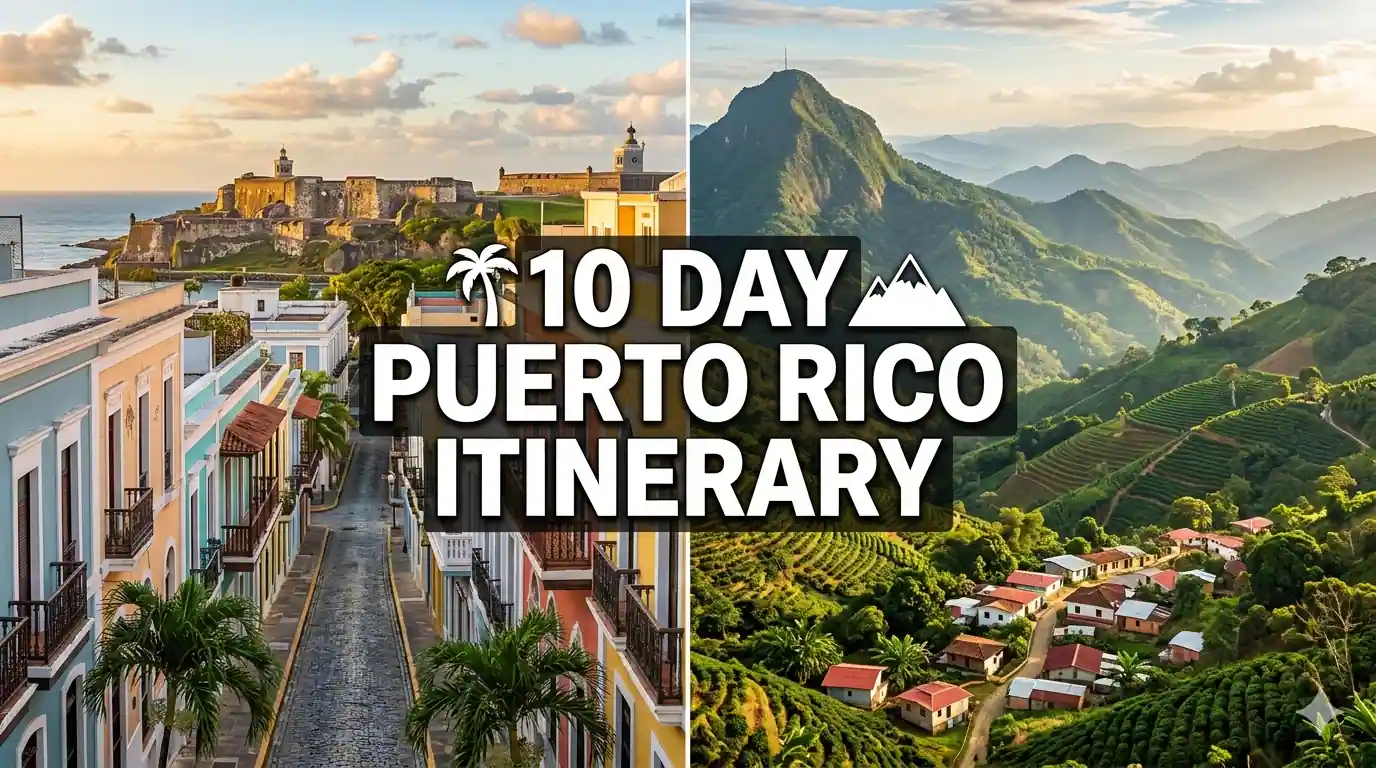
Discover Puerto Rico Complete 10 Day Journey from Coast to Mountains
Puerto Rico offers travelers an extraordinary diversity of experiences packed into one compact Caribbean island, from the colorful colonial streets of Old San Juan to the misty peaks of the Central Cordillera mountain range. This comprehensive 10 day itinerary takes you on an unforgettable journey through Puerto Rico's most iconic destinations and hidden gems, balancing beach relaxation, historical exploration, rainforest adventures, and authentic mountain culture. Whether you are a first-time visitor seeking the island's highlights or a returning traveler wanting to explore beyond the coast, this carefully crafted route maximizes your time while allowing space for spontaneous discoveries and genuine cultural immersion.
The Central Cordillera, Puerto Rico's mountainous spine running east to west across the island's center, remains one of the most underexplored regions by international tourists despite offering spectacular scenery, rich agricultural heritage, cool mountain climates, and warm hospitality. While most visitors confine themselves to San Juan's beaches and El Yunque's trails, venturing into the highlands reveals a different side of Puerto Rico where coffee plantations cascade down hillsides, traditional mountain towns preserve centuries-old customs, and the pace of life slows to match the gentle mountain breezes. This itinerary dedicates four full days to exploring these highland treasures, ensuring you experience the full spectrum of what Puerto Rico offers.
Over ten days, you will explore Old San Juan's 500 year old fortifications and vibrant plazas, relax on world class beaches in Condado and Isla Verde, hike through El Yunque's tropical rainforest, kayak in bioluminescent waters, traverse the scenic Ruta Panorámica mountain route, visit traditional coffee haciendas, discover underground cave systems, and experience the authentic culture of mountain communities. This journey balances structured activities with free time, urban exploration with natural wonders, and tourist highlights with off the beaten path discoveries, creating a well rounded Puerto Rico experience that will leave you planning your return visit before you even depart.
Days 1 and 2 Immersing Yourself in Old San Juan History and Culture

Your Puerto Rico adventure begins in Old San Juan, one of the best preserved colonial cities in the Americas and a UNESCO World Heritage Site. This historic district, founded in 1521, features colorful Spanish colonial architecture, cobblestone streets paved with blue cobblestones called adoquines, imposing fortifications that protected the Caribbean's most important port, and a vibrant cultural scene that blends centuries of Taíno, Spanish, African, and American influences. Spending two full days here allows you to explore at a leisurely pace, absorbing the atmosphere without rushing through must-see attractions.
On your first day, start with a walking tour of Old San Juan's historic core, beginning at the iconic El Morro fortress, officially named Castillo San Felipe del Morro. This 16th century citadel, perched dramatically on a cliff overlooking the Atlantic Ocean, represents over 400 years of Spanish military engineering and defended San Juan Bay from seaborne attacks. The fortress complex includes multiple levels of fortifications, barracks, dungeons, and a lighthouse, with expansive grounds perfect for photography and kite flying. Plan to spend 2 to 3 hours exploring El Morro, including the visitor center museum that explains the fort's history and strategic importance. The entrance fee is $10 per person, valid for both El Morro and Castillo San Cristóbal within 48 hours.
After El Morro, walk down Calle del Cristo, Old San Juan's most famous street lined with historic buildings, art galleries, boutique shops, and cafés. Stop at the Capilla del Cristo, a small chapel built in 1753 that remains an important religious site and popular wedding venue. Continue to Plaza de Armas, the city's main square surrounded by the neoclassical City Hall and shaded by royal palm trees. This plaza serves as Old San Juan's social heart, where locals gather in evenings and street performers entertain crowds. Visit the nearby Catedral de San Juan Bautista, one of the oldest cathedrals in the Americas dating to 1521, which houses the tomb of Spanish explorer Juan Ponce de León.
Your second day in Old San Juan should include Castillo San Cristóbal, the largest fortification built by the Spanish in the New World, covering 27 acres with multiple defensive levels, tunnels, and strategic viewpoints. Unlike El Morro's seaside position, San Cristóbal protected the city from land attacks, and its complex design demonstrates evolving military architecture over three centuries. After exploring the fort, dedicate your afternoon to shopping and dining in Old San Juan's charming streets. Browse for local crafts, Puerto Rican art, handmade jewelry, and traditional items like panderetas (hand drums) or vejigante masks from the Ponce carnival. Stop at a traditional café for café con leche and pastelillos, or enjoy lunch at one of the many restaurants serving authentic Puerto Rican cuisine like mofongo, arroz con gandules, or fresh seafood.
What are the best restaurants in Old San Juan
Old San Juan offers exceptional dining ranging from casual eateries to upscale establishments. Café El Punto serves excellent breakfast and lunch with outdoor seating on a quiet plaza. Raíces Restaurant provides traditional Puerto Rican cuisine in a folkloric setting with live music some evenings. Marmalade Restaurant offers upscale fusion cuisine with creative tasting menus requiring reservations. El Jibarito serves classic Puerto Rican comfort food at reasonable prices. For coffee and pastries, visit Café Cuatro Sombras or Panadería Mallorca for traditional mallorca sandwiches.
Day 3 Modern San Juan Beaches and Urban Exploration

After two days immersed in colonial history, day three introduces you to modern San Juan's beach culture and contemporary attractions. The neighborhoods of Condado and Isla Verde, located east of Old San Juan, offer beautiful urban beaches, luxury hotels, vibrant nightlife, and excellent dining that showcase Puerto Rico's cosmopolitan side. These areas developed primarily in the 20th century as tourist destinations and maintain a more international atmosphere while retaining distinctly Puerto Rican character.
Begin your morning at Condado Beach, a crescent of golden sand backed by high-rise hotels and the scenic Condado Lagoon. This beach attracts both tourists and locals, offering swimming, sunbathing, and water sports with the convenience of nearby restaurants, shops, and amenities. The beach maintains lifeguards during daylight hours and provides chair and umbrella rentals. After beach time, explore the Condado neighborhood's upscale shopping along Ashford Avenue, featuring boutiques, jewelry stores, and souvenir shops. Stop for lunch at one of the many oceanfront restaurants offering fresh seafood, international cuisine, or Puerto Rican specialties with beautiful lagoon or ocean views.
In the afternoon, visit the Museo de Arte de Puerto Rico in Santurce, the island's premier art museum housed in a beautifully renovated former hospital building. The museum's collection spans from the 17th century to contemporary works, providing insight into Puerto Rican artistic expression and cultural evolution. The surrounding Santurce neighborhood has emerged as San Juan's arts district, with galleries, street art, and trendy cafés worth exploring. Alternatively, if you prefer outdoor activities, spend your afternoon at Isla Verde Beach, known for its wide sandy expanse, calm waters ideal for swimming, and proximity to the airport. Isla Verde offers excellent beachfront dining and nightlife, making it perfect for ending your day with sunset cocktails and dinner by the ocean.
How do I get from Old San Juan to Condado and Isla Verde
Transportation between Old San Juan, Condado, and Isla Verde is straightforward and affordable. Uber and other rideshare services operate reliably throughout San Juan, with rides from Old San Juan to Condado costing approximately $8 to $12 and to Isla Verde $12 to $18. Public buses operated by AMA run frequently along main routes for $0.75 per ride, though they can be crowded and schedules unreliable. Taxis are available but generally more expensive than rideshare. If you have a rental car, parking in Condado and Isla Verde is available at hotels and public lots for $10 to $25 daily, though street parking proves challenging.
Day 4 El Yunque National Forest Rainforest Adventure

Day four takes you into one of Puerto Rico's most spectacular natural treasures: El Yunque National Forest, the only tropical rainforest in the United States National Forest System. This 28,000 acre paradise receives over 120 inches of rainfall annually, creating a lush ecosystem of towering trees, cascading waterfalls, rare wildlife, and over 200 plant species found nowhere else on Earth. El Yunque holds deep cultural significance for the Taíno people who considered it the sacred home of Yúcahu, their god of agriculture and the sea, and this spiritual energy remains palpable as you hike through mist-shrouded trails.
Begin your El Yunque adventure early, departing San Juan by 7 or 8 AM to maximize daylight hours and avoid afternoon crowds and potential rain showers. The drive takes approximately 45 minutes to one hour via Route 66 East and Route 3 East to Route 191, which serves as the main entrance road. Upon entering the forest, stop at the El Portal Visitor Center, an elevated facility providing educational exhibits about the rainforest ecosystem, Taíno history, and conservation efforts. The center offers air-conditioned respite and clean restrooms before you begin hiking.
Several hiking trails cater to different fitness levels and interests. The Mount Britton Trail, though steep and challenging, rewards hikers with panoramic views from a historic stone tower at the summit on clear days. The Big Tree Trail showcases massive ceiba and tabonuco trees that dominate the canopy, while the Angelito Trail leads to a peaceful swimming hole beneath a small waterfall. The most popular route combines the La Mina Trail with the La Mina Falls, a moderate 2.2 mile round trip hike ending at a beautiful waterfall where you can swim in cool mountain waters. Arrive early at La Mina Falls to enjoy the experience before crowds peak around midday.
Beyond hiking, El Yunque offers numerous scenic overlooks along Route 191 like Yokahu Tower and Mount Britton Tower that require no hiking and provide spectacular views. The forest's biodiversity includes the endangered Puerto Rican parrot, the tiny coquí frog whose distinctive call defines Puerto Rican nights, and numerous bird species. Pack rain gear regardless of forecast, as tropical showers occur frequently and suddenly. Bring water, snacks, insect repellent, and sturdy shoes with good traction for slippery trails. Respect the forest by staying on marked trails, not feeding wildlife, and packing out all trash to preserve this precious ecosystem.
Do I need reservations to enter El Yunque National Forest
As of 2026, El Yunque National Forest does not require reservations for general entry, though this policy has fluctuated in recent years due to hurricane damage and recovery efforts. However, specific areas like the La Mina Falls trail or recreational zones may implement timed entry or reservation systems during peak periods. Always check the official USDA Forest Service website for El Yunque before your visit to confirm current entry requirements, road closures, and trail conditions. Entry to El Yunque is free, though donations to support forest maintenance are appreciated.
Day 5 Bioluminescent Bay and Eastern Coast Exploration

Day five explores Puerto Rico's eastern coast, famous for bioluminescent bays that glow with magical blue light when disturbed, pristine beaches, and access to offshore island paradises. The phenomenon of bioluminescence occurs when microscopic organisms called dinoflagellates emit light when agitated, creating an ethereal glow in the water that resembles stars reflected on the ocean's surface. Puerto Rico hosts three bioluminescent bays, with Laguna Grande in Fajardo being the most accessible from San Juan and ideal for your itinerary.
Spend your morning exploring Fajardo, a coastal town serving as the gateway to Puerto Rico's eastern islands and natural attractions. Visit the Fajardo Lighthouse, known as Faro de Las Cabezas de San Juan, a historic lighthouse built in 1880 that now operates as a museum and nature reserve. The lighthouse grounds offer beautiful ocean views and educational exhibits about local ecology. Alternatively, explore Seven Seas Beach, a protected beach with calm waters, picnic facilities, and excellent snorkeling opportunities among coral reefs teeming with tropical fish.
Your evening centers on the unforgettable experience of kayaking through Laguna Grande's bioluminescent bay. Tours typically depart around sunset, beginning with a paddle through a narrow mangrove channel that opens into the bay itself. As darkness falls and your kayak disturbs the water, thousands of bioluminescent organisms light up in brilliant blue-green sparks, creating a surreal experience that photographs cannot adequately capture. Tour operators provide clear-bottom kayaks, guides, and safety equipment, with tours lasting approximately 2 to 3 hours including transportation from Fajardo or nearby areas. Book tours in advance, especially during high season, and choose operators committed to environmental protection and limiting group sizes to preserve the bay's delicate ecosystem.
Note that bioluminescence varies based on multiple factors including moon phase, water temperature, and recent rainfall. New moon phases provide the darkest skies and most dramatic bioluminescent displays, while full moons can diminish the glow's visibility. Recent hurricanes or heavy rains can temporarily reduce bioluminescence by changing water salinity, though the organisms typically recover within weeks. Regardless of conditions, the experience of paddling through mangrove channels at sunset and exploring this natural wonder remains magical.
How much do bioluminescent bay tours cost
Bioluminescent bay tours in Laguna Grande typically cost $45 to $75 per person for group kayak tours including equipment, guides, and often transportation from designated meeting points. Private tours or small group experiences range from $80 to $120 per person. Tours to Mosquito Bay in Vieques, considered the world's brightest bioluminescent bay, cost more due to required ferry or flight transportation to the island, typically $100 to $150 plus transportation costs. Always verify what is included in tour prices, read recent reviews, and choose operators with strong environmental practices to help protect these fragile ecosystems.
Days 6 and 7 Journey into the Central Cordillera Mountains

Days six and seven mark your transition from coastal Puerto Rico to the island's mountainous interior, the Central Cordillera region that forms Puerto Rico's backbone. This dramatic landscape features peaks rising over 4,000 feet, deep valleys carved by rivers, cloud forests shrouded in mist, and agricultural terraces cultivating coffee, plantains, and tropical fruits. The mountains provide a refreshing contrast to coastal heat, with temperatures 10 to 15 degrees cooler and humidity significantly reduced, creating ideal conditions for outdoor exploration and cultural immersion.
Begin your mountain journey by driving west from San Juan toward the town of Cayey, known as the "City of Hills" and the highest elevation municipality in Puerto Rico. Cayey serves as an excellent introduction to mountain culture, with a charming central plaza, traditional architecture, and the famous Ruta Panorámica scenic drive beginning nearby. Stop at Guavate, technically part of Cayey but culturally distinct, renowned as Puerto Rico's lechonera capital where dozens of roadside restaurants serve slow-roasted pork, traditional music, and cold beer in a festive atmosphere perfect for lunch.
From Cayey, continue to Jayuya, the heart of Puerto Rico's coffee region and home to some of the island's most spectacular mountain scenery. Jayuya sits at 2,000 feet elevation surrounded by peaks including Cerro de Punta, Puerto Rico's highest point at 4,389 feet. The town maintains strong Taíno heritage connections, with the nearby Caguana Indigenous Ceremonial Center featuring the Caribbean's best preserved Taíno ball court and petroglyphs dating back over 1,000 years. Spend time exploring this important archaeological site with a knowledgeable guide who can explain Taíno culture, spiritual practices, and the significance of the stone arrangements.
In Jayuya, visit a traditional coffee hacienda for tours explaining Puerto Rico's coffee heritage and production process. The mountainous terrain and ideal climate make this region perfect for growing high-quality arabica coffee, and many family-owned farms welcome visitors for educational tours, tastings, and purchases of fresh roasted beans. Hacienda Pomarrosa and Finca Tres Sones offer excellent tours combining coffee education with beautiful mountain views and traditional Puerto Rican hospitality. End your day in Jayuya enjoying the cool mountain air, strolling the picturesque town plaza, and dining at local restaurants serving mountain specialties like sancocho stew or fresh trout from mountain streams.
What is the Ruta Panorámica and should I drive it
The Ruta Panorámica, officially Route 143, is a 50 mile scenic mountain road traversing the Central Cordillera from Jayuya to the western mountains, considered one of the Caribbean's most beautiful drives. The route winds through cloud forests, past coffee plantations, over mountain passes with breathtaking views, and through small rural communities largely unchanged for decades. Driving the Ruta Panorámica requires 3 to 5 hours depending on stops, with numerous pullouts for photography, hiking trails to waterfalls, and opportunities to visit local farms. The road features narrow sections, sharp curves, and steep grades requiring careful driving, but rewards patient drivers with unforgettable scenery and authentic mountain culture experiences.
Day 8 Utuado Caves and Adventure Activities

Day eight focuses on Utuado, Puerto Rico's largest municipality and an adventure capital offering underground cave exploration, river activities, and stunning natural beauty. Utuado sits in a valley surrounded by mountains and contains the impressive Río Grande de Arecibo, which has carved dramatic gorges and cave systems through limestone bedrock over millions of years. This day balances adrenaline-pumping adventure with cultural exploration and natural wonder appreciation.
The highlight of Utuado exploration is the Caguana Indigenous Ceremonial Center if you did not visit it from Jayuya, or alternatively, the spectacular Cuevas Ventana (Window Caves) accessible through guided tours. These caves feature massive openings in the ceiling creating natural "windows" that illuminate underground chambers with dramatic light beams. Exploring these caves requires moderate physical fitness as you navigate rocky terrain, wade through shallow water, and climb over boulders, but the otherworldly beauty makes the effort worthwhile. Guided tours last 3 to 4 hours and include safety equipment, knowledgeable guides, and often transportation from Utuado's center.
For water-based adventure, the Río Grande de Arecibo offers kayaking, tubing, and swimming in crystal-clear mountain waters surrounded by lush vegetation. Several tour operators provide equipment rental and guided river tours suitable for various skill levels, from gentle floating trips to more challenging whitewater sections. The river's cold, clean water provides refreshing relief from tropical heat, and the scenery of towering cliffs, hanging vines, and tropical birds creates a pristine natural environment. Combine river activities with visits to nearby waterfalls like Salto Guilarte or explore the Bosque Estatal de Guilarte, a cloud forest reserve with hiking trails and camping facilities.
In Utuado's town center, visit the historic plaza and church, browse local shops selling mountain products like coffee, honey, and handmade crafts, and enjoy lunch at traditional restaurants. Utuado maintains an authentic small-town Puerto Rican atmosphere largely untouched by mass tourism, providing genuine cultural interactions and insights into rural mountain life. The town's isolation preserved traditional customs, architecture, and slower pace that contrasts sharply with San Juan's urban energy, offering valuable perspective on Puerto Rico's diverse regional identities.
What should I bring for cave exploration in Utuado
Cave exploration in Utuado requires sturdy closed-toe shoes with excellent traction like hiking boots or athletic shoes, as surfaces are slippery and uneven. Bring a change of clothes and towel as you will get wet and muddy, a waterproof bag or case for phones and cameras, insect repellent, water bottle, and snacks. Most tour operators provide helmets and headlamps, but confirm when booking. Avoid bringing valuable items or anything that cannot get wet or dirty. Physical fitness requirements vary by tour, so choose experiences matching your ability level and discuss any concerns with tour operators beforehand.
Day 9 Adjuntas Coffee Region and Mountain Towns

Day nine explores Adjuntas, a charming mountain town known as "Little Switzerland of Puerto Rico" for its cool climate, scenic beauty, and Swiss-inspired architecture. Adjuntas sits at 2,000 feet elevation surrounded by coffee plantations and represents the western edge of Puerto Rico's premier coffee-growing region. This day emphasizes agricultural tourism, sustainable development, and the mountain communities working to preserve both environment and traditional livelihoods.
Begin in Adjuntas's picturesque town plaza, one of Puerto Rico's most attractive featuring a unique clock tower, colorful buildings, and peaceful atmosphere. Visit Casa Pueblo, a renowned community-based environmental organization that has transformed Adjuntas through sustainable development projects, solar energy initiatives, and conservation efforts. Casa Pueblo offers educational tours explaining their work protecting forests, promoting renewable energy, and supporting local economy through eco-tourism and artisan products. Their gift shop sells organic coffee, handmade crafts, and natural products with proceeds supporting community programs.
Dedicate significant time to coffee farm visits, as Adjuntas and surrounding areas contain some of Puerto Rico's most respected coffee producers. The region's high elevation, volcanic soil, and ideal rainfall create perfect conditions for specialty arabica coffee with complex flavor profiles. Farms like Hacienda San Pedro, Finca La Esperanza, and Café Yaucono offer tours explaining coffee cultivation from seed to cup, including harvesting methods, processing techniques, roasting, and tasting. These tours typically last 1 to 2 hours and cost $10 to $25, often redeemable toward coffee purchases. You will gain appreciation for the labor-intensive process and the skill required to produce world-class coffee.
Afternoon activities might include hiking in the Bosque Estatal de Río Abajo, a forest reserve with trails through limestone karst formations, or visiting nearby towns like Lares, famous for its 1868 independence uprising and excellent coffee, or Maricao, home to Puerto Rico's oldest coffee plantation and beautiful mountain scenery. Each town offers unique character, local cuisine, and opportunities to purchase regional products directly from producers. End your day enjoying Adjuntas's cool mountain evenings, perhaps dining at a restaurant serving farm-to-table cuisine featuring local ingredients.
Where can I buy the best Puerto Rican coffee in the mountains
The Central Cordillera region offers numerous excellent coffee purchasing options directly from producers. In Adjuntas, visit Café Yaucono's visitor center, Casa Pueblo's shop, or local farms offering tours. Jayuya features Hacienda Pomarrosa and several family farms selling fresh roasted coffee. Lares hosts the annual Coffee Festival and has multiple cafés and farms with retail shops. Utuado's mountain roads contain small family farms selling coffee roadside. Purchasing directly from producers ensures freshness, supports local economy, and often provides better prices than San Juan shops. Look for coffee labeled as "café de montaña" or with specific farm names for highest quality.
Day 10 Return to San Juan Through Scenic Routes

Your final day completes the circle, returning from the Central Cordillera to San Juan while maximizing scenic drives, final mountain experiences, and preparation for departure. Rather than rushing directly back via the fastest route, this day incorporates the beautiful Ruta Panorámica's western sections, additional coffee region stops, and strategic timing to enjoy San Juan's evening atmosphere one last time before your journey ends.
Depart Adjuntas or your mountain base early, heading east on Route 143 or Route 123 to experience additional mountain scenery and small towns you may have missed. Stop in Aibonito, Puerto Rico's highest town at 2,400 feet elevation, famous for its flower cultivation and cool climate. Aibonito's central plaza features beautiful gardens, and the surrounding area contains numerous flower farms offering tours and sales. The town's elevation provides spectacular views and refreshing temperatures, making it perfect for a leisurely morning stroll and breakfast at a local café.
Continue toward Cidra or Cayey for lunch, perhaps revisiting Guavate's lechoneras if you want another taste of roasted pork, or trying a different mountain restaurant. These final mountain hours allow reflection on your highland experiences, purchase of last-minute coffee or crafts, and gradual transition back to coastal life. The drive from mountains to San Juan takes approximately 1.5 to 2 hours depending on your route and stops, with the descent offering dramatic views as you leave the peaks behind and approach the coastal plain.
Upon returning to San Juan, use your remaining time based on your departure schedule. If you have an evening or next-morning flight, check into a hotel near the airport or in Isla Verde for convenience. If time allows, revisit a favorite Old San Juan spot, enjoy a farewell dinner at a special restaurant, or simply relax on Condado Beach watching the sunset over the Atlantic. Your ten days have taken you from historic colonial streets to pristine rainforests, from glowing bioluminescent bays to misty mountain peaks, creating memories and experiences that define Puerto Rico's remarkable diversity. As you prepare to depart, you carry not just photographs and souvenirs, but deep appreciation for this island's natural beauty, rich culture, and warm hospitality.
What is the best route from the mountains back to San Juan airport
The most efficient route from the Central Cordillera to Luis Muñoz Marín International Airport depends on your specific mountain location. From Adjuntas or Jayuya, take Route 143 or 123 east to Cayey, then Route 52 north (a toll highway) directly to San Juan, continuing to the airport via Route 26. This route takes approximately 1.5 to 2 hours. Alternatively, Route 1 through Caguas offers a scenic but slower option taking 2 to 2.5 hours with more stops and local character. Allow extra time for mountain driving conditions, potential rain, and San Juan traffic, especially during rush hours from 7 to 9 AM and 4 to 6 PM.
Practical Travel Tips for Your 10 Day Puerto Rico Journey

Successfully executing this 10 day itinerary requires practical preparation and local knowledge that enhances your experience while avoiding common pitfalls. Puerto Rico's infrastructure, culture, and geography present unique considerations that differ from mainland United States travel despite the political relationship, and understanding these nuances before departure ensures smooth travels and maximum enjoyment.
Transportation represents your most important logistical decision. Renting a car provides essential flexibility for this itinerary, particularly for mountain exploration where public transportation is limited or nonexistent. Major rental companies operate at San Juan's airport with competitive rates, though prices increase significantly during peak season from December to April. Book well in advance for best rates and vehicle selection. Puerto Rico drives on the right side of the road like the mainland US, but road conditions vary dramatically from excellent highways to narrow, potholed mountain roads requiring careful navigation. GPS and mapping apps work reliably, though cell service becomes spotty in remote mountain areas, so download offline maps before venturing into the Cordillera.
Accommodation booking strategy should match your itinerary's progression. Reserve San Juan hotels in advance, especially for Old San Juan where boutique properties fill quickly and prices surge during festivals and high season. For mountain towns like Jayuya, Adjuntas, and Utuado, accommodation options are limited to small guesthouses, paradores (country inns), or vacation rentals, making advance reservations essential. These mountain lodgings offer authentic experiences and local hospitality but may lack amenities like air conditioning, elevators, or 24-hour reception that urban hotels provide. Embrace the rustic charm as part of the mountain experience, but confirm critical details like hot water, WiFi availability, and parking when booking.
Conclusion Your Unforgettable Puerto Rico Adventure

This comprehensive 10 day journey through Puerto Rico from San Juan's historic streets to the Central Cordillera's misty peaks provides an immersive experience of the island's extraordinary diversity, rich culture, and natural splendor. You have explored 500 year old fortifications, danced to salsa music in vibrant plazas, hiked through tropical rainforests, kayaked in glowing bioluminescent waters, traversed spectacular mountain roads, discovered ancient Taíno ceremonial sites, toured traditional coffee haciendas, and experienced the warm hospitality that defines Puerto Rican culture. This itinerary balances iconic attractions with hidden gems, adventure with relaxation, and tourist highlights with authentic local experiences, creating a well-rounded Puerto Rico adventure that reveals why this island captivates visitors and inspires return journeys.
The Central Cordillera mountains, often overlooked by travelers confined to coastal resorts, proved the journey's heart, offering cool breezes, spectacular scenery, agricultural heritage, and cultural authenticity that complement San Juan's urban energy and El Yunque's natural wonder. These highland communities preserve traditions, produce world-class coffee, protect precious ecosystems, and welcome visitors with genuine warmth that creates lasting memories. By dedicating four days to mountain exploration, this itinerary ensures you experience Puerto Rico's full character rather than just its beaches, departing with appreciation for the island's complexity and beauty.
As you plan your own Puerto Rico adventure using this itinerary as your guide, remember that flexibility enhances travel as much as preparation. Allow space for spontaneous discoveries, conversations with locals, unexpected detours to scenic viewpoints, and leisurely meals that stretch into afternoon. Puerto Rico rewards curious travelers who venture beyond guidebook highlights, respect local culture and environment, and approach each day with openness to new experiences. Your ten days will pass quickly, but the memories of colorful colonial architecture, mountain sunrises, rainforest waterfalls, glowing bays, and Puerto Rican hospitality will inspire dreams of return long after you have departed this remarkable Caribbean island.
0 Comments