.webp)
.webp)
Jujuy Carnival 2026: Complete guide to the Unburying of the Devil in Tilcara (Feb 12-17).
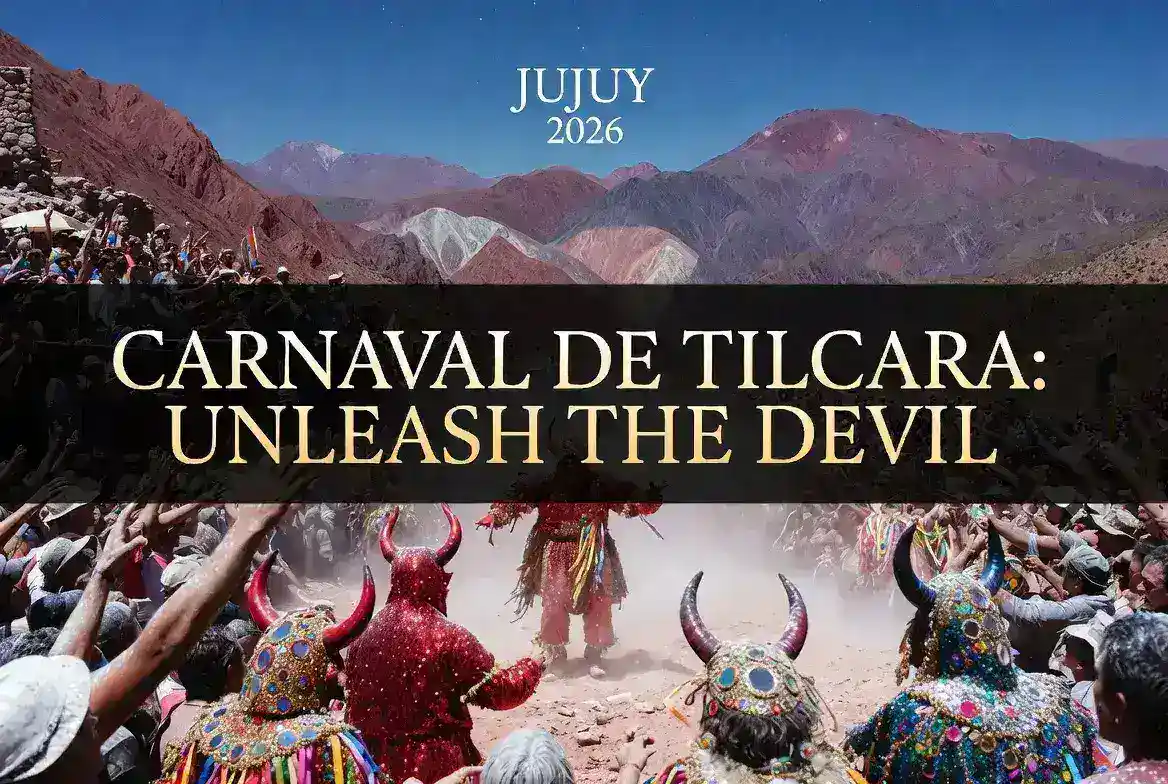
Jujuy Carnival 2026: Complete Guide to the Unburying of the Devil in Tilcara (Feb 12-17)
In the high-altitude valleys of northwest Argentina, where Andean traditions blend with Catholic influences and the earth itself seems to pulse with ancient rhythms, one of South America's most authentic and spiritually profound carnival celebrations unfolds each February. The Jujuy Carnival, centered in the historic town of Tilcara within the UNESCO World Heritage Quebrada de Humahuaca, culminates in the extraordinary "Unburying of the Devil" (Desentierro del Diablo) ceremony—a ritual that marks the official start of carnival festivities and connects participants to centuries of indigenous Andean cosmology.
For 2026, this sacred celebration is scheduled for February 12-17, with the pivotal Unburying ceremony typically occurring on the opening day (February 12). Unlike the samba-driven spectacles of Rio or the electronic beats of Buenos Aires festivals, the Jujuy Carnival offers something fundamentally different: a deeply cultural, community-centered celebration where music, dance, offerings, and ancestral wisdom converge in a powerful expression of identity, gratitude, and renewal.
This comprehensive guide provides everything you need to know about experiencing the Jujuy Carnival 2026 in Tilcara: from understanding the spiritual significance of the Unburying of the Devil to practical travel planning, cultural etiquette, accommodation strategies, and respectful participation guidelines. Whether you're a cultural traveler seeking authentic indigenous experiences, a photographer documenting traditional ceremonies, or simply curious about one of Argentina's most unique festivals, this article equips you to engage with this extraordinary celebration with knowledge, respect, and wonder.
Understanding the Unburying of the Devil: Cultural and Spiritual Significance
To fully appreciate the Jujuy Carnival, it's essential to understand the profound meaning behind its central ritual: the Desentierro del Diablo (Unburying of the Devil).
Historical Origins:
The ceremony represents a fascinating syncretism—a blending of indigenous Andean beliefs with Catholic traditions introduced during Spanish colonization:
- Pre-Columbian Roots: Indigenous peoples of the Quebrada de Humahuaca (primarily Omaguaca and Kolla communities) have celebrated seasonal festivals honoring Pachamama (Mother Earth) for millennia, marking agricultural cycles, solstices, and community renewal
- Colonial Adaptation: Spanish missionaries incorporated Catholic elements, with the "Devil" figure representing both Christian evil and indigenous earth spirits (Supay), creating a complex symbolic figure that embodies both danger and fertility
- Modern Continuity: Today's ceremony maintains ancestral practices while adapting to contemporary contexts, serving as a vital expression of cultural identity and resistance
- 👉 AC/DC Santiago 2026: Tour Dates, Venue & Ticket Guide
- 👉 Ecuador Digital Nomad Visa 2026: $1,446 Income Rule Guide
- 👉 How to Organize School or Educational Group Expedition to Llanos
The Ritual Explained:
The Unburying of the Devil unfolds as a carefully choreographed community ceremony:
- The Buried Devil: Weeks before carnival, a small effigy representing the Devil/Supay is ceremonially "buried" in a sacred location, often near a communal gathering place or ancestral site
- February 12 Ceremony: On the opening day of carnival, community members gather at dawn to "unbury" the effigy through song, dance, and offerings
- Symbolic Meaning: The unburying represents the release of creative energy, fertility, and festive spirit for the carnival period; it acknowledges the dual nature of Supay/Devil as both trickster and provider
- Community Participation: Elders lead the ceremony, but all ages participate through music, dance, and shared offerings
- 👉 AC/DC Santiago 2026: Tour Dates, Venue & Ticket Guide
- 👉 Ecuador Digital Nomad Visa 2026: $1,446 Income Rule Guide
- 👉 How to Organize School or Educational Group Expedition to Llanos
Key Symbolic Elements:
- Coca Leaves: Offered to Pachamama and Supay as sacred mediators between humans and spirits
- Chicha: Traditional fermented corn beer poured as libation to honor earth and ancestors
- Flowers and Confetti: Symbolize fertility, joy, and the vibrant energy of carnival
- Masks and Costumes: Devil masks (often colorful, horned, and expressive) represent the playful, transformative spirit of carnival
- Music: Traditional instruments like erkes (long trumpets), cajas (drums), and quenas (flutes) create the ceremonial soundscape
- 👉 AC/DC Santiago 2026: Tour Dates, Venue & Ticket Guide
- 👉 Ecuador Digital Nomad Visa 2026: $1,446 Income Rule Guide
- 👉 How to Organize School or Educational Group Expedition to Llanos
Why This Matters:
The Unburying of the Devil is more than folklore—it's a living tradition that:
- Preserves indigenous knowledge and cosmology in a modern context
- Strengthens community bonds through shared ritual participation
- Offers visitors a rare window into authentic Andean cultural expression
- Challenges simplistic notions of "carnival" as merely partying, revealing deeper spiritual dimensions
- 👉 AC/DC Santiago 2026: Tour Dates, Venue & Ticket Guide
- 👉 Ecuador Digital Nomad Visa 2026: $1,446 Income Rule Guide
- 👉 How to Organize School or Educational Group Expedition to Llanos
Carnival 2026 Schedule: February 12-17 in Tilcara
Understanding the carnival timeline helps you plan your visit strategically.
Confirmed Dates for 2026:
- Wednesday, February 12: Unburying of the Devil (Desentierro del Diablo) at dawn; opening ceremonies and processions throughout the day
- Thursday, February 13: Traditional music and dance performances; community comparsas (carnival groups) parades
- Friday, February 14: Cultural workshops, artisan markets, and evening concerts featuring regional folk music
- Saturday, February 15: Grand parade through Tilcara's main streets; costume competitions and traditional games
- Sunday, February 16: Family-focused activities; ceremonial offerings at Pucará de Tilcara; closing celebrations
- Monday, February 17: Burying of the Devil (Entierro del Diablo) ceremony marking carnival's end; farewell festivities
- 👉 AC/DC Santiago 2026: Tour Dates, Venue & Ticket Guide
- 👉 Ecuador Digital Nomad Visa 2026: $1,446 Income Rule Guide
- 👉 How to Organize School or Educational Group Expedition to Llanos
Daily Event Structure:
While exact times may vary, carnival days typically follow this pattern:
- Early Morning (6-9 AM): Ceremonial activities, offerings, and quiet community gatherings
- Mid-Morning to Afternoon (9 AM-5 PM): Parades, performances, markets, and family activities
- Evening (6 PM-12 AM): Concerts, dances, and communal celebrations
- Late Night: Intimate gatherings and traditional music sessions (often in community spaces)
- 👉 AC/DC Santiago 2026: Tour Dates, Venue & Ticket Guide
- 👉 Ecuador Digital Nomad Visa 2026: $1,446 Income Rule Guide
- 👉 How to Organize School or Educational Group Expedition to Llanos
Key Locations in Tilcara:
- Plaza Principal: Main square; central hub for parades, performances, and gatherings
- Pucará de Tilcara: Ancient fortress and archaeological site; location for ceremonial offerings and cultural presentations
- Quebrada de Humahuaca Valley: Surrounding landscape where processions and nature-based ceremonies occur
- Community Centers: Local venues hosting workshops, music sessions, and intimate celebrations
- 👉 AC/DC Santiago 2026: Tour Dates, Venue & Ticket Guide
- 👉 Ecuador Digital Nomad Visa 2026: $1,446 Income Rule Guide
- 👉 How to Organize School or Educational Group Expedition to Llanos
Important Note: Carnival schedules are community-driven and may adjust based on weather, elder decisions, or traditional protocols. Flexibility and respect for local timing are essential.
Practical Travel Planning: Getting to Tilcara for Carnival 2026
Strategic planning ensures you arrive prepared for this high-altitude, culturally rich celebration.
Getting to Northwest Argentina:
By Air:
- Nearest Major Airport: Martín Miguel de Güemes International Airport (SLA) in Salta (~120 km from Tilcara)
- Alternative: Governor Horacio Guzmán International Airport (JUJ) in Jujuy city (~80 km from Tilcara)
- Flight Options: Direct flights from Buenos Aires (AEP/EZE) to Salta or Jujuy; 2-hour flight time
- Airlines: Aerolíneas Argentinas, Flybondi, Jetsmart
- 👉 AC/DC Santiago 2026: Tour Dates, Venue & Ticket Guide
- 👉 Ecuador Digital Nomad Visa 2026: $1,446 Income Rule Guide
- 👉 How to Organize School or Educational Group Expedition to Llanos
Ground Transportation to Tilcara:
- From Salta:
- Bus: Regular services via companies like Balut, Chevallier; 2.5-3 hours; ~$15-25 USD
- Rental Car: Scenic Route 9 through Quebrada de Humahuaca; 2 hours; allows flexibility for exploring
- Private Transfer: Pre-booked service; ~$60-100 USD; convenient for groups
- 👉 AC/DC Santiago 2026: Tour Dates, Venue & Ticket Guide
- 👉 Ecuador Digital Nomad Visa 2026: $1,446 Income Rule Guide
- 👉 How to Organize School or Educational Group Expedition to Llanos
- From Jujuy City:
- Bus: Frequent local services; 1.5 hours; ~$10-15 USD
- Colectivo (shared van): Affordable and frequent; ~$8-12 USD
- 👉 AC/DC Santiago 2026: Tour Dates, Venue & Ticket Guide
- 👉 Ecuador Digital Nomad Visa 2026: $1,446 Income Rule Guide
- 👉 How to Organize School or Educational Group Expedition to Llanos
- 👉 AC/DC Santiago 2026: Tour Dates, Venue & Ticket Guide
- 👉 Ecuador Digital Nomad Visa 2026: $1,446 Income Rule Guide
- 👉 How to Organize School or Educational Group Expedition to Llanos
Accommodation Strategies for Carnival:
Book Early: Tilcara has limited lodging; carnival dates sell out 6-12 months in advance.
Accommodation Types:
- Hostels/Guesthouses: $20-40 USD/night; social atmosphere; basic amenities; ideal for budget travelers
- Boutique Hotels: $50-120 USD/night; comfortable rooms; often family-run; local character
- Rural Lodges: $40-90 USD/night; traditional architecture; immersive cultural experience
- Camping: $10-25 USD/night; designated campgrounds; for adventurous travelers
- 👉 AC/DC Santiago 2026: Tour Dates, Venue & Ticket Guide
- 👉 Ecuador Digital Nomad Visa 2026: $1,446 Income Rule Guide
- 👉 How to Organize School or Educational Group Expedition to Llanos
Alternative Base Options:
- Humahuaca: Town 35 km north of Tilcara; more accommodation; 30-minute commute to carnival
- Purmamarca: Picturesque village 40 km south; famous for Hill of Seven Colors; 40-minute commute
- Stay in Salta/Jujuy: More lodging options; daily commute (2-3 hours); less immersive but more comfortable
- 👉 AC/DC Santiago 2026: Tour Dates, Venue & Ticket Guide
- 👉 Ecuador Digital Nomad Visa 2026: $1,446 Income Rule Guide
- 👉 How to Organize School or Educational Group Expedition to Llanos
Booking Tips:
- Reserve 6-12 months ahead for carnival dates
- Confirm cancellation policies; flexibility is valuable
- Verify location relative to Plaza Principal for easy carnival access
- Check reviews for cultural authenticity and host knowledge of local traditions
- 👉 AC/DC Santiago 2026: Tour Dates, Venue & Ticket Guide
- 👉 Ecuador Digital Nomad Visa 2026: $1,446 Income Rule Guide
- 👉 How to Organize School or Educational Group Expedition to Llanos
What to Expect: Experiencing the Unburying Ceremony and Carnival Activities
Preparing for the sensory and spiritual richness of the Jujuy Carnival enhances your experience.
The Unburying Ceremony (February 12):
- Timing: Typically begins at dawn (6-7 AM); arrive early to secure respectful viewing position
- Atmosphere: Reverent yet joyful; community members in traditional dress; ceremonial music
- Participation: Visitors are welcome to observe; active participation typically reserved for community members unless invited
- Photography: Always ask permission before photographing people or sacred moments; some ceremonial elements may be restricted
- 👉 AC/DC Santiago 2026: Tour Dates, Venue & Ticket Guide
- 👉 Ecuador Digital Nomad Visa 2026: $1,446 Income Rule Guide
- 👉 How to Organize School or Educational Group Expedition to Llanos
Carnival Activities Throughout the Week:
Music and Dance:
- Traditional Ensembles: Listen for erkes (2-3 meter long trumpets), cajas (hand drums), quenas (Andean flutes), and charangos (small stringed instruments)
- Dance Styles: Carnavalito (lively circle dance), Bailecito (graceful partner dance), and ceremonial processions
- Comparsas: Community carnival groups perform choreographed routines with elaborate costumes and masks
- 👉 AC/DC Santiago 2026: Tour Dates, Venue & Ticket Guide
- 👉 Ecuador Digital Nomad Visa 2026: $1,446 Income Rule Guide
- 👉 How to Organize School or Educational Group Expedition to Llanos
Costumes and Masks:
- Devil Masks: Colorful, expressive masks representing Supay/Devil; often handmade with local materials
- Traditional Dress: Community members wear ponchos, polleras (skirts), and embroidered blouses reflecting regional identity
- Symbolic Elements: Costumes incorporate Andean symbols, natural materials, and vibrant colors representing earth, sky, and community
- 👉 AC/DC Santiago 2026: Tour Dates, Venue & Ticket Guide
- 👉 Ecuador Digital Nomad Visa 2026: $1,446 Income Rule Guide
- 👉 How to Organize School or Educational Group Expedition to Llanos
Food and Drink:
- Traditional Offerings: Chicha (fermented corn beer), coca leaves, and local foods presented to Pachamama and Supay
- Carnival Cuisine: Empanadas salteñas, humita (corn pudding), locro (hearty stew), and grilled meats
- Community Meals: Shared meals (asados) foster connection; visitors may be invited to participate respectfully
- 👉 AC/DC Santiago 2026: Tour Dates, Venue & Ticket Guide
- 👉 Ecuador Digital Nomad Visa 2026: $1,446 Income Rule Guide
- 👉 How to Organize School or Educational Group Expedition to Llanos
Cultural Workshops and Markets:
- Artisan Markets: Purchase handmade textiles, pottery, and crafts directly from local artisans
- Workshops: Learn traditional weaving, music, or dance from community experts
- Storytelling: Elders share oral histories and cultural knowledge in community spaces
- 👉 AC/DC Santiago 2026: Tour Dates, Venue & Ticket Guide
- 👉 Ecuador Digital Nomad Visa 2026: $1,446 Income Rule Guide
- 👉 How to Organize School or Educational Group Expedition to Llanos
Cultural Etiquette: Participating Respectfully in Indigenous Traditions
Engaging with the Jujuy Carnival requires cultural sensitivity and respect for indigenous protocols.
Core Principles of Respectful Participation:
- Observe First: Watch and learn before participating; follow community cues
- Ask Permission: Always request consent before photographing people, ceremonies, or sacred objects
- Honor Elders: Community elders lead ceremonies; show deference and listen attentively
- Respect Sacred Spaces: Some areas or ritual moments may be restricted to community members; heed guidance
- Dress Appropriately: Modest, comfortable clothing; avoid costumes that appropriate or trivialize indigenous symbols
- 👉 AC/DC Santiago 2026: Tour Dates, Venue & Ticket Guide
- 👉 Ecuador Digital Nomad Visa 2026: $1,446 Income Rule Guide
- 👉 How to Organize School or Educational Group Expedition to Llanos
Photography Guidelines:
- Ceremonial Moments: Some rituals may be closed to photography; respect these boundaries
- Portraits: Always ask individuals before photographing; offer to share photos if possible
- Commercial Use: Never use images of community members or ceremonies for commercial purposes without explicit permission
- Cultural Context: Learn about the meaning behind masks, dances, and symbols before photographing
- 👉 AC/DC Santiago 2026: Tour Dates, Venue & Ticket Guide
- 👉 Ecuador Digital Nomad Visa 2026: $1,446 Income Rule Guide
- 👉 How to Organize School or Educational Group Expedition to Llanos
Participation vs. Observation:
- Public Celebrations: Parades, markets, and concerts welcome visitor participation
- Ceremonial Rituals: Sacred ceremonies like the Unburying may limit active participation to community members
- Invitation: If invited to participate in a ceremony, accept graciously and follow instructions carefully
- Humility: Approach as a learner, not a performer; your role is to witness and honor, not to center yourself
- 👉 AC/DC Santiago 2026: Tour Dates, Venue & Ticket Guide
- 👉 Ecuador Digital Nomad Visa 2026: $1,446 Income Rule Guide
- 👉 How to Organize School or Educational Group Expedition to Llanos
Language Considerations:
- Spanish: Primary language; learning basic greetings (hola, gracias, por favor) is appreciated
- Indigenous Languages: Quechua or Aymara may be spoken in ceremonies; respect linguistic diversity
- Translation: Some events may offer translation; ask organizers if unsure
- 👉 AC/DC Santiago 2026: Tour Dates, Venue & Ticket Guide
- 👉 Ecuador Digital Nomad Visa 2026: $1,446 Income Rule Guide
- 👉 How to Organize School or Educational Group Expedition to Llanos
Practical Preparation: What to Pack for Jujuy Carnival
Proper preparation ensures comfort and respect during your carnival experience.
Clothing for High-Altitude Andes:
- Layered Clothing: February temperatures range 10-25°C (50-77°F); mornings/evenings cool, afternoons warm
- Sun Protection: High-altitude sun is intense; pack wide-brimmed hat, sunglasses, SPF 50+ sunscreen
- Rain Gear: February is rainy season; lightweight waterproof jacket and pants recommended
- Comfortable Footwear: Sturdy walking shoes for cobblestone streets and uneven terrain
- Cultural Sensitivity: Avoid clothing that appropriates indigenous symbols; choose modest, respectful attire
- 👉 AC/DC Santiago 2026: Tour Dates, Venue & Ticket Guide
- 👉 Ecuador Digital Nomad Visa 2026: $1,446 Income Rule Guide
- 👉 How to Organize School or Educational Group Expedition to Llanos
Essential Gear:
- Camera: For documenting experiences; respect photography guidelines
- Reusable Water Bottle: Stay hydrated at 2,400m (7,900 ft) altitude
- Small Backpack: For carrying water, snacks, and layers during all-day carnival activities
- Cash: Many vendors accept only Argentine pesos; ATMs limited in Tilcara
- Spanish Phrasebook/App: Basic communication enhances interactions
- 👉 AC/DC Santiago 2026: Tour Dates, Venue & Ticket Guide
- 👉 Ecuador Digital Nomad Visa 2026: $1,446 Income Rule Guide
- 👉 How to Organize School or Educational Group Expedition to Llanos
Health Considerations:
- Altitude Acclimatization: Tilcara sits at 2,461m (8,074 ft); arrive 1-2 days early to adjust; stay hydrated; avoid alcohol initially
- Medications: Bring personal medications plus basics for altitude sickness, digestive issues, and minor injuries
- Travel Insurance: Essential for medical coverage and trip protection
- 👉 AC/DC Santiago 2026: Tour Dates, Venue & Ticket Guide
- 👉 Ecuador Digital Nomad Visa 2026: $1,446 Income Rule Guide
- 👉 How to Organize School or Educational Group Expedition to Llanos
Cultural Preparation:
- Research: Learn about Quebrada de Humahuaca history, indigenous cultures, and carnival traditions
- Mindset: Approach with curiosity, humility, and respect; you are a guest in a living cultural tradition
- Gifts: If invited to a home, small gifts like sweets or crafts from your home region are appreciated (ask hosts first)
- 👉 AC/DC Santiago 2026: Tour Dates, Venue & Ticket Guide
- 👉 Ecuador Digital Nomad Visa 2026: $1,446 Income Rule Guide
- 👉 How to Organize School or Educational Group Expedition to Llanos
Budget Planning: Costs for Jujuy Carnival 2026
Understanding expenses helps you plan effectively for this unique cultural experience.
Estimated Costs (Per Person):
Accommodation (Per Night):
- Hostel/Guesthouse: $20-40 USD
- Boutique Hotel: $50-120 USD
- Rural Lodge: $40-90 USD
- 👉 AC/DC Santiago 2026: Tour Dates, Venue & Ticket Guide
- 👉 Ecuador Digital Nomad Visa 2026: $1,446 Income Rule Guide
- 👉 How to Organize School or Educational Group Expedition to Llanos
Food and Drink (Per Day):
- Budget (local markets, street food): $10-20 USD
- Moderate (mix of local restaurants): $25-45 USD
- Comfortable (including traditional meals): $50-80 USD
- 👉 AC/DC Santiago 2026: Tour Dates, Venue & Ticket Guide
- 👉 Ecuador Digital Nomad Visa 2026: $1,446 Income Rule Guide
- 👉 How to Organize School or Educational Group Expedition to Llanos
Transportation:
- Bus from Salta/Jujuy: $10-25 USD round-trip
- Local transport in Tilcara: $2-5 USD/day (mostly walkable)
- Rental car (if exploring region): $40-70 USD/day plus fuel
- 👉 AC/DC Santiago 2026: Tour Dates, Venue & Ticket Guide
- 👉 Ecuador Digital Nomad Visa 2026: $1,446 Income Rule Guide
- 👉 How to Organize School or Educational Group Expedition to Llanos
Activities and Cultural Experiences:
- Carnival events: Most public celebrations are free
- Workshops/tours: $10-30 USD for guided cultural experiences
- Artisan purchases: Variable; support local craftspeople directly
- 👉 AC/DC Santiago 2026: Tour Dates, Venue & Ticket Guide
- 👉 Ecuador Digital Nomad Visa 2026: $1,446 Income Rule Guide
- 👉 How to Organize School or Educational Group Expedition to Llanos
Total Estimated Budget (5 days/4 nights):
- Budget traveler: $200-400 USD
- Mid-range traveler: $400-800 USD
- Comfortable traveler: $800-1,500 USD
- 👉 AC/DC Santiago 2026: Tour Dates, Venue & Ticket Guide
- 👉 Ecuador Digital Nomad Visa 2026: $1,446 Income Rule Guide
- 👉 How to Organize School or Educational Group Expedition to Llanos
Money-Saving Tips:
- Travel Off-Peak: Arrive a day early or stay a day late to avoid highest accommodation rates
- Eat Local: Empanadas, humita, and market food are delicious and affordable
- Use Public Transport: Buses and colectivos are efficient and inexpensive
- Book Early: Secure accommodation 6-12 months ahead for best rates and availability
- Support Local: Buy directly from artisans; prices are fair and support community livelihoods
- 👉 AC/DC Santiago 2026: Tour Dates, Venue & Ticket Guide
- 👉 Ecuador Digital Nomad Visa 2026: $1,446 Income Rule Guide
- 👉 How to Organize School or Educational Group Expedition to Llanos
Beyond Tilcara: Exploring the Quebrada de Humahuaca
The Jujuy Carnival is enhanced by the stunning landscape and cultural richness of the Quebrada de Humahuaca.
Nearby Cultural and Natural Attractions:
Pucará de Tilcara:
- Ancient hilltop fortress and archaeological site overlooking Tilcara
- Pre-Inca ruins dating to 9th century; museum with regional artifacts
- Panoramic views of Quebrada valley; ideal for sunrise/sunset photography
- Often hosts ceremonial offerings during carnival
- 👉 AC/DC Santiago 2026: Tour Dates, Venue & Ticket Guide
- 👉 Ecuador Digital Nomad Visa 2026: $1,446 Income Rule Guide
- 👉 How to Organize School or Educational Group Expedition to Llanos
Garganta del Diablo (Devil's Throat):
- Dramatic rock formation near Tilcara with local legends
- Short hike with rewarding views; connects to carnival mythology
- 👉 AC/DC Santiago 2026: Tour Dates, Venue & Ticket Guide
- 👉 Ecuador Digital Nomad Visa 2026: $1,446 Income Rule Guide
- 👉 How to Organize School or Educational Group Expedition to Llanos
Serranía de Hornocal:
- "Mountain of 14 Colors" with stunning striped geological formations
- Day trip from Tilcara (~2 hours each way); best visited with guided tour
- High altitude (4,700m); prepare for thin air and variable weather
- 👉 AC/DC Santiago 2026: Tour Dates, Venue & Ticket Guide
- 👉 Ecuador Digital Nomad Visa 2026: $1,446 Income Rule Guide
- 👉 How to Organize School or Educational Group Expedition to Llanos
Purmamarca:
- Charming village famous for Cerro de los Siete Colores (Hill of Seven Colors)
- Artisan market with high-quality textiles and crafts
- Easy day trip from Tilcara; combines well with carnival visit
- 👉 AC/DC Santiago 2026: Tour Dates, Venue & Ticket Guide
- 👉 Ecuador Digital Nomad Visa 2026: $1,446 Income Rule Guide
- 👉 How to Organize School or Educational Group Expedition to Llanos
Humahuaca:
- UNESCO-listed town with colonial architecture and vibrant culture
- Monumento a los Héroes de la Independencia with panoramic views
- Traditional markets and local cuisine
- 👉 AC/DC Santiago 2026: Tour Dates, Venue & Ticket Guide
- 👉 Ecuador Digital Nomad Visa 2026: $1,446 Income Rule Guide
- 👉 How to Organize School or Educational Group Expedition to Llanos
Natural Wonders:
- Salinas Grandes: Vast salt flats; surreal landscape for photography
- Quebrada Landscapes: Dramatic valleys, colorful rock formations, and high-altitude ecosystems
- Wildlife: Vicuñas, llamas, Andean condors, and unique high-altitude flora
- 👉 AC/DC Santiago 2026: Tour Dates, Venue & Ticket Guide
- 👉 Ecuador Digital Nomad Visa 2026: $1,446 Income Rule Guide
- 👉 How to Organize School or Educational Group Expedition to Llanos
Photography Tips: Capturing Carnival with Respect
Documenting the Jujuy Carnival requires both technical skill and cultural sensitivity.
Equipment Recommendations:
- Camera: DSLR or mirrorless with versatile lens (24-70mm ideal for crowds and portraits)
- Backup: Extra batteries and memory cards; charging opportunities may be limited
- Protection: Weather-sealed gear or protective cover for rain and dust
- Discretion: Smaller cameras or smartphones can be less intrusive during intimate moments
- 👉 AC/DC Santiago 2026: Tour Dates, Venue & Ticket Guide
- 👉 Ecuador Digital Nomad Visa 2026: $1,446 Income Rule Guide
- 👉 How to Organize School or Educational Group Expedition to Llanos
Technical Considerations:
- Lighting: High-altitude light is harsh at midday; golden hour (dawn/dusk) offers best conditions
- Motion: Use faster shutter speeds (1/250+) to freeze dance movements
- Portraits: Wide aperture (f/2.8-f/4) for subject isolation; always engage subjects respectfully first
- Ceremonial Moments: Use available light; avoid flash during sacred rituals
- 👉 AC/DC Santiago 2026: Tour Dates, Venue & Ticket Guide
- 👉 Ecuador Digital Nomad Visa 2026: $1,446 Income Rule Guide
- 👉 How to Organize School or Educational Group Expedition to Llanos
Ethical Photography Practices:
- Consent First: Always ask permission before photographing people; respect "no"
- Cultural Context: Learn the meaning behind masks, dances, and symbols before photographing
- Avoid Exploitation: Never photograph vulnerable moments or sacred rituals without explicit community approval
- Share Responsibly: If sharing images online, provide cultural context and credit communities
- Give Back: Offer to share photos with subjects; support local artisans by purchasing their work
- 👉 AC/DC Santiago 2026: Tour Dates, Venue & Ticket Guide
- 👉 Ecuador Digital Nomad Visa 2026: $1,446 Income Rule Guide
- 👉 How to Organize School or Educational Group Expedition to Llanos
Best Photography Opportunities:
- Unburying Ceremony: Dawn light, ceremonial offerings, community gathering (with permission)
- Costume Details: Close-ups of handmade masks, textiles, and symbolic elements
- Dance and Movement: Dynamic shots of carnavalito dancers in Plaza Principal
- Landscape Context: Carnival activities framed by Quebrada's dramatic mountains and valleys
- Candid Moments: Authentic interactions between community members (with respect and discretion)
- 👉 AC/DC Santiago 2026: Tour Dates, Venue & Ticket Guide
- 👉 Ecuador Digital Nomad Visa 2026: $1,446 Income Rule Guide
- 👉 How to Organize School or Educational Group Expedition to Llanos
Frequently Asked Questions
Q: Is the Unburying of the Devil ceremony open to tourists?
A: Yes, visitors are welcome to observe the ceremony respectfully. However, active participation in sacred rituals is typically reserved for community members. Always follow guidance from local elders and organizers.
Q: Do I need to speak Spanish to attend?
A: While not required, basic Spanish phrases significantly enhance your experience and interactions. Many community members appreciate efforts to communicate in their language.
Q: What should I wear to the carnival?
A: Comfortable, modest clothing suitable for high-altitude weather. Avoid costumes that appropriate indigenous symbols. Layers are essential for temperature changes.
Q: Can I participate in the dancing?
A: Public dances and celebrations often welcome visitor participation. Follow community cues, learn basic steps, and join with humility and respect.
Q: Is it safe to travel to Jujuy for carnival?
A: Yes, the Quebrada de Humahuaca is generally safe for tourists. Practice standard precautions: secure valuables, use reputable transportation, and stay aware of surroundings.
Q: What about altitude sickness?
A: Tilcara sits at 2,461m (8,074 ft). Arrive 1-2 days early to acclimatize, stay hydrated, avoid alcohol initially, and consider altitude medication if prone to sickness.
Q: Can I buy traditional masks or costumes?
A: Yes, artisan markets offer handmade crafts. Purchase directly from local artisans to support community livelihoods. Avoid mass-produced imitations.
Q: Are there vegetarian/vegan food options?
A: Yes, though traditional carnival food is meat-heavy. Communicate dietary needs clearly; many restaurants can accommodate with advance notice.
Q: What if I miss the Unburying ceremony?
A: While the Unburying is the spiritual centerpiece, the entire carnival week offers rich cultural experiences. Focus on respectful engagement throughout your visit.
Q: How do I learn more about the cultural significance?
A: Engage with local guides, visit the Pucará museum, attend community workshops, and approach elders with respectful curiosity.
Conclusion: Honoring Tradition Through Respectful Engagement
The Jujuy Carnival 2026 in Tilcara offers more than a festival—it offers a profound encounter with living Andean culture, where ancient wisdom, community spirit, and joyful celebration converge in the powerful ritual of the Unburying of the Devil.
For travelers willing to approach with humility, curiosity, and respect, this celebration provides a rare opportunity to witness traditions that have endured for centuries, to connect with communities that maintain deep ties to land and ancestry, and to experience carnival not as spectacle but as sacred expression.
As you plan your journey to the Quebrada de Humahuaca in February 2026, remember that your role is not as spectator but as guest. Listen more than you speak. Observe before you participate. Honor boundaries. Support local livelihoods. And allow yourself to be transformed by the rhythms, colors, and spirit of a celebration that reminds us all of our connection to earth, community, and the cyclical nature of life.
The mountains of Jujuy have witnessed countless carnivals. In 2026, they will welcome you—not as a tourist, but as a respectful participant in a story far older and deeper than any single visitor. Come with an open heart, a humble spirit, and a commitment to honor the traditions that make this celebration extraordinary.
The Devil awaits unburying. The community welcomes you. Your journey to the heart of Andean carnival begins now.
Disclaimer: This guide provides general information about the Jujuy Carnival and Unburying of the Devil ceremony as of 2026. Cultural practices, schedules, and community protocols may vary. Always verify current information through official tourism channels, local community organizations, and respectful engagement with Tilcara residents before traveling. Individual experiences vary; this content does not constitute personalized travel or cultural advice. Approach indigenous traditions with humility, respect, and a commitment to ethical engagement.
0 Comments