.webp)
.webp)
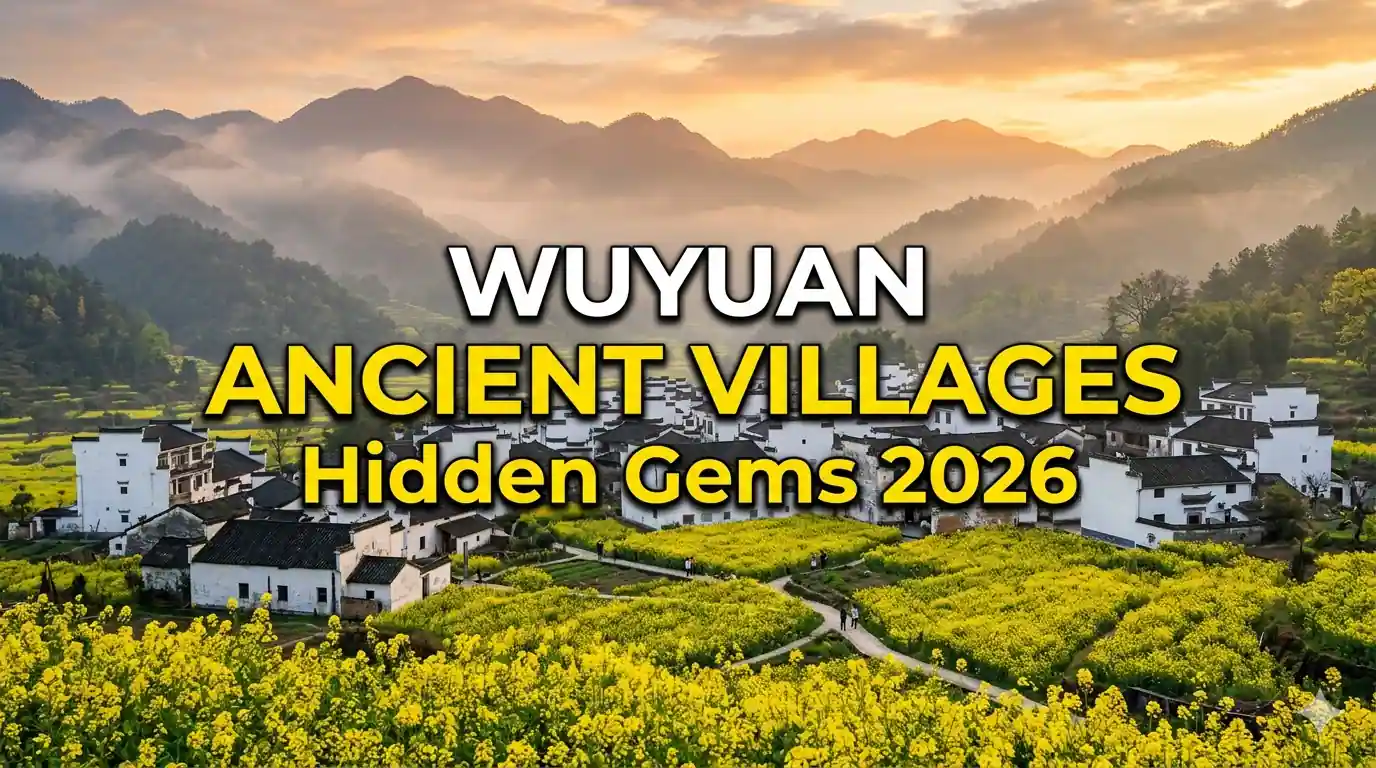
Overview of Wuyuan Countryside and Ancient Villages
Wuyuan County in Jiangxi Province represents one of China's most beautiful rural landscapes featuring perfectly preserved ancient villages.
These villages showcase distinctive Huizhou architecture with iconic white walls and black tiled roofs set against dramatic mountain scenery.
Spring brings spectacular golden rapeseed flower fields while autumn transforms the countryside with vibrant red maple and yellow ginkgo colors.
Beyond the famous villages lie hidden gems offering authentic experiences without tourist crowds.
This comprehensive guide reveals both popular destinations and secret villages for the ultimate Wuyuan countryside adventure in 2026.
Why Wuyuan Captivates Travelers
Wuyuan earned recognition as China's most beautiful countryside combining natural beauty with cultural heritage.
Ancient villages dating back to Tang and Song Dynasties preserve traditional Huizhou architectural styles.
The region's dramatic seasonal changes create year-round photography opportunities from spring blossoms to autumn colors.
Well-preserved cultural traditions including tea culture paper making and wood carving offer authentic cultural immersion.
Relatively undeveloped tourism infrastructure maintains authentic rural atmosphere compared to more commercialized destinations.
Geography and Location
Wuyuan County located in northeastern Jiangxi Province borders Anhui and Zhejiang Provinces.
Mountainous terrain with elevations ranging from 60 to 1630 meters creates dramatic landscapes.
Qinghua River and its tributaries flow through valleys connecting ancient villages.
Subtropical monsoon climate brings distinct seasons with spring rains and autumn clarity.
High speed rail connection since 2015 makes Wuyuan accessible from Shanghai in 3 hours.
Famous Villages Worth Visiting

While seeking hidden gems, understanding famous villages provides context for Wuyuan's cultural significance.
These well-known destinations offer excellent infrastructure and represent best-preserved examples of Huizhou architecture.
Visiting famous villages first helps appreciate the architectural features found throughout the region.
Early morning or late afternoon visits avoid crowds and provide best photography lighting.
Combination tickets available for multiple villages offering cost savings for extended stays.
Likeng Village
Likeng stands as Wuyuan's most famous village featuring classic Huizhou architecture along crescent-shaped lake.
Village layout follows feng shui principles with water system designed during Ming Dynasty.
Ancient academies ancestral halls and residential buildings showcase architectural excellence.
Rapeseed flower fields surrounding village create stunning spring photography opportunities.
Entrance fee 60 yuan with combination tickets available for multiple villages.
Wangkou Village
Wangkou features over 600 well-preserved ancient buildings from Ming and Qing Dynasties.
Village known for three carvings wood brick and stone demonstrating exceptional craftsmanship.
Qinghua Bridge spanning village river represents one of China's longest covered bridges.
Less commercialized than Likeng offering more authentic atmosphere and local interactions.
Photography enthusiasts favor Wangkou for architectural details and traditional lifestyle scenes.
Jiangling Terraced Fields
Jiangling famous for spectacular terraced rapeseed flower fields cascading down mountainsides.
Spring transformation creates golden waves visible from multiple viewing platforms.
Ancient village nestled among terraces provides cultural context to agricultural landscape.
Best visited early morning when mist rises from fields creating ethereal atmosphere.
Photography permits may be required for professional equipment check current regulations.
Hidden Gem Villages Off the Beaten Path

Beyond famous destinations lie lesser-known villages offering authentic experiences without tourist crowds.
These hidden gems preserve traditional lifestyles and architecture with minimal commercial development.
Visiting hidden villages requires more effort but rewards travelers with genuine cultural immersion.
Local hospitality in these villages often warmer as residents appreciate interested visitors.
Photography opportunities superior without crowds obstructing views of ancient architecture.
Sixi Village
Sixi remains one of Wuyuan's best-kept secrets with minimal tourist development.
Village features original Ming Dynasty architecture with intricate wood carvings and stone sculptures.
Traditional water system still functions as designed centuries ago demonstrating ancient engineering.
Local residents continue traditional crafts including bamboo weaving and tea processing.
No entrance fee though donations to village preservation appreciated.
Hongguan Village
Hongguan located in remote mountain valley accessible only by narrow country roads.
Village showcases purest form of Huizhou architecture without modern modifications.
Ancient camphor trees over 800 years old provide shade and spiritual significance.
Traditional farming methods still practiced creating authentic agricultural landscape.
Homestay opportunities available with local families for immersive cultural experience.
Qinghua Ancient Town
Qinghua serves as transportation hub but ancient town section remains overlooked by tourists.
Historic street lined with traditional shops and residences maintains original character.
Local market offers authentic glimpse into daily life and traditional food culture.
Ancient dragon well and temple provide cultural sites without entrance fees.
Excellent base for exploring surrounding villages with affordable accommodation options.
Chakeng Village
Chakeng perched on mountainside offering panoramic views of terraced fields and valleys.
Village layout follows mountain contours creating dramatic architectural composition.
Traditional watchtowers and defensive structures demonstrate historical security concerns.
Autumn colors particularly spectacular with maple and ginkgo trees framing ancient buildings.
Challenging access deters mass tourism preserving authentic atmosphere.
Understanding Huizhou Architecture

Huizhou architecture represents one of China's three major architectural schools alongside Beijing and Lingnan styles.
Distinctive features include white walls black tiles horse-head gables and intricate carvings.
Architecture reflects Confucian values emphasizing harmony with nature and family hierarchy.
Understanding architectural elements enhances appreciation of Wuyuan's cultural heritage.
Preservation efforts maintain these structures for future generations while allowing respectful visitation.
Key Architectural Features
White walls made from lime and clay provide weather resistance and aesthetic purity.
Black tiles fired from local clay create distinctive rooflines with upturned eaves.
Horse-head gables serve both decorative and fire prevention functions between buildings.
Three carvings wood brick and stone demonstrate exceptional artisan craftsmanship.
Courtyard layout follows feng shui principles with central sky well for light and ventilation.
Cultural Significance
Architecture reflects merchant culture of Huizhou region emphasizing education and family values.
Ancestral halls serve as community centers preserving clan history and traditions.
Decorative motifs convey wishes for prosperity longevity and scholarly achievement.
Water systems demonstrate sophisticated understanding of hydraulics and fire prevention.
Integration with natural landscape embodies Taoist philosophy of harmony between humans and nature.
Seasonal Beauty and Best Times to Visit

Wuyuan transforms dramatically through seasons each offering unique photographic and cultural opportunities.
Spring rapeseed flowers and autumn foliage represent peak seasons drawing photographers worldwide.
Summer greenery and winter snow provide alternative perspectives with fewer visitors.
Understanding seasonal variations helps plan optimal visit timing for specific interests.
Weather patterns affect accessibility and photography conditions requiring flexible planning.
Spring Season March to May
Spring represents Wuyuan's most famous season with golden rapeseed flowers covering countryside.
Peak bloom occurs late March to early April though timing varies with weather conditions.
Temperature ranges 15 to 25 degrees Celsius ideal for outdoor exploration and photography.
Occasional spring rains create misty atmospheric conditions enhancing landscape photography.
Crowds peak during bloom period requiring advance accommodation booking and early starts.
Summer Season June to August
Summer brings lush green landscapes with rice paddies and forests at peak vitality.
Temperatures reach 28 to 35 degrees Celsius with high humidity requiring heat preparation.
Afternoon thunderstorms common though usually brief followed by clear skies.
Fewer tourists create peaceful atmosphere for village exploration and cultural immersion.
Traditional summer festivals and agricultural activities provide authentic cultural experiences.
Autumn Season September to November
Autumn rivals spring for beauty with vibrant red maple and golden ginkgo foliage.
Peak colors occur mid-October to mid-November depending on elevation and weather.
Clear crisp air provides excellent visibility for landscape and architectural photography.
Harvest season offers opportunities to observe traditional agricultural practices.
Comfortable temperatures 18 to 26 degrees Celsius ideal for hiking between villages.
Winter Season December to February
Winter transforms Wuyuan into monochrome landscape with snow-dusted architecture.
Temperatures drop to 0 to 10 degrees Celsius requiring warm clothing and preparation.
Minimal crowds allow uninterrupted exploration and intimate village experiences.
Traditional New Year celebrations in January or February showcase cultural traditions.
Some remote villages may have limited access due to weather conditions.
Photography Guide for Wuyuan

Wuyuan ranks among China's premier photography destinations attracting enthusiasts worldwide.
Diverse subjects include landscape architecture culture and traditional lifestyles.
Understanding optimal locations timing and techniques maximizes photography success.
Respect for local residents and preservation rules ensures sustainable photography tourism.
Equipment preparation and weather awareness essential for capturing Wuyuan's beauty.
Best Photography Locations
Jiangling terraced fields provide iconic elevated views of rapeseed flowers in spring.
Likeng's crescent lake reflects ancient buildings creating symmetrical compositions.
Wangkou covered bridge offers architectural detail and riverside village scenes.
Mountain viewpoints at Chakeng deliver panoramic landscape photography opportunities.
Hidden villages like Sixi provide authentic scenes without tourist interference.
Equipment Recommendations
Wide angle lens 16-35mm essential for landscape and architectural photography.
Telephoto lens 70-200mm compresses terraced fields and isolates architectural details.
Tripod necessary for early morning and late evening low light conditions.
Polarizing filter reduces reflections and enhances sky and foliage colors.
Neutral density filters enable long exposures for misty atmospheric effects.
Photography Etiquette
Always ask permission before photographing local residents especially elderly people.
Respect private property avoiding intrusion into residential courtyards without invitation.
Follow posted photography restrictions at protected cultural sites and buildings.
Avoid disrupting daily activities or traditional practices for photography purposes.
Consider purchasing local products or making donations when photographing in villages.
Transportation and Access

Reaching Wuyuan and navigating between villages requires planning though infrastructure continues improving.
High speed rail provides convenient access from major cities though last mile transport needs arrangement.
Local transportation options include buses taxis and private drivers with varying costs and convenience.
Self-driving offers maximum flexibility though requires navigation skills and confidence on mountain roads.
Understanding transportation options helps optimize time and budget for village exploration.
Getting to Wuyuan
High speed rail station connects Wuyuan to Shanghai 3 hours Hangzhou 2 hours and Huangshan 30 minutes.
Train tickets should be booked in advance especially during peak spring and autumn seasons.
Nearest airports include Huangshan Tunxi 80 kilometers and Jingdezhen 90 kilometers.
Airport transfers require taxi or pre-arranged pickup costing 200 to 400 yuan.
Long distance buses available from major cities though slower than high speed rail.
Local Transportation Between Villages
Local buses connect major villages though schedules limited and routes indirect.
Bus fares range 10 to 30 yuan between villages with multiple daily departures.
Taxis available in county town and major villages though meters rare requiring negotiation.
Private driver hire costs 400 to 600 yuan per day offering flexibility and local knowledge.
Bicycle rental possible in flat areas though mountainous terrain challenging for casual cyclists.
Self-Driving Considerations
Car rental available in major cities though requires Chinese driving license or international permit.
Mountain roads narrow and winding requiring cautious driving and experience.
GPS navigation essential though rural areas may have limited signal coverage.
Parking available at major villages though spaces limited during peak seasons.
Fuel stations concentrated in county town requiring planning for remote village visits.
Accommodation Options

Wuyuan offers diverse accommodation from luxury resorts to traditional homestays reflecting different travel styles.
Staying in ancient villages provides immersive experience though amenities may be basic.
County town hotels offer modern comfort requiring daily travel to village destinations.
Advance booking essential during peak seasons when villages reach capacity quickly.
Homestay experiences support local economy while providing authentic cultural interaction.
Village Homestays
Traditional homestays in converted ancient buildings offer authentic atmosphere and local hospitality.
Prices range 150 to 400 yuan per night including breakfast with local specialties.
Rooms typically simple with shared bathrooms though some offer modern private facilities.
Host families provide local knowledge cooking traditional meals and cultural insights.
Booking through platforms like Ctrip or local recommendations ensures quality standards.
Boutique Hotels
Boutique hotels in restored ancient buildings combine traditional architecture with modern comfort.
Prices 500 to 1200 yuan per night offering enhanced amenities and service.
Locations in major villages like Likeng and Wangkou provide convenient exploration base.
Design emphasizes Huizhou architectural elements with contemporary interior touches.
Advance booking recommended especially for properties with limited room counts.
County Town Hotels
Ziyang Town offers modern hotels with full amenities at reasonable prices.
International chain hotels and local options range 300 to 800 yuan per night.
Central location provides dining shopping and transportation convenience.
Daily trips to villages require 30 to 60 minutes travel each direction.
Best option for travelers prioritizing comfort over village immersion.
Local Cuisine and Dining

Wuyuan cuisine reflects Huizhou culinary traditions emphasizing fresh ingredients and subtle flavors.
Local specialties include preserved meats freshwater fish and mountain vegetables.
Tea culture integral to dining experience with local green tea served throughout meals.
Village restaurants offer authentic home-style cooking at reasonable prices.
Dietary restrictions can be accommodated though communication may require translation assistance.
Must-Try Local Dishes
Steamed pork with rice powder represents signature dish with tender meat and aromatic seasoning.
Qinghua steamed fish from local rivers offers delicate flavor and fresh preparation.
Wuyuan steamed dumplings feature thin wrappers and savory fillings of meat and vegetables.
Preserved ham with winter bamboo shoots showcases traditional preservation techniques.
Rapeseed flower stir-fry available in spring using fresh blossoms as vegetable ingredient.
Dining Venues
Village family restaurants serve authentic home cooking at 30 to 60 yuan per person.
Local markets offer street food and snacks providing casual dining experiences.
Hotel restaurants provide refined versions of local cuisine with comfortable atmosphere.
Homestay meals included or available for additional fee offering authentic family dining.
County town features diverse options from local specialties to regional Chinese cuisines.
Cultural Activities and Experiences

Beyond architecture and landscape Wuyuan offers rich cultural activities for immersive experiences.
Traditional crafts tea culture and agricultural practices provide hands-on learning opportunities.
Local festivals celebrate seasonal changes and cultural heritage throughout the year.
Interaction with residents offers insights into contemporary rural Chinese life.
Respectful participation in cultural activities supports preservation and community pride.
Traditional Crafts
Wood carving workshops demonstrate three carvings tradition with master artisans.
Tea processing tours show traditional methods from picking to firing in local tea houses.
Bamboo weaving classes teach practical skills creating useful items from local materials.
Paper making demonstrations preserve ancient techniques using mulberry bark and traditional tools.
Purchase of handcrafted items supports artisan livelihoods and cultural preservation.
Agricultural Experiences
Tea picking in spring offers hands-on experience with guidance from local farmers.
Rice planting or harvesting activities available seasonally demonstrating traditional agriculture.
Rapeseed flower harvesting in late spring shows oil production process.
Vegetable gardening with local families provides insight into sustainable farming practices.
Cooking classes using harvested ingredients complete farm-to-table cultural experience.
Practical Travel Tips
Successful Wuyuan travel requires preparation and understanding of local conditions.
Language barriers exist in rural areas though younger residents often speak basic English.
Cash remains important in villages despite digital payment growth in urban areas.
Weather preparation essential for comfort and safety in mountainous terrain.
Cultural sensitivity enhances experiences and builds positive relationships with residents.
Essential Items to Bring
Comfortable walking shoes with good grip essential for village exploration and hiking.
Weather appropriate clothing with layers for temperature variations throughout day.
Rain gear including umbrella or waterproof jacket necessary especially in spring.
Sun protection including hat sunglasses and sunscreen for outdoor photography.
Translation app downloaded offline for areas with limited internet connectivity.
Money and Payments
WeChat Pay and Alipay accepted in most establishments though cash useful in remote villages.
ATMs available in county town and major villages though may run low during peak seasons.
Small bills helpful for purchases at local markets and small vendors.
International credit cards accepted at hotels and larger restaurants but not universally.
Budget 300 to 500 yuan per day for accommodation food and local transportation.
Health and Safety
Medical facilities available in county town with basic care though serious issues require larger cities.
Travel insurance recommended covering medical evacuation for remote area travel.
Insect repellent useful especially in summer months near water and vegetation.
Stay hydrated carrying water bottle for village exploration and hiking.
Respect local customs and ask permission before entering private properties or photographing residents.
Sustainable Tourism Practices
Wuyuan's beauty and cultural heritage depend on sustainable tourism practices for preservation.
Visitor behavior directly impacts village communities and ancient architecture conservation.
Supporting local economy ensures tourism benefits residents and encourages preservation.
Environmental protection maintains natural beauty that attracts visitors to region.
Cultural respect fosters positive relationships between visitors and local communities.
Supporting Local Communities
Choose locally owned accommodation and restaurants ensuring money stays in community.
Purchase handicrafts directly from artisans rather than mass-produced souvenirs.
Hire local guides providing employment and authentic cultural interpretation.
Respect private property and follow posted guidelines at cultural sites.
Learn basic Chinese greetings showing respect for local culture and language.
Environmental Protection
Carry out all trash as waste management limited in rural villages.
Stay on designated paths protecting agricultural fields and natural vegetation.
Use refillable water bottles reducing plastic waste in fragile ecosystems.
Respect wildlife avoiding disturbance to birds and other animals.
Support conservation efforts through entrance fees and donations to preservation projects.
0 Comments