.webp)
.webp)
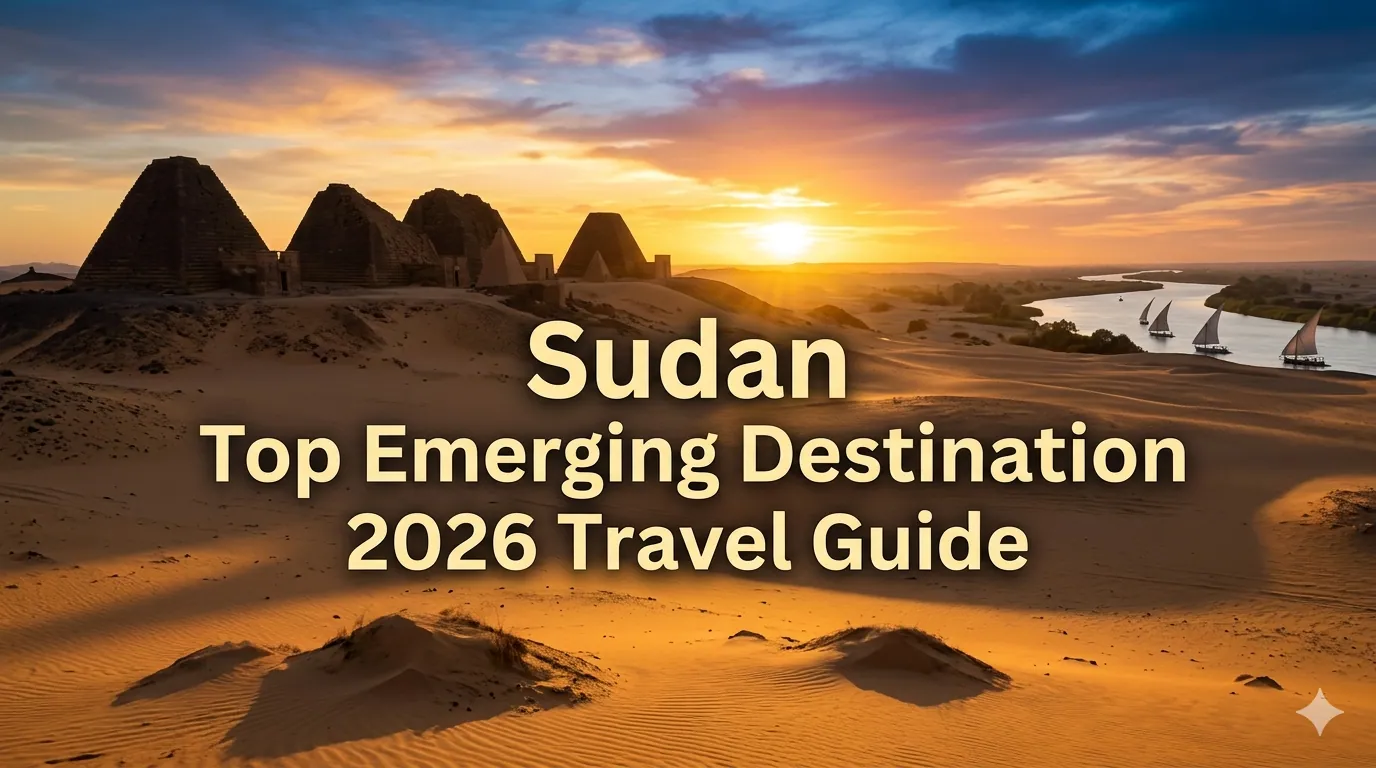
Discovering Sudans Untapped Travel Potential
Sudan stands at the threshold of becoming Africas most exciting frontier destination for 2026. This vast nation offers extraordinary experiences that remain largely undiscovered by mass tourism.
With over two hundred pyramids more than Egypt Sudan possesses archaeological treasures that rival any destination on the continent. These ancient Nubian structures tell stories of powerful civilizations.
The convergence of the Blue and White Nile Rivers creates unique landscapes and cultural交汇 points. This geographic feature has shaped Sudans history and continues to define its character.
Recent political changes have opened possibilities for tourism development. The country is positioning itself to welcome adventurous travelers seeking authentic experiences.
Sudans combination of ancient history diverse cultures stunning landscapes and genuine hospitality creates compelling reasons for exploration. Now represents an ideal time to discover this remarkable nation.
Ancient Pyramids That Rival Egypts Wonders

Sudan contains approximately 255 pyramids compared to Egypts 138. These Nubian pyramids represent one of the worlds most significant yet underappreciated archaeological treasures.
The Meroe pyramid field stands as Sudans most iconic archaeological site. Located northeast of Khartoum this UNESCO World Heritage Site features over 200 steep-sided pyramids.
These pyramids were built by the Kingdom of Kush between 720 BC and 300 AD. The Nubian civilization rivaled Egypt in power and cultural sophistication during this period.
Unlike Egyptian pyramids Nubian versions feature distinctive steep angles and smaller bases. This architectural style creates dramatic silhouettes against the desert sky particularly at sunrise and sunset.
Visitors can explore these sites with minimal crowds. The experience of having ancient pyramids virtually to yourself contrasts sharply with crowded Egyptian sites.
Photography opportunities are exceptional with few restrictions. The combination of ancient structures golden sands and dramatic lighting creates stunning images.
The Nile Rivers Cultural Heartbeat

Sudan contains the longest stretch of the Nile River of any country. This vital waterway has sustained civilizations for millennia and remains central to Sudanese life.
The confluence of the Blue Nile and White Nile occurs in Khartoum. This geographic phenomenon creates a visible meeting point where two differently colored waters merge.
Nile cruises offer unique perspectives on Sudanese landscapes and riverside communities. Traditional felucca boats provide authentic transportation and memorable experiences.
Riverside archaeological sites including temples and tombs line the Niles banks. These monuments demonstrate the rivers historical importance to ancient Nubian kingdoms.
Agricultural communities along the Nile maintain traditional farming methods. Date palm cultivation and subsistence agriculture create picturesque landscapes unchanged for centuries.
The Nile provides opportunities for fishing birdwatching and photography. Diverse ecosystems support abundant wildlife particularly migratory birds during winter months.
Red Sea Diving and Coastal Adventures

Sudans Red Sea coast remains one of the worlds last undived frontiers. Pristine coral reefs teeming with marine life await exploration by adventurous divers.
The Sanganeb Marine National Park offers exceptional diving opportunities. This UNESCO World Heritage Site features healthy coral formations and diverse marine species.
Shipwrecks along the coast provide fascinating dive sites. The Umbria wreck a World War II Italian cargo ship holds ammunition wine and vehicles creating unique underwater attractions.
Port Sudan serves as the gateway to Red Sea diving. The city offers basic diving infrastructure with equipment rental and boat charters available.
Coral reefs remain remarkably healthy due to minimal tourist pressure. Divers encounter vibrant coral gardens sharks rays dolphins and abundant tropical fish species.
Coastal communities maintain traditional fishing practices. Fresh seafood and Red Sea cuisine offer culinary experiences complementing diving adventures.
Nubian Culture and Living Heritage

Nubian culture represents one of Africas oldest continuous civilizations. Sudanese Nubians maintain traditions language and customs dating back thousands of years.
Traditional Nubian villages along the Nile showcase distinctive architecture. Colorful houses with decorative patterns reflect cultural aesthetic values and practical desert adaptations.
Nubian hospitality ranks among the worlds most genuine and warm. Visitors consistently report overwhelming kindness and welcome from local communities.
Traditional music and dance remain integral to Nubian life. The oud tambourine and distinctive vocal styles create memorable cultural performances.
Nubian cuisine features unique dishes utilizing local ingredients. Ful medames tahini bread and traditional stews offer authentic flavors worth exploring.
Language preservation efforts maintain Nubian dialects alongside Arabic. Learning basic Nubian greetings demonstrates respect and enhances cultural connections.
Khartoums Emerging Tourism Infrastructure

Khartoum is developing tourism infrastructure to accommodate growing visitor numbers. New hotels restaurants and services cater to international travelers.
The National Museum of Sudan houses exceptional Nubian artifacts. Collections include statues jewelry and relics from ancient Kushite kingdoms.
Souq Arabi offers authentic market experiences with traditional goods. Spices textiles handicrafts and local products provide shopping opportunities and cultural immersion.
Restaurants serve both traditional Sudanese cuisine and international options. Dining scenes blend local flavors with global influences creating diverse culinary experiences.
Tour operators specializing in Sudan travel have emerged in recent years. These companies facilitate logistics permits and guided experiences throughout the country.
Accommodation ranges from budget guesthouses to upscale hotels. While luxury options remain limited comfortable and clean lodging is increasingly available.
Desert Landscapes and Adventure Opportunities

Sudans desert landscapes offer spectacular scenery and adventure possibilities. The Sahara and Nubian Desert create dramatic backdrops for exploration.
Four-wheel drive desert expeditions reveal remote archaeological sites. Ancient settlements rock art and forgotten temples await discovery in isolated locations.
Camping under desert stars provides unforgettable experiences. Minimal light pollution creates exceptional stargazing opportunities in remote areas.
Desert oases support unique ecosystems and communities. These fertile islands in the sand offer rest stops and cultural encounters during desert journeys.
Camel trekking remains a traditional transportation method in desert regions. Multi-day camel expeditions provide authentic nomadic experiences for adventurous travelers.
Desert photography opportunities are exceptional with dramatic landscapes. Sand dunes rock formations and vast horizons create stunning visual compositions.
Archaeological Sites Beyond the Pyramids

Sudan contains numerous archaeological sites beyond the famous pyramids. Temples tombs and ancient cities demonstrate the regions historical significance.
Jebel Barkal near Karima features temples and pyramids. This sacred mountain was considered the dwelling place of the god Amun by ancient Nubians.
The temples of Naqa and Musawwarat es-Sufra showcase sophisticated architecture. These Meroitic period sites feature intricate reliefs and well-preserved structures.
Dongola contains medieval Christian Nubian churches and monasteries. This period between ancient and Islamic eras reveals Sudans religious diversity.
Rock art sites throughout Sudan depict ancient life and animals. These prehistoric paintings provide insights into past climates and human activities.
Archaeological work continues revealing new discoveries regularly. Visiting Sudan offers opportunities to see sites in early stages of exploration and preservation.
Practical Travel Information for 2026

Visa requirements for Sudan have become more streamlined in recent years. E-visa options now exist for many nationalities simplifying the application process.
Tourist visas typically allow stays of 30 days with extension possibilities. Applications require passport photos invitation letters or hotel confirmations.
Best travel seasons span October through April avoiding extreme heat. Winter months offer comfortable temperatures ideal for sightseeing and desert travel.
Currency is the Sudanese pound though US dollars are widely accepted. Bringing crisp new dollar bills ensures acceptance for larger transactions.
Internet connectivity has improved significantly in urban areas. Mobile data works reasonably well in cities though speeds remain slower than Western standards.
Travel insurance covering Sudan is essential. Verify that policies include medical evacuation as healthcare facilities remain limited outside Khartoum.
Safety Considerations and Current Conditions

Sudans security situation requires careful assessment before travel. Conditions vary significantly by region with some areas safer than others.
Northern Sudan including Khartoum Meroe and Nile Valley generally remains stable. These tourist areas typically experience calm conditions suitable for travel.
Certain western and border regions face ongoing security challenges. Darfur and areas near conflict zones should be avoided by tourists.
Travel advisories from home governments should be consulted regularly. Registration with embassies facilitates emergency communications if situations change.
Local guides and tour operators provide valuable security knowledge. Their awareness of current conditions helps navigate potential concerns safely.
Common sense precautions apply as in any destination. Avoiding displays of wealth respecting local customs and staying informed enhances safety.
Unique Experiences Available Only in Sudan

Sudan offers experiences impossible to replicate elsewhere. The combination of accessibility authenticity and uniqueness creates compelling travel opportunities.
Having ancient pyramids entirely to yourself represents a rare privilege. This solitude contrasts dramatically with crowded heritage sites globally.
Witnessing traditional Nubian life unchanged by mass tourism provides authentic cultural encounters. Communities welcome visitors with genuine curiosity and hospitality.
Exploring archaeological sites in early stages of research offers frontier experiences. Discoveries continue being made allowing travelers to witness history unfolding.
Diving pristine Red Sea reefs without crowds creates exceptional underwater adventures. The opportunity to explore before mass tourism arrives proves increasingly rare.
Being among the first generation of tourists to visit Sudan carries significance. Travelers contribute to sustainable tourism development while experiencing destinations in their purest form.
Sustainable Tourism and Community Impact

Tourism development in Sudan presents opportunities for positive community impact. Responsible travel can support local economies and cultural preservation.
Employing local guides and using Sudanese tour operators keeps money in communities. This economic benefit incentivizes heritage preservation and hospitality development.
Cultural exchange between visitors and Sudanese people builds mutual understanding. Personal connections challenge stereotypes and create global citizens.
Photography and storytelling can raise awareness of Sudans treasures. Sharing experiences responsibly promotes appreciation without exploitation.
Respecting archaeological sites and following preservation guidelines protects heritage. Future generations deserve to experience these remarkable places.
Supporting community-based tourism initiatives empowers local people. Homestays craft purchases and local dining directly benefit families and villages.
Best Time to Visit Sudan in 2026

Timing significantly impacts the Sudan travel experience. Understanding seasonal variations helps plan optimal visits.
November through February offers the most comfortable temperatures. Daytime highs range from 25 to 30 degrees Celsius ideal for sightseeing.
March and April remain warm but manageable for travel. These months see fewer tourists though heat increases particularly in desert areas.
May through September brings extreme heat exceeding 40 degrees Celsius. This period proves challenging for outdoor activities and desert travel.
October marks the transition to cooler weather with occasional rain. Landscapes green slightly creating photogenic contrasts with desert scenery.
Religious holidays including Ramadan affect business hours and atmospheres. Experiencing these periods offers cultural insights though some services may be limited.
Getting Around Sudan Transportation Options
Transportation infrastructure in Sudan requires patience and flexibility. Multiple options exist with varying comfort and reliability levels.
Domestic flights connect major cities including Khartoum Port Sudan and Nyala. These services save time though schedules can be unpredictable.
Private vehicles with drivers offer the most reliable transportation. Hiring experienced drivers familiar with routes and conditions proves worthwhile.
Buses operate between cities though comfort levels vary significantly. Long-distance journeys can be arduous but provide authentic local experiences.
Train travel on limited routes offers nostalgic experiences. The railway system dates to colonial times and maintains romantic appeal despite slow speeds.
Nile boats provide transportation between riverside communities. These vessels offer unique perspectives though schedules depend on water levels and demand.
Culinary Delights of Sudanese Cuisine
Sudanese cuisine reflects the countrys diverse cultural influences and agricultural products. Flavors blend African Arab and Mediterranean traditions.
Ful medames fava bean stew represents the national breakfast dish. Served with bread eggs and vegetables this protein-rich meal fuels busy days.
Kisra fermented flatbread accompanies most meals. This sourdough-like bread serves as both utensil and staple carbohydrate source.
Tagalia meat stew with okra and spices showcases Sudanese cooking. Slow-cooked preparations develop complex flavors worth experiencing.
Fresh juices including hibiscus karkade and tamarind provide refreshment. These beverages utilize local ingredients creating distinctive flavors.
Traditional coffee ceremonies demonstrate Sudanese hospitality. The elaborate preparation and serving ritual emphasizes community and conversation.
Cultural Etiquette and Respectful Travel
Understanding Sudanese cultural norms enhances travel experiences and demonstrates respect. Simple courtesies create positive interactions.
Dress modestly particularly for women travelers. Loose clothing covering shoulders and knees aligns with local expectations and reduces unwanted attention.
Using the right hand for eating and greeting shows cultural awareness. The left hand is considered unclean in traditional Sudanese culture.
Asking permission before photographing people proves essential. Many Sudanese welcome photos though some prefer not to be photographed.
Learning basic Arabic greetings opens doors to warmer interactions. Simple phrases like as-salamu alaykum demonstrate respect and effort.
Accepting hospitality including tea or meals when offered strengthens relationships. Refusing can cause offense though genuine constraints are understood.
Why 2026 is the Perfect Time to Visit
Multiple factors converge to make 2026 an ideal year for visiting Sudan. The destination stands at a pivotal moment in its tourism development.
Political stabilization has improved safety and accessibility. While challenges remain the trajectory points toward increasing openness to tourism.
Infrastructure improvements including hotels and tour operators facilitate travel. Services have developed sufficiently to support visitors while maintaining authenticity.
Visitor numbers remain low preserving the frontier experience. Being among early travelers to Sudan offers unique opportunities impossible once mass tourism arrives.
Growing international awareness has not yet created crowds. Word is spreading about Sudans treasures though destinations remain uncrowded.
Supporting tourism now helps build sustainable industry. Visitor spending demonstrates economic value of preservation and hospitality development.
Conclusion Embracing Sudans Travel Potential
Sudan represents Africas most compelling emerging frontier destination for 2026. The combination of ancient pyramids pristine Red Sea reefs vibrant cultures and genuine hospitality creates unforgettable experiences.
Travelers willing to embrace challenges and uncertainties discover rewards impossible in developed destinations. Authenticity solitude and discovery define the Sudan travel experience.
The countrys archaeological treasures cultural richness and natural beauty rival any global destination. Yet Sudan remains refreshingly free from mass tourism impacts.
Visiting Sudan contributes to sustainable development while creating memories of a lifetime. Early travelers help shape responsible tourism that benefits local communities.
Now stands as the perfect moment to explore this remarkable nation before widespread discovery changes its character. Sudan awaits adventurous travelers ready to experience Africas best-kept secret.
The pyramids of Meroe the waters of the Nile the reefs of the Red Sea and the warmth of Sudanese people create compelling reasons to visit. Sudan truly deserves recognition as 2026s top emerging frontier destination.
0 Comments