.webp)
.webp)
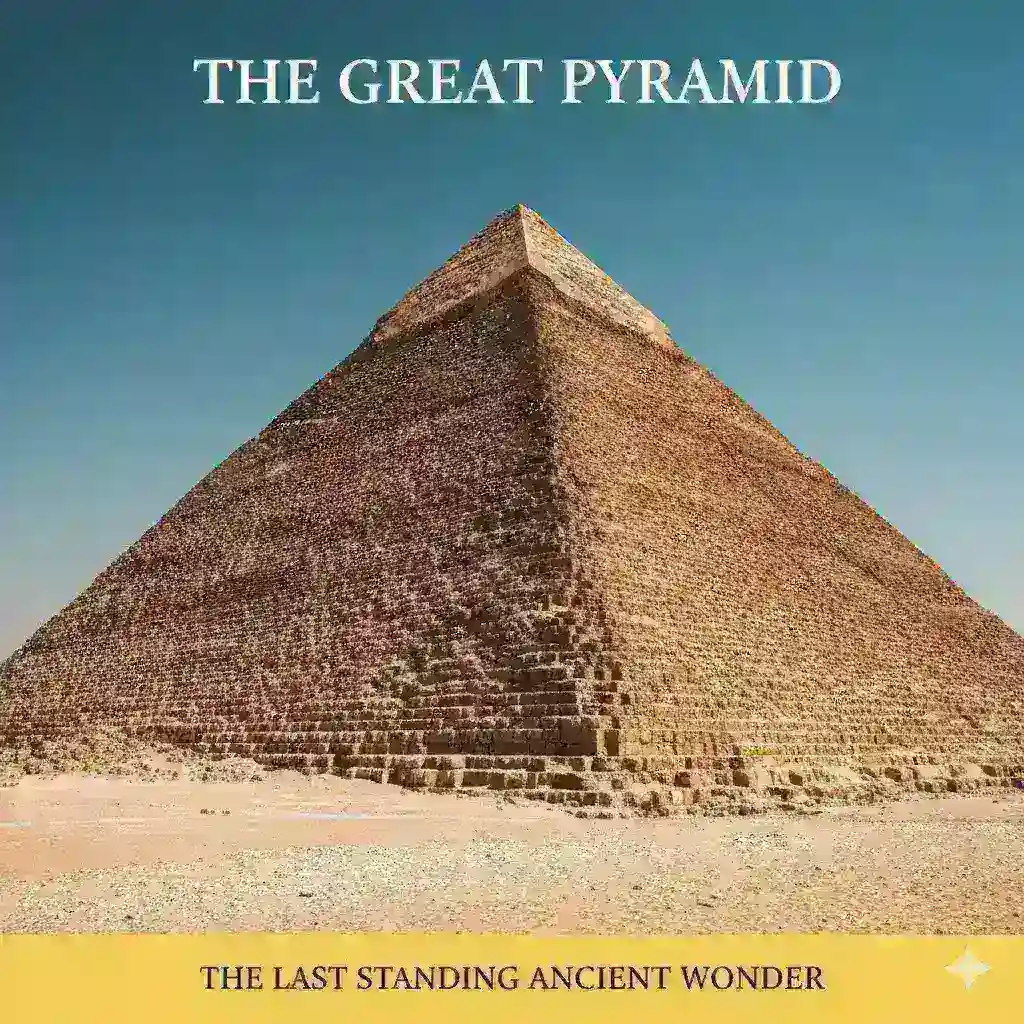
THE GREAT PYRAMID OF GIZA: THE LAST STANDING WONDER OF THE ANCIENT WORLD
Rising from the golden sands of the Giza plateau on the outskirts of Cairo, the Great Pyramid stands as humanity's most enduring architectural achievement and the only surviving wonder of the ancient world. Built over 4,500 years ago as the eternal resting place of Pharaoh Khufu (known to the Greeks as Cheops), this monumental structure continues to inspire awe, scholarly inquiry, and philosophical reflection about human ambition, engineering ingenuity, and the quest for immortality. In 2026, as travelers seek meaningful connections to ancient wisdom and extraordinary human achievement, the Great Pyramid of Giza offers an unparalleled opportunity to stand before a monument that has witnessed the rise and fall of empires, the birth of world religions, and the entire sweep of recorded history.
This comprehensive guide invites you to explore the Great Pyramid with deeper understanding and greater appreciation. We will examine the historical context that gave rise to this extraordinary building, decode the architectural and engineering innovations that make it a masterpiece of ancient construction, reflect on the cultural and spiritual significance that continues to make it relevant today, and provide practical information for visiting in 2026. Whether you are a history enthusiast drawn by pharaonic mysteries, an architecture lover fascinated by ancient engineering, a photography enthusiast chasing golden hour light on ancient stone, or simply a curious traveler inspired by the pyramid's legendary status, this guide will help you prepare for an unforgettable encounter with the last standing wonder of the ancient world.
Understanding the Great Pyramid requires more than admiring its massive scale; it demands engaging with the beliefs that inspired its construction, the skills that made it possible, and the ongoing scholarly debates about its purpose and meaning. By approaching the pyramid with curiosity and respect, you will discover not just ancient stones but a living dialogue between past and present, between human ambition and eternal questions about life, death, and legacy.
HISTORICAL CONTEXT: BUILDING ETERNITY IN THE OLD KINGDOM
The story of the Great Pyramid begins in Egypt's Old Kingdom, a period of centralized power, artistic flourishing, and monumental building that lasted from approximately 2686 to 2181 BCE. During this era, pharaohs were considered divine rulers, intermediaries between the gods and the people, and their eternal well-being was seen as essential to the stability and prosperity of Egypt itself.
Khufu, the second pharaoh of the Fourth Dynasty, ascended the throne around 2589 BCE and ruled for approximately 23 years. Like his predecessors, Khufu sought to ensure his successful passage to the afterlife and his eternal existence among the gods. The pyramid complex at Giza was designed to serve this purpose, providing not just a tomb but a comprehensive ritual landscape that would sustain the pharaoh's spirit for eternity.
Construction of the Great Pyramid began around 2580 BCE and is believed to have taken approximately 20 years to complete. The project required extraordinary organization, resources, and technical skill. Ancient sources suggest that tens of thousands of workers were involved, though modern scholarship indicates that the workforce was likely smaller and more specialized than previously thought. Rather than slave labor as once believed, evidence suggests that the pyramid was built by skilled craftsmen, engineers, and seasonal laborers who were paid, fed, and housed by the state.
The choice of Giza as the pyramid's location was strategic. The plateau offered a stable limestone foundation, proximity to the Nile for transportation of materials, and visibility from Memphis, the administrative capital of Old Kingdom Egypt. The site's elevation also provided protection from the Nile's annual floods while maintaining symbolic connection to the river that sustained Egyptian civilization.
The pyramid's construction represents one of the great logistical achievements of the ancient world. Approximately 2.3 million limestone blocks, weighing an average of 2.5 tons each (with some as heavy as 80 tons), were quarried, transported, and precisely positioned to create the structure. The outer casing was originally composed of highly polished white Tura limestone, which would have reflected sunlight and made the pyramid visible from great distances. Though most of this casing has been removed over the millennia for other building projects, remnants remain at the pyramid's base, offering a glimpse of its original brilliance.
The Great Pyramid remained the tallest human-made structure in the world for over 3,800 years, until the completion of Lincoln Cathedral in England in 1311 CE. Its enduring presence has made it a symbol of human achievement, a subject of scholarly study, and a source of inspiration for architects, engineers, and thinkers across cultures and centuries.
For visitors in 2026, understanding this historical context enriches the experience of encountering the pyramid, revealing the religious beliefs, political power, and technical knowledge that made this extraordinary building possible.
ARCHITECTURAL AND ENGINEERING INNOVATION: PRECISION ON A MONUMENTAL SCALE
The Great Pyramid's status as an architectural masterpiece stems from its extraordinary precision, innovative engineering, and sophisticated understanding of mathematics and astronomy. Understanding these features enhances appreciation of the pyramid as a testament to ancient Egyptian knowledge and skill.
Dimensions and Proportions:
The Great Pyramid was originally 146.6 meters (481 feet) tall, though erosion and the loss of its capstone have reduced its current height to approximately 138.5 meters (454 feet). Its base measures approximately 230.4 meters (756 feet) on each side, covering an area of about 5.3 hectares (13 acres). The pyramid's four sides are aligned almost perfectly with the cardinal points of the compass, with an average deviation of less than 0.05 degrees—a remarkable achievement given the tools available to ancient surveyors.
The pyramid's slope angle of approximately 51.5 degrees was carefully calculated to balance structural stability with aesthetic proportion. This angle, combined with the pyramid's precise orientation, has contributed to its extraordinary longevity, allowing it to withstand earthquakes, erosion, and human intervention for over four millennia.
Internal Structure:
The pyramid's interior contains a complex system of passages and chambers that reflect ancient Egyptian beliefs about the pharaoh's journey to the afterlife:
- The Descending Passage: Leads from the original entrance on the north face down into the bedrock beneath the pyramid, terminating in an unfinished subterranean chamber.
- The Ascending Passage: Branches upward from the Descending Passage, leading to the pyramid's upper chambers.
- The Grand Gallery: A magnificent corbelled vault rising 8.6 meters (28 feet) high and extending 46 meters (151 feet) in length. Its sophisticated construction and precise alignment demonstrate extraordinary engineering skill.
- The King's Chamber: Located near the pyramid's center, this granite-lined chamber houses a sarcophagus believed to have held Khufu's remains. The chamber's construction includes stress-relieving chambers above it, designed to distribute the enormous weight of the pyramid above.
- The Queen's Chamber: Despite its name, this chamber was likely intended for ritual purposes rather than as a burial chamber. Its precise dimensions and niche have inspired extensive scholarly discussion.
- Ventilation Shafts: Narrow passages extending from the King's and Queen's Chambers toward the pyramid's exterior, possibly serving ritual or symbolic functions related to the pharaoh's ascent to the heavens.
Engineering Techniques:
The construction of the Great Pyramid required innovative solutions to extraordinary challenges:
- Quarrying and Transport: Limestone blocks were quarried using copper tools, wooden wedges, and water to expand natural fissures. Blocks were transported on sledges, possibly lubricated with water or oil, and moved via ramps and causeways.
- Precision Placement: The pyramid's remarkable accuracy suggests the use of sophisticated surveying techniques, possibly involving stellar observations, water levels, and plumb bobs.
- Ramp Systems: While the exact method remains debated, most scholars believe that some form of ramp system—straight, zigzagging, or spiral—was used to raise blocks to increasing heights during construction.
- Workforce Organization: The project required careful coordination of labor, materials, and logistics, suggesting a highly developed administrative system capable of managing large-scale projects.
Astronomical and Mathematical Knowledge:
The Great Pyramid reflects sophisticated understanding of astronomy and mathematics:
- Cardinal Alignment: The pyramid's near-perfect alignment with true north suggests astronomical observation techniques, possibly using circumpolar stars.
- Mathematical Proportions: The pyramid's dimensions incorporate mathematical relationships, including approximations of pi and the golden ratio, though scholars debate whether these were intentional or emergent properties of the design.
- Solar and Stellar Symbolism: The pyramid's orientation and internal passages may have been designed to align with celestial events, reflecting ancient Egyptian beliefs about the pharaoh's union with the sun god Ra and the imperishable stars.
CULTURAL AND SPIRITUAL SIGNIFICANCE: BELIEF, POWER, AND ETERNITY
The Great Pyramid was not merely a tomb; it was a comprehensive ritual landscape designed to ensure the pharaoh's successful transition to the afterlife and his eternal existence among the gods. Understanding this spiritual context enriches the visitor experience by revealing the beliefs and values that inspired this extraordinary building.
Religious Beliefs:
Ancient Egyptian religion centered on the concept of ma'at—cosmic order, truth, and balance. The pharaoh, as divine ruler, was responsible for maintaining ma'at on earth and ensuring the gods' favor. Death was not an end but a transition to another state of existence, provided that proper rituals were performed and the body was preserved.
The pyramid complex served multiple religious functions:
- Eternal Residence: The pyramid provided an imperishable dwelling for the pharaoh's ka (life force) and ba (soul), ensuring his continued existence.
- Ritual Landscape: The surrounding temples, causeways, and subsidiary pyramids created a comprehensive ritual environment for offerings, ceremonies, and the pharaoh's spiritual journey.
- Celestial Ascent: The pyramid's form and orientation may have been designed to facilitate the pharaoh's ascent to join the sun god Ra in his daily journey across the sky or to join the imperishable stars that never set.
Political Symbolism:
Beyond its religious significance, the Great Pyramid served as a powerful statement of political authority:
- Divine Kingship: The pyramid's monumental scale and precision demonstrated the pharaoh's divine status and his ability to command extraordinary resources.
- State Power: The project's successful completion showcased the administrative capacity of the Old Kingdom state and its ability to organize labor, materials, and expertise on a massive scale.
- Legacy and Memory: By building an imperishable monument, Khufu ensured that his name and achievements would endure, fulfilling the Egyptian ideal of eternal remembrance.
Enduring Fascination:
The Great Pyramid has captivated human imagination for millennia. Ancient Greek historians marveled at its construction; medieval travelers sought its secrets; modern scholars continue to study its engineering and symbolism. The pyramid has inspired architectural styles, philosophical reflections, and artistic expressions across cultures and centuries.
In contemporary times, the pyramid continues to serve as a symbol of human achievement, a subject of scientific inquiry, and a source of spiritual reflection. Its enduring presence reminds us of humanity's capacity for extraordinary accomplishment and our enduring questions about life, death, and legacy.
VISITOR EXPERIENCE: EXPLORING THE GIZA PLATEAU
Visiting the Great Pyramid in 2026 offers multiple ways to engage with this ancient wonder, from exploring the pyramid's interior to contemplating its exterior grandeur, from learning about its construction to experiencing the surrounding archaeological landscape.
Accessing the Pyramid Interior:
For those seeking to experience the pyramid from within, interior access is available through a separate ticket:
- The Entrance: Visitors enter through a tunnel cut into the pyramid's north face in the 9th century CE, as the original entrance is no longer used for tourist access.
- The Ascending Passage: A narrow, sloping corridor that requires bending and careful footing. The passage can be warm and claustrophobic; those with mobility challenges or claustrophobia should consider this carefully.
- The Grand Gallery: The highlight of the interior experience, this magnificent space offers a breathtaking example of ancient engineering. Its corbelled walls and precise construction are awe-inspiring.
- The King's Chamber: The journey culminates in this granite-lined chamber, where the empty sarcophagus invites reflection on the pharaoh's eternal journey.
Important considerations for interior visits:
- Interior tickets are limited and sell out quickly; book in advance when possible
- The interior can be hot, humid, and confined; wear appropriate clothing and bring water
- Photography inside the pyramid is prohibited to protect the ancient surfaces
- Allow 30-45 minutes for the interior experience, plus time for queues
- Not recommended for those with mobility issues, claustrophobia, or heart conditions
Exploring the Exterior and Plateau:
For many visitors, the pyramid's exterior and surrounding landscape offer the most rewarding experience:
- Circumambulation: Walking around the pyramid's base allows appreciation of its massive scale and the precision of its construction. The remaining casing stones at the base offer a glimpse of the pyramid's original appearance.
- Panoramic Views: The Giza plateau offers multiple vantage points for photographing the pyramids, including the area near the Sphinx and the desert edge where all three main pyramids can be framed together.
- Solar Boat Museum: Located on the south side of the Great Pyramid, this museum houses a reconstructed solar boat believed to have been intended to carry Khufu's soul in the afterlife.
- Panoramic Point: A designated viewing area offers spectacular views of all three pyramids aligned, ideal for photography and contemplation.
The Sphinx and Surrounding Monuments:
No visit to the Great Pyramid is complete without experiencing the nearby Sphinx and subsidiary monuments:
- The Great Sphinx: This iconic limestone statue, with the body of a lion and the head of a pharaoh (likely Khafre), guards the Giza plateau. Its weathered face and mysterious expression have inspired countless interpretations and legends.
- Valley Temple of Khafre: Located near the Sphinx, this well-preserved temple features massive granite blocks and offers insights into ancient Egyptian temple architecture.
- Subsidiary Pyramids: Smaller pyramids near the main structures housed queens and other royal family members, illustrating the comprehensive nature of the royal necropolis.
Sound and Light Show:
For an atmospheric evening experience, the Giza Sound and Light Show combines narration, music, and illuminated monuments to tell the story of ancient Egypt. While opinions on the show vary, many visitors find it a memorable way to experience the plateau after dark.
Practical tips for the show:
- Shows typically run multiple evenings per week; check current schedule when planning
- Seating is in an outdoor amphitheater; bring a light jacket for evening temperatures
- Audio is available in multiple languages via headsets
- Photography is permitted; the illuminated monuments create dramatic photo opportunities
PRACTICAL VISITOR INFORMATION FOR 2026
Planning a visit to the Great Pyramid requires consideration of logistics, timing, and cultural norms. This section provides essential information for traveling responsibly to Giza in 2026.
Getting to Giza:
The Giza plateau is located approximately 20 kilometers (12 miles) southwest of central Cairo, easily accessible by various transportation options:
By taxi or ride-hailing:
- Uber and Careem operate reliably in Cairo and can drop visitors at the Giza plateau entrance
- Agree on fares in advance or use app pricing to avoid confusion
- Allow 30-60 minutes for the journey from central Cairo, depending on traffic
By organized tour:
- Many tour operators offer half-day or full-day Giza tours with transportation, guides, and sometimes meals included
- Ideal for first-time visitors or those preferring structured experiences
- Book through reputable companies with good reviews
By public transportation:
- Metro Line 2 to Giza Station, then taxi or bus to the plateau
- Budget-friendly but requires navigation and local knowledge
- Allow extra time for transfers and potential delays
Opening Hours and Ticketing:
The Giza plateau is generally open daily from 8 AM to 5 PM, though hours may vary seasonally and for special events.
Ticket information:
- General admission: Grants access to the plateau exterior, Sphinx area, and panoramic viewpoints
- Interior access: Separate ticket required for entering the Great Pyramid; limited daily availability
- Solar Boat Museum: Separate ticket or combination ticket available
- Combination tickets: Offer savings for visiting multiple sites; inquire at ticket offices
Booking tips:
- Purchase tickets at the official ticket office to avoid scams
- Consider booking interior access in advance through authorized tour operators if available
- Keep tickets accessible; they may be checked at multiple points
Best Times to Visit:
To avoid crowds and enjoy optimal conditions:
- Sunrise: Arrive at opening time (8 AM) for the smallest crowds, soft morning light, and cooler temperatures. This is ideal for photography and interior visits.
- Late afternoon: Visit 2-3 hours before closing for golden hour lighting and fewer crowds, though interior access may be limited by closing times.
- Avoid midday: Heat and crowds peak between 11 AM and 2 PM, especially in summer months.
- Seasonal considerations: October to April offers the most pleasant weather; May to September brings extreme heat but fewer tourists.
Weather Considerations:
Giza has a desert climate with hot, dry summers and mild winters:
- Summer (May-September): Temperatures often exceed 35°C (95°F); bring sun protection, water, and light clothing. Plan indoor or shaded activities during peak heat.
- Winter (November-February): Pleasant daytime temperatures (15-25°C / 59-77°F) but cool mornings and evenings; bring layers.
- Spring and Autumn: Ideal visiting conditions with moderate temperatures and clear skies.
Check weather forecasts before your visit and dress appropriately for desert conditions.
Accessibility:
The Giza plateau presents challenges for visitors with mobility limitations, though efforts have been made to improve access:
- Exterior pathways: Paved paths connect major viewing areas, though some surfaces are uneven or sandy
- Interior access: The pyramid's interior involves narrow, sloping passages and is not wheelchair accessible
- Sphinx area: Relatively accessible with paved pathways, though some areas have steps
- Assistance: Staff can provide guidance on accessible routes; contact in advance for specific needs
Photography Tips:
The Great Pyramid offers exceptional photography opportunities. To capture its beauty:
- Golden hour: Sunrise and sunset provide warm, directional light that enhances the texture of ancient stone and creates dramatic shadows.
- Composition: Include human figures for scale, use the Sphinx or subsidiary pyramids for foreground interest, or capture all three main pyramids aligned from panoramic viewpoints.
- Equipment: A wide-angle lens captures the pyramid's scale; a telephoto lens isolates architectural details. A polarizing filter reduces glare on stone surfaces.
- Respect restrictions: Photography inside the pyramid is prohibited; tripods may require special permission in certain areas.
Health and Safety:
The Giza plateau is generally safe for visitors who take standard precautions:
- Sun protection: Egypt's UV levels can be extreme. Use SPF 30+ sunscreen, wear a hat and sunglasses, and seek shade during peak sun hours.
- Hydration: Bring sufficient water, especially in warm weather. Dehydration can occur quickly in desert conditions.
- Footwear: Wear sturdy, comfortable shoes for walking on uneven surfaces and sand.
- Personal belongings: Keep valuables secure; use hotel safes for passports and extra cash. Be aware of your surroundings in crowded areas.
- Guidance: Follow instructions from site staff and licensed guides; avoid climbing on monuments or restricted areas.
Cultural Etiquette:
Egypt is a predominantly Muslim country with conservative social norms in many areas:
- Dress modestly: Cover shoulders and knees, especially when visiting religious or historic sites.
- Respect local customs: Ask permission before photographing people, particularly women and children.
- Bargaining: Polite negotiation is expected in markets and with vendors; maintain a friendly demeanor.
- Tipping: Small tips (baksheesh) are customary for services; carry small denominations of Egyptian currency.
SUSTAINABLE AND RESPONSIBLE VISITING
Visiting the Great Pyramid carries responsibility to protect this irreplaceable monument for future generations. In 2026, sustainable tourism practices are essential for preserving Egypt's heritage.
Protect the Monument:
The Great Pyramid faces challenges from environmental factors, visitor pressure, and conservation needs. Help preserve this wonder by:
- Following posted guidelines regarding photography, touching, and access
- Staying on designated paths to protect archaeological contexts and ancient surfaces
- Not climbing on the pyramid or removing any materials, even small fragments
- Supporting conservation initiatives through donations or responsible tour operators
Support Local Communities:
Tourism can be a powerful force for economic development when benefits reach local people. Support communities by:
- Choosing locally-owned accommodations, restaurants, and tour operators
- Purchasing crafts directly from artisans rather than mass-produced imports
- Engaging respectfully with local people; learn about their lives and perspectives
- Tipping appropriately for services; tips are an important part of many workers' income
Minimize Environmental Impact:
The Giza plateau faces environmental challenges including waste management and resource conservation. Reduce your footprint by:
- Carrying reusable water bottles and avoiding single-use plastics
- Disposing of waste properly using designated bins
- Choosing eco-certified tour operators and accommodations
- Conserving water and energy, especially in desert settings
Engage with Cultural Heritage Respectfully:
The Great Pyramid belongs to the Egyptian people and to humanity. Engage respectfully by:
- Learning about the history and significance of the pyramid before visiting
- Listening to Egyptian guides and scholars who interpret their own heritage
- Avoiding activities that exploit cultural traditions or sacred practices
- Sharing your experiences in ways that promote understanding rather than stereotypes
CONCLUSION: STANDING BEFORE ETERNITY
Standing before the Great Pyramid of Giza is an experience that transcends ordinary tourism. As you gaze upon this massive structure that has endured for over four and a half millennia, as you contemplate the skill and ambition that brought it into being, and as you reflect on the beliefs and values that inspired its construction, you encounter something profound: the enduring power of human creativity to shape the world and to reach for eternity.
In 2026, as travelers seek meaningful connections to history, culture, and human achievement, the Great Pyramid offers an unparalleled opportunity to engage with one of humanity's greatest accomplishments. Whether you explore its interior passages, walk its ancient base, photograph its golden silhouette at sunset, or simply sit in contemplative silence before its timeless presence, the pyramid invites reflection on the questions that have animated human existence across the ages: What endures? What matters? How do we leave a legacy that transcends our mortal span?
As you plan your visit to the Great Pyramid, approach this extraordinary monument with curiosity, humility, and respect. Listen to the stories the stones tell, engage with the scholarship that continues to reveal its secrets, and allow its grandeur to inspire your own appreciation for human potential and enduring questions.
May your encounter with the Great Pyramid deepen your appreciation for the achievements of ancient civilizations and inspire your commitment to protecting the cultural treasures that make our world extraordinary. As the builders of this wonder understood, true legacy lies not just in monuments of stone but in the knowledge, values, and stories that endure across generations. May you carry that understanding forward, wherever your journey leads.
Useful resources include the Egyptian Ministry of Tourism and Antiquities for official site information, the Grand Egyptian Museum for contextual exhibitions, and your country's travel advisory service for safety updates. Emergency services in Egypt can be reached at 122 for police, 123 for ambulance, and 180 for fire. Disclaimer: Information is accurate as of early 2026. Site hours, ticket prices, and policies may change; verify details before travel. This guide is for informational purposes only and does not constitute professional travel advice.
0 Comments